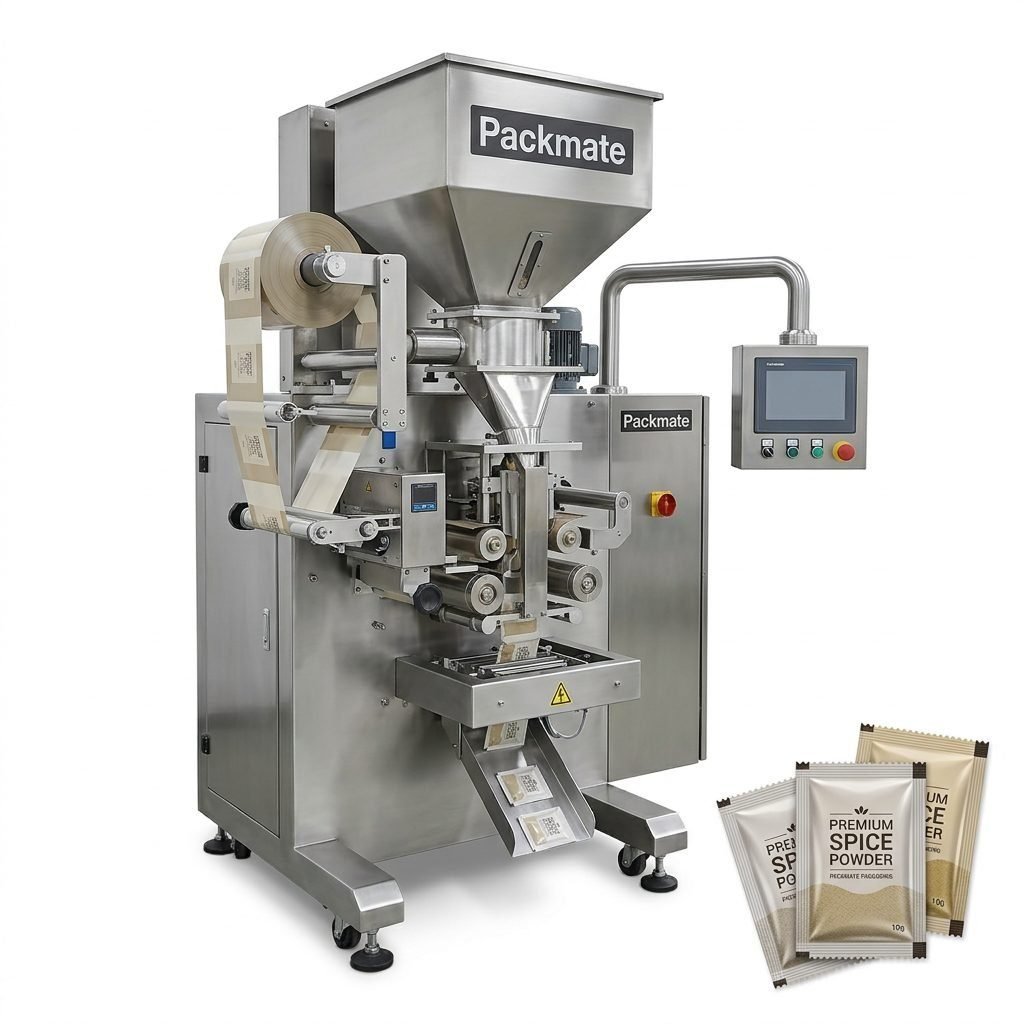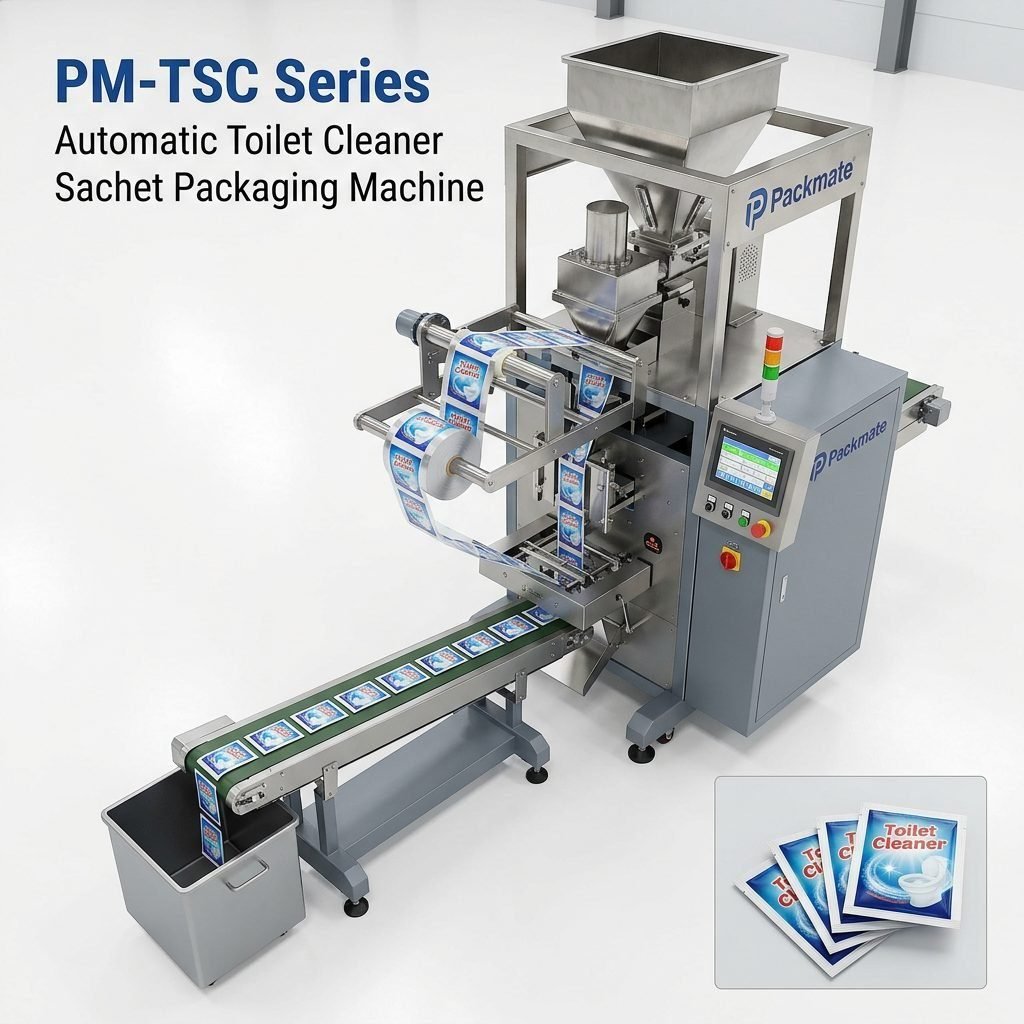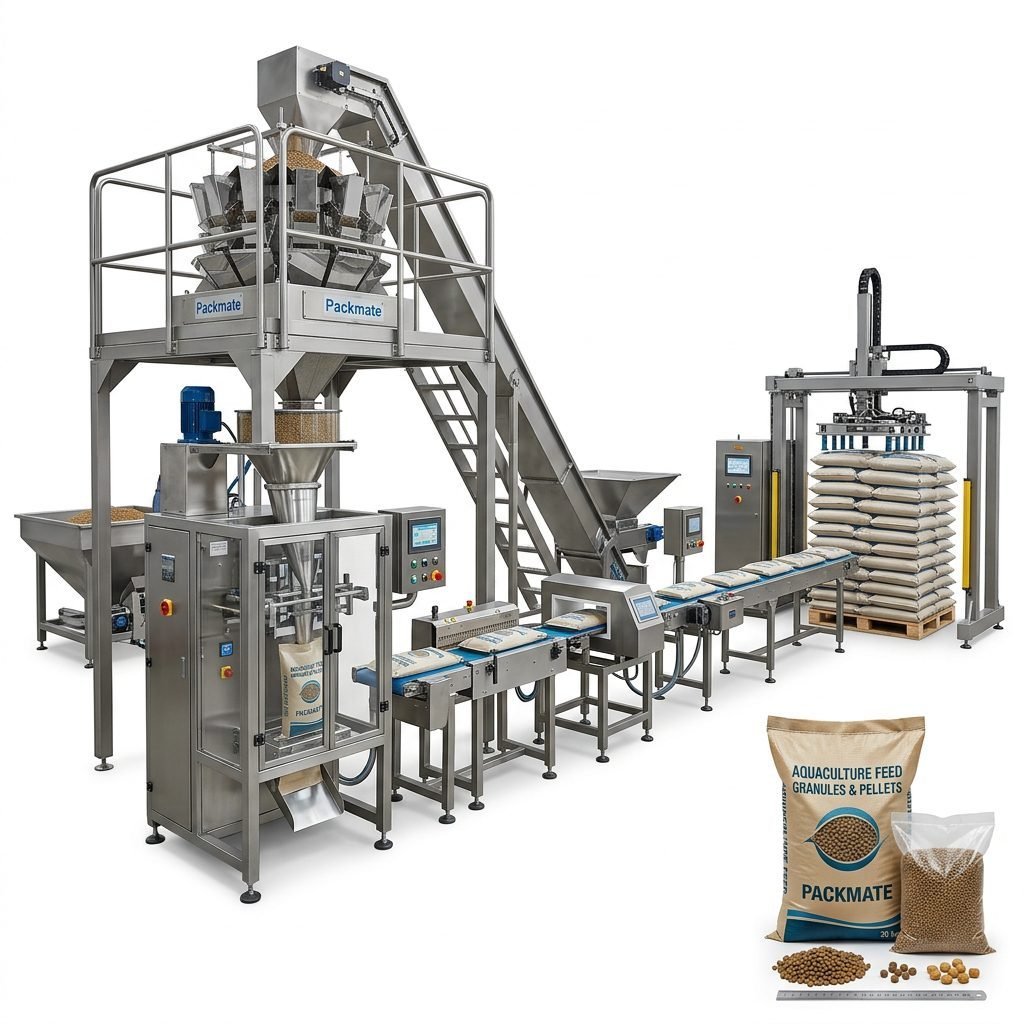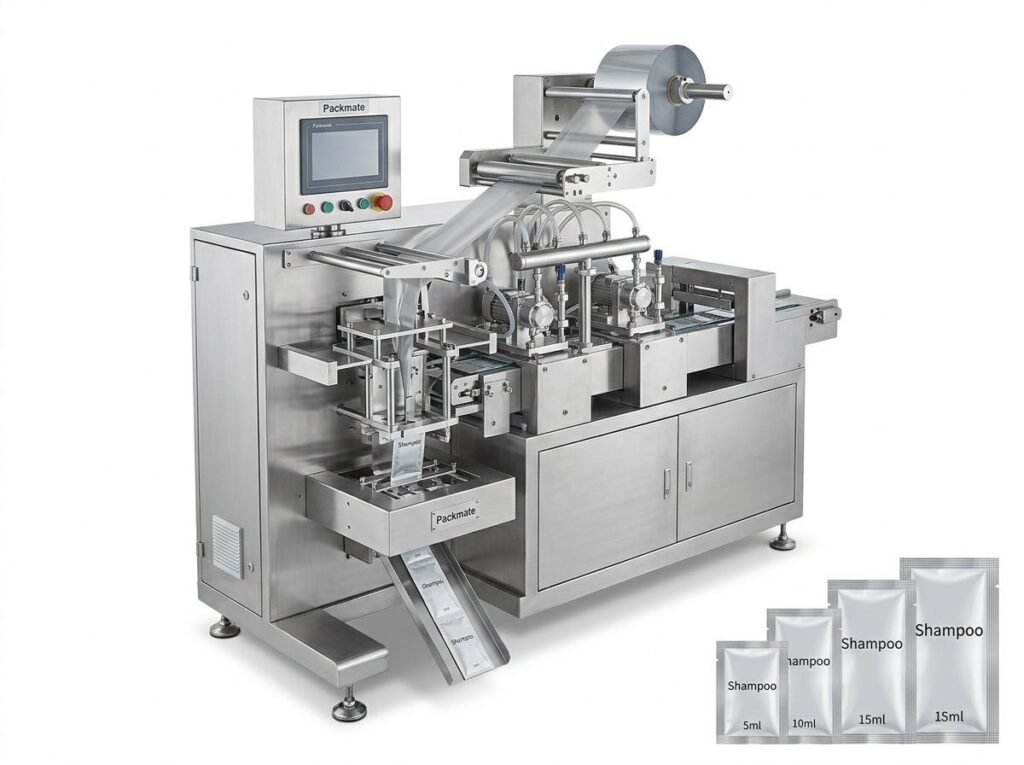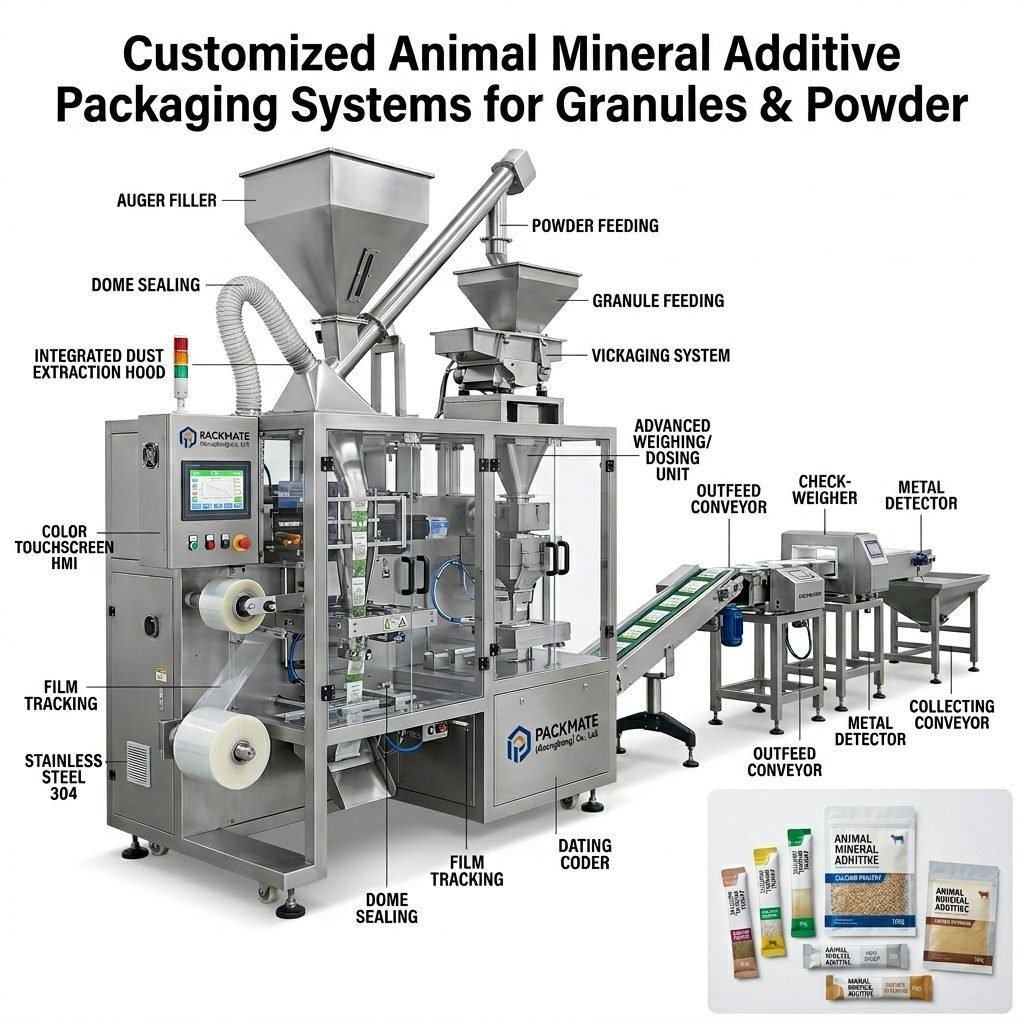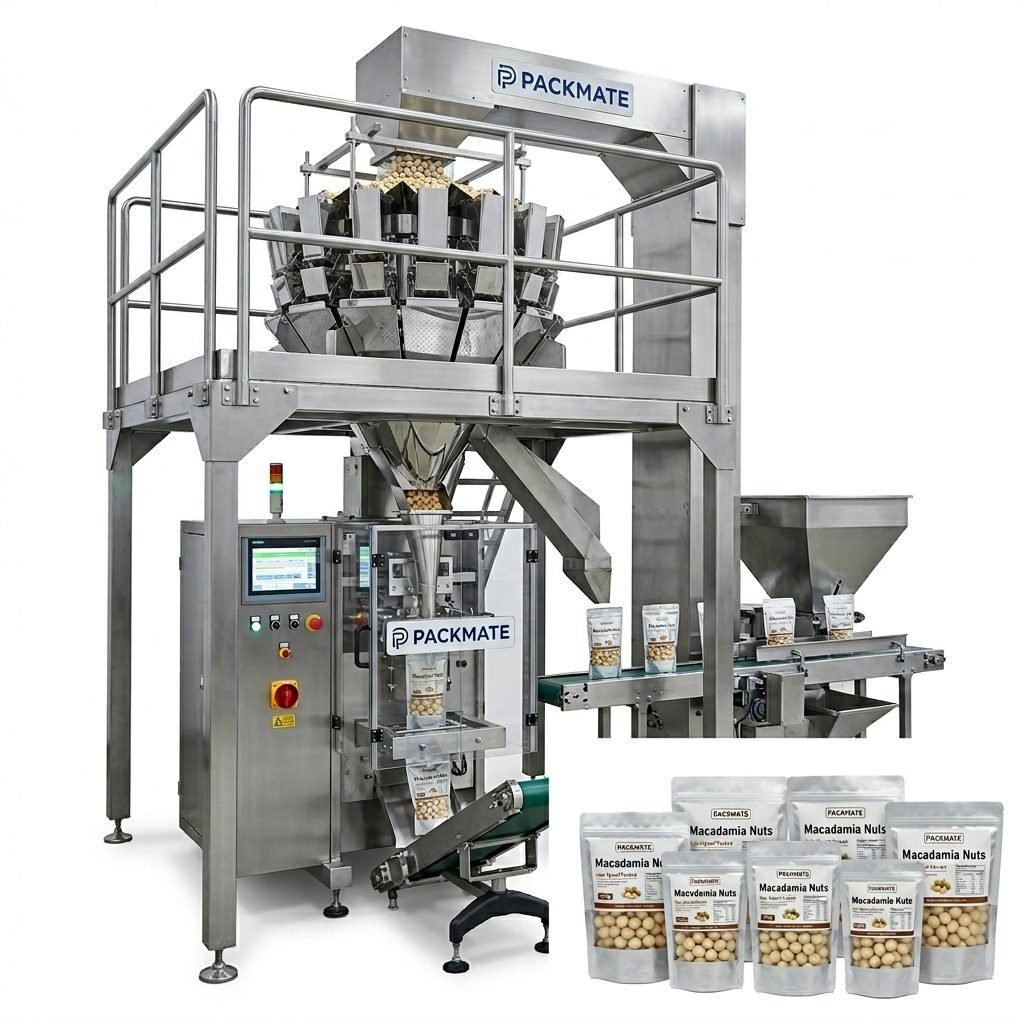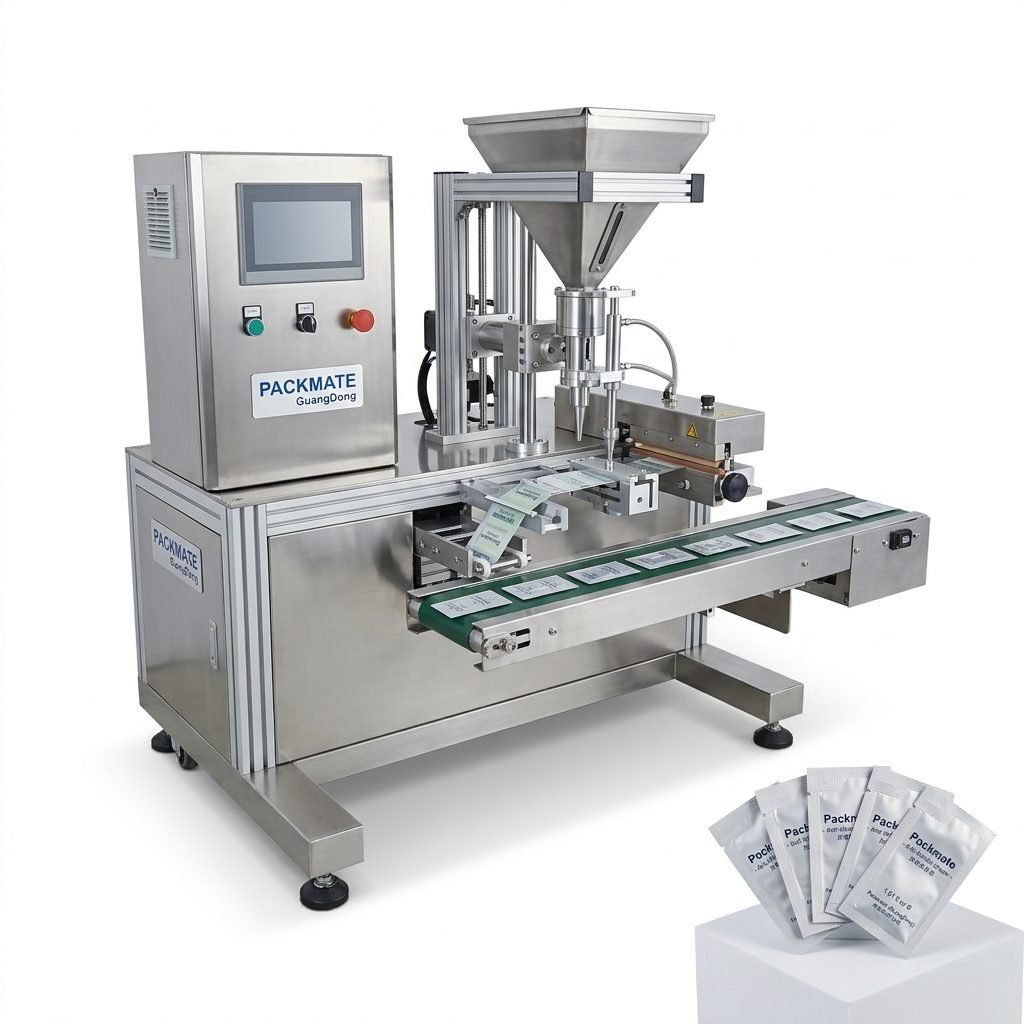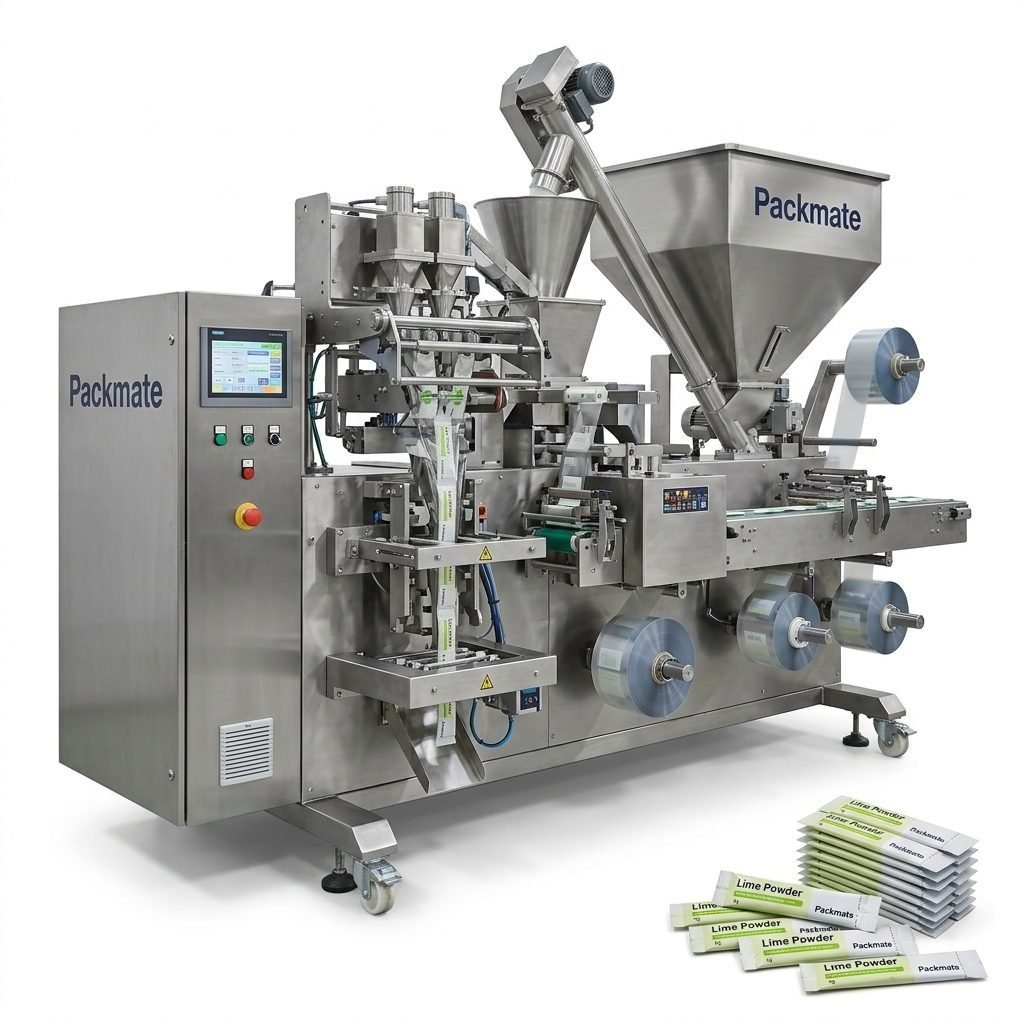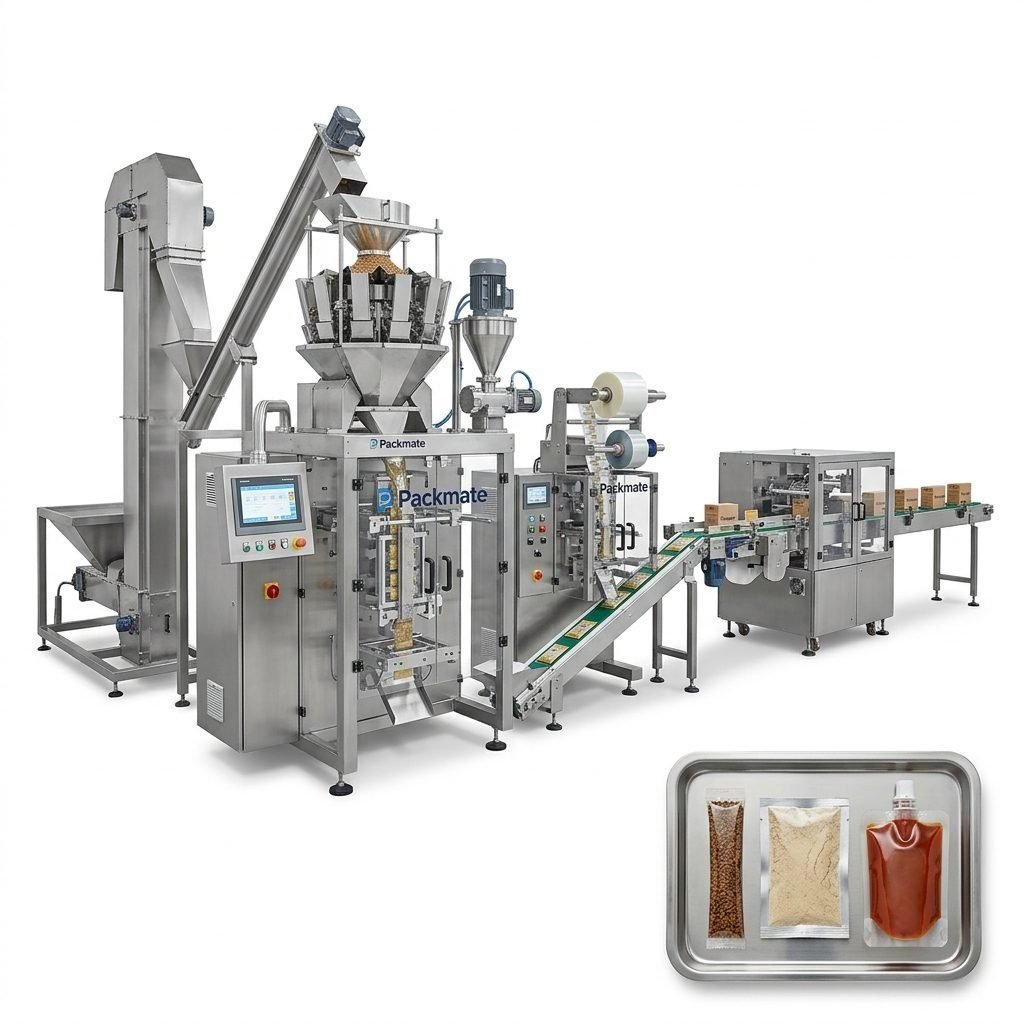
In the fast-paced world of manufacturing, efficiency is the cornerstone of profitability and market competitiveness. For industries handling liquids, granules, and powders—from food and beverages to pharmaceuticals and health supplements—the packaging line is a critical juncture. Bottle packaging machines stand as the pivotal technology that transforms bulk product into market-ready, consumer-friendly units. Selecting the right equipment is not merely a purchase; it’s a strategic investment in your production’s future. This guide delves into the essential aspects of top bottle packaging machines, providing a roadmap for businesses seeking to enhance their operational efficiency, ensure product integrity, and scale their output reliably.
The Core Components of a Modern Bottle Packaging Line
A fully integrated bottle packaging line is a symphony of coordinated machinery. Understanding each component’s role is the first step toward optimization.
1. Bottle Unscramblers: The Foundation of Order
Efficiency begins with organization. An unscrambler takes bulk, randomly oriented empty bottles and aligns them into a single, orderly queue for downstream processing. Modern systems use gentle, vibration-based or rotary sorting mechanisms to handle a wide range of bottle shapes and materials—from glass and PET to HDPE—without causing damage or jams. A reliable unscrambler sets a stable, high-speed pace for the entire line.
2. Cleaning & Sterilization Units: Ensuring Purity
Especially critical in the pharmaceutical and food sectors, this stage removes any dust, particles, or microbial contaminants. Systems may employ ionized air blowers, vacuum suction, or inverted rinsing with purified water or steam. This non-negotiable step guarantees that the product is filled into a clean container, upholding the highest standards of safety and quality.
3. Liquid & Powder Fillers: The Heart of Precision
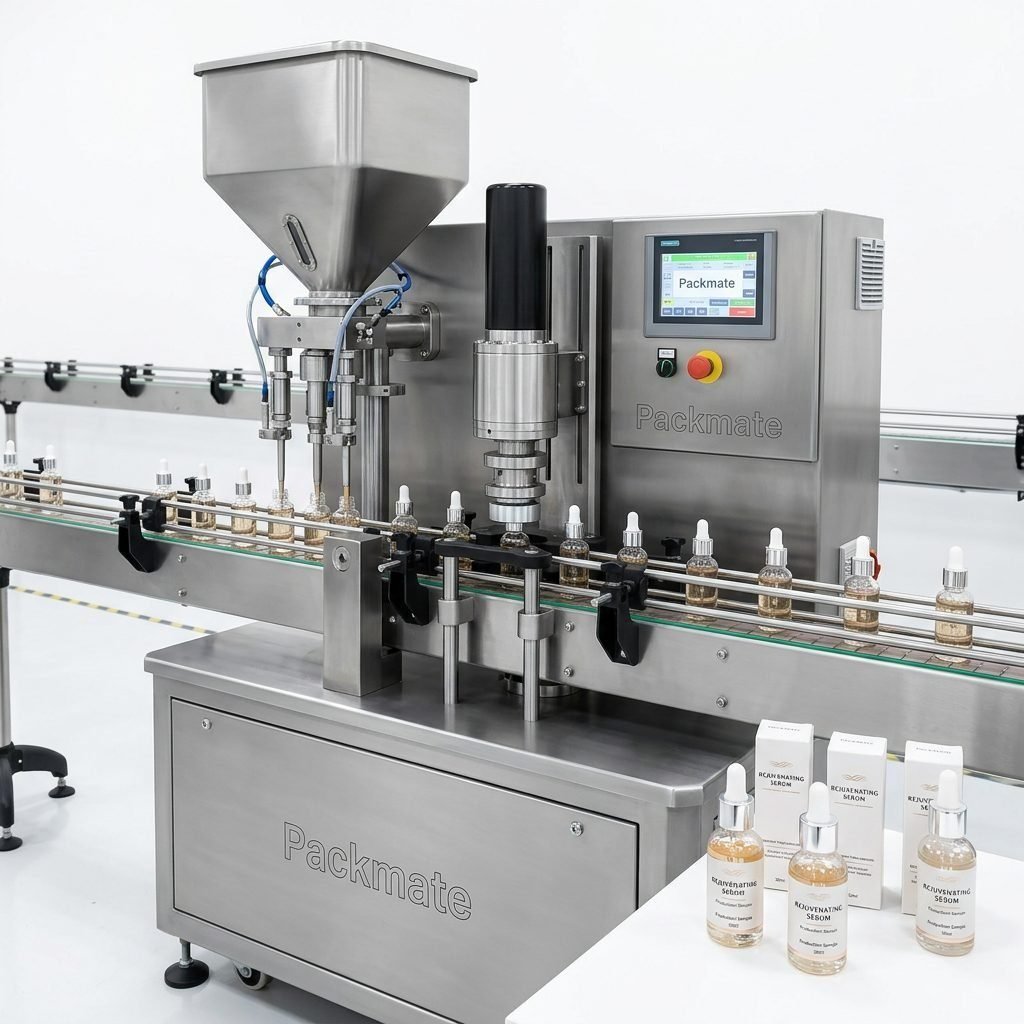
The filling machine is where accuracy directly impacts your bottom line. Volumetric, piston, gravity, and net weight fillers are common types. For consistent, high-speed filling of free-flowing liquids, rotary piston fillers are often the top choice, offering remarkable precision. For viscous products like sauces or creams, piston fillers excel. Modern machines feature touch-screen PLC controls for easy recipe changeovers and real-time adjustment, minimizing waste and maximizing yield.
4. Capping & Sealing Machines: Securing Integrity
Once filled, the product must be securely sealed. Cappers apply screw caps, snap lids, or cork stoppers with precise torque control to prevent leaks or overtightening. For aseptic packaging or sensitive products, induction sealing creates a hermetic tamper-evident foil liner seal under the cap. Choosing the right capping technology is vital for product shelf life, safety, and consumer trust.
5. Labeling & Coding: The Final Touch
This stage applies brand identity and crucial information. Automatic labelers can handle wrap-around, front-and-back, or precise spot labeling at high speeds. Integrated inkjet or laser coders simultaneously print batch numbers, expiry dates, and barcodes directly onto the bottle or label. This ensures traceability and compliance with global regulatory standards.
Key Consideration: Integration & Synchronization
The true power of a packaging line lies not in individual machines, but in their seamless integration. A well-synchronized line managed by a central control system minimizes bottlenecks, reduces mechanical stress, and allows for smooth speed adjustments. Investing in a unified weighing and packaging system from a single supplier often yields better long-term performance and support than piecing together equipment from multiple vendors.
Evaluating Machine Performance: Beyond Speed
While output speed (bottles per minute) is a primary metric, several other factors define a “top” machine.
Accuracy and Repeatability: Consistent fill volume or weight is paramount. Look for machines with servo-driven technology and high-resolution sensors that maintain precision even at maximum speeds, reducing give-away and ensuring compliance.
Flexibility and Changeover Time: Market demands change rapidly. Top machines allow for quick changeovers between bottle sizes, cap types, and products. Features like tool-less adjustments, saved digital recipes, and modular components can cut changeover time from hours to minutes, boosting overall equipment effectiveness (OEE).
Hygienic Design and Cleanability: Machines designed with smooth, stainless-steel surfaces, rounded corners, and easy disassembly points facilitate faster and more thorough cleaning. This is essential for maintaining hygiene standards and reducing downtime between production runs.
Durability and Total Cost of Ownership (TCO): A machine’s price tag is only the initial investment. Consider the quality of components, expected maintenance cycles, energy consumption, and the availability of spare parts. A robust machine from a reputable manufacturer like Packmate Machinery, with over two decades of engineering expertise, often delivers a lower TCO through years of reliable, low-downtime operation.
The Role of Automation and Industry 4.0
The future of efficient production is intelligent. The best bottle packaging machines now offer advanced connectivity as standard. IoT-enabled sensors collect real-time data on performance, output, and machine health. This data can be accessed via cloud-based dashboards, allowing for predictive maintenance (alerting you to a potential bearing failure before it happens), remote troubleshooting, and deep analysis of production efficiency. Integrating your packaging line into a smart factory ecosystem eliminates guesswork and enables data-driven decision-making for continuous improvement.
Selecting the Right Partner for Your Production Needs
Choosing machinery is also about choosing a partner. A supplier’s experience, support network, and commitment to innovation are critical. A partner with a strong track record, such as one with a 20,000㎡ modern facility and a portfolio of over 50 machine models, can provide tailored solutions rather than just off-the-shelf products. They should offer comprehensive services from initial consultation and factory acceptance tests to installation, operator training, and readily available after-sales support. Visiting the supplier’s homepage and reviewing their case studies can provide valuable insight into their capabilities and customer focus.
Frequently Asked Questions (FAQ)
1. What is the typical lead time for a custom-configured bottle packaging line?
Lead times vary significantly based on complexity, customization, and current manufacturer backlog. For a standard configured line from an established supplier, expect 12 to 20 weeks from order to delivery. Always confirm timelines during the quotation process and factor in shipping and installation.
2. How can I ensure the machine will handle my specific bottle shape and product viscosity?
Reputable manufacturers offer product testing services. You can send samples of your bottles and product to their facility for a live production test. This “proof of concept” run validates machine suitability, optimizes settings, and provides a clear expectation of performance before you commit to the purchase.
3. What are the most common causes of downtime on a bottle packaging line, and how can they be minimized?
Common issues include jams at the unscrambler due to irregular bottles, cap feeder malfunctions, and labeler misalignment. Minimization strategies involve: using high-quality, consistent containers; implementing regular preventive maintenance schedules; and choosing machines with easy-access design and comprehensive fault-alarm systems to speed up troubleshooting.
4. Are there significant differences in machines designed for the food, pharmaceutical, and chemical industries?
Yes. While the core principles are similar, construction standards differ. Pharmaceutical and food-grade machines require higher-grade stainless steel (e.g., 316L), fully CIP/SIP capabilities, and documentation for validation (e.g., FAT, SAT, IQ/OQ/PQ). Chemical line machines may need specific corrosion-resistant materials. Always specify your industry to ensure compliance.
5. What training and support should I expect from the machine supplier?
Comprehensive support includes detailed on-site installation and commissioning by factory engineers, thorough hands-on training for your operators and maintenance staff, and the provision of complete manuals (paper and digital). Post-installation, you should have access to remote technical support, a reliable supply of spare parts, and optionally, scheduled service contracts.