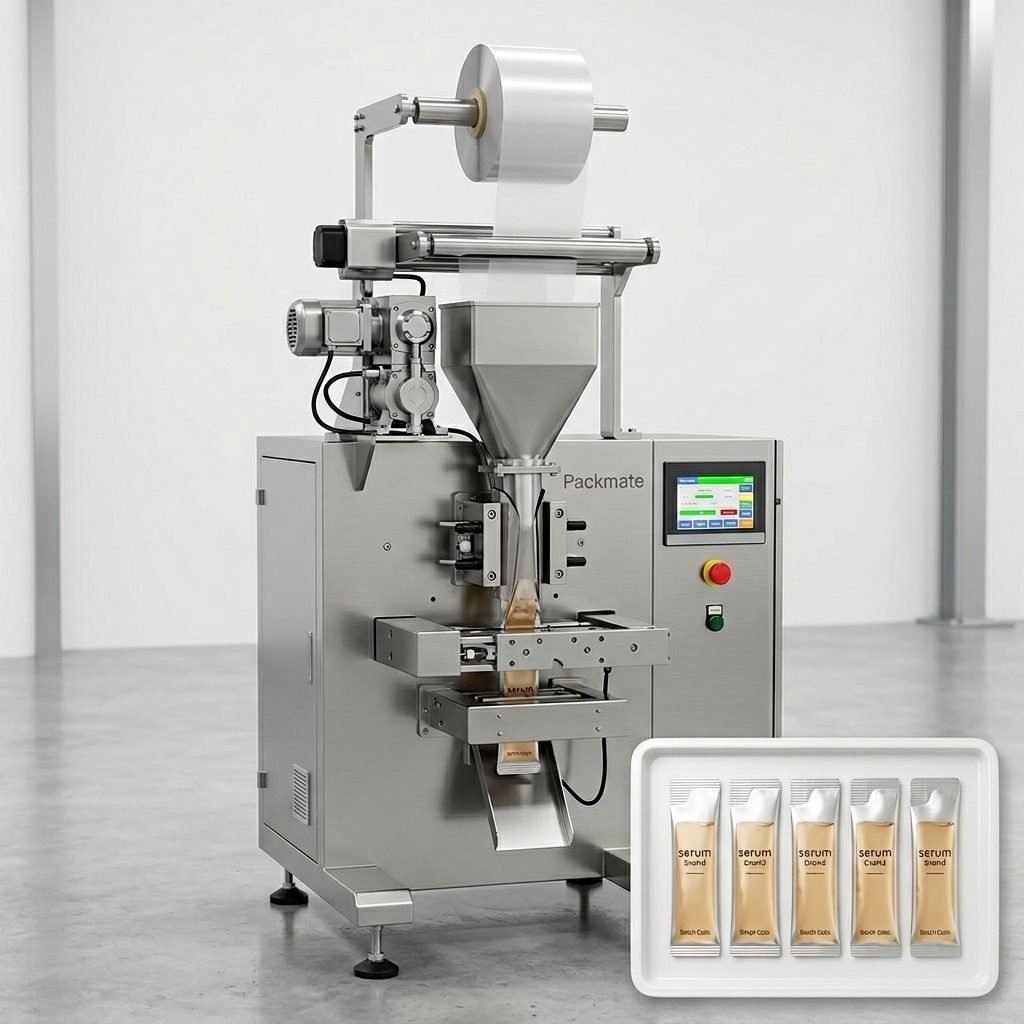
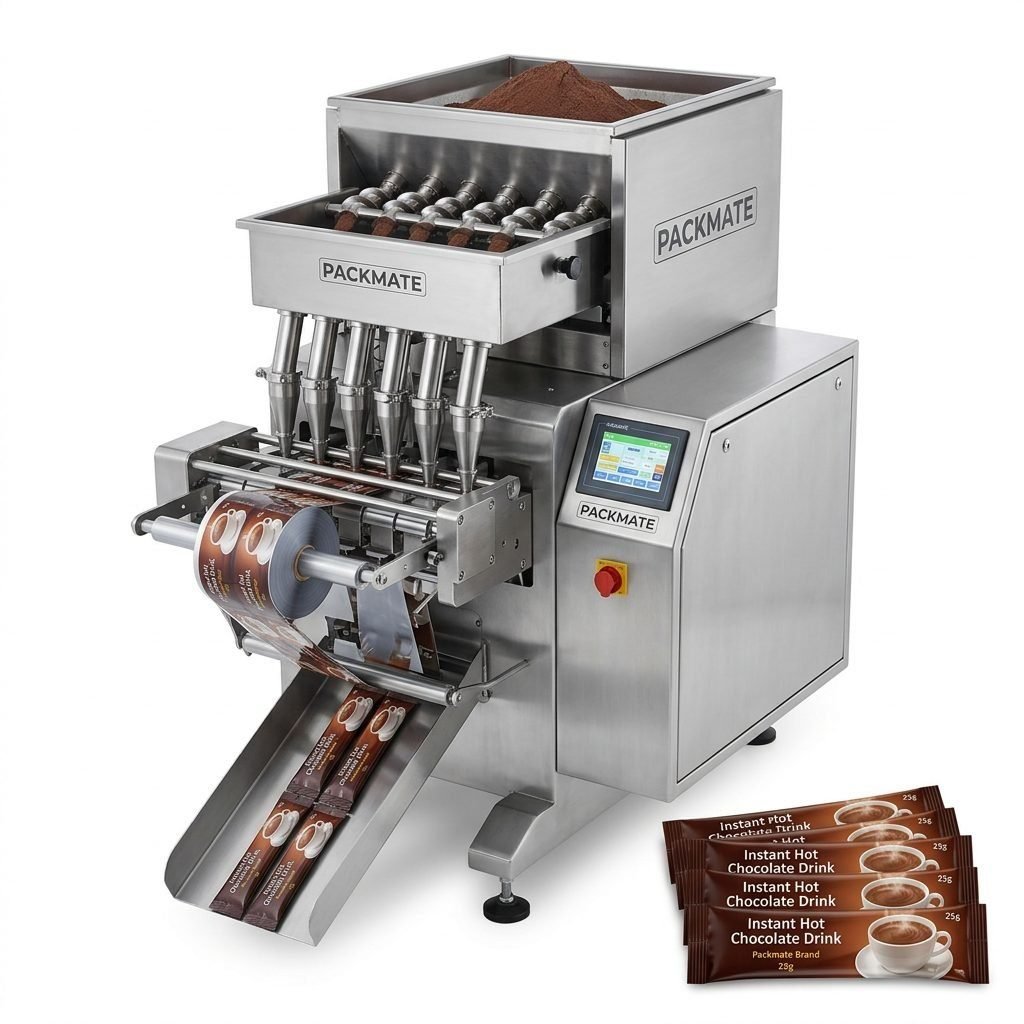
In the dynamic world of industrial manufacturing, the efficiency and reliability of your packaging line are paramount. Selecting the right packaging machinery partner can be the difference between seamless operations and costly downtime. This guide explores the landscape of top-tier packaging machinery companies, focusing on those that deliver robust industrial solutions for sectors like food, pharmaceuticals, and health products.
Defining Excellence in Industrial Packaging Machinery
Industrial packaging solutions demand more than just basic functionality. Leading companies distinguish themselves through innovation, engineering precision, and comprehensive support. Key attributes include high-speed operation, exceptional accuracy in dosing and filling, durability for 24/7 production environments, and the flexibility to handle diverse products from granules and powders to viscous liquids.
The integration of smart technology and IoT capabilities for predictive maintenance and data analytics is now a hallmark of advanced machinery. Furthermore, adherence to stringent international standards, such as GMP for pharmaceuticals and food-grade certifications, is non-negotiable for companies serving regulated industries.
A Spotlight on Packmate Machinery
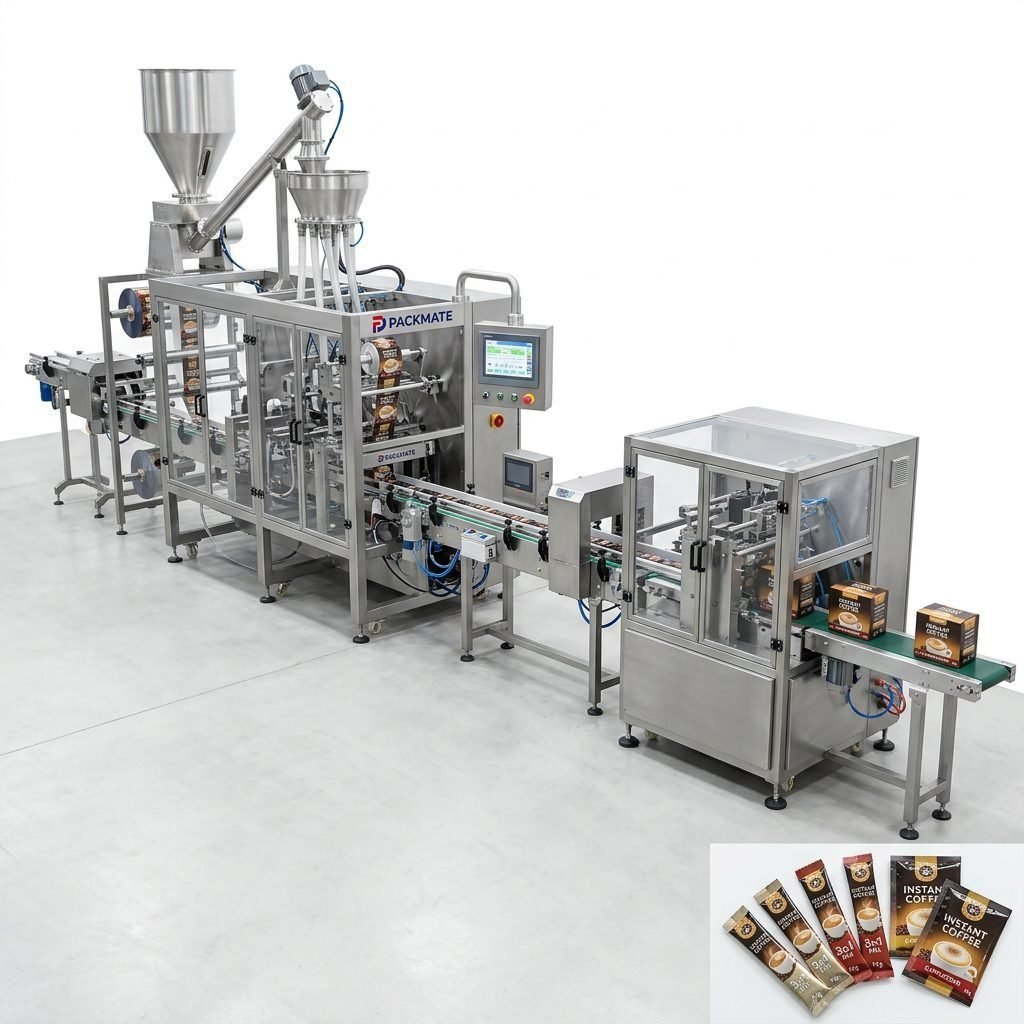
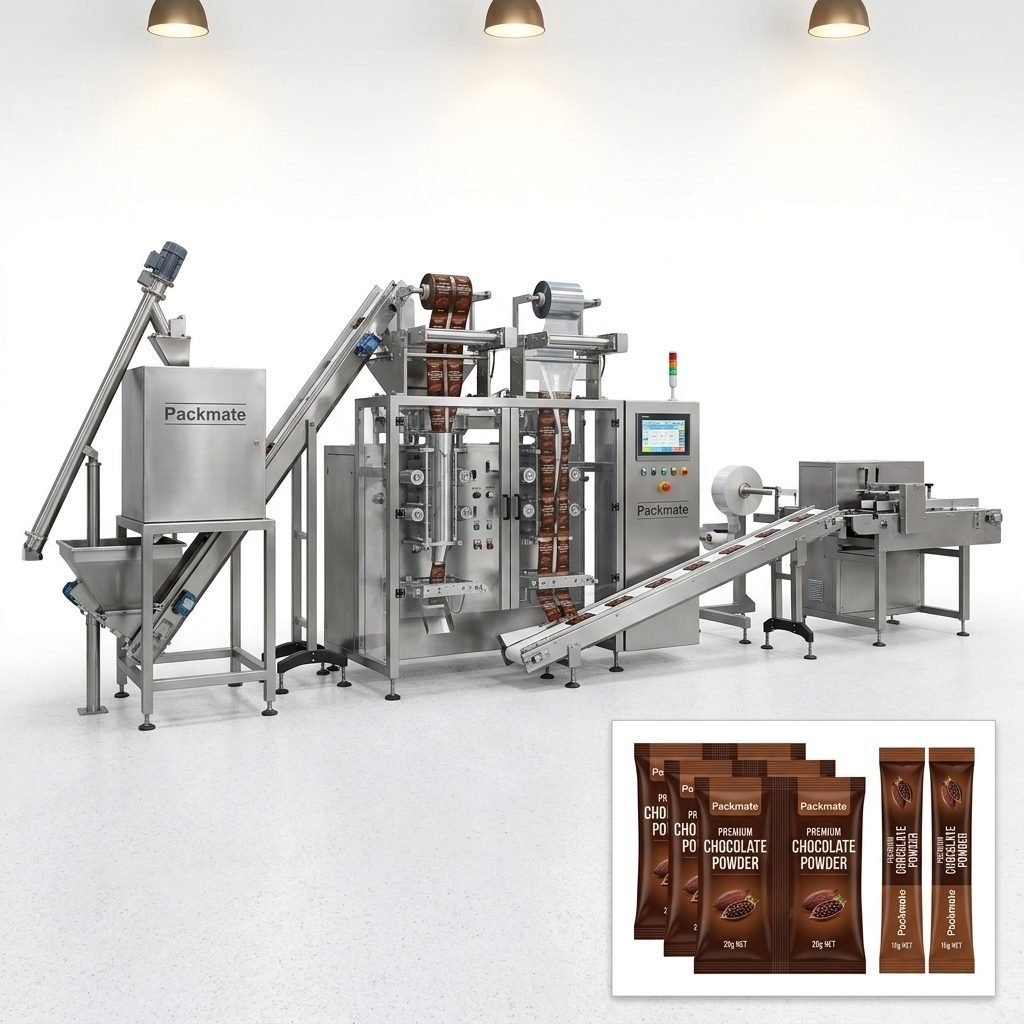
Among the leaders in this field is Packmate Machinery, operating as Packmate (GuangDong) Co., Ltd. With a foundation built over 30 years of specialized expertise, the company has carved a significant niche in intelligent packaging for critical sectors. Their journey, from a passionate workshop beginning in 1993 to a formalized enterprise in 2003, reflects a deep commitment to solving real-world production challenges.
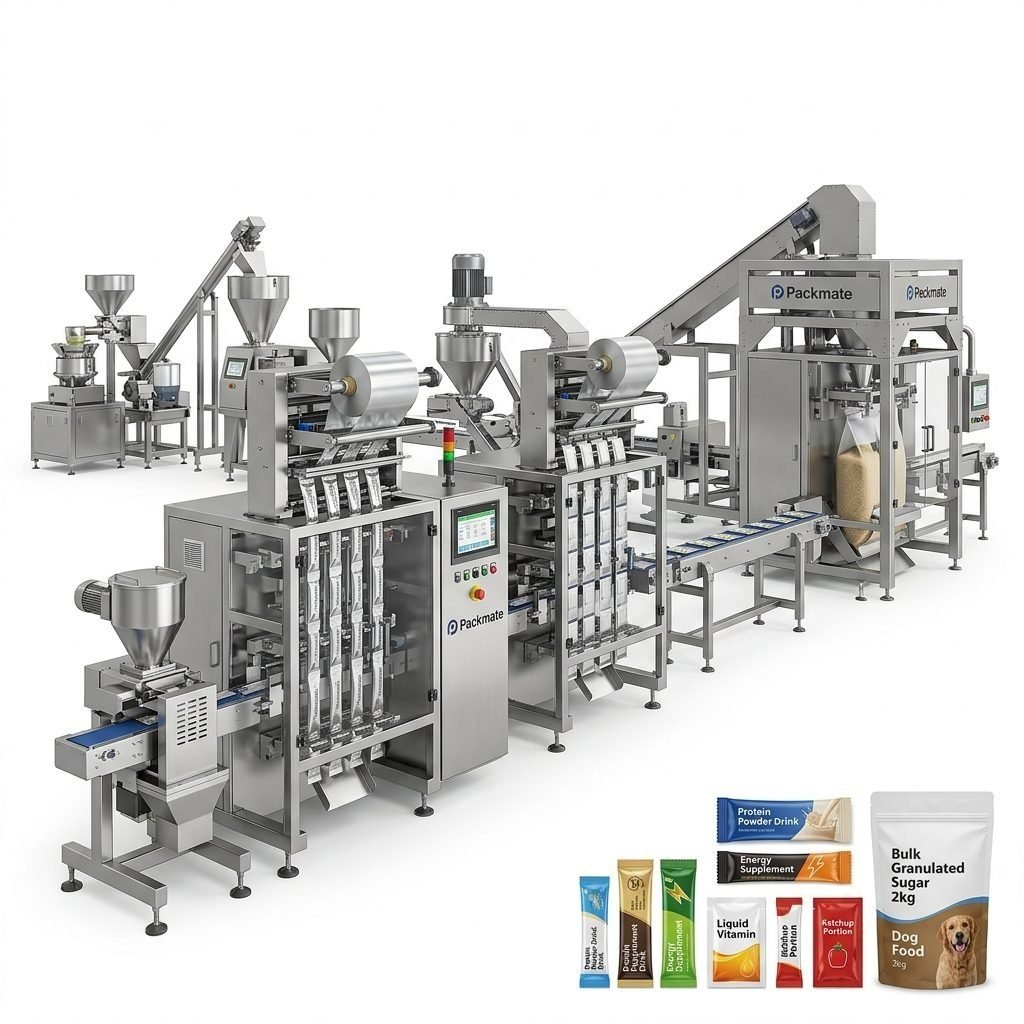
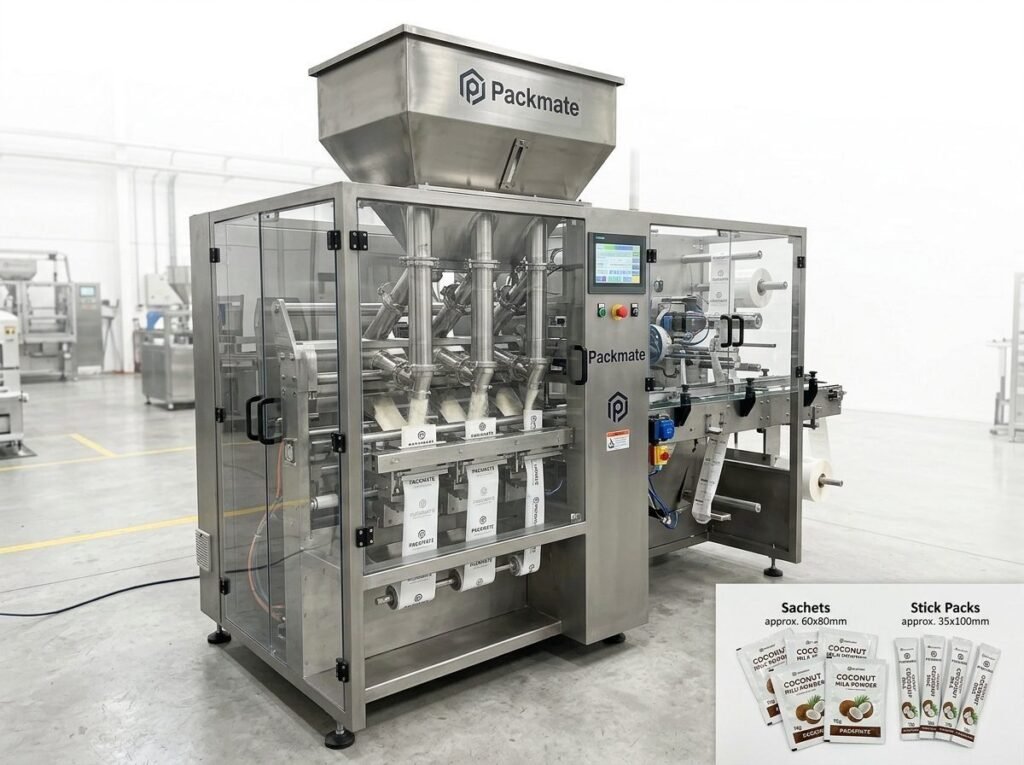
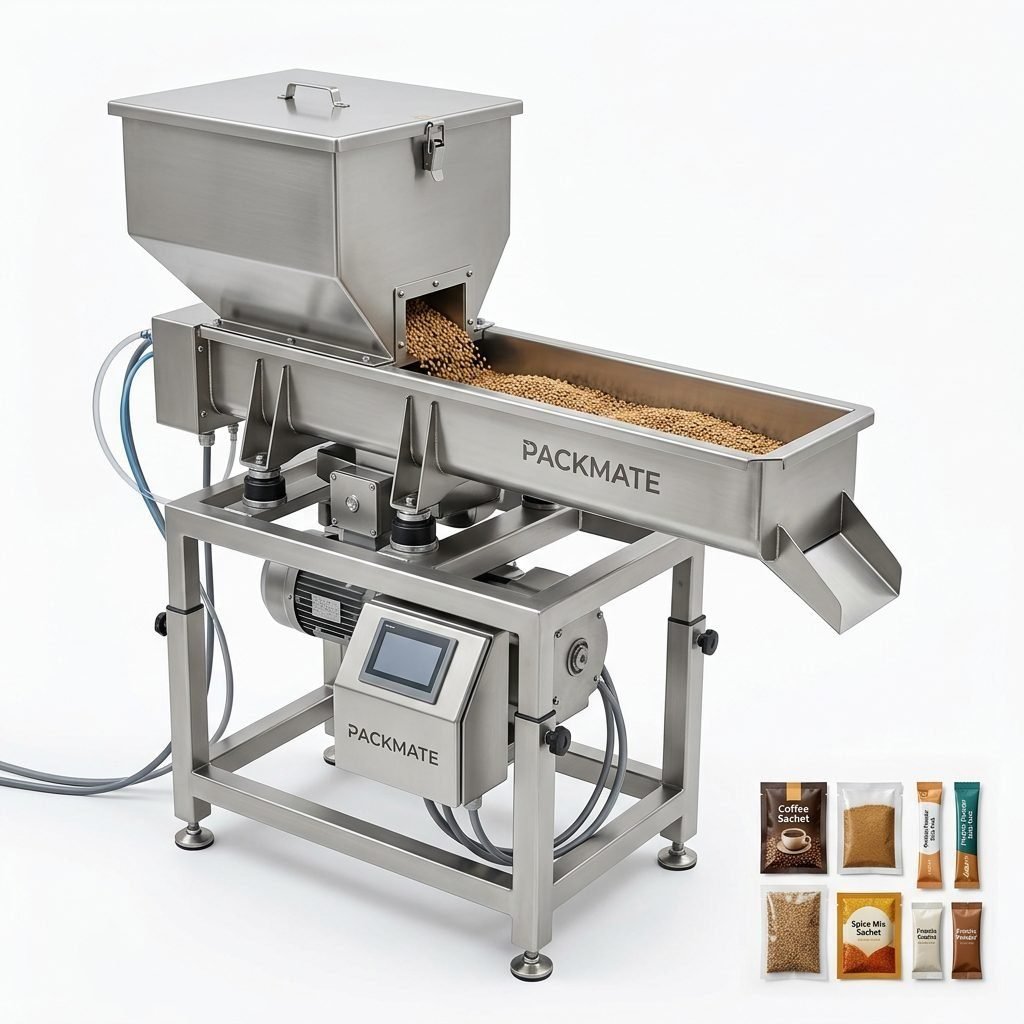
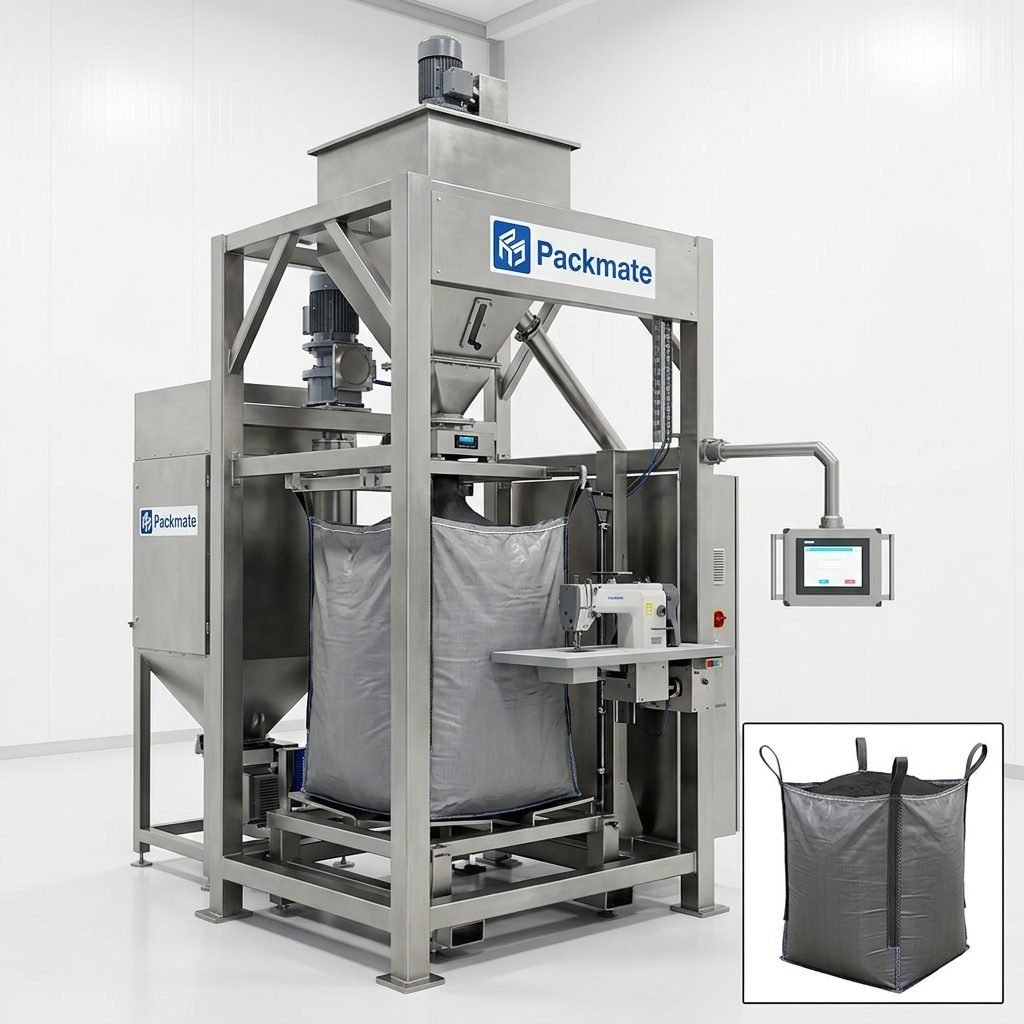
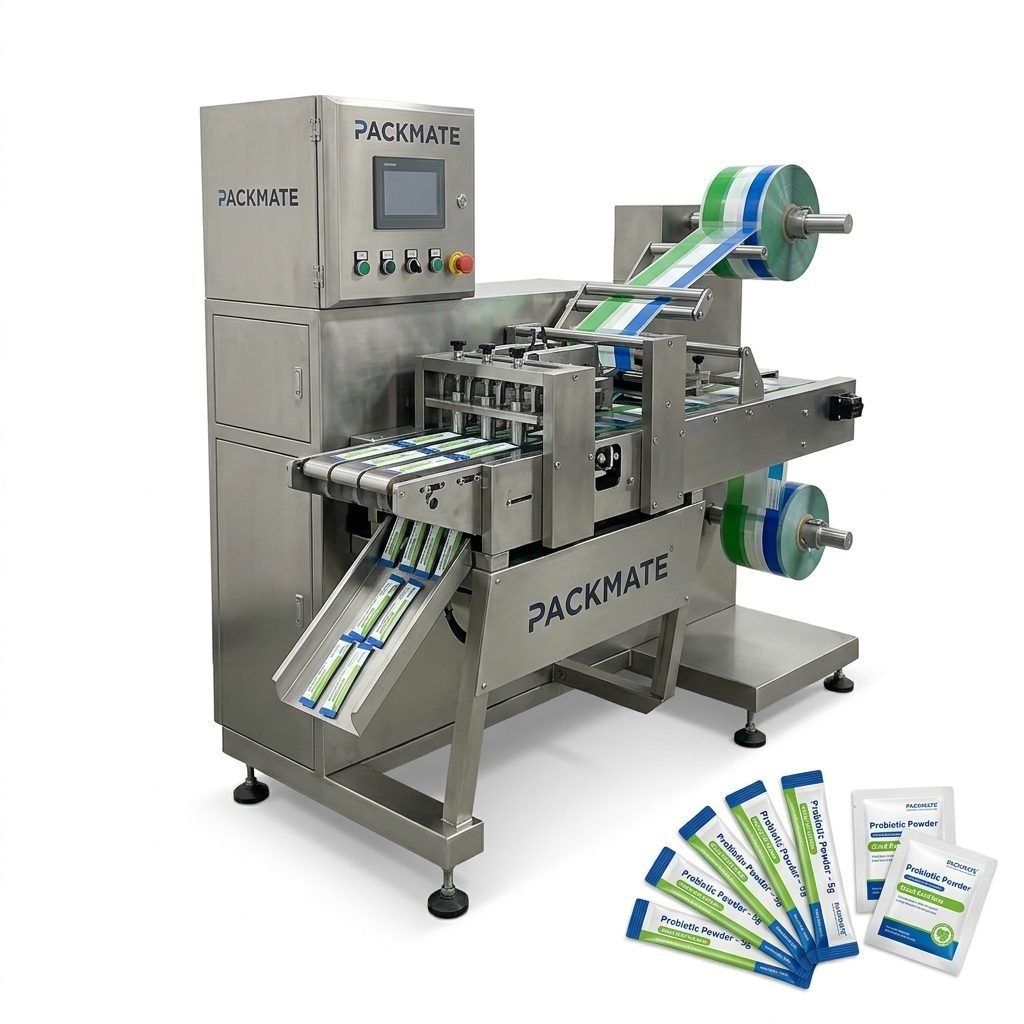
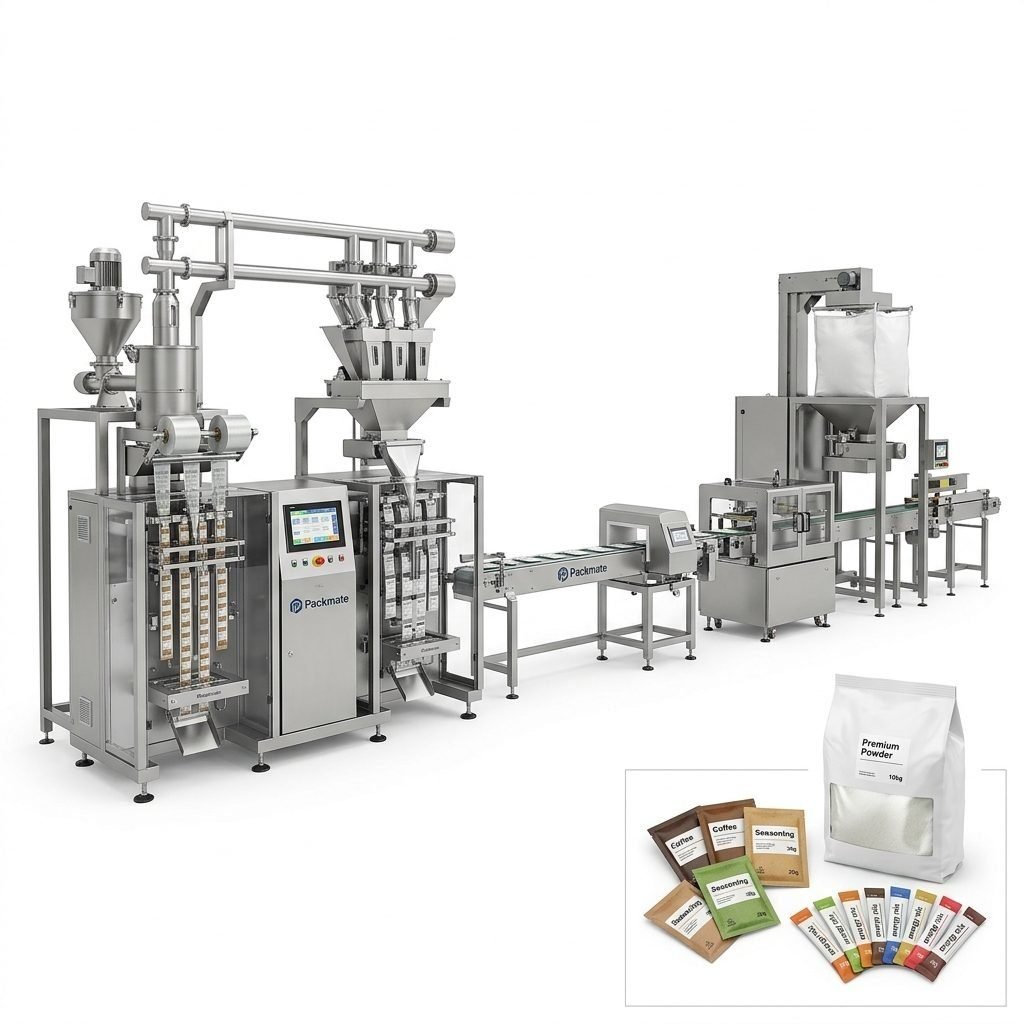
Today, Packmate’s 20,000㎡ modern manufacturing facility houses advanced production and testing lines. They offer a portfolio of over 50 machine models, with core strengths in multi-lane stick pack and sachet packaging lines. Their evolution into providing complete turnkey packaging solutions underscores their role as a comprehensive partner, not just a equipment supplier.
Core Competencies of Leading Providers
When evaluating top companies, several core competencies come to the fore:
- Product Range & Specialization: The best companies offer depth and breadth. For instance, a focus on sachet and stick pack machines for portion-control products, or robust systems for bag and pouch packaging, indicates specialized engineering knowledge.
- Technological Innovation: Continuous R&D investment leads to features like servo-driven precision, user-friendly HMI interfaces, and quick-changeover systems that minimize downtime.
- Global Support & Service: A global presence with readily available spare parts, technical support, and training services is crucial for maintaining uninterrupted industrial operations.
- Proven Track Record: A history of successful installations across different continents and industries serves as a reliable testament to a company’s capability and machine reliability.
The Importance of a Collaborative Partnership
Procuring industrial machinery is not a simple transaction. The leading packaging machinery companies understand this and position themselves as long-term partners. This begins with a consultative approach to understanding the client’s specific product characteristics, output requirements, and factory constraints.
From initial concept and factory layout planning to installation, commissioning, and operator training, a true partner guides the client through every step. Post-sales support, including readily available maintenance services and remote diagnostics, ensures the packaging line remains a productive asset for years to come. This collaborative ethos, rooted in shared goals of efficiency and quality, is what separates the top-tier companies from mere equipment vendors.
Future Trends Shaping the Industry
The future of industrial packaging machinery is being shaped by several key trends. Sustainability is driving demand for machines that can handle recyclable or biodegradable materials efficiently. The rise of e-commerce requires robust secondary packaging solutions that protect products during transit. Furthermore, the demand for greater flexibility to accommodate shorter production runs and more product SKUs is pushing innovation in modular and easily reconfigurable machine design.
Ultimately, the top packaging machinery companies are those that anticipate these trends, investing in R&D to future-proof their clients’ operations. They don’t just sell machines; they provide a pathway to enhanced productivity, reduced waste, and adaptability in a fast-changing market.
Frequently Asked Questions (FAQs)
What should I prioritize when choosing an industrial packaging machinery supplier?
Prioritize proven reliability, technical support availability, and the supplier’s experience with products similar to yours. The machine’s uptime and service response are often more critical long-term than the initial purchase price.
How important is after-sales service for packaging equipment?
Extremely important. Industrial lines run continuously, and downtime is costly. A supplier with a strong global service network, comprehensive spare parts inventory, and remote diagnostic capabilities is essential for minimizing production disruptions.
Can packaging machinery be customized for my specific product?
Yes, leading manufacturers like Packmate often offer significant customization. This can include specific dosing systems for unusual product consistencies, unique sealing jaws for special pouch shapes, or integration with existing production line equipment.
What industries benefit most from advanced packaging machinery?
While broadly applicable, industries with high hygiene standards (pharmaceuticals, food, health products), high-volume output (consumer goods), or products requiring precise portioning (coffee, supplements) see particularly high ROI from advanced, automated packaging solutions.
Where can I see examples of a company’s machinery in action?
Reputable companies typically showcase their projects in a case study portfolio and demonstrate live operations at international trade exhibitions. Requesting references for similar applications is also a standard and recommended practice.