Vacuum food packaging has become an indispensable practice for both home cooks and commercial food businesses seeking to extend shelf life, preserve flavor, and reduce waste. The right machine can transform how you store everything from garden harvests and meal-prep portions to bulk ingredients and finished products. This guide explores the best vacuum food packaging machines tailored for different needs, from compact home units to robust commercial systems.
Why Vacuum Packaging is Essential
Vacuum packaging works by removing air from a specially designed bag or pouch before sealing it. This process significantly slows down oxidation and inhibits the growth of aerobic bacteria and fungi. For households, this means foods like meats, cheeses, and vegetables last 3 to 5 times longer in the freezer or refrigerator. In commercial settings—from cafes and restaurants to large-scale food production—it is critical for maintaining product quality during storage and distribution, ensuring consistency and safety for the end consumer.
Key Benefits Across Settings
For Home Use: Prevents freezer burn, reduces food spoilage, marinates foods faster, and saves space by creating compact, stackable packages.
For Commercial Use: Ensures compliance with food safety standards, extends product marketability, allows for precise portion control, and is integral to sous-vide cooking processes.
Choosing the Right Machine: Home vs. Commercial
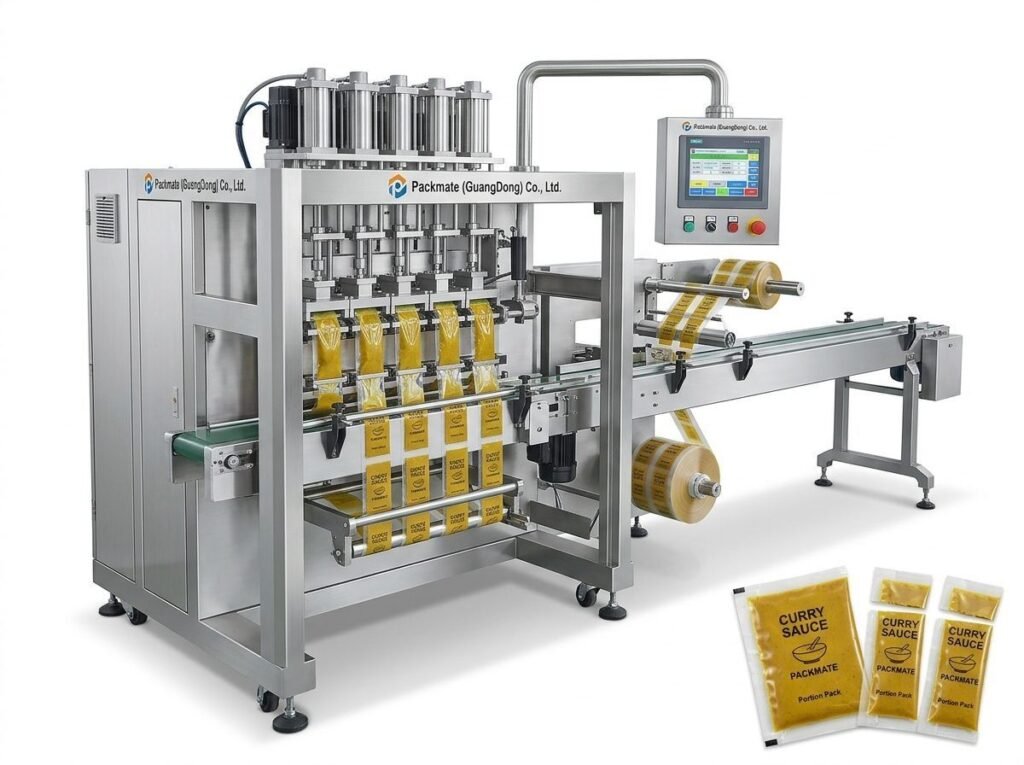
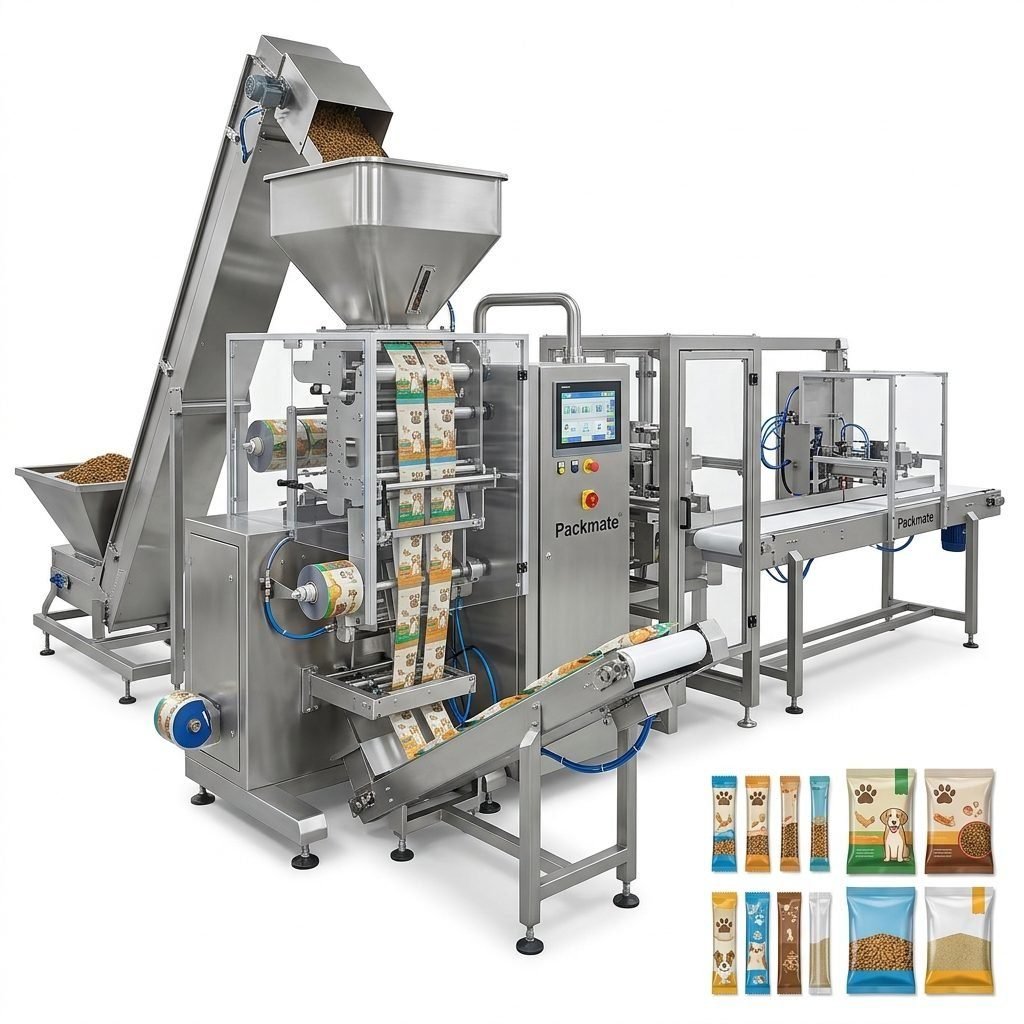
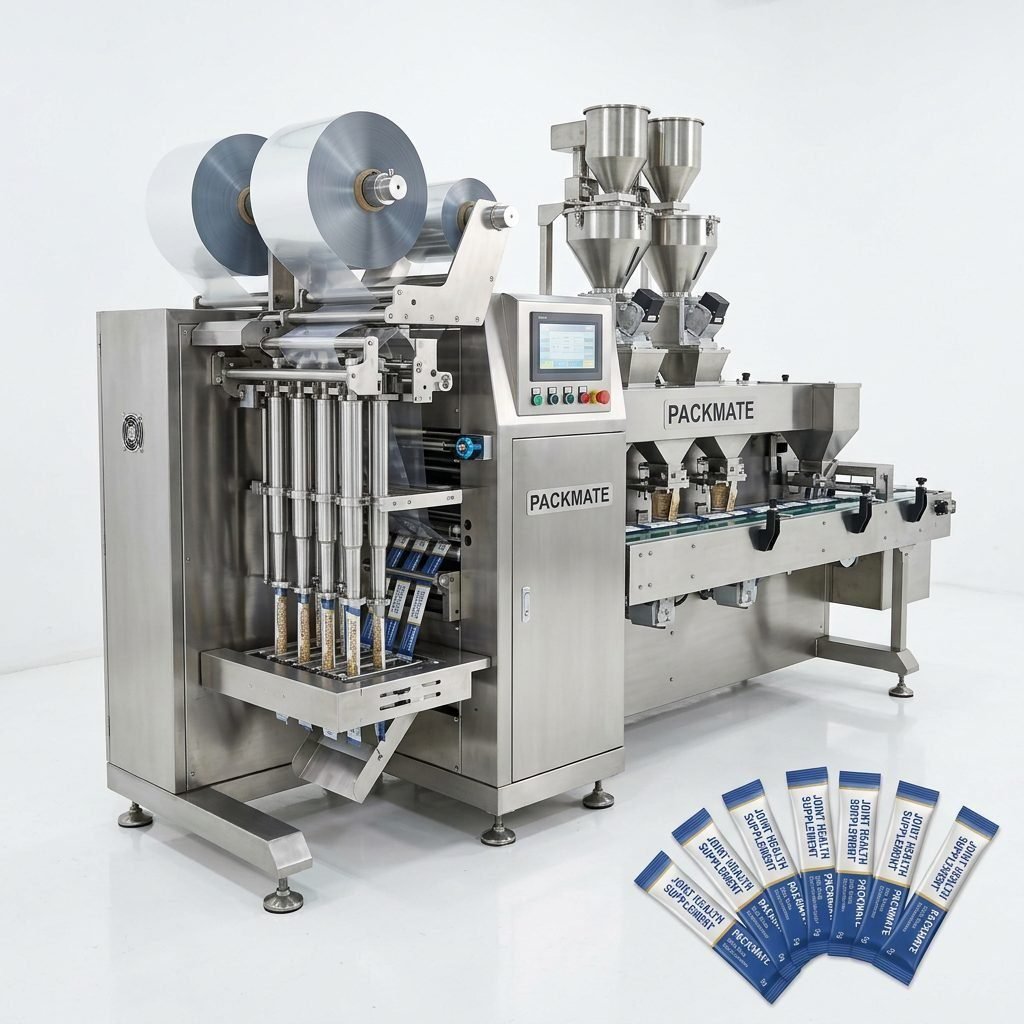
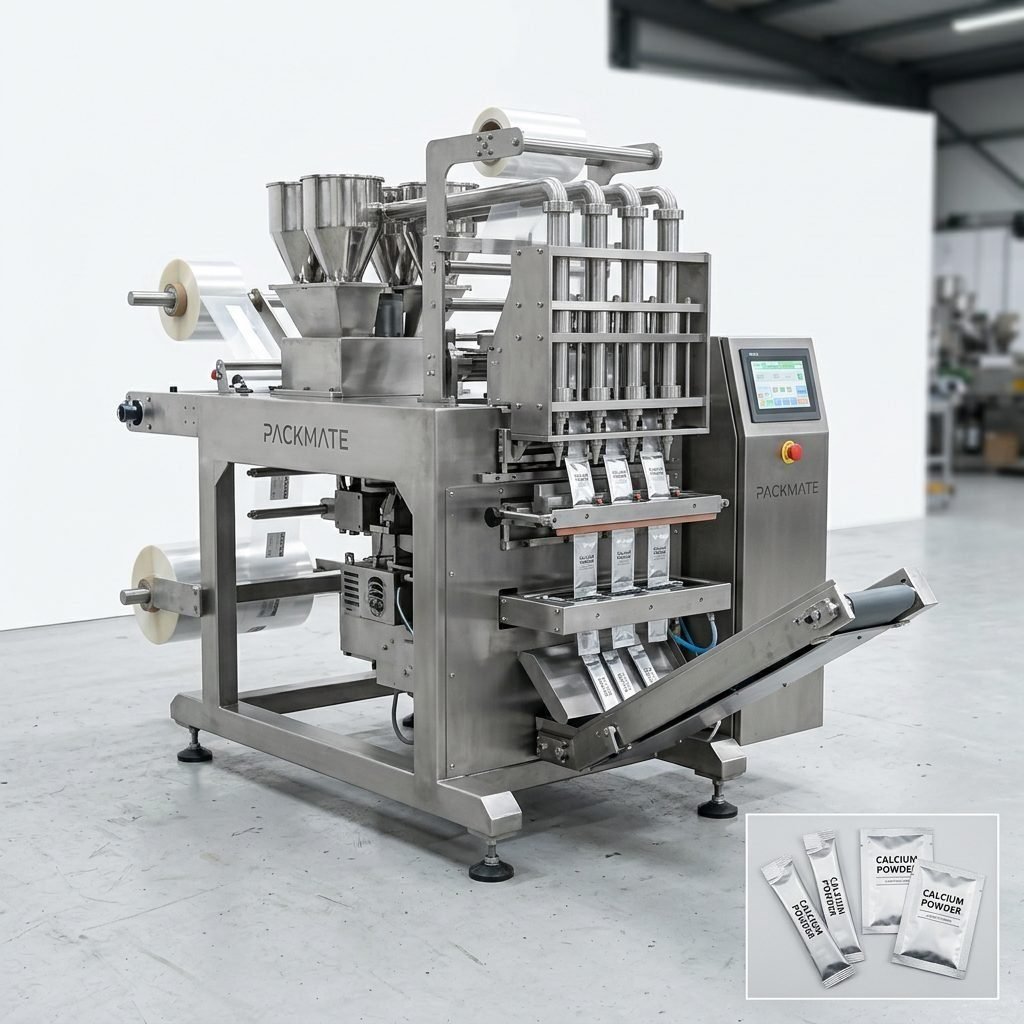
The core difference lies in capacity, durability, and functionality. Home machines are designed for intermittent use, handling a few bags at a time. Commercial machines are built for continuous operation, higher suction power, and often integrate with other systems like weighing and packaging lines for full automation.
Features to Compare
- Pump Type & Power: Commercial units use industrial-grade pumps for faster, more complete air evacuation.
- Seal Bar Length & Quality: Determines the width of bag you can use and the strength of the seal. Commercial seal bars are often made of durable, coated metals.
- Cycle Time & Automation: How quickly a machine can complete one vacuum and seal cycle. Commercial machines are faster and may offer automatic bag feeding.
- Versatility: Can it handle moist foods, powders, or liquids? Does it have settings for delicate items? Some advanced models offer gas flushing (Modified Atmosphere Packaging) for extra protection.
Top Considerations for Home Kitchens
When selecting a home machine, prioritize ease of use, storage size, and bag cost/availability. Look for models with an accessory port for sealing mason jars or canisters, and automatic pulse modes for delicate items like bread or chips. Brands like FoodSaver and Nesco are popular, but for those seeking a more robust option that bridges the gap to light commercial use, exploring manufacturers like Packmate Machinery can reveal versatile, durable solutions.
Critical Factors for Commercial Operations
For businesses, the decision is an investment in workflow and food safety. Key factors include:
Throughput (bags per hour), compatibility with different bag materials (like high-barrier films), ease of cleaning and maintenance, and the availability of reliable technical support and service. Integration capability with existing filling and packaging lines is also crucial for scaling production.
Leading Types of Vacuum Packaging Machines
Chamber Vacuum Machines
These are the professional’s choice. The entire bag is placed inside a sealed chamber. Air is removed from the chamber (and thus the bag), and then the bag is sealed. Ideal for liquids, powders, and moist foods, as the liquid cannot be sucked into the pump. They are typically larger, more powerful, and used in commercial kitchens, butcher shops, and food processing plants. Companies like Packmate, with decades of engineering expertise, specialize in designing reliable chamber systems for industrial use.
External (Nozzle) Vacuum Sealers
The most common type for home use. The machine’s nozzle sucks air directly from the bag through a one-way valve, then heat-seals it. They are compact, affordable, and use less expensive bags. However, they struggle with very moist or liquid contents. Some heavy-duty external sealers are suitable for light commercial applications like small bakeries or caterers.
Automatic Belt Vacuum Machines
These represent the pinnacle of commercial efficiency. Bags are automatically fed, positioned, vacuumed, and sealed on a conveyor belt system. They are designed for high-volume production environments where speed and consistency are paramount, often seen in large-scale meat, poultry, or cheese packaging facilities.
Maintenance & Best Practices
Regardless of the machine type, proper care ensures longevity and food safety.
For Home Machines: Wipe the seal bar area clean after every use to prevent residue buildup. Regularly check the foam gasket on the lid for wear and tear. Always use bags recommended by the manufacturer to avoid damaging the heating element.
For Commercial Machines: Implement a daily and weekly cleaning schedule as per the manual. Regularly inspect and replace seal bars, gaskets, and filters. Schedule professional preventative maintenance, especially for complex automated lines. Partnering with a manufacturer that offers comprehensive service and support is a strategic advantage.
Conclusion: Investing in Freshness and Efficiency
Whether you are a home enthusiast looking to reduce waste and organize your freezer or a business owner aiming to optimize food preservation and presentation, selecting the right vacuum packaging machine is a critical decision. By understanding the fundamental differences between home and commercial equipment, and prioritizing features based on your specific needs—from pump power to seal integrity—you can make an informed investment that pays dividends in freshness, quality, and operational efficiency for years to come.
Frequently Asked Questions (FAQs)
1. Can I use any plastic bags with my vacuum sealer?
No. You must use bags specifically designed for vacuum sealing. They are made from thicker, multi-layered materials with a textured surface on one side to allow air channels for proper evacuation. Using standard bags will result in poor seals and potential damage to your machine.
2. How long does vacuum-sealed food really last?
Vacuum sealing significantly extends shelf life, but it is not a substitute for proper refrigeration or freezing. In the freezer, meats can last 2-3 years vs. 6 months. In the fridge, hard cheeses can last 4-8 months vs. 1-2 weeks. Always follow safe food handling guidelines and inspect food before consumption.
3. What is the main advantage of a chamber vacuum machine over an external sealer?
The primary advantage is the ability to reliably package liquids, soups, sauces, and moist foods without the liquid being sucked into the pump. Chamber machines also typically achieve a higher, more consistent vacuum level, which is crucial for commercial food safety and maximum shelf life.
4. Is vacuum packaging safe for all foods?
Caution is advised with certain foods. Raw mushrooms and some fresh, uncooked vegetables require blanching before vacuum sealing to deactivate enzymes that can cause spoilage even without air. Soft cheeses and raw garlic in oil can create risks for botulism in anaerobic environments and require strict refrigeration.
5. What should I look for in a commercial vacuum packaging supplier?
Look for a supplier with a proven track record, like Packmate Machinery, which offers over 30 years of expertise. Key factors include: machine reliability and durability, availability of spare parts and local service support, ability to provide custom or turnkey solutions, and a portfolio of successful case studies from similar businesses.