In today’s fast-paced manufacturing landscape, achieving operational efficiency is not just a goal—it’s a necessity for survival and growth. General packaging equipment solutions form the backbone of this efficiency, streamlining processes from product filling to final dispatch. For businesses in the food, pharmaceutical, and health sectors, the right packaging machinery can mean the difference between meeting market demand and falling behind competitors. This article explores how integrated packaging solutions drive efficient operations, reduce costs, and enhance product quality across industries.
The Foundation of Efficient Packaging Operations
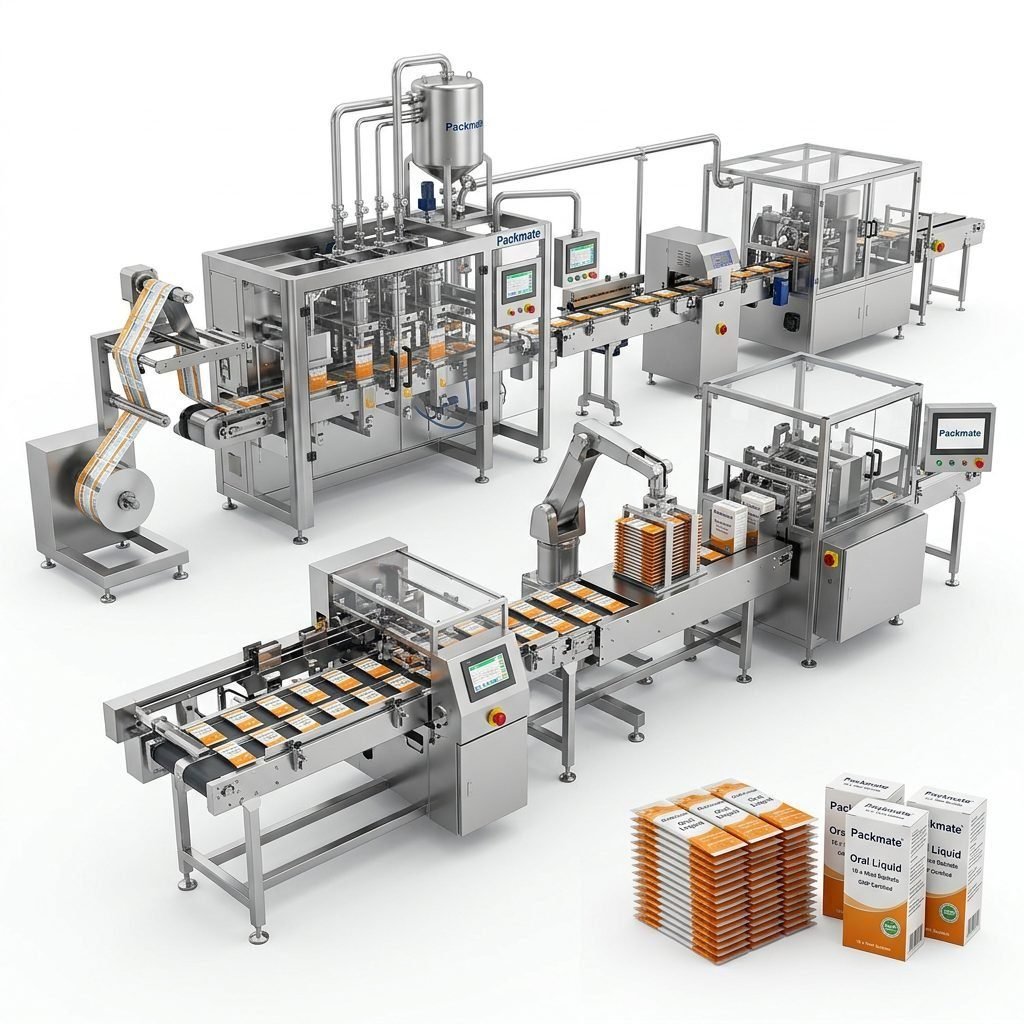
Efficient operations begin with reliable equipment that minimizes downtime and maximizes output. General packaging solutions encompass a wide range of machines designed to handle various materials, including granules, powders, and liquids. These systems work in harmony to create seamless production lines where each component performs its specific function without bottlenecks or interruptions. The true measure of efficiency lies not in the speed of a single machine, but in the synchronized performance of the entire packaging ecosystem.
Key Insight: Operational efficiency in packaging is achieved through system integration rather than standalone machine performance. When weighing systems, filling machines, and sealing units communicate effectively, they create a production flow that minimizes waste and maximizes throughput.
Core Components of General Packaging Systems
Understanding the essential elements of packaging systems helps businesses make informed investment decisions. Most comprehensive solutions include several critical components:
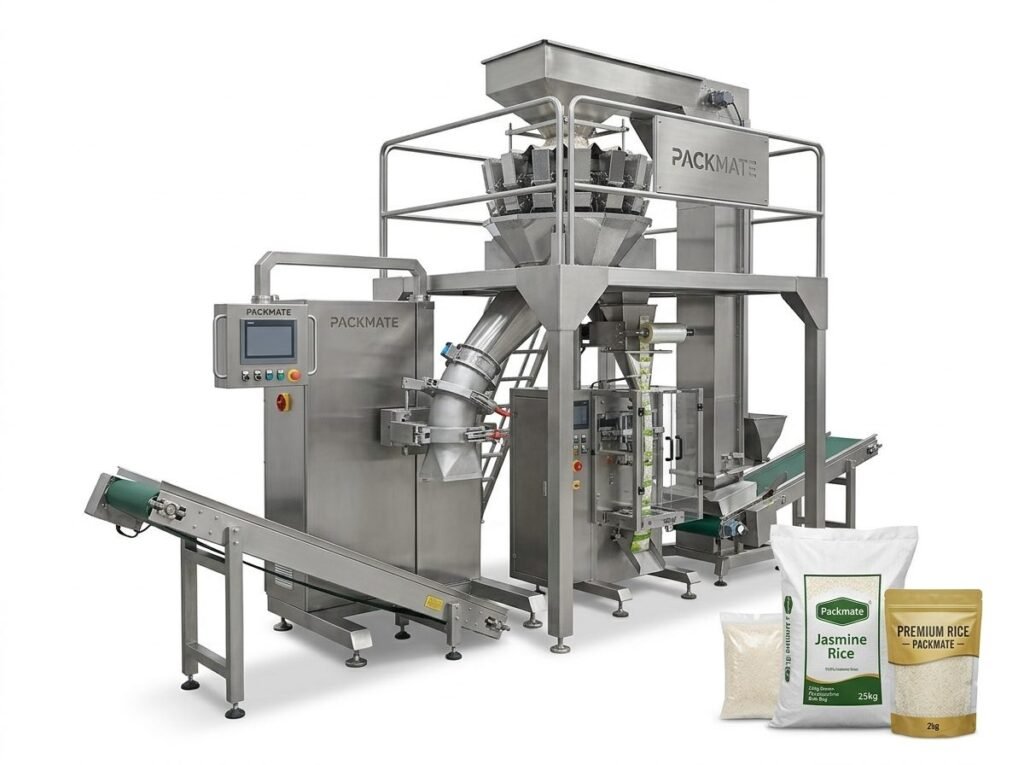
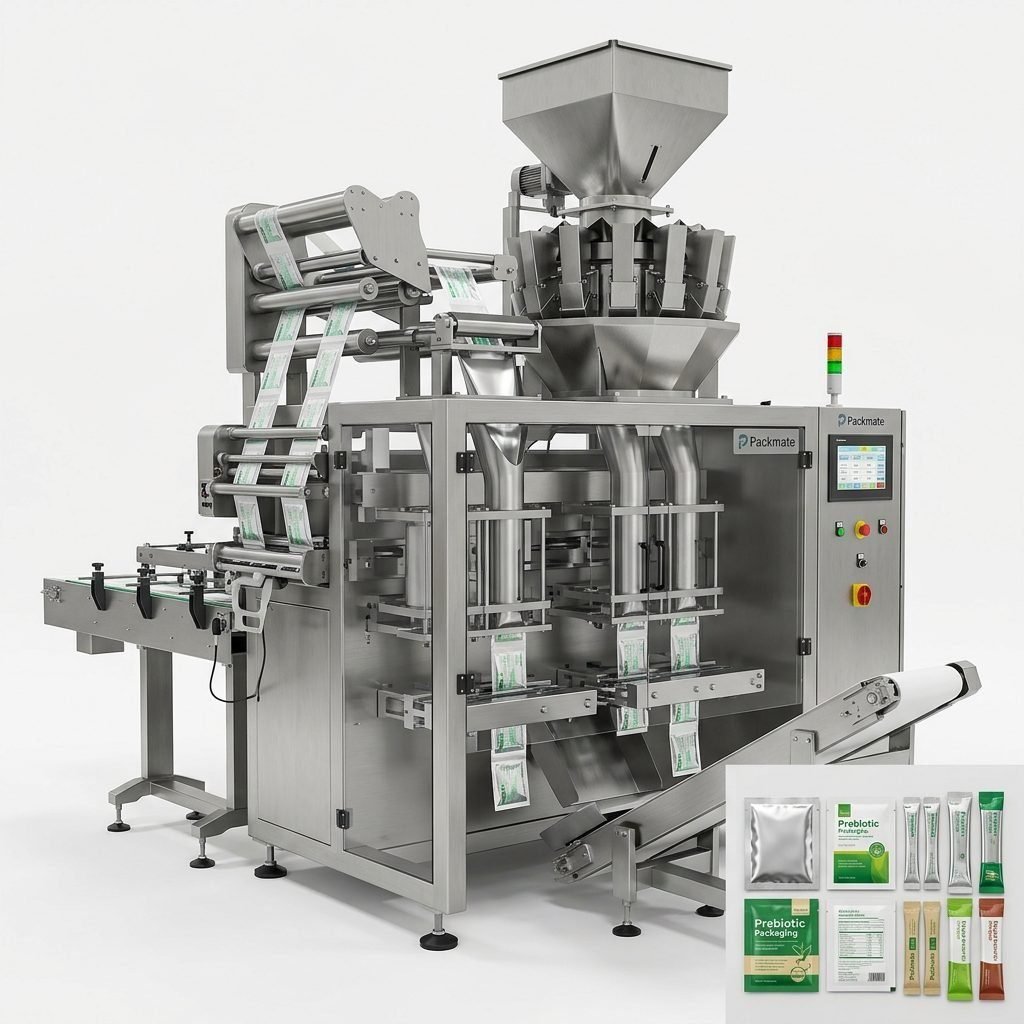
Weighing and Dosing Systems: Precision is paramount in packaging, particularly for valuable products like pharmaceuticals or premium food items. Modern weighing systems utilize advanced sensors and software to ensure accurate measurements every time, reducing product giveaway while maintaining compliance with regulatory requirements.
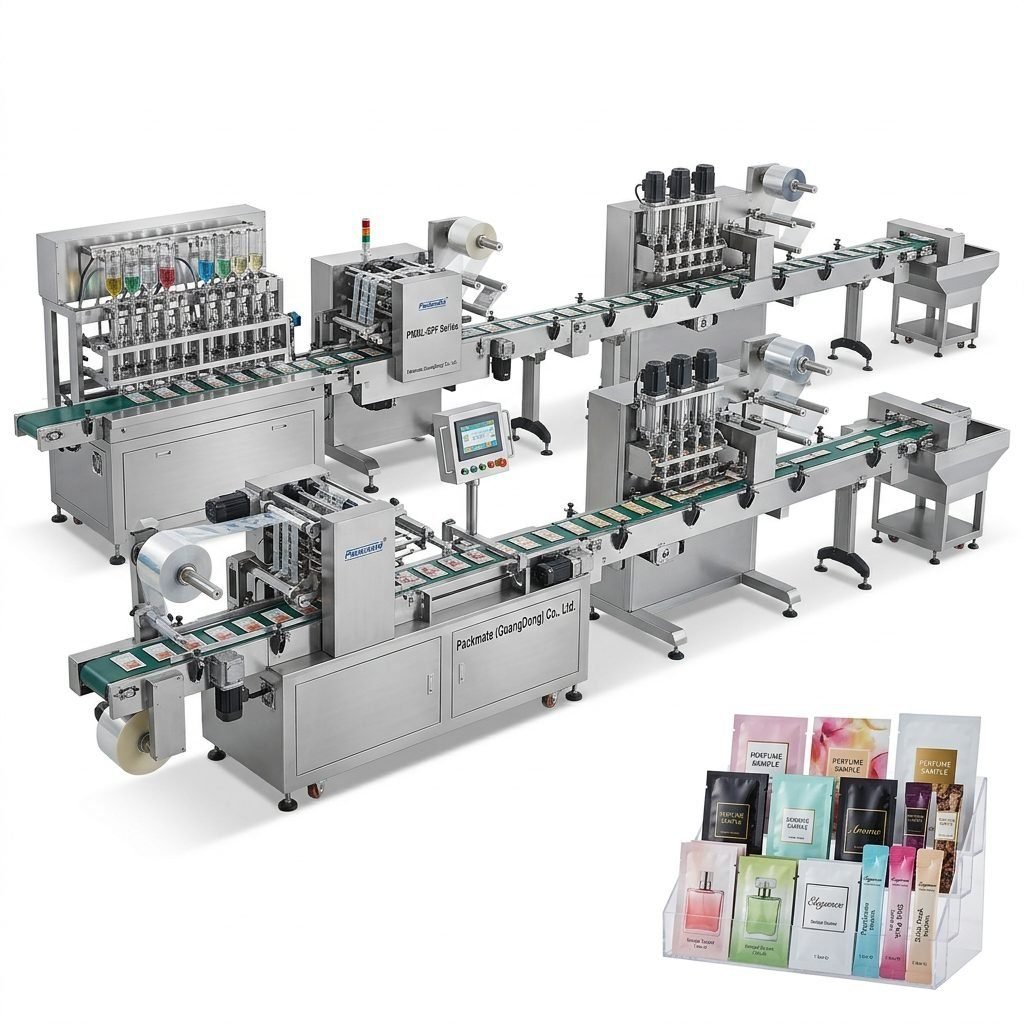
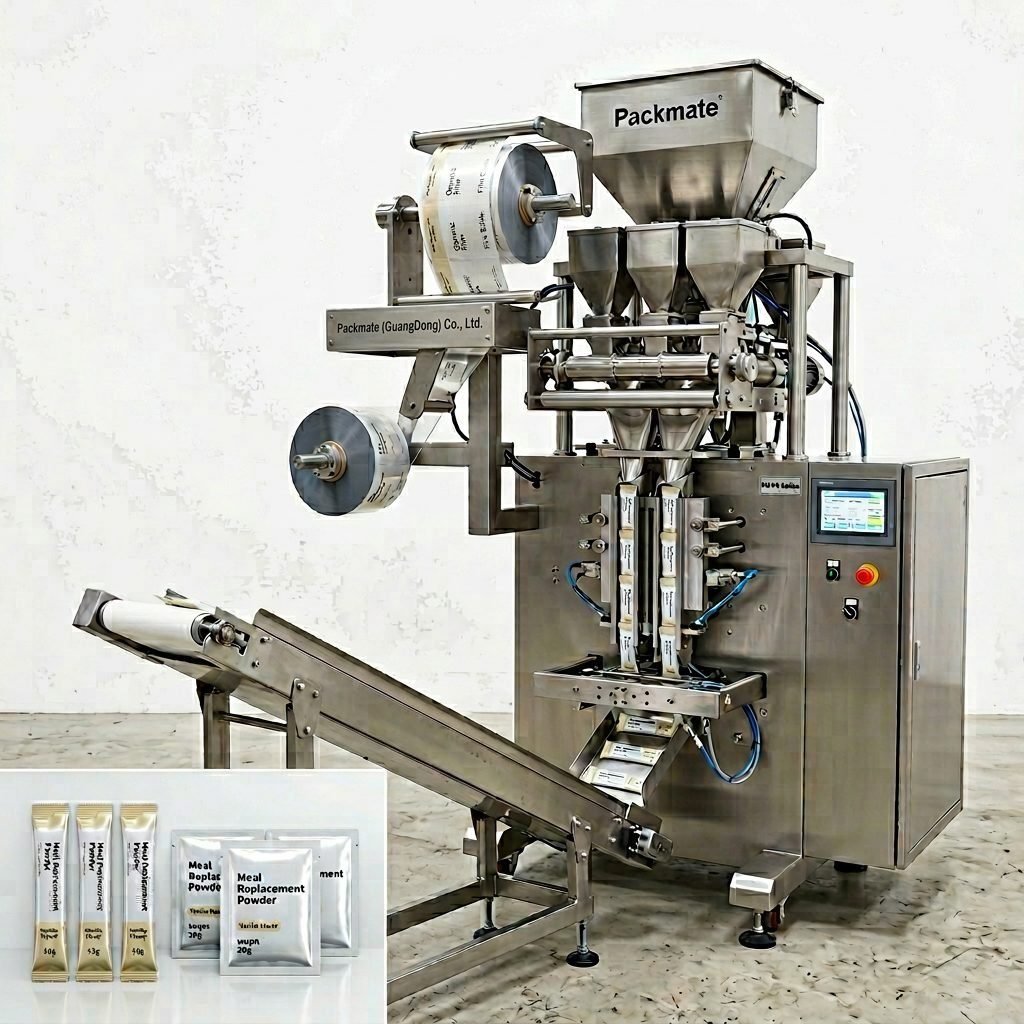
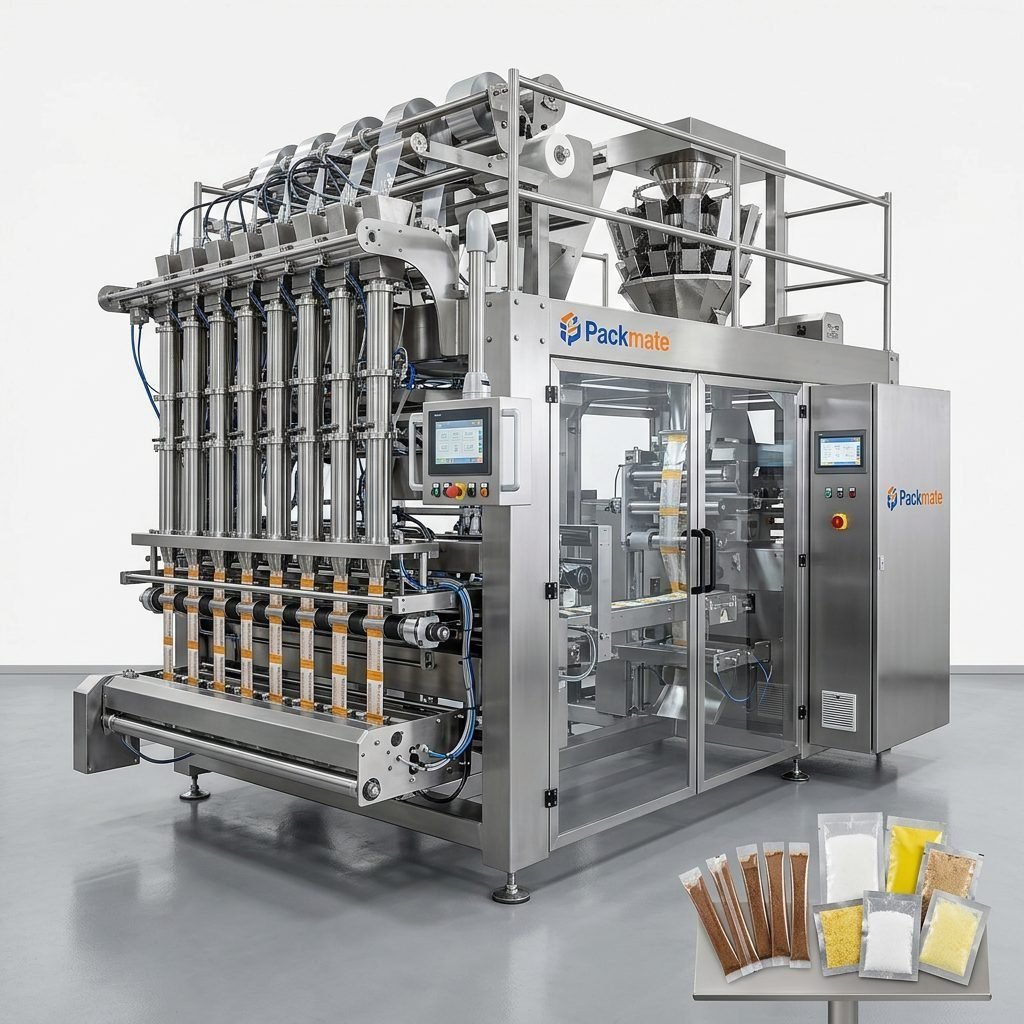
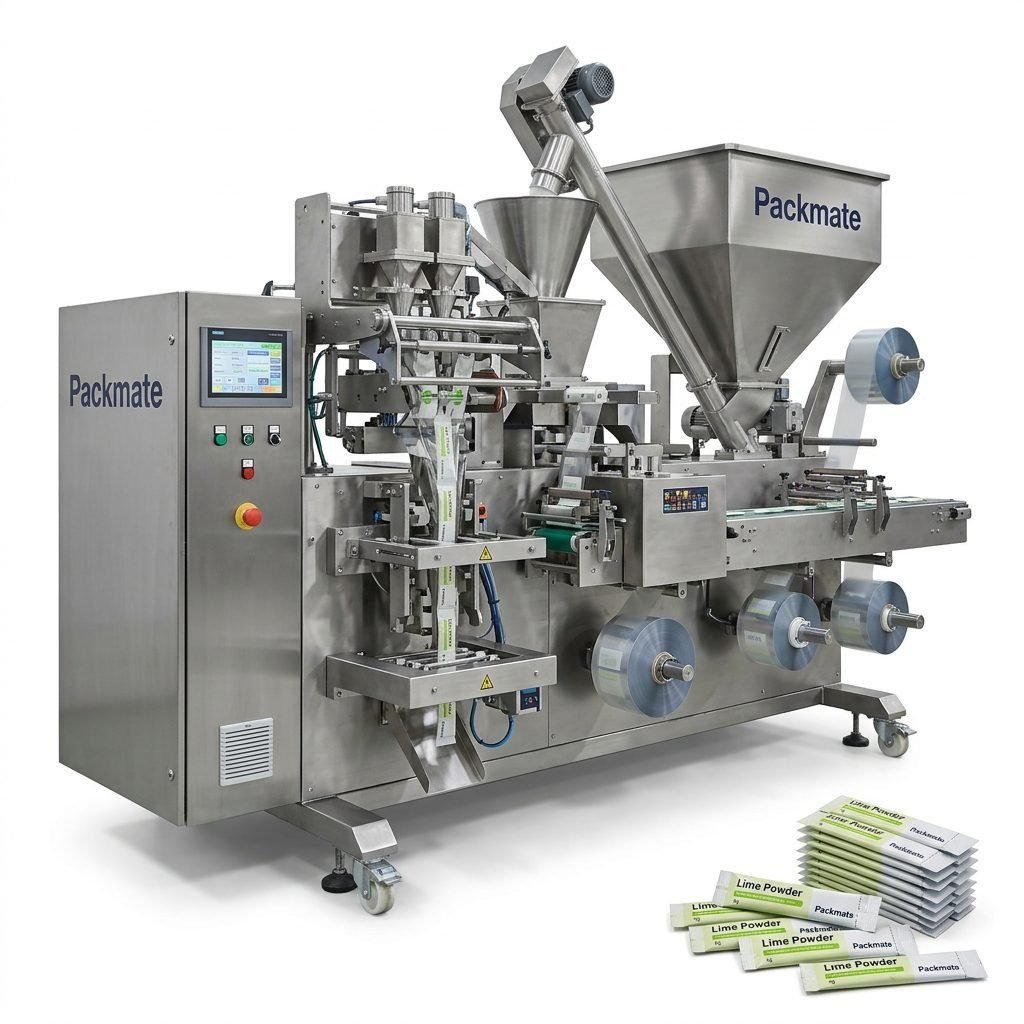
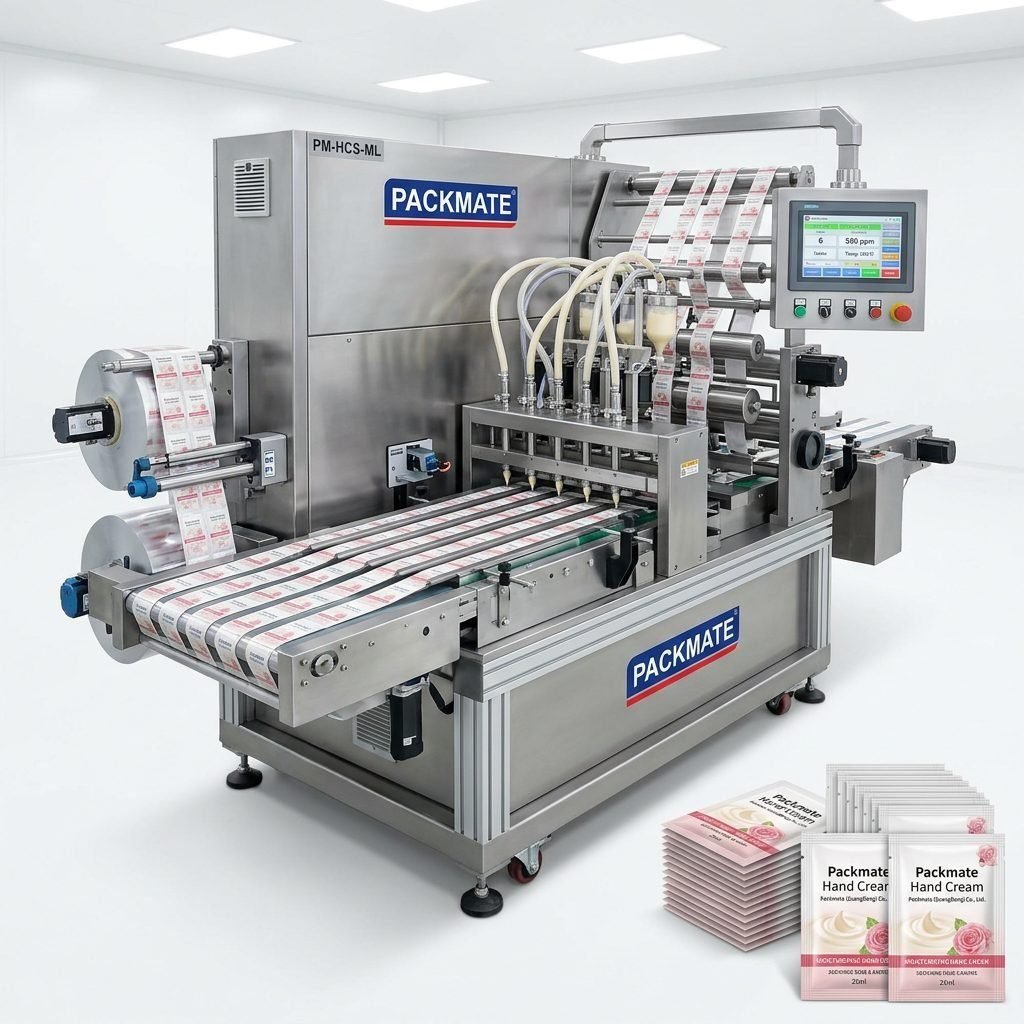
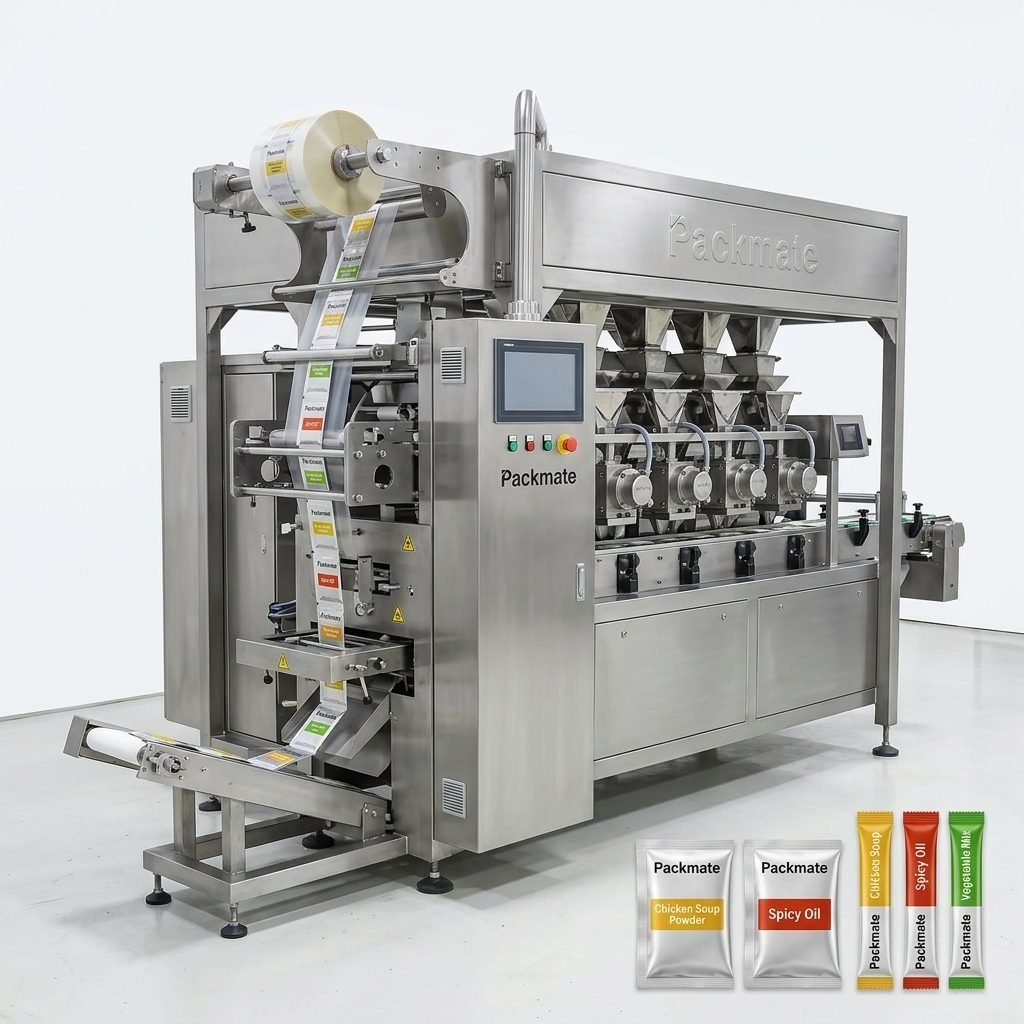
Filling and Sealing Machines: These workhorses of the packaging line handle the actual product containment. Whether creating sachets for single-serving condiments or stick packs for powdered supplements, reliable filling and sealing equipment maintains product integrity while operating at high speeds. The development of multi-lane systems has particularly revolutionized efficiency for high-volume production.
Secondary Packaging Equipment: After primary packaging, products often require grouping, cartoning, or palletizing. This equipment organizes individual packages into market-ready units, completing the transformation from raw product to shippable goods. Efficient secondary packaging reduces labor costs and prepares products for distribution channels.
Technological Advancements Driving Efficiency
The packaging industry has undergone significant technological transformation in recent decades. What began with mechanical systems has evolved into sophisticated computerized operations. Today’s most efficient packaging lines incorporate several key technological elements:
Automation and Robotics: Automated systems now handle tasks ranging from product loading to quality inspection, reducing human error and increasing consistency. Robotic arms can palletize finished goods with precision that far exceeds manual capabilities, working continuously without fatigue.
IoT Connectivity: Internet of Things technology allows packaging equipment to communicate performance data in real-time. This connectivity enables predictive maintenance—addressing potential issues before they cause downtime—and provides valuable analytics for continuous improvement initiatives.
Flexible Design Principles: Modern packaging equipment is designed for adaptability, allowing quick changeovers between different package sizes or product types. This flexibility is particularly valuable for manufacturers producing multiple product lines or responding to seasonal demand fluctuations.
Industry-Specific Considerations for Optimal Efficiency
While general principles apply across sectors, specific industries have unique requirements that influence packaging efficiency:
Food Industry: Beyond speed and accuracy, food packaging must prioritize hygiene and preservation. Efficient systems incorporate easy-clean designs, sanitary construction materials, and often nitrogen flushing capabilities to extend shelf life. The ability to handle various consistencies—from viscous sauces to free-flowing grains—is equally important.
Pharmaceutical Sector: Here, efficiency cannot compromise precision or compliance. Packaging lines must maintain strict dosage accuracy while providing complete traceability through serialization technologies. Systems that integrate seamlessly with regulatory documentation processes offer particular efficiency advantages for pharmaceutical manufacturers.
Health and Wellness Products: This growing market often involves premium ingredients where presentation matters. Efficient packaging for supplements, vitamins, and herbal products balances high-speed operation with careful handling to maintain product potency and appeal.
Implementing Efficient Packaging Solutions: A Strategic Approach
Transitioning to more efficient packaging operations requires careful planning and execution. Successful implementation follows several strategic phases:
Assessment and Planning: Begin by thoroughly analyzing current operations to identify bottlenecks, waste points, and capacity limitations. This assessment should consider not only equipment but also workflow, labor allocation, and spatial constraints. Many manufacturers find value in consulting with experienced equipment providers during this phase, as they can offer insights based on similar implementations across industries.
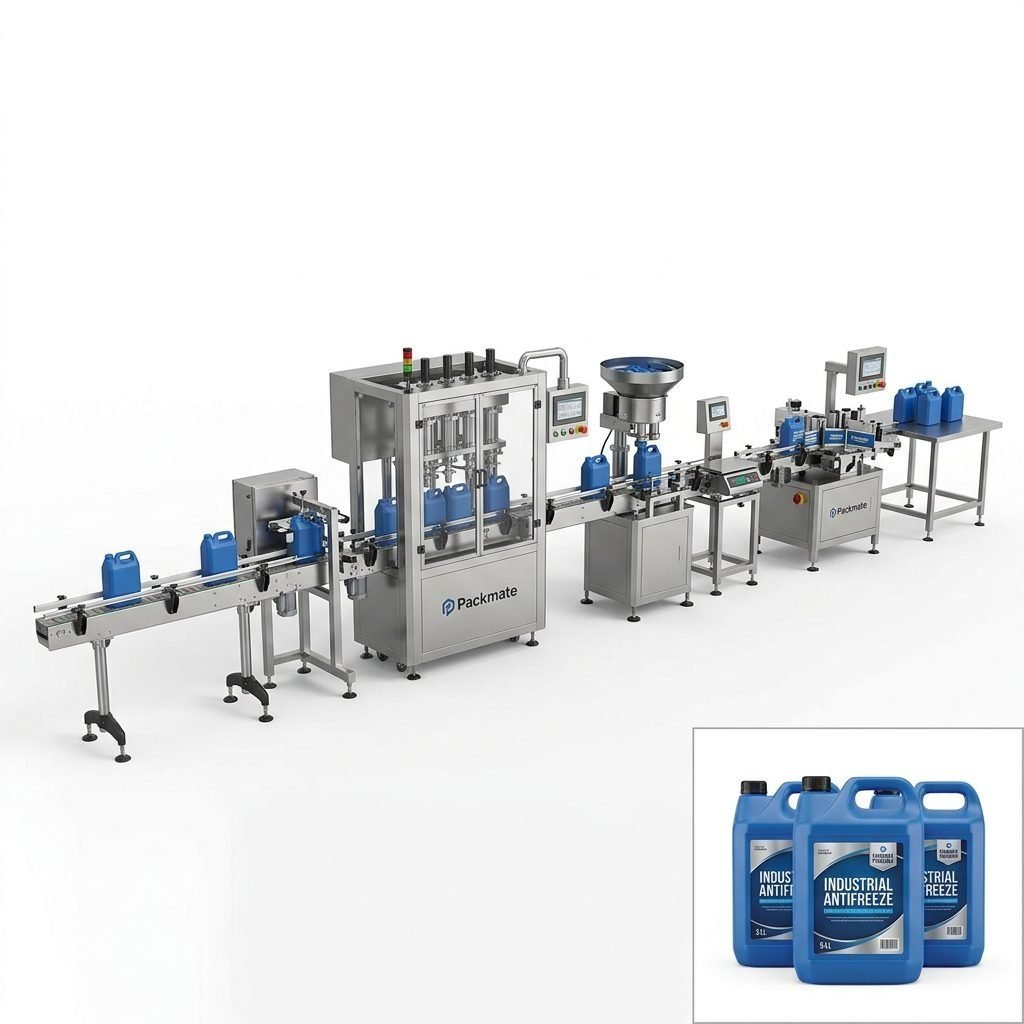
Equipment Selection and Integration: Choosing the right machinery involves balancing current needs with future growth projections. Consider not only purchase price but also operating costs, maintenance requirements, and compatibility with existing systems. The most efficient solutions often come from providers offering comprehensive filling and packaging lines rather than piecemeal equipment.
Training and Transition: New equipment only delivers efficiency gains when operated correctly. Comprehensive training for technical staff, operators, and maintenance personnel ensures smooth implementation. Phased transitions, where new systems run parallel to old before full cutover, can minimize disruption to production schedules.
Continuous Improvement: Efficiency optimization doesn’t end with implementation. Regular performance reviews, data analysis from connected systems, and periodic reassessment against evolving business needs create a culture of continuous improvement. The most successful operations treat their packaging systems as dynamic assets that evolve alongside their business.
The Role of Specialized Providers in Delivering Efficiency
Partnering with experienced equipment manufacturers can significantly accelerate efficiency gains. Companies with deep industry knowledge bring several advantages:
Technical Expertise: Providers with decades of experience, like Packmate Machinery, understand not only how to build reliable equipment but how to configure complete systems for optimal performance. Their knowledge spans mechanical engineering, material science, and production workflow optimization.
Customization Capabilities: While general solutions provide excellent starting points, most operations benefit from some level of customization. Experienced manufacturers can modify standard equipment to address specific challenges, whether handling unique product characteristics, fitting spatial constraints, or meeting specialized regulatory requirements.
Ongoing Support: Efficiency depends on consistent performance over time, not just initial installation. Providers offering comprehensive maintenance programs, readily available spare parts, and responsive technical support help ensure packaging lines maintain their efficiency advantages throughout their operational lifespan.
Measuring the Impact of Efficient Packaging Solutions
Quantifying efficiency gains helps justify investments and guide further improvements. Key performance indicators for packaging operations include:
Overall Equipment Effectiveness (OEE): This comprehensive metric considers availability, performance, and quality to provide a holistic view of equipment utilization. Efficient packaging systems typically achieve OEE ratings above 85%, significantly higher than less optimized operations.
Changeover Time Reduction: The time required to switch between different products or package sizes directly impacts operational flexibility. Modern efficient systems can reduce changeover times from hours to minutes through smart design and automation.
Material Waste Reduction: Efficient weighing and filling systems minimize product giveaway while precision sealing reduces packaging material waste. These savings directly impact both costs and sustainability metrics.
Labor Productivity: Automated systems allow existing staff to focus on value-added tasks rather than repetitive manual operations. This reallocation of human resources often represents one of the most significant efficiency gains from modern packaging solutions.
Future Trends in Packaging Efficiency
The pursuit of operational efficiency continues to drive innovation in packaging equipment. Several emerging trends promise to further enhance performance:
Artificial Intelligence Integration: AI algorithms are beginning to optimize packaging operations in real-time, adjusting machine parameters based on product characteristics, environmental conditions, and production goals. This intelligent adaptation promises to push efficiency beyond what static programming can achieve.
Sustainable Efficiency: Future systems will increasingly balance operational efficiency with environmental considerations. Equipment designed to minimize energy consumption, accommodate biodegradable materials, and facilitate recycling processes will become standard as regulatory and consumer pressures increase.
Hyper-Flexible Systems: As product lifecycles shorten and customization demands grow, packaging equipment must become increasingly adaptable. Modular systems that can be rapidly reconfigured for different tasks will help manufacturers respond to market changes without major capital investments.
For businesses seeking to enhance their packaging operations, exploring specialized equipment like sachet and stick pack machines can provide targeted efficiency improvements for specific packaging formats.
Frequently Asked Questions
What are the first steps in improving packaging efficiency?
Begin with a thorough assessment of current operations to identify specific bottlenecks and waste points. Measure key metrics like OEE, changeover times, and material usage to establish baselines. Consult with experienced equipment providers who can offer insights based on similar operations across industries.
How long does it typically take to implement new packaging equipment?
Implementation timelines vary based on system complexity, but most projects follow a 3-6 month timeline from planning to full operation. This includes equipment specification, manufacturing, installation, testing, and staff training. Phased implementations can help minimize production disruption during transition periods.
Can existing packaging lines be upgraded for better efficiency?
Yes, many operations can achieve significant efficiency gains through strategic upgrades rather than complete replacements. Common upgrade paths include adding automation to manual processes, integrating IoT connectivity for predictive maintenance, or replacing specific bottleneck components with higher-performance alternatives.
What maintenance is required for efficient packaging equipment?
Regular preventive maintenance is essential for maintaining efficiency. This typically includes daily cleaning and inspection, weekly lubrication and calibration checks, and quarterly comprehensive servicing. Modern connected systems often provide maintenance alerts based on actual usage rather than fixed schedules.
How do I calculate the return on investment for packaging equipment upgrades?
ROI calculations should consider both direct savings (reduced labor, lower material waste, decreased downtime) and indirect benefits (improved product quality, increased capacity, enhanced flexibility). Most efficient packaging systems achieve payback periods of 12-24 months through these combined benefits.