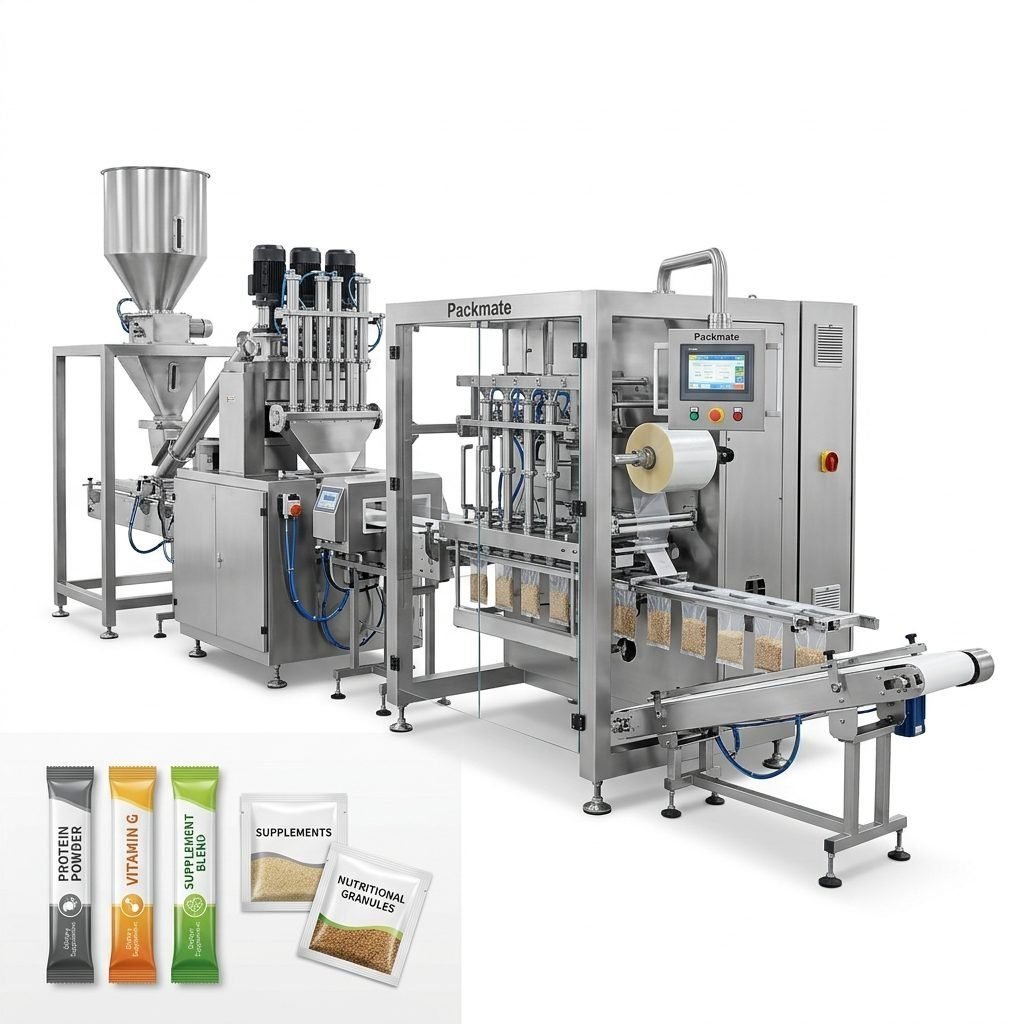
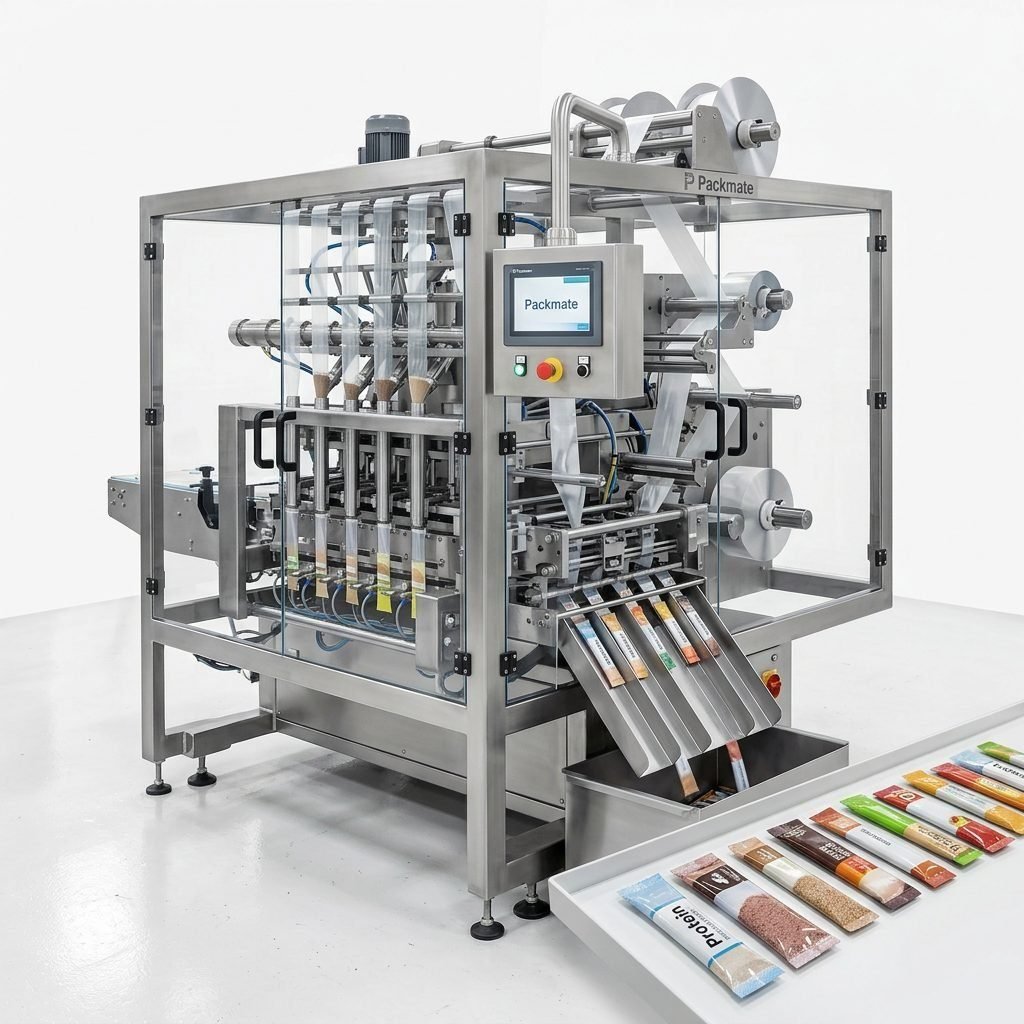
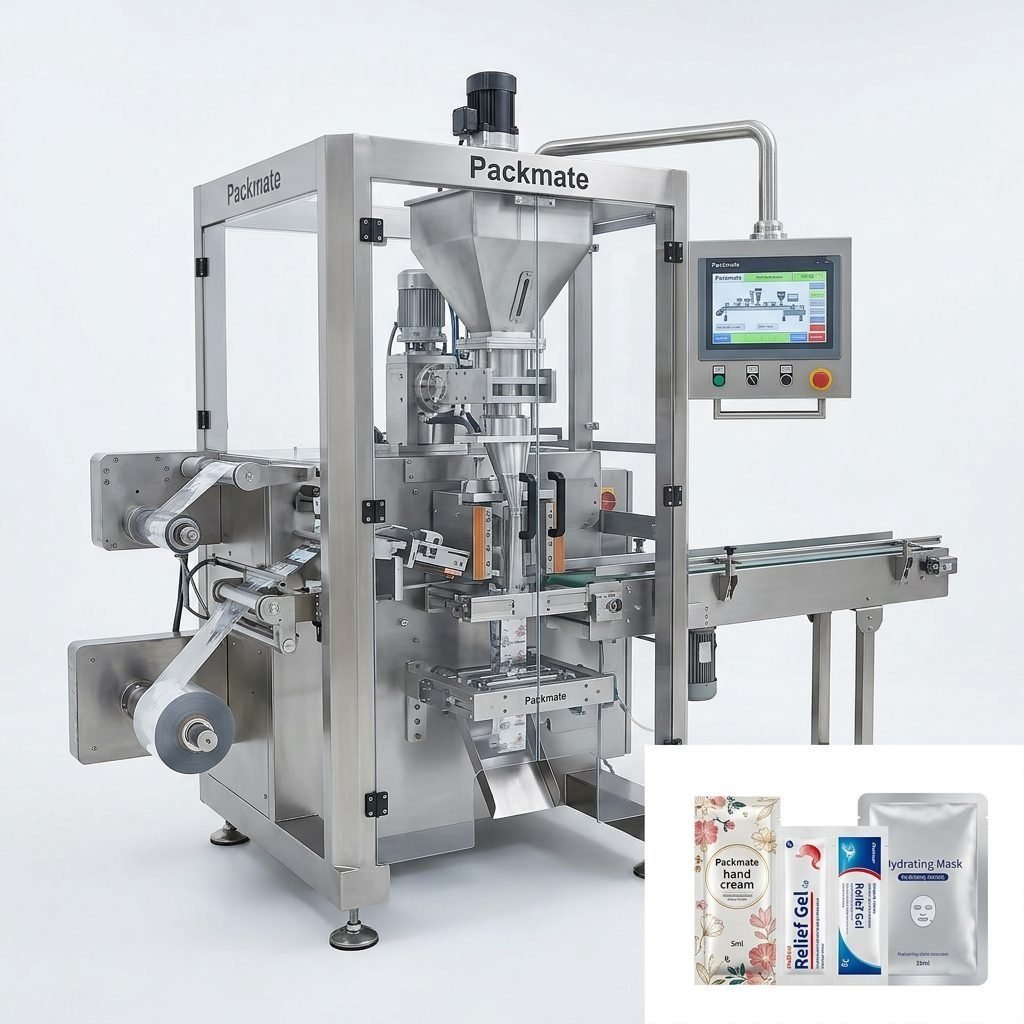
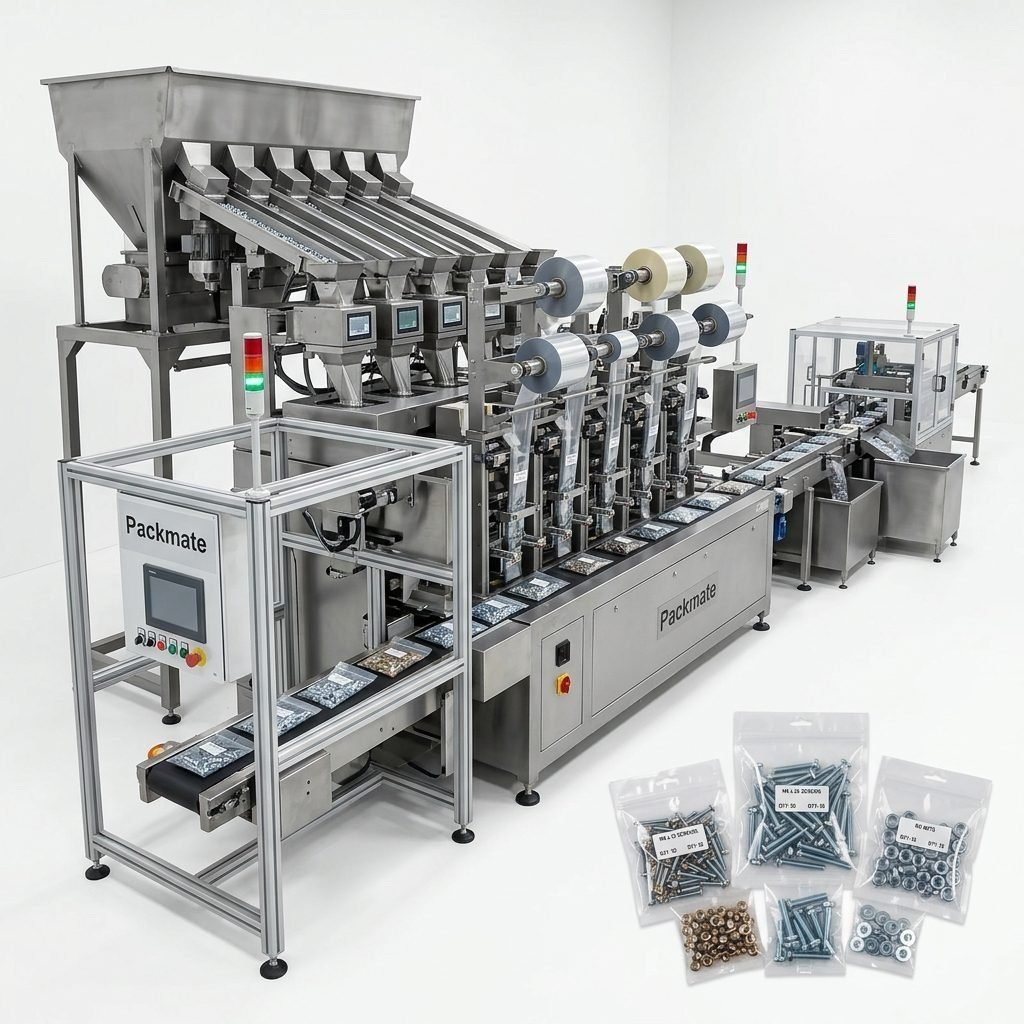
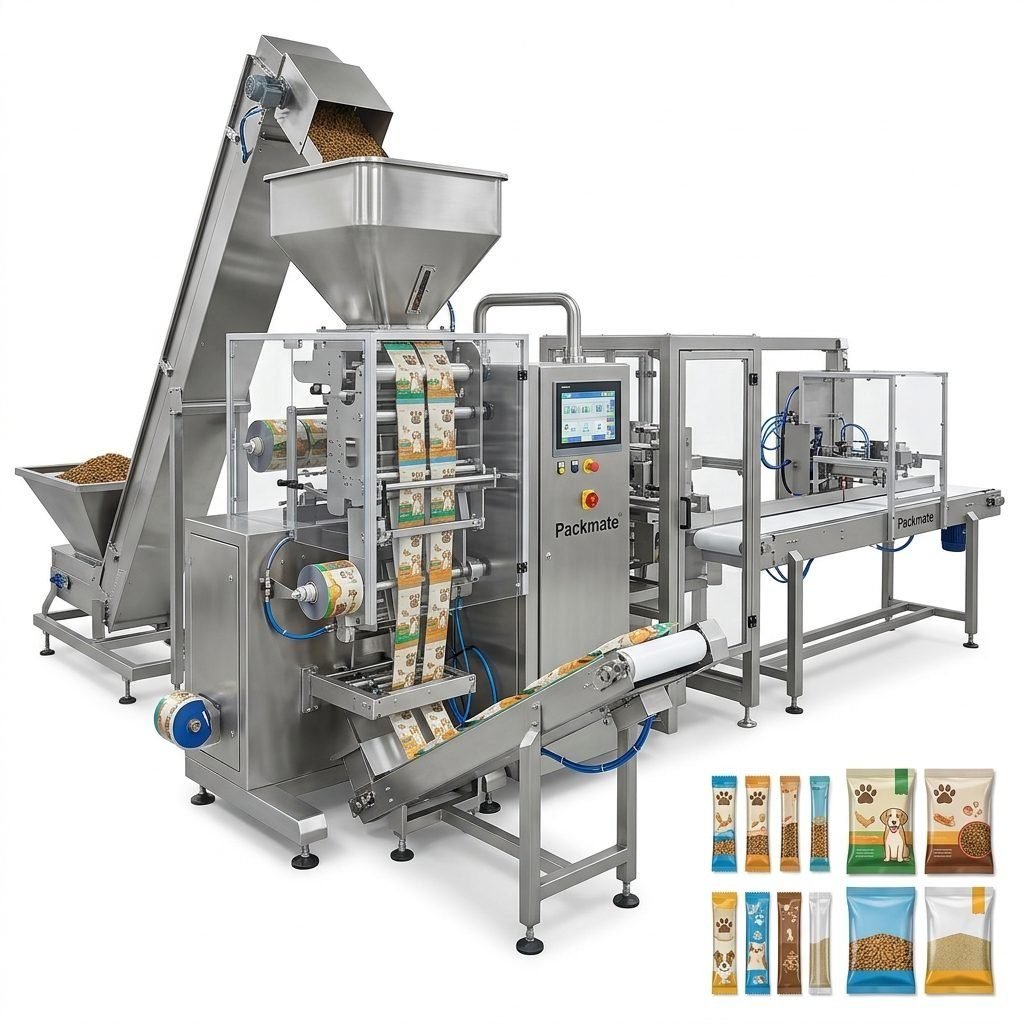
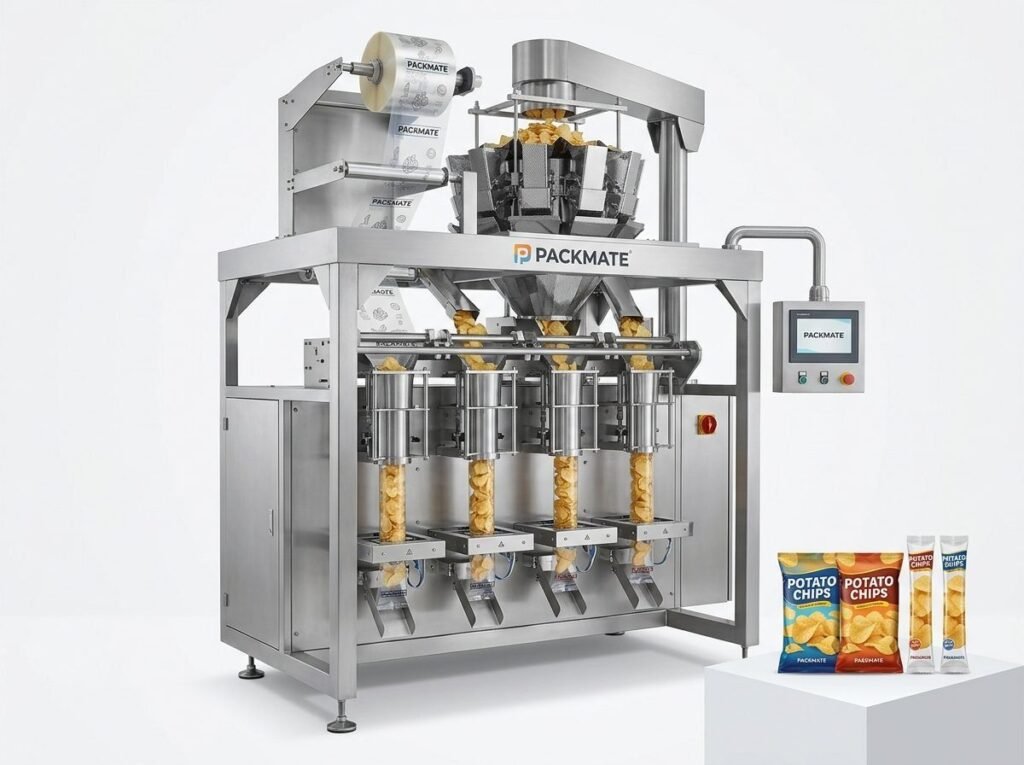
Maintaining your packaging equipment is not just a routine task—it’s a strategic investment in operational efficiency, product quality, and long-term cost savings. A well-maintained machine operates smoothly, reduces unexpected downtime, and extends its service life significantly. This comprehensive guide outlines the essential practices for keeping your packaging machinery in peak condition, ensuring your production line runs at maximum efficiency.
The Critical Importance of Regular Maintenance
Neglecting equipment maintenance can lead to a cascade of operational problems. Unplanned downtime is the most immediate and costly consequence, halting production and delaying orders. Furthermore, poorly maintained machines are prone to inconsistent performance, resulting in product waste, inaccurate fills, and compromised package seals that affect product shelf life and brand reputation. Implementing a proactive maintenance schedule is the cornerstone of a reliable and profitable packaging operation.
Key Benefits of a Proactive Maintenance Plan:
- Maximized Uptime: Minimizes disruptive and expensive breakdowns.
- Consistent Product Quality: Ensures accurate weighing, filling, and sealing for every unit.
- Extended Equipment Lifespan: Protects your capital investment for years longer.
- Enhanced Safety: Reduces risks associated with malfunctioning components.
- Lower Total Cost of Ownership: Reduces repair costs and prevents major component failures.
Daily Maintenance Checklist: The First Line of Defense
Daily routines are simple yet powerful. Start with a visual inspection of the entire machine, looking for loose parts, leaks, or accumulated debris. Clean all product contact surfaces, hoppers, and filling nozzles thoroughly to prevent cross-contamination and ensure hygiene, especially critical for food and pharmaceutical packaging lines. Check and top up lubricants in designated points as per the manufacturer’s manual. Finally, perform a test run to verify that all systems—from the film feed to the final seal—are operating correctly before starting full production.
Weekly and Monthly Maintenance Tasks
On a weekly basis, conduct more detailed inspections. Examine belts and chains for tension and wear, check pneumatic filters and drains, and verify the calibration of weighing systems and temperature controls on sealers. Monthly tasks should involve a deeper cleanse, inspecting electrical connections for security, and testing safety interlocks and emergency stop functions to ensure they are fully operational. Keeping a detailed log of all these activities is crucial for tracking the machine’s health and planning future maintenance.
Scheduled Professional Servicing
While daily and weekly tasks are vital, they cannot replace scheduled professional servicing. It is recommended to have a certified technician from your equipment provider perform a comprehensive inspection and service at least annually. This service should include replacing wear parts like gaskets and seals before they fail, conducting full system diagnostics, updating software if applicable, and performing precision recalibrations. For complex systems like multi-head weighers and integrated lines, this professional oversight is non-negotiable for maintaining peak accuracy and synchronization.
Warning Signs You Should Never Ignore
Be alert to symptoms that indicate immediate attention is needed: Unusual noises (grinding, knocking), inconsistent package quality (poor seals, inaccurate weights), increased product waste, frequent minor stoppages, or a sudden drop in production speed. Addressing these early signs can prevent a minor issue from escalating into a major breakdown.
Building a Culture of Maintenance
Effective maintenance is a team effort. Ensure all operators are thoroughly trained not only on how to run the machine but also on basic daily maintenance procedures and safety protocols. Clear, accessible records for maintenance logs, part replacements, and service history should be maintained. Furthermore, always use genuine OEM replacement parts. While third-party parts may seem cheaper, they often lack the precise engineering and quality assurance of original parts, potentially voiding warranties and causing premature wear or failure.
Leveraging Manufacturer Support
Choosing a reputable manufacturer like Packmate Machinery provides a significant advantage. Established manufacturers offer detailed manuals, training resources, and accessible technical support. They can provide tailored maintenance schedules for specific machine models and environments. Investing in a preventive maintenance contract with your supplier can offer peace of mind, ensuring regular expert check-ups and priority service, ultimately safeguarding your production continuity.
Conclusion: Maintenance as a Strategic Priority
Viewing packaging equipment maintenance as a critical operational strategy, rather than a reactive chore, transforms its role in your business. A disciplined, documented, and proactive approach ensures your machinery delivers reliable performance, protects your product quality, and maximizes your return on investment. By dedicating time and resources to proper care, you secure the efficiency and longevity of your packaging line, which is the backbone of your production output.
Frequently Asked Questions (FAQ)
Q1: How often should I lubricate my packaging machine?
A: Lubrication frequency depends heavily on the machine model and usage intensity. Always follow the specific schedule in your manufacturer’s manual. As a general rule, daily light oiling might be needed for some chains, while grease points may require attention weekly or monthly. Over-lubrication can attract dust and cause damage, so adhere to guidelines.
Q2: Can I use any cleaning agent on my machine?
A: No. Use only cleaning agents recommended by the equipment manufacturer. Harsh chemicals can damage seals, hoses, and painted surfaces. For food and pharmaceutical applications, use approved, non-toxic, and non-corrosive cleaners. Always ensure the machine is properly dried after cleaning to prevent rust or electrical issues.
Q3: What is the most commonly overlooked maintenance task?
A: Cleaning and checking pneumatic systems (air filters, regulators, lubricators) is often overlooked. Contaminated or moist air can cause solenoid valves and cylinders to malfunction, leading to erratic machine behavior. Regularly draining air filters and checking air quality is a simple but critical task.
Q4: When should I consider a major overhaul instead of repairs?
A: Consider a major overhaul when the cost of frequent repairs approaches or exceeds 50% of the machine’s current value, or when the machine can no longer meet required production speeds or quality standards despite repairs. An overhaul restores core systems and can be more cost-effective than purchasing new equipment.
Q5: Where can I find reliable support for my packaging machine maintenance?
A: Your first point of contact should always be the original equipment manufacturer (OEM). For example, Packmate Machinery offers comprehensive technical support and service programs. They provide genuine parts, expert technicians, and model-specific knowledge that generic service centers cannot match, ensuring your machine is maintained to its original specifications.