In the highly competitive poultry industry, efficiency, hygiene, and product presentation are paramount. Selecting the right poultry packaging equipment is not just an operational decision; it’s a strategic investment that impacts shelf life, brand perception, and bottom-line profitability. Modern packaging lines go far beyond simple containment, integrating advanced technologies for weighing, filling, sealing, and coding to ensure every product meets the highest standards of quality and safety.
Core Types of Poultry Packaging Equipment
The packaging process for poultry products is multifaceted, requiring specialized machinery for each stage. Understanding the different types available is the first step in building an efficient line.
1. Primary Packaging Machines
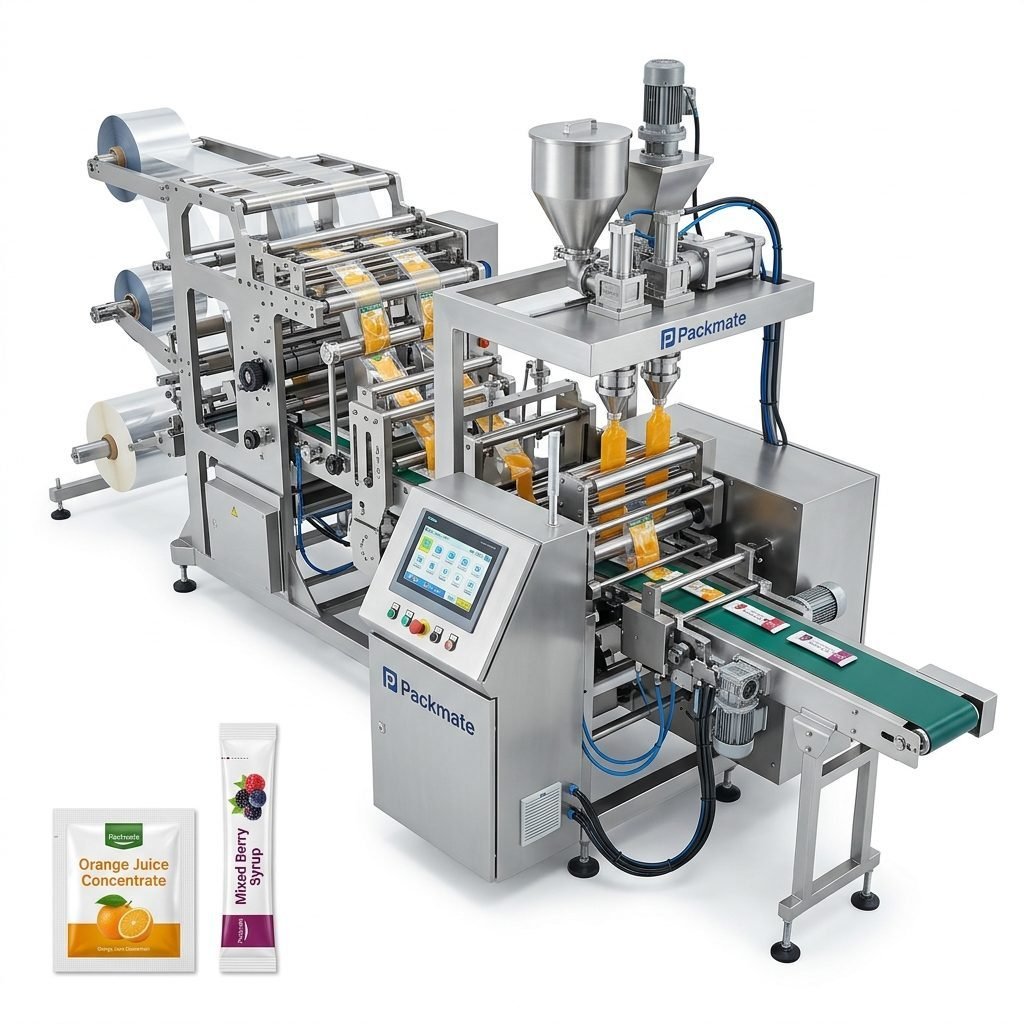
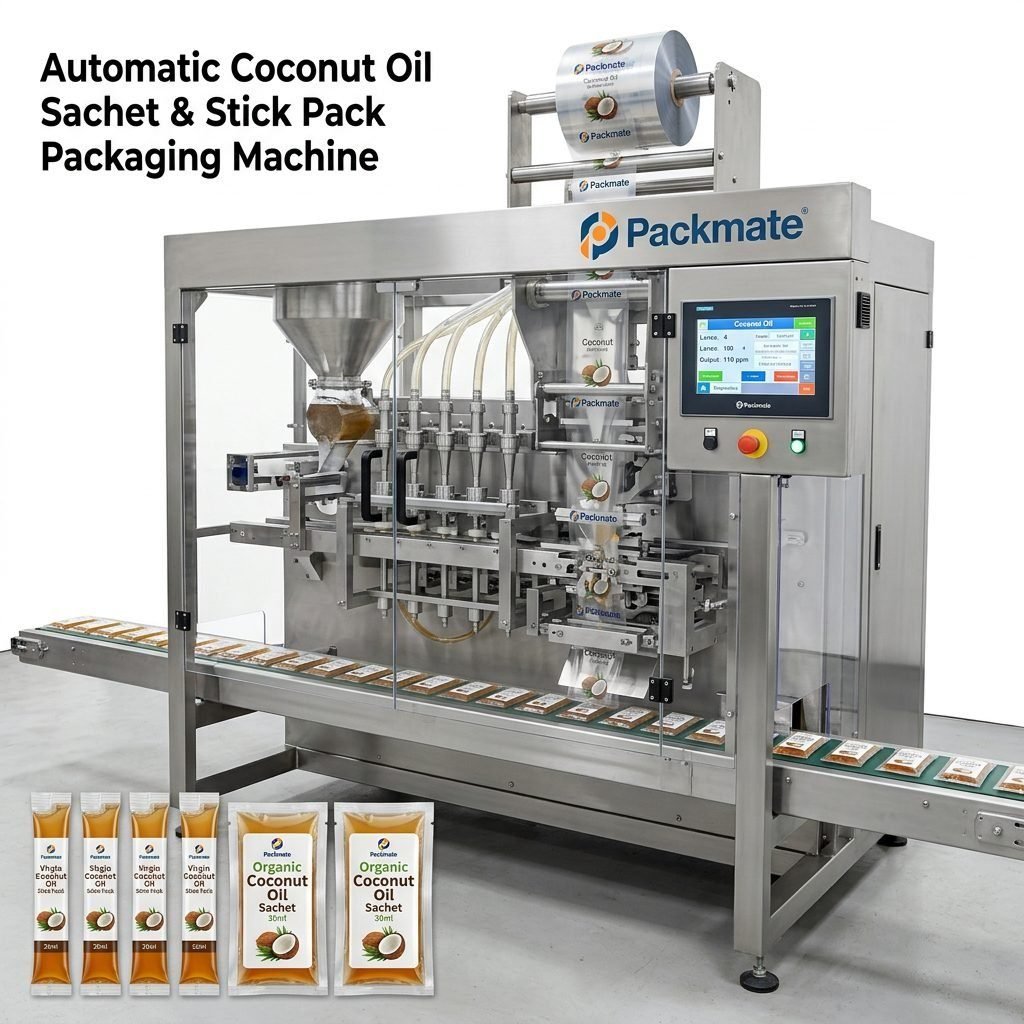
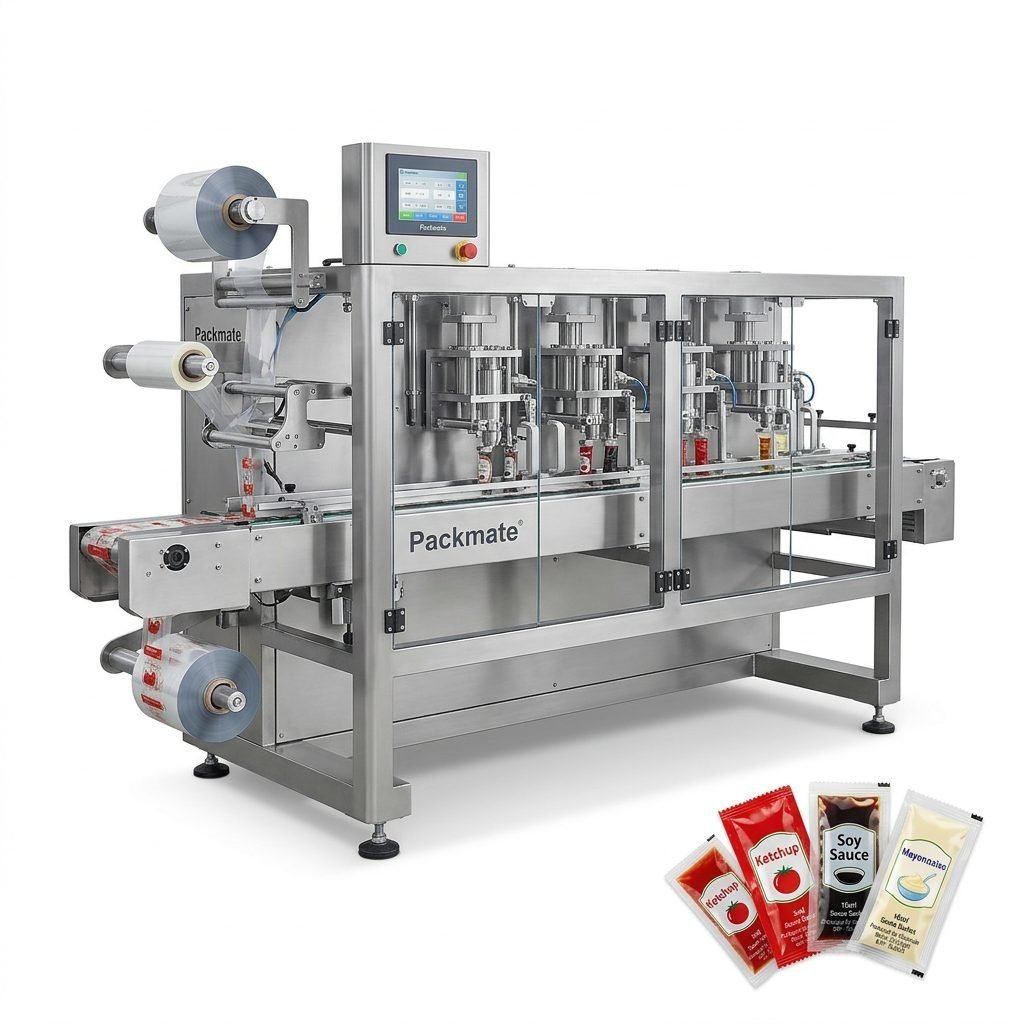
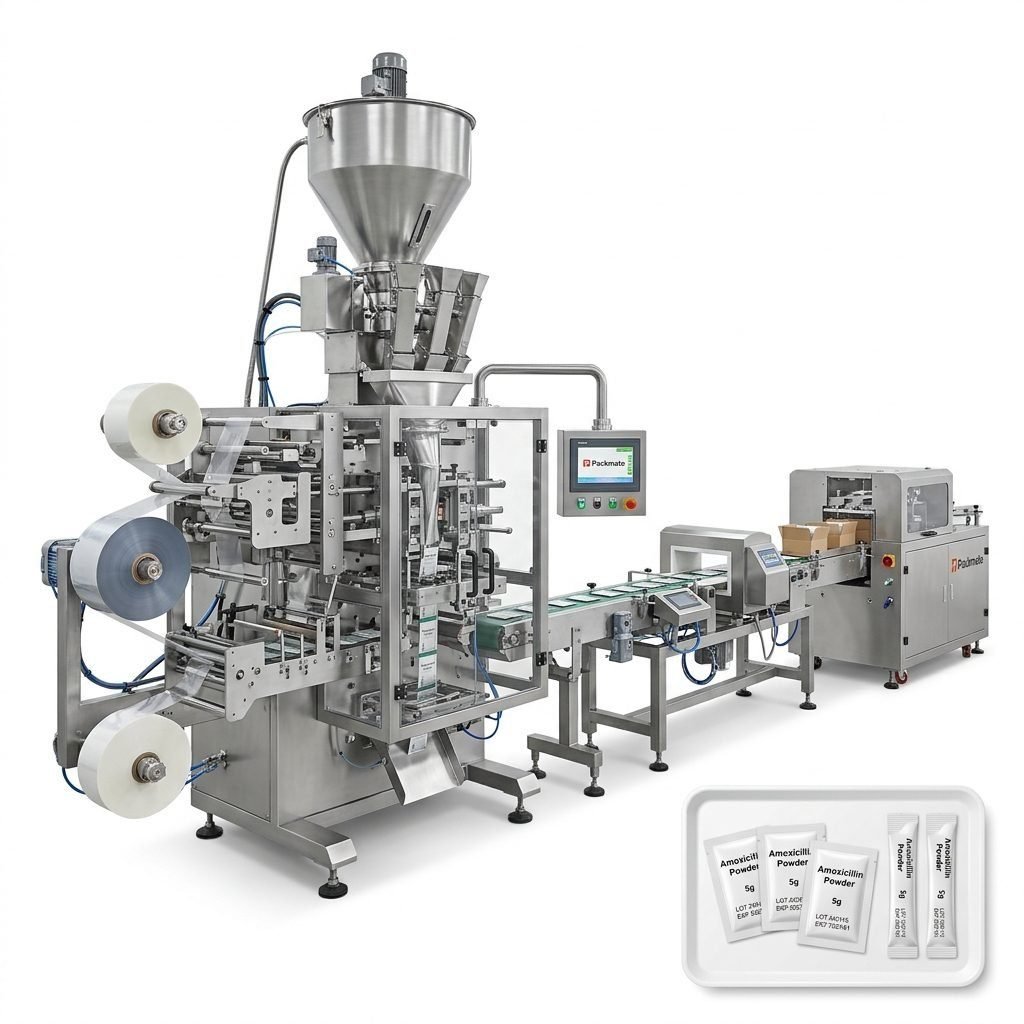
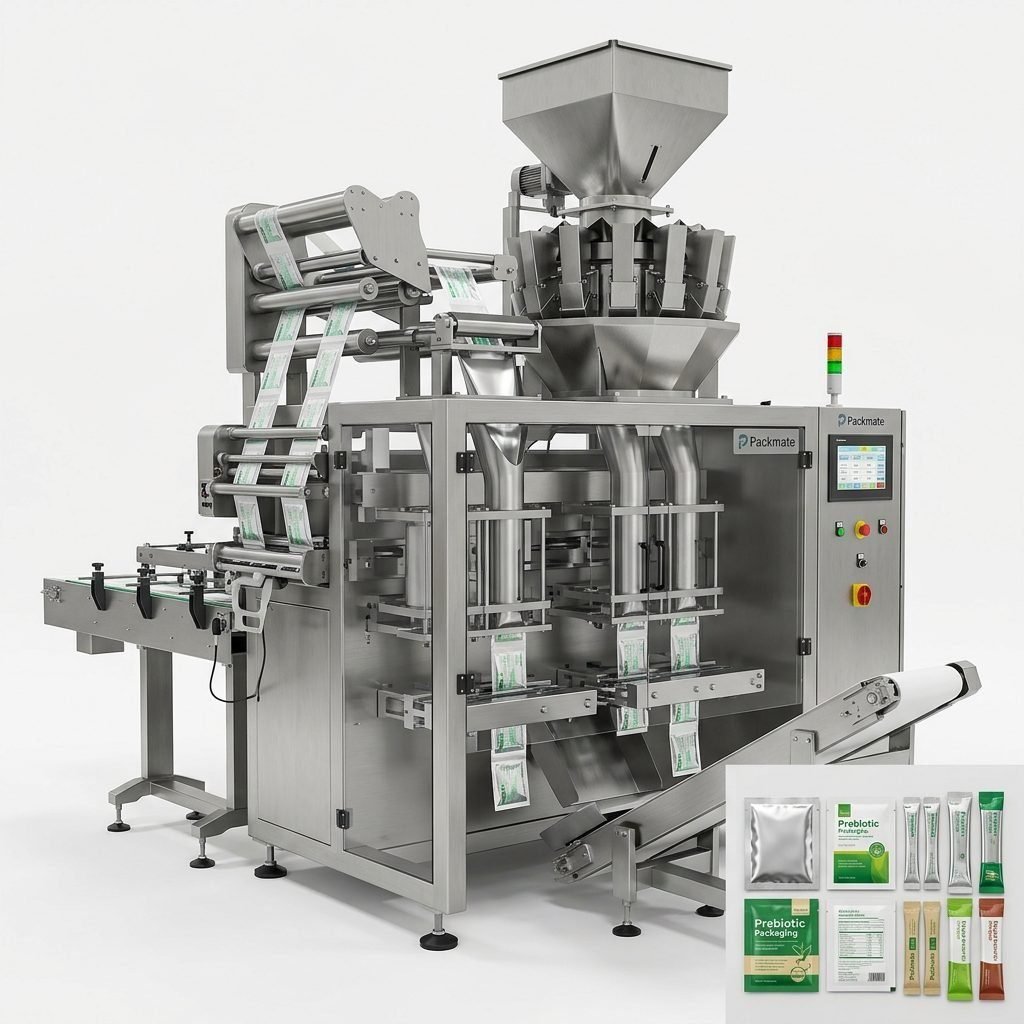
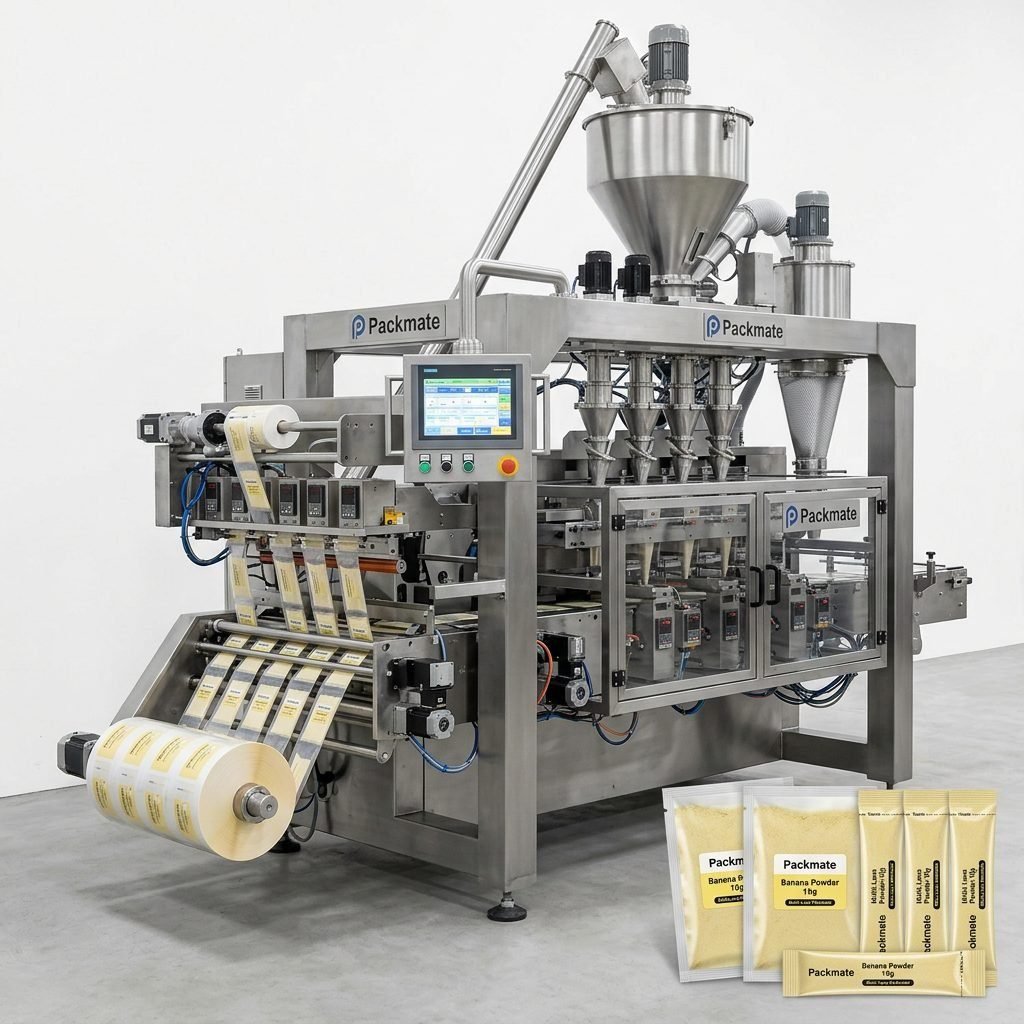
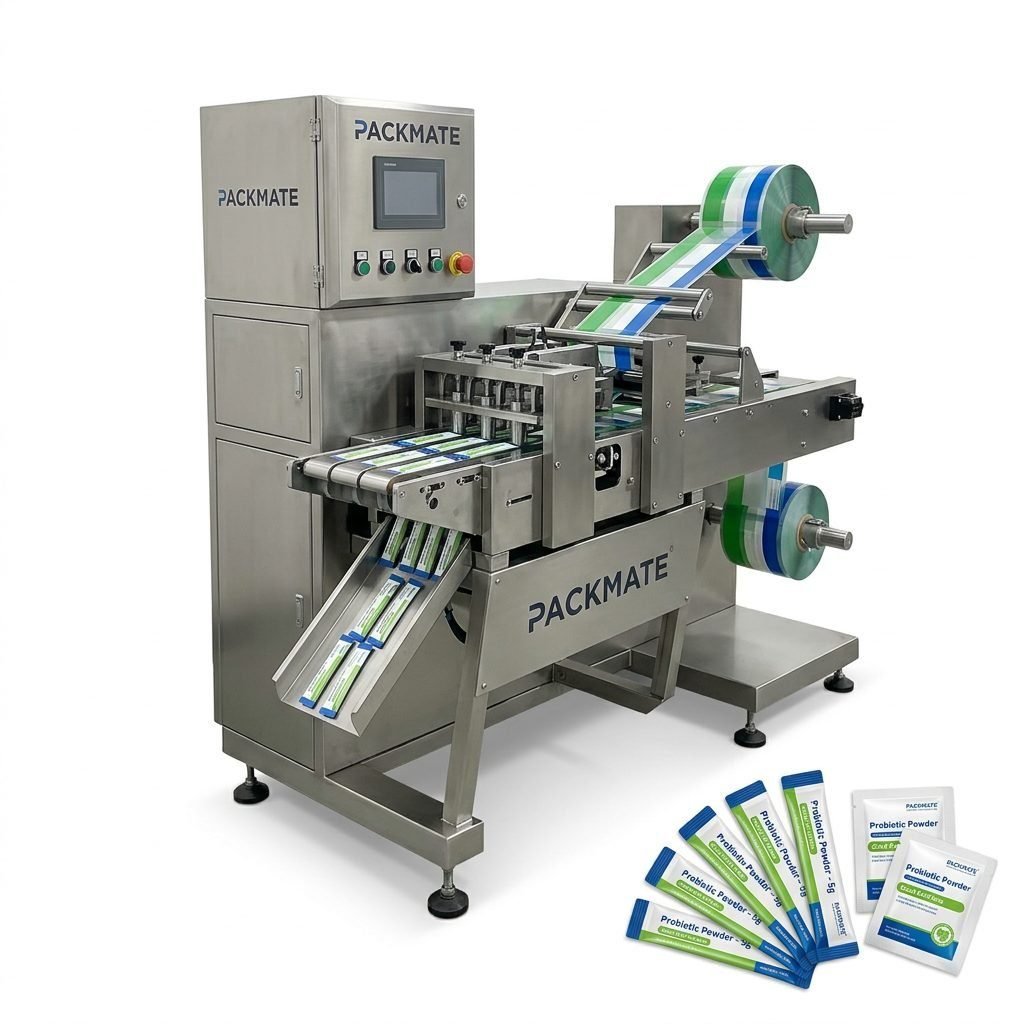
These machines handle the direct contact packaging that consumers see. For fresh and frozen poultry, vacuum packaging machines are essential. They remove air from the package to drastically slow down bacterial growth and prevent freezer burn, significantly extending shelf life. For tray-packed products, skin packaging machines and modified atmosphere packaging (MAP) systems are prevalent. MAP machines replace the air inside the package with a controlled gas mixture (like CO2 and N2) to preserve color and freshness. High-speed sachet and stick pack machines are also crucial for packaging marinades, sauces, or powdered seasonings often paired with poultry products.
2. Secondary Packaging & Handling Systems
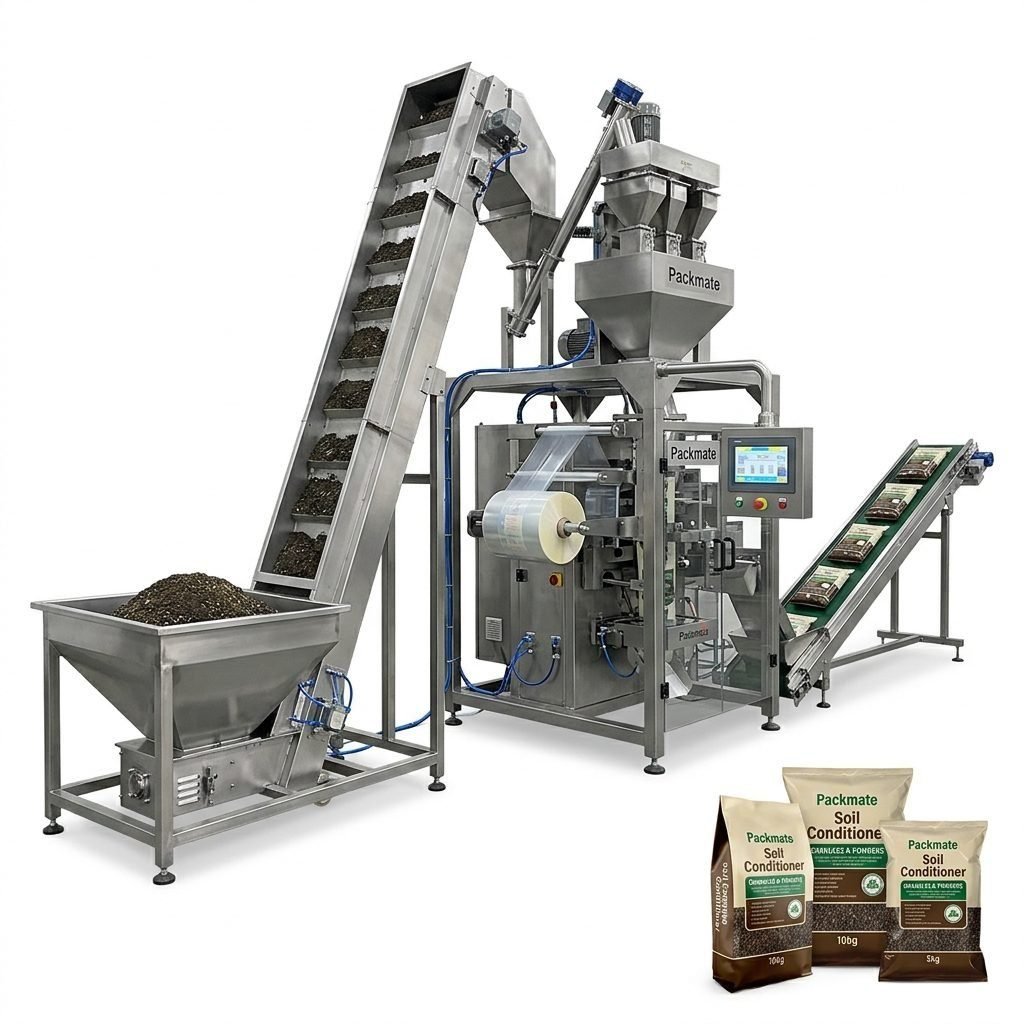
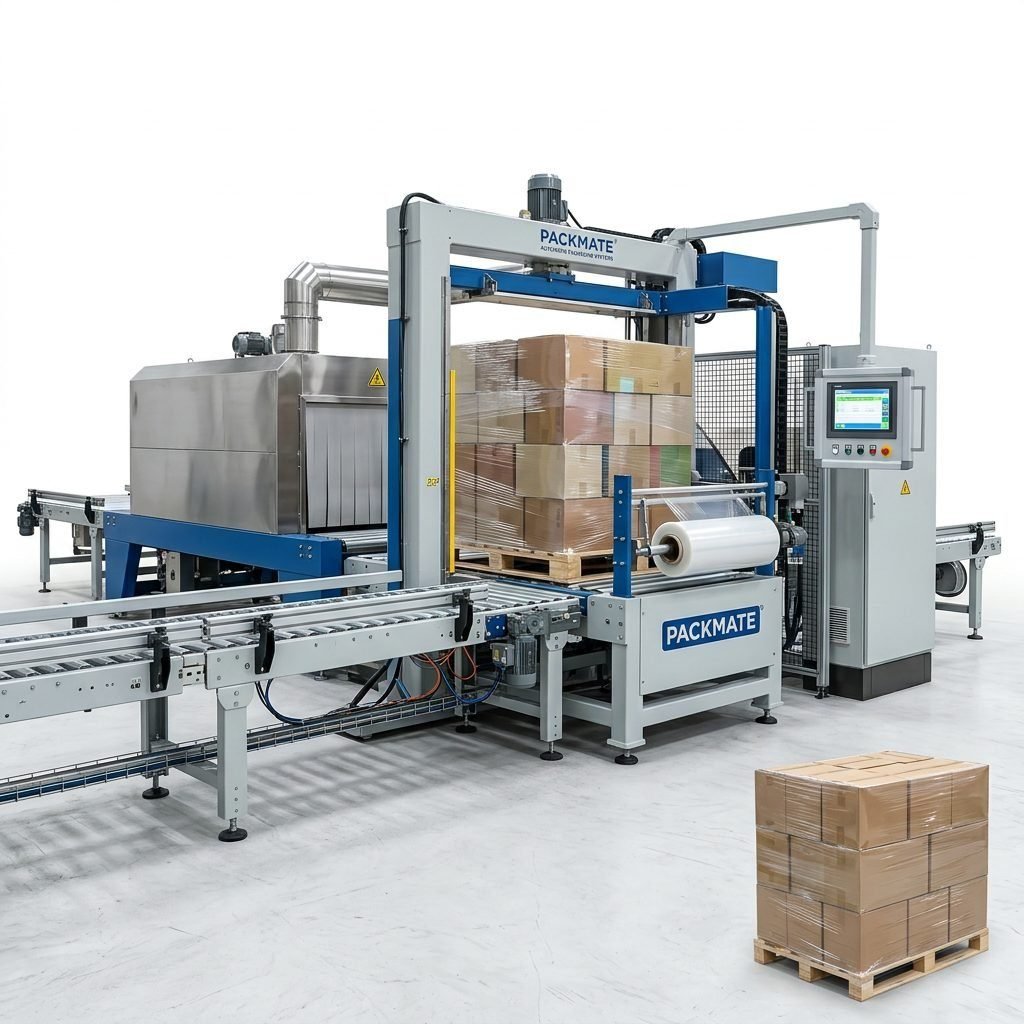
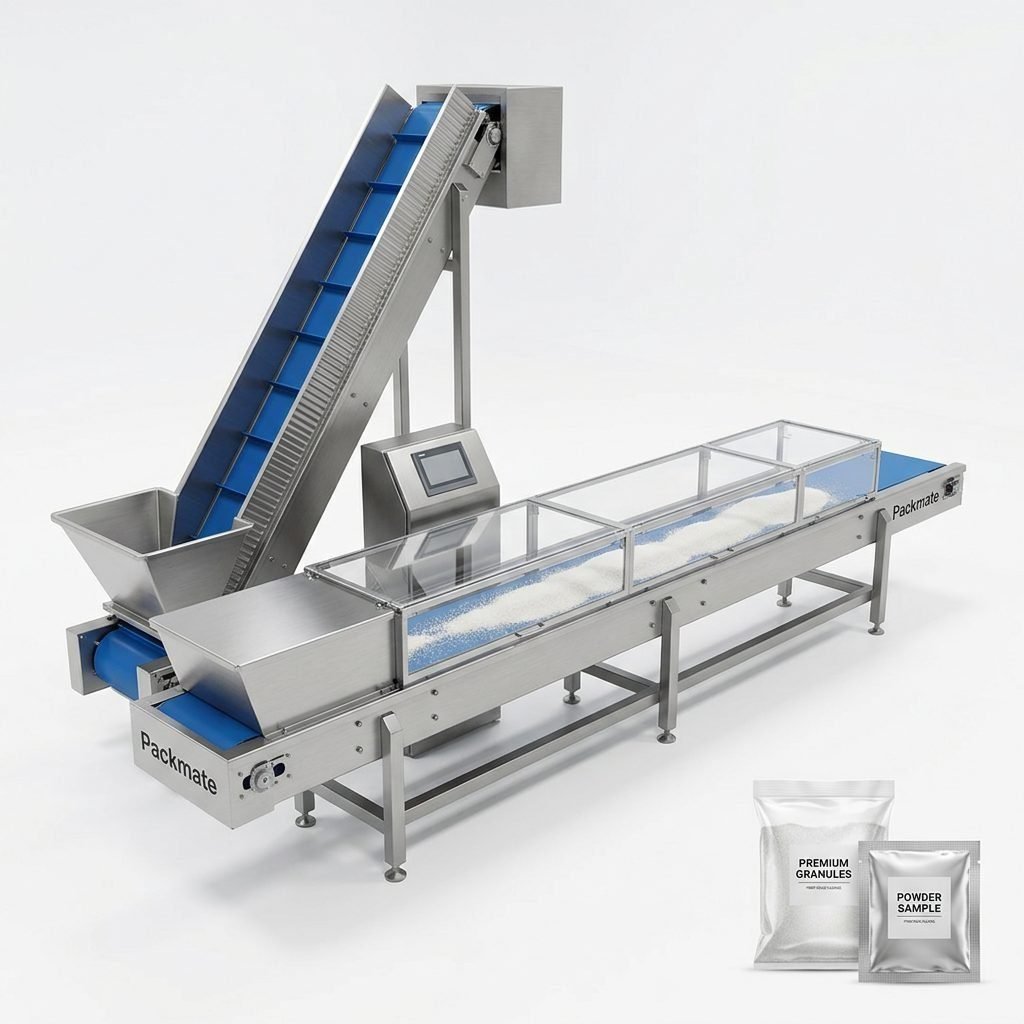
Once the primary package is sealed, products need to be collated and prepared for distribution. This is where cartoning machines and case packers come into play. They automatically load individual packages into cartons or shipping cases with precise orientation and count. Conveyor systems, the backbone of any packaging line, seamlessly transport products between different machines, minimizing manual handling and maintaining a consistent flow. For operations dealing with bulk frozen poultry, robust weighing and packaging systems ensure accurate portion control into larger bags or boxes.
3. Labeling & Coding Equipment
Regulatory compliance and traceability are non-negotiable in food packaging. Label printers and applicators automatically print and apply labels containing nutritional information, barcodes, batch numbers, and expiry dates. Inkjet or laser coders print this data directly onto the primary package or label. This equipment ensures every product is correctly identified for inventory management, retail sale, and recall procedures if necessary.
Key Benefits of Modern Poultry Packaging Machinery
Upgrading to automated, specialized poultry packaging equipment delivers a cascade of benefits that strengthen an operation from multiple angles.
Enhanced Food Safety & Hygiene
Automated systems drastically reduce human contact with the product, lowering the risk of contamination. Machines designed with sanitary principles, featuring smooth surfaces and easy-clean components, further uphold stringent hygiene standards. Consistent sealing from equipment like vacuum sealers creates a reliable barrier against pathogens.
Dramatic Increase in Efficiency & Output
Manual packaging simply cannot match the speed of automated lines. Modern machines can handle hundreds, even thousands, of units per minute. This high throughput meets market demand, reduces labor costs per unit, and allows for faster order fulfillment, giving businesses a critical competitive edge.
Reduction in Material Waste & Costs
Precision-controlled machines use packaging film, trays, and labels more efficiently than manual processes. Accurate weighing and filling minimize product giveaway. Consistent sealing reduces the rate of rejected packages due to leaks or poor seals, translating directly into material cost savings and less waste.
Improved Product Presentation & Shelf Appeal
A tight, professional-looking package builds consumer trust. Automated systems produce uniform, neatly sealed packages with clear, legible labeling every time. This consistency enhances brand image on the retail shelf and can justify premium pricing for higher-quality presentation.
Essential Buying Guide: Choosing Your Equipment
Investing in poultry packaging machinery is a significant decision. A systematic approach to evaluation will ensure you select machinery that delivers a strong return on investment.
Step 1: Assess Your Specific Needs
Begin by defining your product mix (whole birds, parts, processed items, value-added products), packaging materials (vacuum bags, trays, flow-wrap film), and required output speed (packages per hour). Consider future growth—will the machine handle new product lines or higher volumes? Also, evaluate your available factory floor space and utility connections (electrical, compressed air).
Step 2: Prioritize Key Machine Features
Look for equipment built with food-grade, corrosion-resistant materials like stainless steel for easy cleaning and durability. User-friendly PLC touchscreen controls simplify operation, recipe changes, and troubleshooting. Quick-changeover capabilities are vital for lines running multiple package sizes or product types, minimizing downtime. Ensure the machine can integrate with your existing or planned filling and packaging lines for a seamless workflow.
Step 3: Evaluate the Manufacturer
The supplier’s reputation is as important as the machine’s specs. Choose a manufacturer with proven experience in the food or poultry sector. Examine their warranty terms, technical support availability, and spare parts supply chain. A reliable partner like Packmate Machinery, with over two decades of experience in building intelligent packaging solutions, can provide not just a machine, but complete peace of mind. Request references and, if possible, visit their facility or see the equipment running in a similar application.
Step 4: Consider Total Cost of Ownership
Look beyond the initial purchase price. Calculate the operational costs, including energy consumption, required labor, and maintenance. Factor in the machine’s reliability and expected lifespan—a slightly higher upfront cost for a robust, efficient machine often leads to much lower long-term costs and higher productivity.
Frequently Asked Questions (FAQ)
What is the most important factor when choosing poultry packaging equipment?
Hygiene and food safety compatibility is paramount. The machine must be constructed with sanitary design principles, using materials that can withstand rigorous cleaning and sanitizing protocols to prevent bacterial harborage points and ensure product safety.
Can one machine handle different types of poultry products (e.g., whole chickens and cut parts)?
It depends on the machine type and its flexibility. Many primary packaging machines, like certain vacuum sealers or tray sealers, offer quick-change tooling and adjustable settings to accommodate different product sizes and shapes. However, significant changes (e.g., from whole birds to small diced meat) might require dedicated systems or extensive line reconfiguration.
How much maintenance does automated packaging equipment require?
Regular, preventative maintenance is crucial for optimal performance and longevity. This typically involves daily cleaning, weekly lubrication of moving parts, and periodic inspection of seals, sensors, and cutting blades as per the manufacturer’s manual. Well-maintained equipment experiences less unplanned downtime and operates more efficiently.
Is it better to buy individual machines or a complete integrated line?
For new facilities or major expansions, a complete turnkey line from a single supplier is often advantageous. It ensures all components are compatible, optimally synchronized, and backed by unified support. For upgrading specific bottlenecks, purchasing individual machines (auxiliary packaging equipment) can be a cost-effective solution, provided they integrate well with existing machinery.
What training is provided for operating new packaging machinery?
Reputable manufacturers provide comprehensive on-site installation and training as part of the purchase. This includes training for operators on running the machine, performing basic adjustments, and conducting routine maintenance, as well as training for maintenance technicians on more complex troubleshooting and repairs.