In the fast-paced world of manufacturing, efficiency and precision in product packaging are non-negotiable. Vertical Form Fill Seal (VFFS) packaging equipment stands as a cornerstone technology for businesses aiming to automate their packaging lines for powders, granules, liquids, and solid products. This versatile machinery forms bags from a roll of film, fills them with product, and seals them—all in one continuous, vertical operation. Understanding the different types of VFFS machines, their substantial benefits, and the critical factors for selection is essential for any operation looking to enhance productivity and maintain competitive edge.
Core Types of VFFS Packaging Equipment
VFFS machines are not one-size-fits-all; they are engineered to meet specific product characteristics and output requirements. The primary differentiation lies in the weighing and feeding system integrated with the form-fill-seal unit.
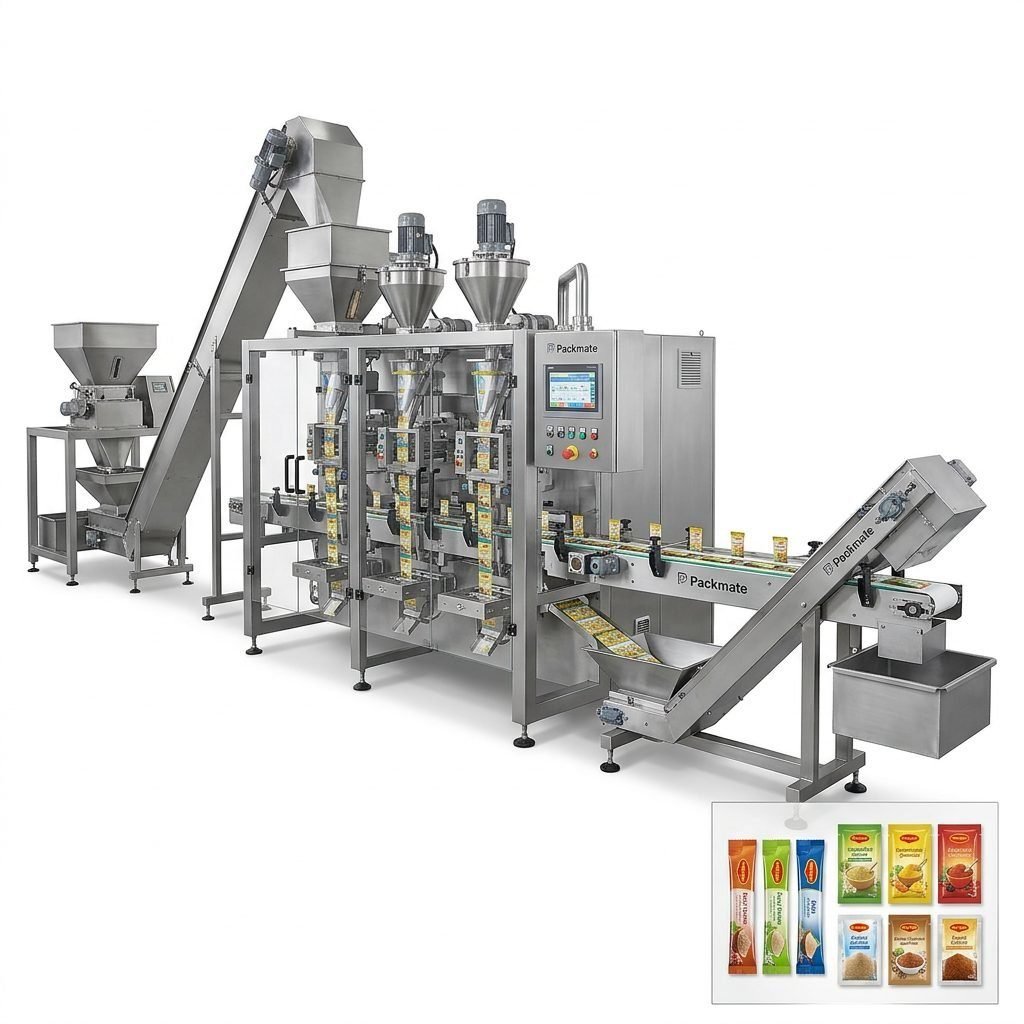
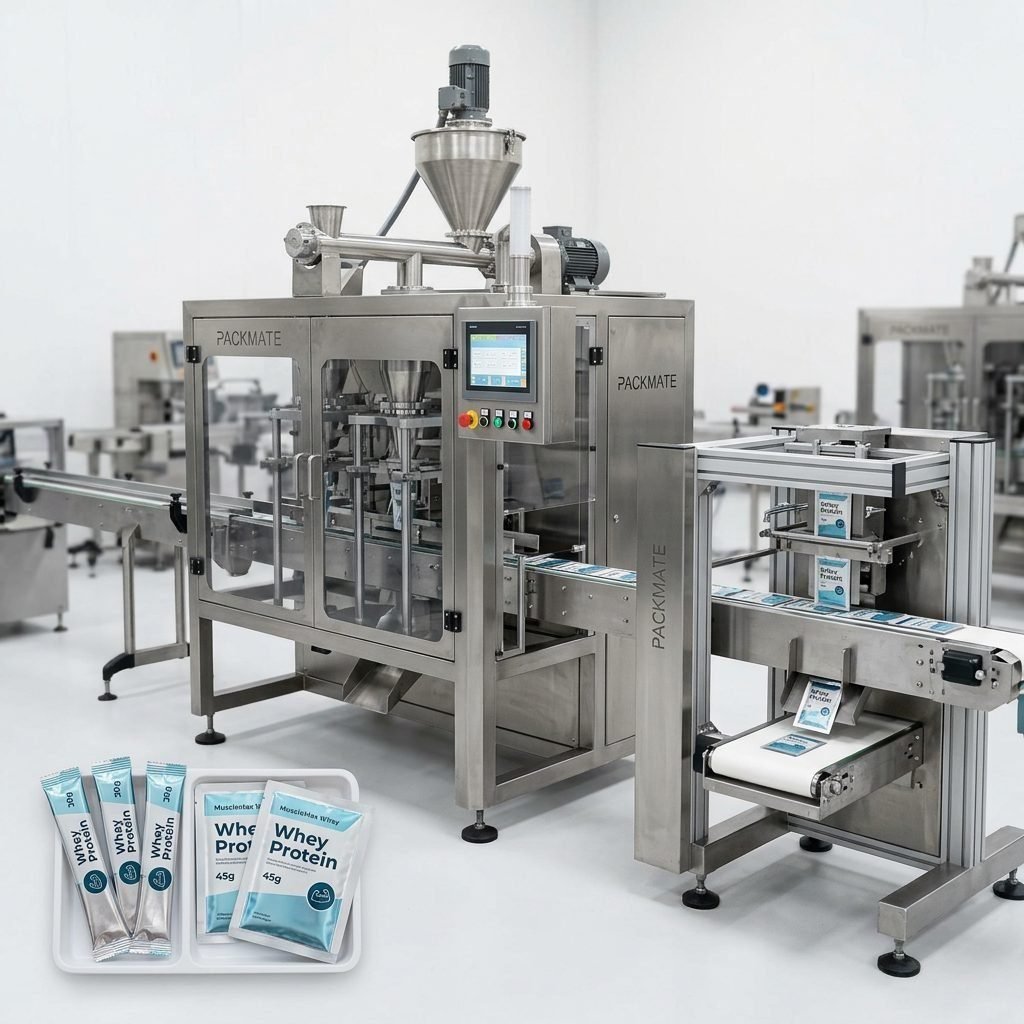
Auger Filler VFFS Machines
Ideal for fine powders, granules, and semi-solid pastes, these machines use a rotating auger screw to dispense product with high accuracy. They are the go-to choice for products like flour, spices, protein powder, and cosmetic creams. The precision of the auger system minimizes product giveaway, a crucial factor for high-value ingredients.
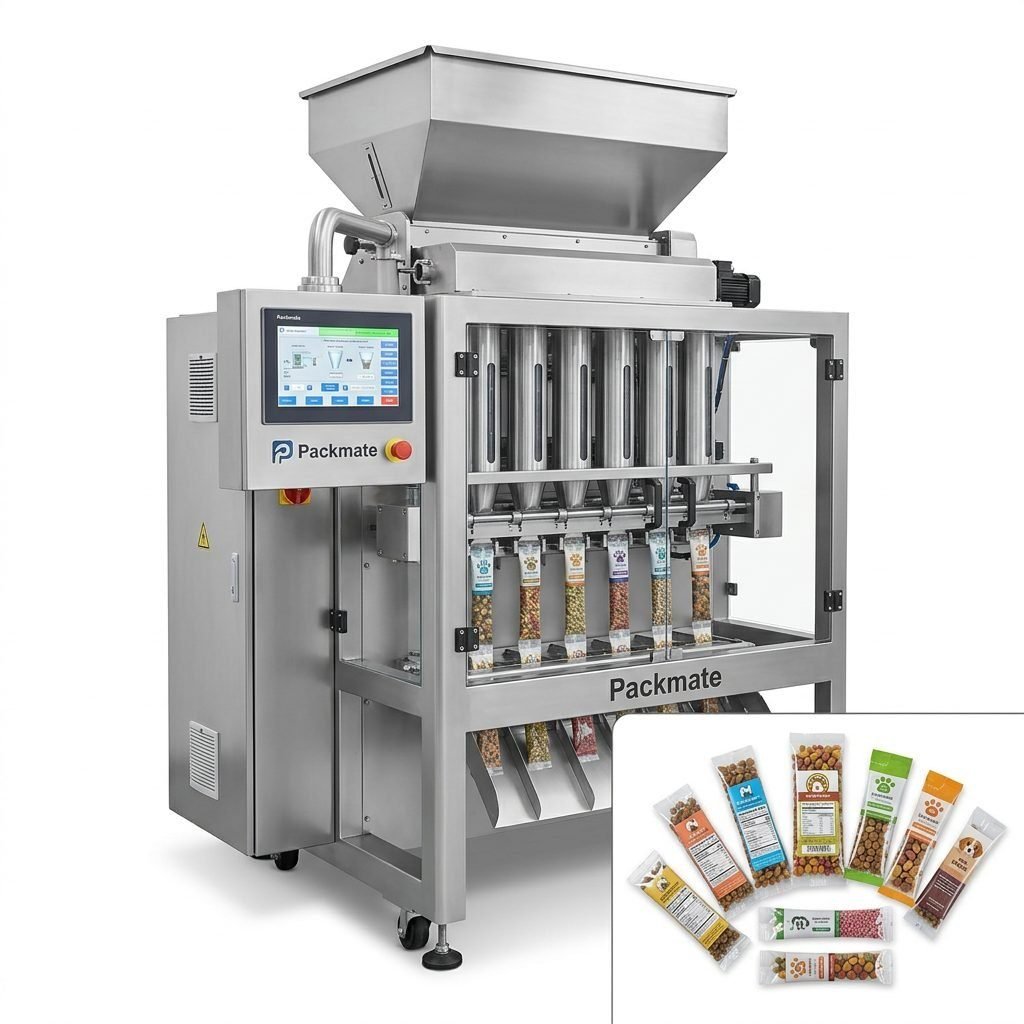
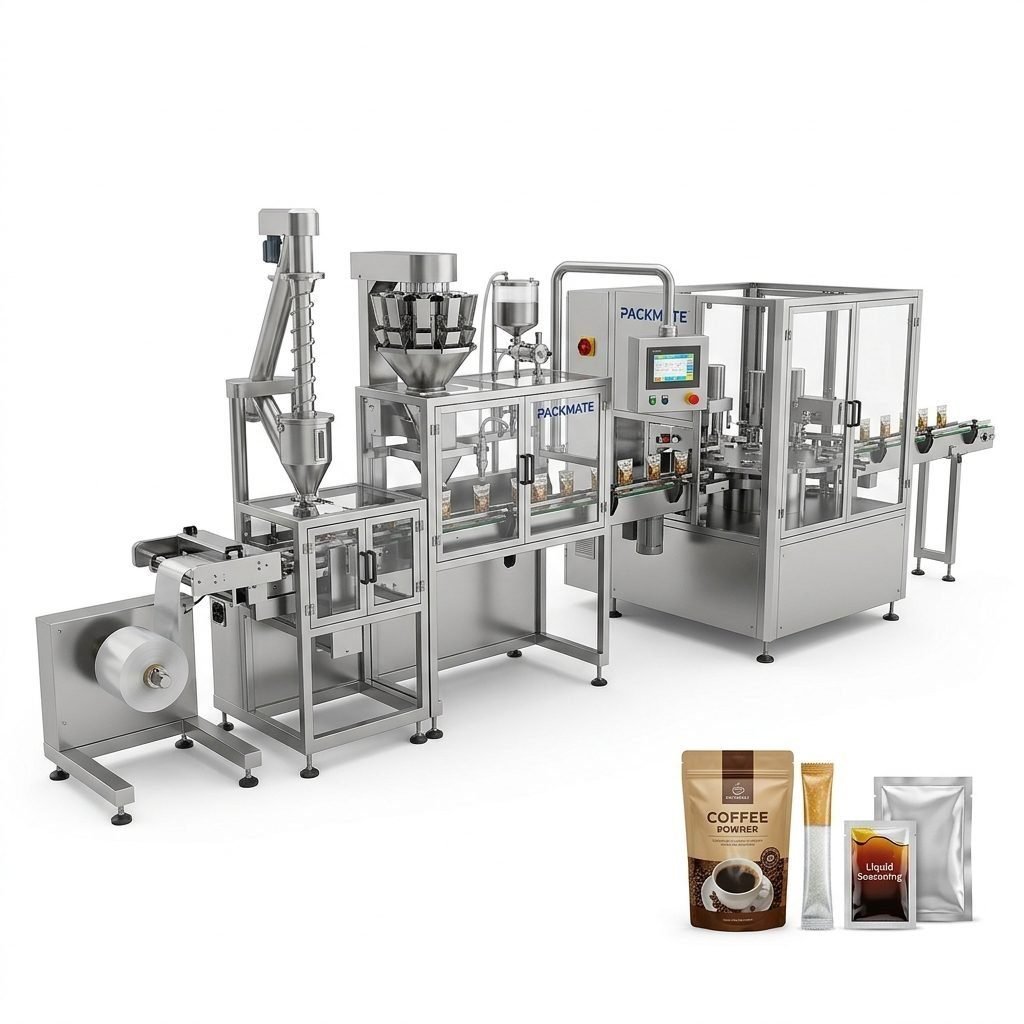
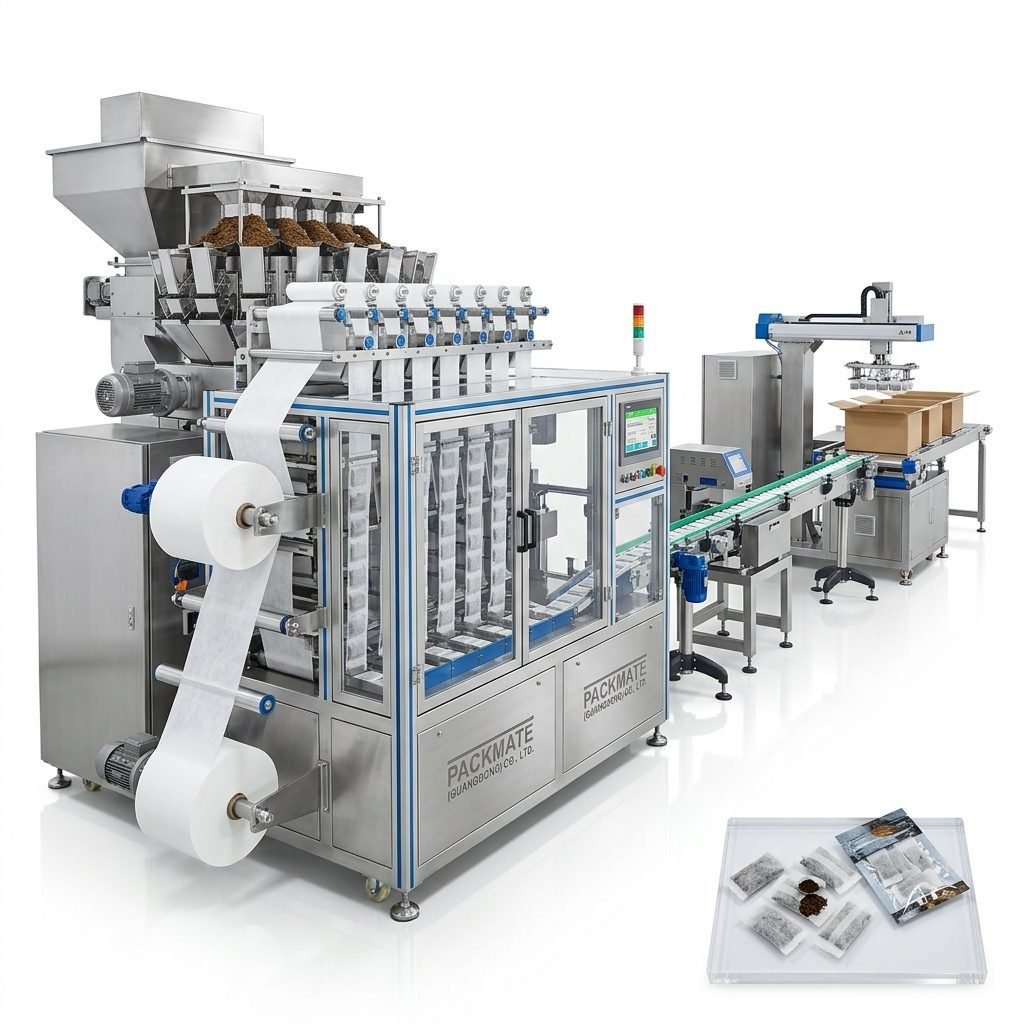
Weigh Scale (Multi-Head Weigher) VFFS Machines
For irregular-shaped solids like snacks, frozen vegetables, or hardware items, weigh scale systems are superior. Product is fed into multiple weigh buckets on a head, and a computer calculates the optimal combination to reach the target weight rapidly and accurately before releasing it into the waiting bag. This technology is synonymous with high-speed snack food packaging.
Volumetric Cup Filler VFFS Machines
Best suited for uniform, free-flowing products such as rice, beans, or seeds, these machines use pre-measured cups to portion product. They offer a cost-effective solution for applications where extreme weight precision is less critical than consistent fill volume and operational simplicity.
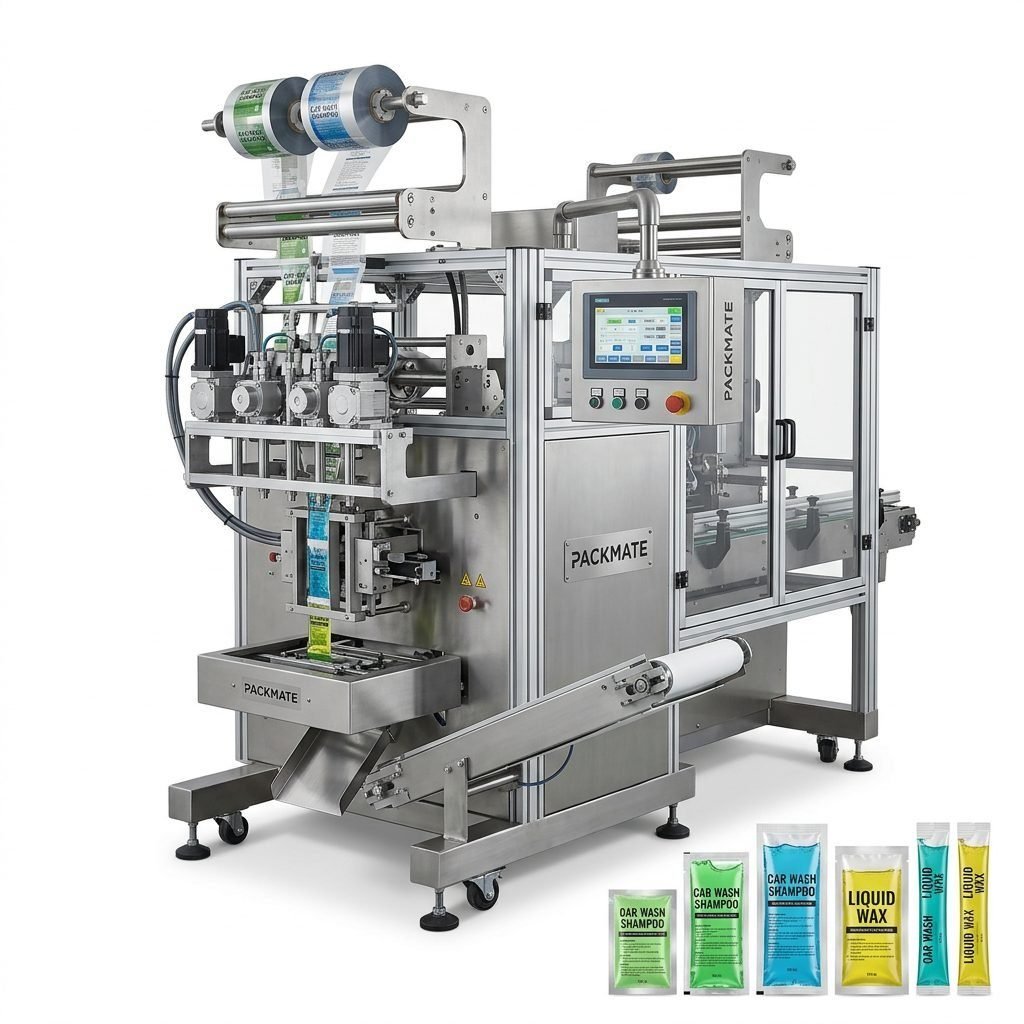
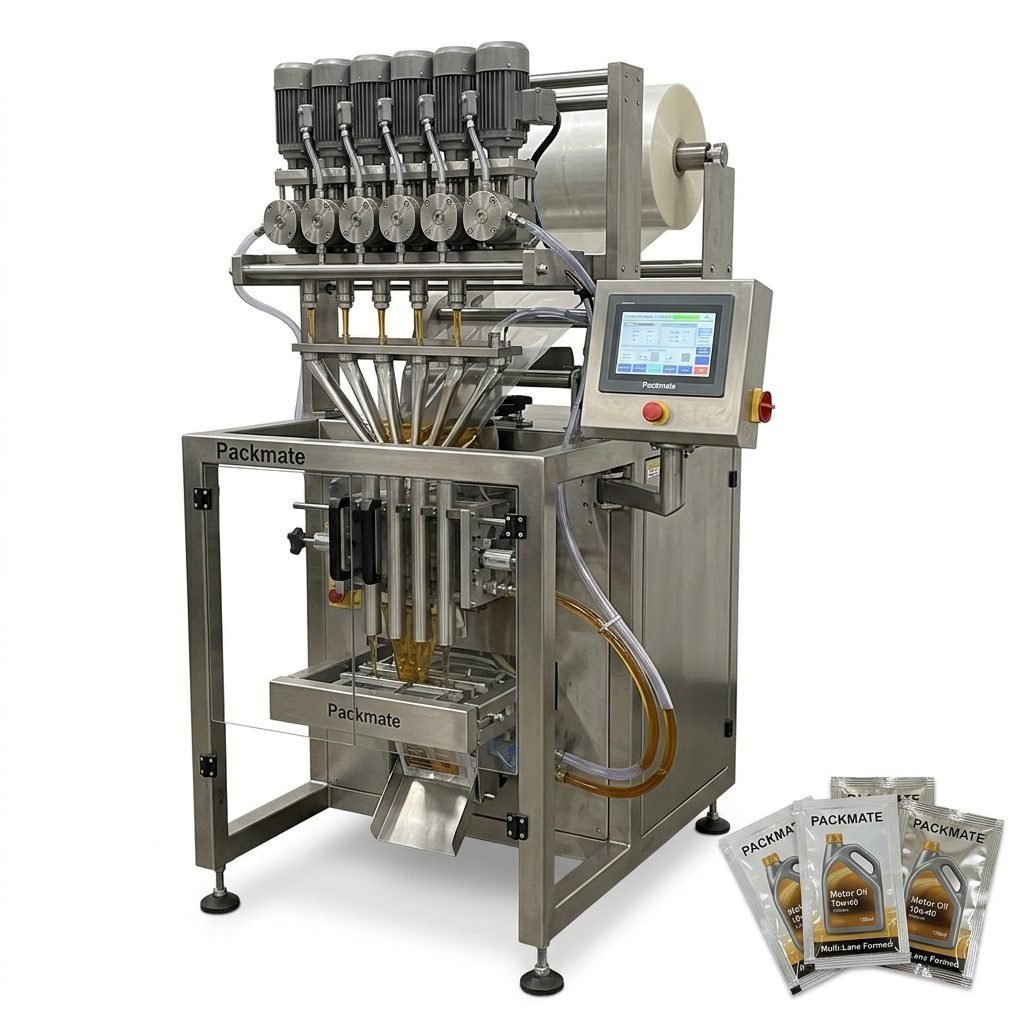
Liquid/Paste Filler VFFS Machines
Equipped with piston or pump fillers, these systems handle liquids, oils, sauces, and viscous pastes. They are designed with seals and components that prevent leakage and ensure hygienic, drip-free filling, making them essential for the food and pharmaceutical industries.
Key Consideration: The choice between auger, weigher, cup, or piston filler is the most fundamental decision in selecting a VFFS system. It directly impacts accuracy, speed, and the range of products you can run.
Tangible Benefits of Implementing VFFS Technology
Investing in a VFFS packaging line translates into measurable operational improvements. The benefits extend far beyond simple automation.
Dramatically Increased Production Speed: Modern VFFS machines can produce dozens to hundreds of bags per minute, far outstripping manual or semi-automatic methods. This allows businesses to scale output to meet market demand efficiently.
Superior Packaging Consistency and Quality: Automated systems eliminate human error in bag forming, sealing, and filling. Every package has uniform dimensions, strong seals to prevent leaks or contamination, and precise fill weights, enhancing brand reputation and reducing customer complaints.
Significant Material and Product Savings: Precise portion control reduces product “giveaway,” saving raw material costs. Furthermore, using film from rolls is often more cost-effective than pre-made bags and reduces storage space. The efficiency also leads to lower labor costs per unit produced.
Enhanced Operational Flexibility: A well-configured VFFS machine can handle a variety of bag styles (e.g., pillow bags, gusseted bags, stand-up pouches) and sizes with quick changeovers. This is vital for manufacturers producing multiple SKUs or those in contract packaging.
Improved Hygiene and Safety: Enclosed systems minimize product exposure to the environment and human contact, which is paramount in food and pharmaceutical applications. Automated lines also reduce repetitive strain injuries associated with manual packaging.
A Strategic Guide: How to Choose the Right VFFS Equipment
Selecting a VFFS machine is a significant capital investment. A thorough evaluation based on your specific needs will ensure a successful implementation and strong return on investment.
1. Analyze Your Product Characteristics
This is the starting point. Is your product a powder, granule, liquid, or solid? What is its flowability, abrasiveness, and density? Does it require special handling (e.g., nitrogen flushing for chips, sterile conditions for medical products)? The answers dictate the necessary filling technology and machine construction materials.
2. Define Your Output Requirements
Determine your required bags-per-minute speed and the number of shifts you will run. Be realistic about both current needs and future growth. Choosing a machine that can grow with your business is wiser than maxing out a smaller machine immediately.
3. Specify Bag Specifications and Film Material
What bag size range do you need? What type of seal (fin seal, lap seal) is required? What packaging film will you use (e.g., polyethylene, laminates, metallized film)? The machine must be compatible with your desired film type and capable of creating the required seal integrity.
4. Evaluate Integration and Footprint
Will the VFFS machine be a standalone unit or integrated into a full weighing and packaging system with upstream feeders and downstream conveyors? Measure your available floor space to ensure the chosen model, including any peripherals, will fit comfortably in your facility.
5. Prioritize Supplier Support and Reliability
The machine’s quality is only part of the equation. Investigate the manufacturer’s reputation, availability of spare parts, technical support, and training services. A reliable partner like Packmate Machinery, with decades of experience and a global service network, can be invaluable for minimizing downtime and ensuring long-term performance.
Selection Checklist Summary:
- Product type and properties
- Target speed (bags/minute) and capacity
- Bag size range and style
- Packaging film material
- Required accuracy (fill weight tolerance)
- Available factory floor space and utilities
- Supplier’s technical support and warranty
Implementing the right VFFS packaging solution is a transformative step for any production facility. By carefully matching the machine type to your product, clearly defining operational goals, and partnering with a credible equipment manufacturer, you can achieve unparalleled gains in efficiency, consistency, and cost-effectiveness. The initial investment paves the way for sustained growth and market competitiveness.
Frequently Asked Questions (FAQs)
What is the main difference between a VFFS machine and an HFFS machine?
VFFS (Vertical Form Fill Seal) machines create bags from a vertical roll of film, fill them, and seal them in a continuous downward motion. They are typically used for smaller, granular, or powdered products. HFFS (Horizontal Form Fill Seal) machines form packages horizontally and are often used for larger items, blister packs, or products that need to be laid flat.
How accurate are the fill weights from a VFFS machine?
Accuracy depends on the filling system and the product. Auger fillers for powders can achieve accuracies within ±0.5-1%. Multi-head weighers for solids are exceptionally accurate, often within ±0.5-2 grams. Always discuss your specific product and target tolerance with the machine supplier.
Can one VFFS machine handle different bag sizes?
Yes, most modern VFFS machines are designed for quick changeover between different bag widths and lengths. This is done by changing the forming tube and adjusting the machine’s sealing jaws and cut-off mechanism. Changeover time can range from 15 minutes to an hour depending on complexity.
What kind of maintenance does a VFFS machine require?
Regular maintenance is crucial. Daily tasks include cleaning and checking for debris. Weekly or monthly maintenance involves lubricating moving parts, checking seal jaw alignment and temperature, and inspecting wear parts like the forming tube and cut-off blades. Your supplier should provide a detailed maintenance schedule.
Is operator training difficult for VFFS equipment?
While VFFS machines are sophisticated, reputable manufacturers provide comprehensive training for operators and maintenance technicians. Training typically covers machine operation, basic troubleshooting, changeover procedures, and safety protocols. A well-trained operator is key to maximizing machine uptime and efficiency.