In the fast-paced world of ecommerce, the unboxing experience is often the first physical touchpoint a customer has with your brand. While the product inside is the star, the packaging that protects it and ensures its timely arrival is the unsung hero of customer satisfaction. Efficient shipping solutions are built on the backbone of reliable, high-speed, and versatile ecommerce packaging machines. These systems are no longer a luxury but a necessity for businesses aiming to scale operations, reduce costs, and meet the ever-growing expectations for rapid delivery.
The Critical Role of Packaging in Ecommerce Success
For online retailers, the packaging process directly impacts several key metrics: operational efficiency, shipping costs, product safety, and brand perception. Manual packaging is not only slow and labor-intensive but also prone to inconsistencies that can lead to damaged goods and unhappy customers. Investing in automated packaging machinery streamlines this critical step, transforming it from a bottleneck into a competitive advantage. The right machine ensures packages are sealed securely, sized appropriately to minimize dimensional weight charges, and processed quickly to keep up with order volumes, especially during peak seasons.
A well-optimized packaging line does more than just box items. It integrates weighing, labeling, and sealing into a cohesive workflow, significantly reducing the time from “order placed” to “shipped.” This efficiency is crucial for maintaining promises like two-day or same-day shipping, which have become standard expectations in markets like North America and Europe.
Key Features to Look for in Ecommerce Packaging Machines
When selecting equipment for your fulfillment center, focus on features that align with your specific needs. Versatility is paramount; a machine that can handle a wide range of box sizes and product types offers greater long-term value. Speed and throughput are measured in packages per hour and directly correlate to your capacity to fulfill orders. Look for machines with intuitive programmable logic controllers (PLCs) and user-friendly interfaces to minimize training time and allow for quick changeovers between different packaging formats.
Durability and low maintenance requirements are also critical for minimizing downtime. Furthermore, consider machines designed with sustainable practices in mind, such as those that optimize material usage to reduce cardboard and tape waste, appealing to environmentally conscious consumers.
Top Categories of Packaging Machines for Shipping Solutions
The landscape of packaging automation is diverse. Here’s a breakdown of essential machine types that form the core of an efficient ecommerce shipping operation.
Automatic Case Erectors and Sealers
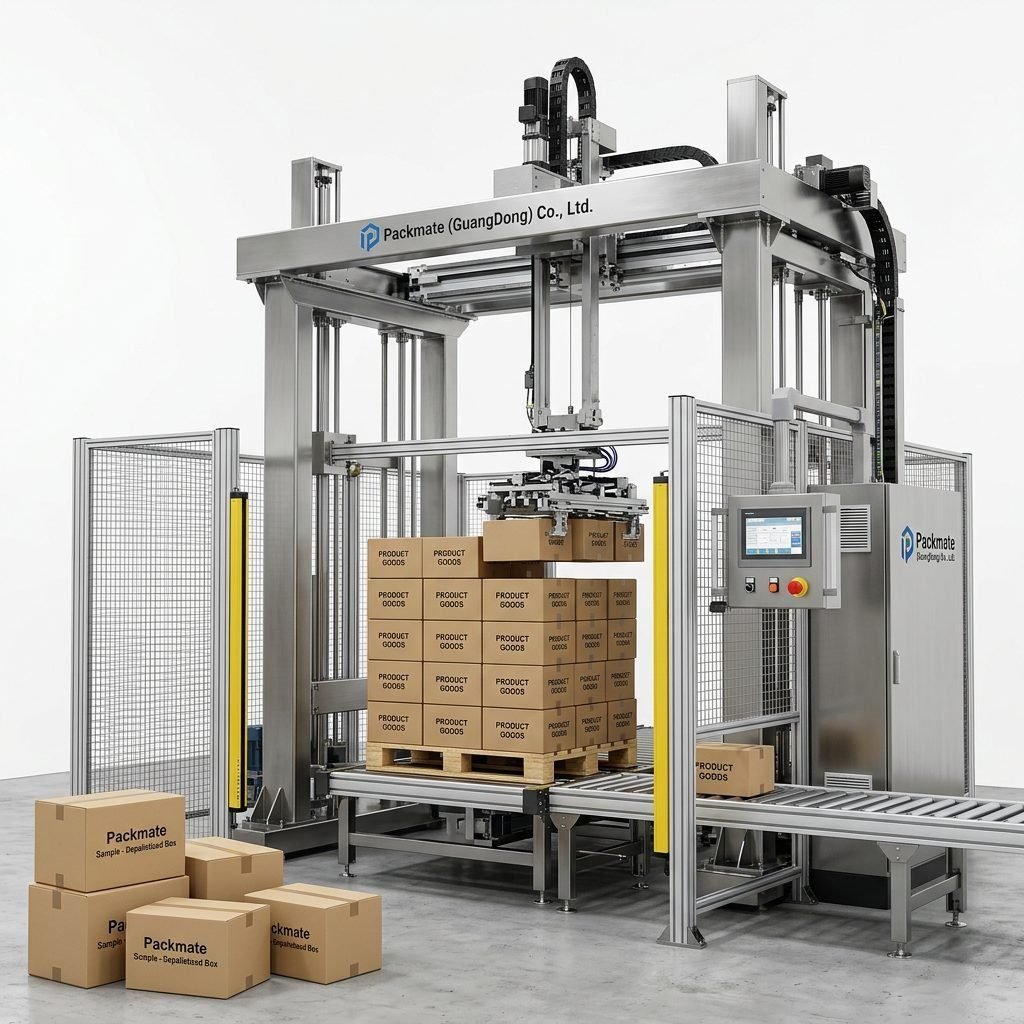
These machines take flat corrugated cases, form them into boxes, automatically bottom-seal them, and are often integrated with weighing and packaging systems for automated product loading. After filling, the machine applies top flaps and seals the box. This fully automates the boxing process, dramatically increasing speed and consistency while reducing labor costs. They are ideal for businesses with high-volume, standardized shipments.
Polybag Mailers and Pouch Packaging Systems
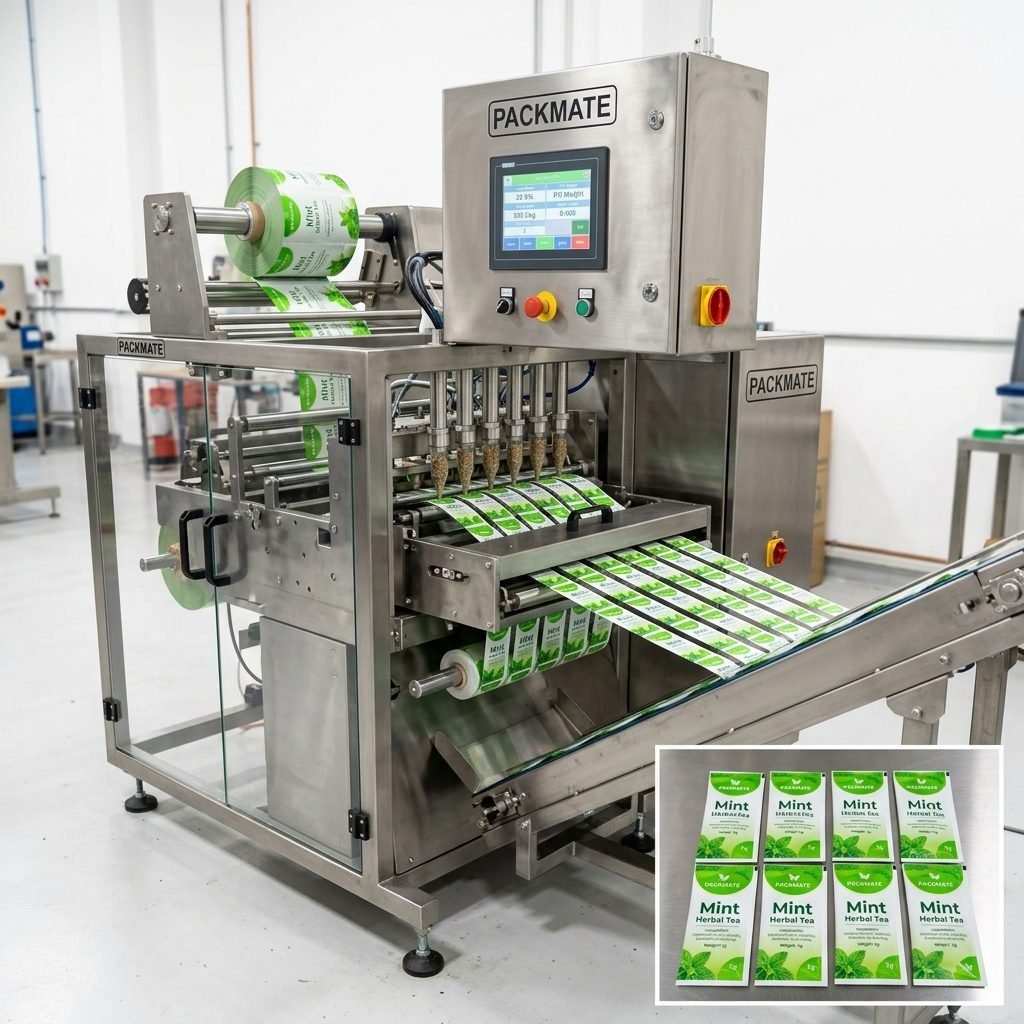
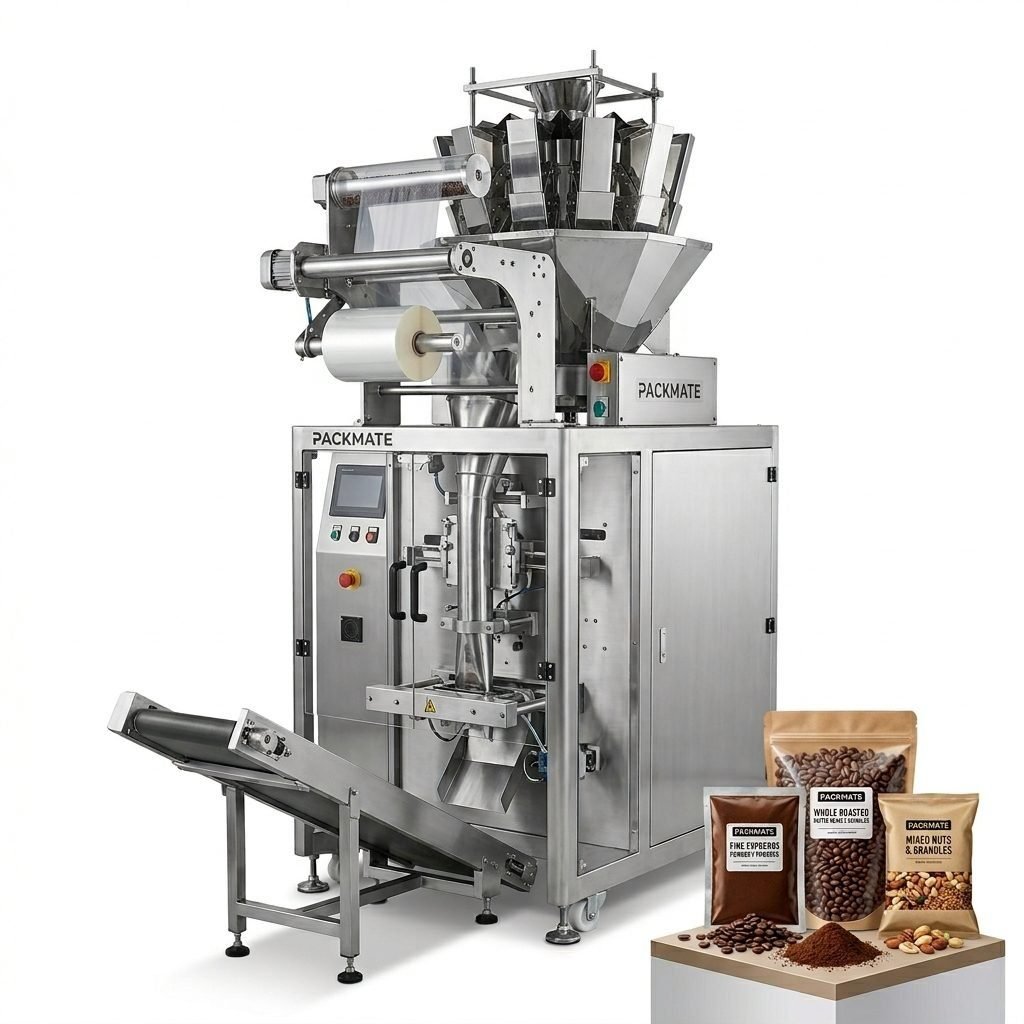
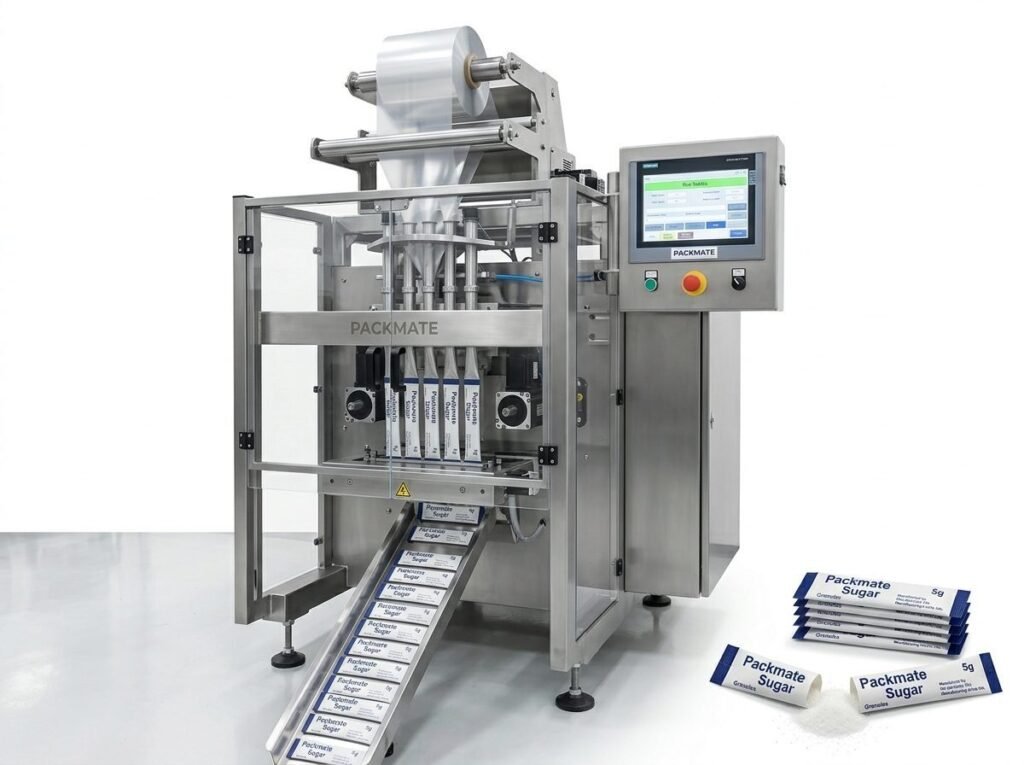
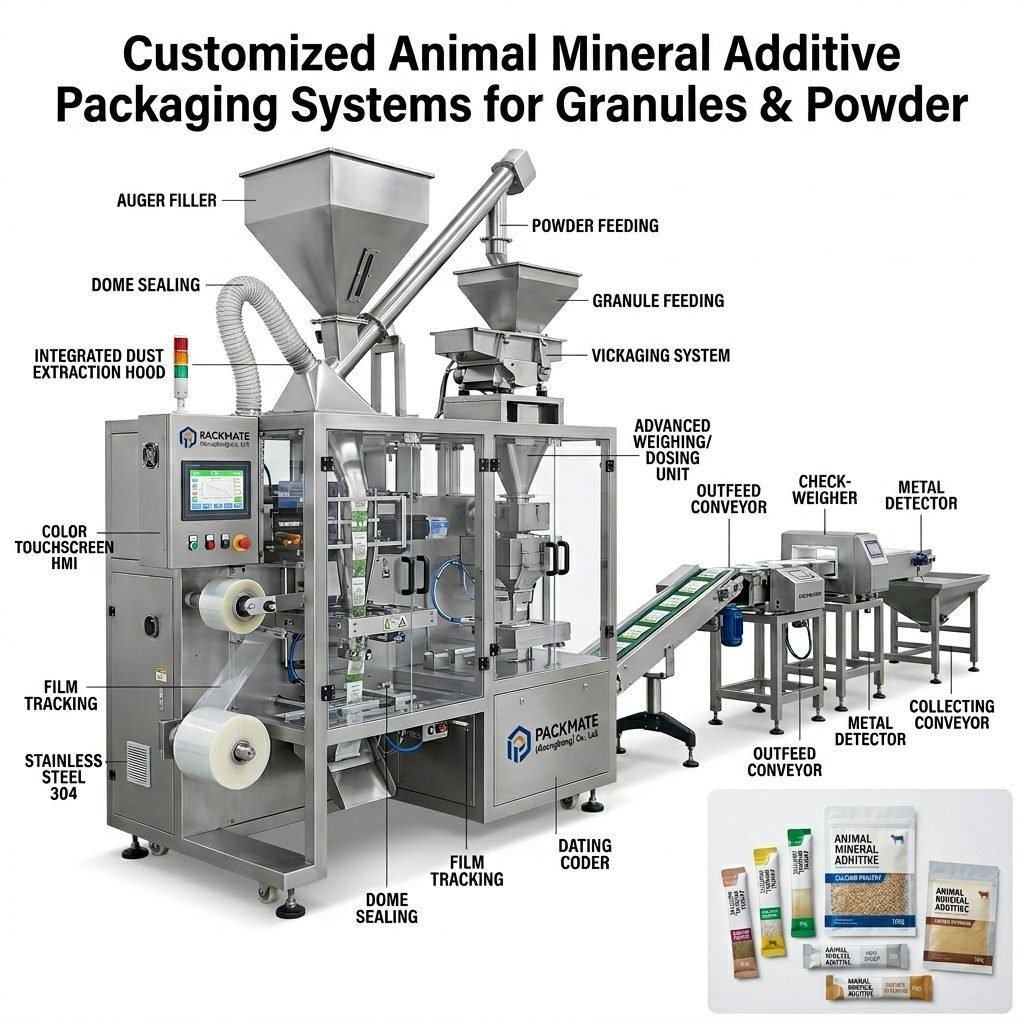
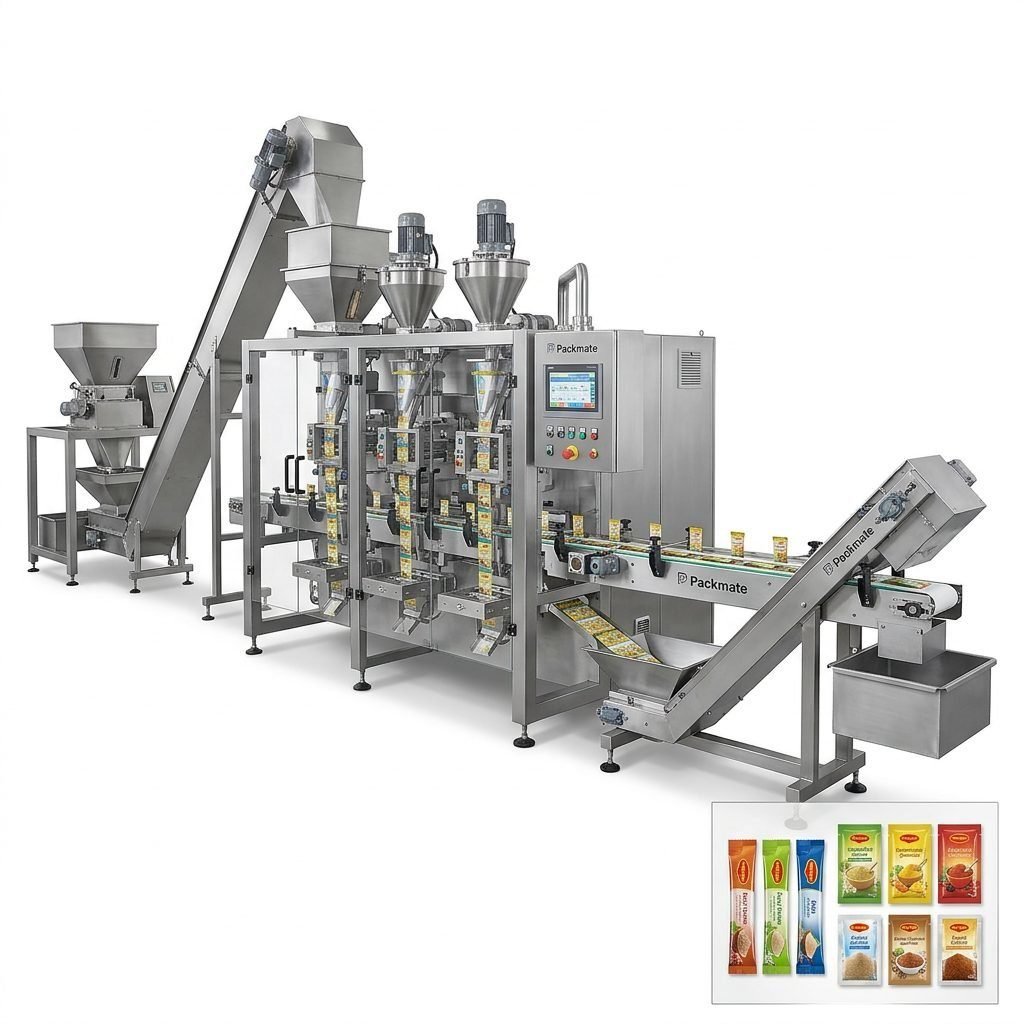
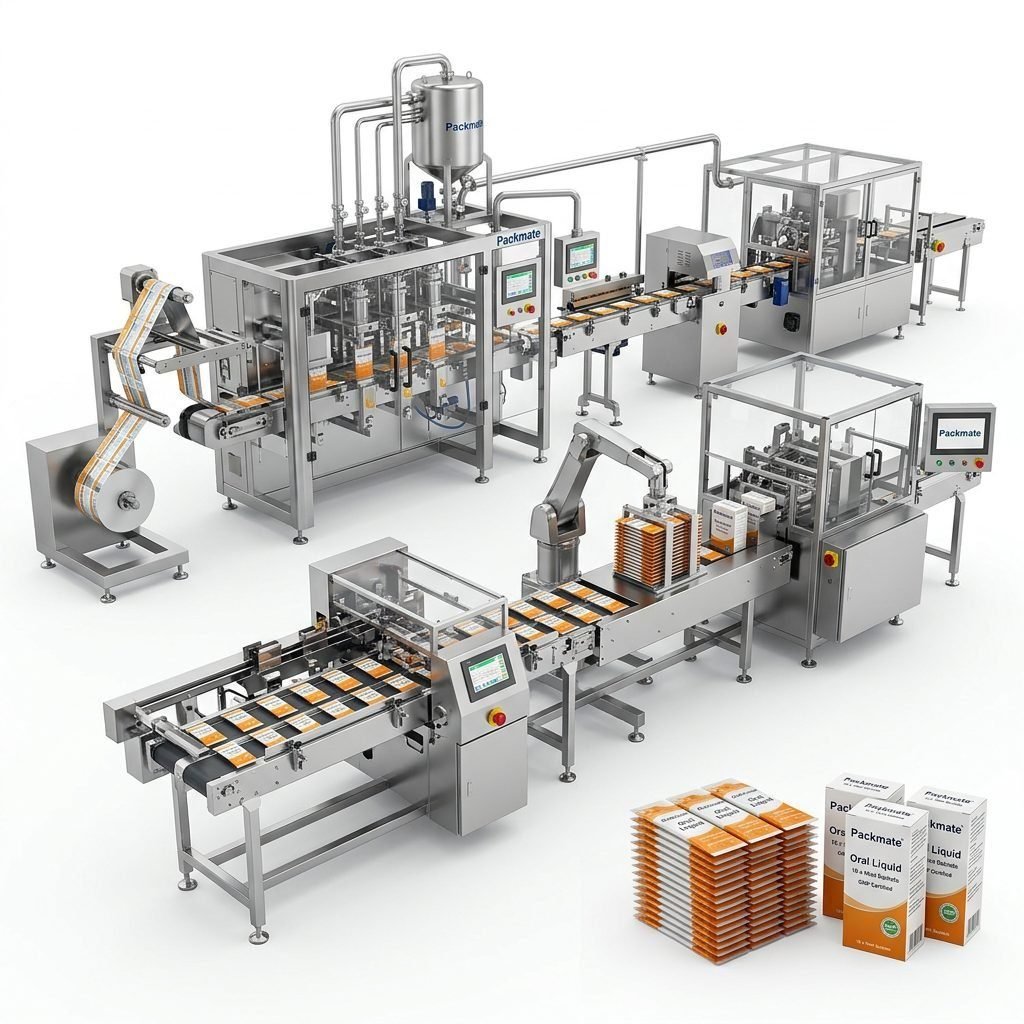
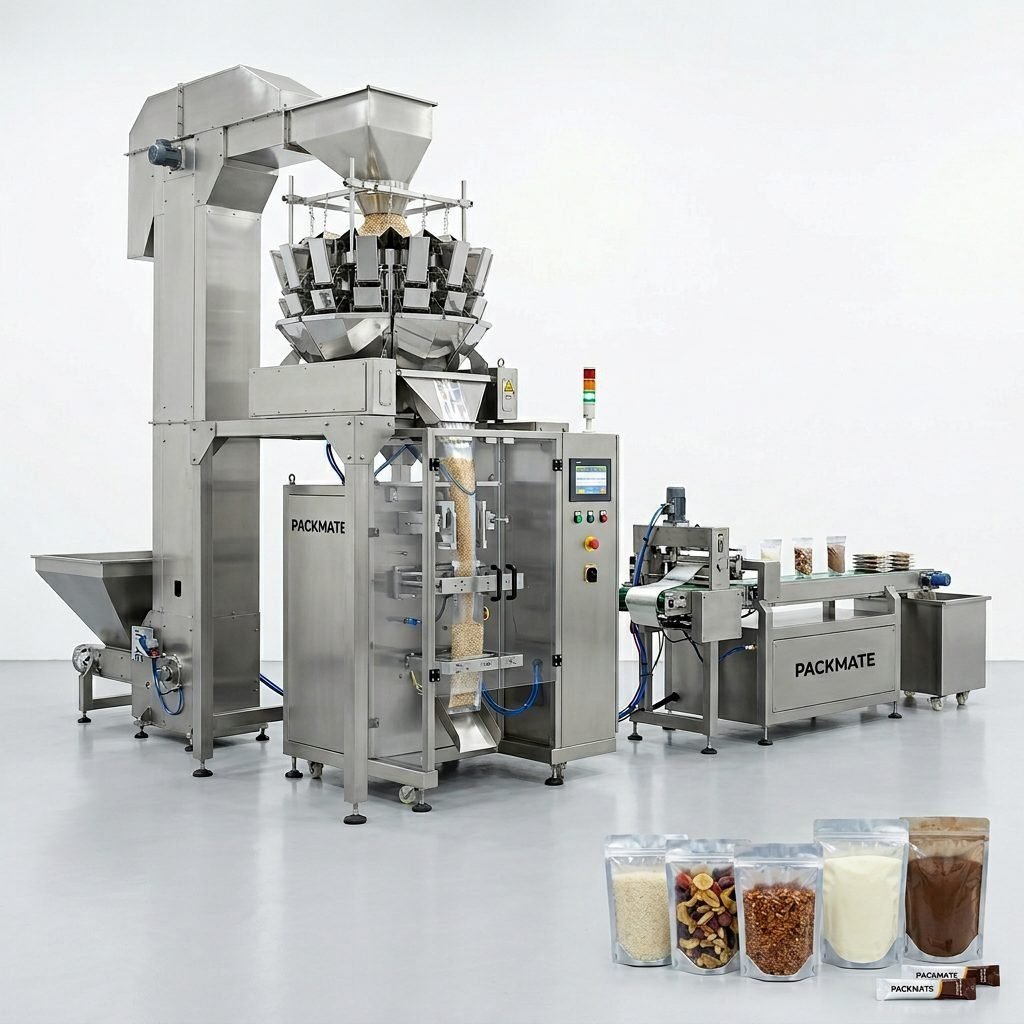
For non-fragile items like apparel, books, or small accessories, polybags are a lightweight and cost-effective alternative to boxes. Automated polybag mailers can open, label, insert products, and seal bags at high speeds. Similarly, for smaller items, sachet and stick pack machines offer precise and hygienic packaging for samples, promotional items, or small components that might be included with a larger order. These systems minimize material use and shipping weight.
Tape Sealers and Carton Tapers
This is a fundamental workhorse in any warehouse. Automatic tape sealers apply pressure-sensitive tape to the top and/or bottom of filled boxes as they pass through on a conveyor. They ensure a strong, uniform seal every time, which is far more reliable and faster than manual taping. Random case sealers can handle a wide variety of box sizes without adjustment, making them perfect for ecommerce operations with diverse product dimensions.
Stretch Wrapping and Void Fill Systems
To secure products on pallets for bulk shipping or large orders, automatic stretch wrappers rotate the pallet and apply plastic film efficiently. Inside the box, void fill systems are essential. These machines automatically generate and dispense materials like air pillows, paper, or foam to fill empty space, preventing product movement during transit. This protects items from damage and presents a professional, secure package upon arrival.
Integrating Machines into a Cohesive Packaging Line
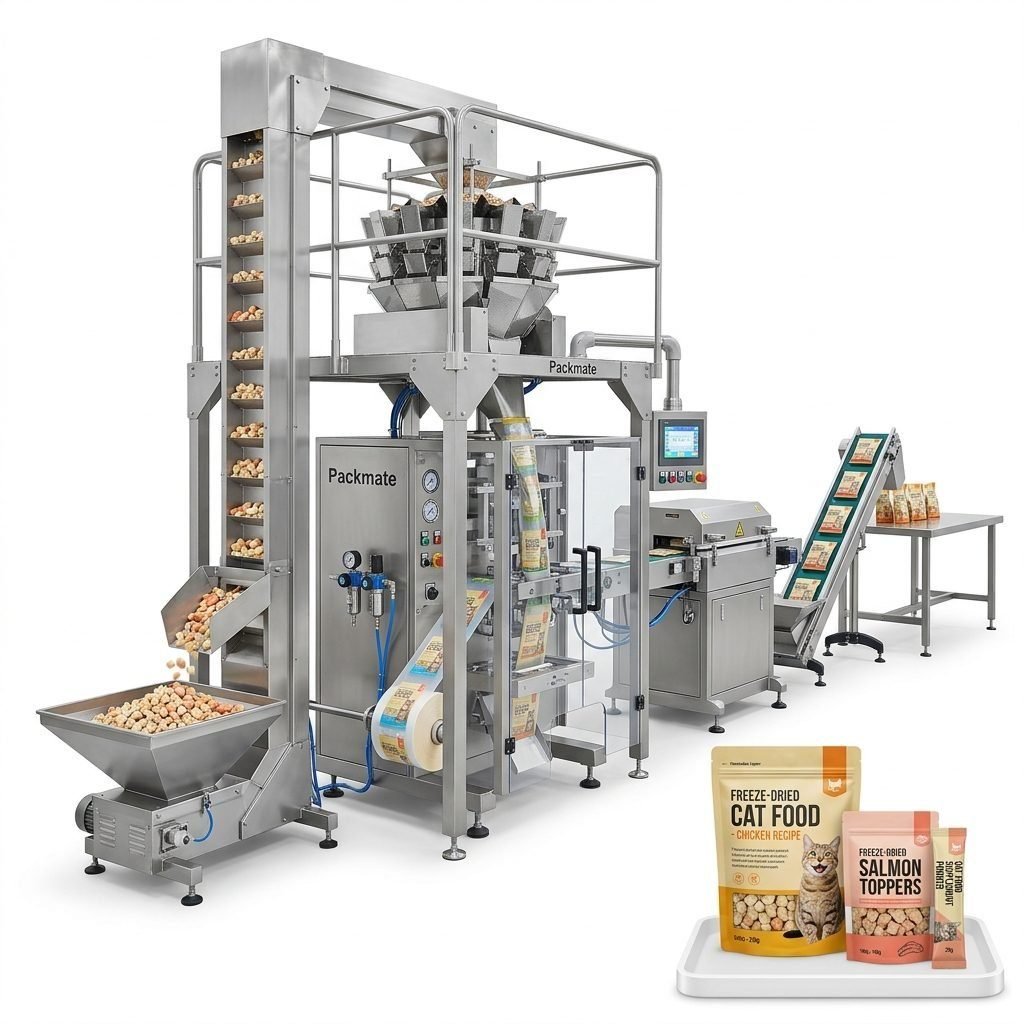
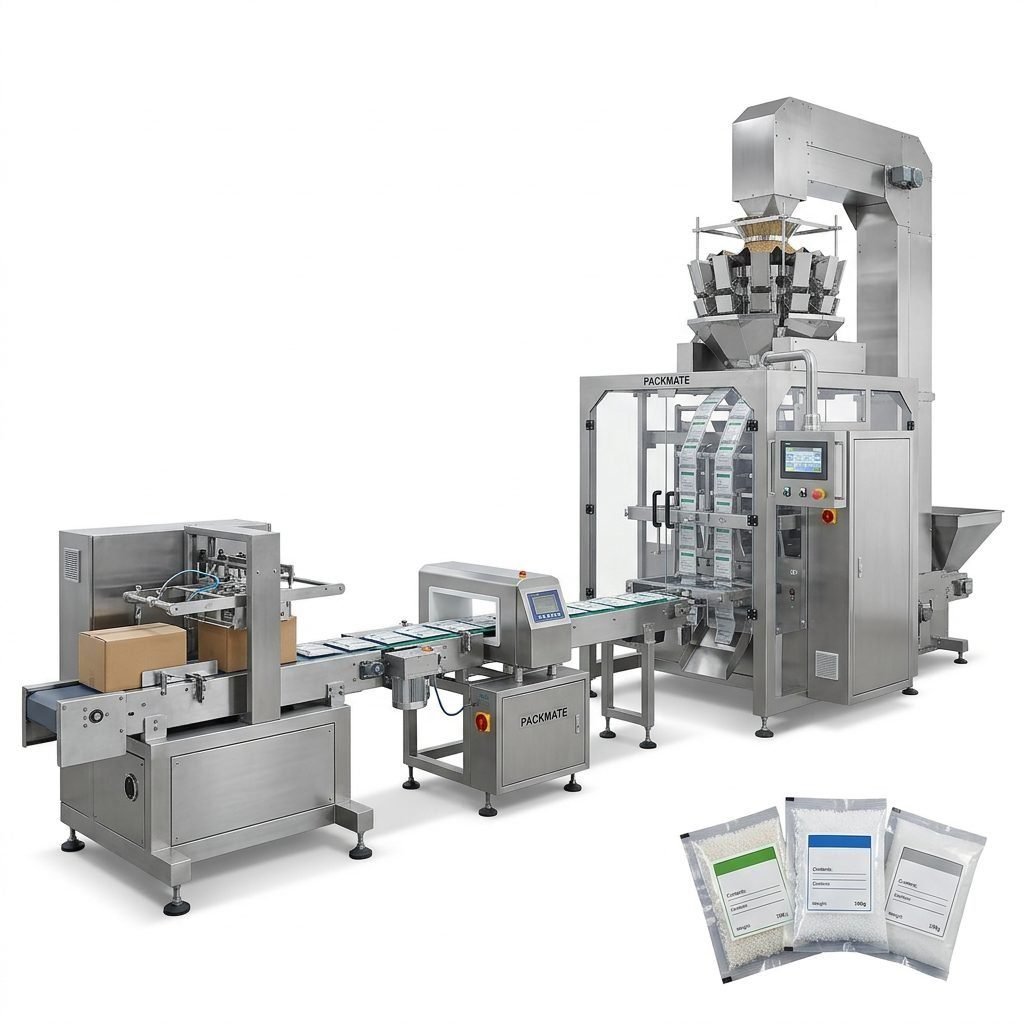
The true power of automation is realized when individual machines are connected into a seamless filling and packaging line. A typical integrated line might start with a case erector, move to a filling station, pass through a checkweigher to verify contents, proceed to a tape sealer, and end with an automated label applicator. Conveyor systems tie everything together. This level of integration requires careful planning but yields the highest possible efficiency, accuracy, and scalability. Partnering with a manufacturer that provides complete turnkey solutions can simplify this complex process.
Choosing the Right Partner for Your Packaging Needs
Selecting machinery is as important as selecting the right supplier. A partner with deep industry experience, like Packmate Machinery, brings invaluable expertise. With over 30 years in the industry, a supplier’s longevity speaks to their reliability and commitment to innovation. Consider their service and support network, availability of spare parts, and ability to provide customized solutions. A company that understands the global market, such as one operating from a strategic hub like China’s Greater Bay Area, is often adept at meeting international standards and serving clients worldwide with efficient logistics and support.
The foundation of a trusted partnership is a proven track record. A manufacturer with a rich company history, evolving from a specialized workshop to a modern facility with over 20,000㎡ of manufacturing space, demonstrates growth driven by client success. Their journey from designing simple sachet machines to offering over 50 models of sophisticated equipment, including multi-lane systems and full production lines, showcases an ability to innovate and scale alongside their customers’ needs.
Summary: Building a Future-Proof Operation
Investing in top ecommerce packaging machines is an investment in your business’s future. It directly enhances operational efficiency, reduces long-term costs, minimizes product damage, and elevates the customer experience. By automating the packaging process, you free up human resources for more complex tasks, ensure consistency, and build a shipping operation that can scale to meet demand. The key is to assess your current and projected volume, product mix, and growth goals to select the right combination of machines—from case sealers and polybaggers to integrated lines—that will serve as the efficient engine of your shipping solutions.
Frequently Asked Questions (FAQs)
What is the typical ROI for an automated ecommerce packaging machine?
The return on investment (ROI) depends on your order volume, labor costs, and current efficiency. Generally, businesses see a payback period of 6 to 24 months through significant savings in labor, reduced material waste from optimized packaging, and lower shipping costs due to accurate dimensional weighing. The increase in throughput and reduction in errors also contribute to faster growth and improved customer satisfaction.
Can one machine handle vastly different box sizes for my diverse product range?
Yes, many modern machines are designed for flexibility. Random case sealers and adjustable automatic box formers can handle a wide range of sizes without the need for lengthy changeovers. It’s crucial to discuss your full size range with the equipment supplier to ensure the machine’s specifications match your requirements.
How do I ensure the machine integrates with my existing warehouse management system (WMS)?
Most industrial packaging machines feature standard communication protocols (like Ethernet/IP, Modbus) that allow them to receive data from and send data to a central WMS. When consulting with a supplier like Packmate Machinery, clearly communicate your integration needs. A reputable provider will have experience with system integration and can offer machines compatible with common industry standards or provide the necessary technical support for connectivity.
What kind of maintenance do these machines require?
Regular preventative maintenance is essential for longevity and uptime. This typically includes daily cleaning, periodic lubrication of moving parts, inspection of seals and cutting blades, and checking for wear on components like belts and bearings. A good supplier will provide a detailed maintenance schedule and operator training. Choosing a manufacturer with a reliable supply of auxiliary equipment and spare parts is also crucial for minimizing downtime.
Are there packaging solutions for very small items or samples?
Absolutely. For small, granular, or powdered items (like product samples, spices, or supplements), sachet and stick pack machines are the ideal solution. They create small, sealed pouches from roll stock film with high precision and hygiene. These can be perfect for including free samples with orders or for shipping small-quantity products, adding a professional touch to even the smallest item.