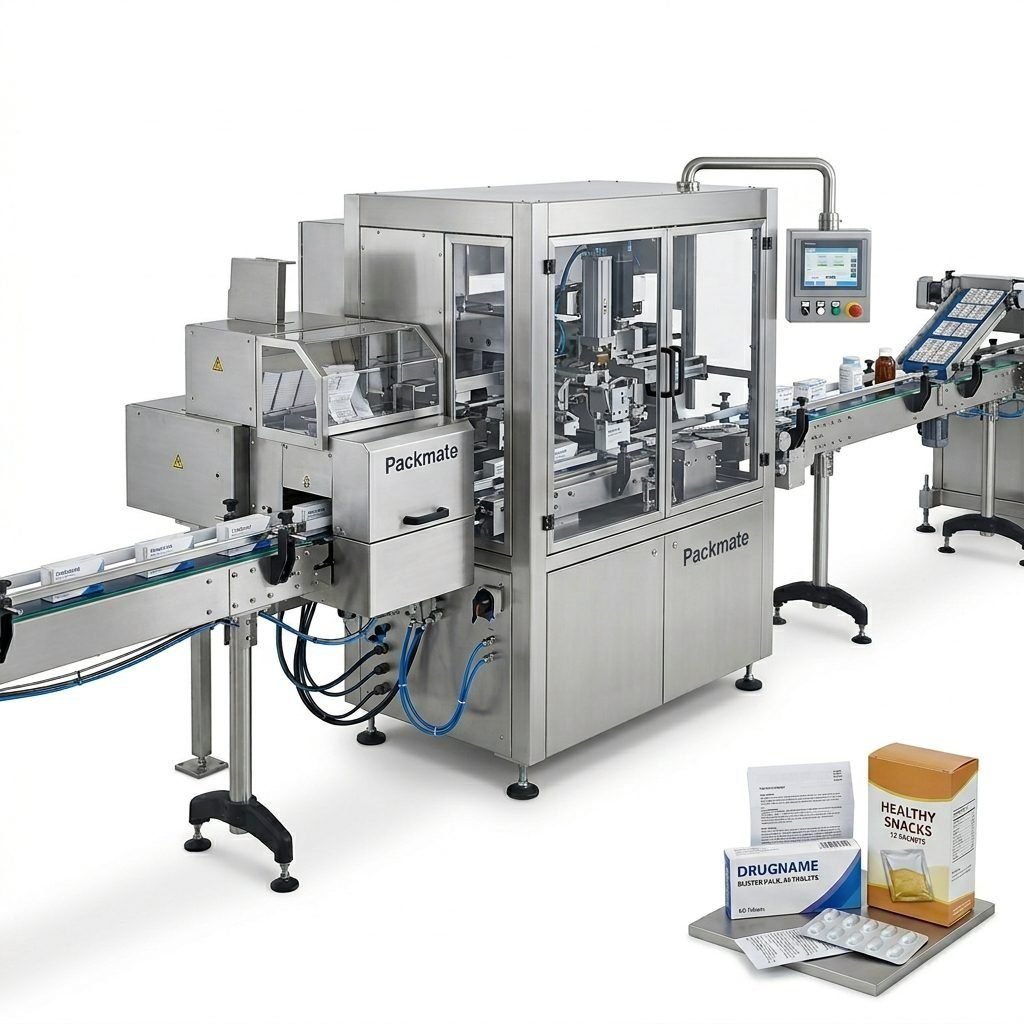
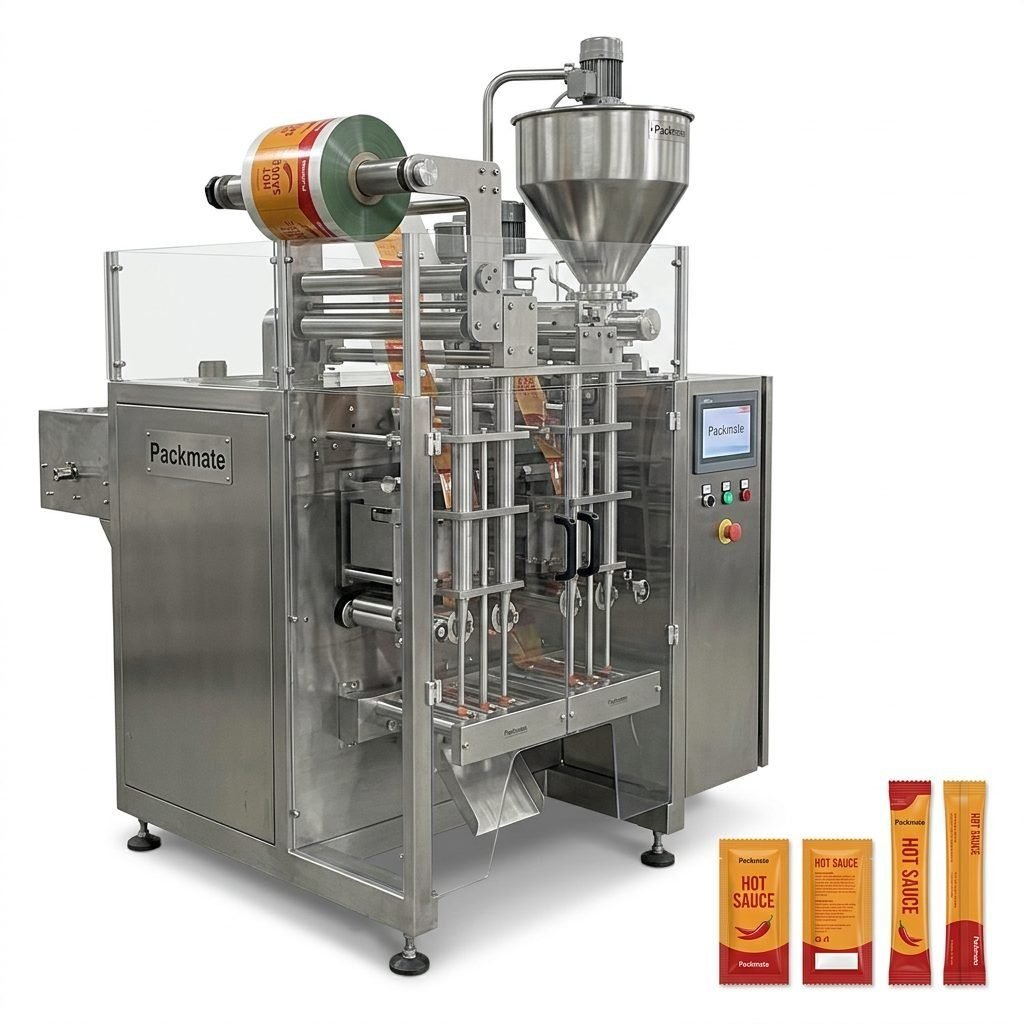
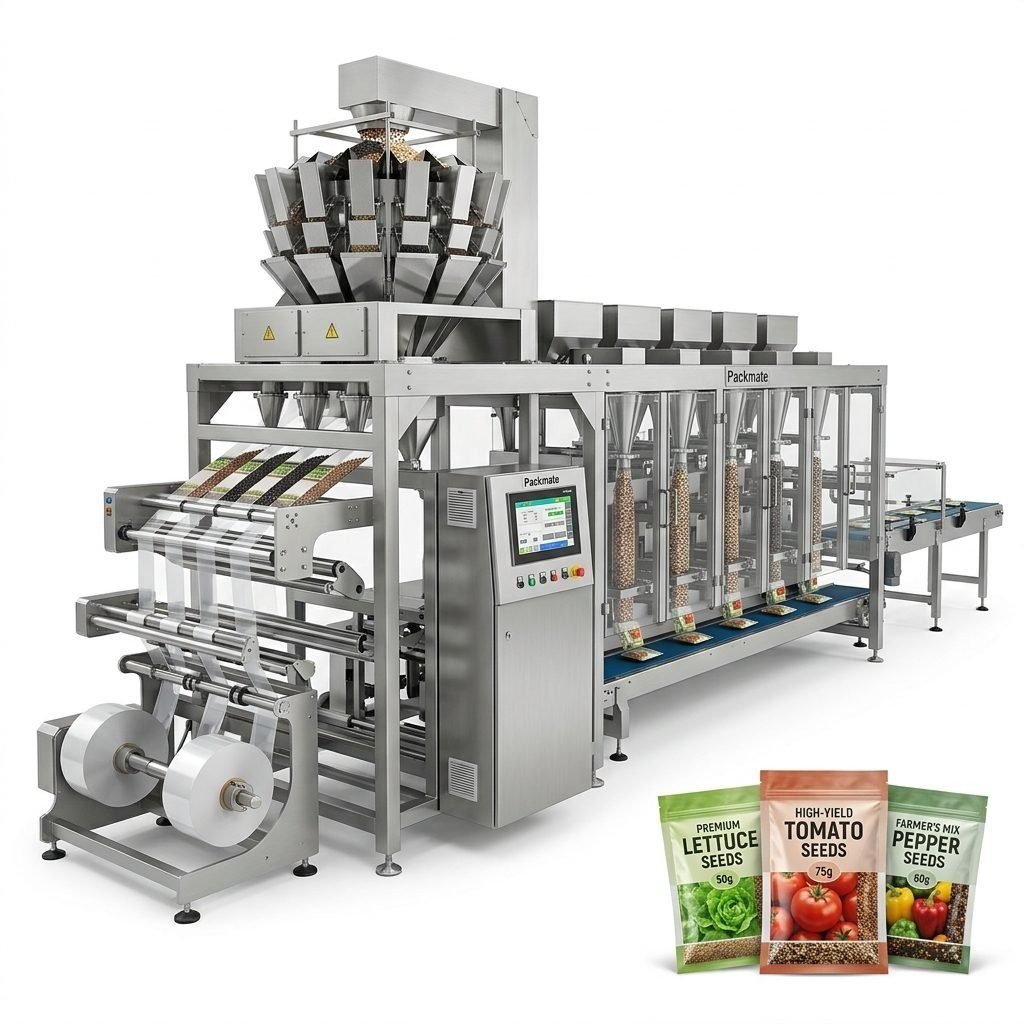
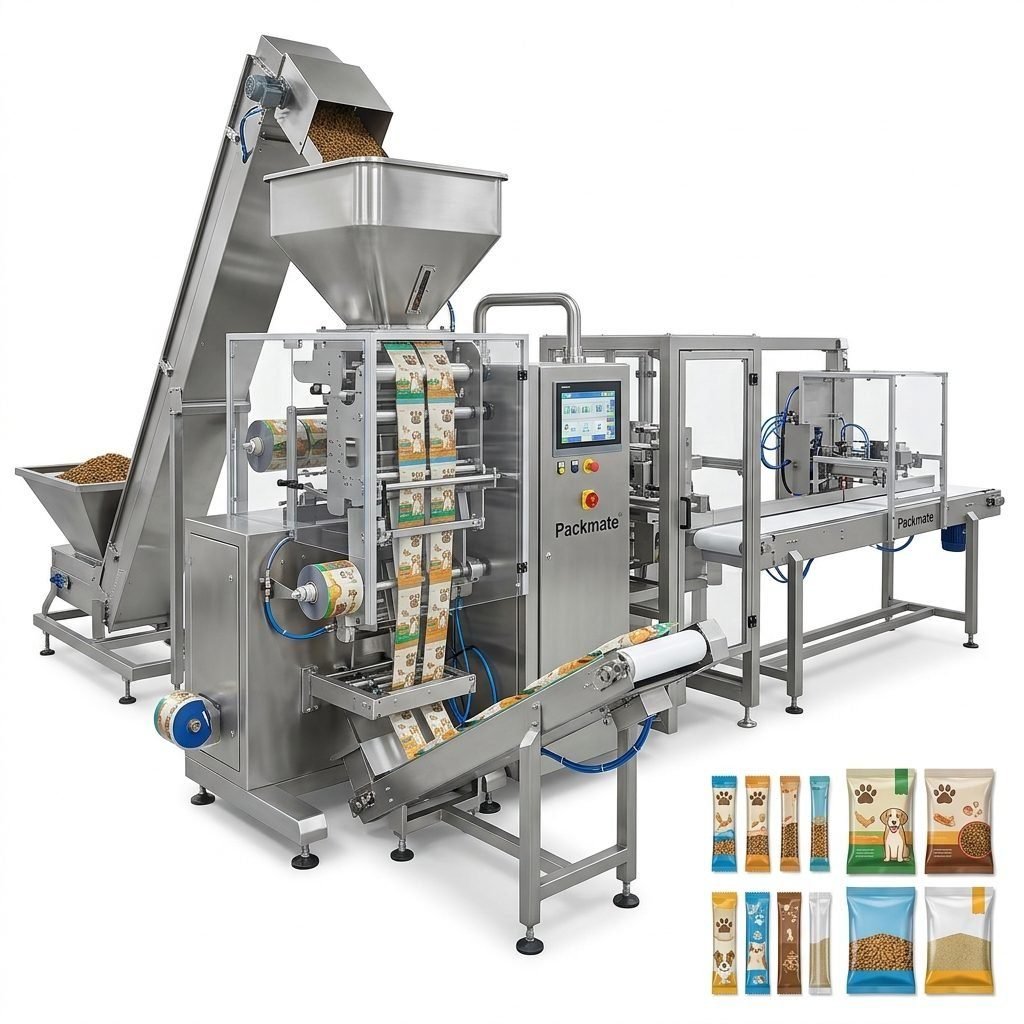
In today’s competitive manufacturing landscape, finding the right packaging machine is crucial for efficiency, cost control, and product quality. Whether you are packaging food, pharmaceuticals, or health products, the choice of equipment can define your production line’s success. This guide will help you navigate the market for packaging machines, compare key features and prices, and identify the best solutions for your specific needs.
Key Factors to Consider When Comparing Packaging Machines
Before diving into specific models, it’s essential to understand the core factors that differentiate packaging machines. These elements directly impact performance, return on investment, and long-term operational stability.
Production Speed and Output
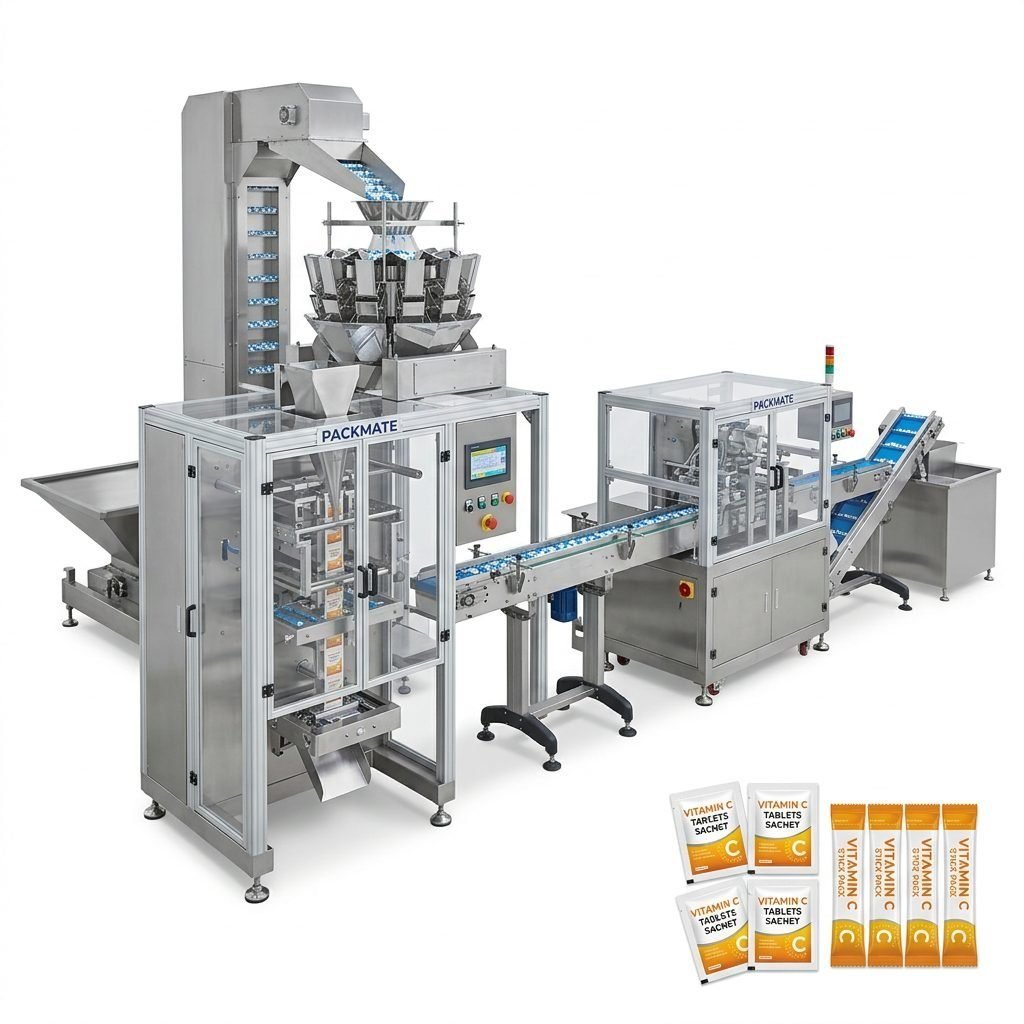
The speed of a machine, measured in packs per minute (PPM), is a primary driver of capacity. High-speed lines, like advanced sachet & stick pack machines, are vital for large-scale operations. However, matching speed to your actual volume needs prevents over-investment.
Versatility and Changeover Time
Can the machine handle different pouch sizes, materials, and product types? Quick changeover capabilities are critical for manufacturers running multiple SKUs. Machines with tool-less adjustments significantly reduce downtime between production runs.
Level of Automation
Automation ranges from semi-automatic to fully integrated robotic lines. Fully automatic filling & packaging lines minimize labor costs and enhance consistency but require a higher initial investment. Assess your labor availability and long-term scaling plans.
Machine Durability and Build Quality
Investing in a robust machine from a reputable manufacturer ensures longevity. Look for stainless-steel contact parts, precision engineering, and reliable servo motors. A company with a strong track record, like Packmate Machinery, which operates a 20,000㎡ modern facility, typically offers more durable and reliable equipment.
Comparing Popular Types of Packaging Machines for Sale
The “best” machine depends entirely on your product format. Here’s a breakdown of common machine types and their typical applications.
Vertical Form-Fill-Seal (VFFS) Machines
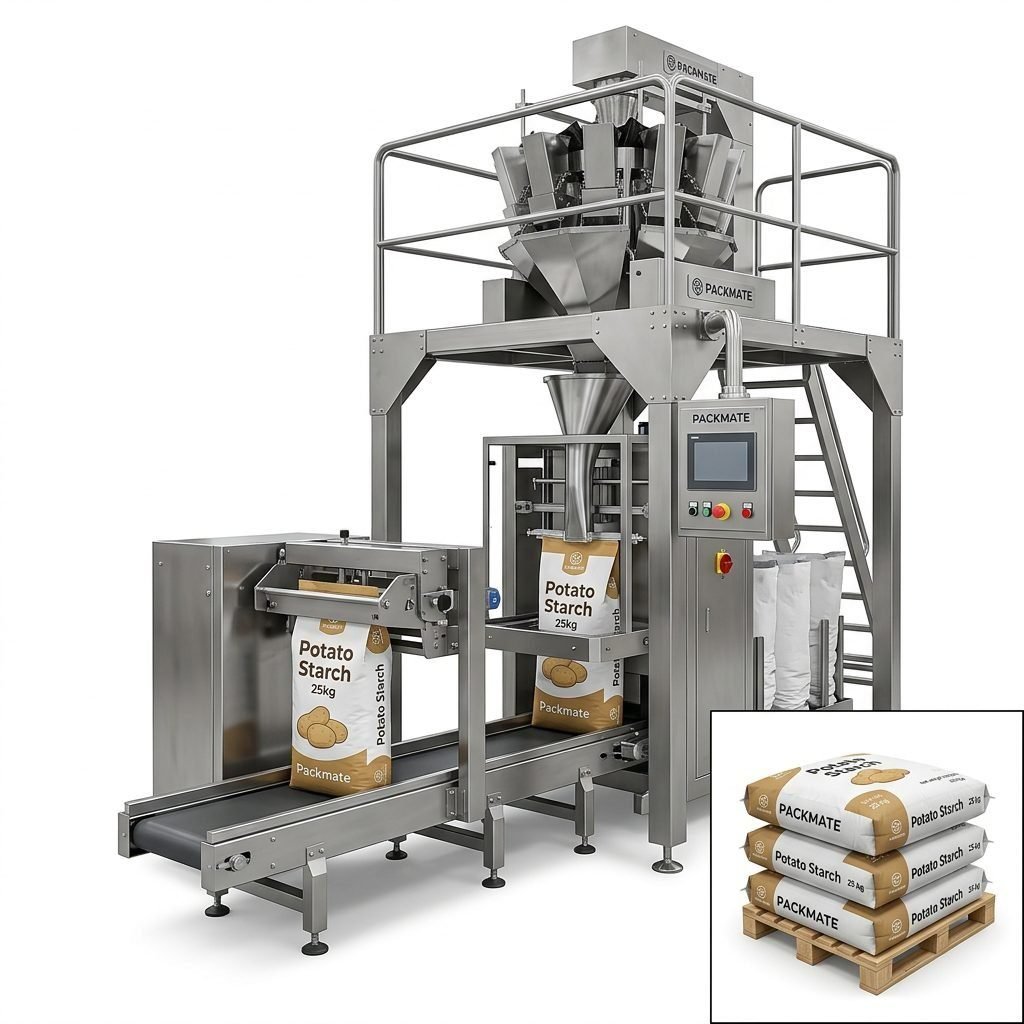
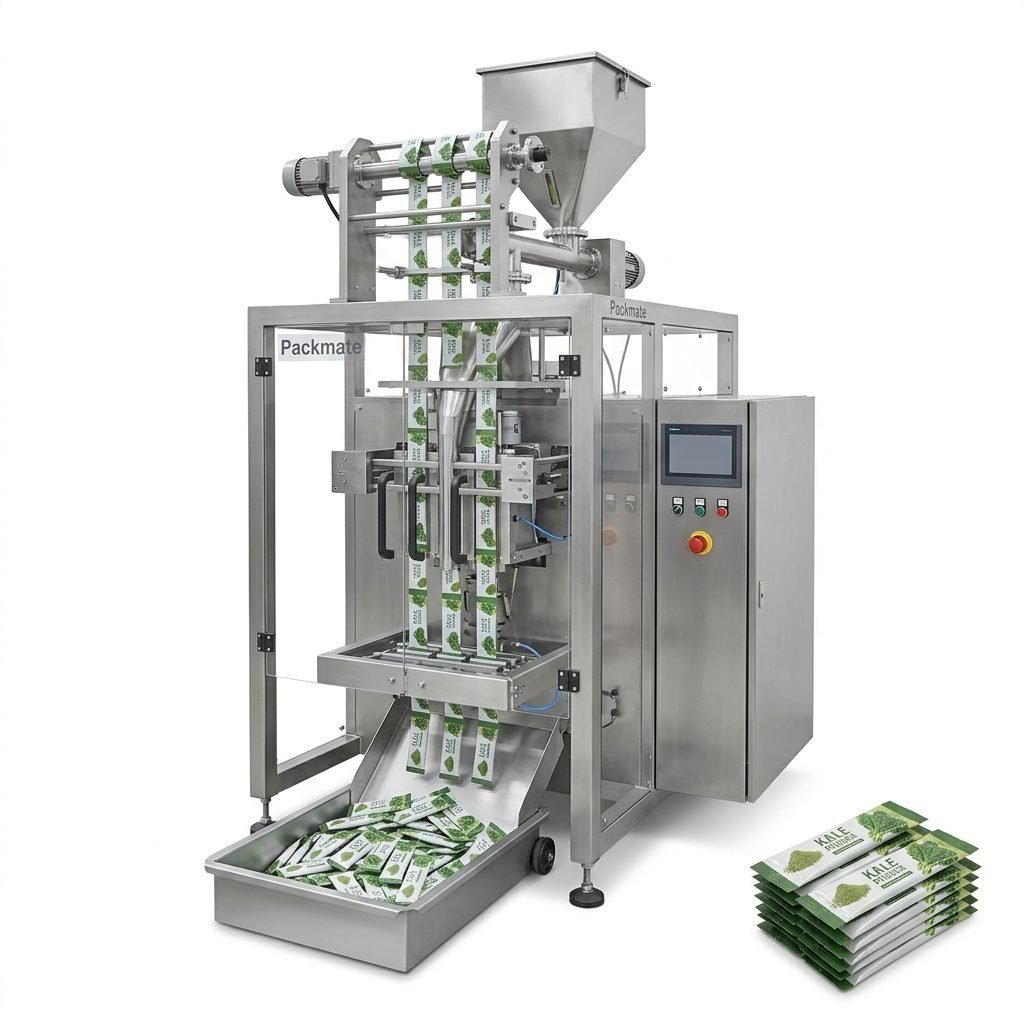
These are the workhorses of the industry, creating bags from a roll of film, filling them, and sealing them in one continuous motion. Ideal for granules, powders, and small solids. They are highly efficient and space-saving.
Horizontal Form-Fill-Seal (HFFS) Machines
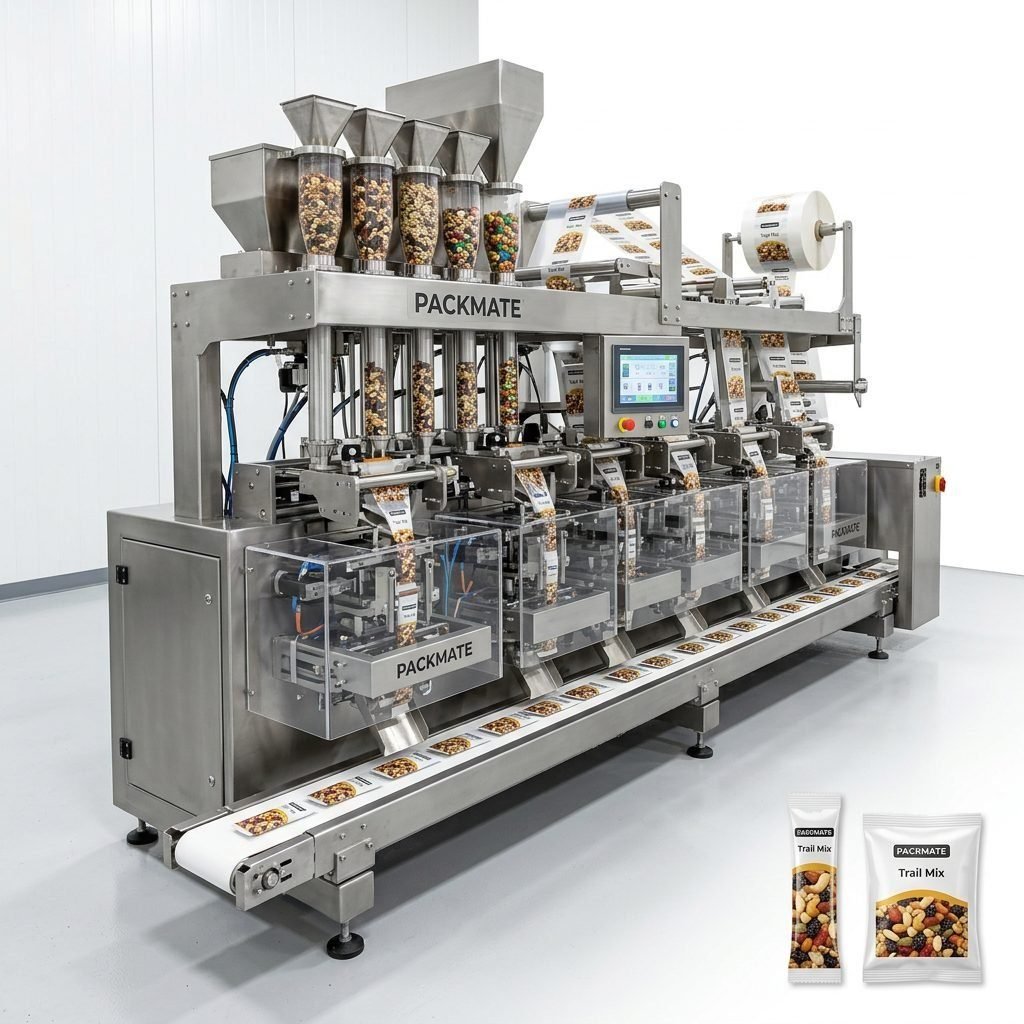
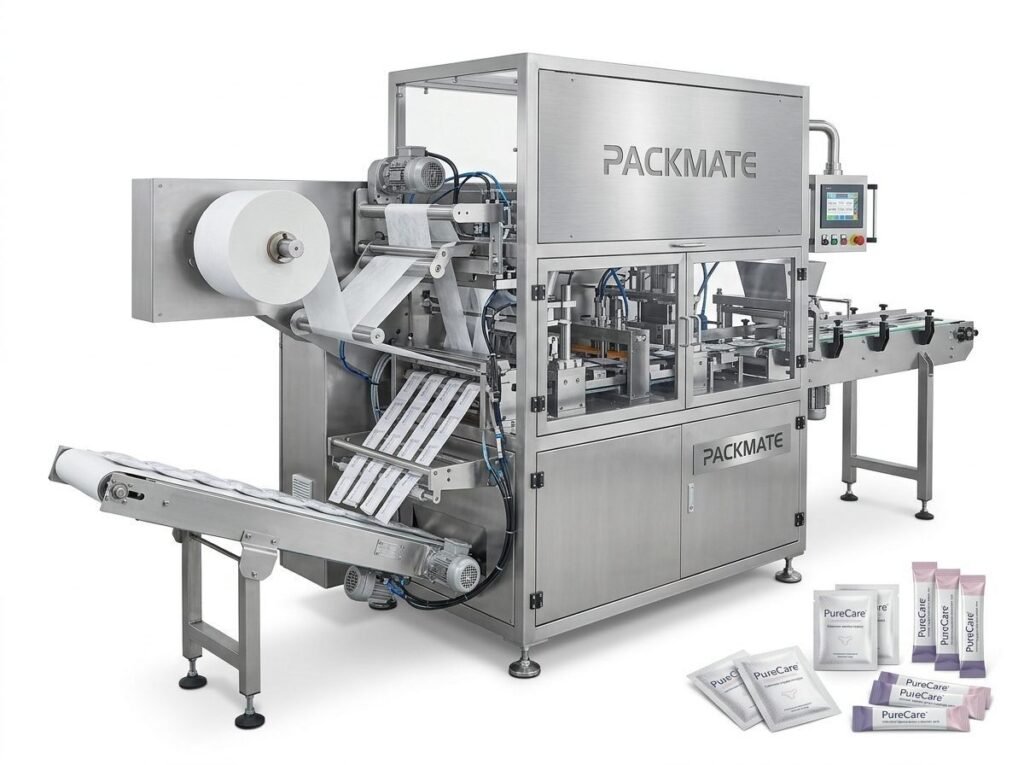
Perfect for producing sleek sachets, stick packs, and pillow pouches. They are often used for single-serve portions of sauces, sugar, instant coffee, and pharmaceutical powders. Multi-lane HFFS machines can dramatically increase output.
Pre-Made Pouch Fillers
If you use pre-printed, stand-up, or zipper pouches, a pouch filler is the solution. These machines open, fill, and seal pre-made pouches. They offer excellent graphic presentation and are great for products where brand appearance is paramount. Explore options in bag & pouch packaging machines.
Liquid and Viscous Product Fillers
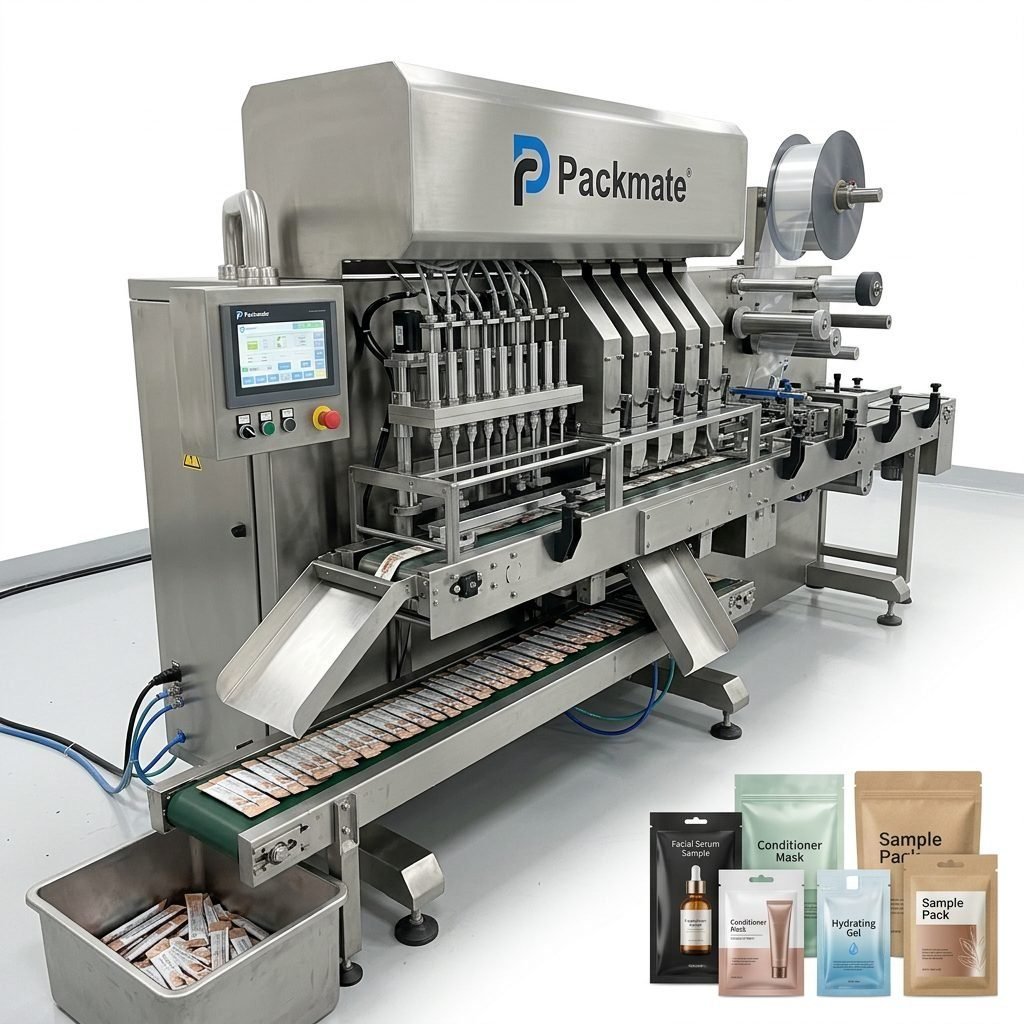
For sauces, oils, shampoos, or creams, piston fillers, gravity fillers, or volumetric fillers are used. Accuracy and cleanliness are key to prevent waste and contamination. These are often integrated into complete liquid packaging lines.
Understanding Price Ranges: What Drives the Cost?
Packaging machine prices vary widely, from tens of thousands to several hundred thousand dollars. Key cost drivers include:
- Automation Level: Fully automatic lines cost significantly more than semi-automatic units.
- Production Speed: Higher speed capabilities command a premium.
- Material of Construction: Food-grade stainless steel is more expensive than carbon steel.
- Brand and Support: Established brands with comprehensive after-sales service and global spare parts networks often have higher price points but lower total cost of ownership.
- Customization: Machines tailored to specific, complex products will be more costly than standard models.
The Importance of Supplier Selection and After-Sales Support
Purchasing a machine is just the beginning of a long-term partnership. The supplier’s expertise and support are invaluable.
Choose a manufacturer with proven experience in your industry. For instance, a company focused on the food and pharmaceutical sectors will understand hygiene protocols, regulatory compliance, and specific product handling challenges. Review their case studies to see real-world applications.
Comprehensive after-sales service—including installation, training, maintenance, and readily available spare parts—is non-negotiable. It ensures your machine runs smoothly for years, maximizing your investment. Always inquire about the warranty period and the scope of technical support offered.
Final Checklist Before You Buy
To make an informed decision, use this final checklist:
– Clearly define your product specifications and required output.
– Request live or recorded demonstrations with a product similar to yours.
– Ask for detailed quotations that break down machine cost, optional accessories, shipping, and installation.
– Verify the supplier’s certifications and check references from existing clients.
– Plan for future needs: can the machine be upgraded or integrated into a larger line?
Frequently Asked Questions (FAQs)
What is the lead time for receiving a packaging machine after ordering?
Lead times vary based on machine complexity and customization. For standard models from stock, it can be 4-8 weeks. For fully custom or high-speed integrated lines, lead times may extend to 12-20 weeks. Always confirm the timeline with your supplier during the quotation process.
Can one machine handle different packaging materials, like laminate and plastic?
Many modern machines are designed with versatility in mind. However, the ability to run different materials depends on the film feeding system, sealing jaws, and temperature controls. Always provide samples of all intended packaging materials to the machine manufacturer for evaluation and confirmation.
How much factory space is required for a typical packaging line?
Space requirements depend on the machine type and auxiliary equipment (like conveyors, checkweighers, cartoners). A compact vertical form-fill-seal machine might need a 4m x 4m area, while a complete horizontal sachet line with upstream and downstream equipment could require 10m x 5m or more. Your supplier should provide a detailed layout diagram.
What kind of maintenance do packaging machines require?
Regular maintenance is essential. Daily tasks include cleaning and visual inspection. Weekly or monthly maintenance might involve lubricating moving parts, checking seals, and calibrating scales. The manufacturer should provide a detailed maintenance schedule and training for your operators.
Is operator training provided with the machine purchase?
Reputable suppliers almost always include basic operator and maintenance training, either at their facility (Factory Acceptance Test) or during on-site installation. Ensure the training scope is clearly stated in your purchase agreement. For more insights, visit the supplier’s service page.