Investing in a vacuum packaging machine is a significant decision for any business, from small-scale food producers to large pharmaceutical companies. The right machine can dramatically improve product shelf life, reduce waste, and enhance presentation, directly impacting your bottom line. However, navigating the market to find the best vacuum packaging machine prices requires understanding the key factors that influence cost and performance. This comprehensive guide will walk you through everything you need to know to make an informed purchase, ensuring you get the best value for your investment.
Understanding Vacuum Packaging Machine Types
Before diving into prices, it’s crucial to understand the different types of machines available. The type you need will be the primary driver of cost.
Chamber Vacuum Machines: These are the most common for industrial use. Products are placed inside a sealed chamber, air is removed, and the bag is sealed. They are excellent for packaging liquids, powders, and irregularly shaped items. Prices vary widely based on chamber size and automation level.
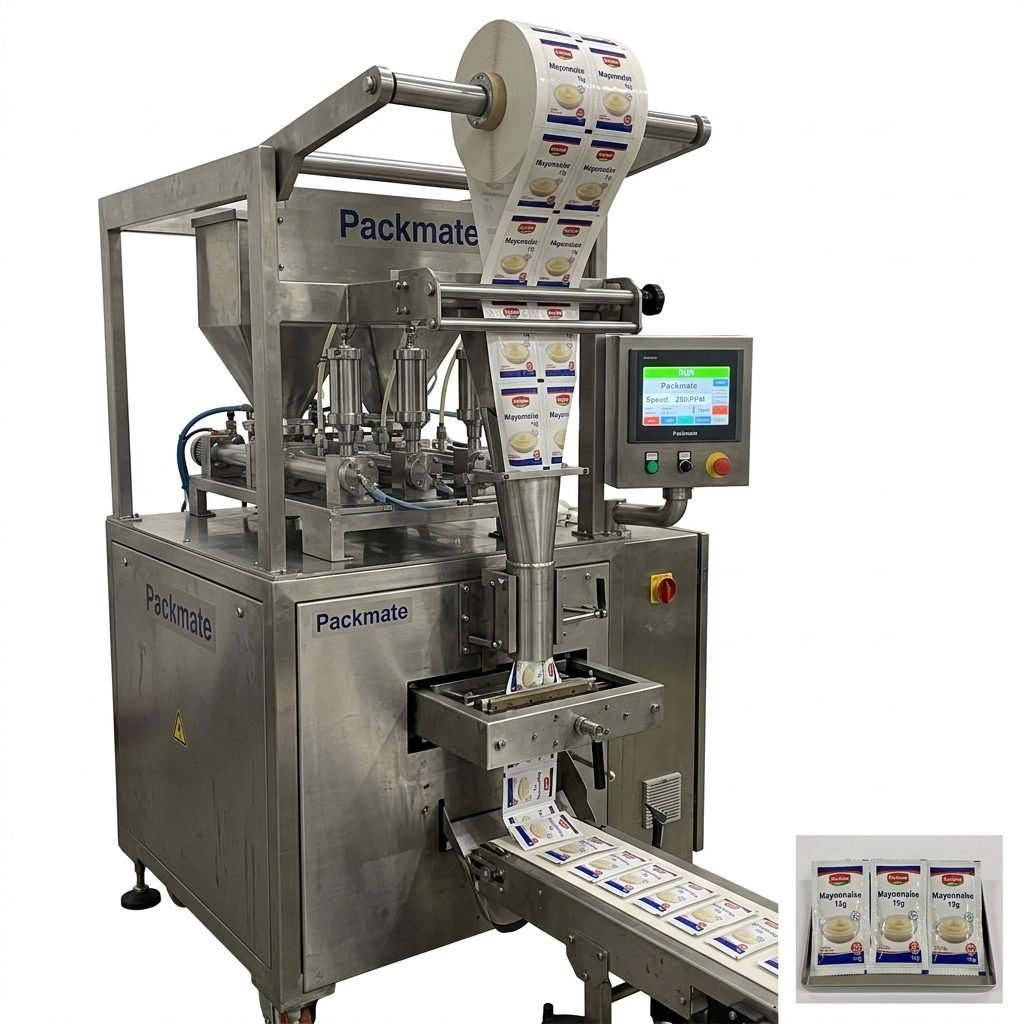
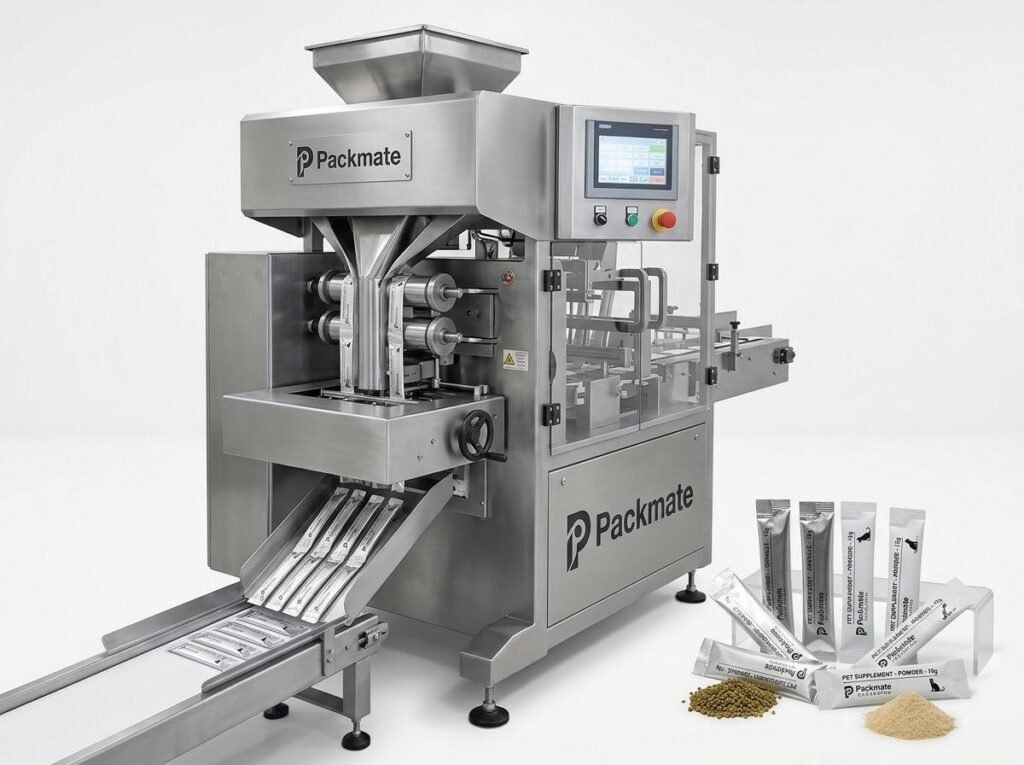
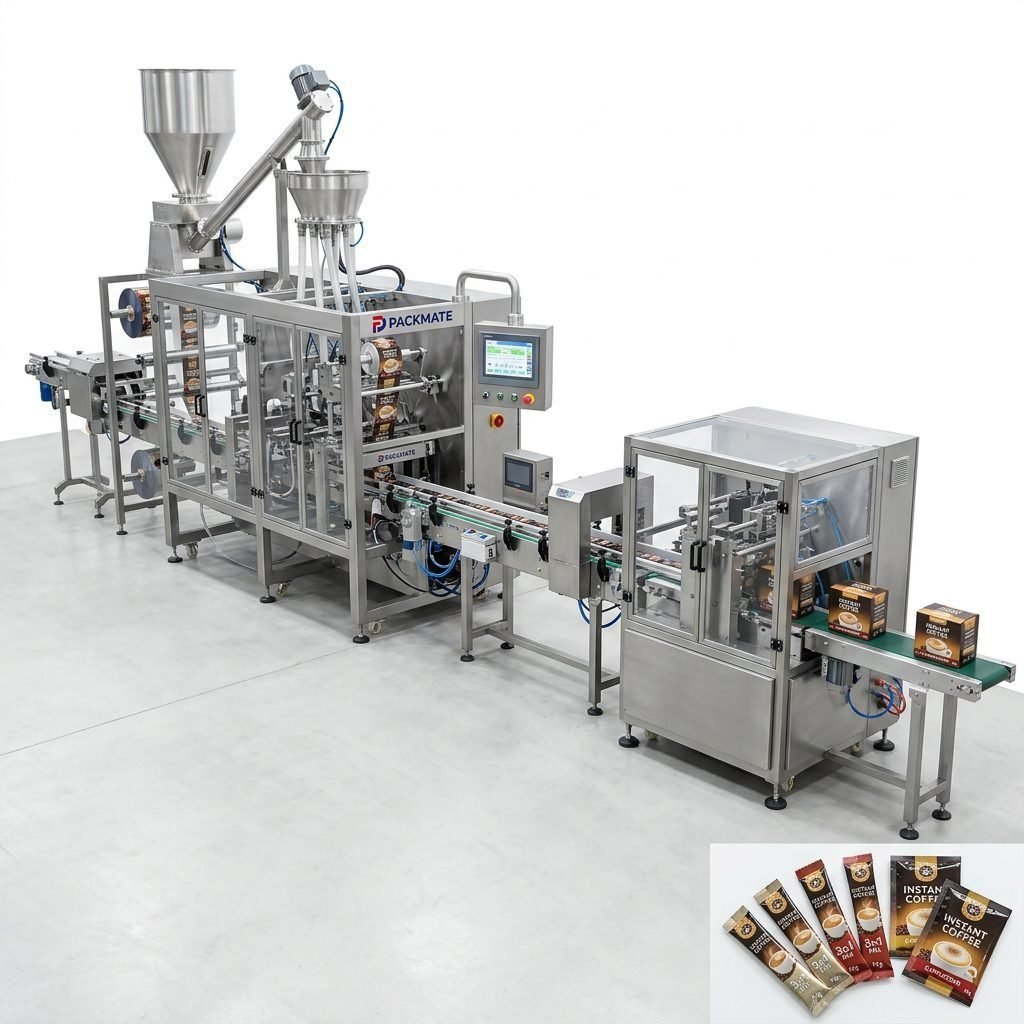
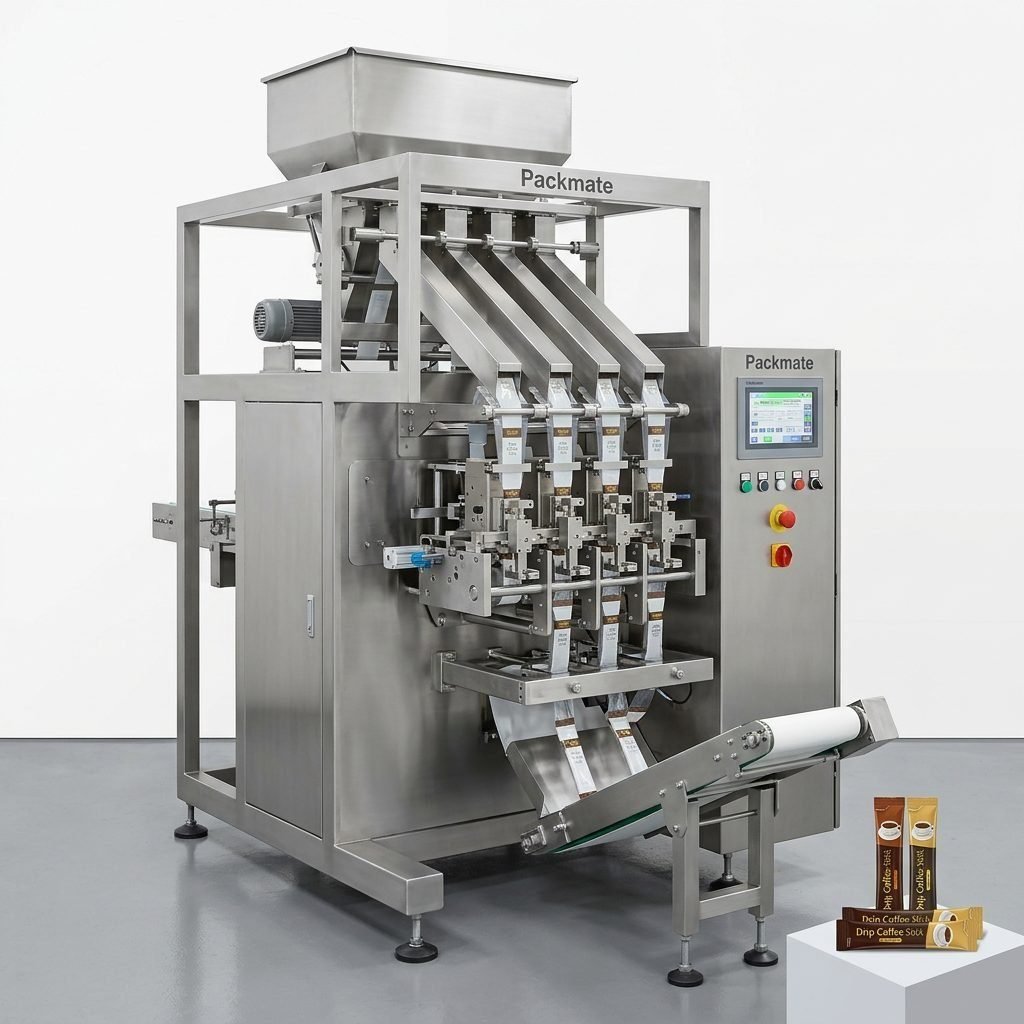
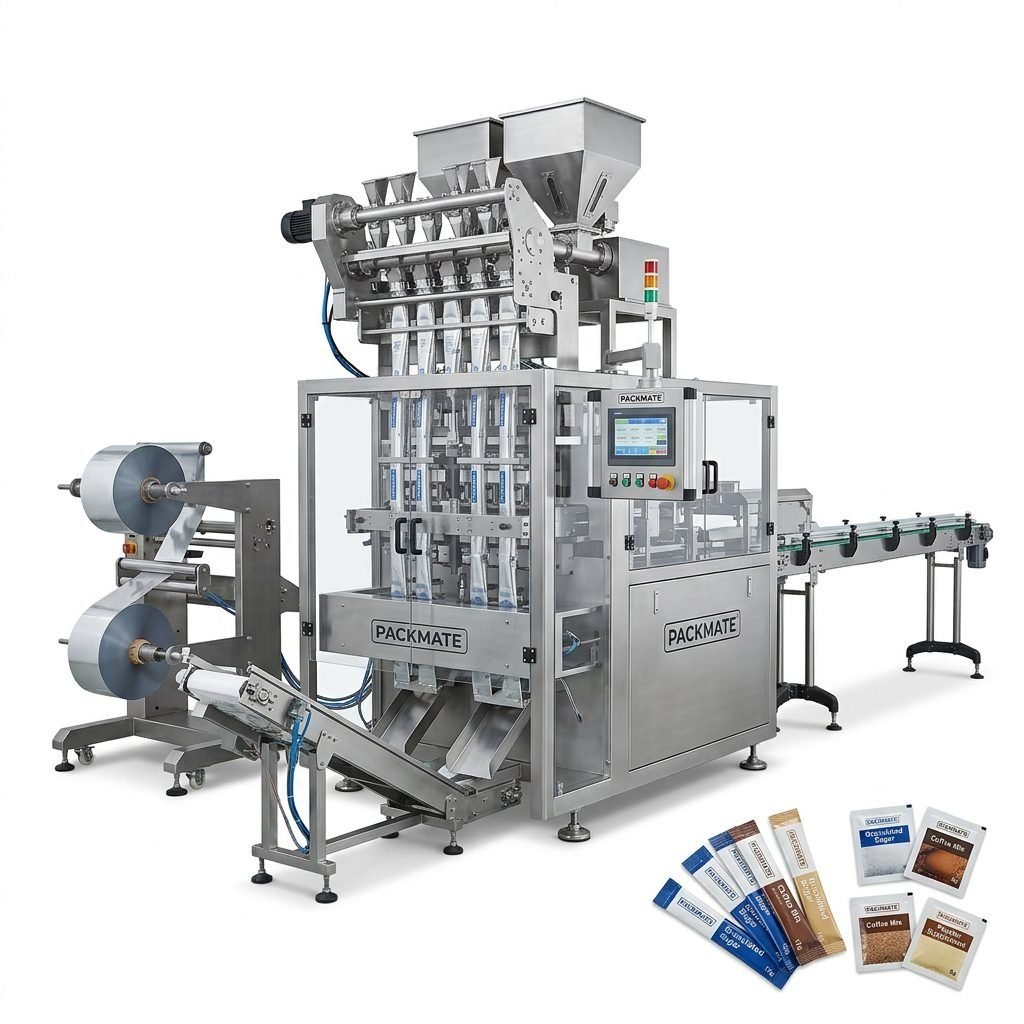
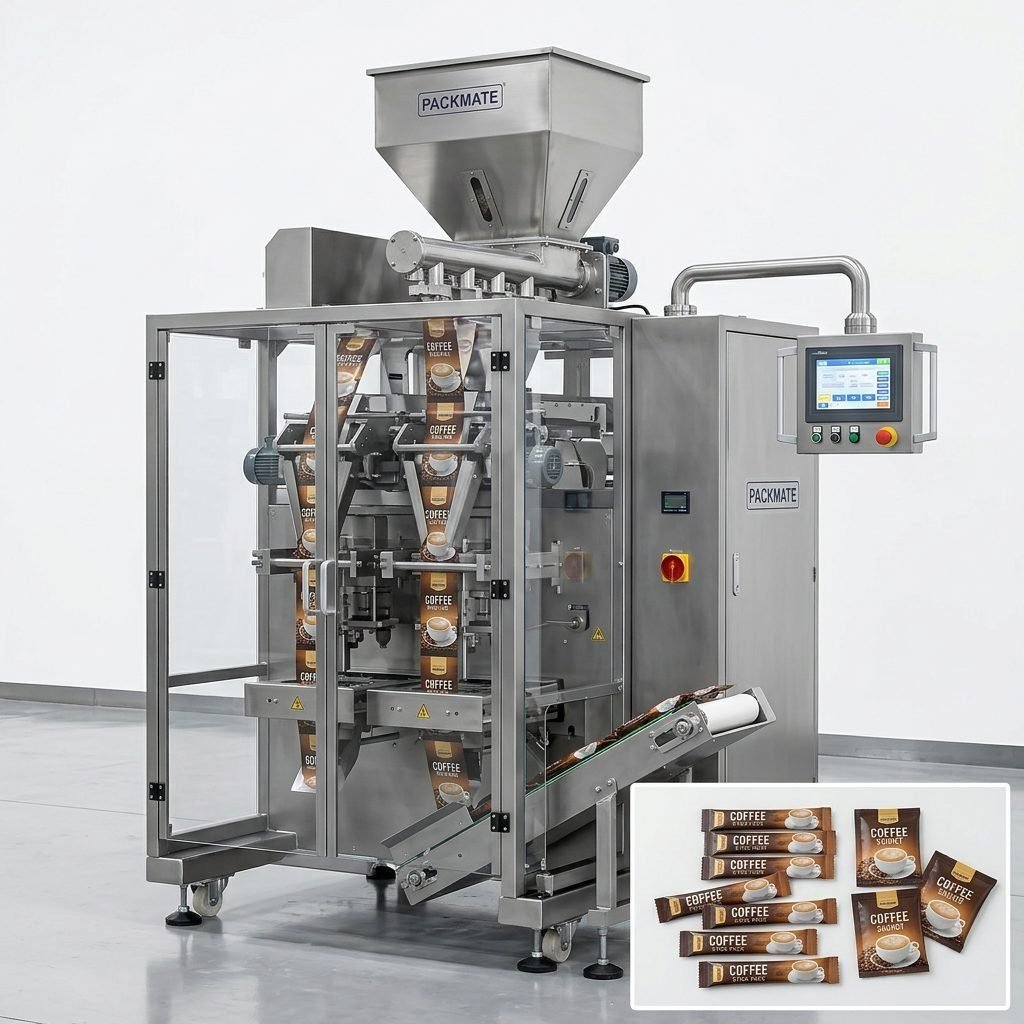
For businesses packaging delicate products like coffee or spices in sachets, specialized machines offer precise portion control and high-speed output, which affects the price point.
External Vacuum Sealers: Also known as suction sealers, these are often used for larger or bulkier items. The machine sucks air out through the nozzle attached to the bag. They are generally more affordable but may not achieve as high a vacuum level as chamber machines.
Automatic Belt Vacuum Machines: These are high-speed, continuous motion systems ideal for large-volume production lines. Products are conveyed on a belt through the vacuum and sealing process. This automation and throughput capability place them at the higher end of the price spectrum.
Key Factors Influencing Vacuum Packaging Machine Prices
The price of a vacuum packaging machine is not arbitrary. It’s built upon several core components and capabilities.
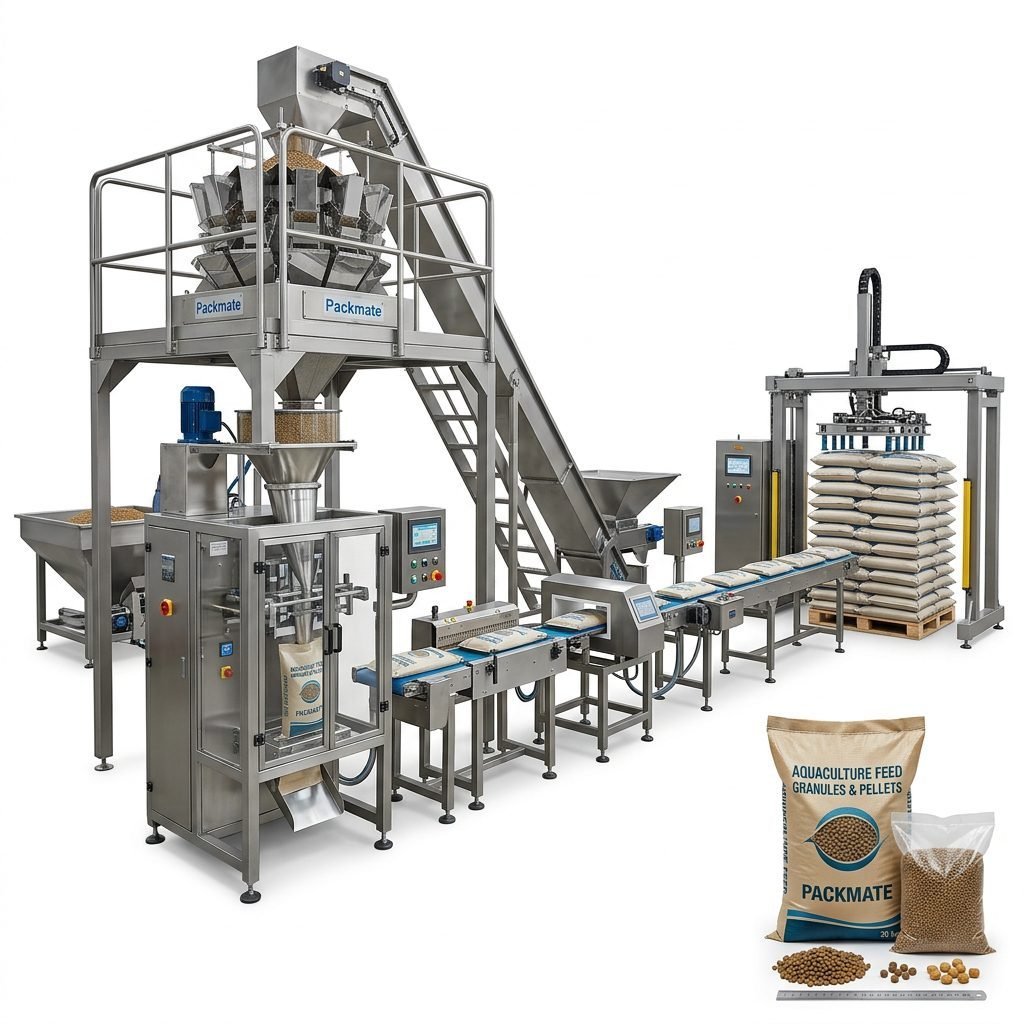
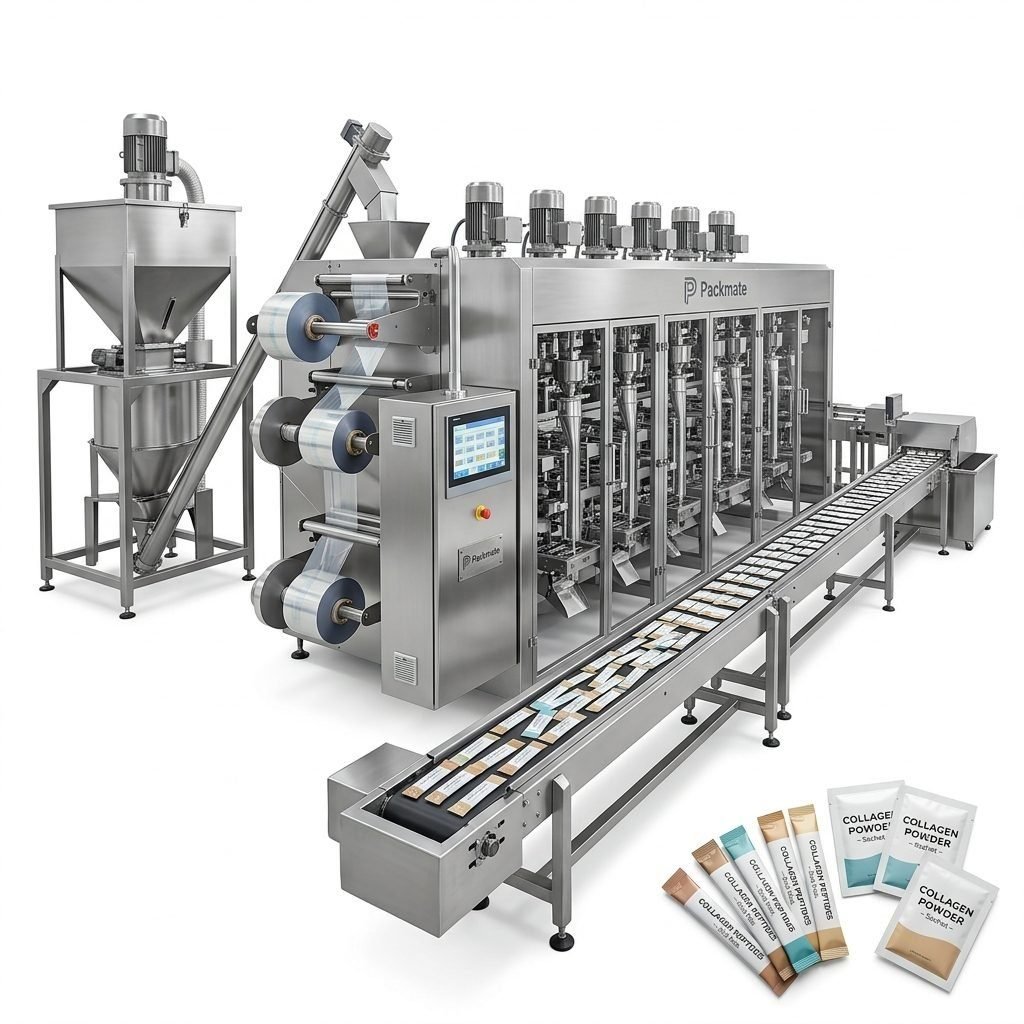
Production Capacity & Speed: The number of packages you can produce per minute (PPM) is a major cost factor. A semi-automatic machine will cost significantly less than a fully automatic, multi-lane system designed for mass production, like those used in integrated filling and packaging lines.
Machine Construction & Durability: Machines built with high-grade stainless steel and commercial-grade components for 24/7 operation command a higher price. They offer greater longevity and reliability, reducing long-term maintenance costs.
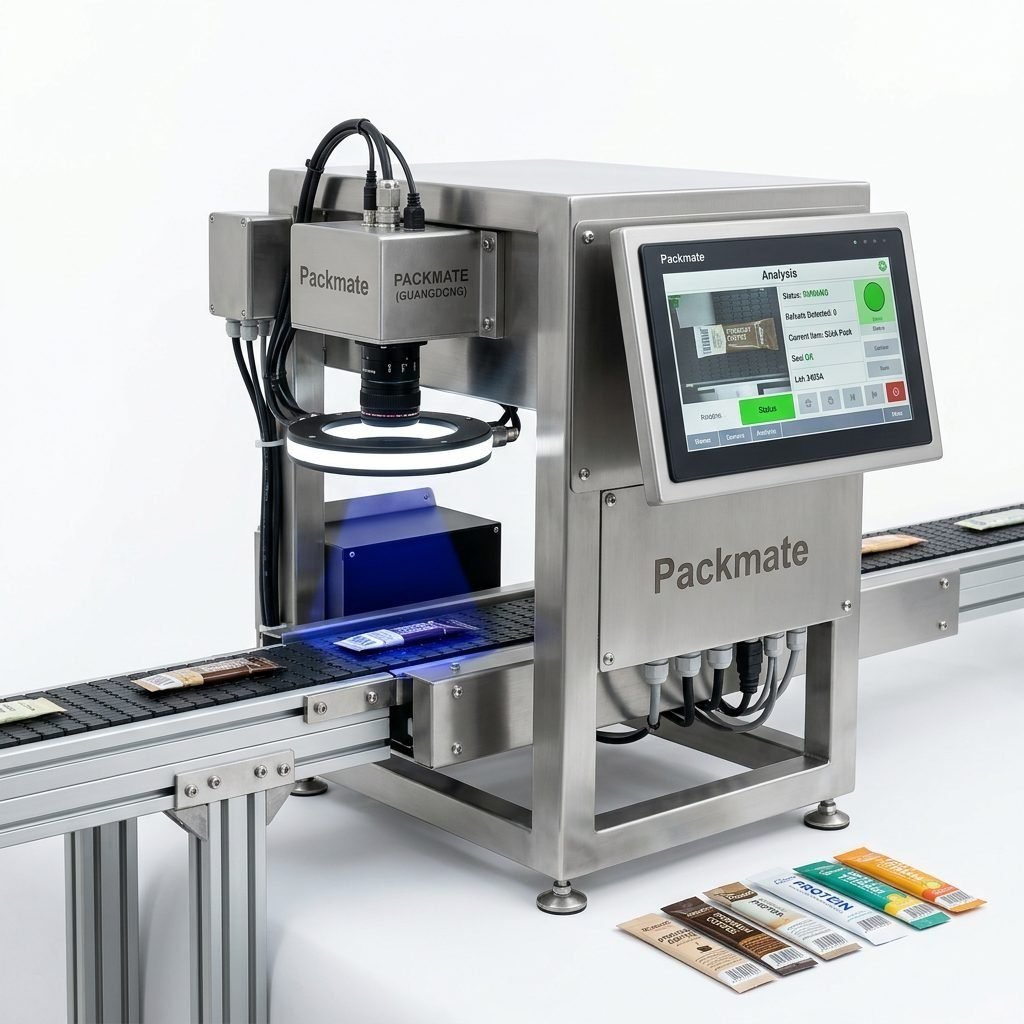
Level of Automation: Manual loading and unloading is the most basic. Prices increase with features like automated bag feeding, product conveying, weight checking (often integrated from weighing systems), and robotic palletizing. Touchscreen PLC controls also add to the cost but improve ease of use and precision.
Versatility and Customization: Can the machine handle multiple bag sizes and materials? Does it offer gas flushing (Modified Atmosphere Packaging) in addition to vacuum sealing? Customized solutions to handle unique products or packaging formats will increase the initial investment.
Price Range Breakdown: What to Expect
While exact prices depend on specifications and suppliers, here is a general guide to set your expectations.
Entry-Level / Small Business Machines ($1,000 – $5,000): This range typically covers reliable single-chamber vacuum sealers, suitable for low to medium-volume operations, restaurants, or small-scale food processors. They are often semi-automatic.
Mid-Range Industrial Machines ($5,000 – $20,000): Here you find larger double-chamber machines for improved efficiency, basic external vacuum systems, and simpler automatic belt machines. They are suited for small to medium-sized manufacturing facilities.
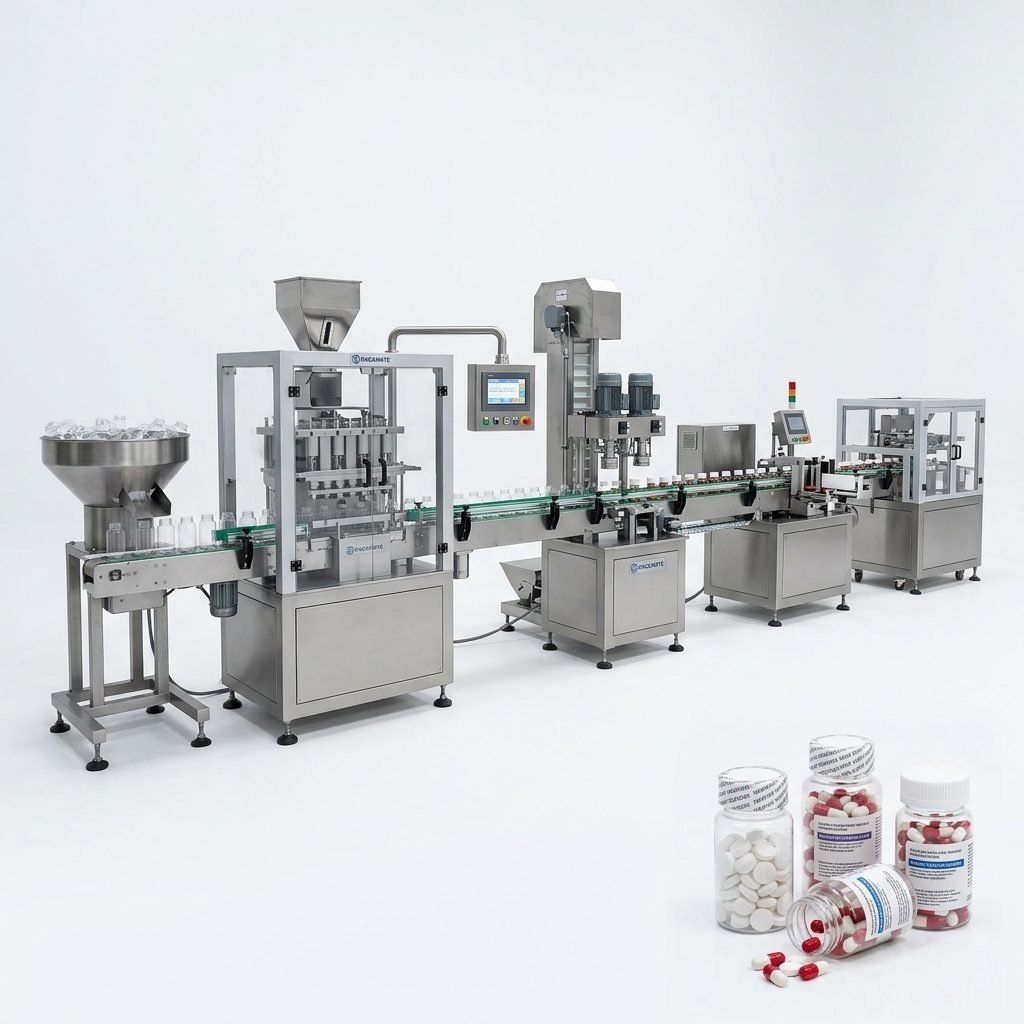
High-End & Fully Automated Systems ($20,000 – $100,000+): This tier includes high-speed rotary or linear automatic vacuum packaging lines, often with integrated auxiliary equipment like checkweighers or coders. They are designed for large-scale food production, pharmaceutical packaging, and other industries where output, consistency, and integration are critical.
The Smart Buying Guide: Steps to Your Perfect Machine
Follow this step-by-step guide to ensure you select a machine that meets your needs and budget.
Step 1: Conduct a Thorough Needs Analysis
Define your current and projected production volume, product types (solid, liquid, powder), bag sizes and materials, and required sealing quality. Don’t forget to consider available factory space and power supply.
Step 2: Research Reputable Manufacturers
Look for manufacturers with a proven track record, like Packmate Machinery, which brings over 30 years of expertise in intelligent packaging solutions. Review their company history, client portfolio, and industry certifications.
Step 3: Evaluate Total Cost of Ownership (TCO)
Look beyond the sticker price. Consider energy consumption, maintenance costs, availability and price of spare parts, and the potential cost of downtime. A slightly more expensive machine from a reputable supplier with excellent after-sales service often has a lower TCO.
Step 4: Request Demos and Samples
Any serious manufacturer should be willing to run a sample of your product on their machine. This is the best way to verify performance, speed, and seal quality before you buy.
Step 5: Scrutinize the After-Sales Support
Ensure the supplier offers comprehensive installation, training, warranty, and technical support. The quality of service is as important as the quality of the machine itself.
Maximizing Your Investment
Once you’ve made your purchase, proper operation and maintenance are key.
Operator Training: Ensure all staff are thoroughly trained on safe and correct machine operation, cleaning procedures, and basic troubleshooting.
Preventive Maintenance: Adhere strictly to the manufacturer’s maintenance schedule. Regularly clean sealing bars, check vacuum pump oil, and inspect seals and gaskets to prevent unexpected breakdowns.
Use Compatible Materials: Always use packaging films and bags recommended or approved by the machine manufacturer. Incompatible materials can lead to poor seals, machine jams, and damage.
Frequently Asked Questions (FAQs)
What is the main difference between a chamber vacuum sealer and an external sealer?
A chamber machine places the entire product and open bag inside a sealed chamber to remove air, making it superior for packaging liquids, powders, and delicate items. An external sealer uses a hose to suck air out from a specially designed bag, which is better for large, bulky, or pre-packed dry items.
How much does it cost to run a vacuum packaging machine?
Operating costs include electricity, compressed air (if applicable), packaging materials, and routine maintenance supplies like vacuum pump oil. Energy-efficient models and proper maintenance can significantly reduce these ongoing expenses.
Can one machine handle different bag sizes and materials?
Many industrial machines are designed with adjustable sealing jaws and programmable settings to handle a range of bag widths and materials (like PET/PE, aluminum foil laminates). However, significant changes may require tooling adjustments or changeover parts.
What is Modified Atmosphere Packaging (MAP) and do I need it?
MAP replaces the air inside the package with a protective gas mix (like nitrogen or CO2) instead of just removing it. It’s essential for preserving the color and texture of fresh products like meats, salads, and snacks. Machines with MAP capability are more complex and expensive than standard vacuum sealers.
How do I ensure I get a reliable machine and good service?
Choose a manufacturer with a strong reputation, verifiable client references, and a clear service policy. Look for companies that offer on-site installation, training, and have a readily available inventory of spare parts. A solid warranty period is also a good indicator of confidence in product quality.