In today’s competitive manufacturing landscape, efficiency is the cornerstone of profitability. Production lines that operate seamlessly, with minimal downtime and maximum output, are no longer a luxury but a necessity. At the heart of this operational excellence lies a critical component: packaging machinery. The right packaging solutions do more than just wrap a product; they streamline the entire production process, enhance product integrity, and significantly boost throughput. This article explores the top packaging machinery solutions that are essential for building and maintaining highly efficient production lines across various industries.
Investing in advanced packaging machinery is a strategic decision that directly impacts your bottom line. It reduces labor costs, minimizes material waste, ensures consistent package quality, and accelerates time-to-market. For businesses looking to scale, the automation and intelligence built into modern equipment are indispensable.
Core Machinery for Streamlined Operations
Efficient production lines are built on reliable, high-speed core packaging machines. These units form the primary workhorses of the packaging process.
Vertical Form-Fill-Seal (VFFS) Machines
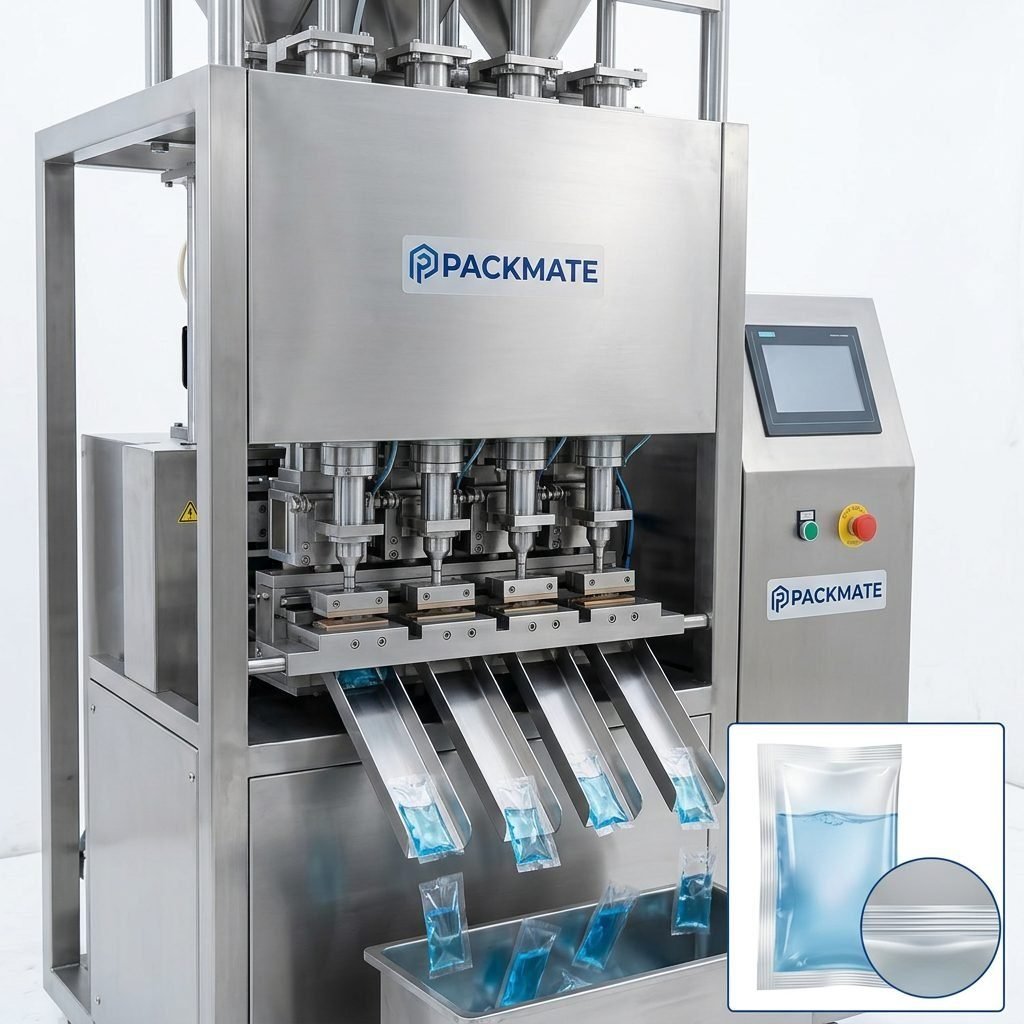
The versatility of Vertical Form-Fill-Seal machines makes them a staple in countless production environments. They form bags from a roll of film, fill them with product—be it granules, powders, or liquids—and seal them in one continuous, automated operation. Modern VFFS machines feature precision weighing systems and servo-driven technology for exceptional accuracy and speed, drastically reducing giveaway and optimizing material use.
Horizontal Flow Wrappers
For products like snack bars, biscuits, or grouped items, horizontal flow wrappers are the optimal choice. They provide a secure, tamper-evident, and visually appealing wrap at very high speeds. Their integration into a production line is seamless, often following collating or grouping equipment to create a fully automated packaging cell.
Sachet & Stick Pack Machines
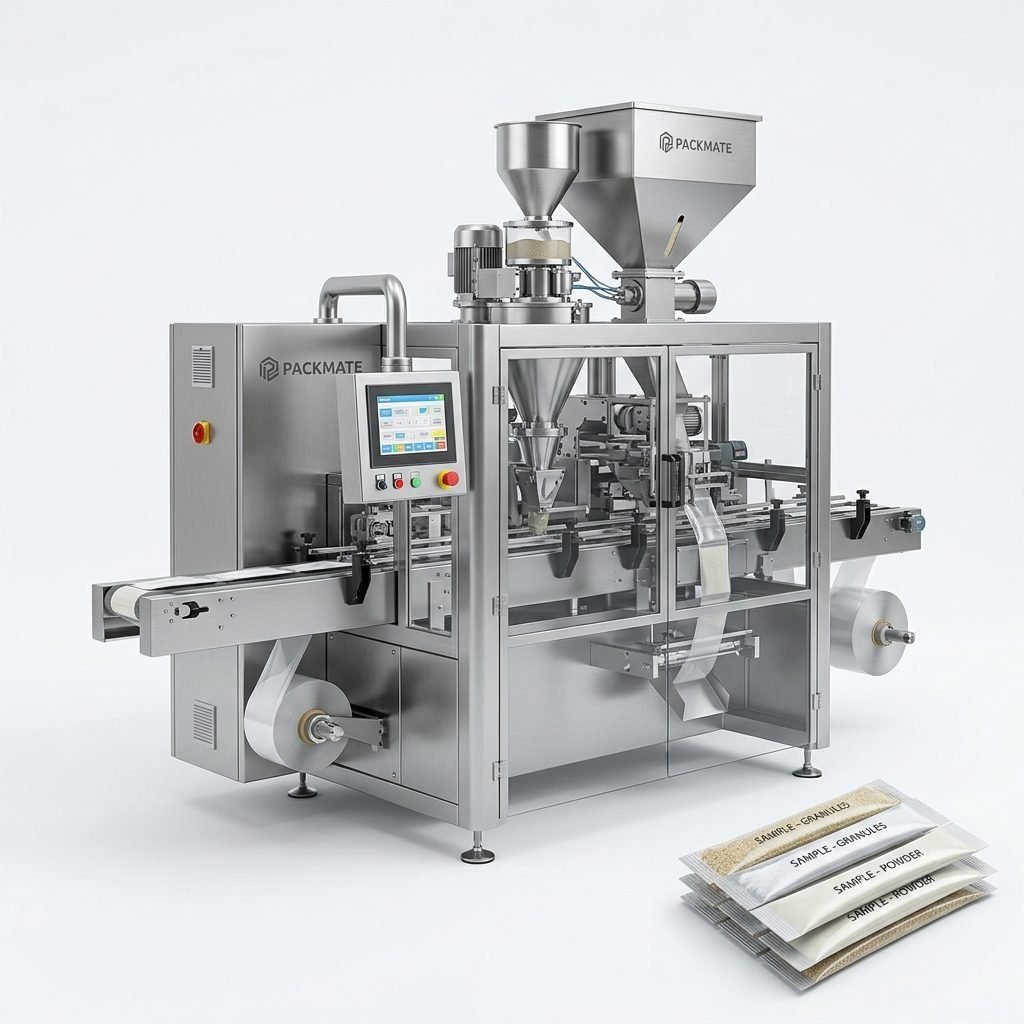
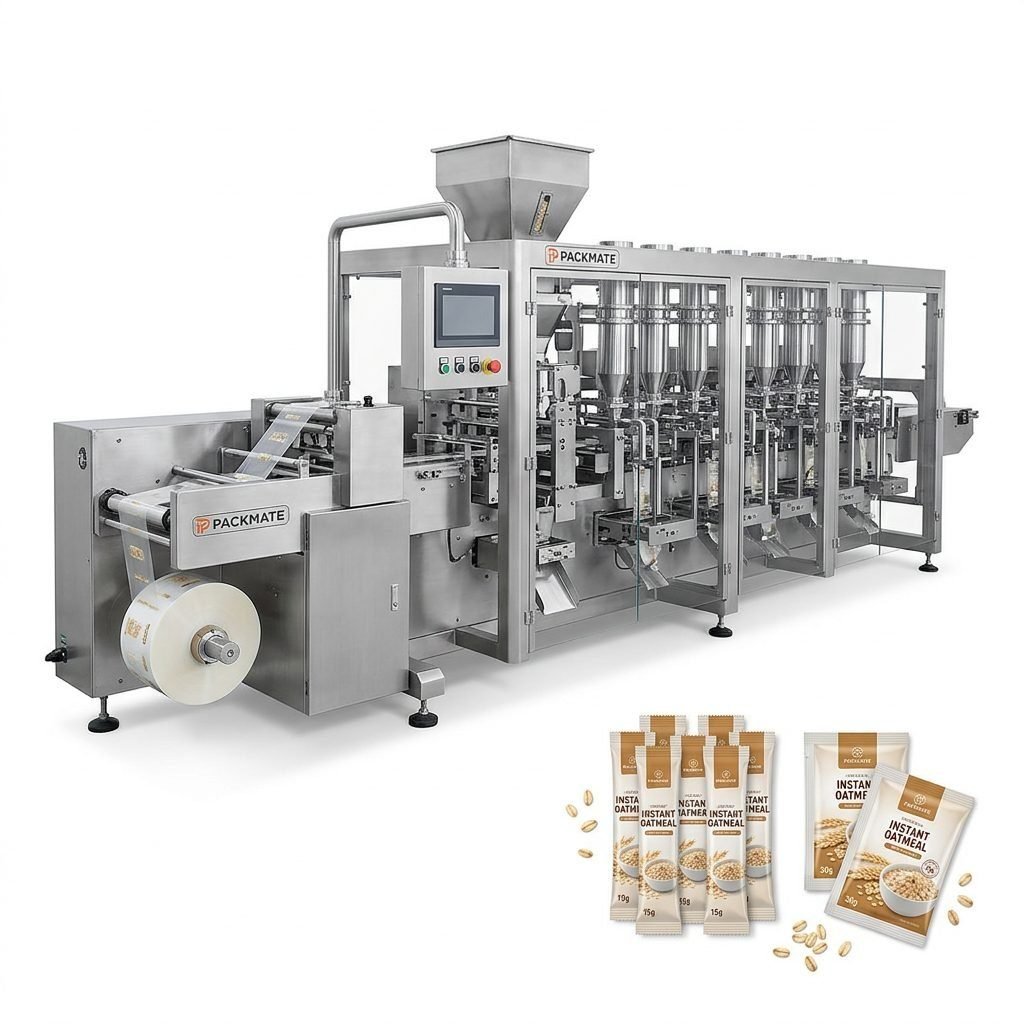
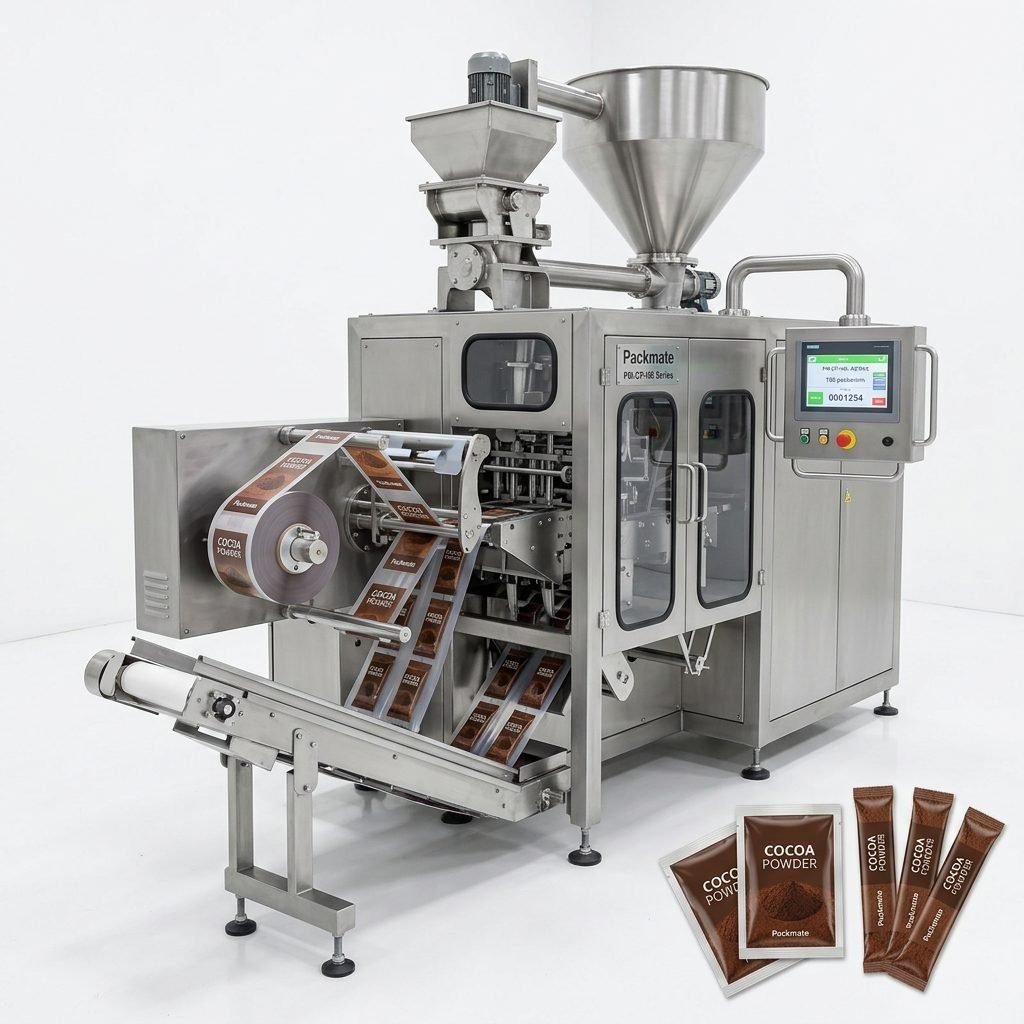
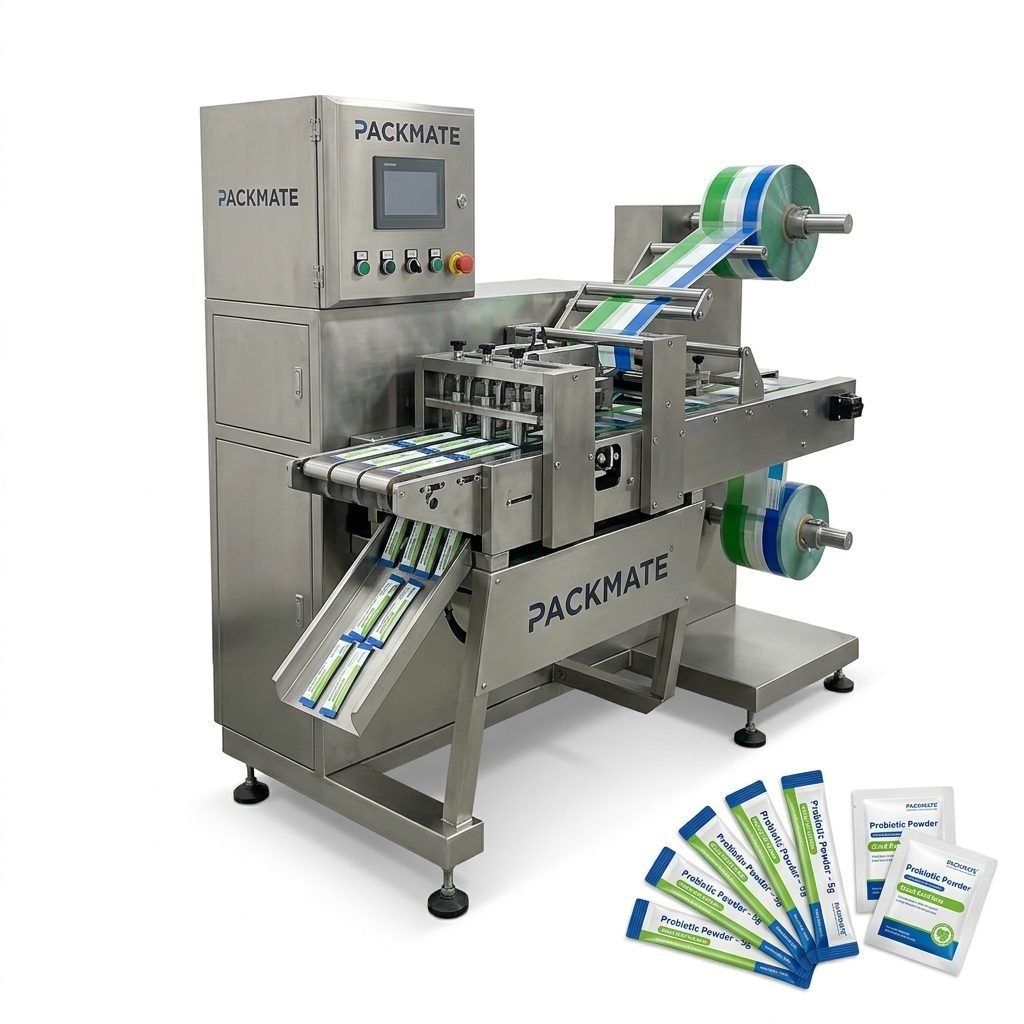
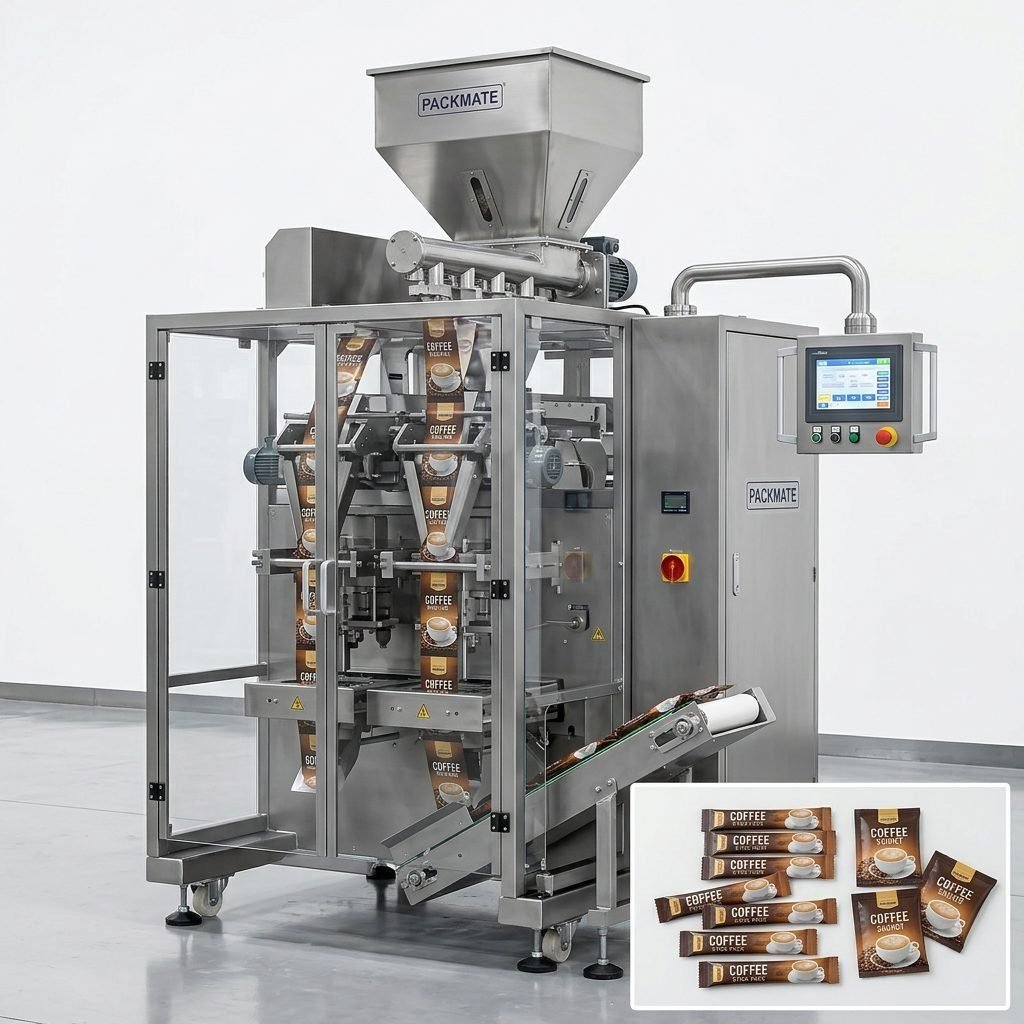
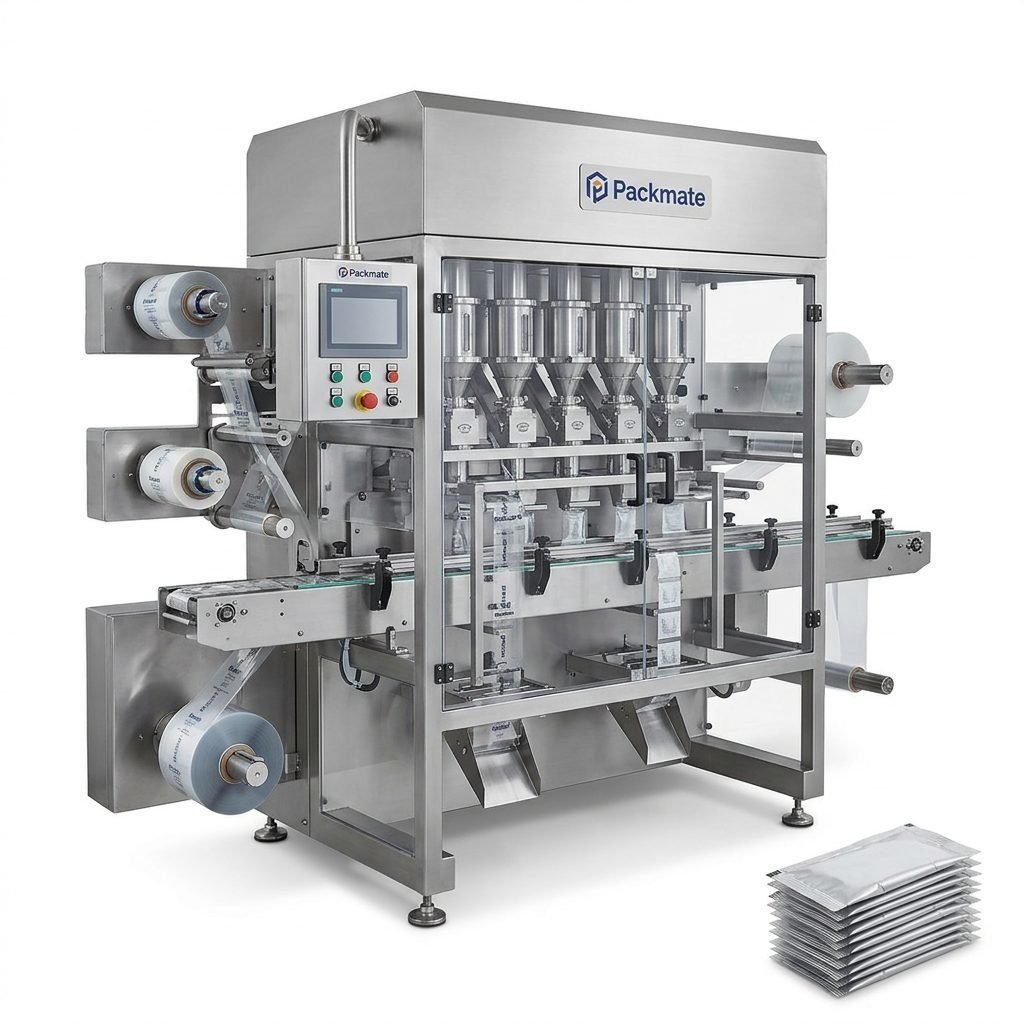
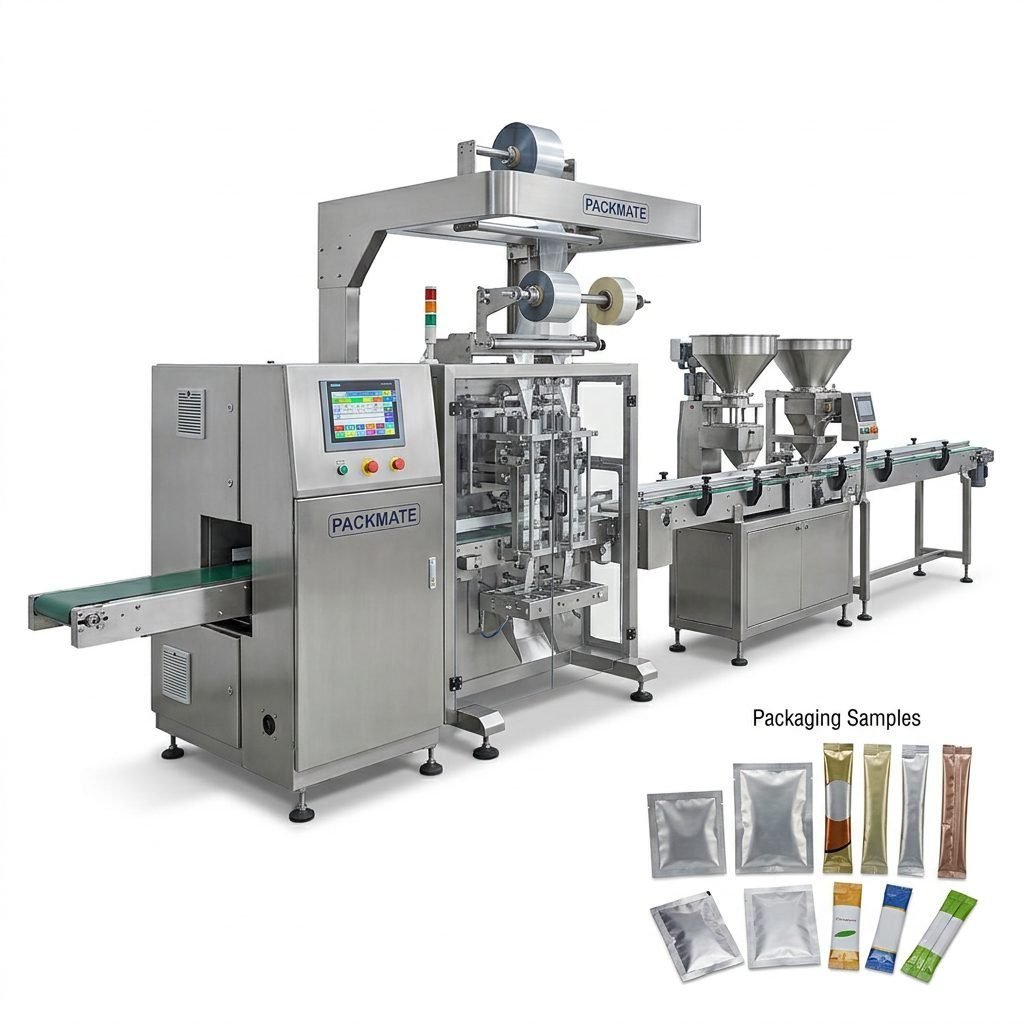
The demand for single-serve and on-the-go products has skyrocketed, making sachet and stick pack machines more crucial than ever. These machines excel at packaging small, precise doses of products like sugar, instant coffee, condiments, or pharmaceutical powders. Multi-lane configurations can produce hundreds of packs per minute, making them incredibly efficient for high-volume applications. Companies like Packmate Machinery have pioneered advanced multi-lane systems that offer remarkable flexibility and output for these packaging formats.
Enhancing Efficiency with Integrated Systems
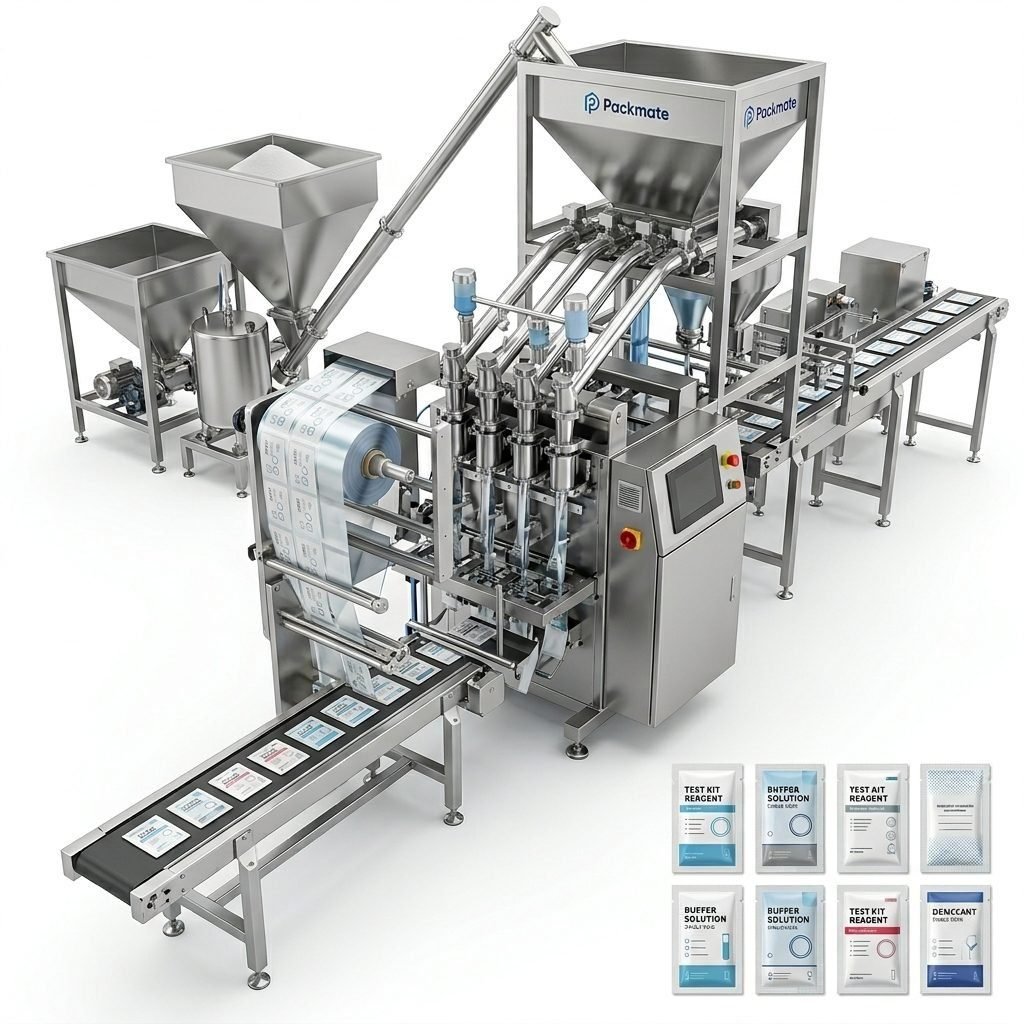
True efficiency is achieved not by standalone machines, but by integrated systems where equipment communicates and collaborates.
Weighing & Feeding Systems
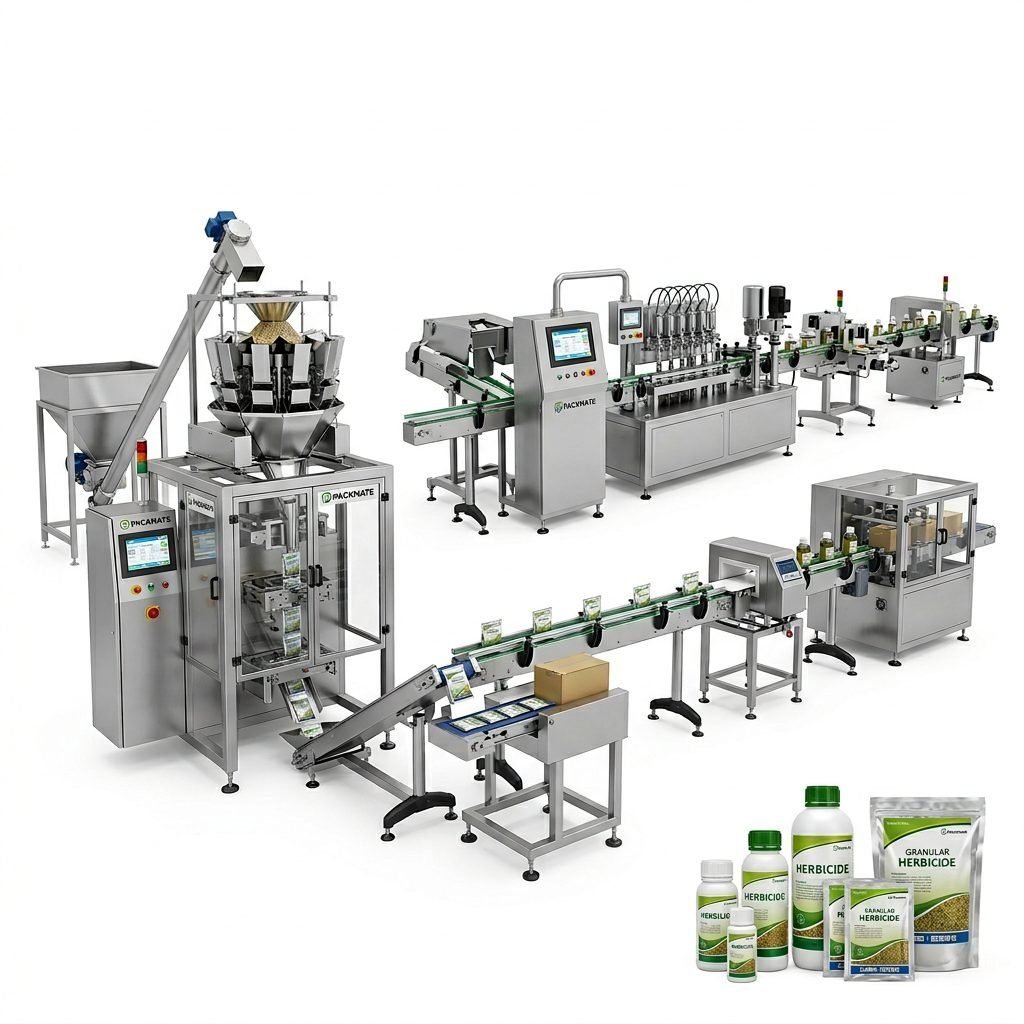
Accurate product dosing is fundamental. Automated weighing systems, such as multi-head weighers or auger fillers, ensure each package contains the exact specified weight. When integrated with the primary packaging machine via PLC controls, they create a synchronized loop that maintains consistent speed and accuracy, eliminating bottlenecks.
For more complex solutions, explore dedicated weighing and packaging systems designed for seamless integration.
Automated Cartoning & Case Packing
The end of the primary packaging line is just the beginning for secondary packaging. Robotic cartoners and case packers take finished pouches, sachets, or bottles and neatly place them into boxes or shipping cases. This automation replaces slow, manual labor, increases packing density, and ensures products are protected for shipping. The link between primary and secondary packaging is a critical point where efficiency can be gained or lost.
The Role of Auxiliary & Support Equipment
Supporting equipment, though sometimes overlooked, plays a vital role in maintaining line uptime and smooth workflow.
- Checkweighers: Positioned after the filler, they verify every package’s weight, ensuring compliance and detecting under/overfills to protect brand reputation.
- Metal Detectors & X-ray Systems: Essential for product safety, these units provide final inspection for physical contaminants without slowing down the line.
- Coders & Labelers: Automated inkjet or laser coders apply batch codes, expiry dates, and barcodes at high speed, while labelers handle complex labeling requirements. Reliable auxiliary packaging equipment is key to a complete line.
Intelligence & Connectivity: The Smart Factory Edge
The latest evolution in packaging machinery is the integration of Industry 4.0 principles. Smart machines equipped with IoT sensors collect real-time data on performance, output, maintenance needs, and energy consumption. This data is accessible via HMIs or remote dashboards, allowing for:
• Predictive Maintenance: Scheduling maintenance before a breakdown occurs, preventing costly unplanned downtime.
• Performance Analytics: Identifying subtle inefficiencies and optimizing machine settings for peak performance.
• Remote Monitoring & Support: Enabling technicians to diagnose issues remotely, speeding up resolution times.
Choosing the Right Partner for Your Line
Selecting machinery is also about selecting a partner. A provider with deep application expertise, like Packmate Machinery, which brings over 30 years of experience in designing for food, pharmaceutical, and health products, can make a significant difference. Look for partners who offer comprehensive turnkey solutions—from initial design and machinery supply to installation, training, and after-sales support. This holistic approach ensures all components work in harmony from day one.
Conclusion
Building an efficient production line is a strategic endeavor centered on choosing the right packaging machinery solutions. From high-speed core machines like VFFS and stick pack systems to integrated weighing units and smart auxiliary equipment, each component must be selected for reliability, speed, and compatibility. The future lies in connected, intelligent systems that provide data-driven insights for continuous improvement. By investing in advanced packaging technology and partnering with experienced suppliers, manufacturers can achieve the seamless, high-output production lines required to thrive in the modern market.
Frequently Asked Questions (FAQs)
1. What is the most important factor when selecting packaging machinery for efficiency?
The single most important factor is reliability and uptime. A machine that runs consistently at its rated speed with minimal stoppages contributes far more to overall line efficiency than a theoretically faster machine that requires frequent adjustments or breaks down. Look for robust construction, proven technology, and a supplier with a strong reputation for reliability.
2. How can I improve the efficiency of my existing packaging line without a full replacement?
Start with a thorough line audit to identify bottlenecks. Often, efficiency can be gained by upgrading key components like the weighing system, adding automation for manual tasks (e.g., carton feeding), or implementing a predictive maintenance program. Retrofitting older machines with modern servo drives or updated control systems can also yield significant speed and accuracy improvements.
3. Are multi-lane stick pack machines suitable for small-batch production?
Modern multi-lane machines are designed with greater flexibility. While they shine in high-volume scenarios, many models allow for easy lane deactivation and quick changeover between different pack sizes and materials. This makes them increasingly viable for smaller batches, provided the changeover process is streamlined. Discuss your specific product mix with a supplier to find the right balance.
4. What are the benefits of a turnkey packaging solution versus buying machines separately?
A turnkey solution ensures all machines and conveyors are designed to work together seamlessly from the start, eliminating integration headaches and communication issues between different brands of equipment. It provides a single point of responsibility for performance, training, and service, reducing project risk and speeding up the time to full operational efficiency.
5. How does smart/connected packaging machinery contribute to long-term efficiency?
Connected machinery enables data collection on OEE (Overall Equipment Effectiveness), energy use, and component wear. This data allows for predictive maintenance (fixing issues before they cause downtime), optimization of machine settings for different products, and remote troubleshooting. Over time, these insights lead to higher overall availability, better product quality, and lower operational costs.