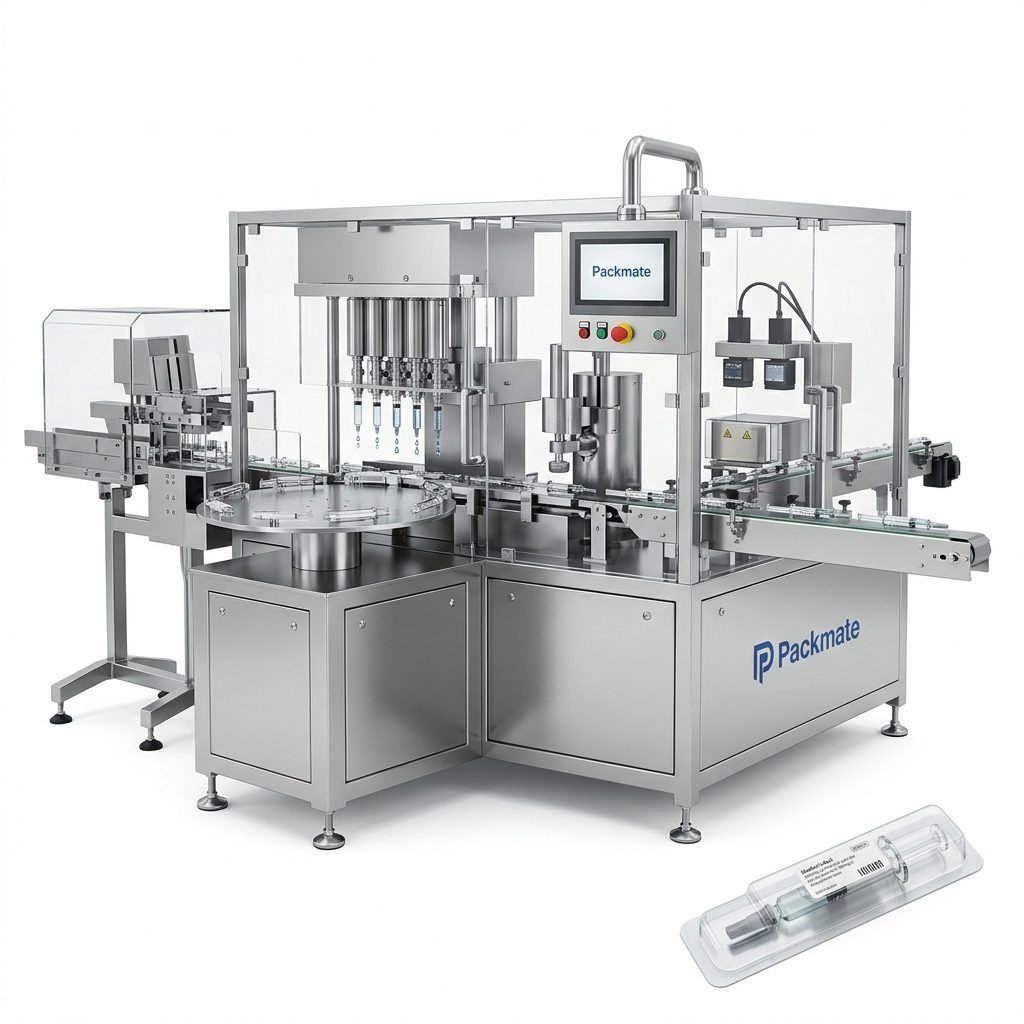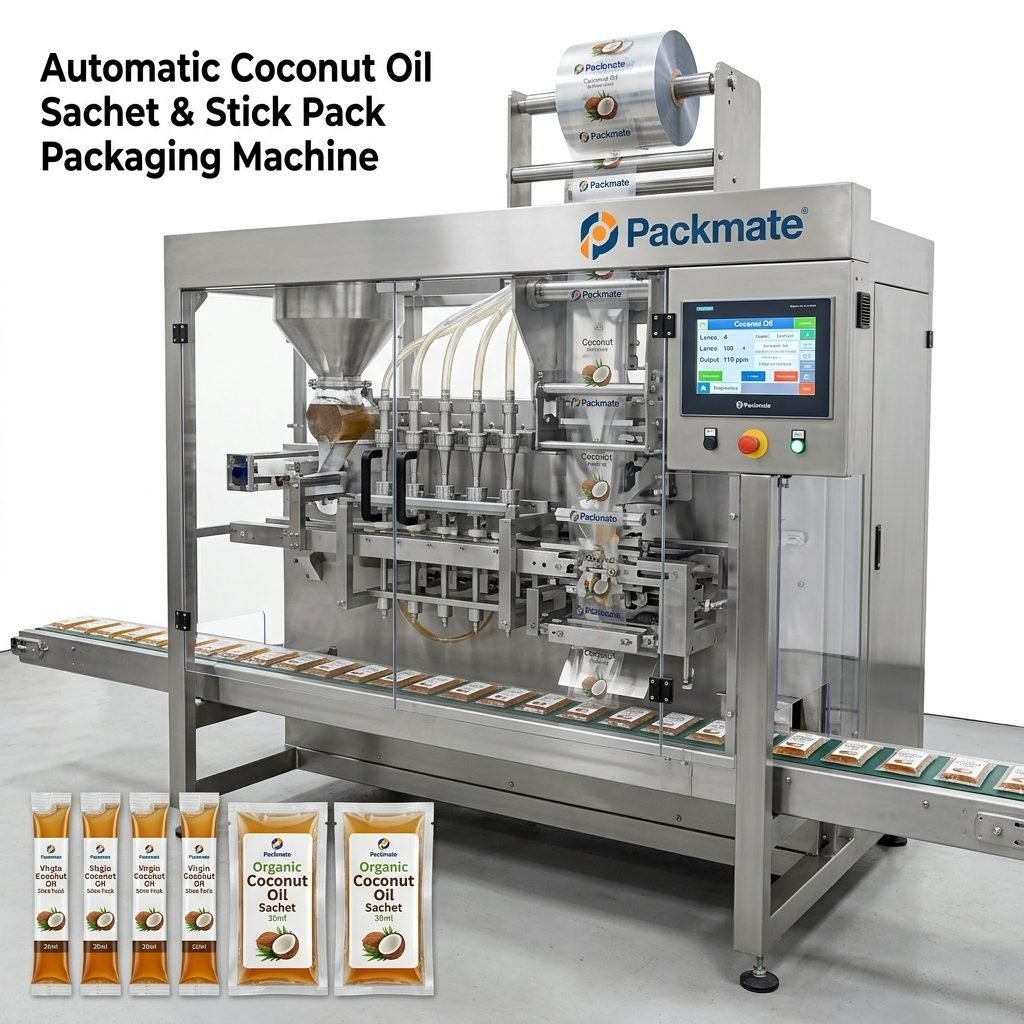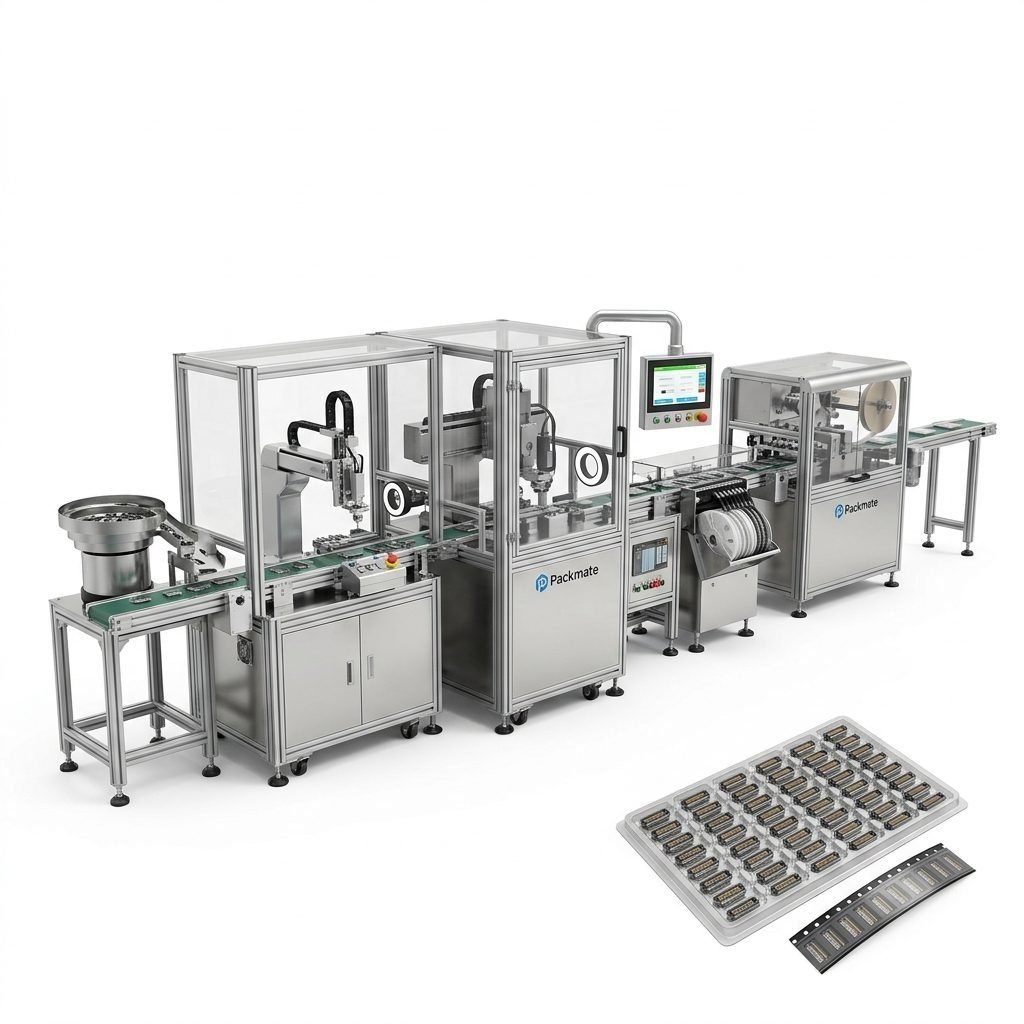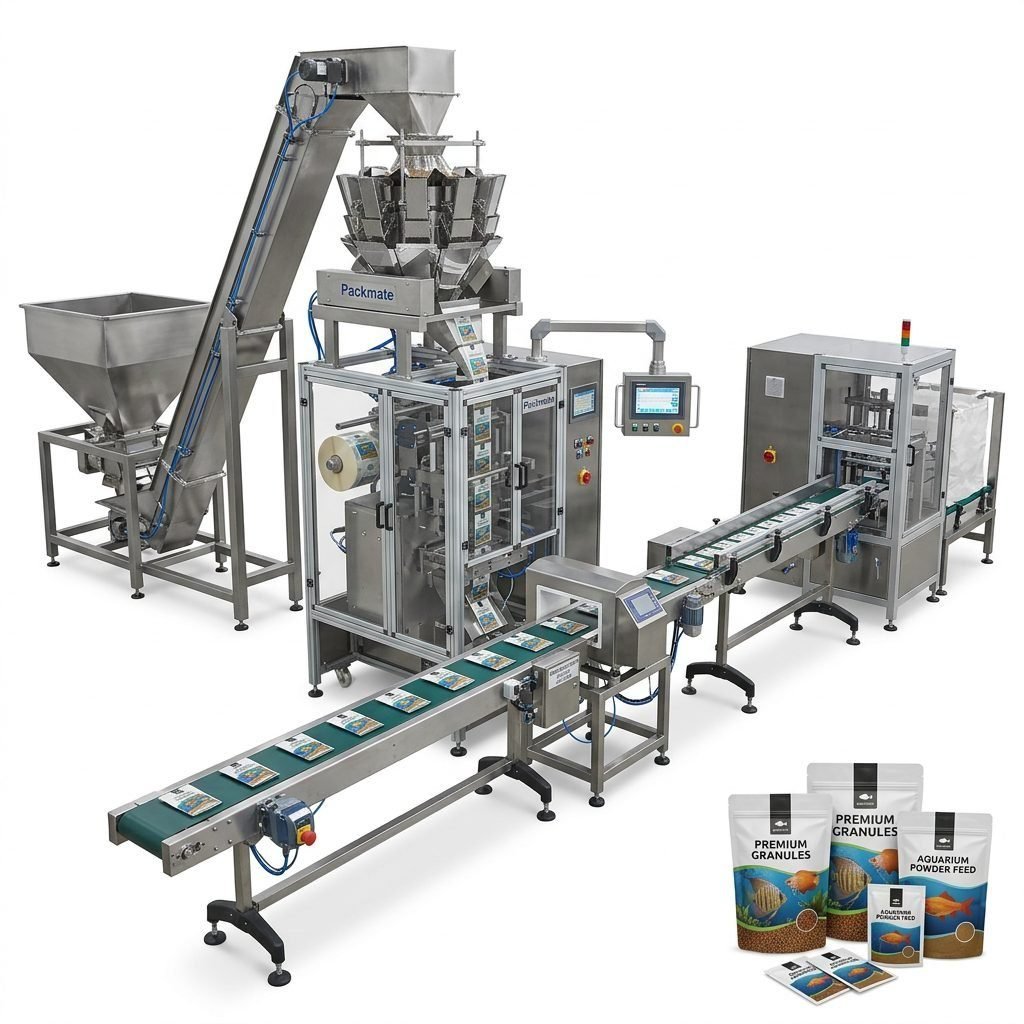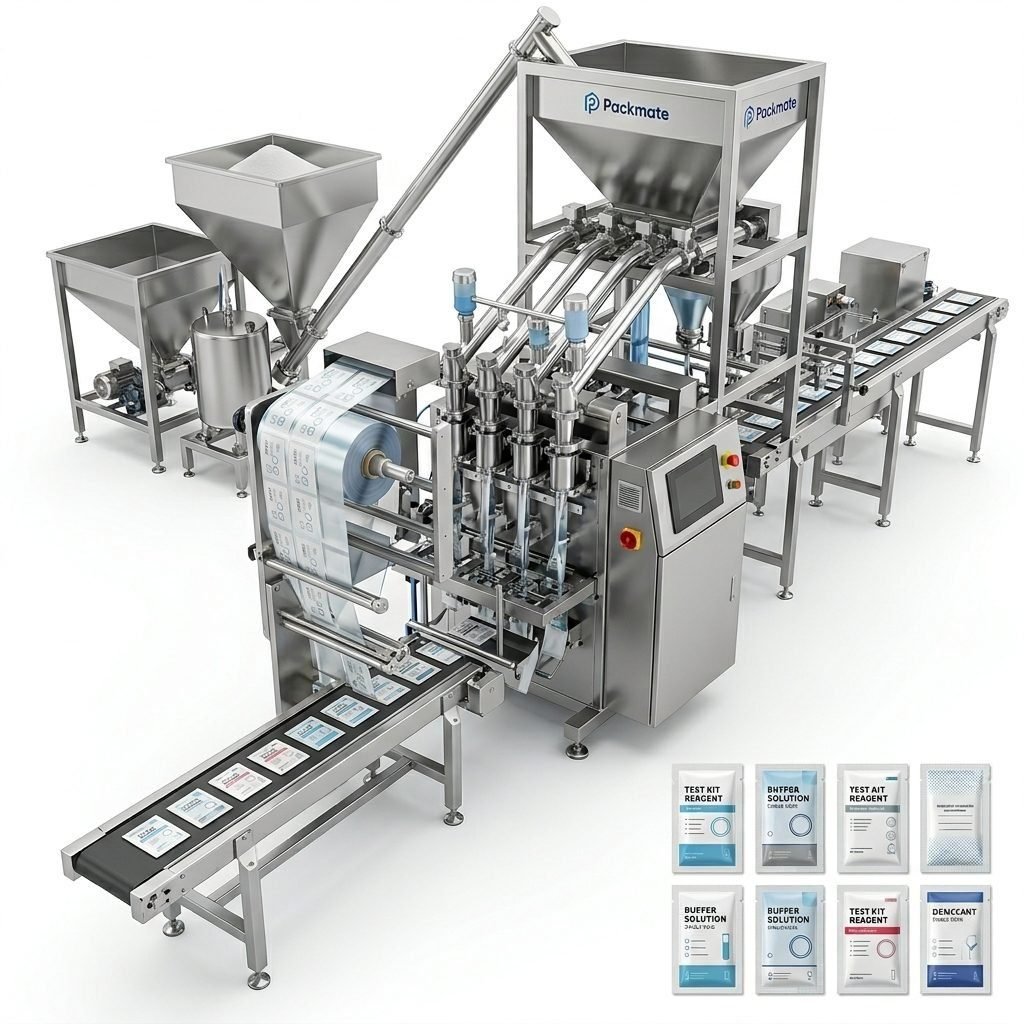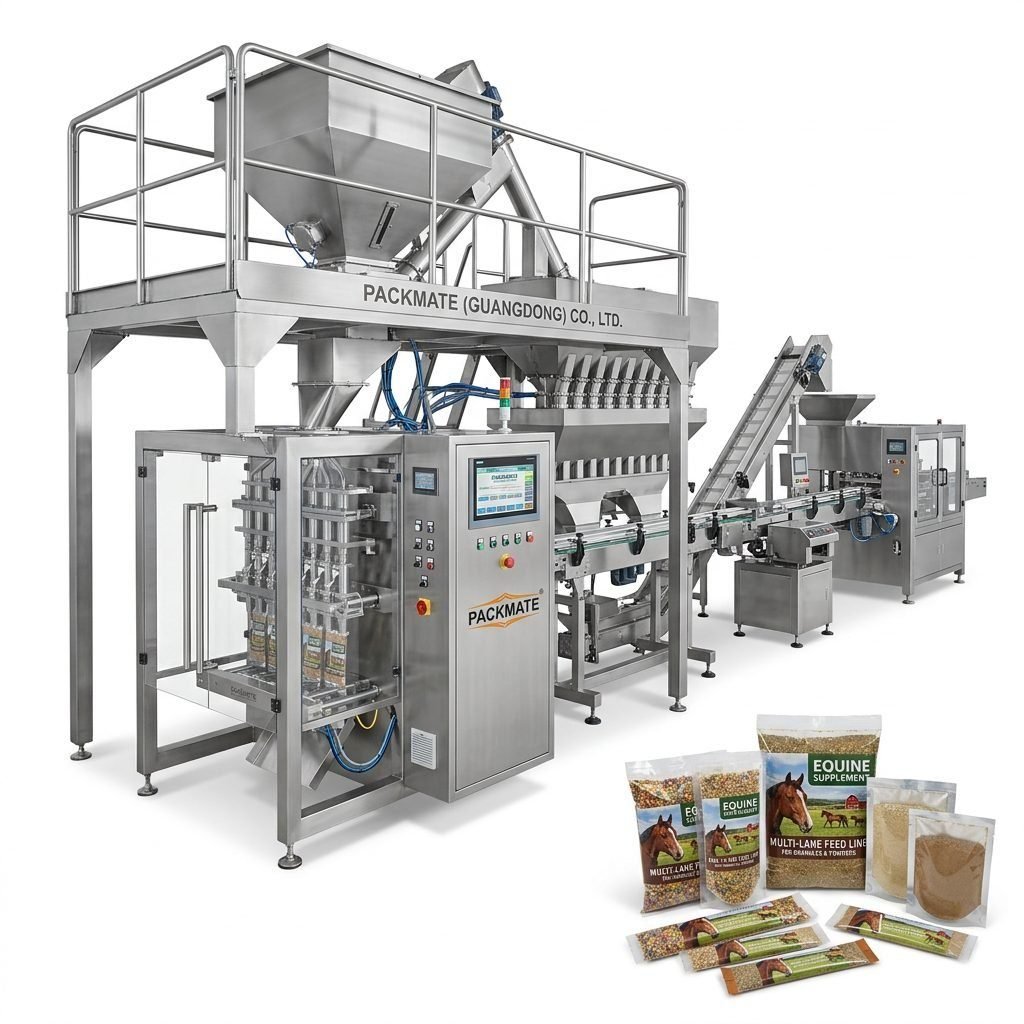
In the fast-paced world of product manufacturing, efficient and reliable packaging is paramount. Sachet packaging machines have become indispensable tools across numerous industries, from food and pharmaceuticals to cosmetics and chemicals. These machines automate the process of creating small, sealed packets, offering unparalleled consistency, speed, and hygiene. For businesses looking to enhance their production line, understanding the different types of sachet packaging machines, their benefits, and the key selection criteria is the first critical step.
Understanding the Core Types of Sachet Packaging Machines
Sachet packaging machines are not one-size-fits-all; they are engineered for specific applications, product types, and production volumes. Choosing the right type is fundamental to achieving optimal efficiency.
Vertical Form-Fill-Seal (VFFS) Machines
These are among the most common and versatile machines. They form the sachet from a roll of packaging film vertically, fill it with the product, and then seal it. VFFS machines are ideal for a wide range of products, including powders, granules, and liquids. They are praised for their compact footprint and ability to handle rapid product changeovers, making them suitable for medium to high-volume production runs.
Horizontal Form-Fill-Seal (HFFS) Machines
In contrast, HFFS machines form the sachet in a horizontal plane. They are particularly well-suited for packaging solid items, delicate products, or items that need to be laid flat, such as wet wipes, single-serve condiments, or hardware components. These machines often provide excellent presentation and can incorporate more complex packaging shapes.
Premade Pouch Machines
This type of machine uses pre-manufactured, flat pouches. The machine’s function is to open the pouch, fill it accurately, and then seal it. Premade pouch systems are excellent for products that are sensitive to heat or compression during the forming process, or for brands that require unique, pre-printed pouch designs that cannot be achieved from a film roll. They offer great flexibility in packaging materials.
Multi-Lane and Stick Pack Machines
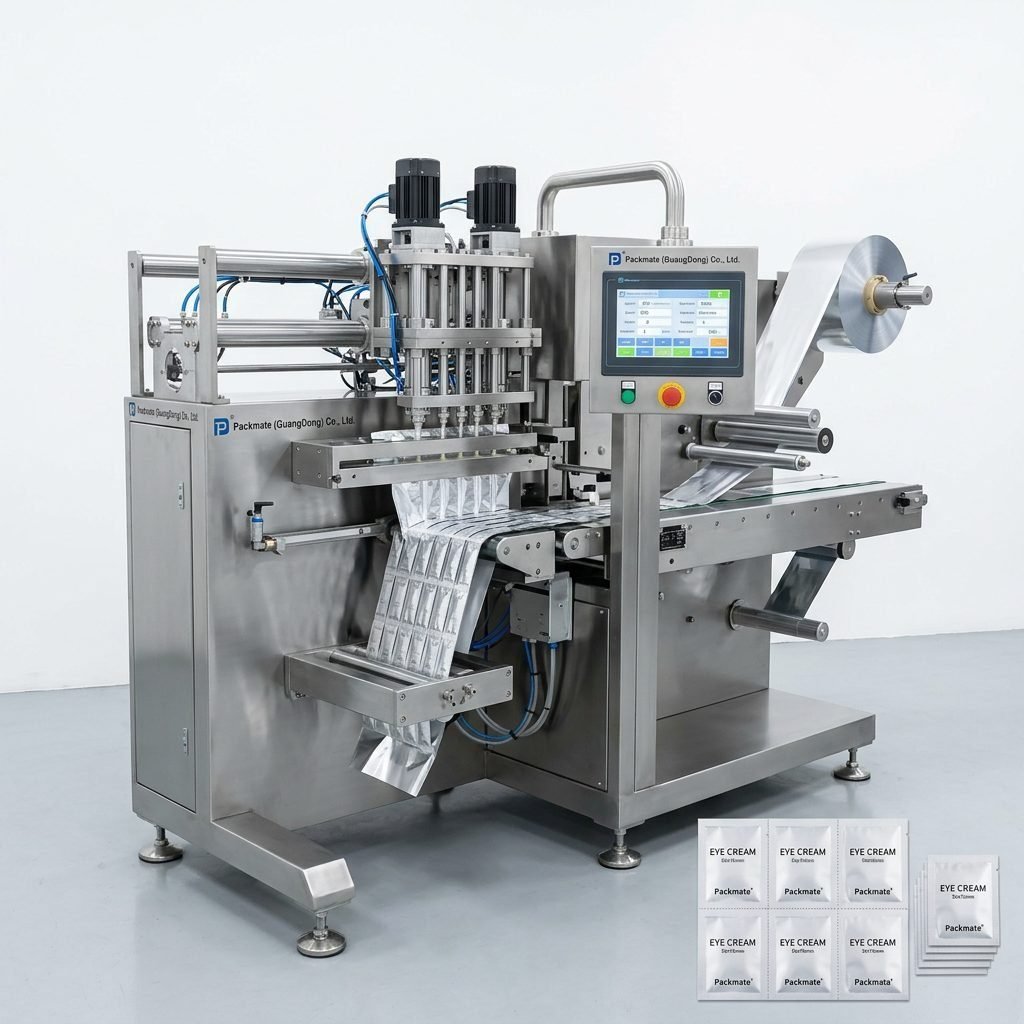
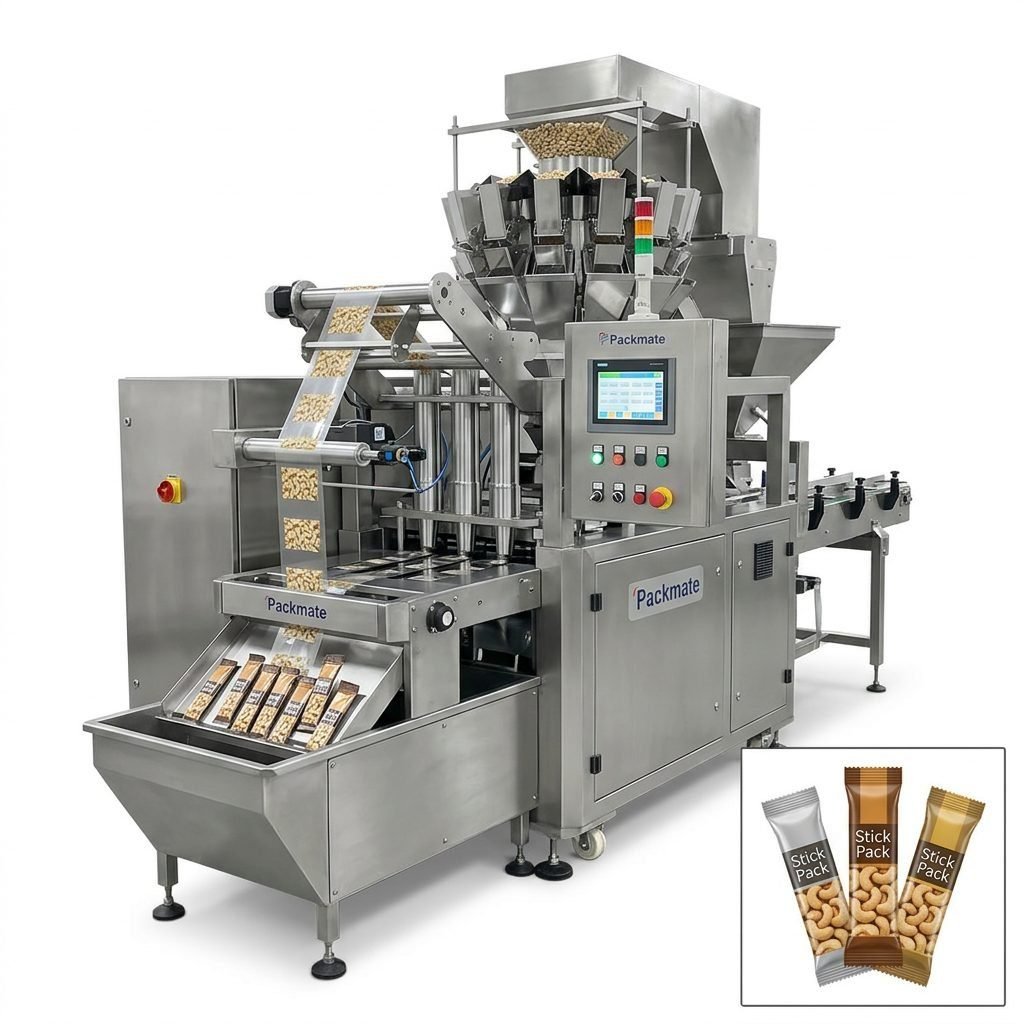
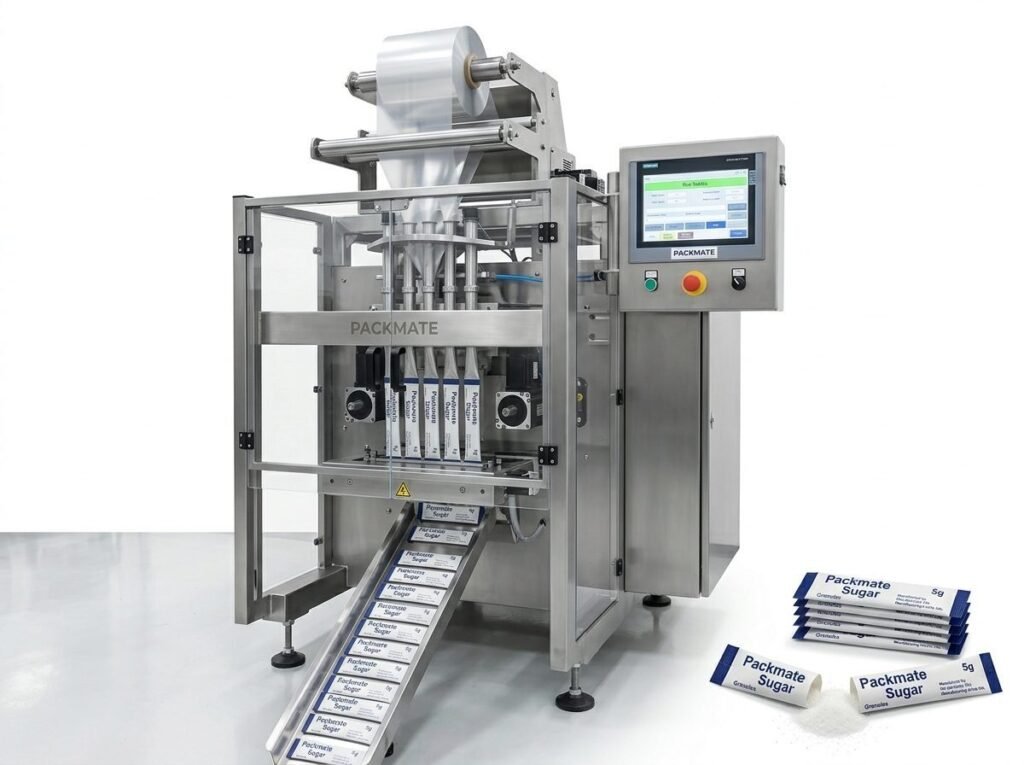
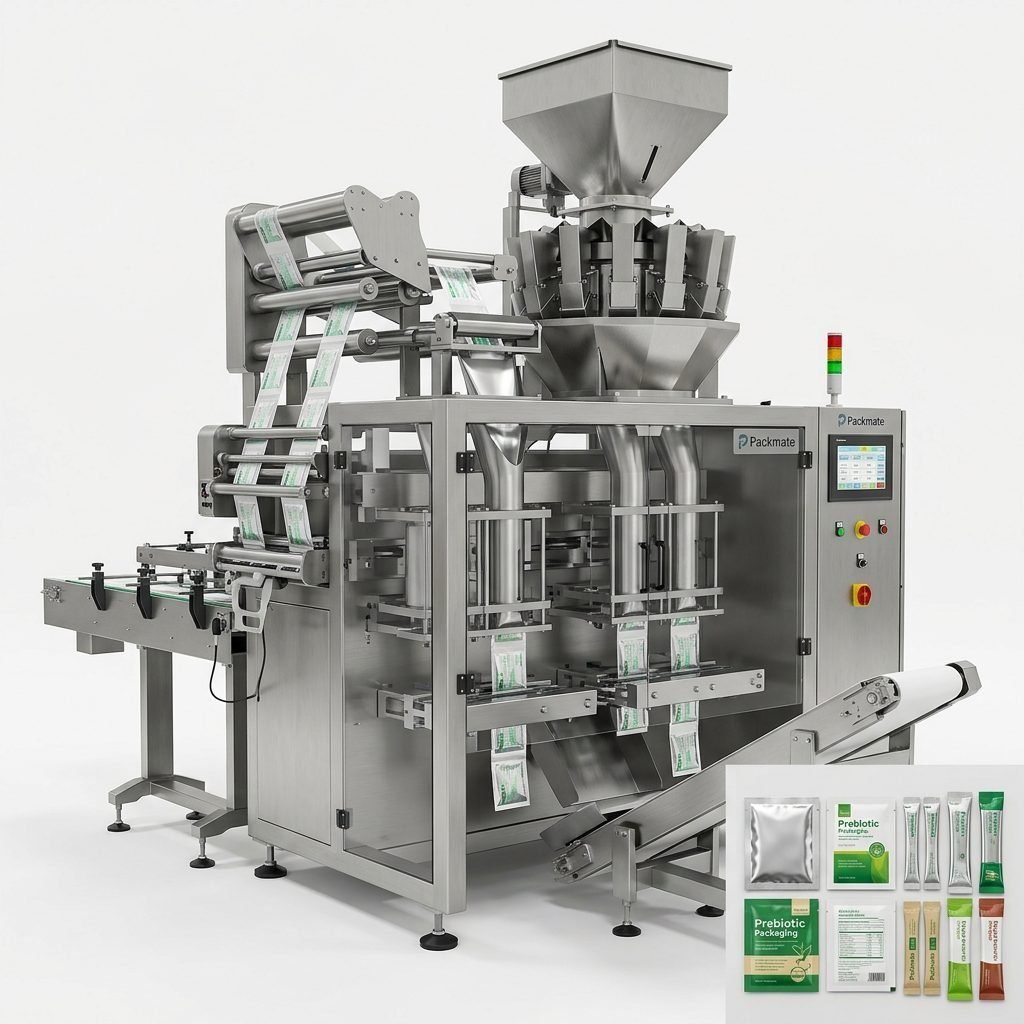
For ultra-high-speed production of small, slender sachets (often called stick packs), multi-lane machines are the industry standard. They operate multiple packaging lanes simultaneously from a single web of film, dramatically increasing output. These are essential for products like instant coffee, sugar, salt, and pharmaceutical powders where high volume and small dosage are key. Companies like Packmate Machinery specialize in advanced multi-lane solutions that maximize productivity.
The Multifaceted Benefits of Automating with Sachet Machines
Investing in a sachet packaging machine delivers a compelling return on investment through a combination of operational, qualitative, and economic advantages.
Enhanced Productivity and Speed: Automation replaces slow, error-prone manual packing. Modern machines can produce hundreds, even thousands, of sachets per minute, ensuring you meet market demand efficiently.
Superior Consistency and Accuracy: Every sachet is identical in weight, size, and seal integrity. This eliminates product giveaway (overfilling) and protects against underfilling, which is crucial for regulatory compliance in industries like pharmaceuticals and for maintaining brand trust.
Improved Hygiene and Safety: The closed, automated process minimizes human contact with the product. This is a critical benefit for food, beverage, and medical products, reducing the risk of contamination and ensuring a longer, safer shelf life.
Significant Cost Reduction: While there is an upfront capital cost, automation reduces long-term labor costs, material waste from errors, and costs associated with product recalls due to inconsistent packaging. The precision in dosing also directly saves on raw material costs.
Brand Enhancement and Flexibility: Automated machines allow for high-quality, professional printing and finishing on sachets. They also enable easier adaptation to different package sizes or promotional campaigns, allowing brands to stay agile in the market. Exploring a range of sachet and stick pack machines can reveal options tailored to specific branding needs.
How to Choose the Right Sachet Packaging Machine: A Strategic Guide
Selecting the perfect machine requires a careful analysis of your product, production goals, and operational environment. Here is a structured approach to guide your decision.
1. Define Your Product Characteristics
This is the most critical starting point. Is your product a free-flowing powder, a cohesive granule, a viscous liquid, or a solid piece? Each product type demands different feeding, filling, and handling mechanisms. Abrasive, oily, or hygroscopic products require specific machine materials and designs to prevent wear or clogging.
2. Assess Your Production Volume Requirements
Match the machine’s output (sachets per minute/hour) to your current and projected future needs. A low-speed, semi-automatic machine may suffice for a startup or niche product, while a high-speed, fully automatic multi-lane system is necessary for mass-market goods. Consider not just peak capacity but also the efficiency and stability of the machine over long production runs.
3. Determine Packaging Material and Design
The machine must be compatible with your desired packaging film or laminate (e.g., PET/AL/PE, paper, biodegradable materials). Consider the seal type (fin seal, lap seal, 3-side seal, 4-side seal) and whether you need features like notches, tear notches, or hang holes. If using pre-made pouches, ensure the machine’s feeding and handling system is designed for them.
4. Evaluate Integration and Footprint
Will the machine operate as a standalone unit or be integrated into a larger filling and packaging line with upstream feeders and downstream cartoning? Ensure it fits physically in your facility and can interface with other equipment. Also, consider utilities required (power, compressed air) and ease of access for maintenance.
5. Prioritize Ease of Use and Support
A machine with an intuitive human-machine interface (HMI) reduces training time and operator error. Perhaps most importantly, choose a supplier with a proven track record of reliability and excellent after-sales service. Access to prompt technical support, spare parts, and service engineers is crucial for minimizing downtime. A manufacturer with a strong history, like Packmate with over two decades of development, often provides this essential backbone of support.
Ultimately, the choice of a sachet packaging machine is a strategic investment in your brand’s future. It impacts your product quality, operational costs, and ability to scale. By thoroughly analyzing your product needs, production targets, and partnering with a reputable equipment provider, you can implement a packaging solution that drives efficiency, ensures consistency, and supports your business growth for years to come.
Frequently Asked Questions (FAQs)
What is the typical production speed of a sachet packaging machine?
Speeds vary widely based on the machine type and sachet size. Basic vertical machines may produce 40-80 bags per minute, while advanced multi-lane stick pack machines from leading manufacturers can exceed 1,000 sticks per minute. The required speed should be determined by your total daily/weekly production volume.
Can one machine handle different types of products?
Many machines are designed for flexibility. However, switching between vastly different product formats (e.g., from a fine powder to a granular solid) usually requires a change of parts, such as the feeding auger, funnel, or sealing jaws. It’s essential to discuss your product range with the supplier to understand changeover complexity and time.
How do I ensure the machine meets food-grade or pharmaceutical safety standards?
Look for machines constructed with food-grade stainless steel (e.g., SS304 or SS316) in product contact areas. The design should facilitate easy cleaning and prevent contamination. Reputable manufacturers can provide documentation and machine designs that comply with industry-specific standards like GMP (Good Manufacturing Practice).
What is the difference between a sachet machine and a stick pack machine?
The terms are often used interchangeably, but “stick pack” typically refers to a long, narrow, and slender sachet format. Stick pack machines are usually a subtype of multi-lane sachet machines optimized for producing this specific high-speed, high-volume format, commonly used for single-serve powdered beverages.
What kind of maintenance does a sachet packaging machine require?
Regular preventive maintenance is key. This includes daily cleaning, lubrication of moving parts as specified by the manufacturer, and periodic inspection of critical components like sealing jaws, film guides, and sensors. A good supplier will provide a detailed maintenance schedule and training for your operators.