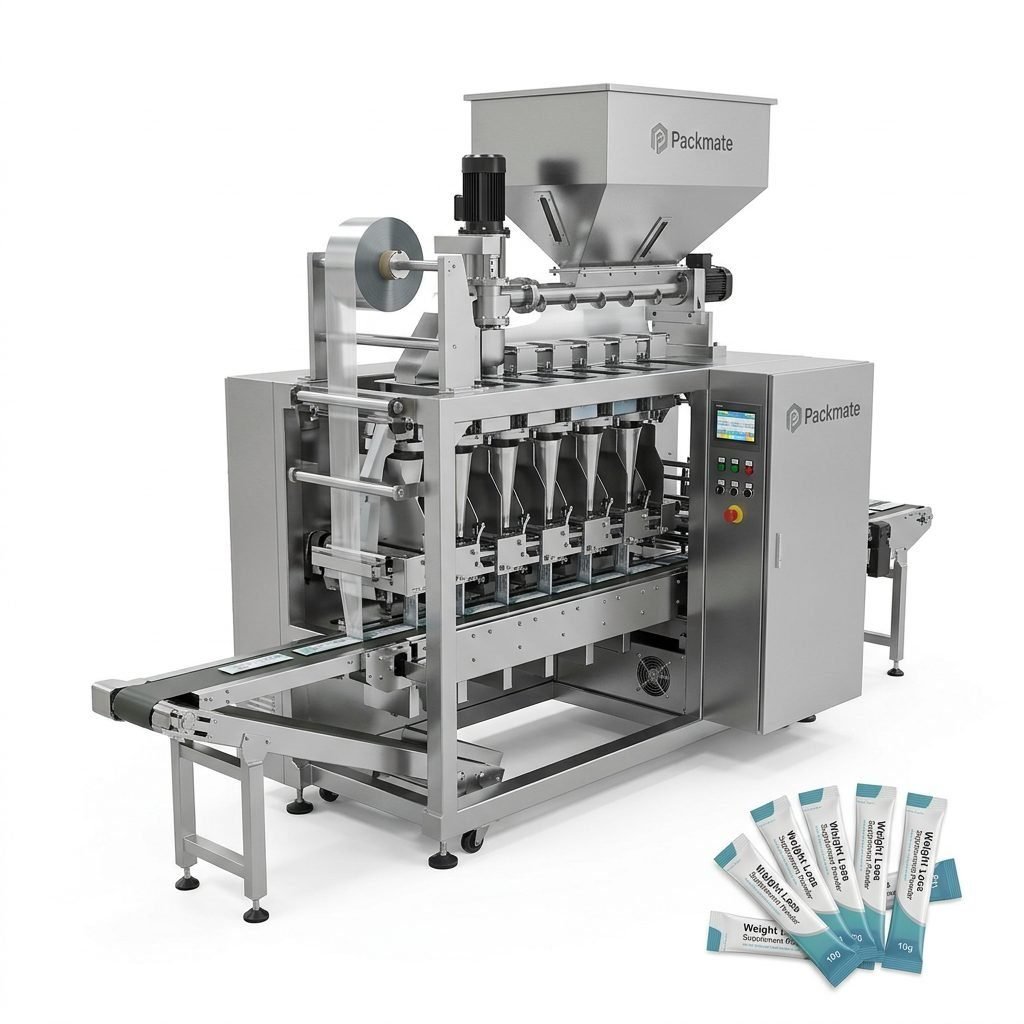
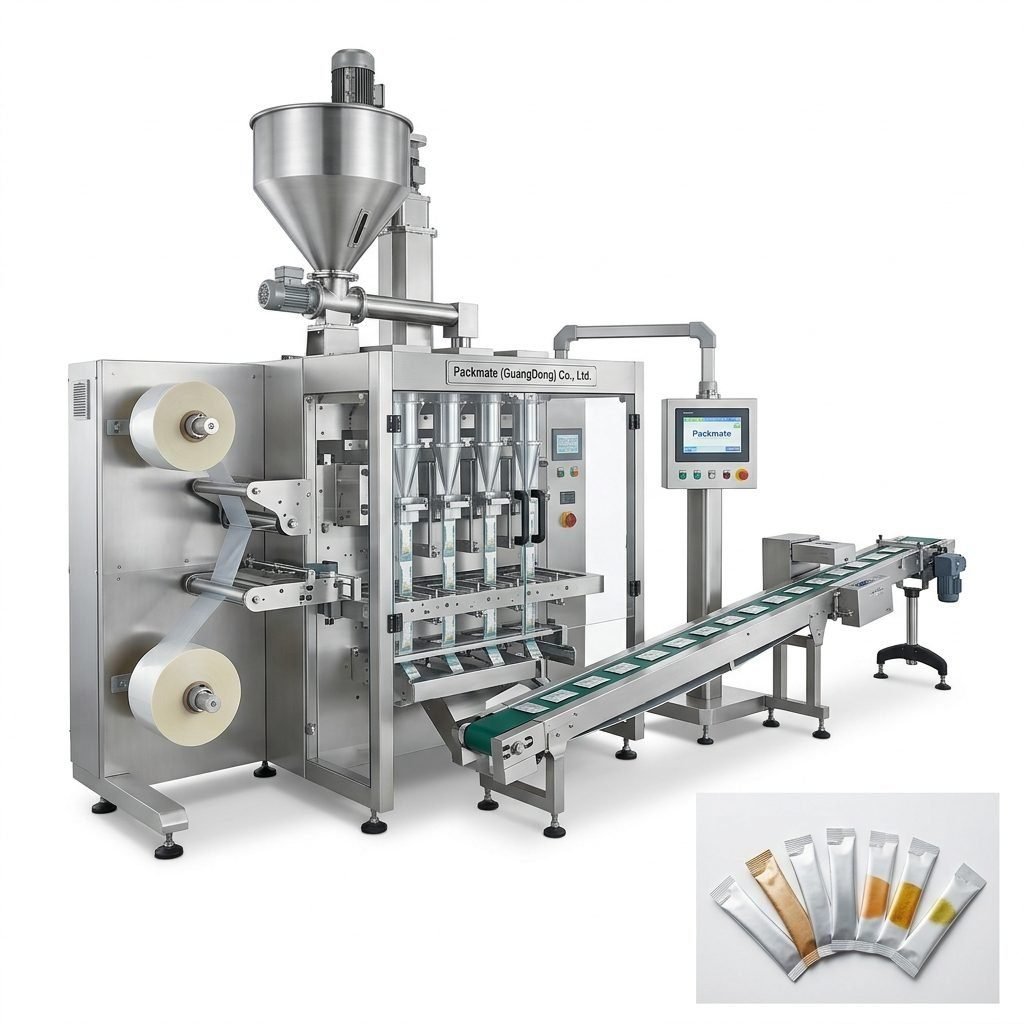
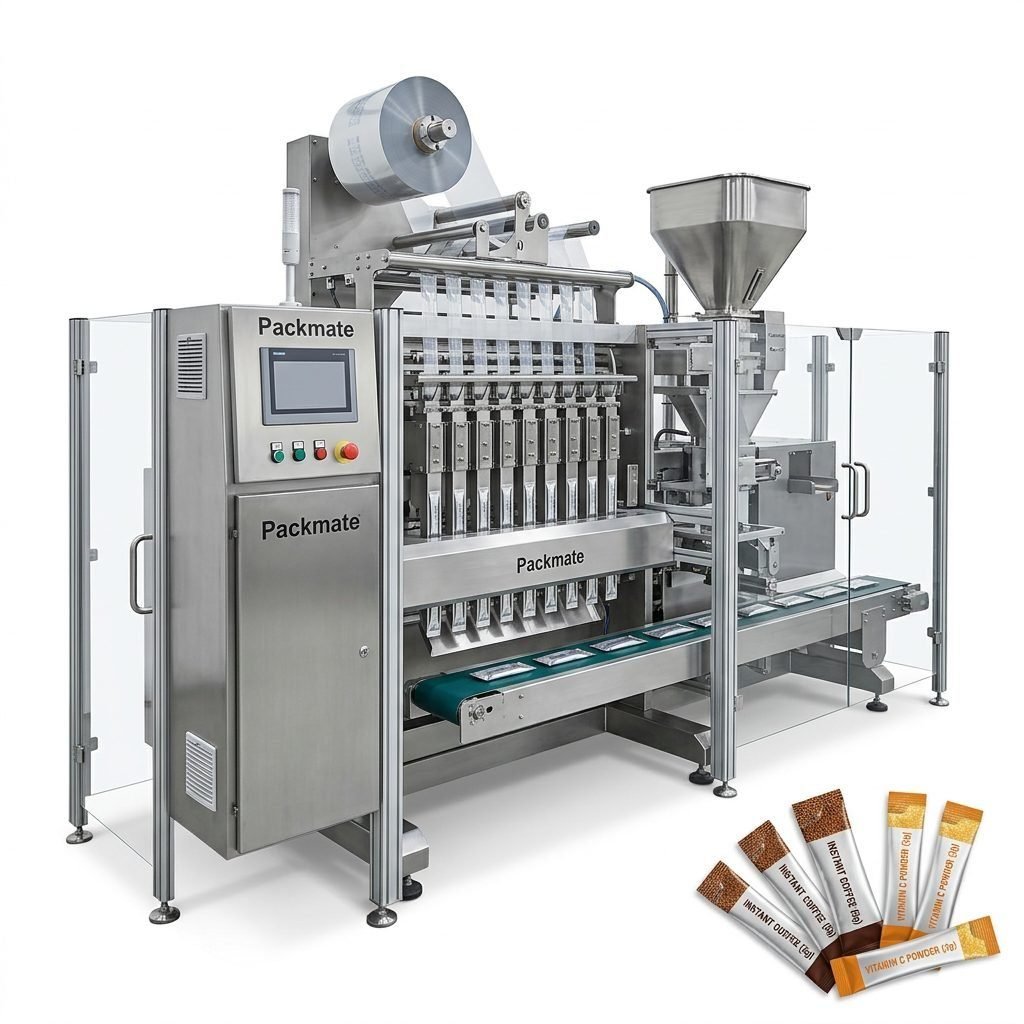
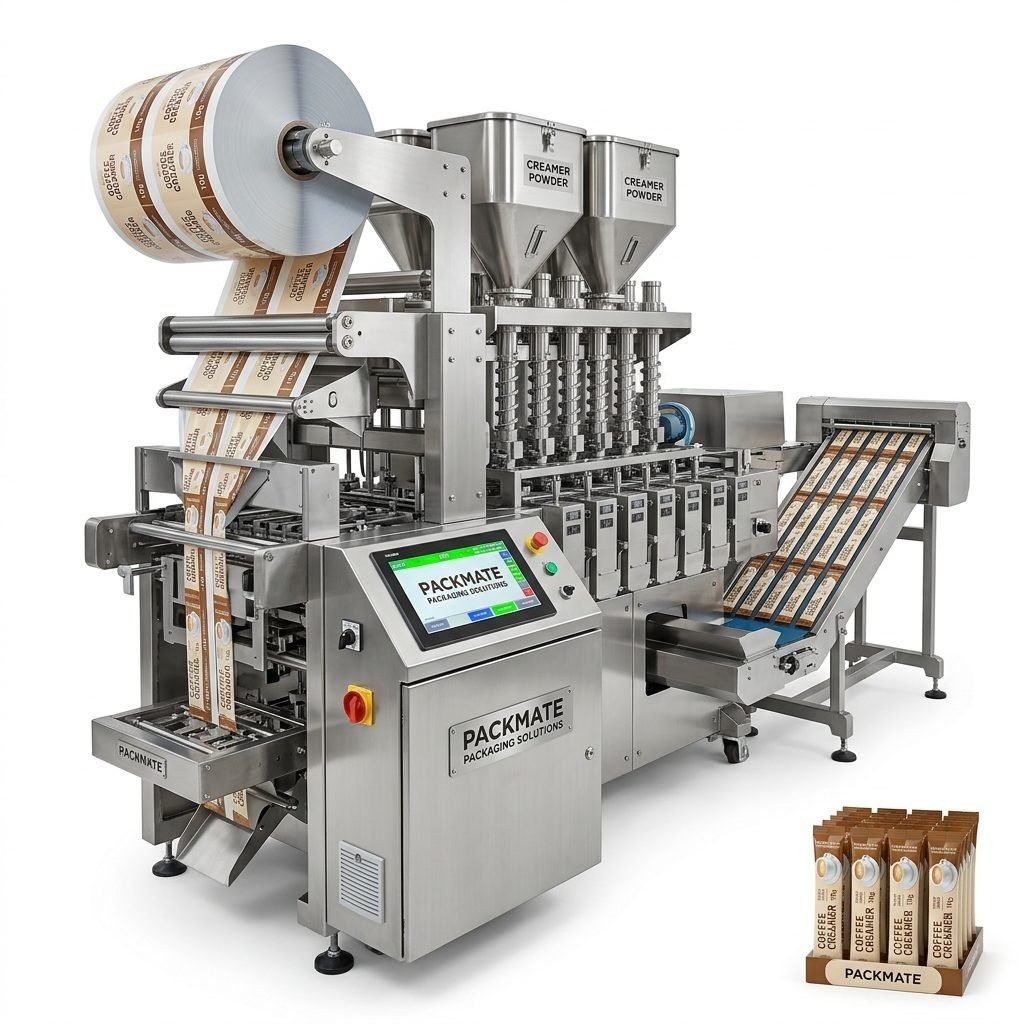
Selecting the right granola bar packaging machine is a critical decision for any manufacturer looking to scale production, ensure product freshness, and maintain a competitive edge in the market. This comprehensive guide will walk you through the different types of machines available, key features to consider, and essential buying tips to help you make an informed investment.
Understanding Granola Bar Packaging Needs
The primary goal of packaging is to protect the product from moisture, air, and physical damage while presenting it attractively to consumers. Granola bars, with their specific texture and ingredient composition, require packaging that maintains crunchiness and prevents staleness. An efficient packaging line must handle various bar shapes and sizes, from traditional rectangular bars to trendy bite-sized pieces, with consistent speed and accuracy.
Key Consideration: The choice of packaging material—often a multi-layered film with good barrier properties—is just as important as the machine itself. Your packaging machine must be compatible with your chosen material to ensure strong, airtight seals.
Core Types of Granola Bar Packaging Machines
The packaging process for granola bars typically involves wrapping individual bars. The main machine types are categorized by their feeding, forming, and sealing mechanisms.
Flow Wrap Machines (Horizontal Form-Fill-Seal)
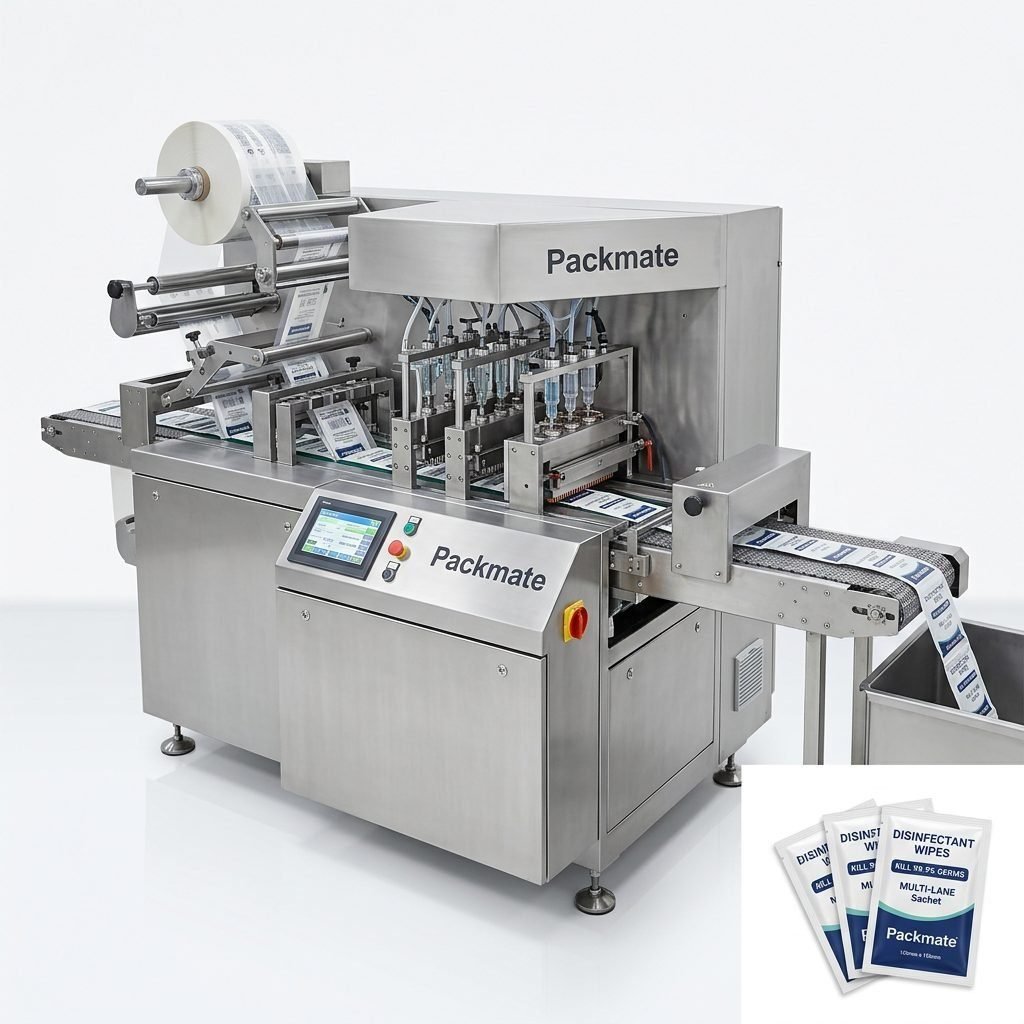
This is the most common type for individual bar wrapping. The machine forms a tube from a roll of film around the product, then makes longitudinal and end seals. It’s excellent for high-speed production and creates a neat, pillow-style pack. These machines are ideal for standard rectangular or round bars and offer great flexibility with printed film for branding.
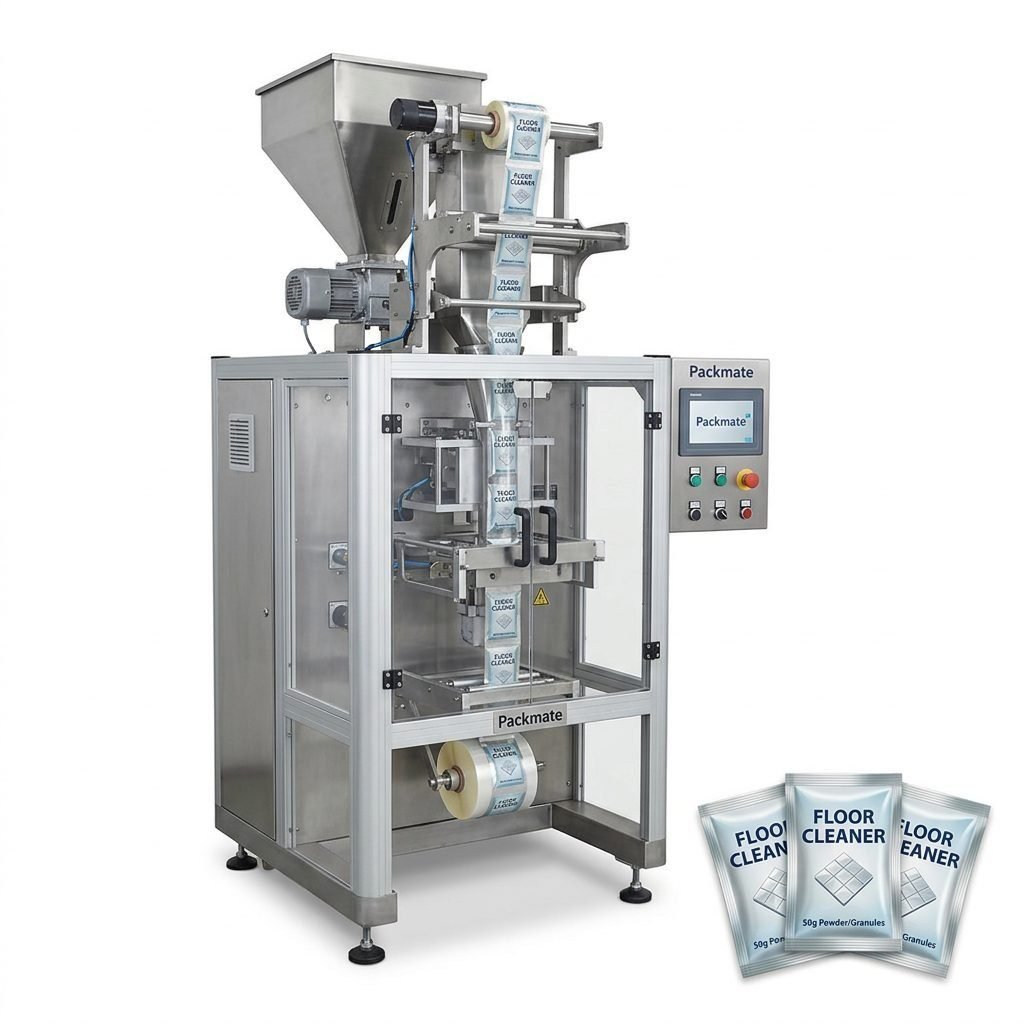
Vertical Form-Fill-Seal (VFFS) Machines
While more common for loose products like granola clusters or bites poured into pouches, some VFFS systems can be adapted for pre-formed bars that are dropped into bags. This method is less common for single bars but can be useful for multi-packs or variety packs where several bars are bagged together.
Shrink Wrapping Machines
Used primarily for bundling multiple individual bars into a multi-pack for retail sale. A shrink film sleeve is placed over the group of bars and heated, causing the film to tighten around the products. This provides excellent stability for transportation and display. For a complete line, you would need both a flow wrapper for individual bars and a shrink wrapper for bundling.
Integration with Upstream & Downstream Equipment
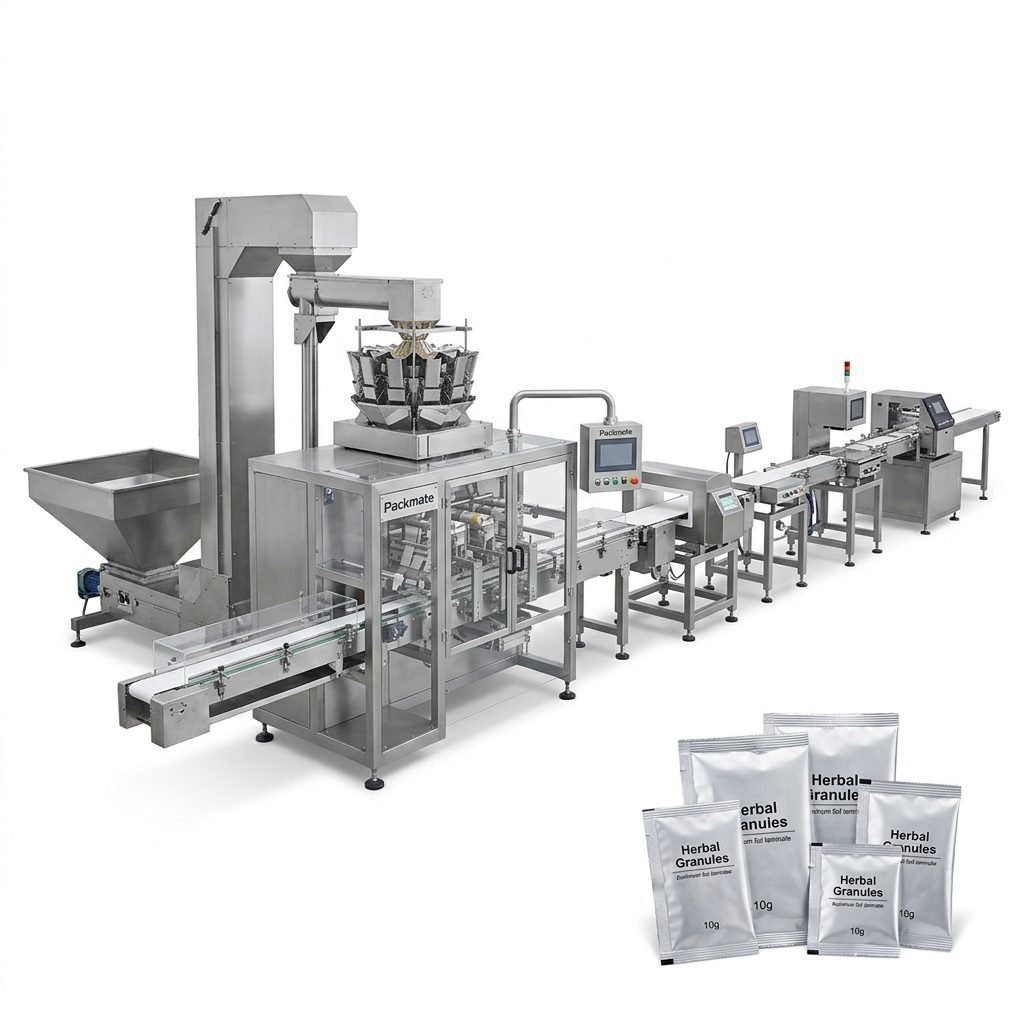
A standalone wrapper is just one part of the equation. A full packaging line might include:
- Cooling Tunnels: To set chocolate or yogurt coatings before wrapping.
- Conveyor Systems: To transport bars from production to packaging.
- Checkweighers & Metal Detectors: For quality control and safety.
- Cartoning Machines: To automatically load wrapped bars into boxes.
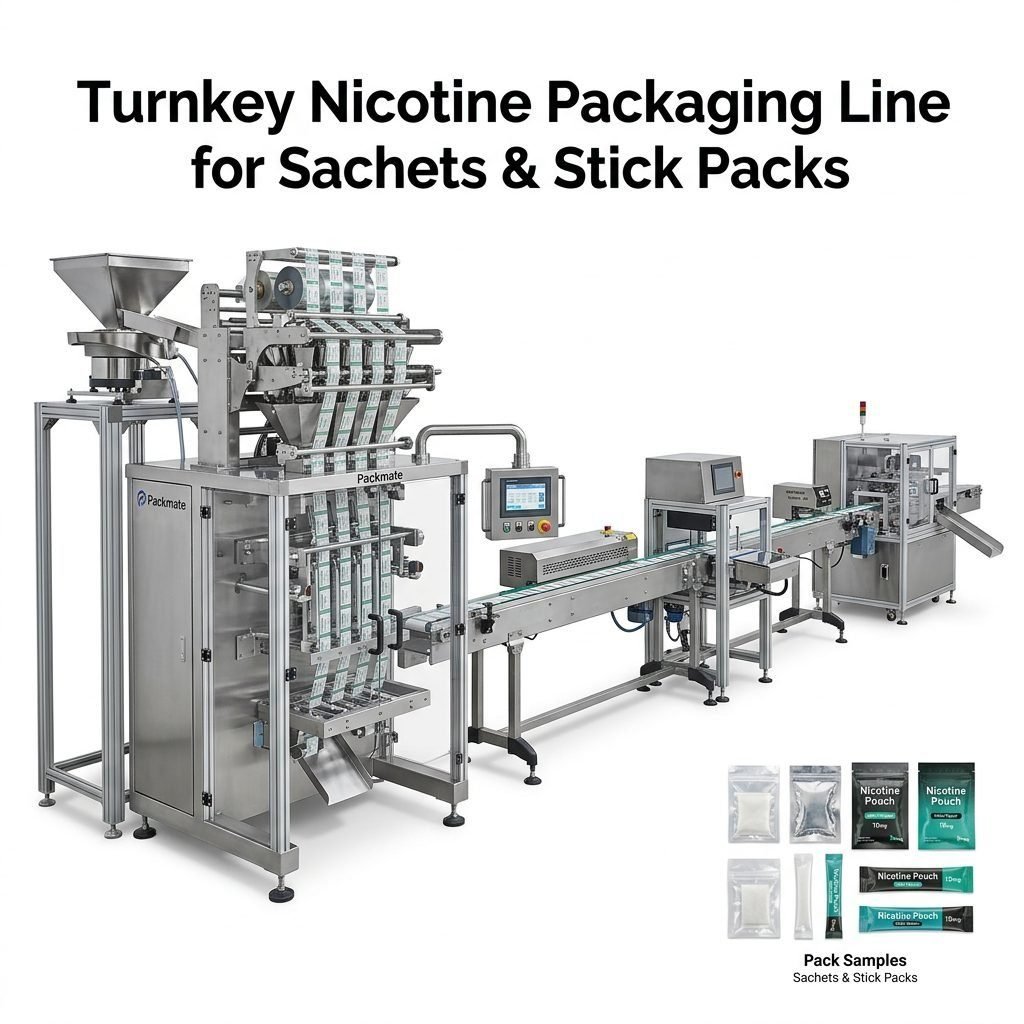
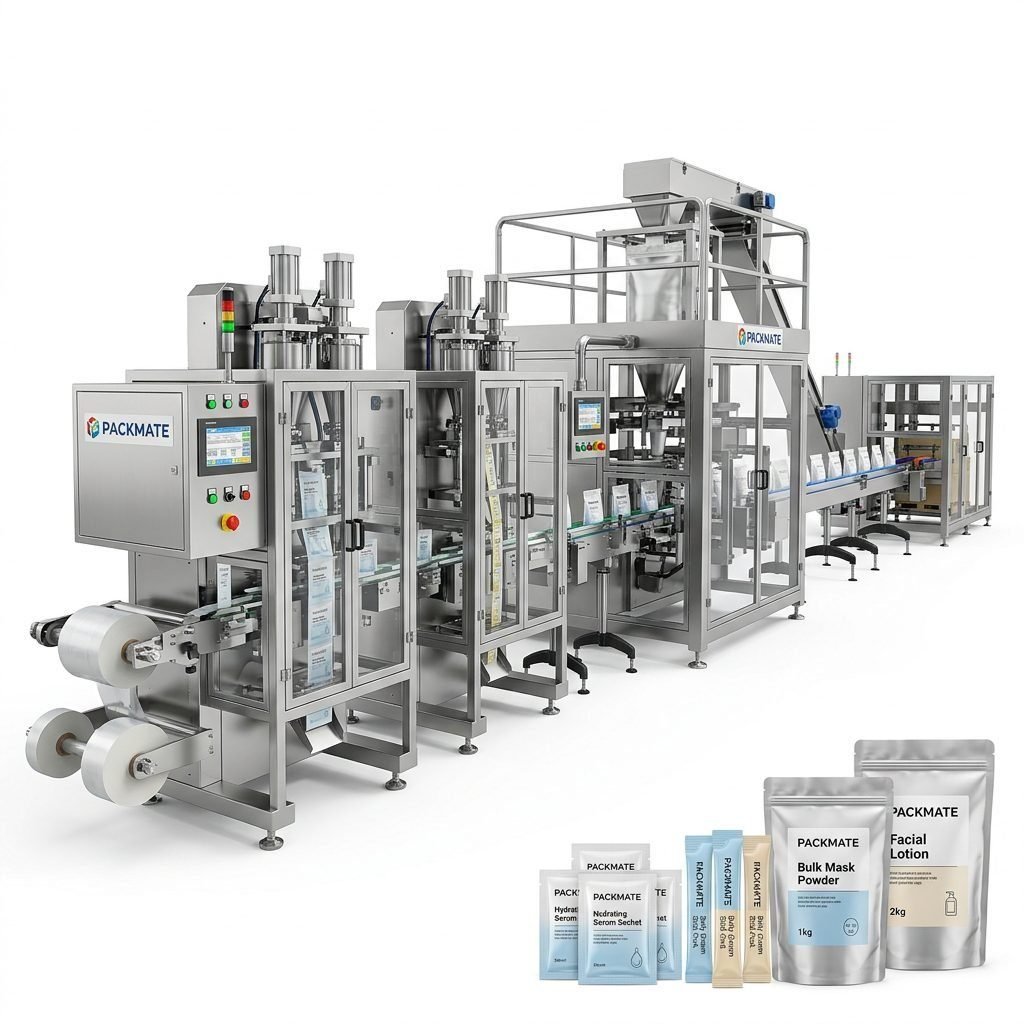
Companies like Packmate Machinery specialize in providing these integrated, turnkey solutions, ensuring all components work seamlessly together for maximum efficiency.
Critical Factors for Choosing Your Machine
Beyond the machine type, several technical and operational factors will determine the success of your investment.
1. Production Speed and Output
Speed is measured in packs per minute (PPM). Assess your current and future production volumes. A small bakery might need a machine running at 80-120 PPM, while a large-scale manufacturer may require equipment capable of 300+ PPM. Remember, theoretical maximum speed and consistent operational speed can differ based on product handling and changeover times.
2. Flexibility and Changeover
If you produce multiple bar sizes, shapes, or packaging styles, quick changeover is vital. Look for machines with tool-less or quick-change mechanisms for forming shoulders, sealing jaws, and feed systems. This minimizes downtime when switching products, making your operation more agile and cost-effective.
3. Seal Integrity and Quality
The sealing system is the heart of the package. Inspect the sealing technology—constant heat, impulse heat, or ultrasonic sealing. Each has advantages for different films. The machine must provide consistent temperature and pressure control to create strong, hermetic seals that won’t fail during transportation or shelf life.
4. Automation Level and Ease of Use
Modern machines feature PLC (Programmable Logic Controller) touchscreens for intuitive operation. Higher automation, such as automatic film splicing, fault detection, and production data tracking, reduces labor and improves consistency. Consider the skill level of your operators and the availability of training from the supplier.
5. Hygiene and Cleanability
Food safety is non-negotiable. The machine should have a sanitary design with smooth, stainless steel surfaces where possible, minimal crevices, and easy access for cleaning. Machines compliant with industry standards are essential for passing audits and maintaining brand reputation.
The Importance of Supplier Support
Your relationship with the machine manufacturer doesn’t end at purchase. A reliable supplier like Packmate, with over 30 years of expertise, provides invaluable support:
Technical Support & Spare Parts: Ensure they have a responsive team and a readily available inventory of spare parts to minimize downtime.
Installation & Training: Professional on-site setup and comprehensive operator training are crucial for a smooth start-up.
Warranty & Service Contracts: Clear warranty terms and available service contracts provide long-term peace of mind and predictable maintenance costs.
Essential Buying Tips for Your Investment
Navigating the purchase process strategically can save significant time and capital.
Define Your Requirements Precisely: Create a detailed specification sheet covering product dimensions, packaging material, desired output, factory floor space, and available utilities (power, air supply).
Request Live Demonstrations: Never buy based on brochures alone. Arrange to see the machine run, preferably with a product similar to yours. Pay attention to noise levels, ease of operation, and finished package quality.
Evaluate Total Cost of Ownership (TCO): Look beyond the initial price. Factor in energy consumption, maintenance costs, expected lifespan, and the cost of consumables like sealing jaws. A slightly higher upfront cost for a more robust and efficient machine often leads to lower TCO.
Check References and Case Studies: Ask the supplier for references from companies with similar applications. Reviewing their project cases can provide real-world evidence of their capability and reliability in the snack and granola bar sector.
Consider Future-Proofing: Invest in a machine that can grow with your business. Can it handle slightly different products? Is the control system capable of integrating with factory IoT or data collection systems? Planning for scalability protects your investment.
Frequently Asked Questions (FAQs)
1. What is the typical price range for a granola bar flow wrapping machine?
Prices vary widely based on speed, automation, and brand. Entry-level machines can start around $20,000, while high-speed, fully automated lines from leading manufacturers can exceed $150,000. It’s essential to get detailed quotes based on your specific requirements.
2. Can one machine handle both granola bars and protein bars?
Yes, provided the size and shape are similar. The key is the machine’s flexibility in adjustment. Machines designed for quick changeover can switch between different bar types with minimal downtime, making them ideal for producers with diverse product lines.
3. How do I ensure my packaging is sustainable?
This involves two aspects: the machine and the material. Choose a machine that is energy-efficient. More importantly, select a machine compatible with newer, sustainable films like compostable or recyclable mono-materials. Discuss material options with your film supplier and ensure your machine’s sealing parameters can be finely tuned for these often more delicate materials.
4. What are the most common maintenance issues with these wrappers?
Common issues include seal integrity problems (due to worn heating elements or dirty jaws), film tracking errors, and product misalignment at the infeed. A robust preventive maintenance schedule—daily cleaning, weekly inspections, and periodic part replacement as recommended by the manufacturer—is the best way to avoid unplanned stoppages.
5. Where can I see these machines in operation before buying?
Reputable manufacturers often have demonstration facilities. You can also visit industry trade shows where companies like Packmate showcase their latest packaging technology. Additionally, asking a supplier for a site visit to an existing customer (with permission) can provide invaluable insights into real-world performance and support.