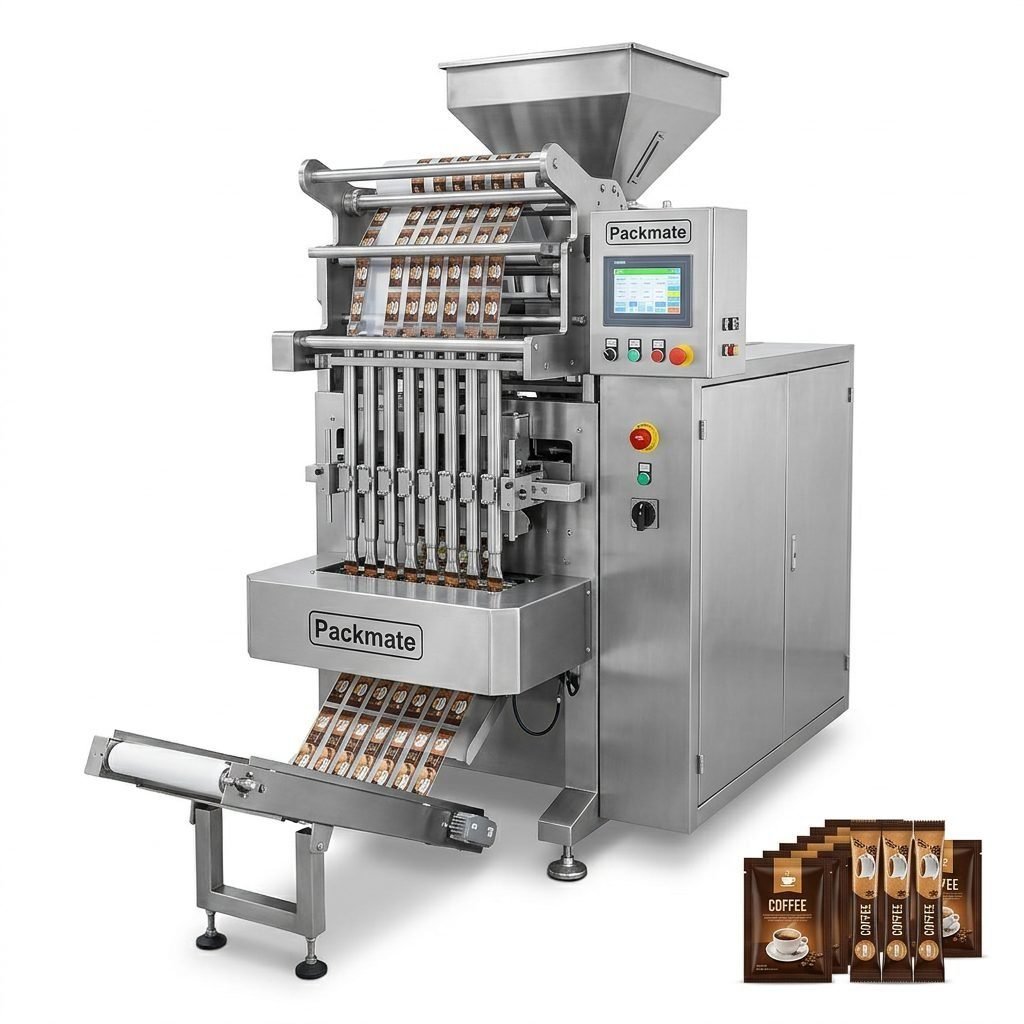
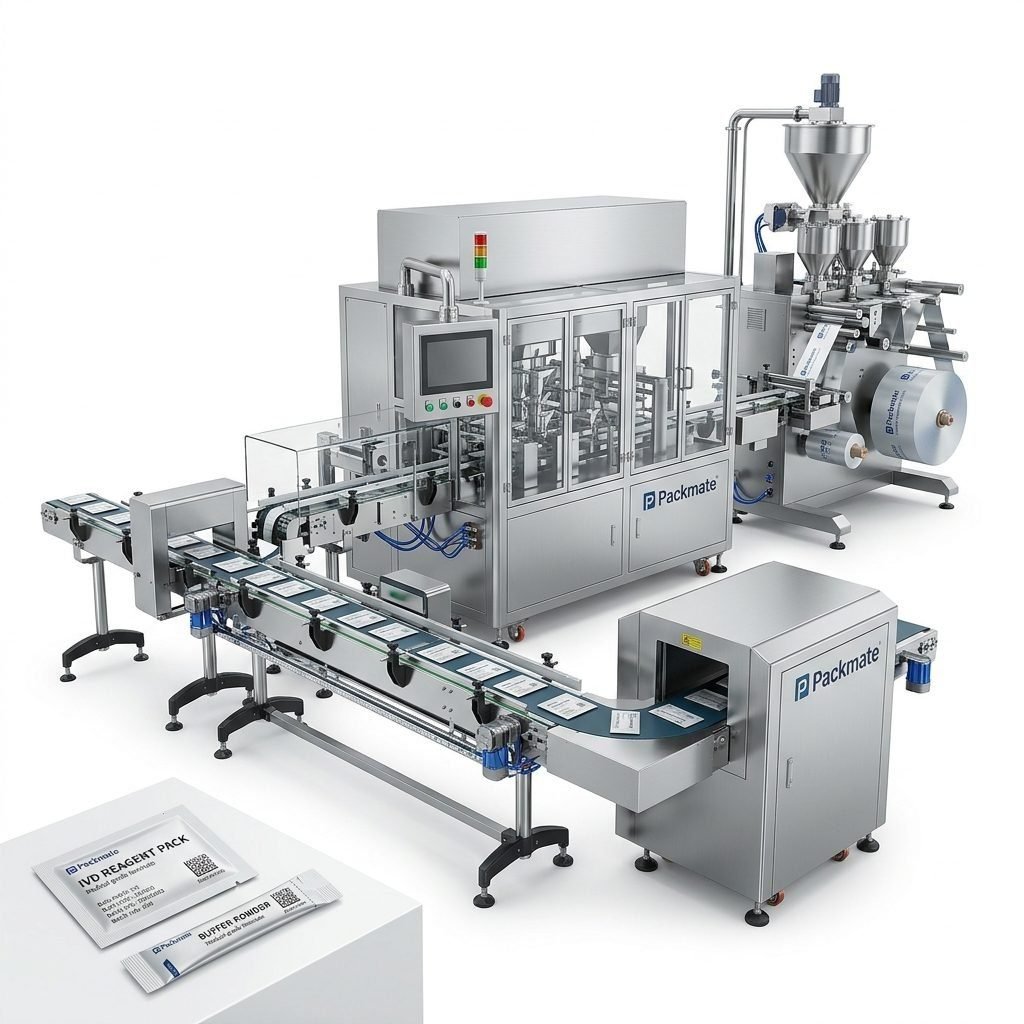
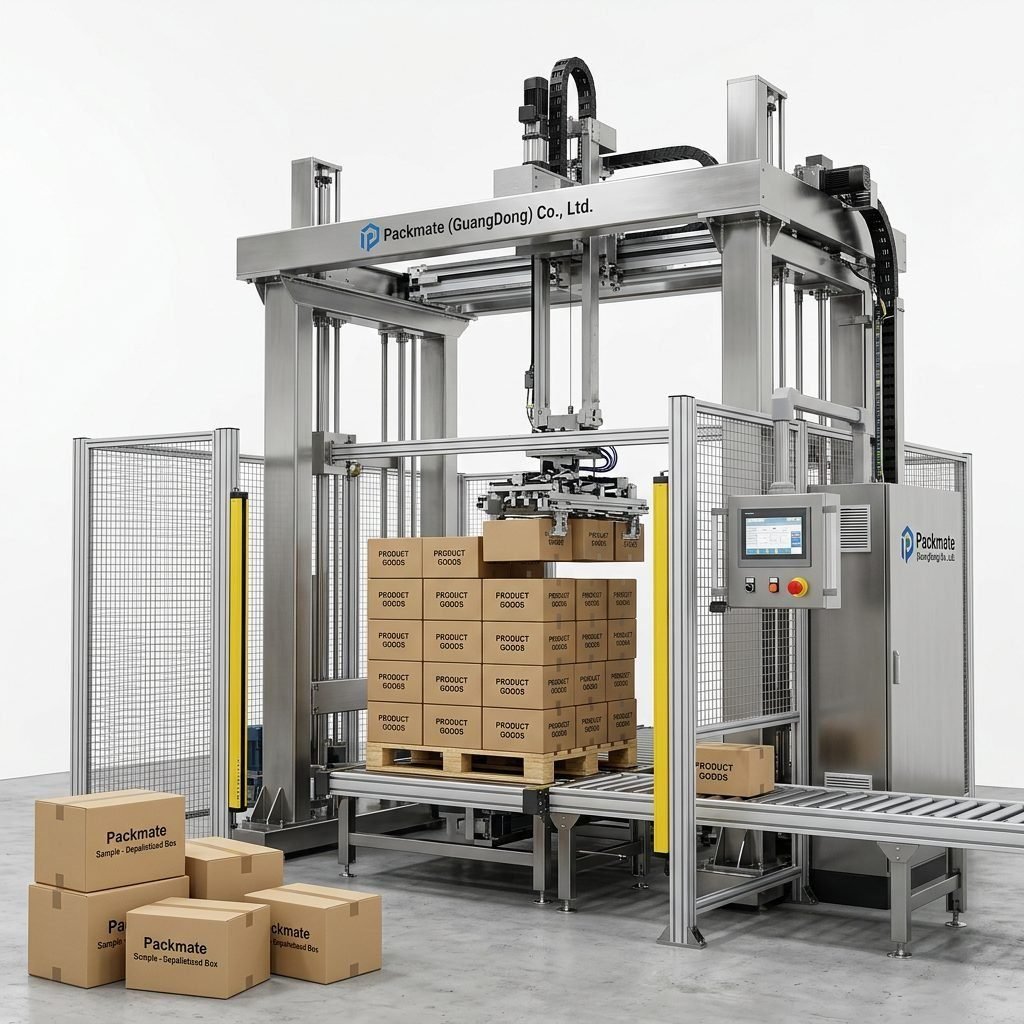
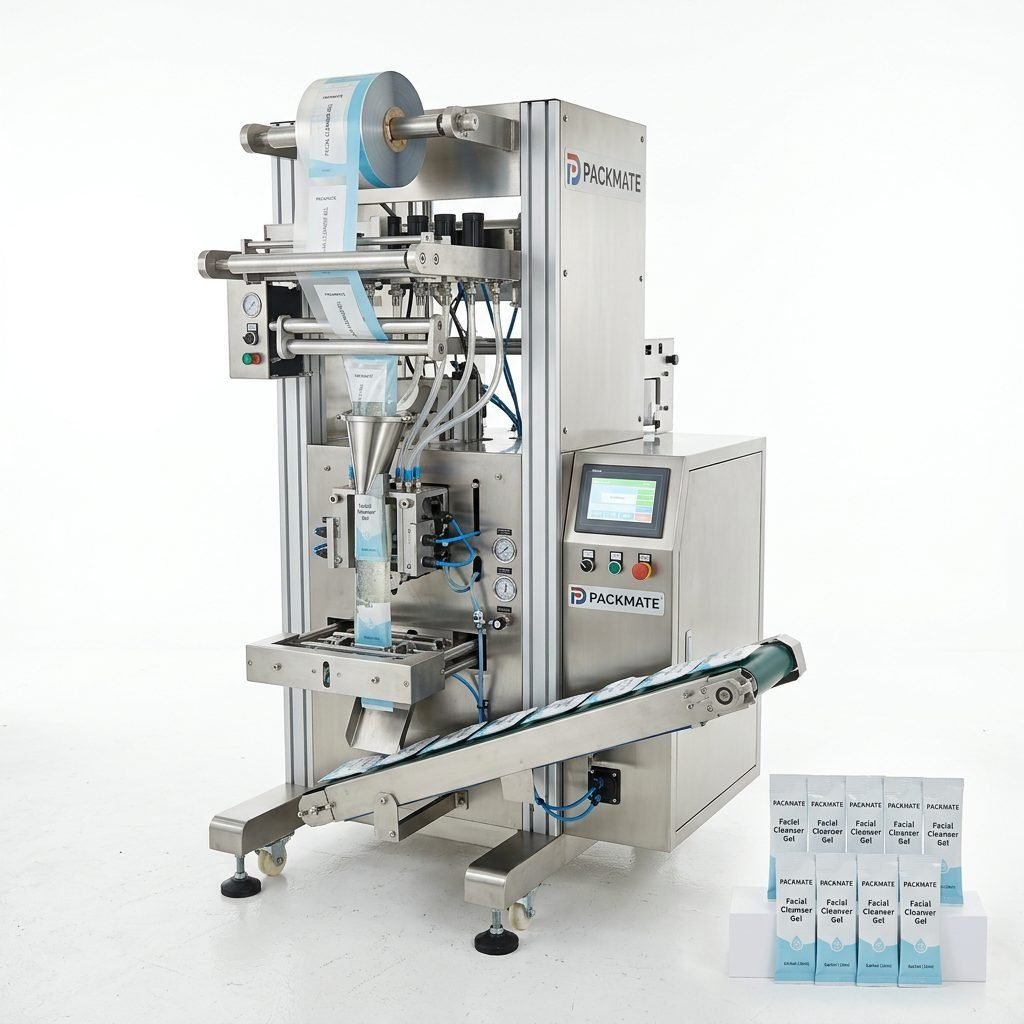
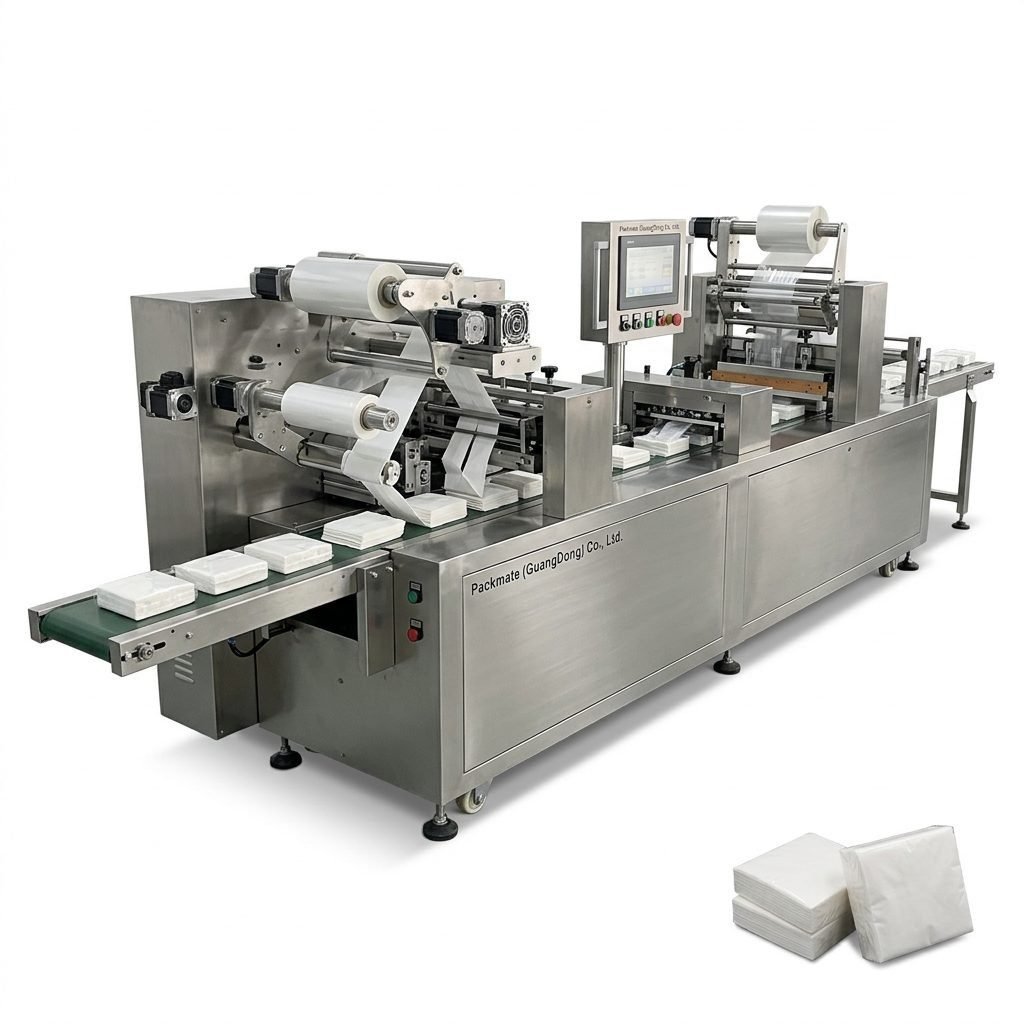
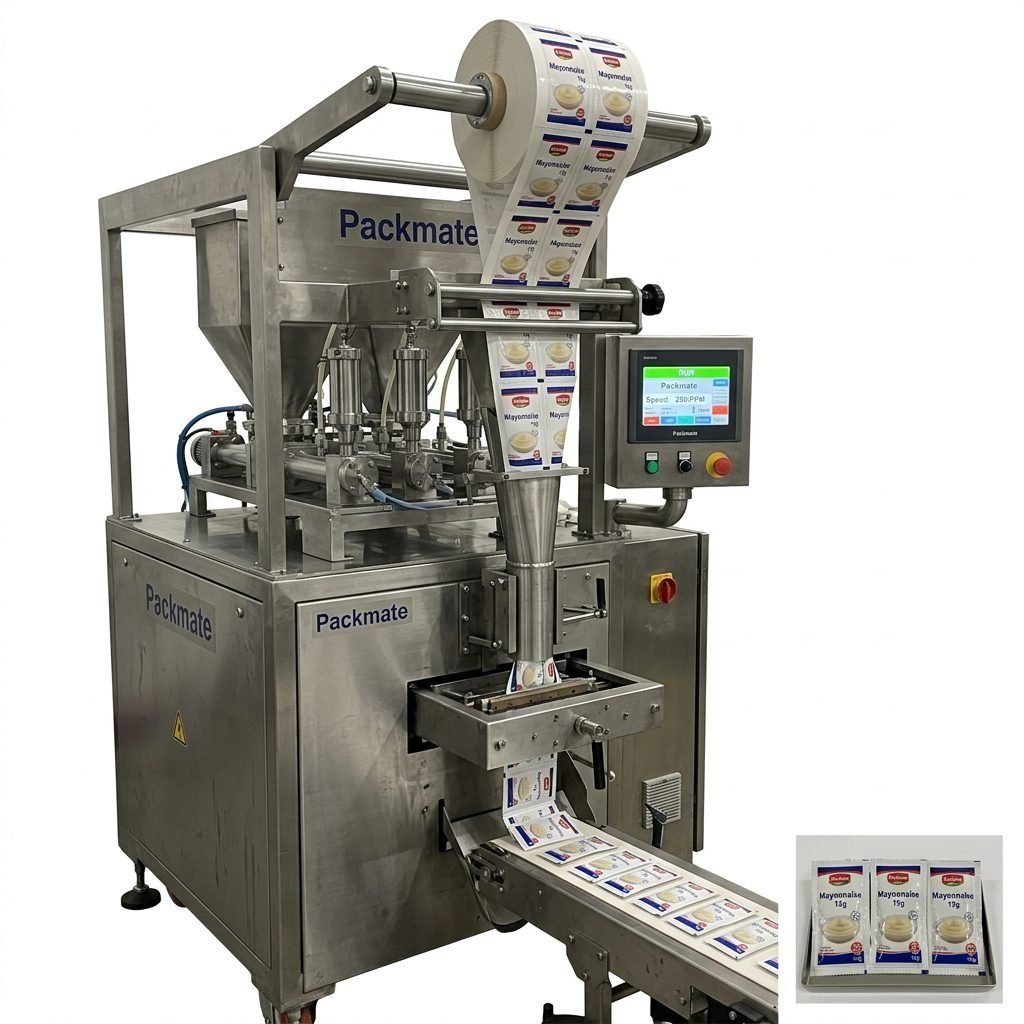
In the intricate world of automated packaging, the humble conveyor belt is a critical yet often overlooked component. These belts are the workhorses of packaging machinery, responsible for the precise movement, positioning, and transfer of products through various stages of the packaging line. A failure here can lead to costly downtime, product damage, and compromised output quality. This comprehensive guide delves into the essential aspects of packaging machine belts, covering their common types, best practices for maintenance, and a clear guide for timely replacement, ensuring your operations run smoothly and efficiently.
Common Types of Packaging Machine Belts
Selecting the right belt is paramount for optimal machine performance and product safety. The choice depends on factors like product type, weight, required speed, and the specific environment (e.g., food-grade, high-temperature).
Flat Transmission Belts
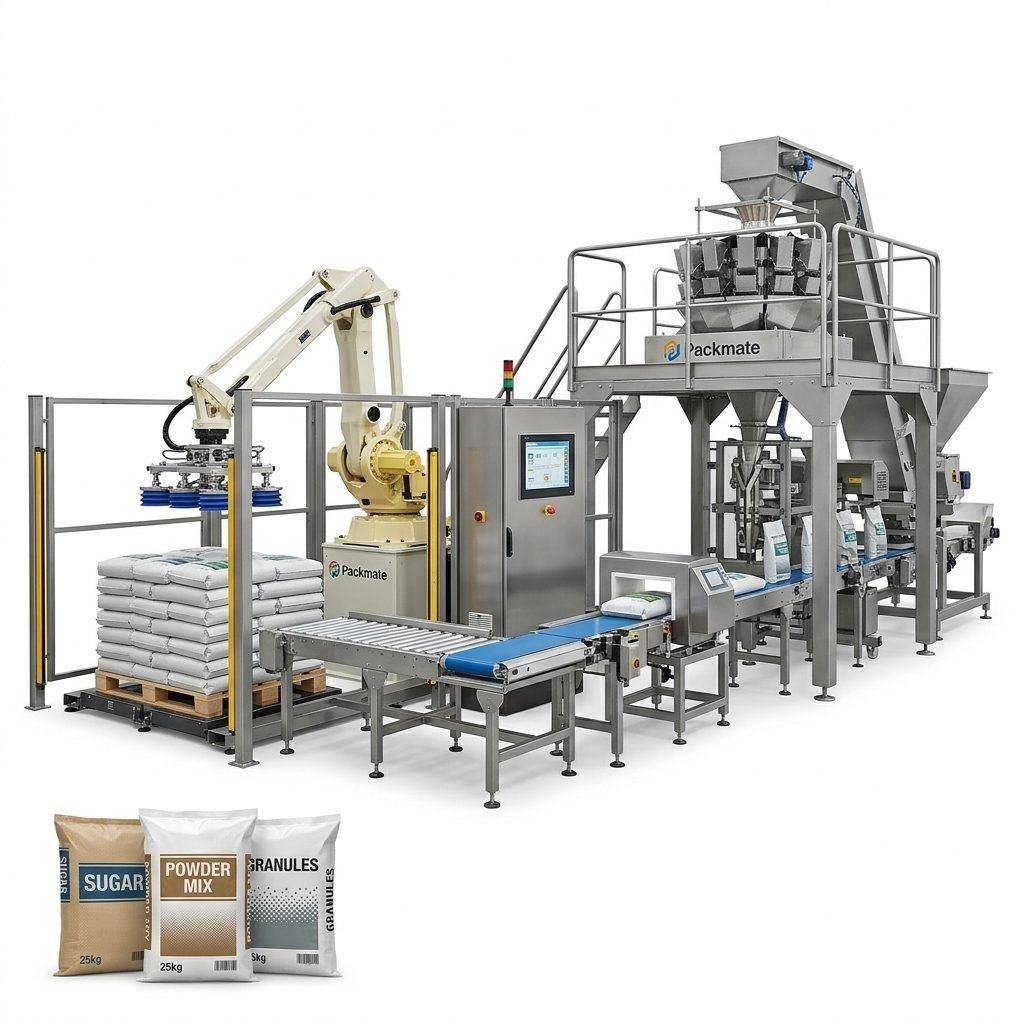
These are the most common type, used for general-purpose conveying of packaged boxes, cartons, or containers. Made from materials like rubber, PVC, or polyurethane, they provide a stable, continuous surface. For heavy-duty applications within a complete filling & packaging line, reinforced belts with fabric or steel cords are often employed.
Modular Plastic Belts
Ideal for applications requiring drainage, airflow, or easy cleaning, such as in food packaging or bottling lines. These belts are constructed from interlocking plastic modules, making them highly durable, resistant to corrosion, and easy to repair by replacing individual sections.
Timing Belts (Synchronous Belts)
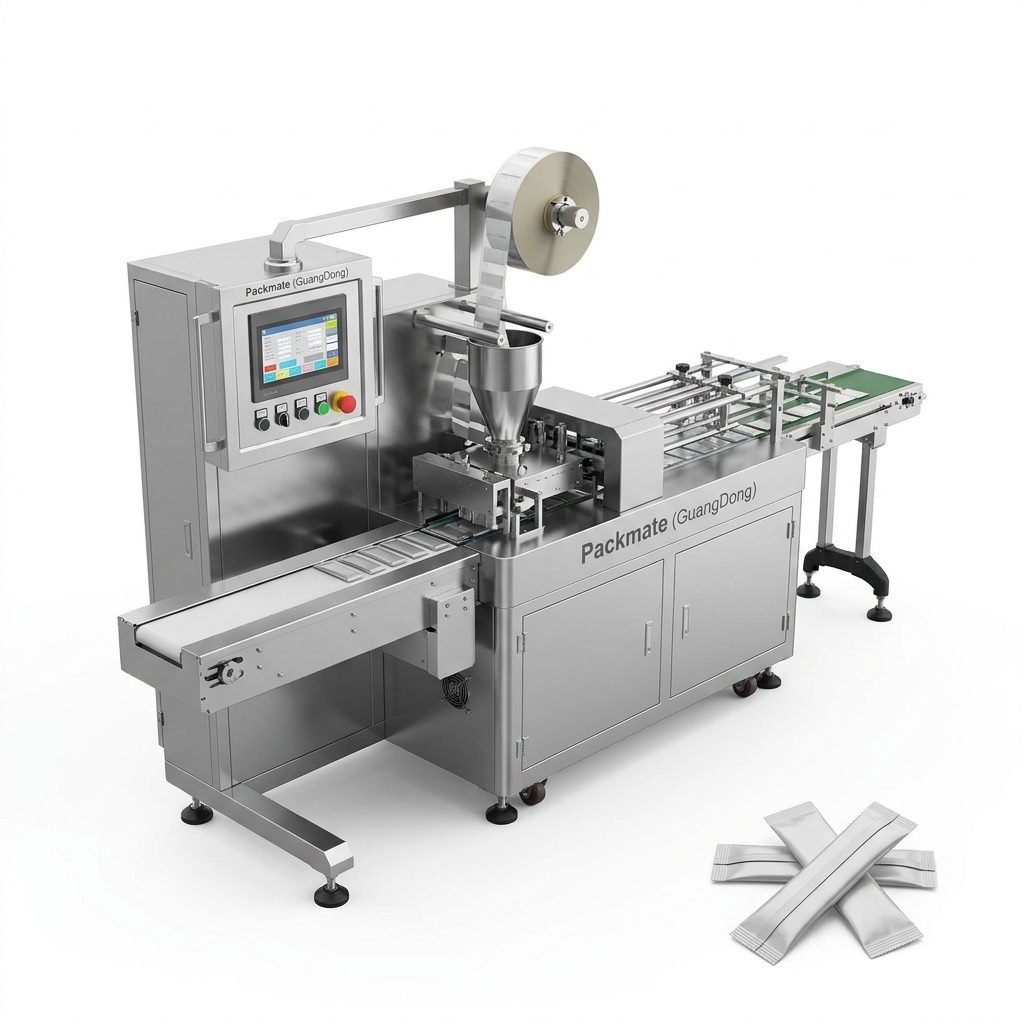
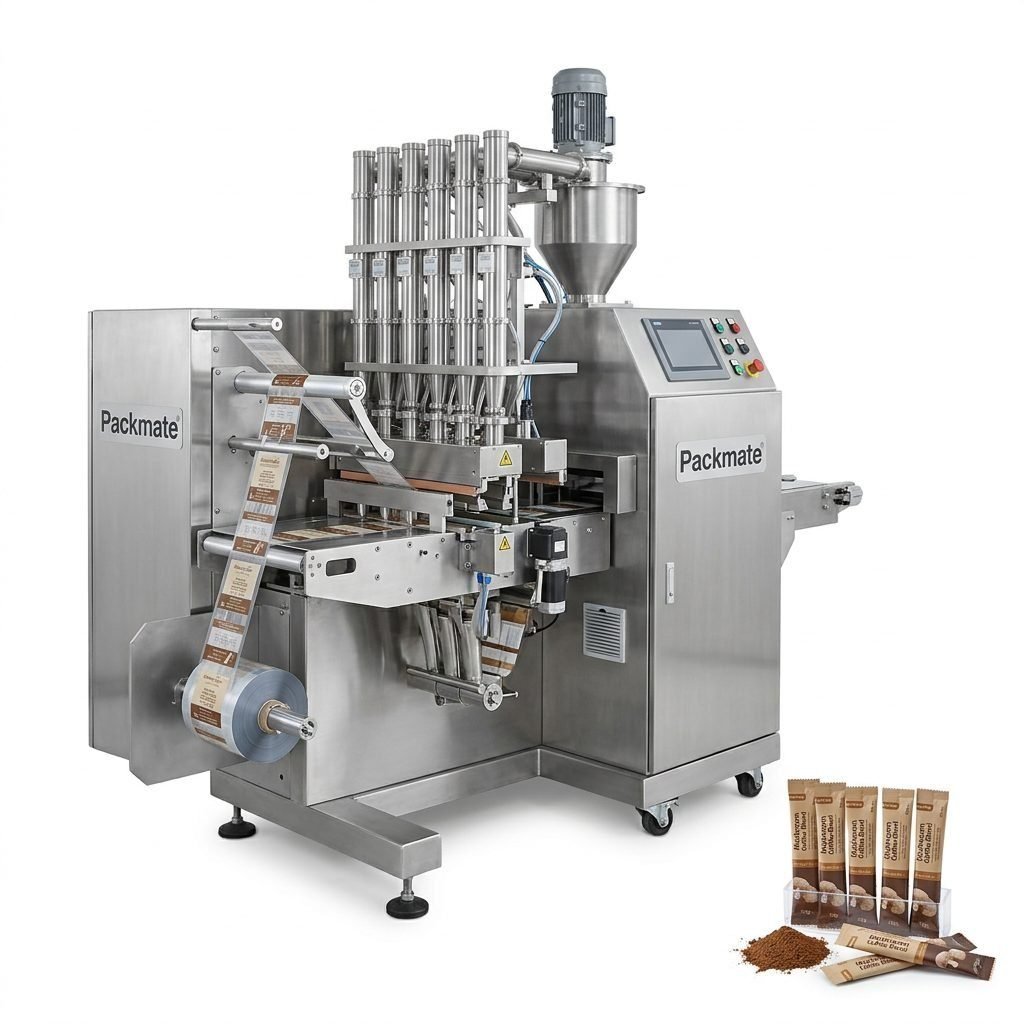
These belts have teeth on their inner surface that mesh with pulleys to provide positive, non-slip drive and precise positioning. They are crucial in machines where synchronized movement is essential, such as in indexing operations on a sachet & stick pack machine where the film must be advanced at exact intervals.
Specialty Belts: Food-Grade & High-Temperature
For food, pharmaceutical, or health product packaging, belts must meet stringent hygiene standards. Food-grade belts are made from FDA-approved materials like white polyurethane or silicone, featuring smooth, non-porous surfaces that resist bacterial growth and are easy to sanitize. High-temperature belts, often made from fiberglass or Teflon-coated fabrics, are used in machinery that involves heat sealing or sterilization processes.
Essential Maintenance Practices for Longevity
Proactive maintenance is the key to maximizing belt life and preventing unplanned stoppages. A well-maintained belt ensures consistent performance and protects your investment in sophisticated packing machinery.
Daily and Weekly Checks
Visual Inspection: Look for signs of wear, cuts, fraying edges, or material degradation. Check for product buildup or residue that could affect grip or hygiene.
Tension Check: Improper tension is a leading cause of failure. A belt that is too tight increases bearing load; one that is too loose can slip or track poorly. Refer to the machine manual for proper tension specifications.
Tracking Adjustment: Ensure the belt runs centered on the pulleys. Most systems have tracking adjustment mechanisms that should be used to correct minor drifts.
Cleaning and Lubrication
Regular cleaning prevents abrasive debris from damaging the belt and pulley surfaces. Use appropriate cleaners that won’t degrade the belt material. Important: Most conveyor belts do not require lubrication on their carrying surface, as this can attract dirt and cause slippage. However, always follow the manufacturer’s guidelines for pulley bearings and drive components.
Scheduled Professional Inspection
Incorporate belt inspection into your overall equipment maintenance schedule. Technicians should check for hidden wear, assess pulley alignment with precision tools, and evaluate the health of splices or joints. Companies like Packmate Machinery, with over 30 years of expertise, often provide comprehensive service plans that include such critical inspections for their weighing & packaging systems and other equipment.
When and How to Replace Packaging Belts
Recognizing the signs of wear and executing a proper replacement are crucial skills for any maintenance team.
Signs It’s Time for a Replacement
- Excessive Wear or Thinning: Visible cracks, glazing, or a significant reduction in belt thickness.
- Loss of Grip or Slippage: Persistent slipping even after tension adjustment, leading to inaccurate product placement.
- Tracking Failures: The belt consistently runs off-track despite adjustments, indicating permanent deformation or edge damage.
- Material Degradation: For food-grade belts, any loss of surface integrity, cracking, or discoloration that compromises cleanability.
- Broken Cords or Modules: Visible structural failure in reinforced or modular belts.
Step-by-Step Replacement Guide
1. Safety First: Lock out and tag out the machine’s power source completely.
2. Documentation: Take photos or notes of the belt routing and tensioner positions before disassembly.
3. Relieve Tension: Use the tensioning mechanism to fully slacken the old belt.
4. Remove the Old Belt: Carefully slide the belt off the pulleys. Avoid using sharp tools that could damage the pulley surfaces.
5. Clean and Inspect: Thoroughly clean all pulleys, shafts, and the machine frame. Inspect pulleys for wear, damage, or misalignment.
6. Install the New Belt: Route the new belt exactly as the old one was, ensuring it is not twisted.
7. Apply Tension: Gradually apply tension to the manufacturer’s specification. Avoid over-tightening.
8. Test Run: Restore power and run the machine briefly at low speed. Check tracking and listen for unusual noises. Make fine adjustments as needed.
Pro Tip: Always source replacement belts from the original equipment manufacturer (OEM) or a certified distributor. OEM belts, like those for Packmate machines, are engineered to exact specifications for fit, performance, and durability, ensuring compatibility and preserving your machine’s warranty.
Frequently Asked Questions (FAQs)
How often should packaging machine belts be replaced?
There is no universal timeline. Replacement frequency depends on usage hours, product abrasiveness, belt type, and maintenance quality. Regular inspection is more important than a fixed schedule. A belt showing significant wear or performance issues should be replaced immediately.
Can I use a generic belt instead of an OEM-specific one?
While sometimes possible, it is not recommended. Generic belts may have slightly different dimensions, tensile strength, or surface properties, which can lead to tracking problems, premature wear, or even damage to other machine components. For optimal performance and safety, OEM belts are the best choice.
What is the most common cause of premature belt failure?
Improper tension is the leading cause. Both over-tensioning and under-tensioning create excessive stress and wear. Other common causes include misaligned pulleys, accumulation of debris, and using a belt not suited for the specific application (e.g., using a non-food-grade belt in a food environment).
How do I clean a food-grade packaging belt?
Use warm water with a mild, food-safe detergent. Avoid harsh chemicals, abrasive pads, or high-pressure sprays that can damage the belt surface. For sanitization, use approved food-grade sanitizers. Always ensure the belt is completely dry before restarting production to prevent slippage and microbial growth.
My new belt is tracking to one side. What should I do?
First, ensure the belt is properly installed and not twisted. Then, use the machine’s tracking adjustment mechanism (usually a screw on one of the end pulley bearings) to make very small adjustments while the belt is running at low speed. Adjust in the direction opposite to the side the belt is running toward. If tracking problems persist, the pulleys themselves may be misaligned or worn, requiring professional service.