In the fast-paced world of consumer goods, efficiency and presentation are paramount. For products like instant coffee, sugar, spices, supplements, and pharmaceuticals, the stick pack has become a globally recognized and convenient format. This rise in popularity has driven significant demand for reliable, high-speed stickpack packaging machines. Choosing the right equipment is a critical business decision that impacts productivity, product integrity, and ultimately, your bottom line. This comprehensive guide will explore the types and uses of these machines and provide a detailed buying guide to help you make an informed investment.
Understanding Stick Pack Packaging Machines
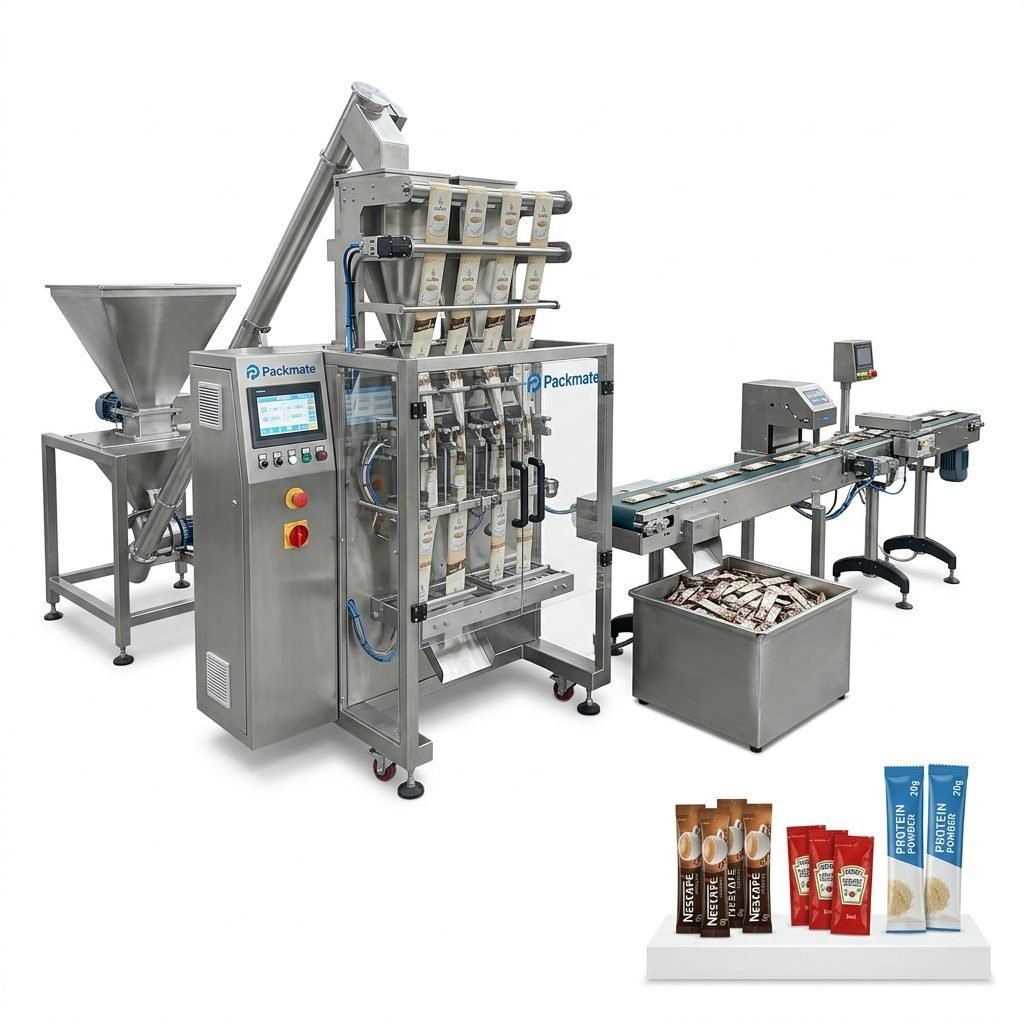
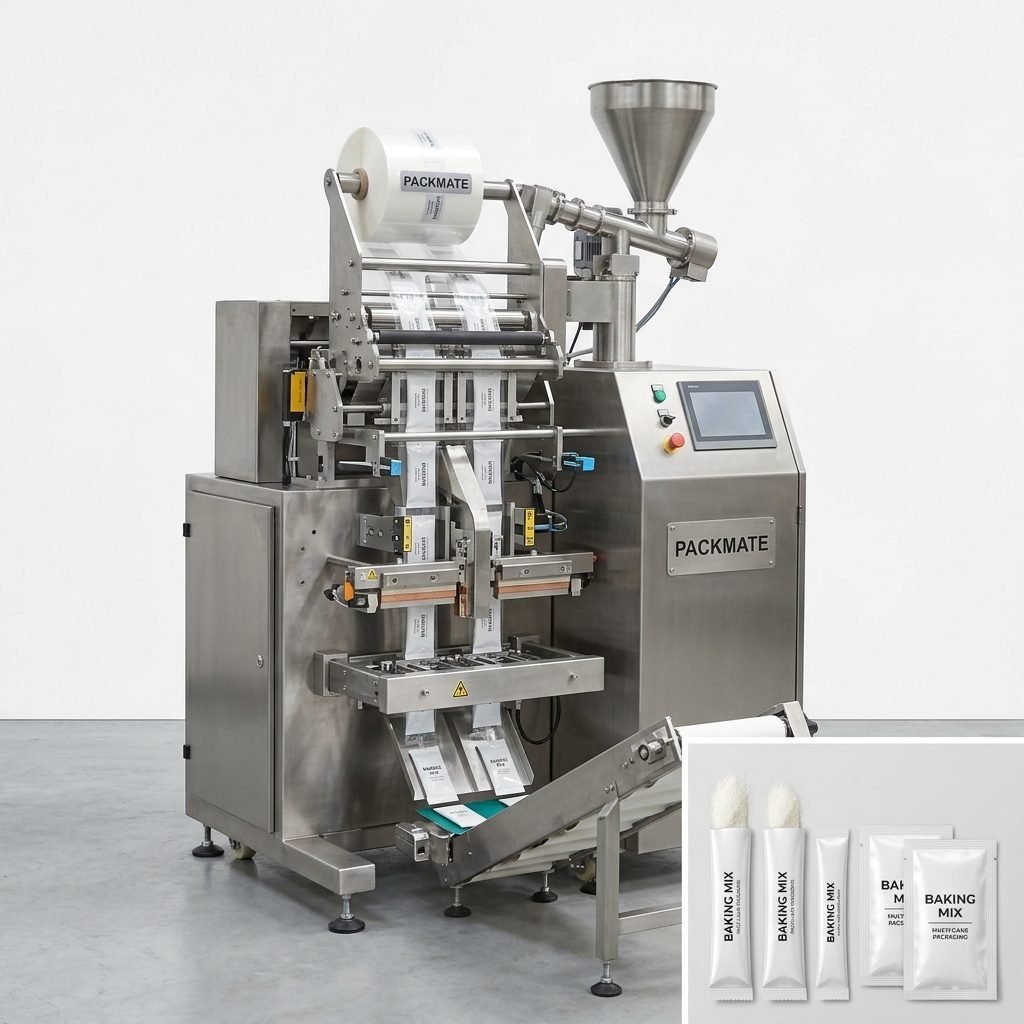
A stick pack packaging machine is a specialized form of vertical form-fill-seal (VFFS) equipment designed to create long, narrow, and typically flat pouches. The process involves forming a tube from a roll of packaging film, filling it with a precise dose of product, and then sealing it at both ends and along the back seam. The result is a sleek, portable, and user-friendly single-serve package.
Core Advantages of Stick Pack Machines
Space and Material Efficiency: The slim design minimizes material usage and reduces storage and shipping costs compared to bulkier packaging.
Product Protection: High-quality seals provide an excellent barrier against moisture, air, and contaminants, extending shelf life.
Consumer Convenience: Easy to tear open and use, stick packs align perfectly with modern on-the-go lifestyles.
Branding Opportunity: The large, flat surface area offers ample space for vibrant printing and brand messaging.
High-Speed Production: Modern multi-lane machines can produce thousands of stick packs per hour, making them ideal for large-scale operations.
Primary Types of Stickpack Packaging Machines
The market offers various machines tailored to different production scales and product types. Understanding these categories is the first step in your selection process.
1. Single-Lane Stick Pack Machines
As the name suggests, these machines operate with one forming tube and filling lane. They are the entry-level option, perfect for startups, small businesses, or R&D departments with lower output requirements. They offer a lower initial investment and are easier to operate and maintain, making them an excellent choice for testing market viability or producing niche, low-volume products.
2. Multi-Lane Stick Pack Machines
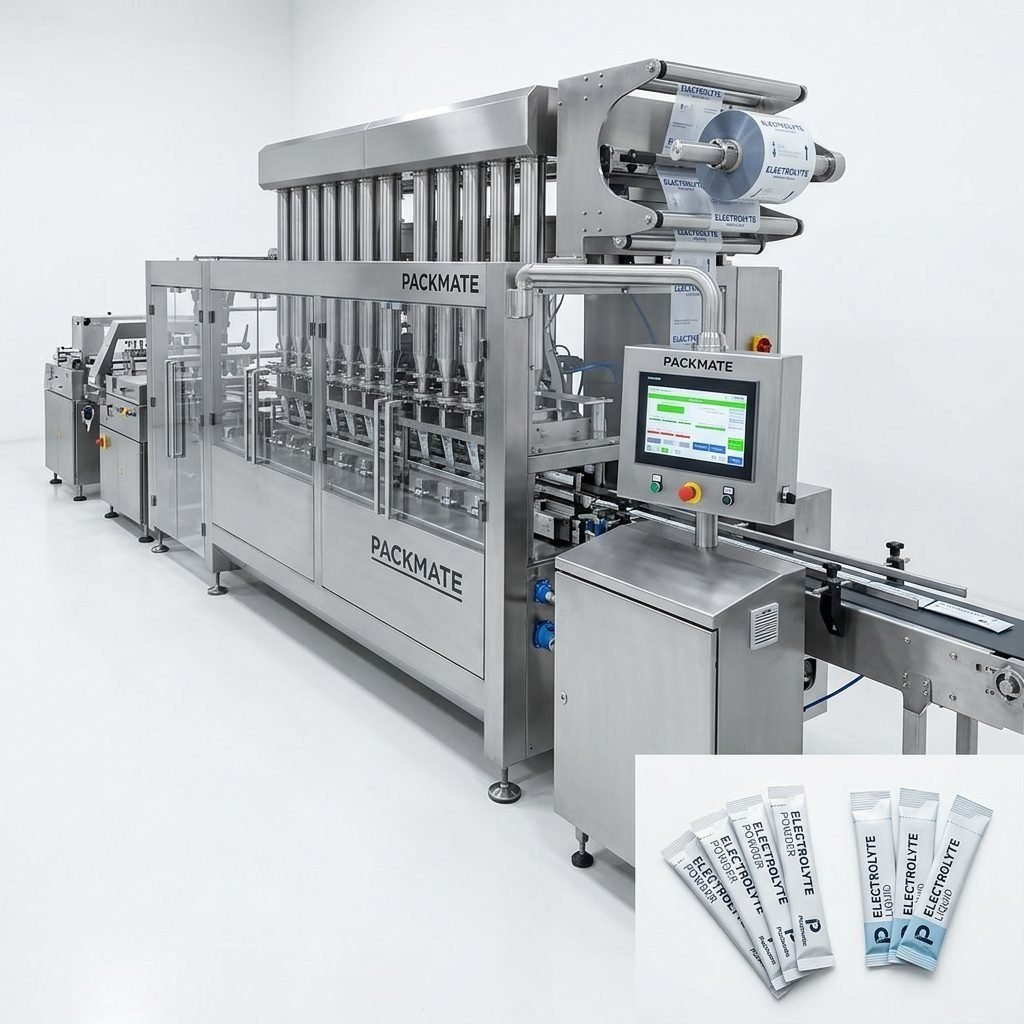
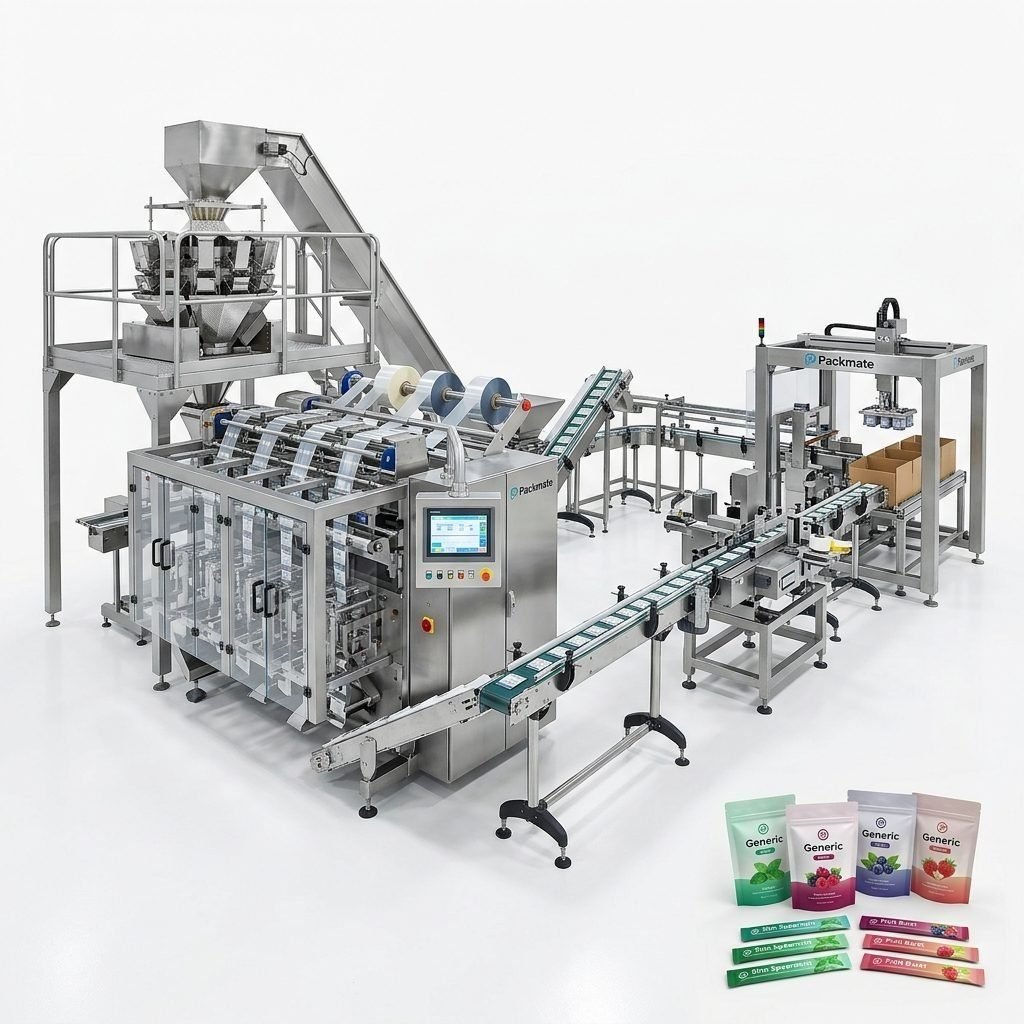
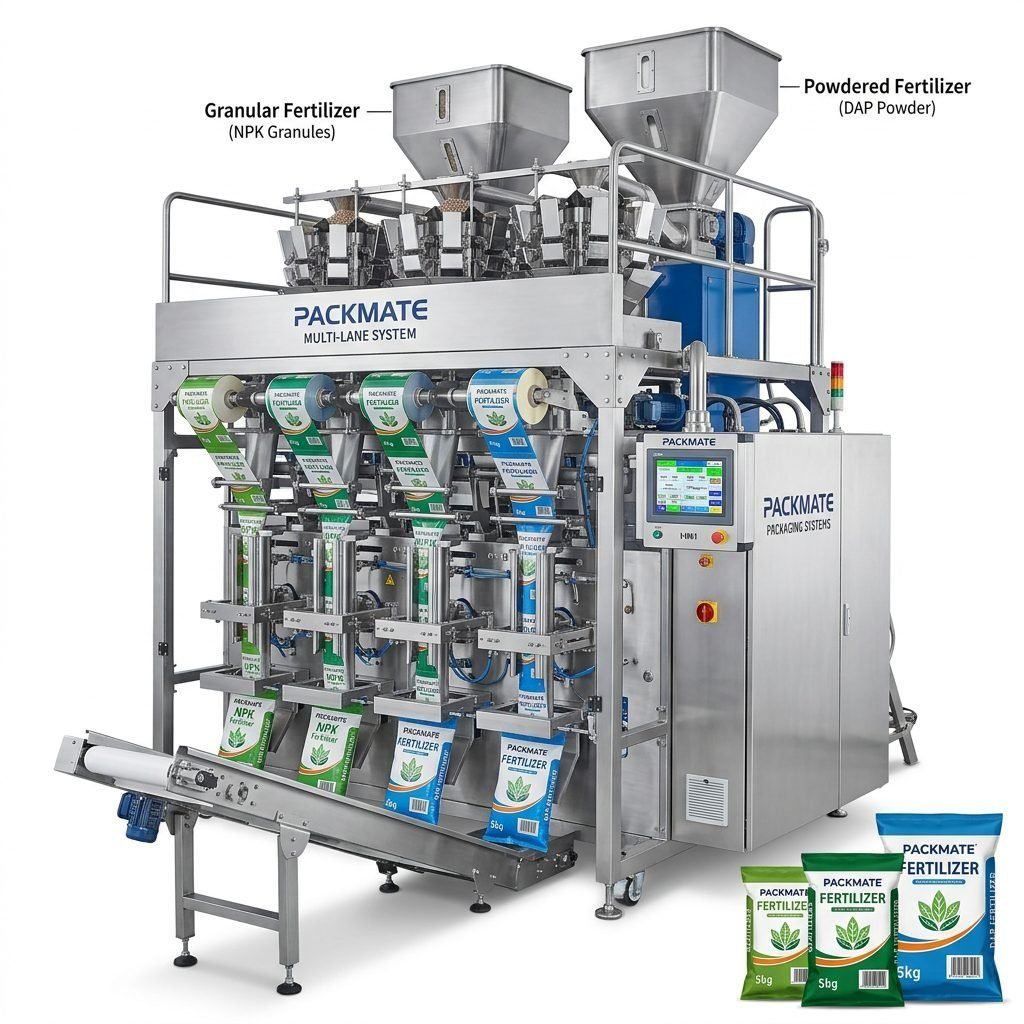
This is the workhorse of high-volume production. Multi-lane machines feature multiple parallel forming and filling lanes (commonly 4, 6, 8, 10, or more) operating simultaneously from a single film reel. They exponentially increase output without proportionally increasing the machine’s footprint. For businesses like Packmate Machinery that serve large food and pharmaceutical clients, multi-lane systems are often the core of their packaging lines.
3. Powder & Granule Stick Pack Machines
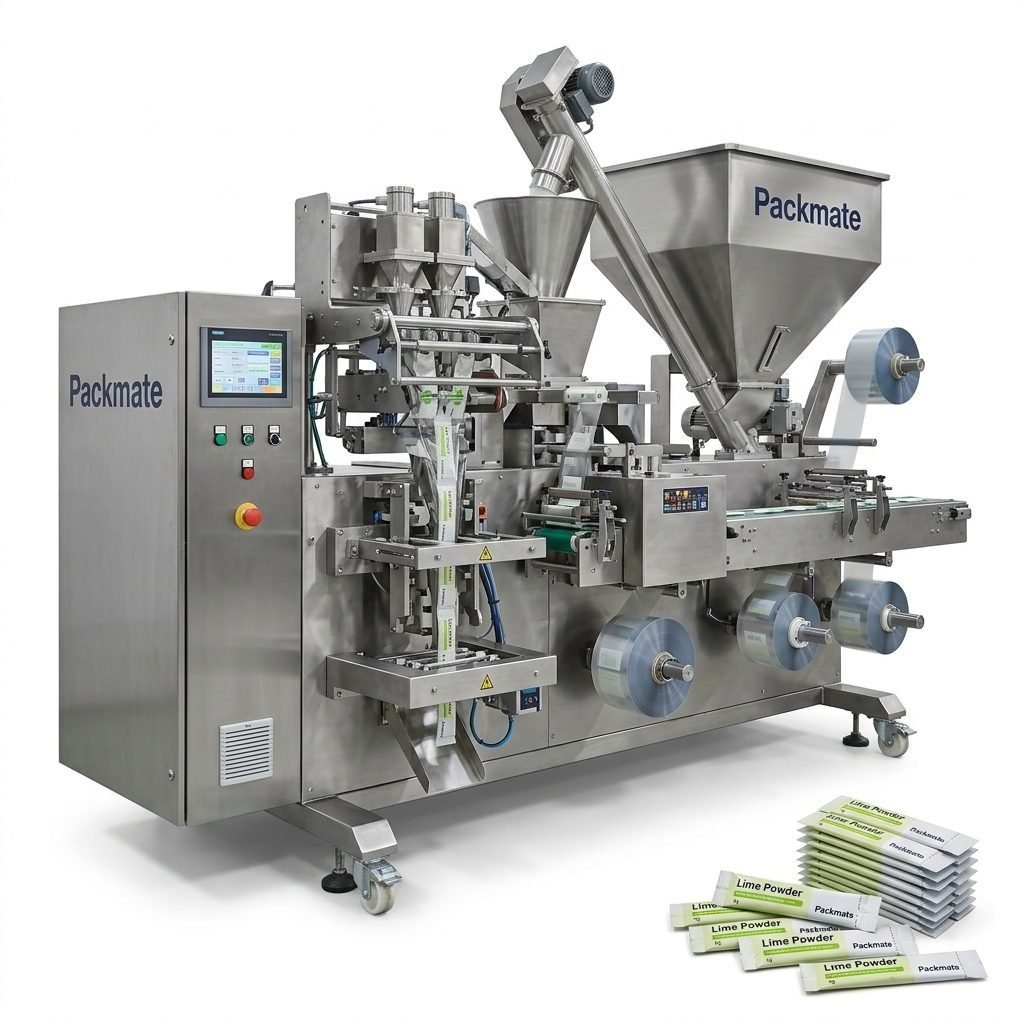
Engineered specifically for dry, free-flowing products. They are equipped with auger filler systems that provide highly accurate volumetric dosing. The design focuses on preventing dust and ensuring clean, consistent fills for products like instant drink mixes, protein powder, spices, and sugar.
4. Liquid & Viscous Product Stick Pack Machines
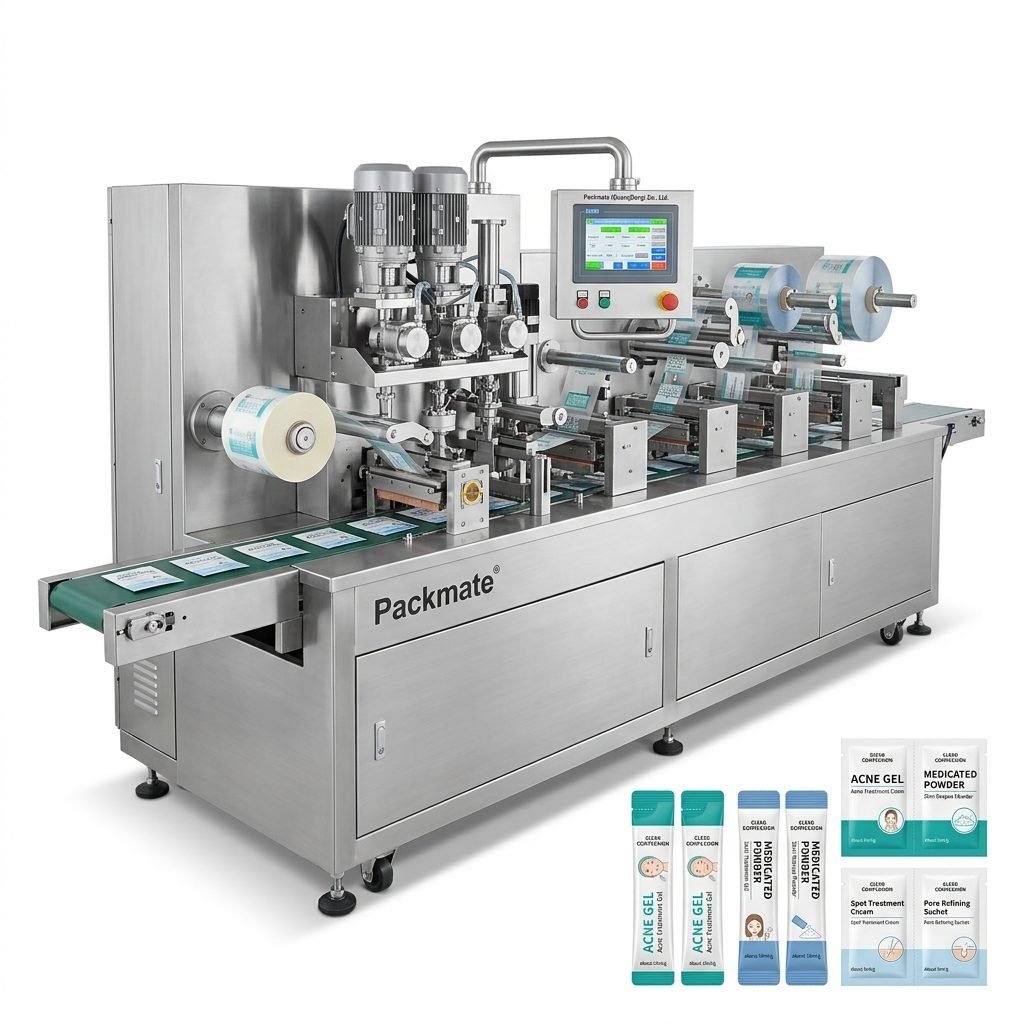
These machines handle challenges like dripping and precise volume control. They use specialized pumps (such as piston pumps) for filling liquids, gels, pastes, or oils. Sealing systems are often enhanced to prevent leakage, making them ideal for sauces, condiments, honey, cosmetic serums, and liquid pharmaceuticals.
Key Machine Components to Evaluate
Film Feeding & Forming System: Look for a robust unwind stand with tension control and precise forming shoulders to ensure consistent package shape.
Filling System: The heart of the machine. Match it to your product: auger fillers for powders, piston pumps for liquids, and cup or weigh fillers for granules.
Sealing System: Critical for product integrity. Heated jaw sealers are standard. Check for temperature control accuracy and seal bar durability.
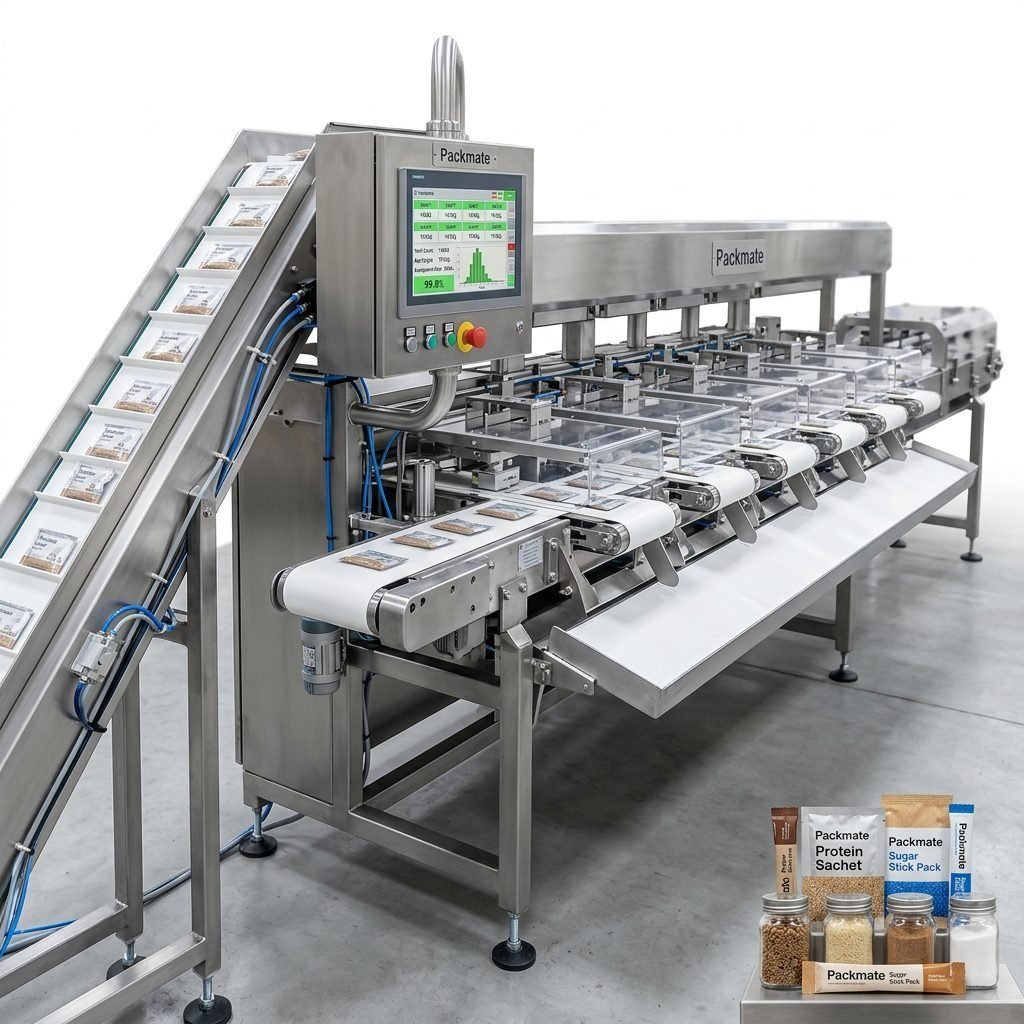
Control System: A user-friendly PLC-based HMI (Human-Machine Interface) allows for easy parameter setting, recipe storage, and production monitoring.
Frame & Construction: A sturdy, stainless-steel frame ensures stability during high-speed operation and meets hygiene standards for food and pharmaceutical use.
Comprehensive Buying Guide: How to Choose the Best Machine
Selecting a stick pack machine requires a thorough analysis of your current and future needs. Here are the critical factors to consider.
1. Define Your Product Specifications
Start with your product. Is it a fine powder, a coarse granule, or a viscous liquid? What is the required fill weight or volume? What are the moisture and oxygen sensitivity levels? The answers will dictate the necessary filling technology, sealing quality, and compatible packaging materials (laminate structures).
2. Determine Your Production Requirements
Calculate your required output in packs per minute or hour. Factor in your growth projections. A single-lane machine may suffice for now, but investing in a scalable 4-lane machine might be more cost-effective long-term. Consider shift patterns and required uptime.
3. Assess Machine Features & Technology
Prioritize features that affect your product quality and operational ease. Look for servo-driven systems for precision and energy efficiency. Check for quick-change parts to minimize downtime during product or package size switches. Ensure the control system is intuitive and provides diagnostic information.
4. Evaluate Manufacturer Credibility & Support
This is perhaps the most crucial step. The machine is a long-term asset, and the manufacturer is your long-term partner. Investigate their history, expertise, and reputation. A company like Packmate (GuangDong) Co., Ltd., with over 30 years of focused experience and a 20,000㎡ modern facility, represents the stability and depth of knowledge you need. Review their service network, availability of spare parts, and training offerings.
5. Consider Total Cost of Ownership (TCO)
Look beyond the initial purchase price. Factor in installation, operational costs (energy, compressed air), preventive maintenance, potential downtime costs, and the expected lifespan of the machine. A slightly more expensive, robust machine from a reputable supplier often has a lower TCO than a cheaper, less reliable alternative.
Conclusion: Investing in Efficiency and Growth
The right stickpack packaging machine is a strategic investment that streamlines your operation, protects your product, and enhances your brand’s market presence. By carefully analyzing your product needs, production goals, and the technical support behind the equipment, you can select a machine that will deliver reliability and a strong return on investment for years to come. Partnering with an established manufacturer ensures you gain not just a machine, but a comprehensive packaging solution and peace of mind.
Frequently Asked Questions (FAQs)
What is the typical production speed of a stick pack machine?
Speeds vary widely. A basic single-lane machine may produce 40-80 packs per minute. High-end multi-lane machines (e.g., 8 lanes or more) can achieve speeds exceeding 800 packs per minute. The exact speed depends on the product, fill weight, and machine configuration.
Can one machine handle both powders and liquids?
Generally, no. While some machines are versatile, the filling systems for dry and wet products are fundamentally different. It is highly recommended to choose a machine specifically designed for your product type (powder/granule or liquid/viscous) for optimal performance, accuracy, and cleanliness.
What packaging materials are used for stick packs?
Stick packs typically use laminated films that combine layers like PET (for strength), aluminum foil or metallized film (for barrier properties), and polyethylene (for heat sealing). The exact structure is chosen based on the product’s needs for moisture, oxygen, and light protection.
How important is after-sales service when purchasing?
Extremely important. Packaging machinery requires periodic maintenance, occasional repairs, and operator training. A manufacturer with a strong global service network, readily available spare parts, and responsive technical support is essential to minimize production downtime and ensure the long-term productivity of your investment.
Where can I see examples of these machines in operation?
Reputable manufacturers often showcase their equipment at international trade shows or through video case studies on their websites. You can explore application examples and machine features on the Packmate Machinery website to see potential solutions for your specific products.