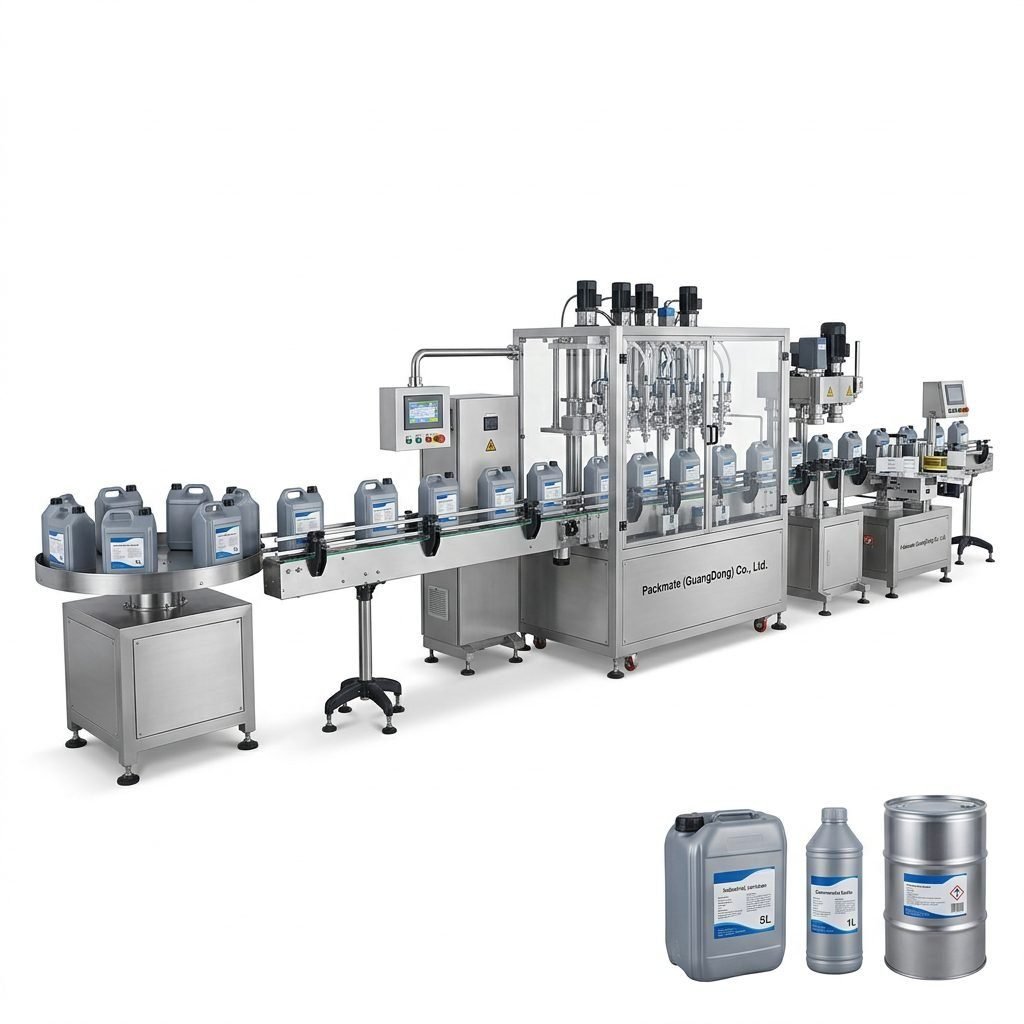
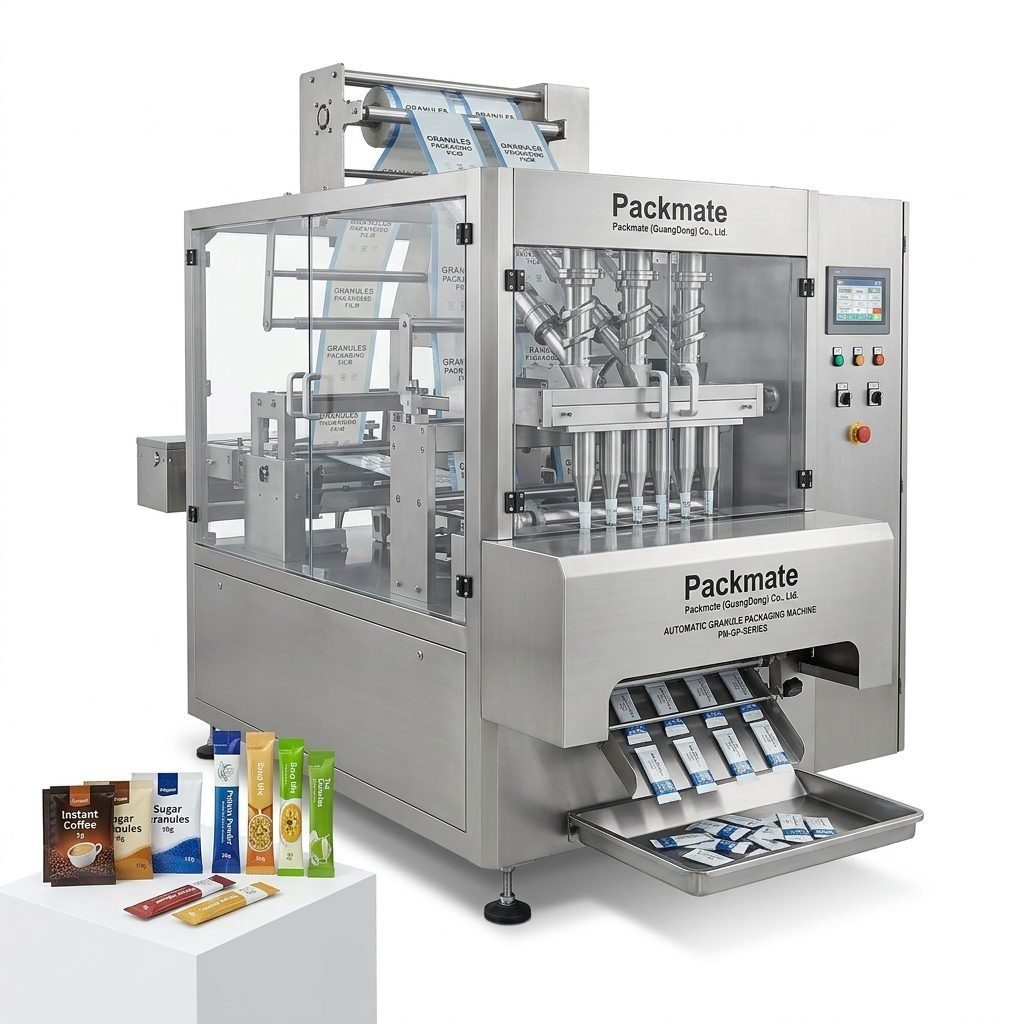
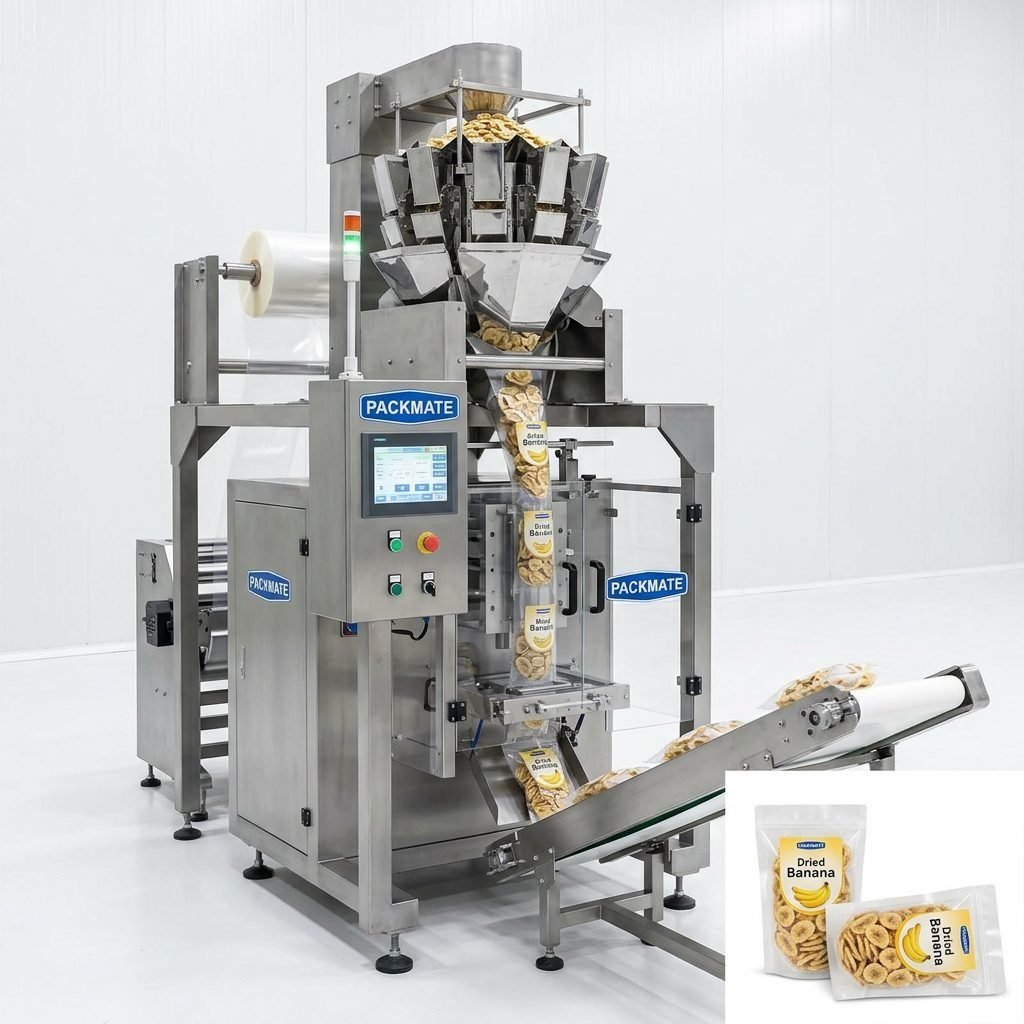
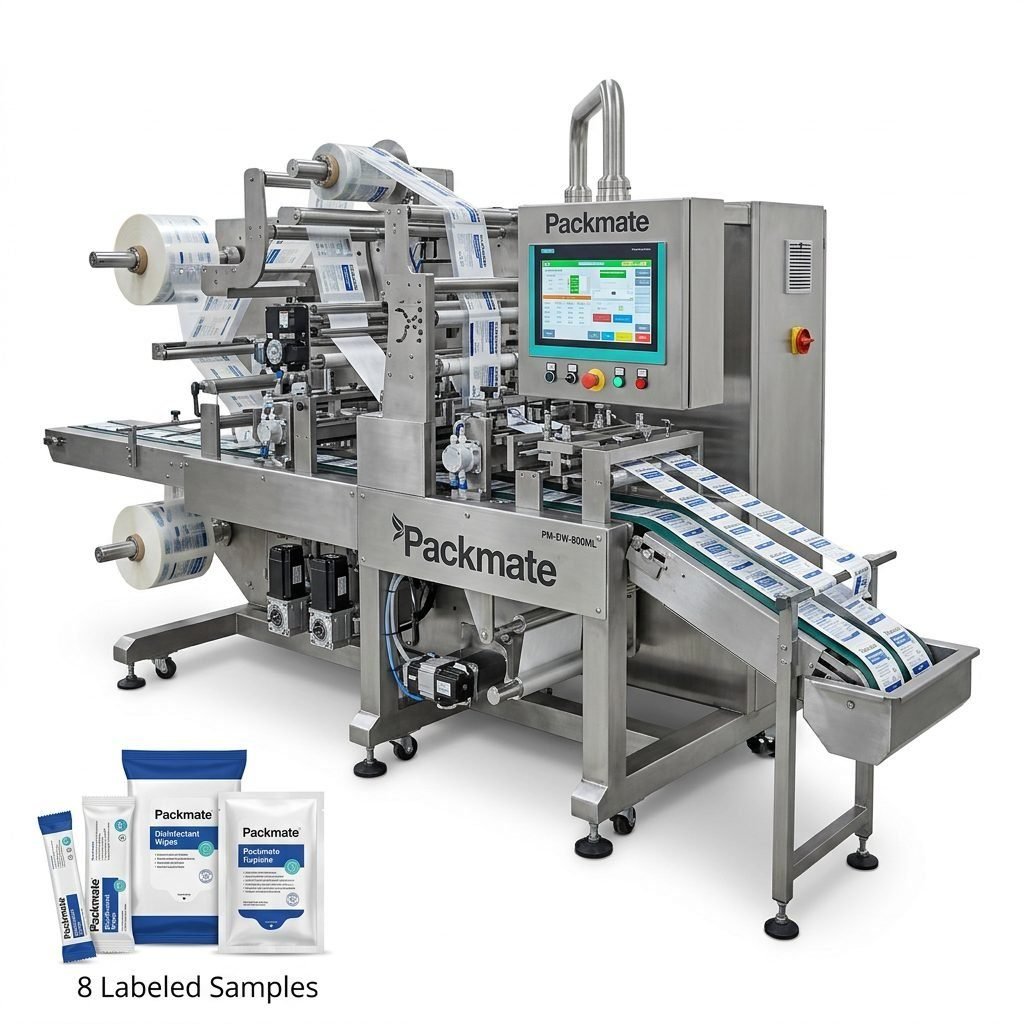
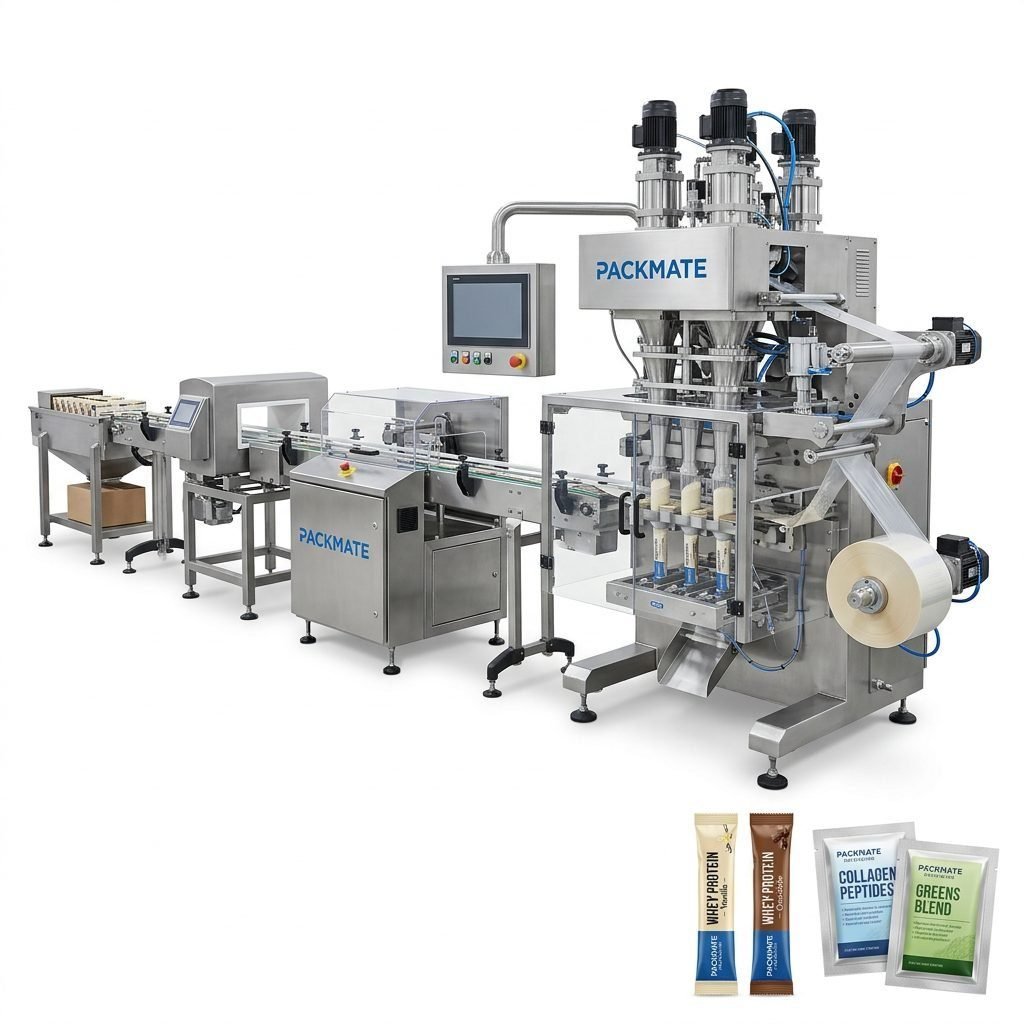
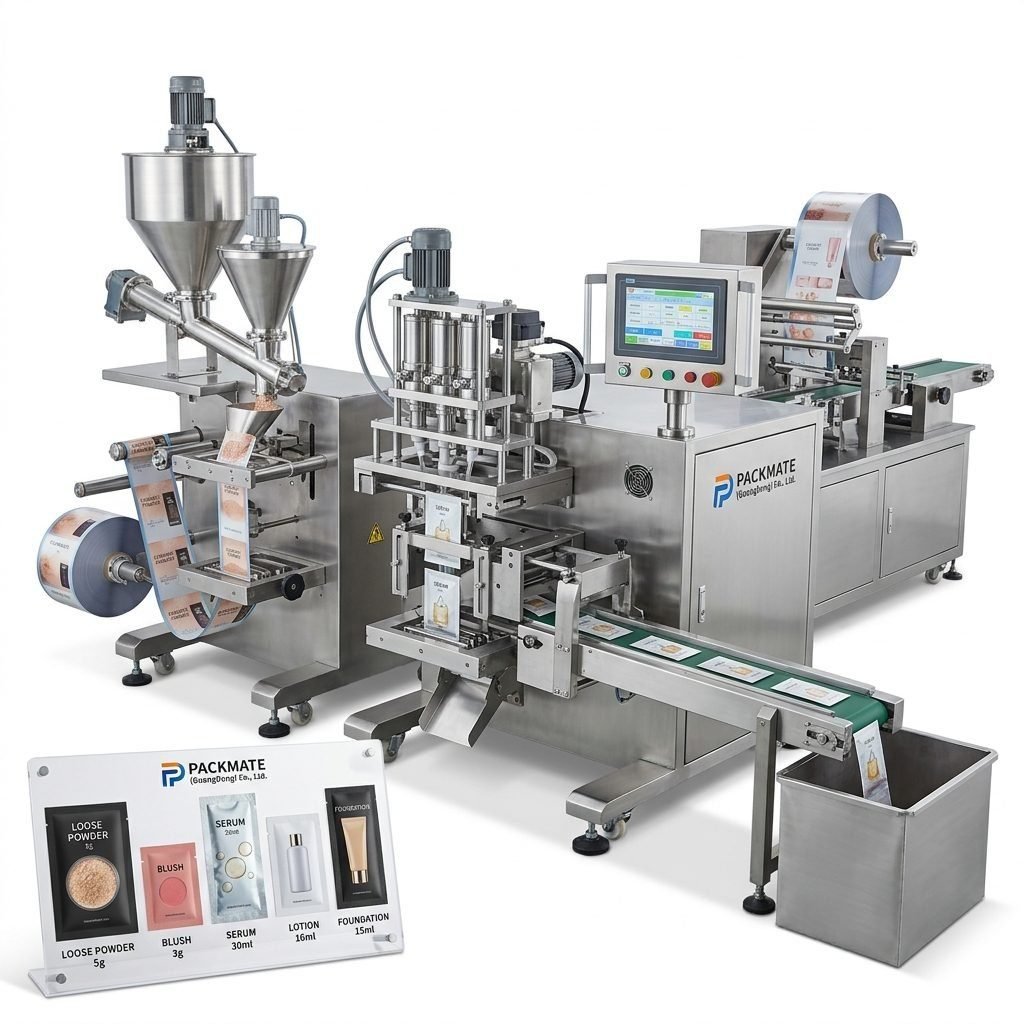
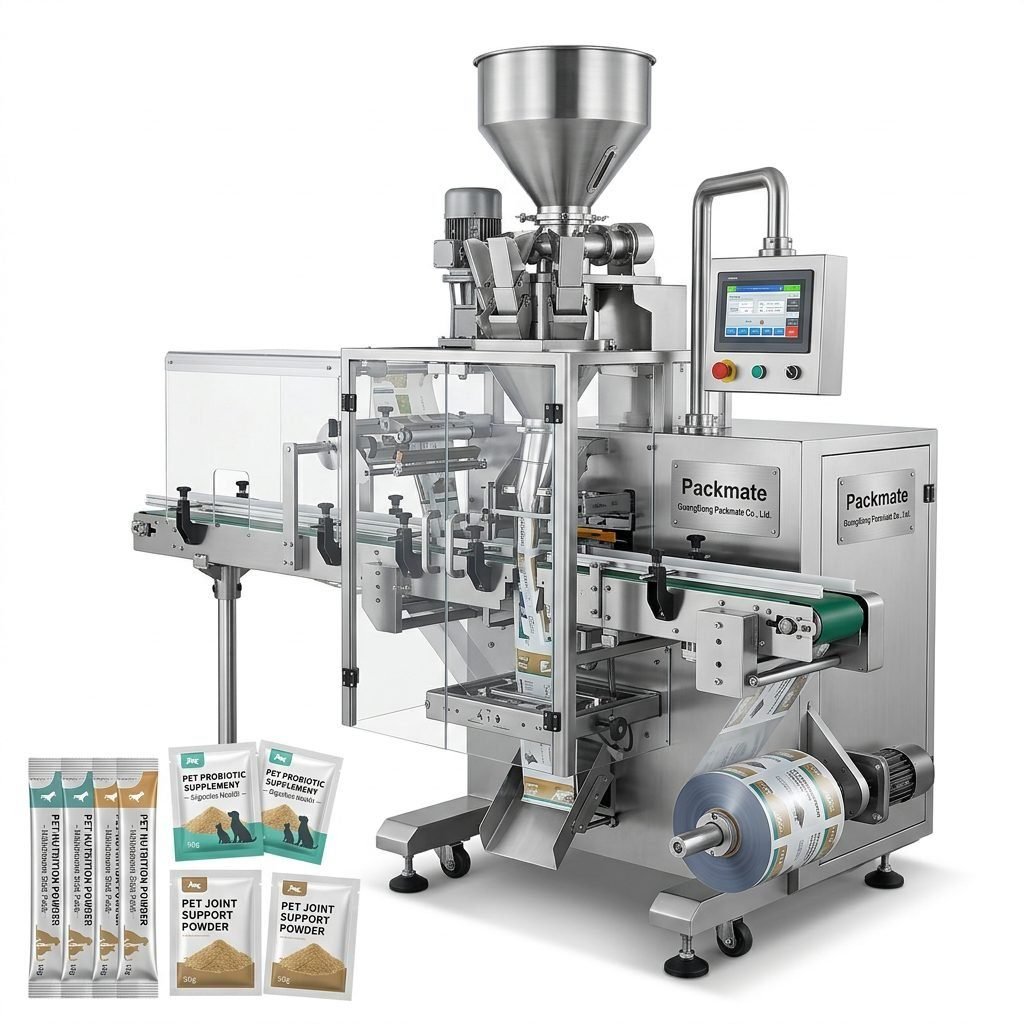
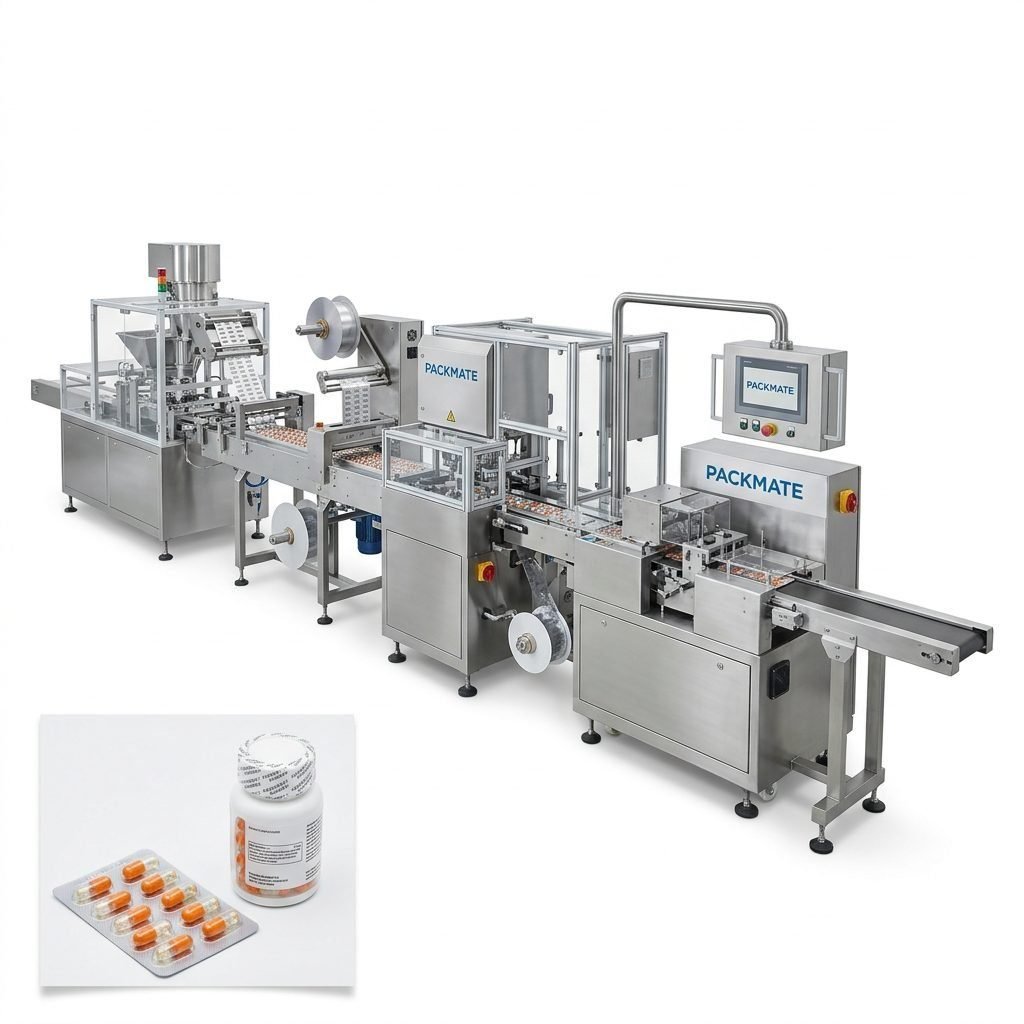
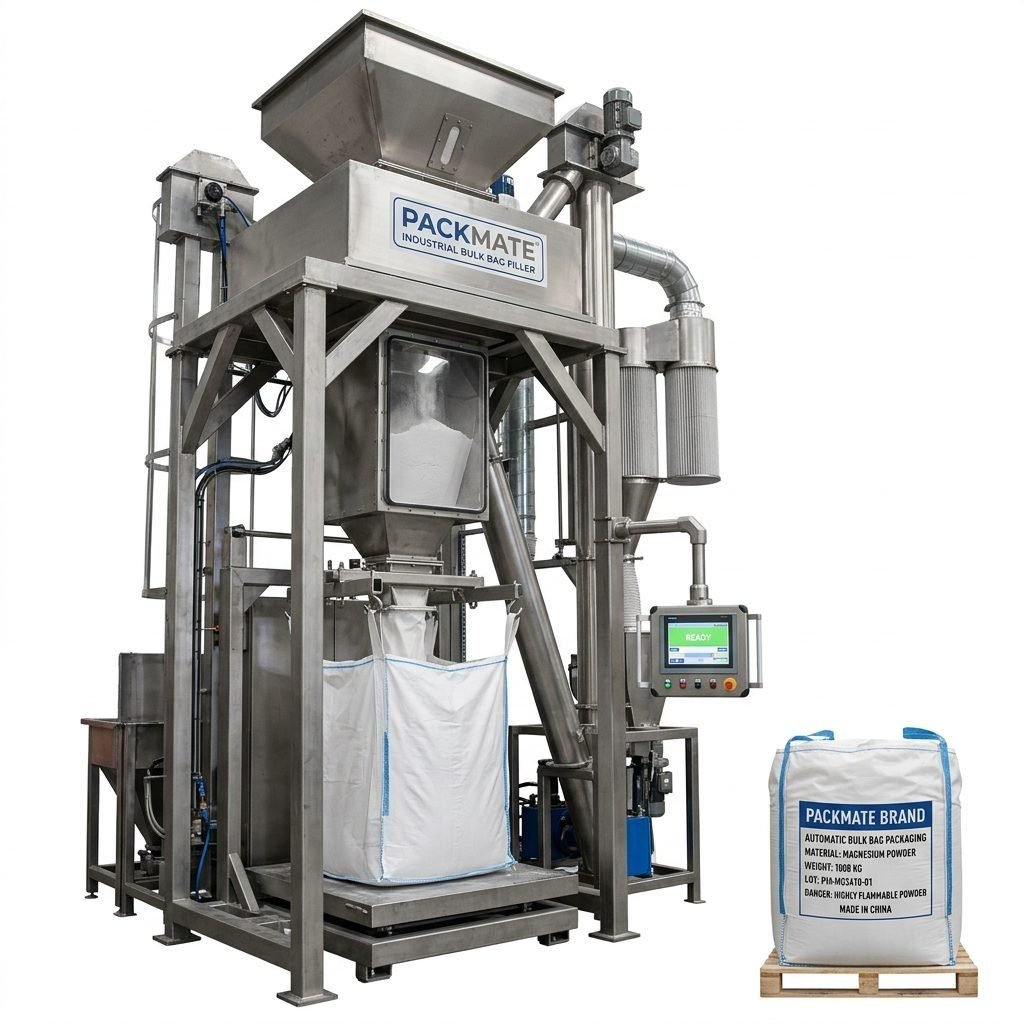
In the fast-paced world of manufacturing and product distribution, efficiency and reliability are paramount. Pneumatic packaging machinery has emerged as a cornerstone technology for businesses looking to optimize their packaging lines. Utilizing compressed air to power various functions, these systems offer a compelling alternative to traditional mechanical or servo-driven equipment. For companies like Packmate Machinery, integrating pneumatic principles into advanced packaging solutions is part of a commitment to delivering robust and innovative equipment for industries ranging from food and pharmaceuticals to health products.
1. Enhanced Operational Speed and Efficiency
The primary advantage of pneumatic systems is their exceptional speed. Compressed air allows for rapid linear and rotary movements, significantly increasing the number of packaging cycles per minute compared to many electromechanical systems. This translates directly to higher output and throughput, enabling businesses to meet large-volume orders and tight deadlines with greater ease. The swift actuation of cylinders and valves is ideal for repetitive tasks like filling, sealing, and cutting, making pneumatic machinery a powerhouse for production lines.
Key Insight: The high-speed capability of pneumatic systems is not just about raw power; it’s about creating a smoother, more continuous flow on the packaging line, reducing bottlenecks and maximizing the utilization of every production minute.
2. Superior Durability and Reliability
Pneumatic components are renowned for their ruggedness and long service life. With fewer intricate electrical parts susceptible to wear from dust, moisture, or vibration, pneumatic machinery often demonstrates remarkable reliability in harsh industrial environments. This robustness minimizes unplanned downtime, a critical factor in maintaining consistent production schedules. The simplicity of the design means there are fewer points of potential failure, contributing to overall system stability that businesses can depend on day in and day out.
3. Significant Cost-Effectiveness
From initial investment to long-term operation, pneumatic packaging machinery presents a cost-efficient solution. The components themselves are generally less expensive than their servo-motor counterparts. Furthermore, their durability leads to lower maintenance costs and reduced frequency of part replacements. While compressed air generation requires energy, modern, efficient compressors and well-designed systems keep operational energy costs manageable, offering an excellent return on investment over the machine’s lifespan.
4. Simplified Maintenance and Hygiene
Maintenance procedures for pneumatic systems are typically more straightforward. Components like filters, regulators, and lubricators are easy to access and service. This simplicity allows in-house maintenance teams to perform routine checks and repairs quickly, without always needing specialized technicians. In industries like food and pharmaceuticals, where hygiene is non-negotiable, pneumatic systems offer an advantage. They can be designed with smooth surfaces and are often easier to clean and sanitize, and compressed air itself can be used in cleaning processes. For specialized needs, such as in the snus and nicotine pouch sector, this cleanliness is paramount.
5. Precise and Consistent Control
Modern pneumatic systems are far from crude. When integrated with advanced sensors and programmable logic controllers (PLCs), they achieve highly precise control over force, speed, and position. This precision ensures consistent package quality—whether it’s the exact amount of product in each sachet or stick pack, or the integrity of every seal. This repeatability is crucial for brand reputation and compliance with industry regulations.
Safety in Operation
Safety is a major benefit. Pneumatic systems can operate in flammable or explosive environments where electrical sparks pose a significant risk. They are also inherently overload-safe; if a pneumatic actuator encounters an obstacle, it will typically stall without damaging itself or the product, unlike a rigid mechanical system which might cause breakage.
6. Flexibility and Scalability
Pneumatic modules offer great flexibility. They can be easily reconfigured or added to an existing line to accommodate new package sizes, shapes, or additional processes like labeling or coding. This modularity makes scaling production up or down more manageable and cost-effective, allowing businesses to adapt to market changes without completely overhauling their packaging infrastructure.
7. Reduced Noise and Vibration
While air exhaust can be noisy, modern pneumatic machinery often incorporates mufflers and sound-dampening technologies. Furthermore, because pneumatic systems transfer force through air rather than metal-on-metal contact in gears, they typically generate less vibration. This leads to a quieter and more stable operating environment, which can improve worker comfort and reduce long-term wear and tear on the machine frame and surrounding equipment.
8. Energy Efficiency and Environmental Considerations
Advances in pneumatic technology have focused heavily on energy savings. Leak-free fittings, efficient valves, and variable-speed air compressors help minimize wasted compressed air, which is wasted energy. By optimizing air consumption, modern pneumatic packaging lines reduce their carbon footprint and operational costs simultaneously, aligning with the growing demand for sustainable manufacturing practices.
9. Seamless Integration with Automation
Pneumatic systems are inherently automation-friendly. They interface seamlessly with PLCs, robotics, and other digital control systems that manage modern smart factories. This allows for the creation of fully automated, lights-out packaging lines where pneumatic actuators perform physical tasks under precise digital command, a key component in the Industry 4.0 revolution.
10. Proven Technology with Continuous Innovation
Pneumatics is a mature, proven technology with a vast global knowledge base and supply chain. This maturity means reliability and ease of sourcing parts. However, it continues to evolve. Innovations in materials, valve technology, and air preparation units make contemporary pneumatic packaging machinery smarter, faster, and more efficient than ever before. Manufacturers like Packmate leverage this enduring yet innovative technology to build equipment that stands the test of time while meeting today’s production demands.
The benefits of pneumatic packaging machinery make it an indispensable choice for a wide range of applications. From boosting production speed and ensuring consistent quality to offering durable and cost-effective operation, the advantages are clear. As packaging needs grow more complex, the flexibility and reliability of pneumatic systems, especially when engineered by experienced providers, ensure they will remain at the heart of efficient production lines worldwide.
Frequently Asked Questions (FAQs)
What are the main industries that use pneumatic packaging machinery?
Pneumatic packaging machinery is incredibly versatile and is widely used in the food and beverage, pharmaceutical, cosmetic, chemical, and nutraceutical industries. Its reliability, hygiene, and precision make it suitable for packaging granules, powders, liquids, and small solid items into various formats like bags, pouches, sachets, and stick packs.
How does the cost of pneumatic machinery compare to fully servo-electric systems?
Generally, pneumatic systems have a lower initial purchase cost than sophisticated all-servo systems. They also tend to have lower costs for component replacement. Servo systems offer superior programmability and precision for complex motions but at a higher upfront investment. The choice depends on the specific speed, precision, and motion control requirements of the application.
What kind of maintenance does a pneumatic packaging machine require?
Regular maintenance is crucial for longevity and efficiency. Key tasks include draining moisture from air tanks, checking and replacing air filters, ensuring proper lubrication of air cylinders (if required), and inspecting for air leaks. A well-maintained air supply system (compressor, dryer, filters) is fundamental to the machine’s performance.
Can pneumatic machines handle delicate or irregularly shaped products?
Yes, with proper tooling and control. By regulating air pressure and using cushioned cylinders, pneumatic systems can be tuned to handle fragile items gently. Custom-designed feed systems, vibratory bowls, or robotic pick-and-place units integrated with pneumatic grippers can effectively manage irregular shapes. For complete system solutions, exploring integrated filling and packaging lines is advisable.
Are pneumatic packaging machines energy efficient?
Modern pneumatic systems can be very energy-efficient when properly designed and maintained. Energy waste primarily comes from air leaks and over-pressurization. Using correctly sized components, leak-free fittings, and efficient compressors significantly reduces energy consumption. The latest generation of valves and regulators is specifically designed to optimize air usage.