The pharmaceutical packaging equipment market is undergoing a significant transformation, driven by evolving regulatory demands, technological innovation, and the global push for efficiency and sustainability. As a critical component of the pharmaceutical supply chain, packaging equipment ensures product integrity, patient safety, and compliance with stringent international standards. This analysis delves into the key trends shaping the industry and explores the factors contributing to its robust growth.
Driving Forces Behind Market Expansion
Several powerful forces are converging to fuel the expansion of the pharmaceutical packaging equipment sector. The rise in global healthcare expenditure, an aging population with increasing chronic disease prevalence, and the ongoing need for innovative drug delivery systems are primary demand drivers. Furthermore, the accelerated development and distribution of vaccines and biologics has placed unprecedented emphasis on advanced, high-speed, and aseptic packaging solutions. Manufacturers are compelled to invest in equipment that can handle sensitive formulations while ensuring tamper-evidence and serialization for track-and-trace mandates.
Another critical factor is the stringent regulatory landscape. Agencies like the FDA and EMA enforce rigorous guidelines for packaging processes to prevent contamination and ensure dosage accuracy. This regulatory pressure directly translates into a need for more sophisticated, reliable, and validated equipment, pushing the market toward automation and integrated packaging lines that minimize human intervention and error.
Technological Innovation as a Growth Catalyst
Innovation is at the heart of market growth. The integration of Industry 4.0 principles, such as the Internet of Things (IoT), artificial intelligence (AI), and machine learning, is creating a new generation of “smart” packaging machines. These systems offer real-time monitoring, predictive maintenance, and data analytics, optimizing production efficiency and reducing downtime. For instance, vision inspection systems powered by AI can detect microscopic defects in blisters or vials at high speeds, ensuring 100% quality control.
Flexibility and sustainability are also key innovation areas. There is a growing demand for equipment that can quickly switch between different product formats and packaging materials, catering to smaller batch productions and personalized medicine. Simultaneously, the industry is shifting toward more sustainable practices, favoring equipment designed for mono-material structures and recyclable/biodegradable materials. This shift not only addresses environmental concerns but also aligns with the corporate social responsibility goals of major pharmaceutical companies.
Key Market Trends to Watch
The current market is characterized by several dominant trends that are redefining packaging operations.
1. Automation and Robotics Integration
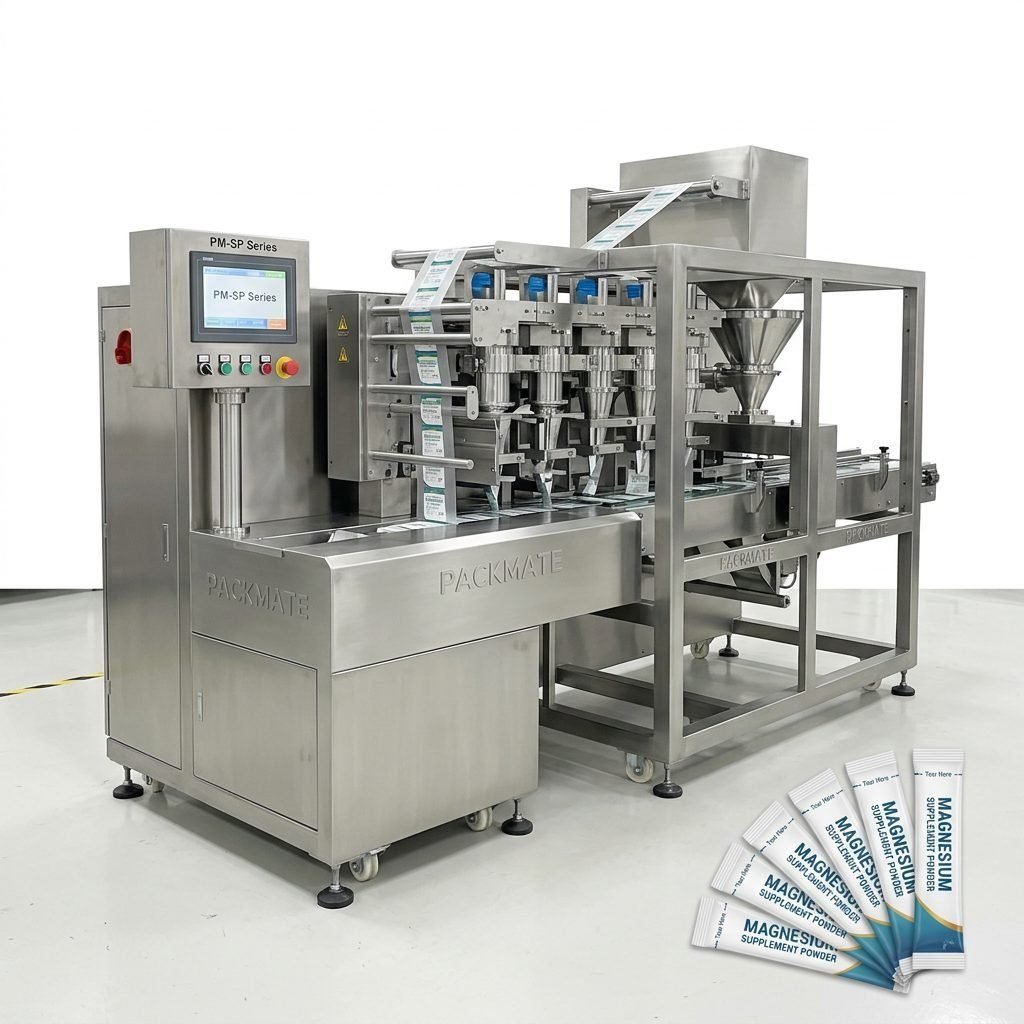
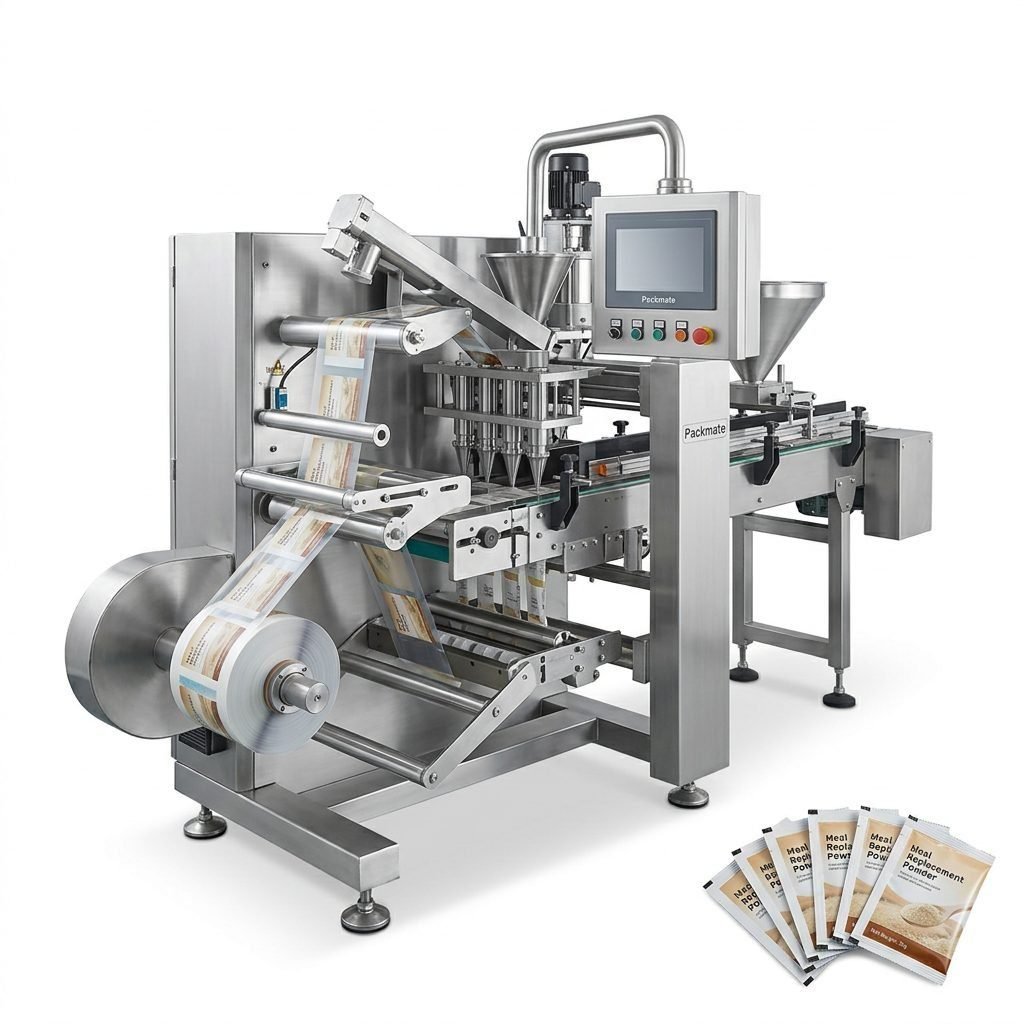
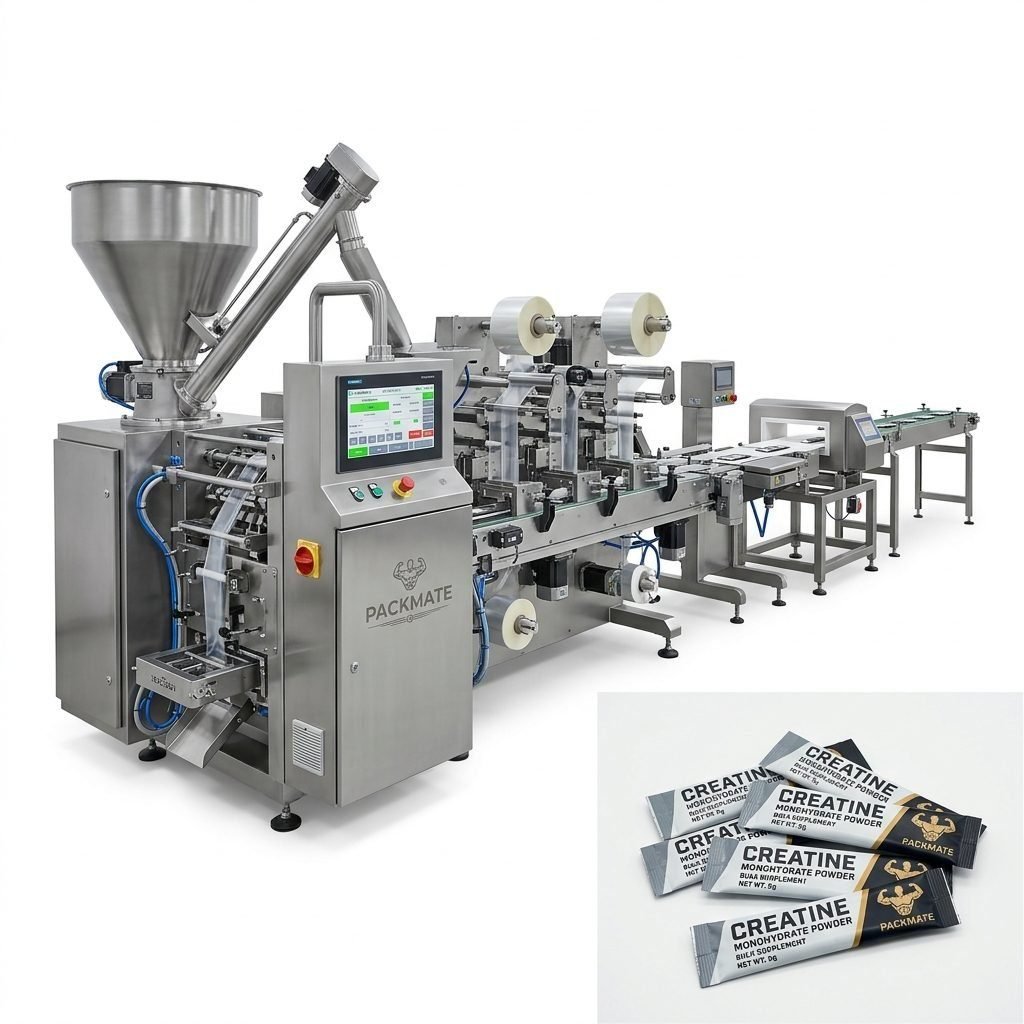
Full automation is no longer a luxury but a necessity. Robotic arms are increasingly deployed for tasks like carton erection, loading, and palletizing, working seamlessly with primary packaging machines like sachet and stick pack machines. This trend enhances throughput, improves worker safety by handling repetitive or hazardous tasks, and ensures consistent packaging quality in sterile environments.
2. Advanced Aseptic Packaging Solutions
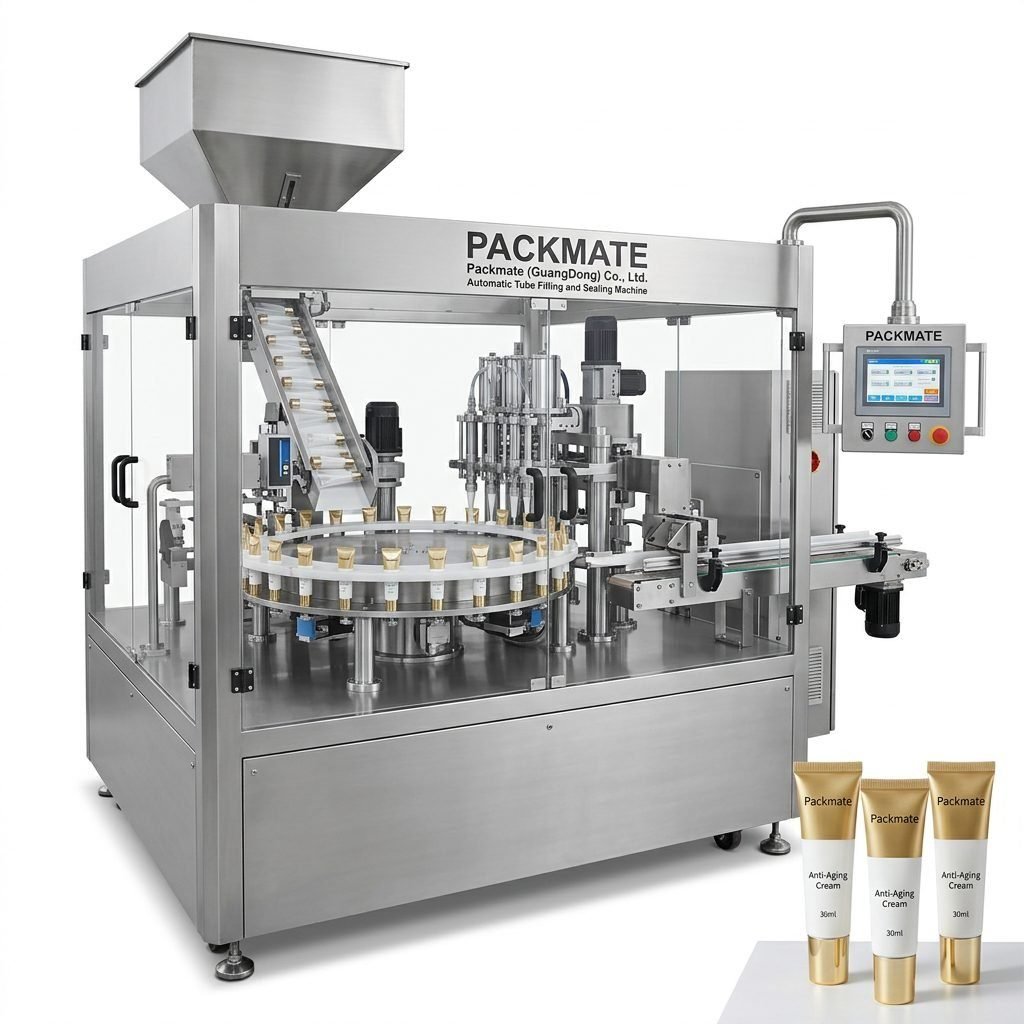
With the growth of injectables, ophthalmics, and other sterile products, aseptic processing technology is paramount. Trends include the adoption of isolators and Restricted Access Barrier Systems (RABS) that provide a higher level of environmental control than traditional cleanrooms. Equipment designed for aseptic filling and sealing is seeing rapid advancement to meet the strictest contamination-free standards.
3. Serialization and Track-and-Trace Compliance
Driven by regulations like the U.S. Drug Supply Chain Security Act (DSCSA) and the EU Falsified Medicines Directive, serialization is now a global standard. Packaging lines must integrate printing, coding, verification, and aggregation equipment to assign a unique identifier to each saleable unit. This trend demands equipment with high data integrity and reliable integration capabilities with enterprise-level software systems.
4. Rise of Contract Packaging
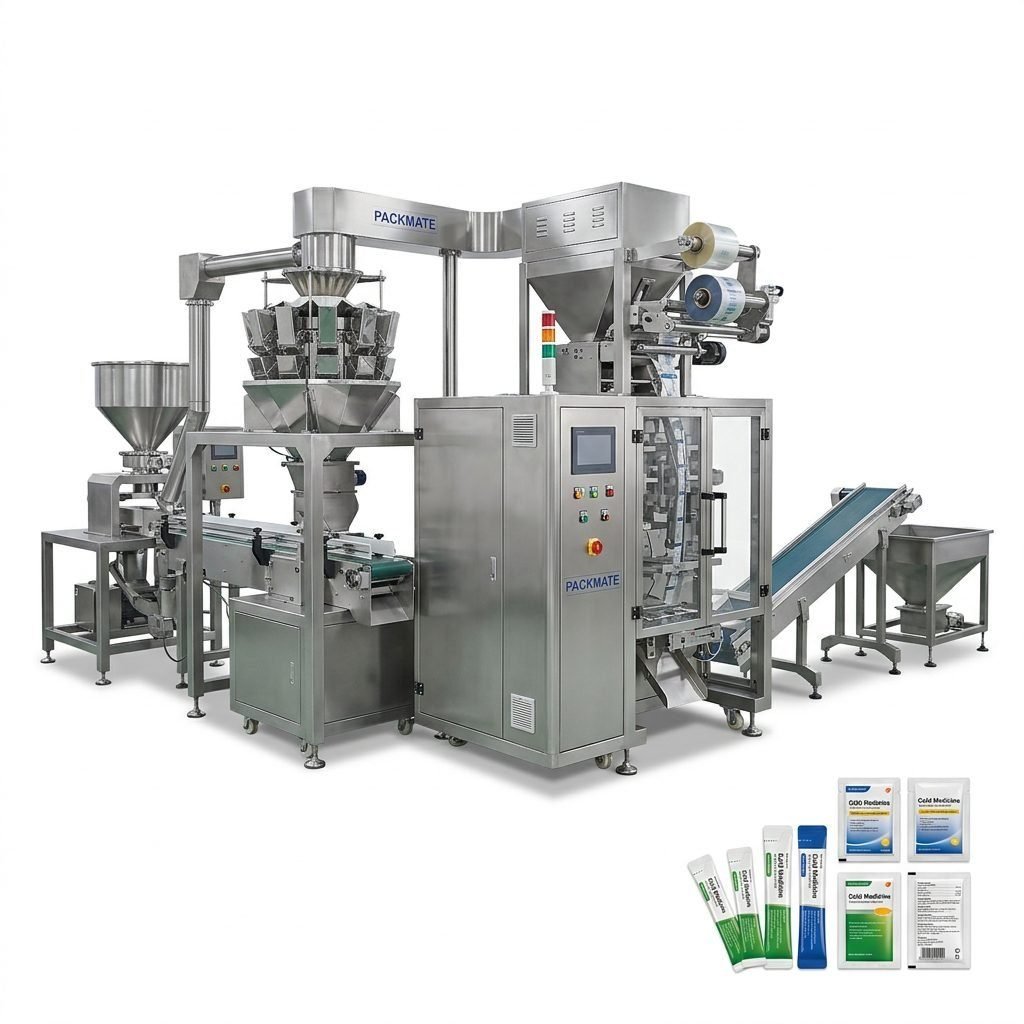
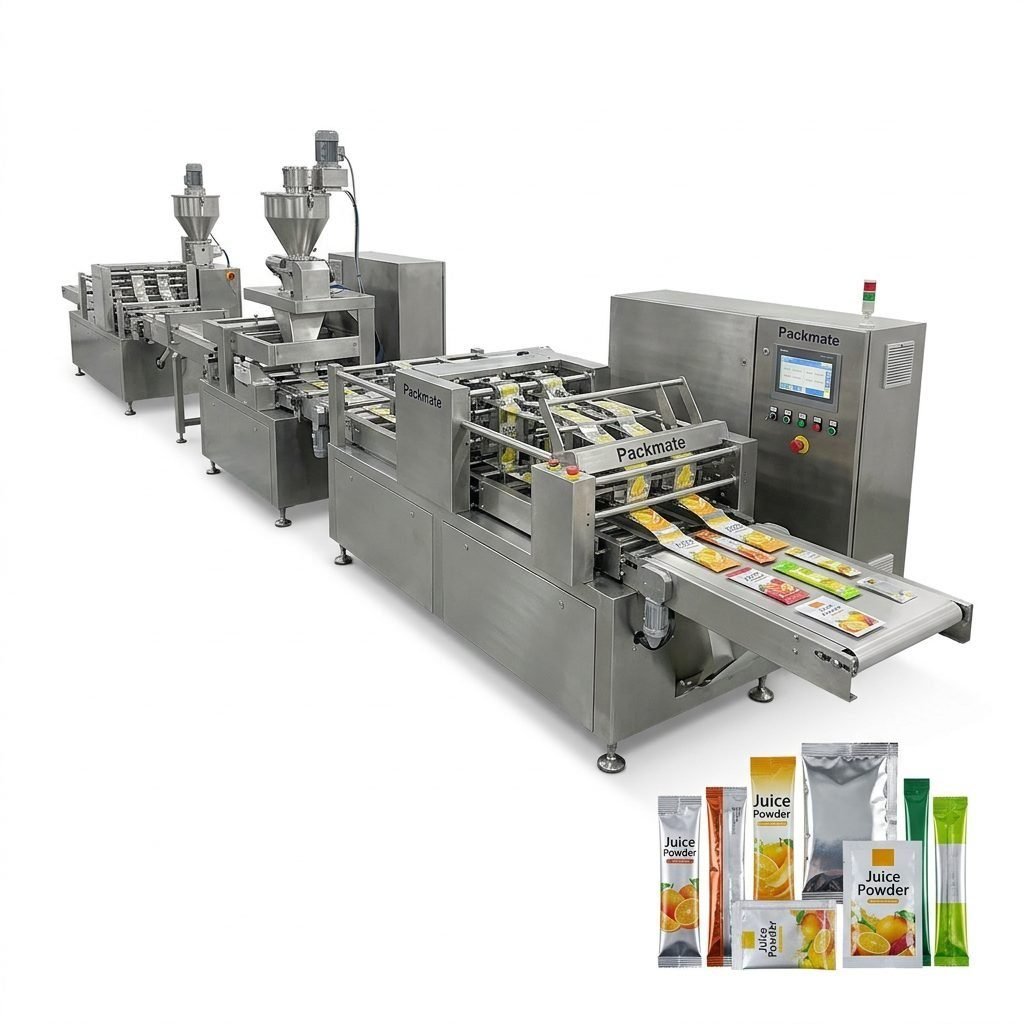
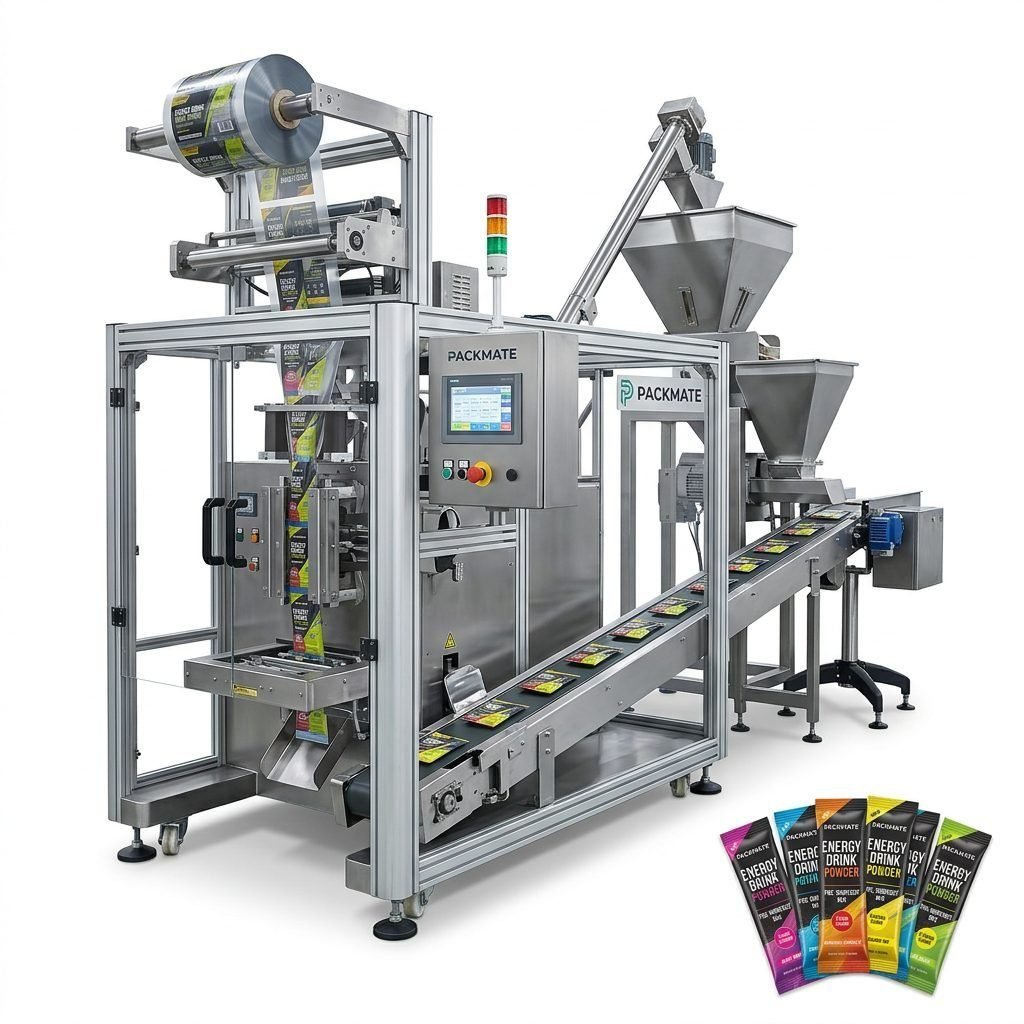
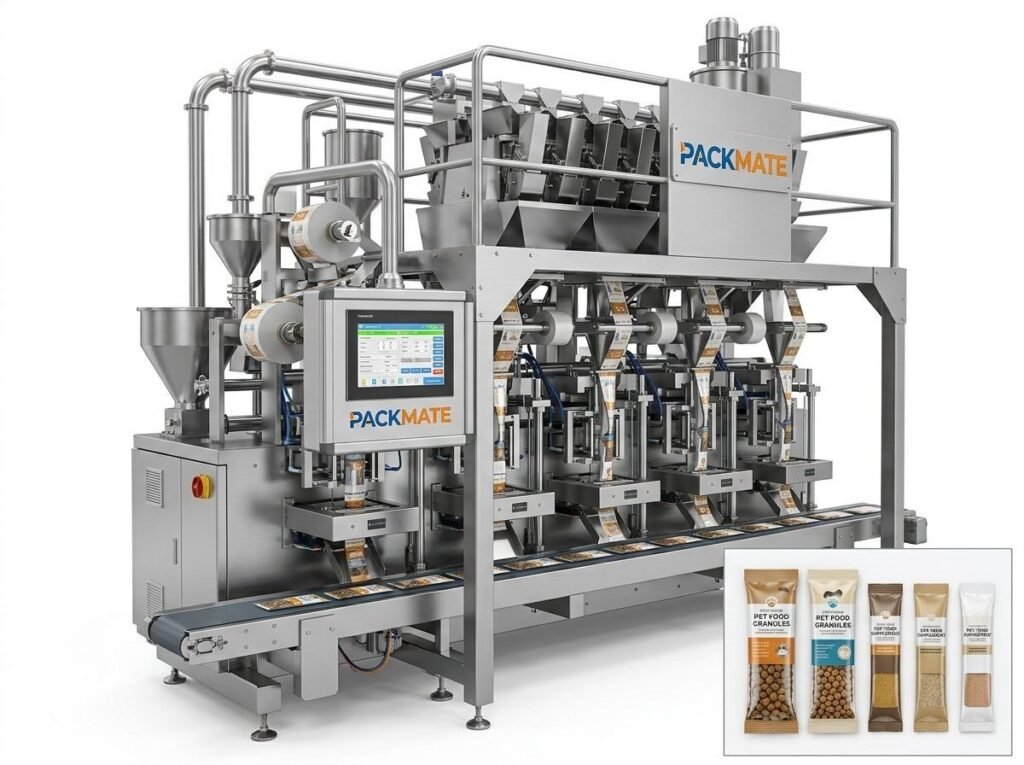
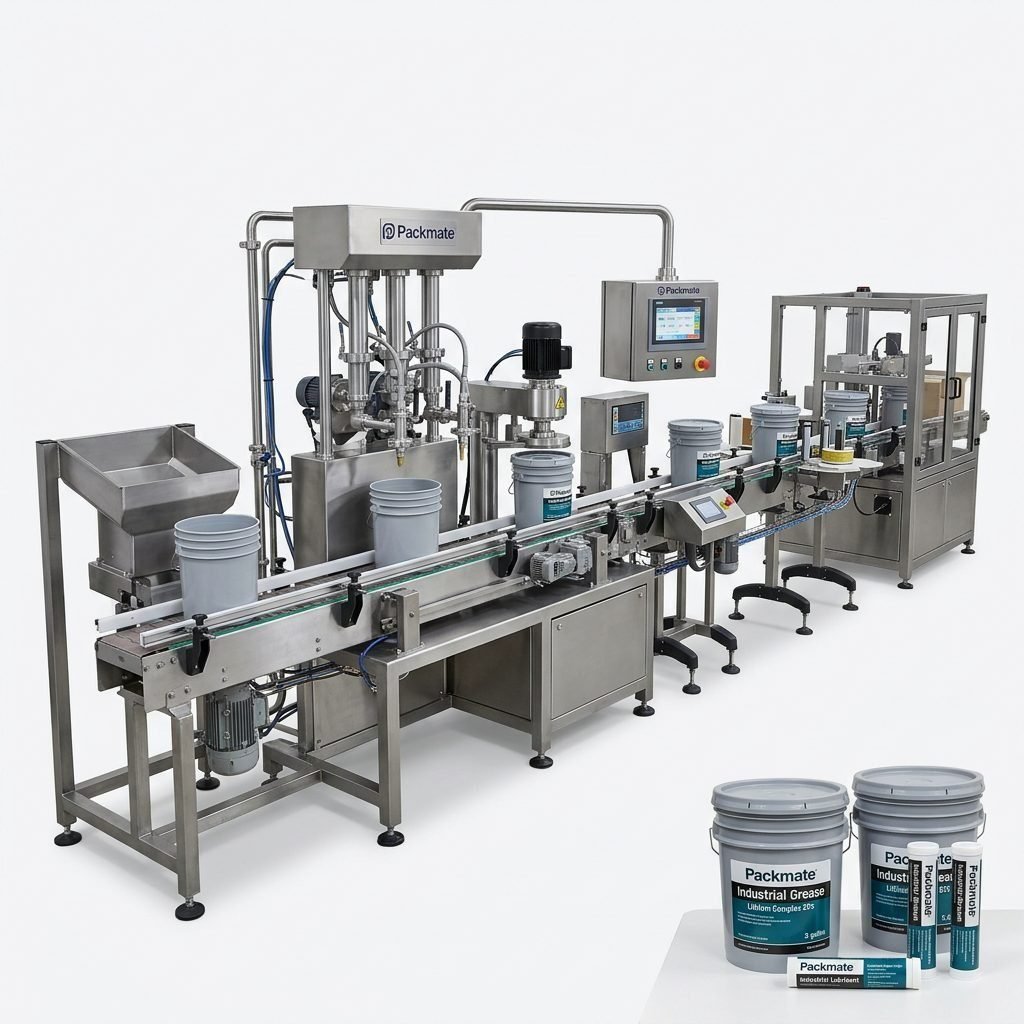
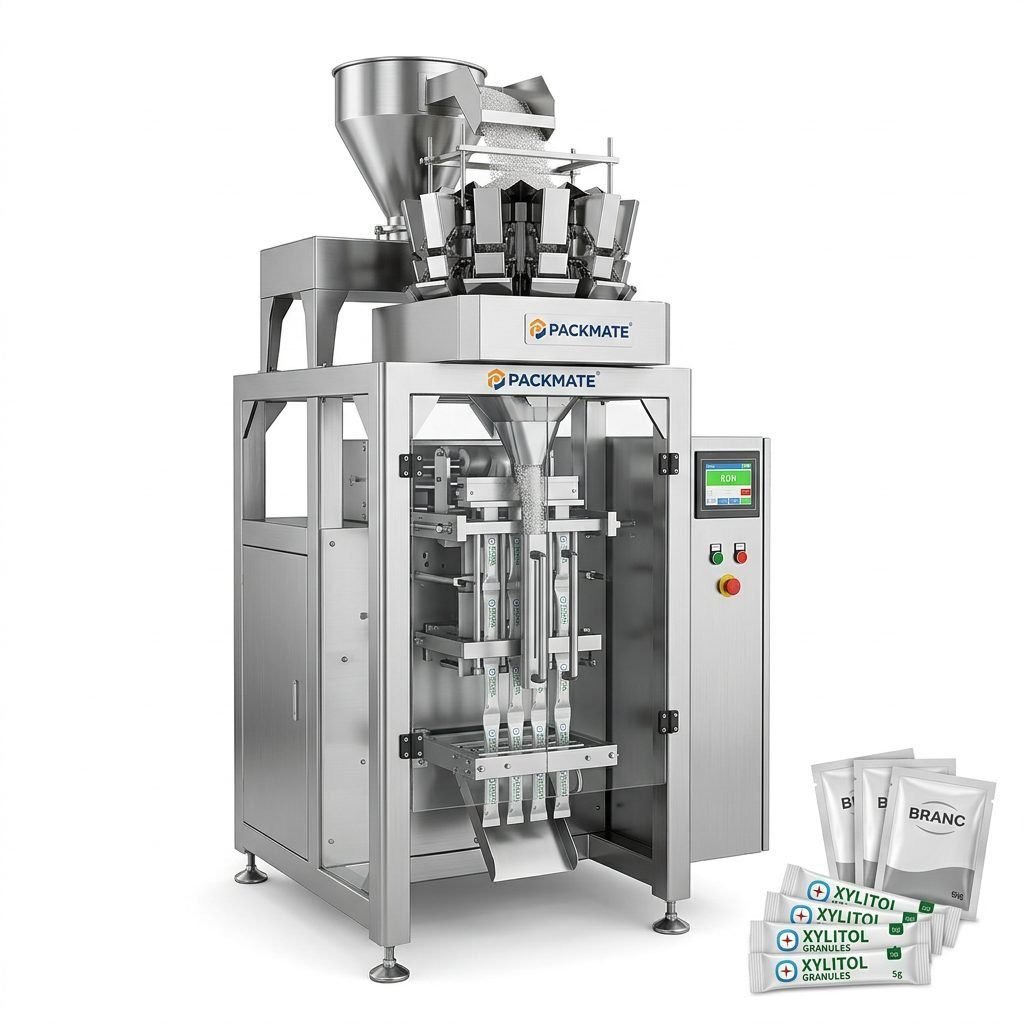
The outsourcing of packaging operations to Contract Development and Manufacturing Organizations (CDMOs) and specialized contract packagers is a significant trend. This fuels demand for versatile, high-performance equipment that can be easily validated and adapted for multiple clients’ products, from clinical trial batches to commercial-scale production. Providers like Packmate Machinery, with decades of experience in building reliable weighing and packaging systems, are well-positioned to serve this growing segment.
Regional Growth Analysis and Future Outlook
Geographically, North America and Europe remain the largest markets, owing to their established pharmaceutical industries and strict regulatory frameworks. However, the Asia-Pacific region is projected to witness the highest growth rate. This is fueled by increasing healthcare access, rising domestic pharmaceutical production in countries like China and India, and government initiatives to modernize manufacturing infrastructure. The growth in this region also reflects a broader trend of pharmaceutical manufacturing shifting to emerging economies.
Looking ahead, the pharmaceutical packaging equipment market is poised for sustained growth. The convergence of biopharma expansion, regulatory complexity, and smart factory trends will continue to drive investment. Success will belong to equipment manufacturers who prioritize innovation, reliability, and the ability to provide complete, compliant turnkey solutions that enhance efficiency and ensure patient safety from the production line to the end-user.
Frequently Asked Questions (FAQ)
What are the most critical features to look for in modern pharmaceutical packaging equipment?
Key features include compliance with regulatory standards (e.g., cGMP, FDA 21 CFR Part 11), high-speed and high-accuracy capabilities, ease of cleaning and validation, integration with serialization and track-and-trace systems, and flexibility to handle multiple product formats.
How is sustainability influencing pharmaceutical packaging machinery design?
Sustainability is driving demand for equipment that can efficiently run recyclable mono-material films, reduce material waste through precise dosing and sealing, and lower energy consumption. Machines designed for lightweight packaging and which support the use of post-consumer recycled (PCR) content are gaining traction.
Why is automation so crucial in pharmaceutical packaging lines?
Automation minimizes human error and intervention, which is vital for maintaining sterility and product consistency. It increases throughput, reduces labor costs, improves traceability through integrated data recording, and enhances operator safety in environments dealing with potent or hazardous substances.
What role does data integrity play in packaging equipment?
Data integrity is fundamental for regulatory compliance. Equipment must reliably record and protect critical process parameters (e.g., seal temperature, fill weight) to provide an auditable trail, proving that the packaging process was controlled and the final product is safe and effective.
Can existing packaging lines be upgraded for serialization compliance?
Yes, many existing lines can be retrofitted with serialization modules, such as print-and-apply labelers, vision inspection systems, and aggregation stations. However, a full assessment is needed to ensure mechanical compatibility, line speed synchronization, and proper data integration with existing enterprise systems.