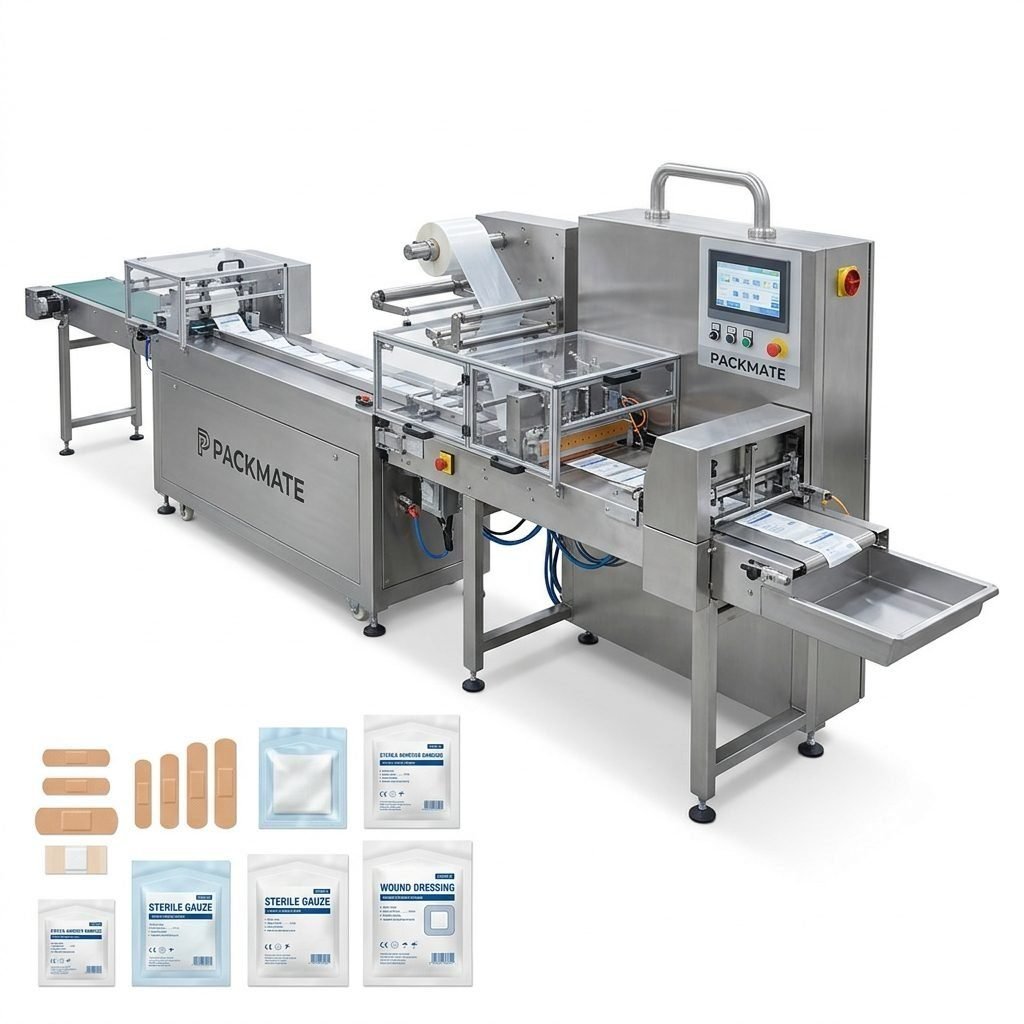
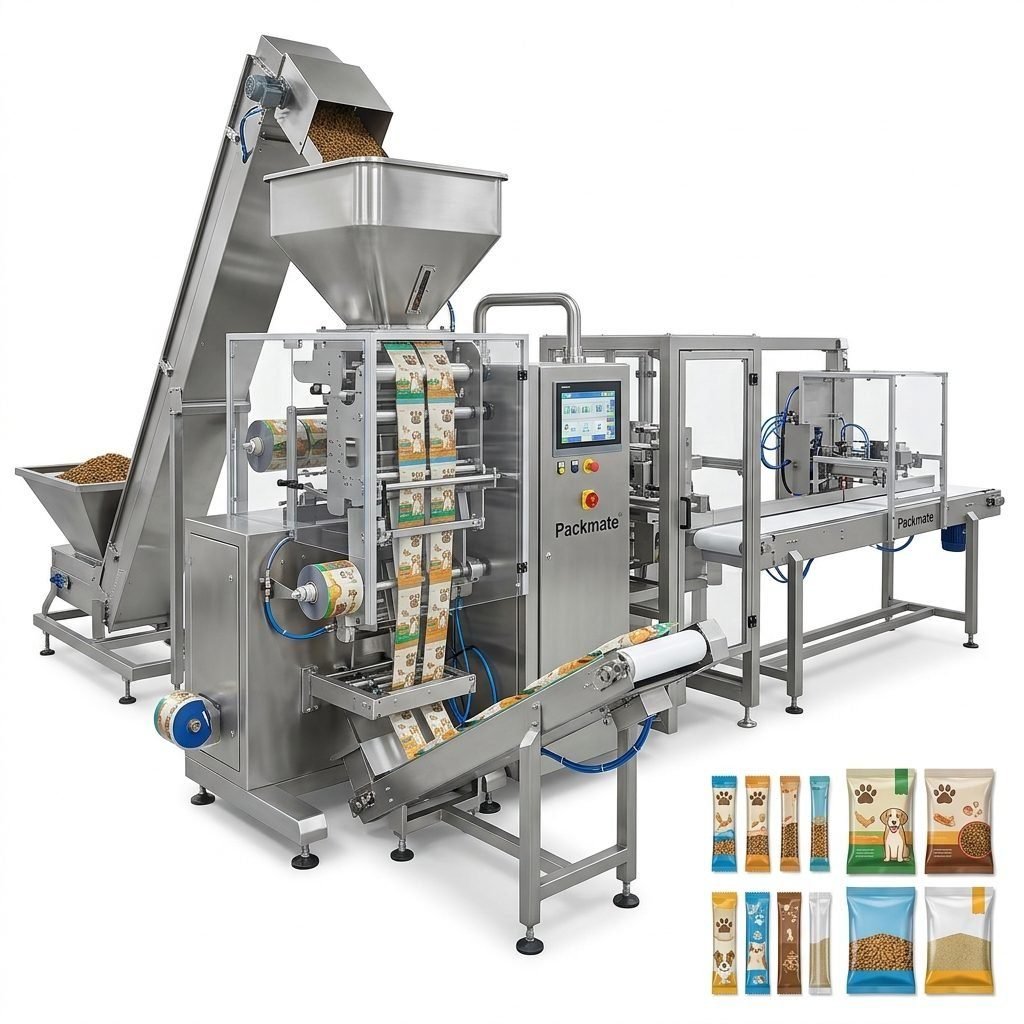
In today’s fast-paced manufacturing world, the design of a packaging machine is not merely about enclosing a product. It is the cornerstone of an efficient, reliable, and profitable automation system. A well-designed machine integrates seamlessly into production lines, maximizes throughput, minimizes waste, and ensures product integrity from start to finish. For industries ranging from food and pharmaceuticals to health products, the principles behind packaging machine design directly impact operational success.
Core Principles of Efficient Packaging Machine Design
The journey to an optimal packaging system begins with a deep understanding of fundamental design principles. These principles guide engineers in creating machines that are not only functional but also future-proof and adaptable.
1. Modularity and Flexibility
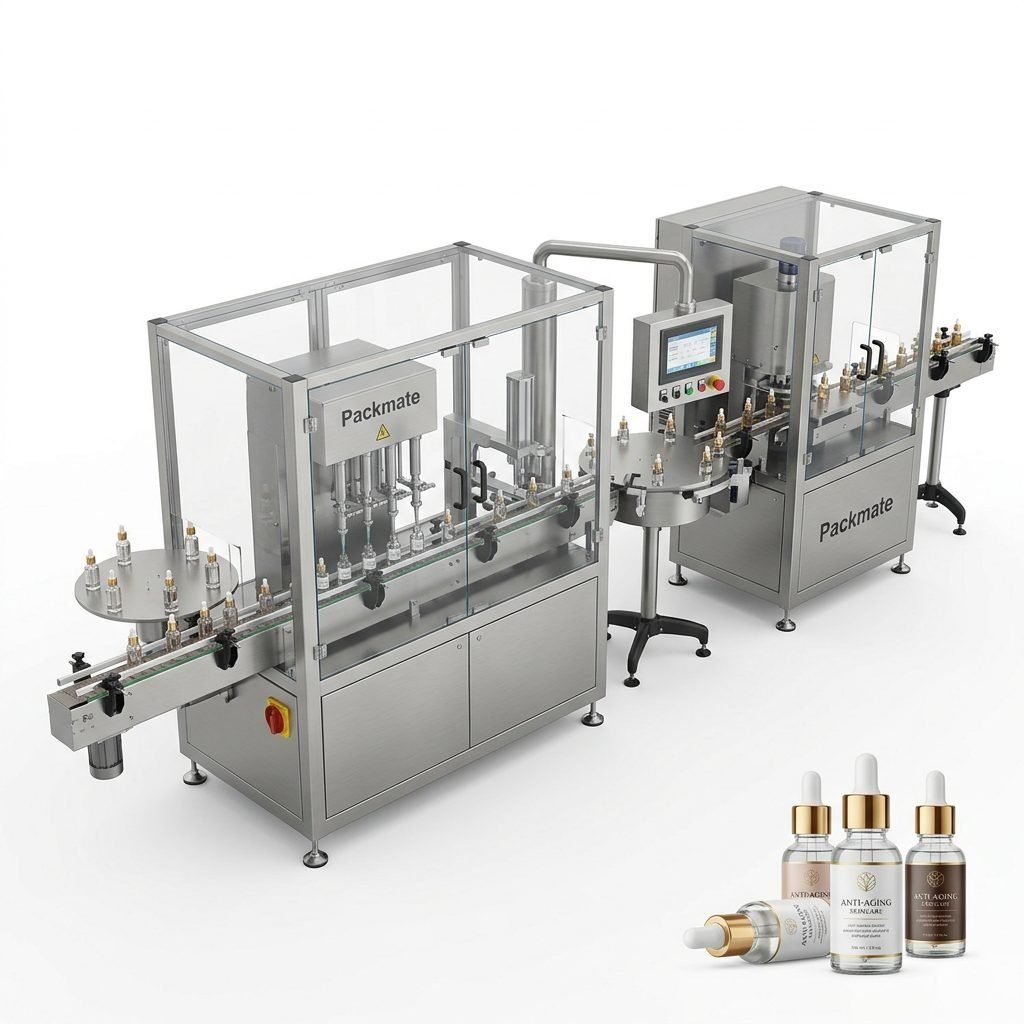
A modern packaging line must adapt to changing market demands. Modular design allows for easy reconfiguration of machine components to handle different product types, package sizes, and materials. This principle is vital for manufacturers who produce a diverse range of items, such as granules, powders, and liquids. A flexible system, like many found in integrated filling and packaging lines, reduces downtime during changeovers and extends the equipment’s lifecycle.
2. Precision and Accuracy
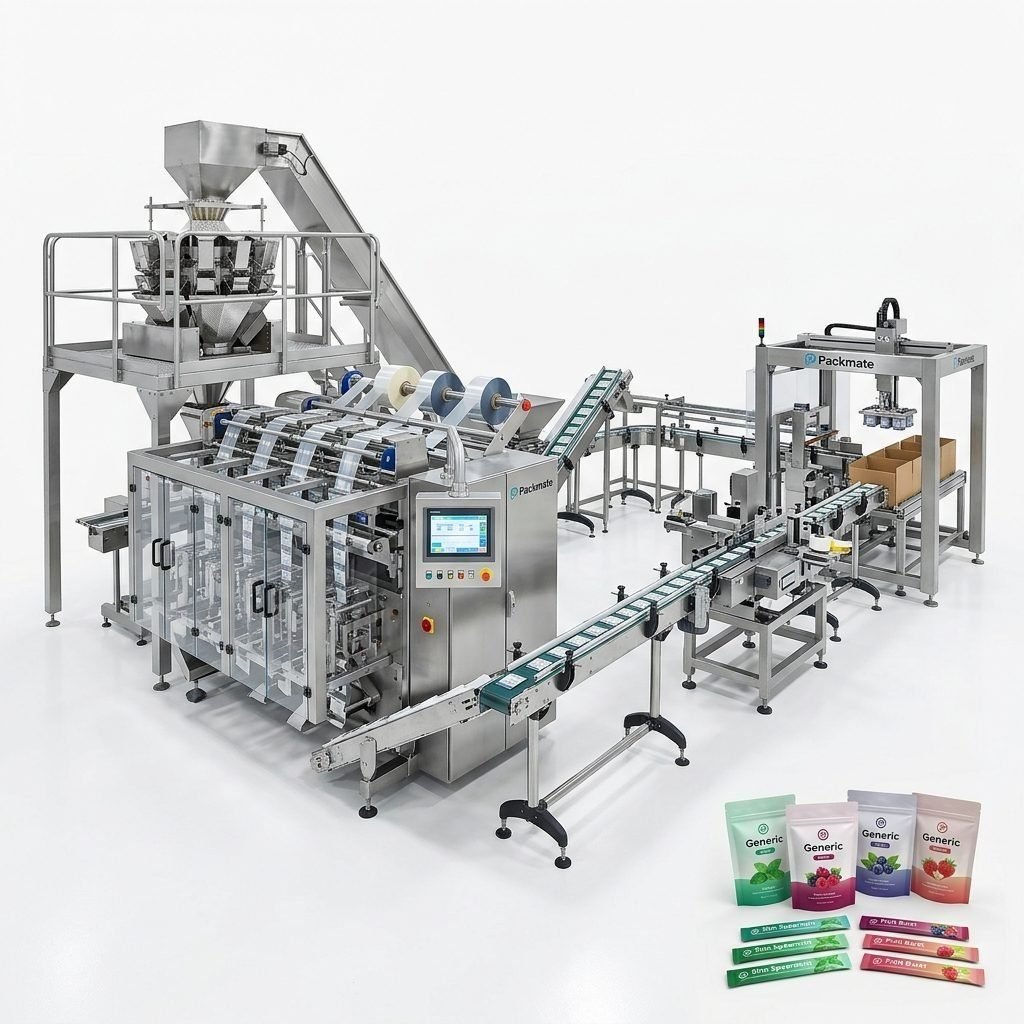
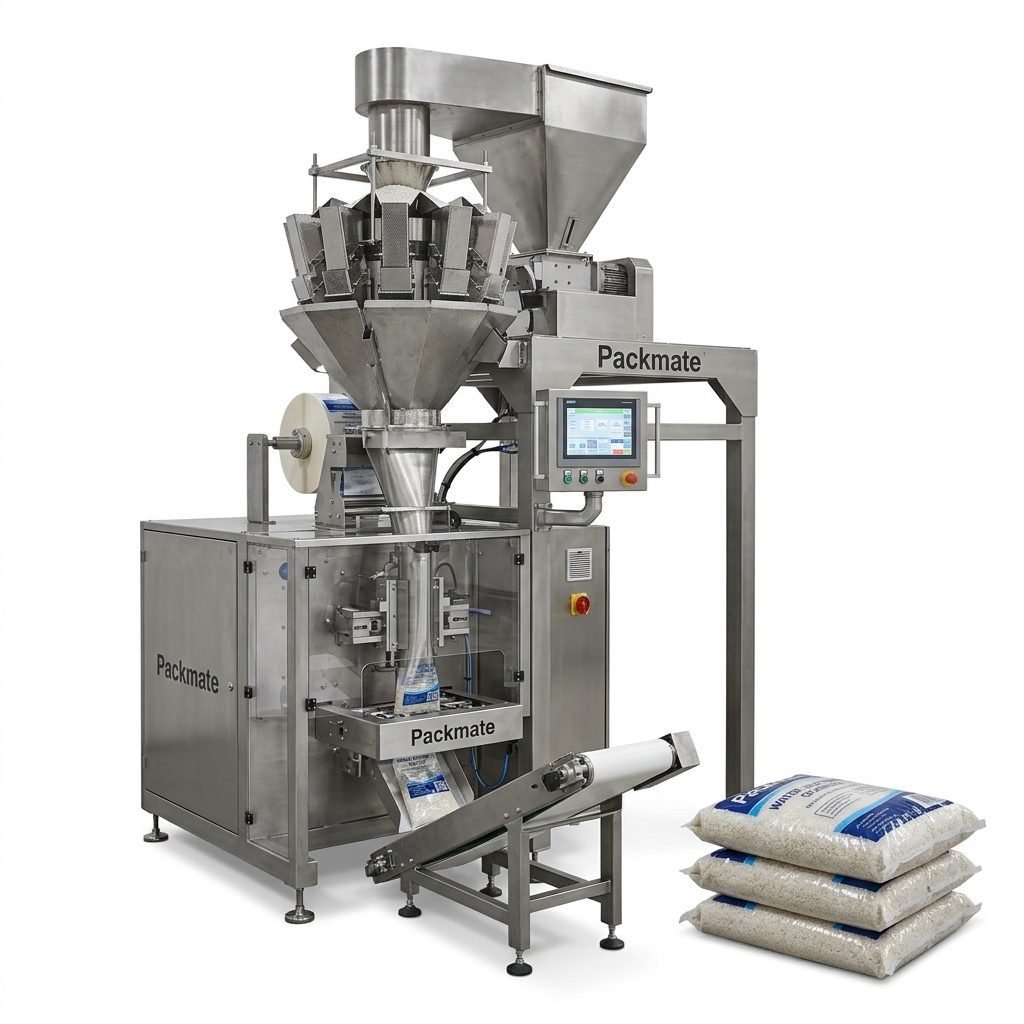
At the heart of packaging lies precision. Every movement—from dosing and filling to sealing and cutting—must be exact. Inaccurate filling leads to product giveaways or underfills, both of which are costly. Precision engineering ensures consistent seal integrity, which is critical for product shelf life and safety, especially in sensitive sectors like pharmaceuticals. Advanced weighing and packaging systems exemplify this principle, utilizing high-accuracy load cells and feedback mechanisms.
3. Reliability and Durability
Packaging machines often operate 24/7 under demanding conditions. Design for reliability involves selecting robust materials, simplifying mechanical movements to reduce wear, and incorporating fail-safe mechanisms. Durability is built through rigorous testing, ensuring that every component from the frame to the smallest actuator can withstand continuous operation. This commitment to reliability is a core value for established manufacturers, reflecting a history of development and refinement over decades.
4. User-Centric Operation and Maintenance
The best machine is one that operators can run and maintain efficiently. Design principles here include intuitive Human-Machine Interfaces (HMIs), easy access to service points, and clear diagnostic systems. Quick-release mechanisms for parts like forming tubes and sealing jaws minimize maintenance downtime. A focus on ergonomics and safety not only protects personnel but also enhances overall productivity.
5. Integration and Connectivity (Industry 4.0)
An isolated machine is a bottleneck. Modern design mandates connectivity. This means standard communication protocols (OPC UA, Ethernet/IP) to plug into a Factory Management System (MES) or Supervisory Control and Data Acquisition (SCADA) network. Machines should provide real-time data on output, efficiency (OEE), and fault alerts, enabling predictive maintenance and data-driven optimization of the entire line.
Design Considerations for Specific Packaging Types
The application of these core principles varies depending on the packaging format. The machinery design must be tailored to the unique challenges of each type.
Stick Pack and Sachet Machines
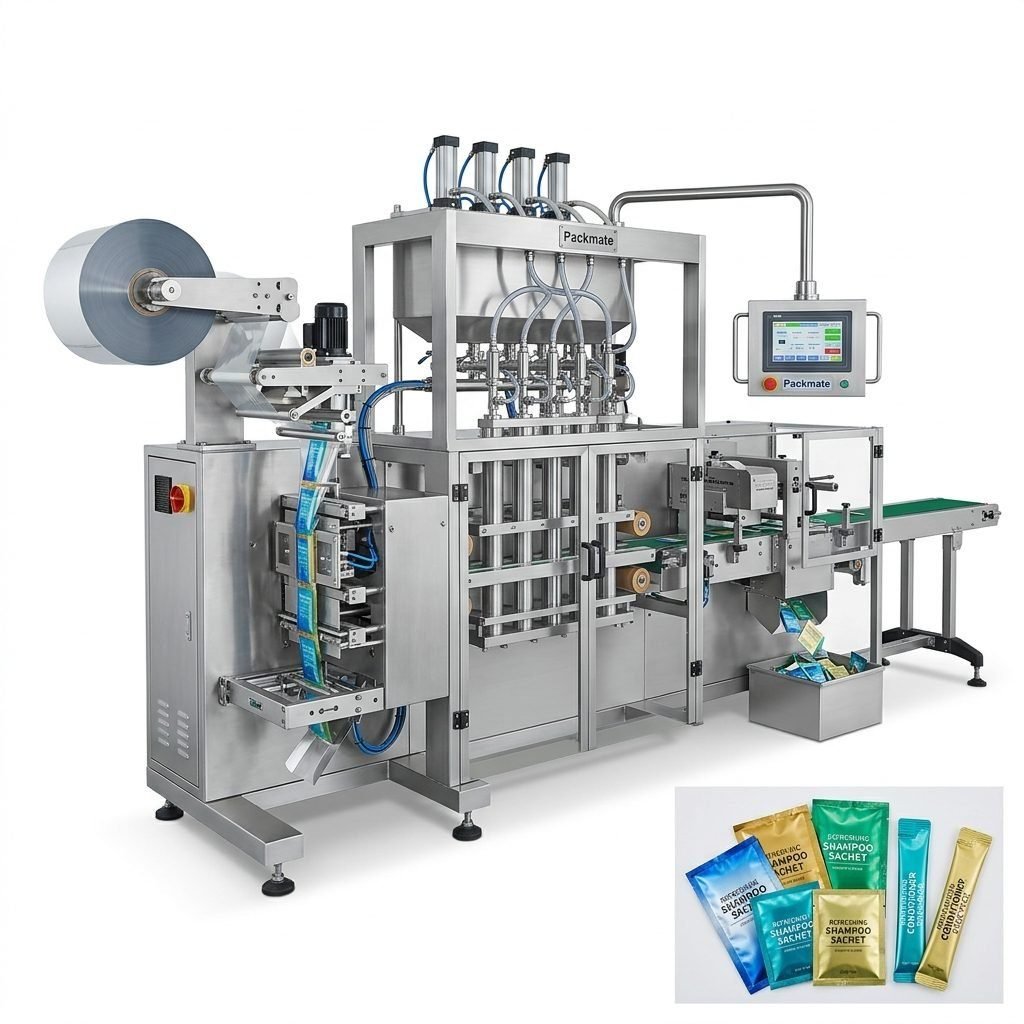
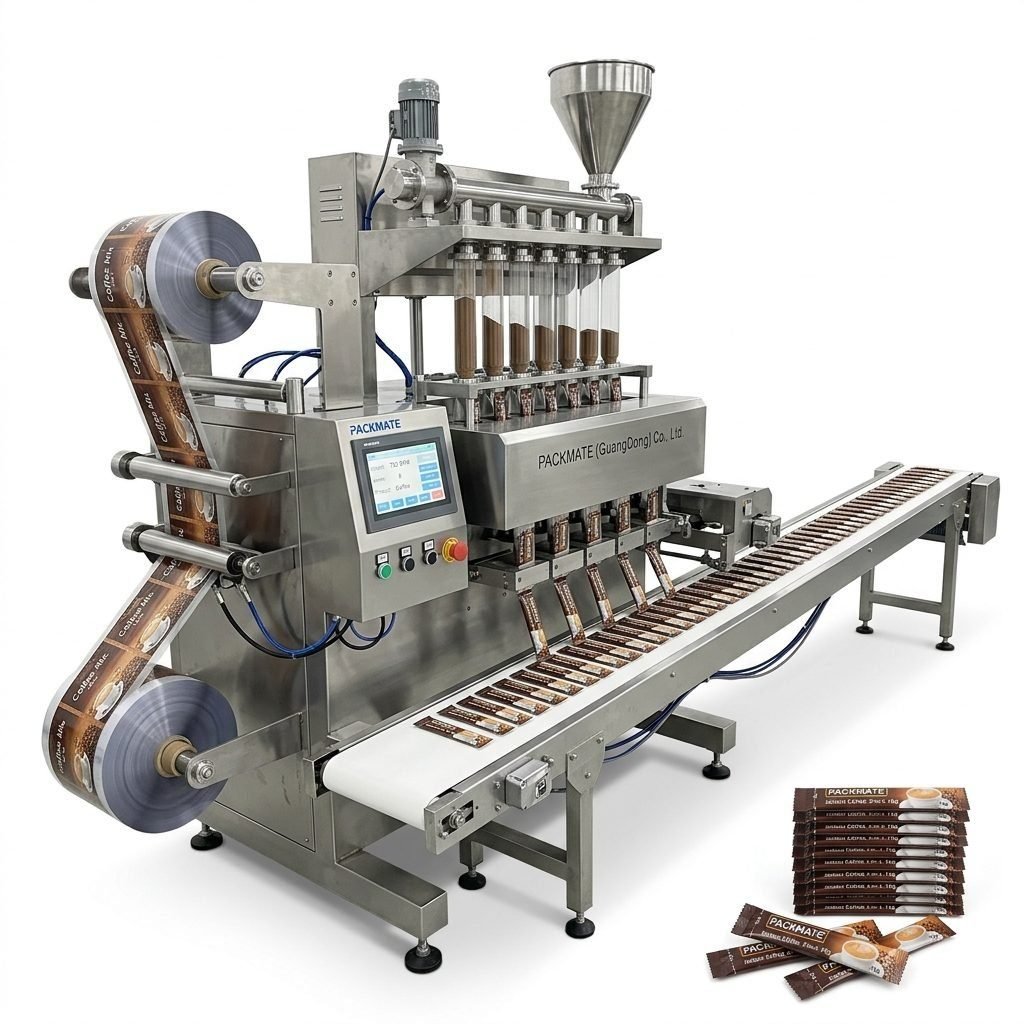
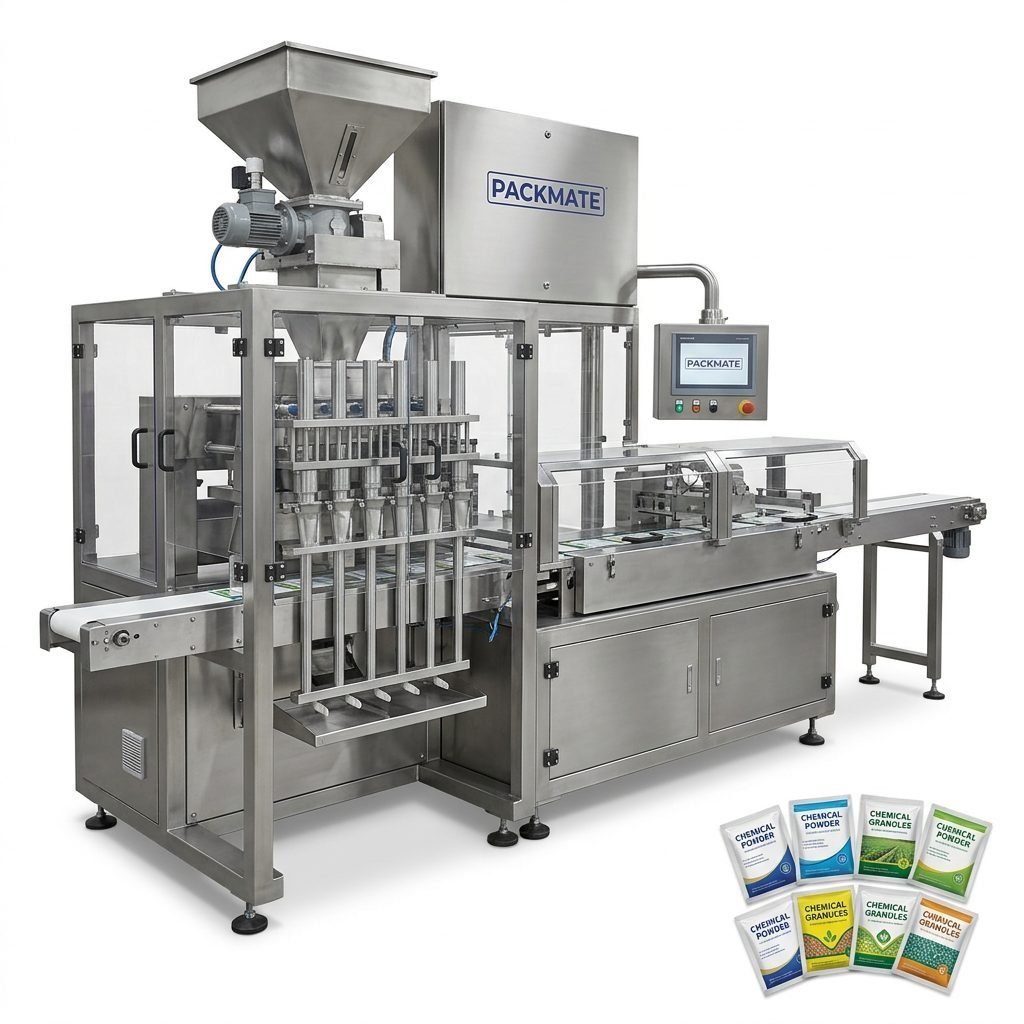
These machines, used for single-serve portions of powders, liquids, or granules, demand high-speed precision. Design focuses on multi-lane configurations to maximize output from a single machine footprint. Precision film feeding and longitudinal sealing are critical to prevent leaks. The design must also handle a variety of laminated films with consistent seal quality. Companies specializing in this area, such as those offering advanced sachet and stick pack machines, often feature servo-driven technology for unparalleled control over each packaging step.
Bag and Pouch Packaging Systems
For larger formats like stand-up pouches or flat bags, the design emphasis shifts to versatility and handling. Machines need robust film unwinding systems, precise gusset formation, and strong bottom or side seals. Integrated weighing, filling, and gas flushing systems become part of a cohesive unit. The design of effective bag and pouch packaging machines often includes customizable options for spout attachment, zipper application, and degassing.
Specialized Applications (e.g., Snus, Pharmaceuticals)
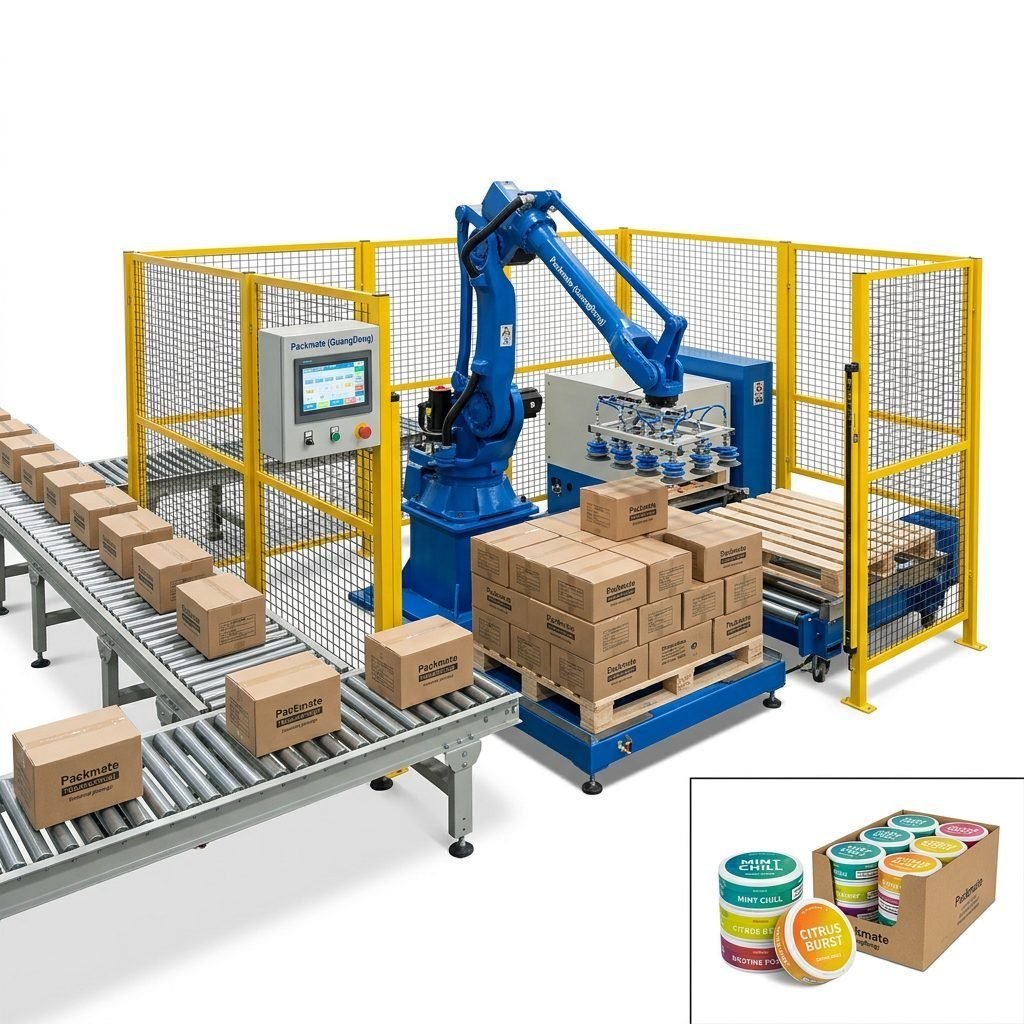
Here, design principles are elevated by stringent regulatory and product-specific requirements. For snus or nicotine pouches, design focuses on ultra-precise filling of moist materials and creating airtight seals to preserve freshness. In pharmaceuticals, designs must facilitate easy cleaning and sterilization (CIP/SIP), use compliant materials, and provide absolute traceability for every action. These systems are less about pure speed and more about guaranteed accuracy, hygiene, and documentation.
The Role of a Trusted Manufacturer in Design Execution
Translating these principles into a physical, high-performing machine requires deep expertise. A manufacturer’s experience directly influences the quality of the design outcome.
Consider a company with over 30 years of focused development. Such a history implies accumulated knowledge in solving real-world packaging problems. Their design process is informed by thousands of client interactions and applications. A large, modern manufacturing facility allows for precision machining and in-house testing of prototypes, ensuring the design is validated before it reaches the customer. Furthermore, a broad portfolio of over 50 machine models demonstrates an ability to apply core principles across diverse challenges, from simple sachets to complex turnkey lines. This experience is crucial for providing not just a machine, but a reliable production solution.
Conclusion: Design as the Foundation for Automation Success
Efficient packaging automation is not an accident; it is the direct result of deliberate, intelligent machine design. By adhering to principles of modularity, precision, reliability, user-centricity, and connectivity, engineers create systems that form the reliable backbone of modern production. Whether the need is for high-speed stick packs, versatile pouches, or specialized formats, the design dictates the system’s efficiency, flexibility, and total cost of ownership. Partnering with a manufacturer whose legacy is built on these principles ensures that your investment is built on a solid foundation for future growth.
Frequently Asked Questions (FAQs)
Q1: How important is modularity in packaging machine design for a growing business?
Modularity is critical. It allows you to start with a core system and add capabilities (e.g., extra lanes, different fillers, checkweighers) as your product range or volume grows. This protects your initial investment and provides a scalable path for automation, avoiding the need for a complete machine replacement.
Q2: What is the single biggest design factor affecting packaging line efficiency (OEE)?
While many factors contribute, changeover time is often the most significant hidden cost. A design focused on quick tool-less changeovers and recipe management on the HMI can dramatically increase Overall Equipment Effectiveness by maximizing productive run time.
Q3: Can one machine design effectively handle both powders and liquids?
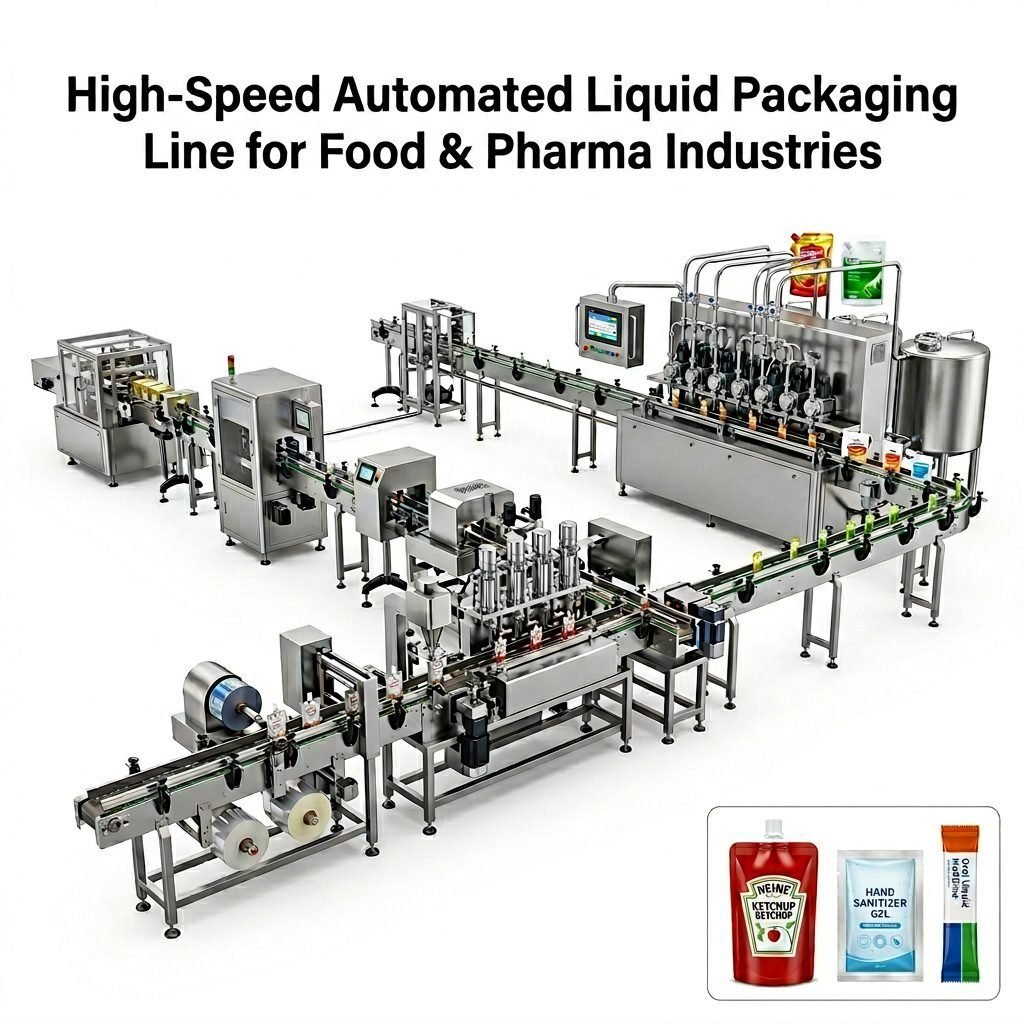
While some machines are adaptable, the optimal design differs significantly. Powder handling requires precise auger or cup filler designs to prevent dust and ensure accuracy. Liquid handling needs pump-based filling, potential drip prevention, and different sealing considerations. A modular system with interchangeable filling heads is often the best solution for handling multiple product types.
Q4: How does machine design impact maintenance costs and downtime?
Proactive design directly reduces lifetime costs. Features like self-lubricating bearings, easily accessible service panels, standardized component parts, and comprehensive diagnostic systems make routine maintenance faster and simpler. This design philosophy minimizes unplanned downtime and lowers the total cost of ownership.
Q5: Why is partner selection as important as the machine design itself?
The most elegant design fails if not executed with quality manufacturing and supported properly. A partner with a proven track record, like Packmate Machinery, brings engineering expertise, reliable production quality, and global service support. They ensure the designed principles are faithfully built into the machine and that it continues to perform optimally throughout its service life.