In today’s fast-paced manufacturing environment, the efficiency and reliability of packaging operations are paramount. For businesses utilizing sophisticated packaging equipment, the knowledge and skill of the operators are just as critical as the machinery itself. This is where customized packaging equipment training programs and courses become an invaluable investment, bridging the gap between advanced technology and human expertise to maximize productivity, ensure safety, and optimize return on investment.
The Critical Need for Specialized Training
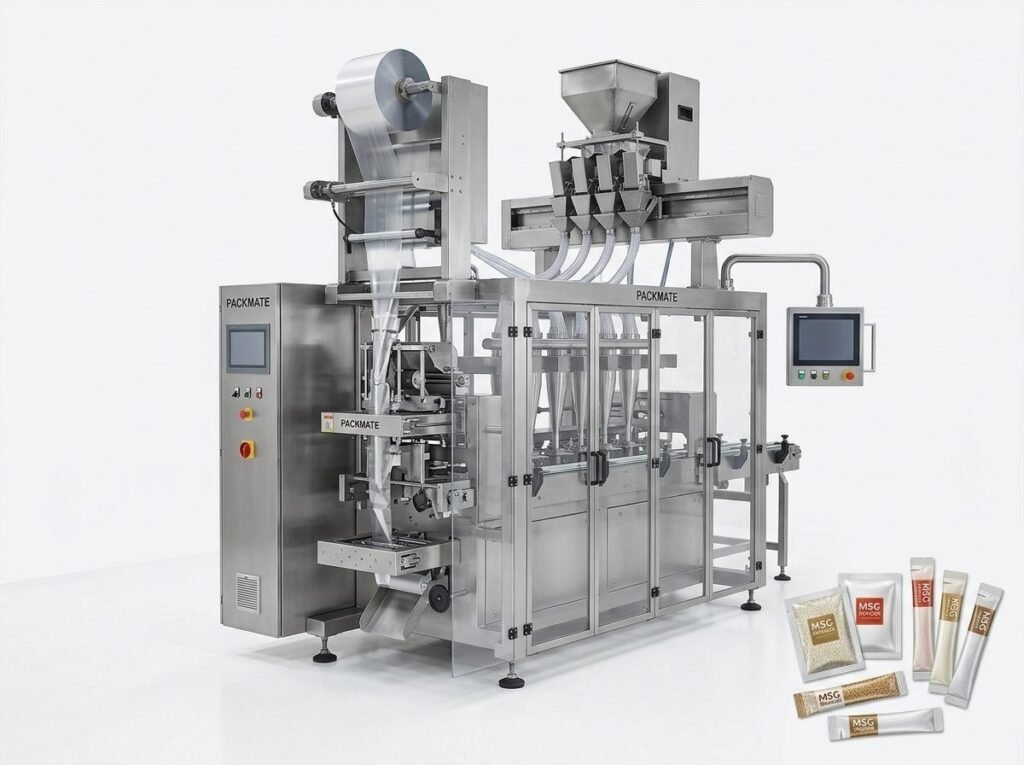
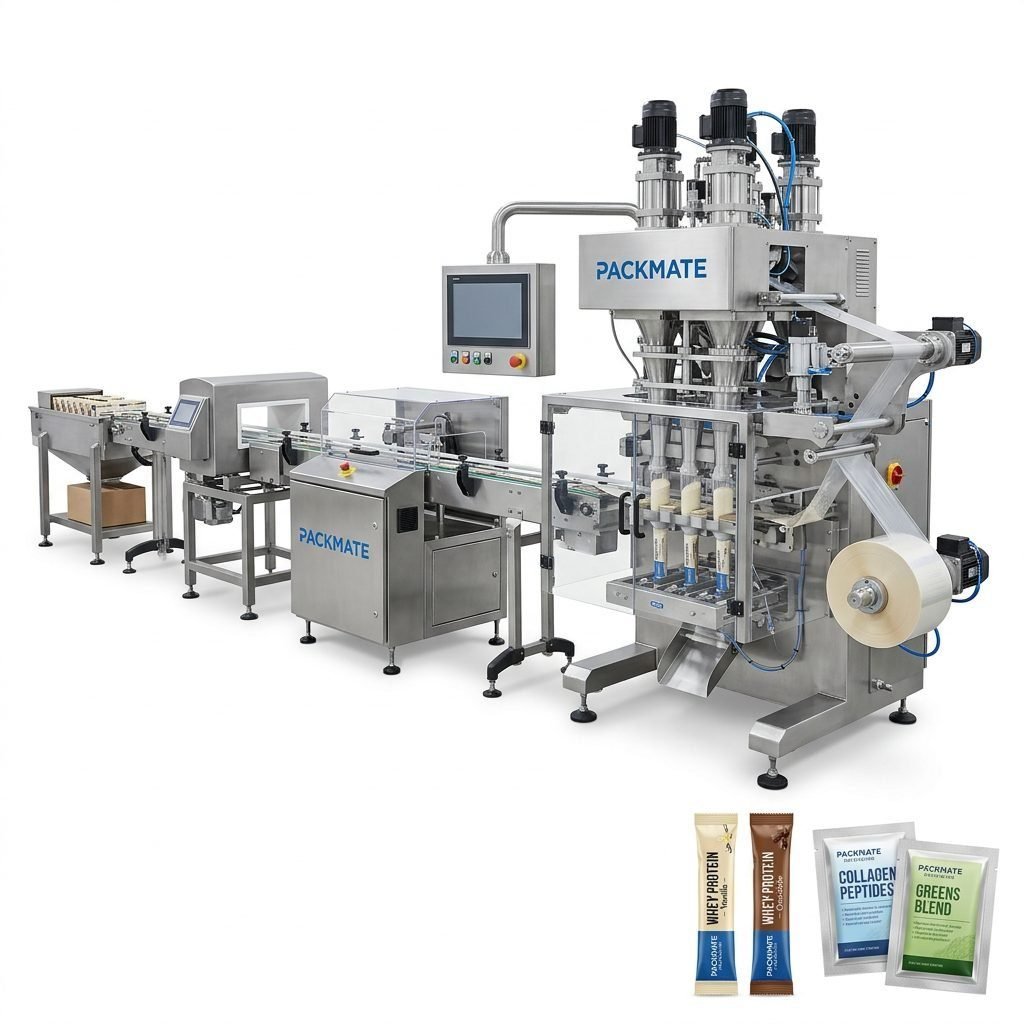
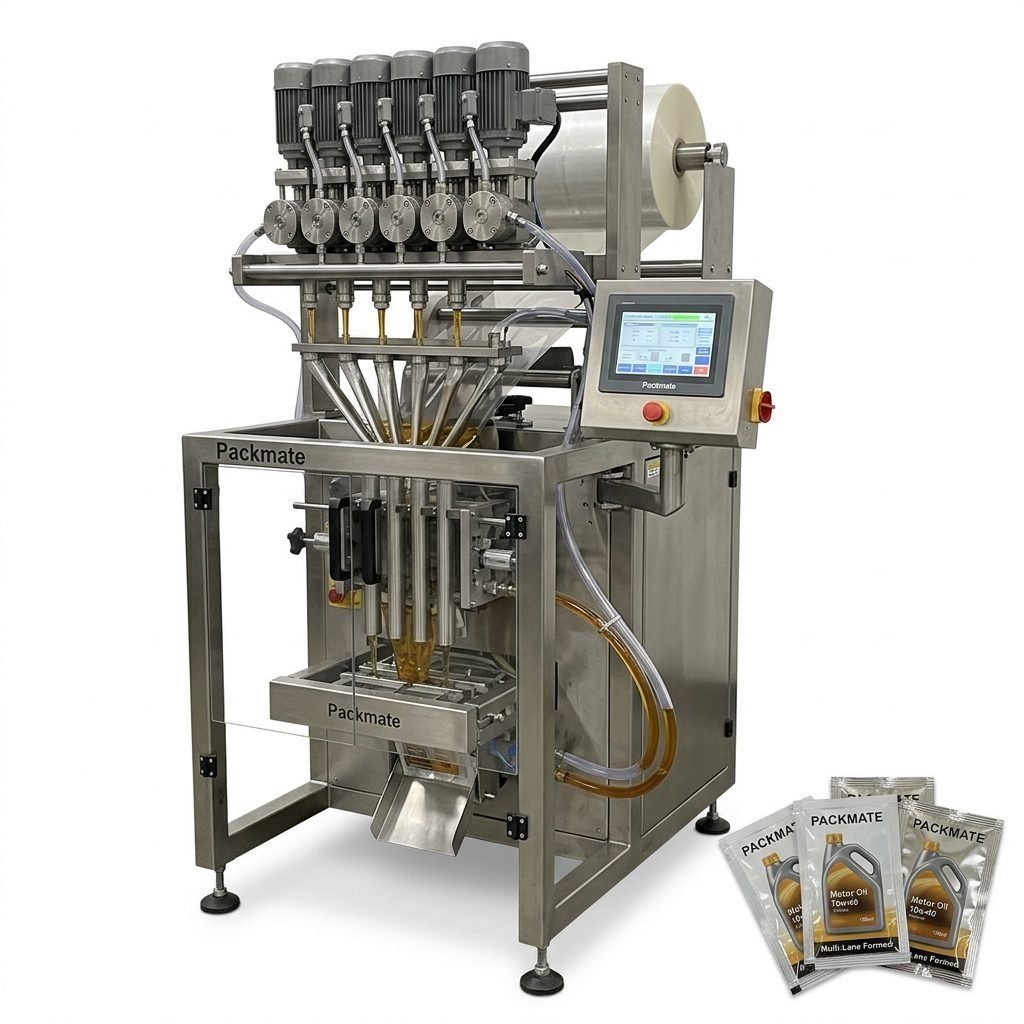
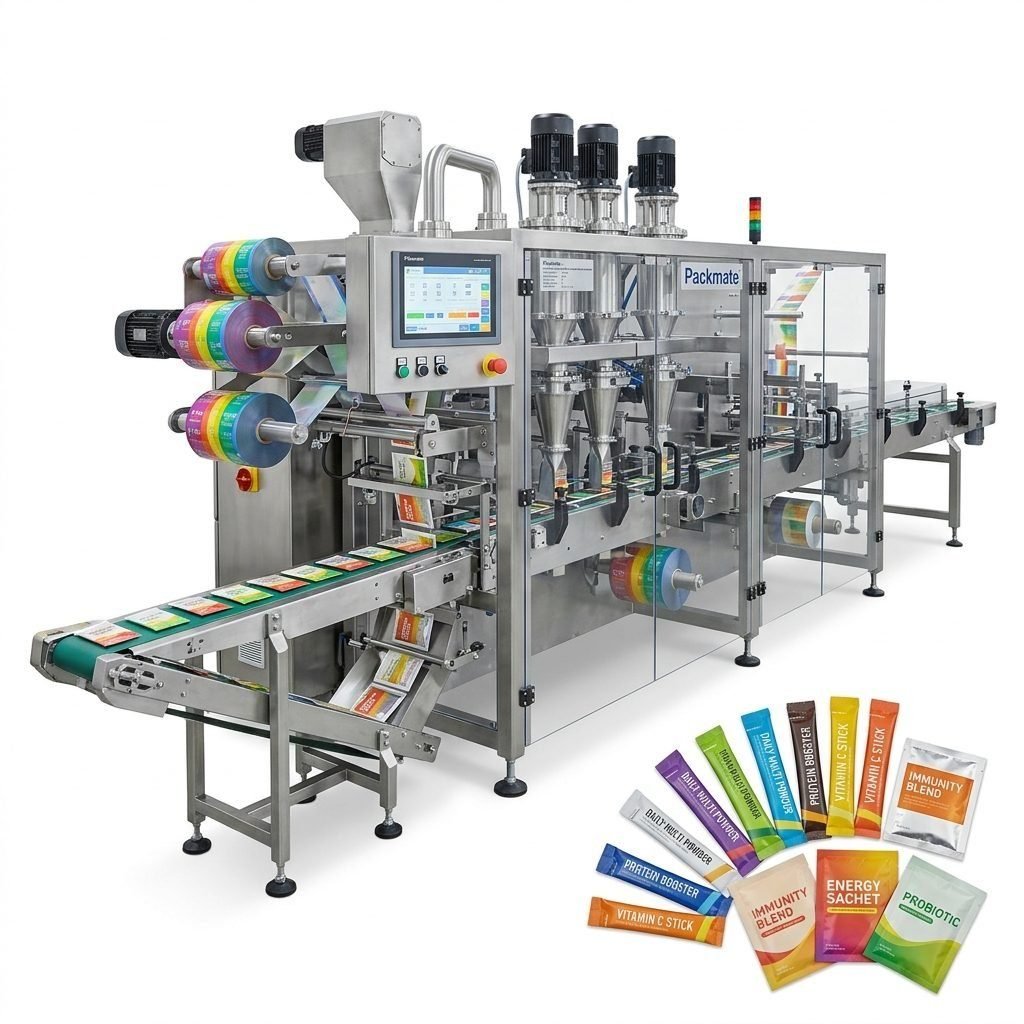
Modern packaging lines are complex systems integrating mechanics, pneumatics, electronics, and sophisticated software. A generic, one-size-fits-all training approach often falls short. Operators need instruction tailored to the specific models they will use, the unique products they will package, and the particular operational protocols of their facility. Customized training addresses this by focusing on the exact equipment, such as a specific multi-lane stick pack machine, ensuring personnel are proficient in its daily operation, routine maintenance, and basic troubleshooting from day one.
Core Benefits of a Customized Training Program
Enhanced Operational Efficiency: Trained operators can run machines at optimal speeds, minimize changeover times, and reduce material waste caused by user error. This directly impacts the bottom line.
Increased Machine Uptime and Longevity: Proper preventative maintenance training helps avoid costly breakdowns. Understanding how to lubricate, clean, and calibrate equipment correctly extends its service life and protects your capital investment.
Improved Safety Culture: Comprehensive safety training reduces the risk of workplace accidents. Operators learn to identify hazards, use safety guards and interlocks properly, and follow lockout-tagout procedures, creating a safer working environment for everyone.
Faster Problem Resolution: With foundational troubleshooting skills, operators can diagnose and resolve minor issues independently, reducing dependence on external service calls and minimizing production downtime.
Boosted Staff Confidence and Morale: Employees who feel competent and valued are more engaged and productive. Customized training empowers them, leading to higher job satisfaction and lower turnover rates.
Key Components of an Effective Training Curriculum
A well-structured customized training program is multi-faceted, moving from theory to hands-on practice. It should be developed and delivered by experienced engineers or master technicians with deep knowledge of the equipment, like those from Packmate Machinery, who have over 30 years of industry expertise.
1. Theoretical Foundation & Machine Overview
This module covers the basic principles of the packaging process, an introduction to the machine’s control system (often an HMI or PLC interface), and a review of all major components. Trainees learn the machine’s capabilities, specifications, and the intended workflow for products like granules, powders, or liquids.
2. Hands-On Operation & Changeover Procedures
The core of the training. Trainees practice starting up, running, and shutting down the equipment. A significant focus is placed on product changeovers—changing film reels, adjusting forming tubes, cleaning product contact parts, and inputting new parameters. This is crucial for facilities with short production runs or diverse product lines.
3. Preventative Maintenance (PM) Schedules
Operators are taught a daily, weekly, and monthly PM checklist. This includes tasks such as checking seal integrity, inspecting critical wear parts like jaws and cutters, verifying pneumatic pressure, and ensuring all sensors are clean and functional. Adherence to PM schedules is the best defense against unplanned stoppages.
4. Basic Troubleshooting & Diagnostics
Trainees learn to interpret common alarm codes on the machine’s display. They are guided through a logical process to identify frequent issues: poor seals (often due to temperature or pressure), film tracking problems, inaccurate filling, or irregular cutting. The goal is to equip them to solve straightforward problems and know when to escalate to technical support.
5. Safety Protocols & Quality Control
This non-negotiable module covers all machine-specific safety features, emergency stops, and personal protective equipment (PPE) requirements. It also integrates quality control checks, teaching operators how to spot defects in finished packs and make minor adjustments to correct them, ensuring consistent output quality.
Delivery Formats: On-Site, Virtual, and Hybrid Models
Customized training can be delivered in several ways to suit different operational needs and budgets. On-site training at your facility is often the most effective, as it uses your actual machines, your products, and involves your full team in their working environment. For global clients, virtual instructor-led training via video conferencing, combined with detailed digital manuals and simulation software, provides a flexible alternative. A hybrid model, starting with virtual theory sessions followed by concentrated on-site practical workshops, is also a popular and cost-effective approach.
The Role of the Equipment Manufacturer in Training
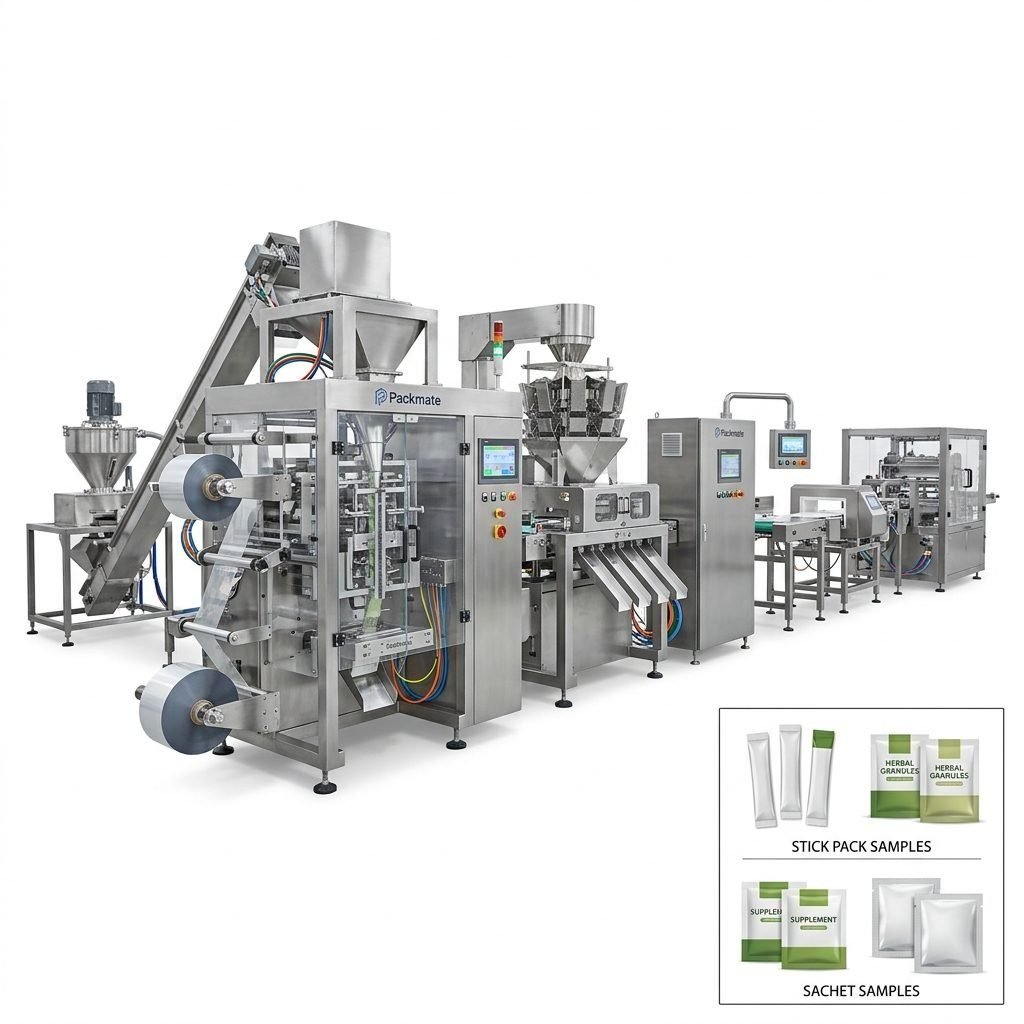
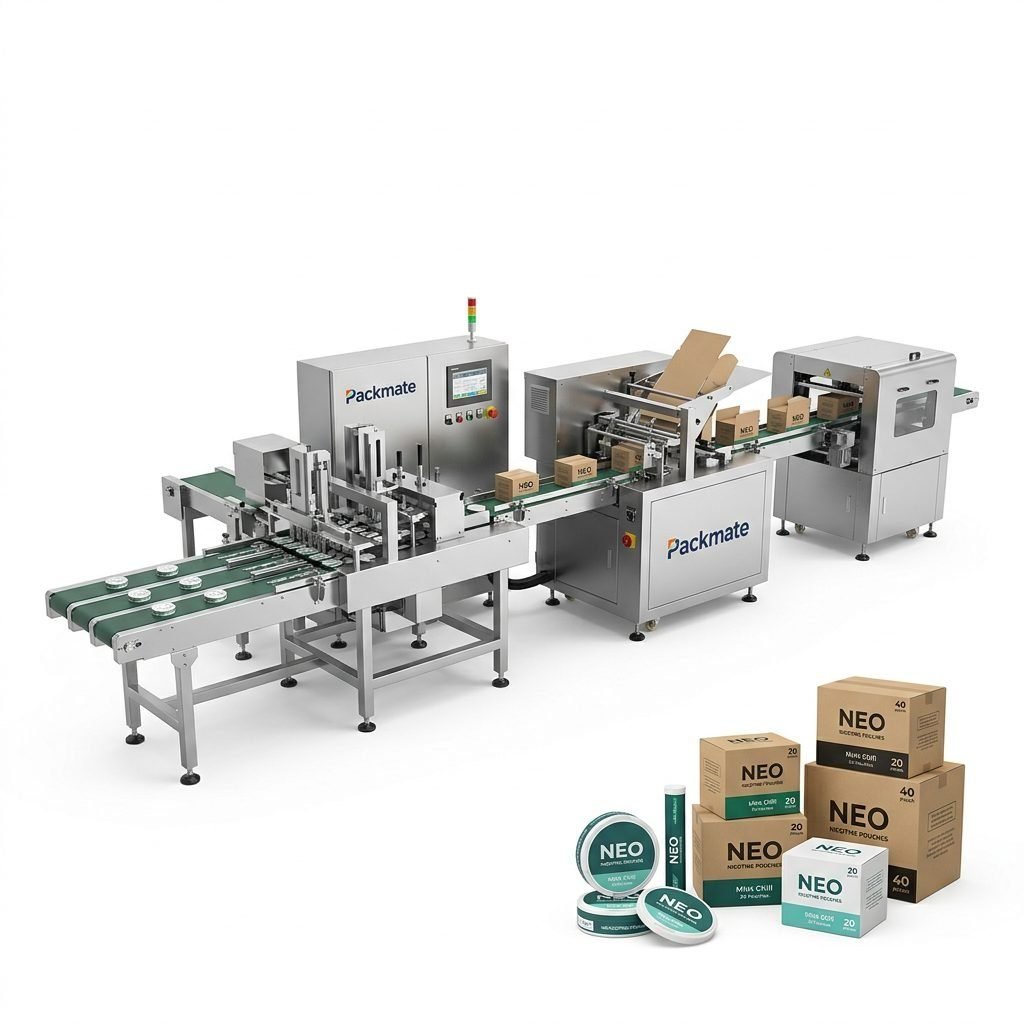
Choosing the right training partner is essential. The original equipment manufacturer (OEM) possesses unparalleled insight into the machine’s design and operation. For instance, a company like Packmate Machinery, with its 20,000㎡ modern facility and over 50 machine models of experience, can provide training that is deeply aligned with the equipment’s engineering. They understand the nuances of their complete packaging lines and can offer insights that generic trainers cannot. Investing in OEM training also often extends warranty benefits and ensures access to the latest technical updates and best practices.
Measuring Training ROI and Continuous Learning
The success of a training program should be measured through Key Performance Indicators (KPIs) tracked before and after the training. These include Overall Equipment Effectiveness (OEE), rate of production waste, frequency of minor stoppages, and mean time to repair (MTTR). A post-training assessment and certification for operators validate their competency. Furthermore, training should not be a one-time event. Refresher courses, advanced modules on new features, and access to an online knowledge base or FAQ portal are vital for continuous skill development.
Ultimately, customized packaging equipment training is not an expense but a strategic investment. It transforms operators from simple machine minders into skilled technicians who can proactively manage the packaging process. This leads to a more resilient, efficient, and competitive operation, safeguarding quality and productivity in an ever-demanding market. By partnering with a knowledgeable provider and committing to ongoing education, businesses can fully unlock the potential of their packaging technology and their people.
Frequently Asked Questions (FAQs)
1. Who should attend customized packaging machine training?
Primary attendees should be the machine operators who will run the equipment daily. It is also highly beneficial for production line supervisors, maintenance technicians, and quality control staff to attend relevant modules to ensure a cohesive understanding across the team.
2. How long does a typical on-site training program last?
The duration depends on the machine’s complexity. For a standard single-tube sachet machine, training may take 3-5 days. For a complex, integrated multi-lane weighing and packaging system, it could require 1-2 weeks to cover operation, maintenance, and control software comprehensively.
3. What materials are provided after the training?
Reputable providers supply a complete training package, including detailed operation and maintenance manuals (often digital), spare parts catalogs, recommended lubrication and maintenance schedules, troubleshooting guides, and contact information for technical support.
4. Can training be conducted in our local language?
Yes, leading international suppliers like Packmate Machinery typically offer training materials and instruction in multiple languages or work with local translators to ensure clear communication and complete understanding for all trainees.
5. Is follow-up or refresher training available?
Absolutely. Many manufacturers offer follow-up support visits, advanced training courses, and online resources. Refresher training is recommended annually or whenever there is significant staff turnover or a major upgrade to the equipment.