In the high-stakes world of financial services, operational efficiency, security, and precision are non-negotiable. While the industry’s focus is on data and transactions, the physical handling of critical documents, cards, and sensitive materials is a cornerstone of daily operations. This is where specialized packaging equipment becomes an essential, yet often overlooked, component of a robust operational infrastructure. From securely mailing confidential statements to preparing bulk card distributions, the right machinery ensures accuracy, compliance, and brand integrity.
The Unseen Backbone of Financial Operations
Financial institutions manage a vast array of physical items that require meticulous packaging. These include credit/debit cards, checkbooks, PIN mailers, welcome kits, legal documents, promotional materials, and sensitive client correspondence. Manual handling of these items is not only slow and prone to error but also poses significant security risks. Specialized packaging automation directly addresses these challenges by introducing speed, unwavering accuracy, and enhanced security protocols into the workflow. It transforms a potential vulnerability into a streamlined, reliable process.
Key Packaging Challenges in Finance
Before delving into solutions, it’s crucial to understand the unique demands:
- Security & Confidentiality: Preventing data breaches is paramount. Packaging must ensure contents are not visible or accessible during transit.
- Accuracy & Error Reduction: Sending a card or document to the wrong person is a severe compliance failure and damages client trust.
- High-Volume Throughput: Operations like new card launches or quarterly statement mailings require processing thousands of items reliably and quickly.
- Brand Presentation: Even utilitarian mailings represent the brand. Professional, consistent packaging reinforces trust and quality.
- Regulatory Compliance: Adherence to standards for mailing financial instruments and personal data is mandatory.
Essential Packaging Equipment for Financial Services
The following categories of equipment form the core of an efficient financial services packaging operation:
1. Card Inserting and Mailing Systems
This is perhaps the most critical equipment for banks and card issuers. These automated systems collate a credit or debit card with corresponding PINs, letters, and marketing materials, then insert them into a single, secure envelope. Advanced systems feature OCR (Optical Character Recognition) or camera verification to match the correct card with the correct documents, virtually eliminating mis-sends. They handle various envelope sizes and can integrate with weighing scales to detect missing components, ensuring every mailer is complete. For institutions looking to upgrade their card fulfillment, exploring modern packing machine solutions can provide a technological leap forward.
2. Sealing and Security Equipment
Once items are placed in envelopes or pouches, secure sealing is essential. Taping machines that use security tapes (e.g., void tape that leaves a pattern when removed) add a layer of tamper evidence. For smaller pouches containing PINs or SIM cards, heat sealers create a permanent, durable bond that cannot be opened without clear destruction. This process ensures contents remain confidential from the point of sealing to the point of client receipt.
3. Document Insertion and Collating Systems
For statement mailing, loan documentation, or policy kits, automated document inserters are indispensable. They gather multiple pages from different trays, fold them, and insert them into window or closed envelopes at high speeds. Modern inserters are software-driven, allowing for dynamic content selection based on client data, enabling hyper-personalized communication. This aligns with the financial sector’s move towards personalized client engagement.
4. Weighing and Sorting Systems
Accuracy in postage is a direct cost-saving measure. Integrated weighing systems automatically weigh completed mailers and apply the precise postage, avoiding overpayment. More sophisticated systems can sort outgoing mail by destination, zip code, or mail class, optimizing logistics and delivery times. The principle of precision weighing is central to many automated processes, much like the technology found in industrial weighing & packaging systems used in other sectors.
5. Shrink Wrapping and Bundling Equipment
For internal logistics, such as transporting batches of pre-packed card mailers to the postal service or sending bulk promotional materials to branches, shrink wrapping provides unitization and protection. It keeps batches together, protects them from moisture and dust, and allows for easy handling and counting. This is crucial for maintaining order and efficiency in large-scale distribution centers.
Integrating Packaging into the Financial Workflow
Purchasing equipment is only the first step. Successful integration involves connecting packaging lines with core banking or CRM software. This allows for job lists to be automatically generated, personalization data to be fed to printers and inserters, and tracking information to be recorded for each mailed item. A well-integrated packaging line acts as a seamless extension of the institution’s data management system, closing the loop on the physical fulfillment of digital instructions.
Partnering with the Right Manufacturer
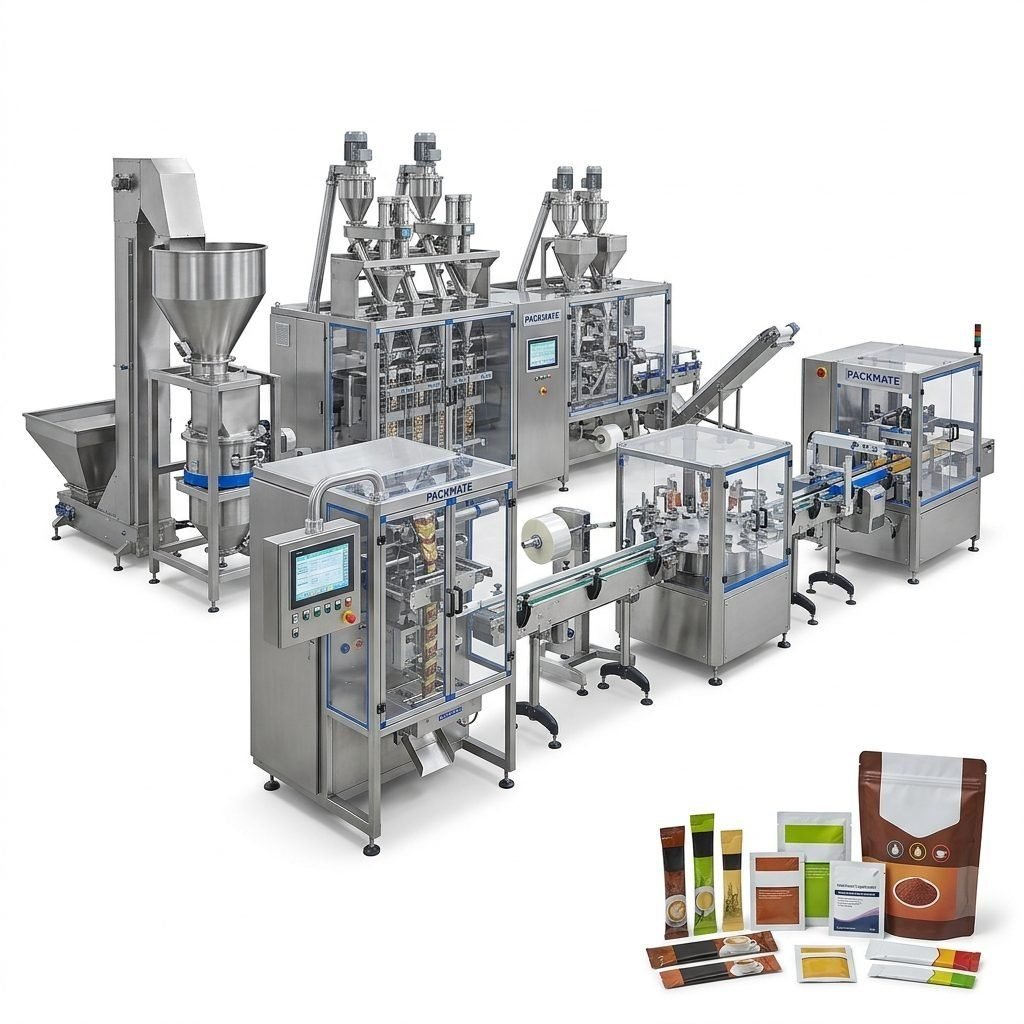
Choosing a supplier is a strategic decision. Look for manufacturers with a proven track record in building reliable, precise, and secure equipment. Companies with deep expertise in automation, like Packmate Machinery, which brings over 30 years of engineering experience in creating intelligent packaging solutions for sensitive industries, understand the need for precision and reliability. Their evolution from a specialized workshop to a provider of complete filling & packaging lines mirrors the complexity that financial operations require—scalable, turnkey solutions built on a foundation of quality and innovation.
Conclusion: Packaging as a Strategic Asset
In financial services, every client touchpoint matters. The moment a client receives a new card or an important statement is a moment of brand interaction. Essential packaging equipment elevates this process from a mundane back-office task to a reliable, secure, and efficient operation that protects the institution and respects the client. It reduces operational risk, cuts costs through automation, and ensures compliance. Investing in the right packaging technology is not an overhead expense; it is an investment in operational excellence and client trust.
Frequently Asked Questions (FAQs)
1. Why can’t financial institutions use standard office mailing equipment?
Standard equipment lacks the necessary security features, verification systems, and high-volume precision required for financial items. The risk of error and breach is too high. Financial-grade equipment is built with enhanced security protocols, audit trails, and accuracy checks specific to sensitive materials.
2. What is the most important feature in a card inserting system?
The verification system is paramount. Whether using OCR, barcode scanning, or camera matching, the system must have a failsafe method to ensure the correct card is paired with the correct recipient’s documents before sealing. This is the primary defense against mis-sends.
3. How does automated packaging help with regulatory compliance?
It enforces consistent processes that meet standards for secure mailing (e.g., for PINs). It creates automatic audit logs of what was mailed, to whom, and when. It also ensures tamper-evident sealing is applied uniformly, providing physical evidence of confidentiality maintenance.
4. Can these systems handle variable data and personalized communications?
Absolutely. Modern systems are driven by software that can pull variable data (name, address, custom offers) to print personalized letters and select specific inserts for each recipient, enabling targeted marketing and communication within the same secure mailing workflow.
5. What is the typical ROI for implementing such packaging automation?
Return on investment comes from multiple areas: significant labor cost reduction, elimination of costly errors (like re-issuing cards), optimized postage costs, reduced waste, and the intangible but critical benefit of enhanced security and client trust. Payback periods can often be measured in just a few years based on volume.