Vacuum packaging has become an indispensable process for preserving freshness, extending shelf life, and protecting products from contamination. Whether you’re a home cook looking to meal prep, a small business owner, or managing a large-scale commercial operation, selecting the right vacuum packaging machine is crucial. This guide explores the best options for both home and commercial use, helping you make an informed decision based on your specific needs.
Understanding Vacuum Packaging Technology
At its core, vacuum packaging removes air from a package before sealing it. This process significantly slows down oxidation and inhibits the growth of aerobic bacteria and fungi, which require oxygen to thrive. The technology varies from simple external suction devices to sophisticated chamber machines capable of handling liquids and powders.
For commercial applications, especially in the food and pharmaceutical sectors, the reliability and precision of the machine are paramount. Companies like Packmate Machinery have spent decades refining this technology, offering solutions that ensure product integrity and operational efficiency.
Key Benefits of Vacuum Packaging
The advantages extend far beyond simple food preservation. For businesses, it’s a tool for quality control, waste reduction, and brand presentation.
- Extended Shelf Life: Products can last 3 to 5 times longer, reducing spoilage and loss.
- Enhanced Food Safety: Creates an anaerobic environment that deters pathogens.
- Space Efficiency: Vacuum-sealed items are compact, saving valuable freezer, fridge, or storage space.
- Protection from Elements: Guards against freezer burn, moisture, and odors.
- Improved Product Presentation: A tight, professional package enhances customer appeal.
Choosing the Best Machine for Home Use
Home vacuum sealers are designed for occasional to regular use, focusing on user-friendliness, compact size, and affordability. They are perfect for sous-vide cooking, storing bulk purchases, and preserving garden harvests.
The most common type is the external suction sealer. It uses a handheld nozzle or a dedicated port on the machine to draw air out of special bags with textured surfaces. These are excellent for dry, solid foods but struggle with liquids or fine powders.
When selecting a home machine, consider the seal bar length (determines bag width), pump strength (measured in watts or L/min), and whether it offers features like a marinate function or can seal bags without vacuuming. Durability is also key; a machine with a robust build will serve a household for years.
Top Considerations for Home Cooks
Beyond the machine itself, factor in the ongoing cost and availability of bags. Some machines use proprietary bag rolls, while others work with standard, third-party bags. Also, consider noise level and ease of cleaning, as these impact the user experience in a home kitchen.
Selecting Commercial-Grade Vacuum Packaging Machines
Commercial operations demand machines that are fast, durable, hygienic, and capable of high-volume output. The stakes are higher, involving food safety compliance, production line integration, and return on investment.
The workhorse of many commercial kitchens is the single-chamber vacuum sealer. Products are placed in a bag inside a chamber, the lid closes, and a powerful pump removes air from the entire chamber before heat-sealing the bag. This method is excellent for products containing liquids, as the pressure equalization prevents liquid from being sucked out.
For maximum efficiency, double-chamber and rotary-chamber machines allow continuous operation—one chamber is being loaded/unloaded while the other is under vacuum. For fully automated lines, belt-chamber or thermoform machines are integrated into complete packaging lines.
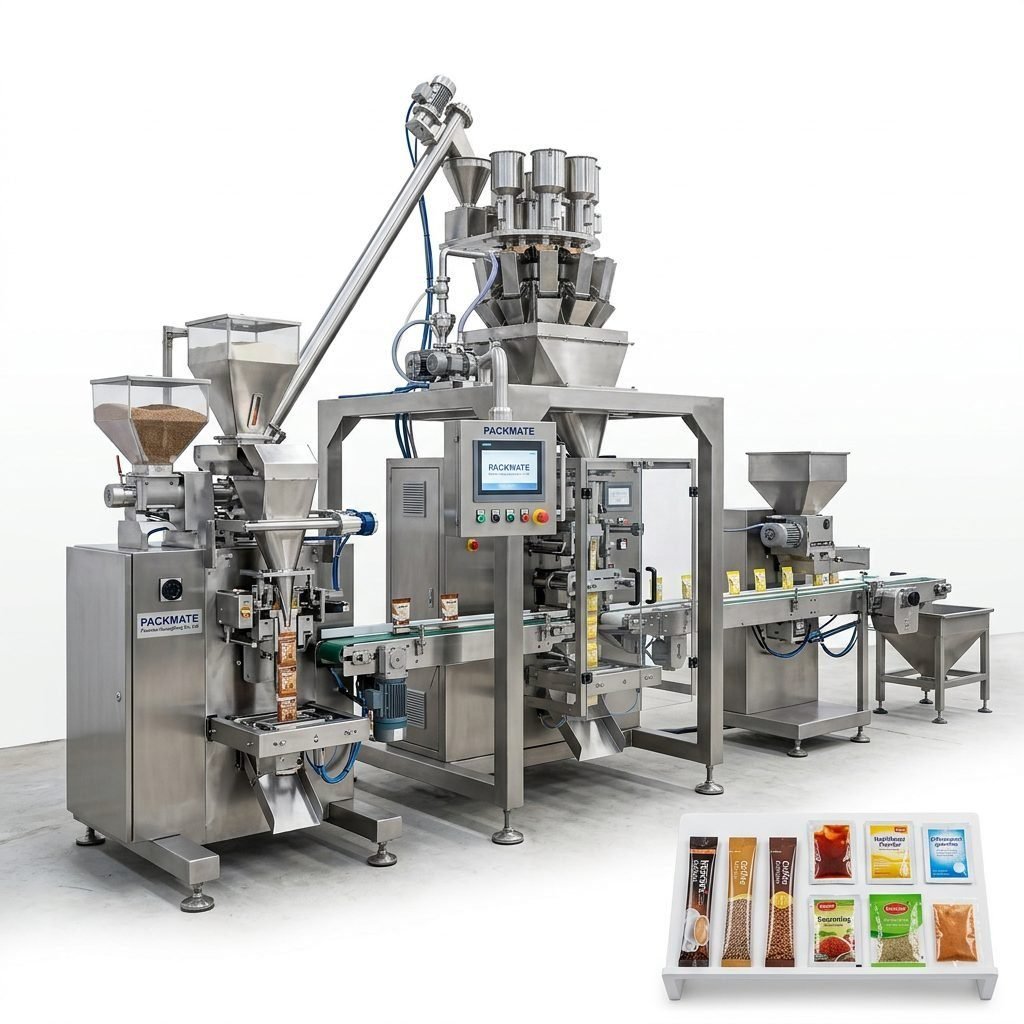
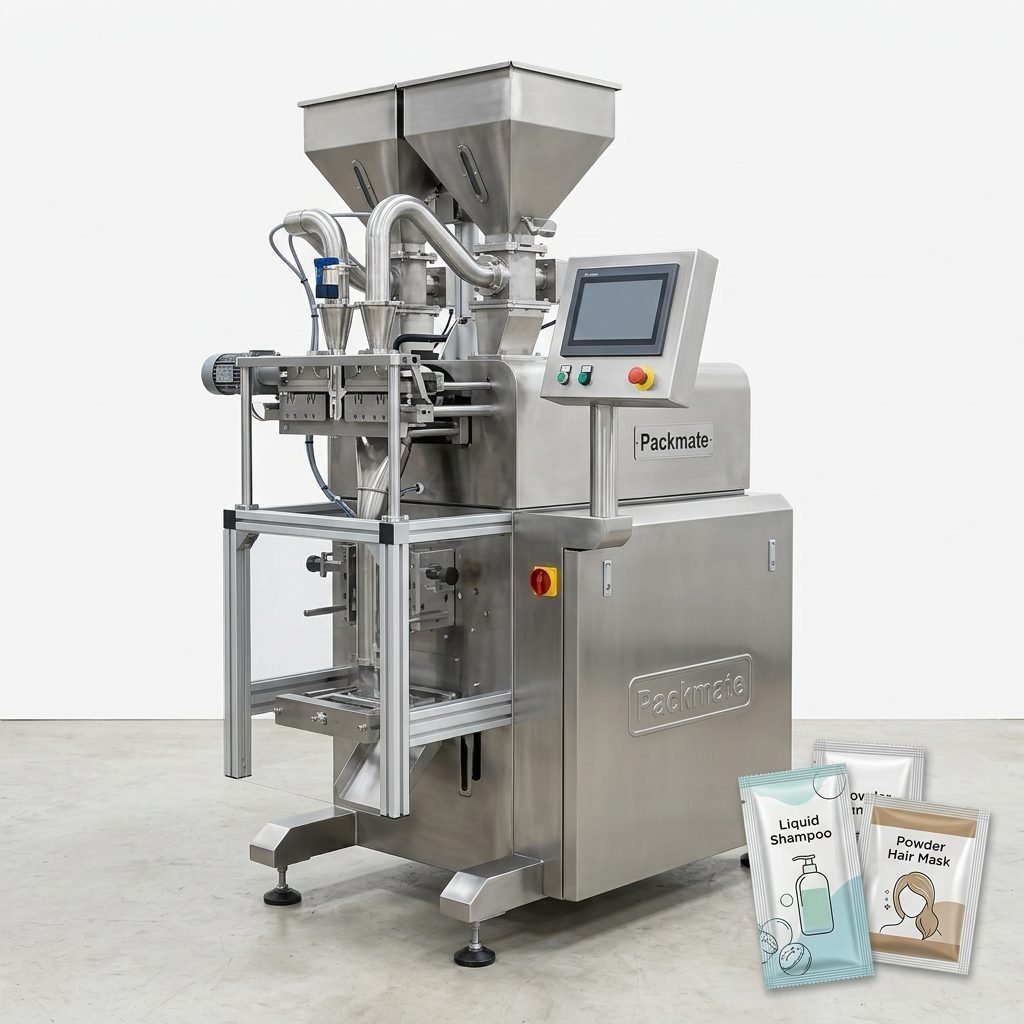
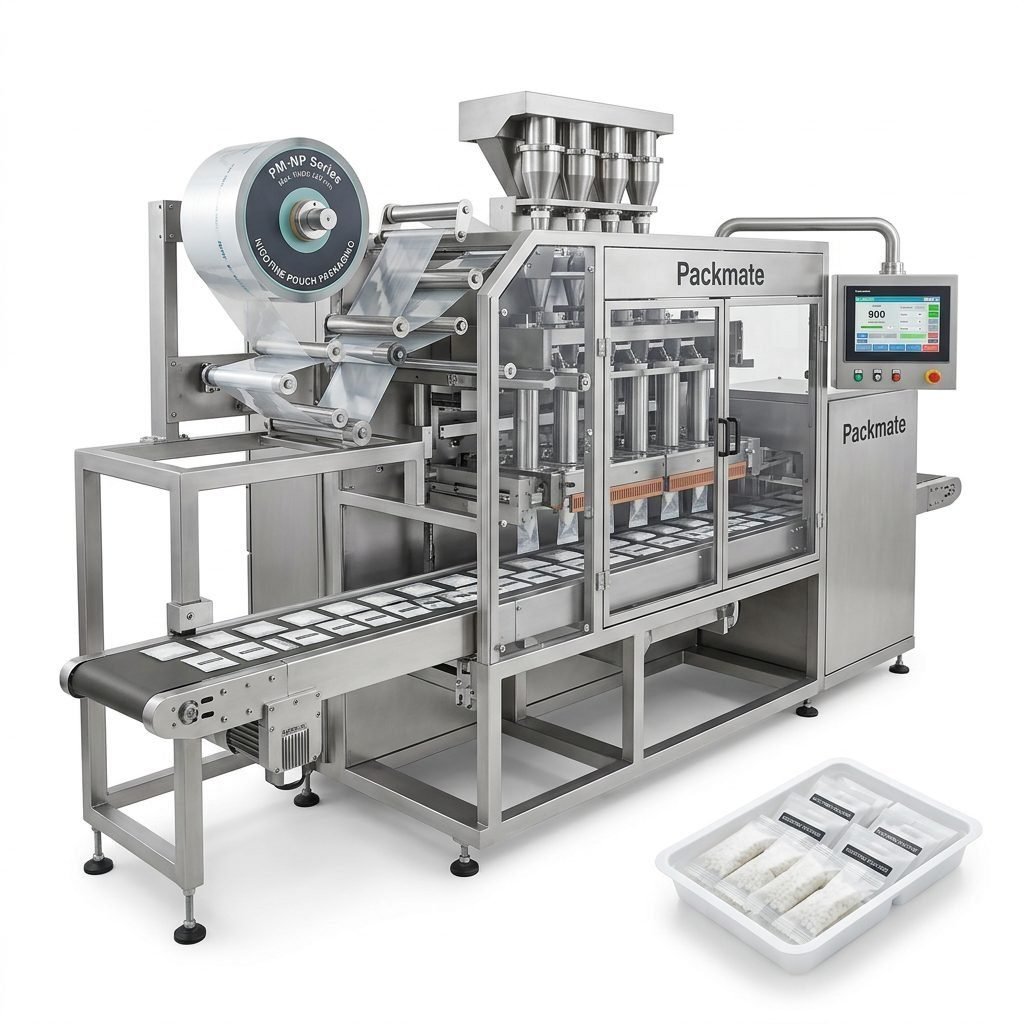
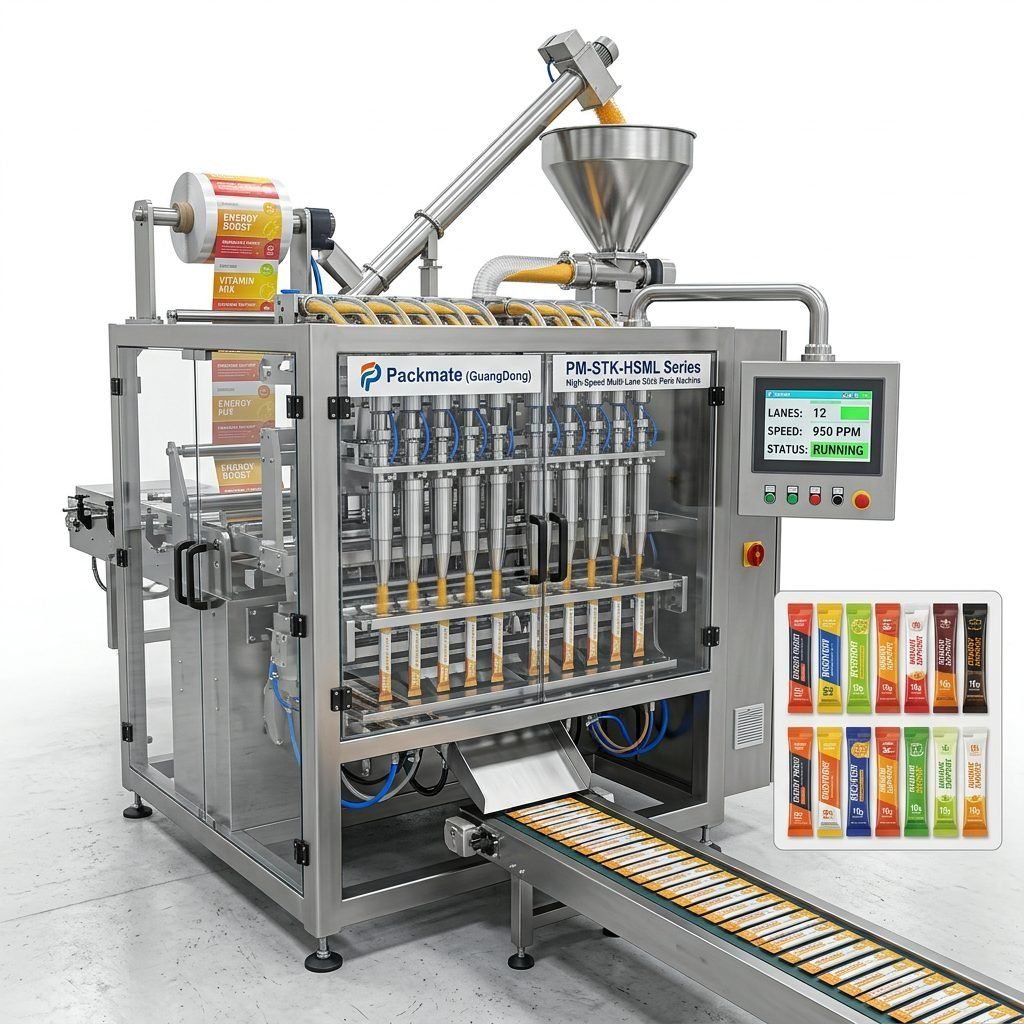
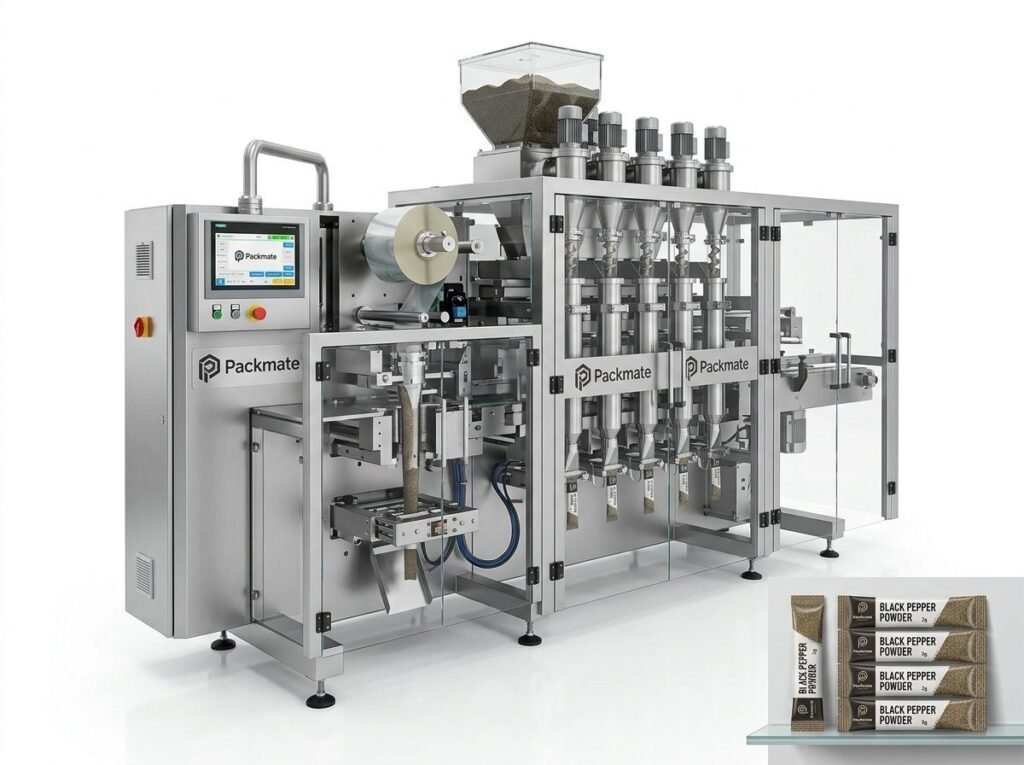
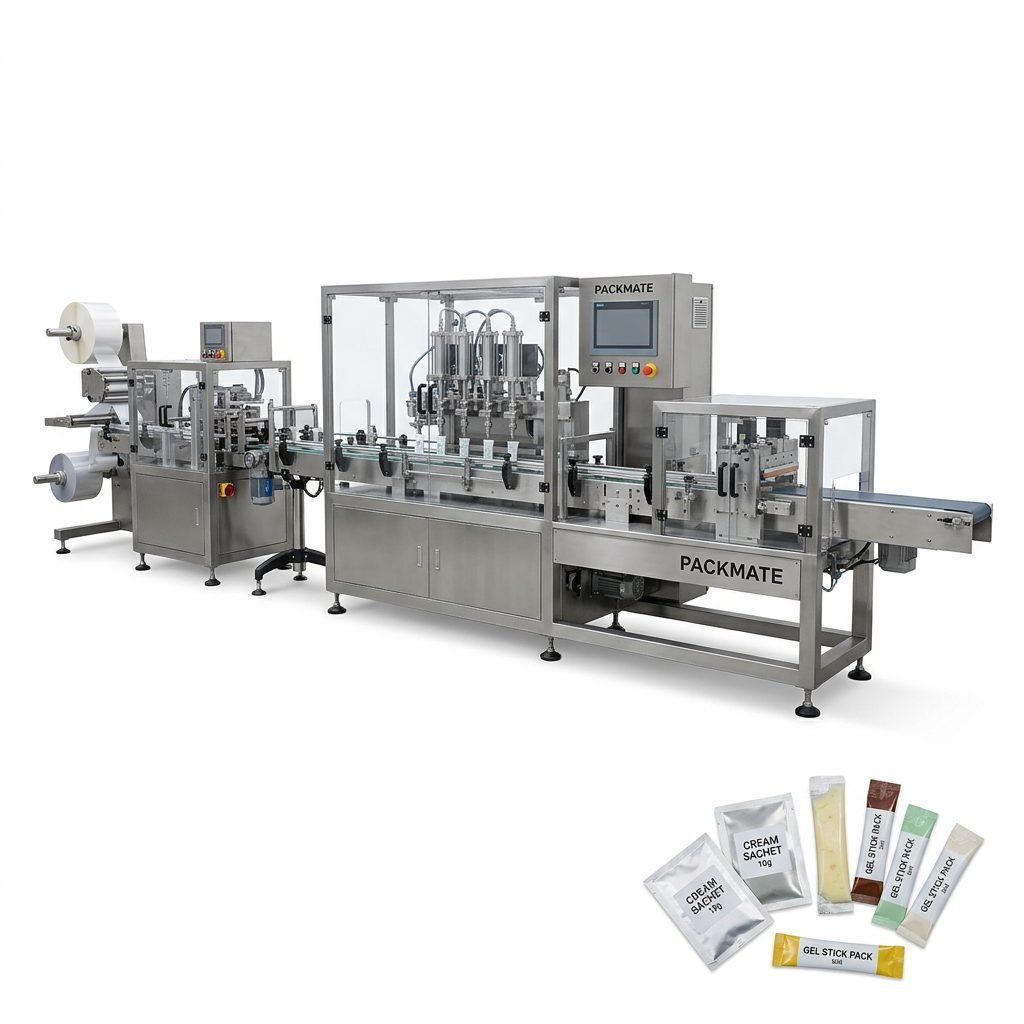
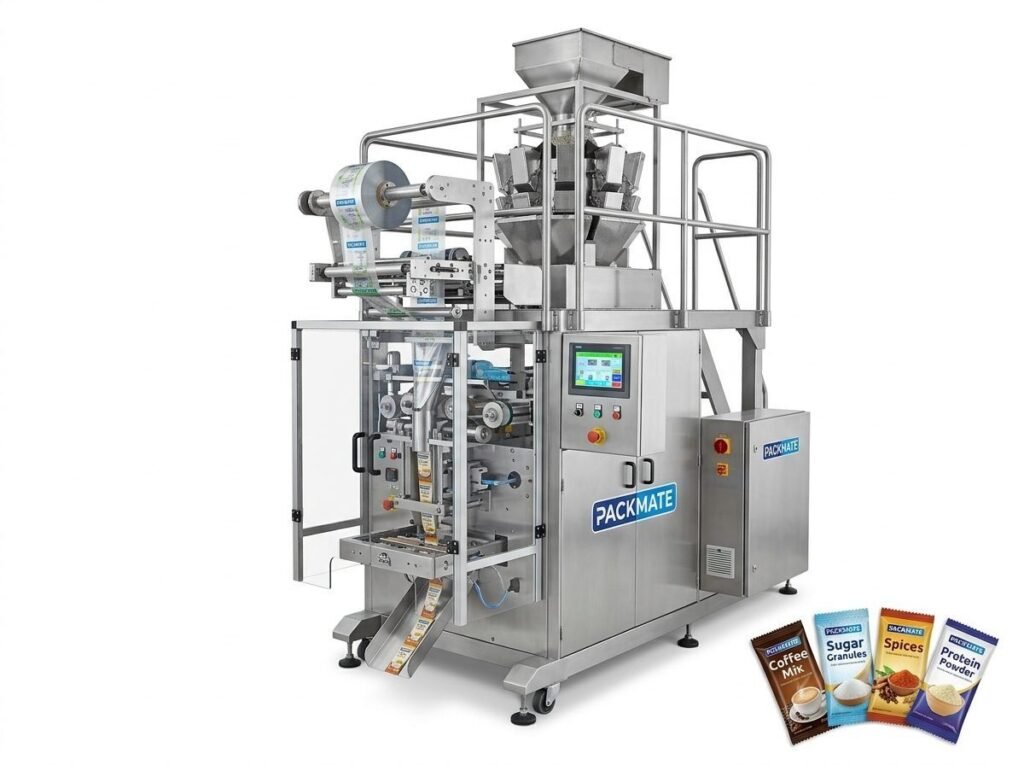
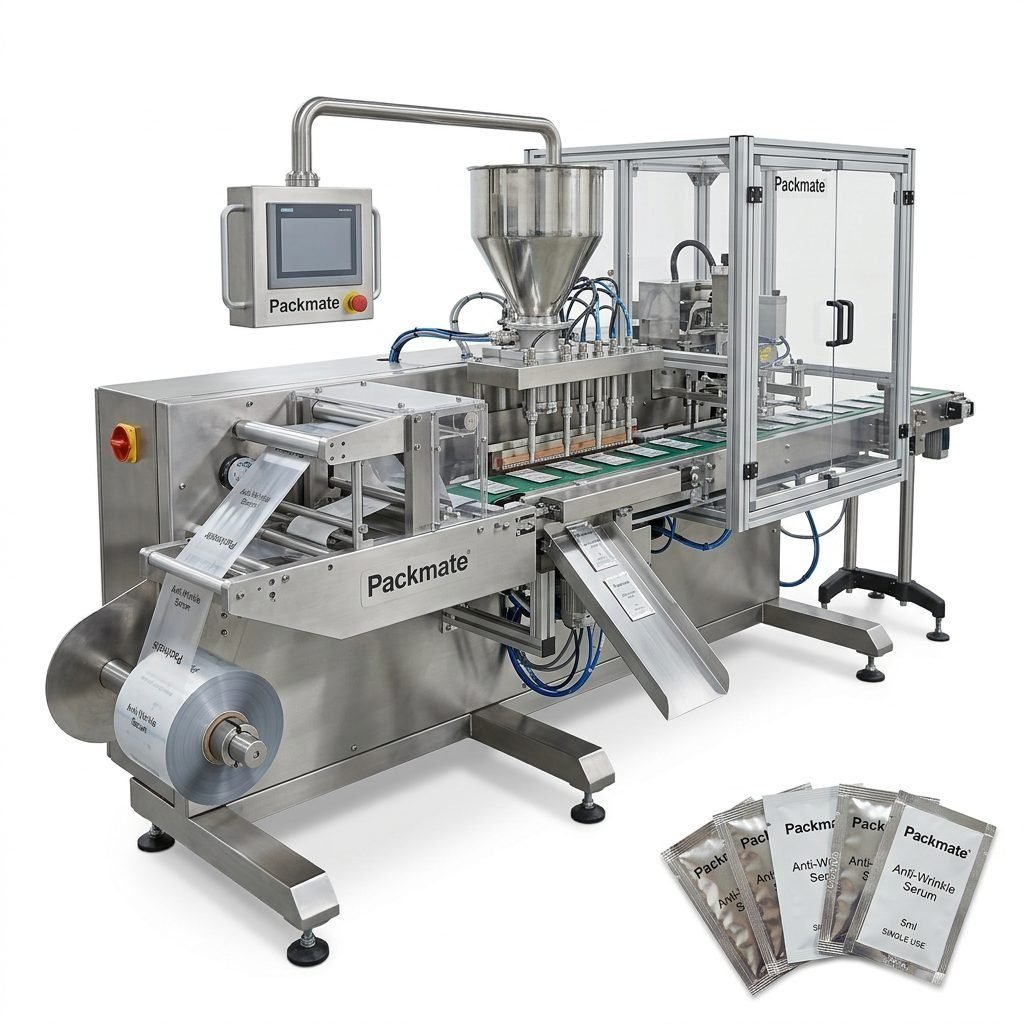
A leading manufacturer like Packmate Machinery provides a range of over 50 models, from sachet and stick pack machines to robust systems for larger bags. Their 20,000㎡ facility and decades of expertise ensure machines are built for the rigors of 24/7 operation.
Critical Features for Commercial Buyers
- Cycle Time: Speed is productivity. Look for machines with fast pump-down and sealing cycles.
- Chamber Size & Construction: Must accommodate your product range and be made of food-grade, corrosion-resistant stainless steel.
- Pump Type & Performance: Oil-sealed rotary vane pumps are standard for heavy-duty use due to their deep vacuum capability and durability.
- Programmability: The ability to save settings for different products saves time and reduces errors.
- Hygiene & Cleanability: Smooth surfaces, removable seals, and accessible components are essential for meeting sanitation standards.
Integration into Production Workflows
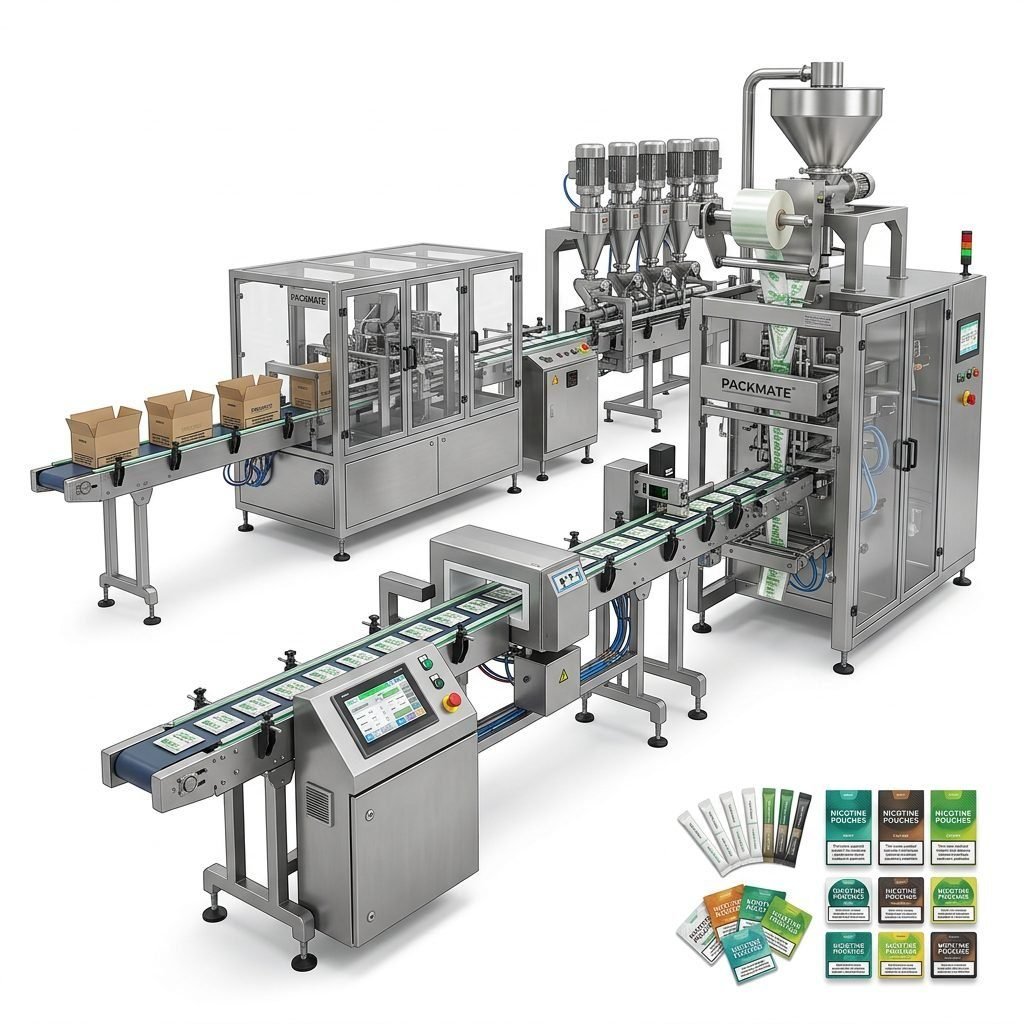
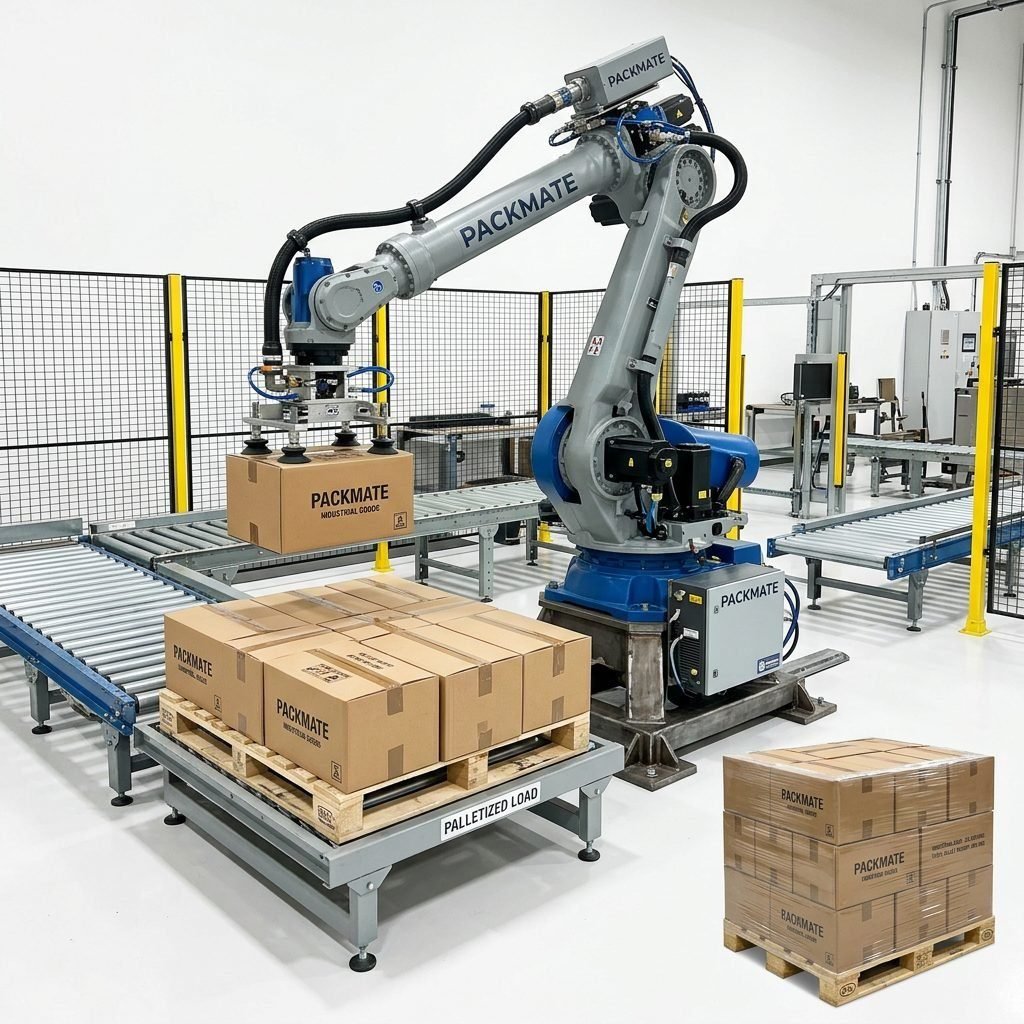
A commercial vacuum packer rarely works in isolation. It is often part of a larger system that may include conveyors, checkweighers, labelers, and cartoning machines. Choosing a machine from a supplier that offers complete weighing and packaging systems ensures better compatibility and smoother integration, supported by a single point of contact for service and parts.
Applications Across Industries
While food processing is the most obvious application—for meats, cheeses, seafood, and prepared meals—vacuum packaging is vital in other sectors.
Pharmaceutical & Healthcare: Used to sterilize and preserve medical devices, kits, and hygroscopic powders, ensuring they remain sterile and effective until use.
Electronics: Protects sensitive components from moisture and corrosion during shipping and storage.
Industrial Parts: Keeps metal parts free from oxidation and contamination.
Future Trends in Vacuum Packaging
The industry is moving towards greater automation, IoT connectivity for predictive maintenance, and the use of more sustainable, recyclable, or biodegradable barrier films. Energy-efficient pumps and smarter controls that optimize cycle times based on product load are also becoming standard in advanced machines.
Conclusion
Investing in the right vacuum packaging machine—whether for your home kitchen or a commercial facility—is an investment in quality, efficiency, and preservation. For home users, focus on ease of use and versatility. For commercial buyers, prioritize durability, speed, hygiene, and the manufacturer’s reputation for support and reliability. Partnering with an experienced provider like Packmate Machinery, with its 30-year history and commitment to innovation, can provide the turnkey solution needed to succeed in today’s competitive market.
Frequently Asked Questions (FAQ)
What is the main difference between a home and a commercial vacuum sealer?
The primary differences are capacity, durability, and functionality. Home sealers are for low-volume, intermittent use with dry/solid foods. Commercial sealers are built from stainless steel for continuous operation, have much more powerful pumps for deeper vacuums, often feature a chamber to handle liquids, and are designed for easy integration into production lines and compliance with food safety regulations.
Can I use any plastic bag with a vacuum sealer?
No. Vacuum sealing requires bags made from specific multi-layer barrier plastics (like PA/PE) that are puncture-resistant and designed to withstand the sealing heat. For external suction sealers, the bags must have a textured surface to allow air channels. Using improper bags will result in poor seals, bag rupture, or inadequate vacuum.
How do I maintain my vacuum packaging machine?
For home models, keep the seal bar clean of debris and ensure the gasket around the suction area is intact. For commercial chamber machines, regular maintenance is critical: check and change the pump oil as recommended, clean the chamber and seal bar after every shift, inspect the silicone sealing gasket for wear, and ensure the filter is clean. Always follow the manufacturer’s maintenance schedule.
What does “ultimate vacuum” or “vacuum level” mean?
This measures how completely the machine can remove air, typically expressed in millibar (mbar) or inches of mercury (inHg). A lower number indicates a stronger vacuum. For example, 10 mbar is a much deeper vacuum than 100 mbar. Commercial chamber machines often achieve below 5 mbar, which is essential for maximizing shelf life, especially for delicate products like fresh fish.
My commercial machine is not creating a proper seal. What could be wrong?
Common causes include: a dirty or damaged seal bar, a worn-out silicone sealing gasket on the chamber lid, incorrect temperature or dwell time settings for the bag material, or wrinkles in the bag mouth during sealing. Start by thoroughly cleaning the seal bar and inspecting the gasket. Consult your machine’s manual or contact the supplier’s service department for troubleshooting.