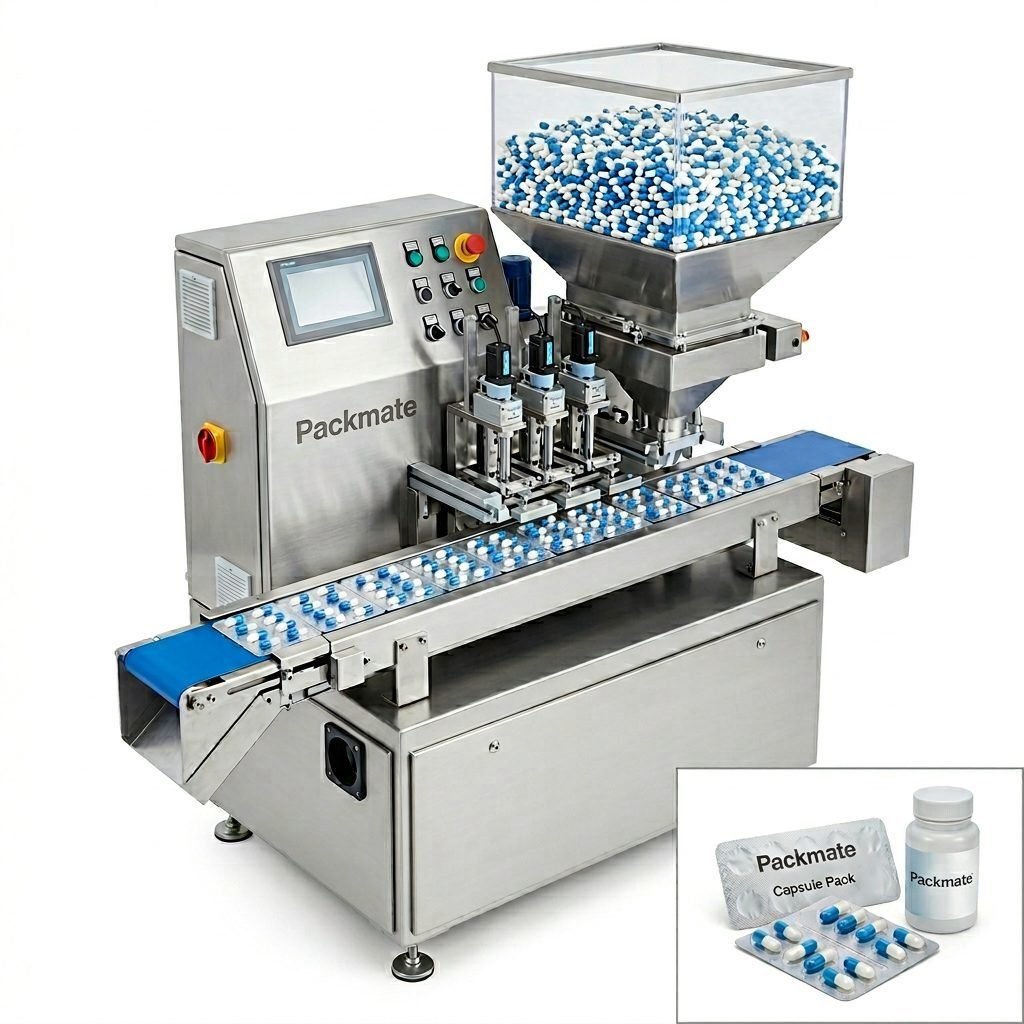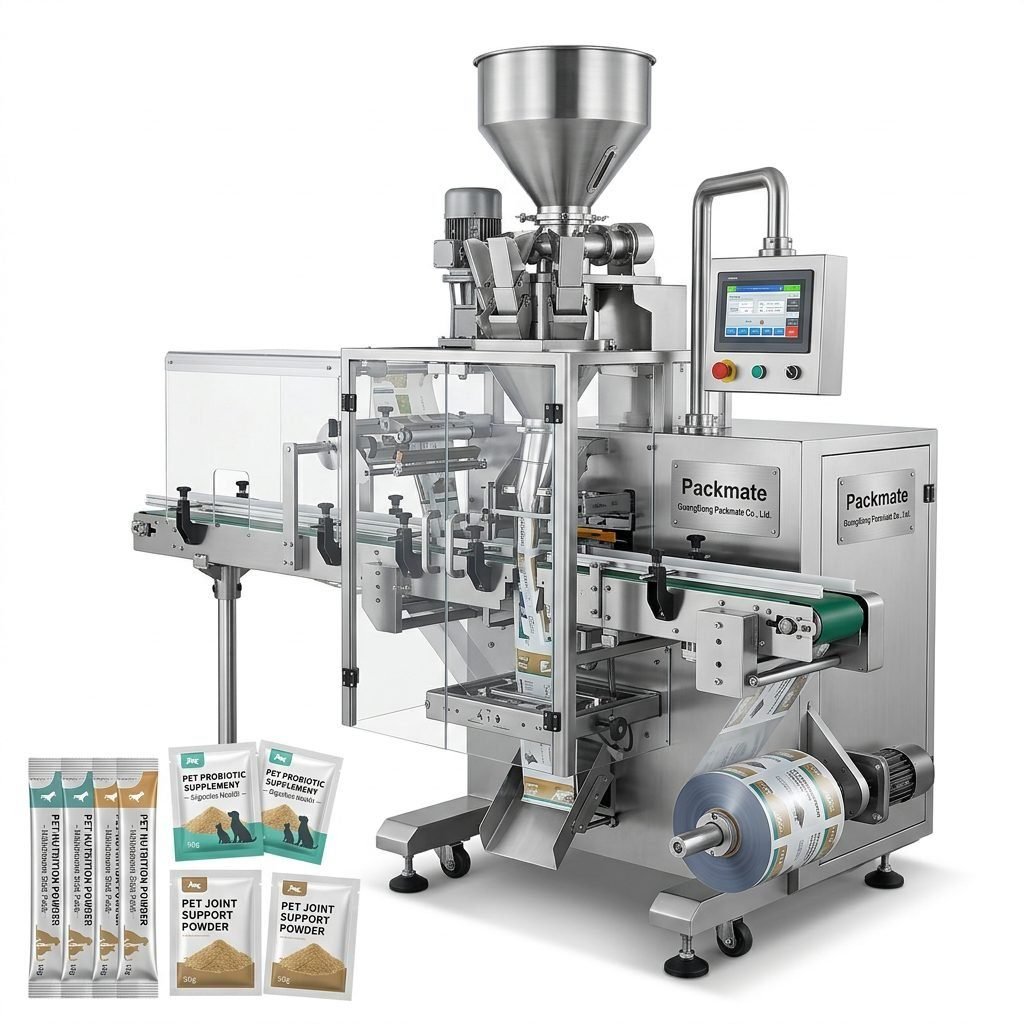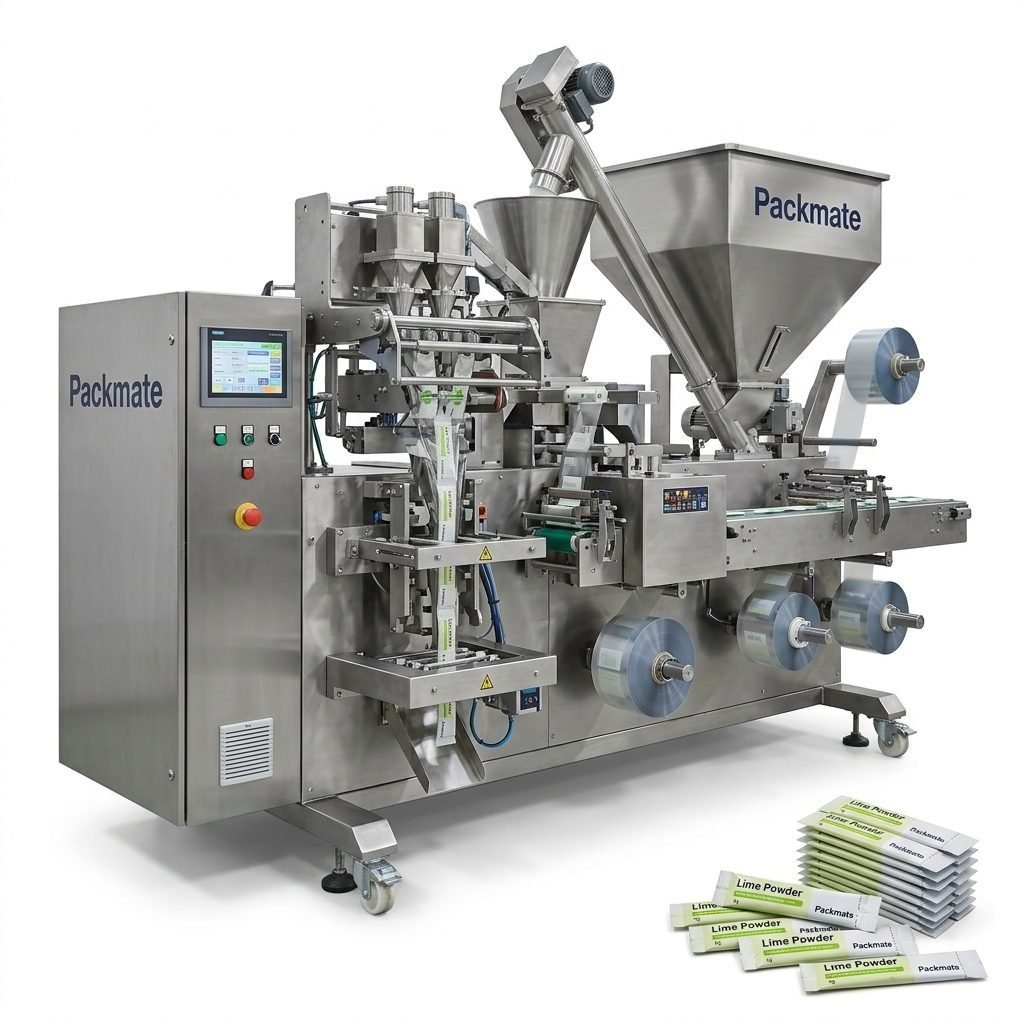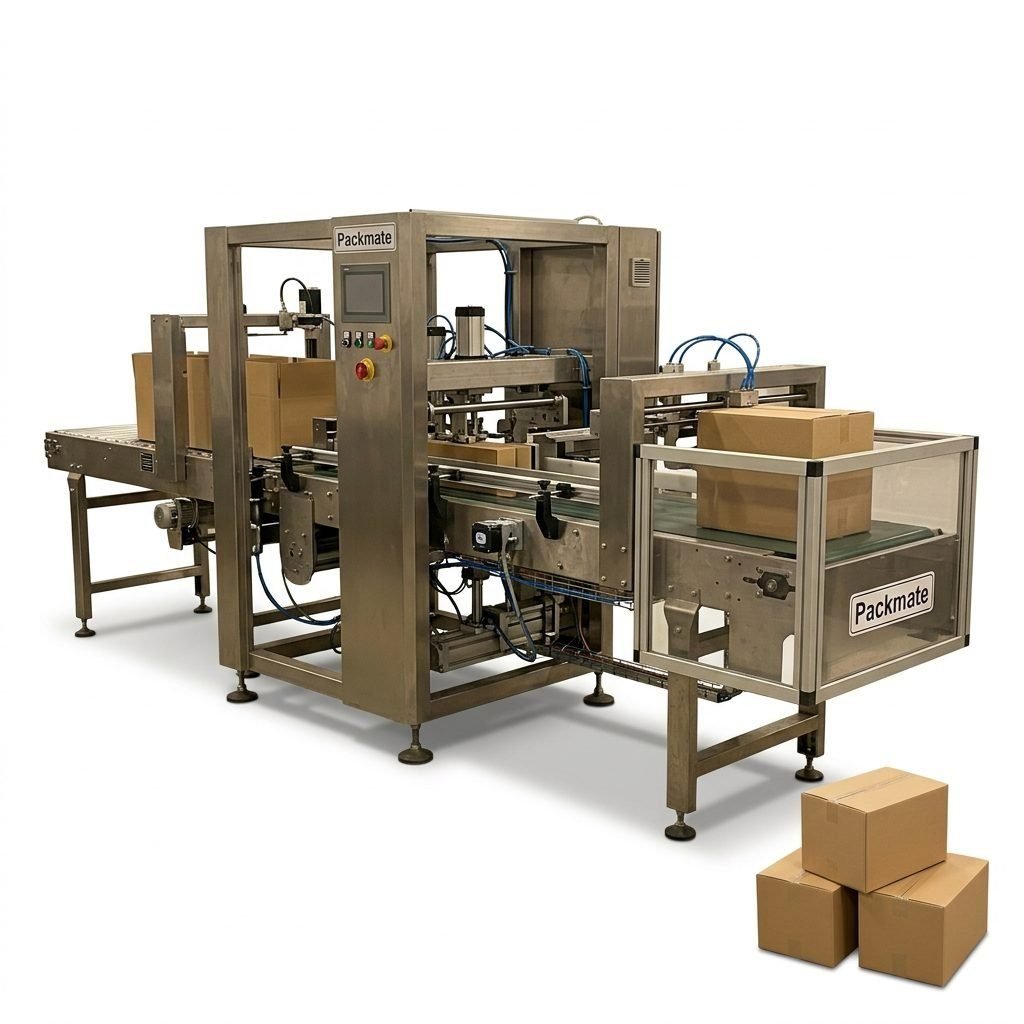
In the competitive world of food manufacturing, efficiency is paramount. The packaging stage, often the final step before products reach consumers, is a critical point where bottlenecks can occur and costs can escalate. For cheese producers, selecting the right packaging machinery is not just about wrapping a product; it’s about preserving quality, ensuring freshness, maximizing shelf appeal, and optimizing the entire production line’s throughput. The right machine can significantly reduce waste, minimize downtime, and enhance overall operational efficiency. This guide explores the top cheese packaging machines designed to integrate seamlessly into high-speed, efficient production lines, helping you make an informed investment that pays dividends in productivity and product integrity.
Key Considerations for Cheese Packaging Machinery
Before diving into specific machine types, it’s crucial to understand the factors that define an efficient packaging solution for cheese. Cheese is a diverse product category, ranging from hard blocks and shredded varieties to soft spreads and specialty artisan wheels. Each type has unique packaging requirements concerning barrier properties (to prevent moisture loss or oxygen ingress), sealing integrity, and portion control.
Primary considerations include:
- Product Form: Is the cheese solid (blocks, slices), shredded, grated, crumbled, or a spread? This determines the filling system.
- Packaging Material: Choices include vacuum bags, modified atmosphere packaging (MAP), flow wrap, pre-formed cups, or stick packs for portioned spreads.
- Production Speed (Output): The machine’s cycles-per-minute must match or exceed your line’s required output to prevent bottlenecks.
- Flexibility & Changeover: Can the machine handle different package sizes or cheese types with quick, tool-less changeovers? This is vital for producers with multiple SKUs.
- Hygiene & Sanitation: Food-grade materials, easy-clean designs, and compatibility with wash-down procedures are non-negotiable for dairy products.
- Integration Capability: The machine should communicate effectively with upstream (e.g., slicers, weighers) and downstream (e.g., cartoners, case packers) equipment.
1. Vertical Form Fill Seal (VFFS) Machines for Shredded and Granular Cheese
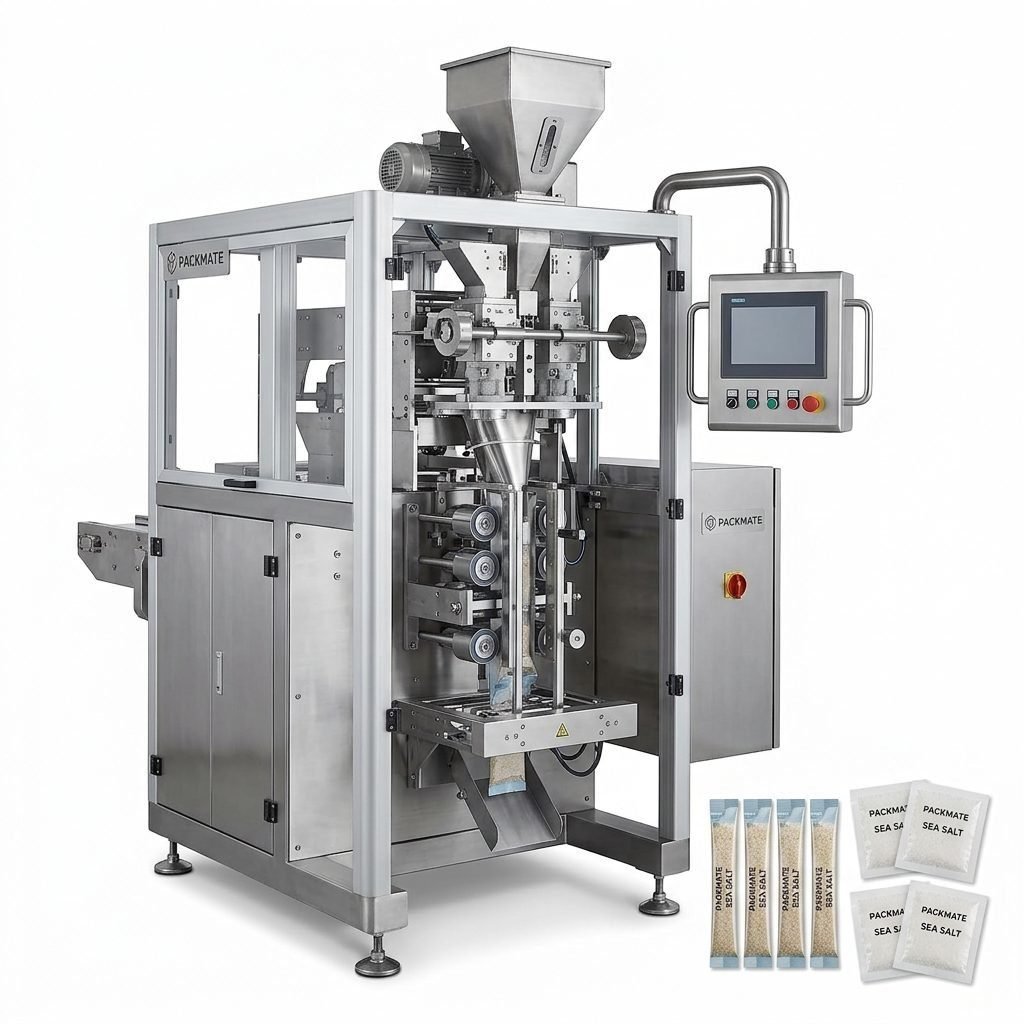
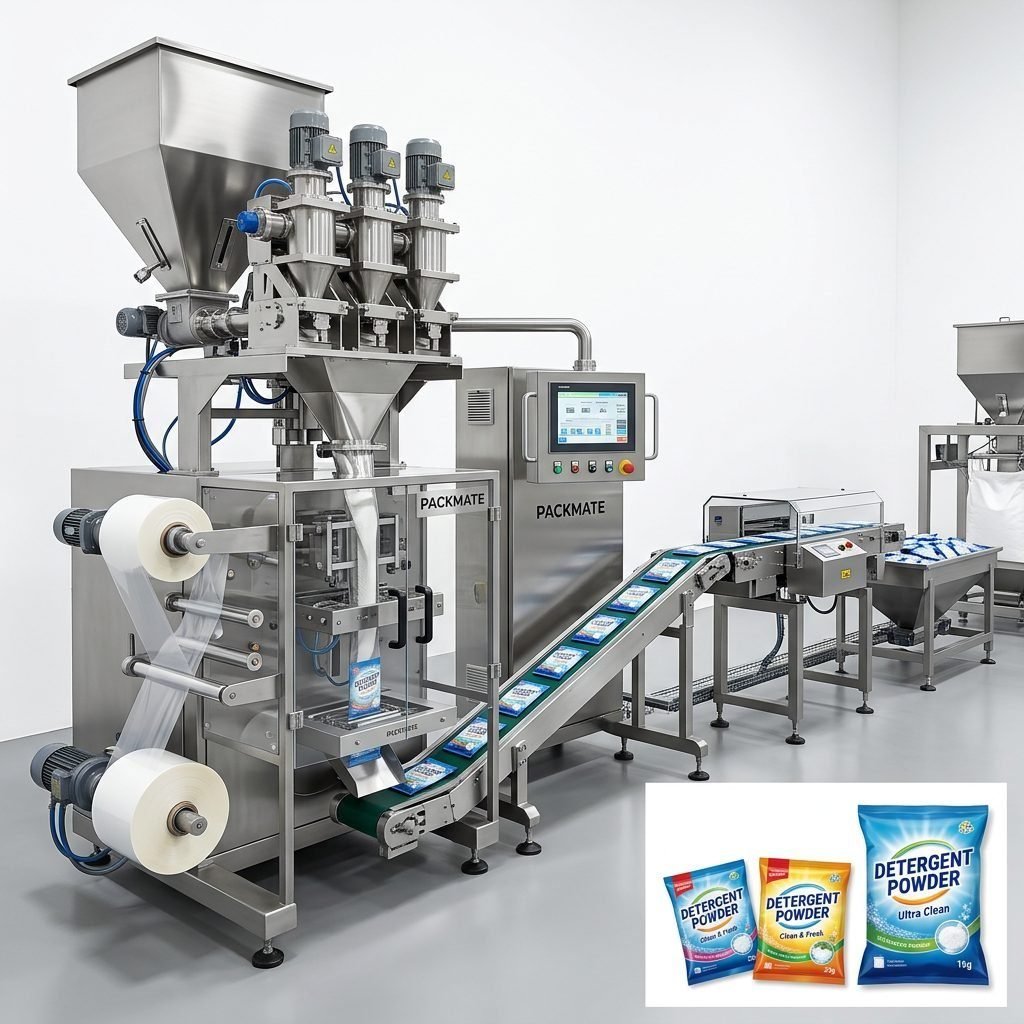
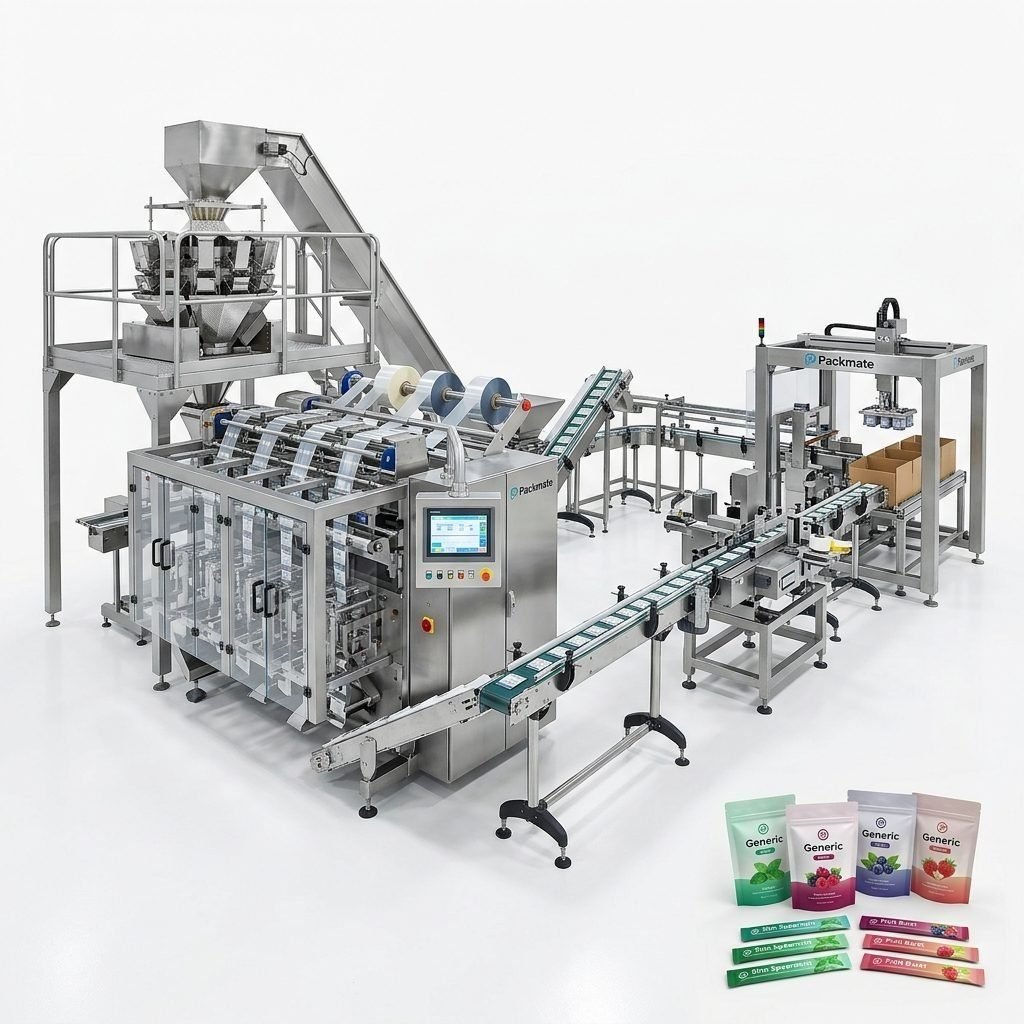
For packaging shredded, grated, or crumbled cheese, Vertical Form Fill Seal machines are the industry workhorse. Their efficiency lies in their continuous motion: they form a bag from a roll of film, precisely weigh and fill the product, and then seal and cut the package—all in one compact footprint. Modern VFFS machines for cheese are equipped with advanced multi-head weighers or auger fillers for precise weight control, critical for cost management and regulatory compliance.
High-speed VFFS lines can achieve impressive outputs, making them ideal for large-scale production of retail bags of shredded cheese. Look for models with nitrogen flushing capabilities to implement Modified Atmosphere Packaging (MAP), which displaces oxygen with inert gas to dramatically extend shelf life and preserve flavor and texture. For producers looking for robust solutions, exploring a dedicated weighing and packaging system that integrates a VFFS machine can be a comprehensive approach.
2. Horizontal Flow Wrappers for Cheese Slices and Bars
Individually wrapped cheese slices, snack cheese bars, and small cheese portions are commonly packaged using horizontal flow wrapping technology. These machines are exceptionally efficient for high-speed production. A flow wrapper encases the product in a single sheet of film, forming a tight, secure fin-seal or crimp seal along the back and ends. This type of packaging offers excellent product visibility and can include easy-open features for consumer convenience.
The efficiency of a flow wrapper in a cheese production line is enhanced when paired with an automatic slicer and collator. The system can slice a block of cheese, stack the slices into the desired count, and then seamlessly feed them into the flow wrapper for packaging. This creates a fully automated, high-speed packaging line with minimal manual intervention, reducing labor costs and increasing consistency. This technology often falls under the broader category of filling and packaging lines designed for solid products.
3. Thermoform-Fill-Seal Machines for Portioned Cheese and Spreads
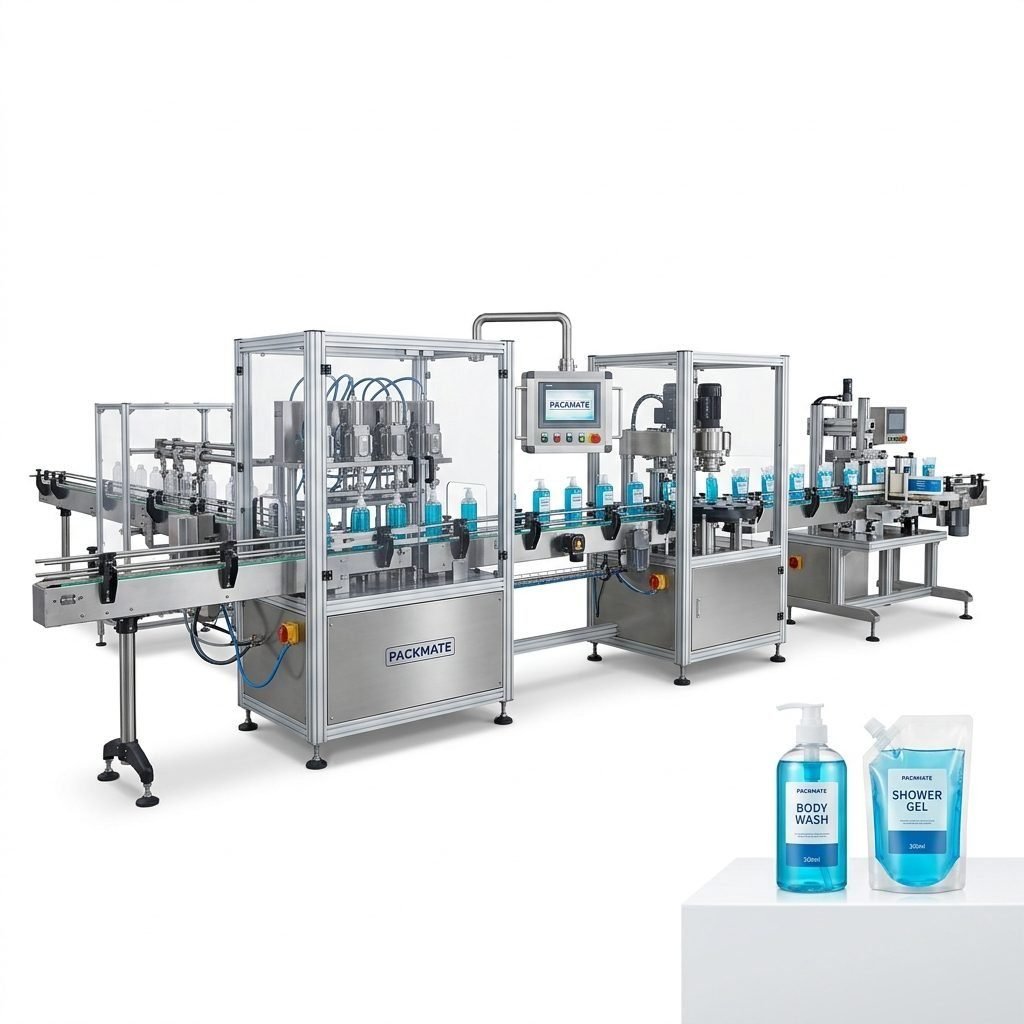
For soft cheese spreads, cream cheese, or pre-portioned cheese snacks, thermoform-fill-seal (TFFS) machines offer a premium and highly efficient solution. In this process, a bottom web of plastic is heated and formed into cavities (cups or trays). Precisely measured amounts of cheese are dispensed into these cavities. A top lidding film is then applied and sealed under controlled atmosphere conditions. Finally, the individual packages are die-cut from the web.
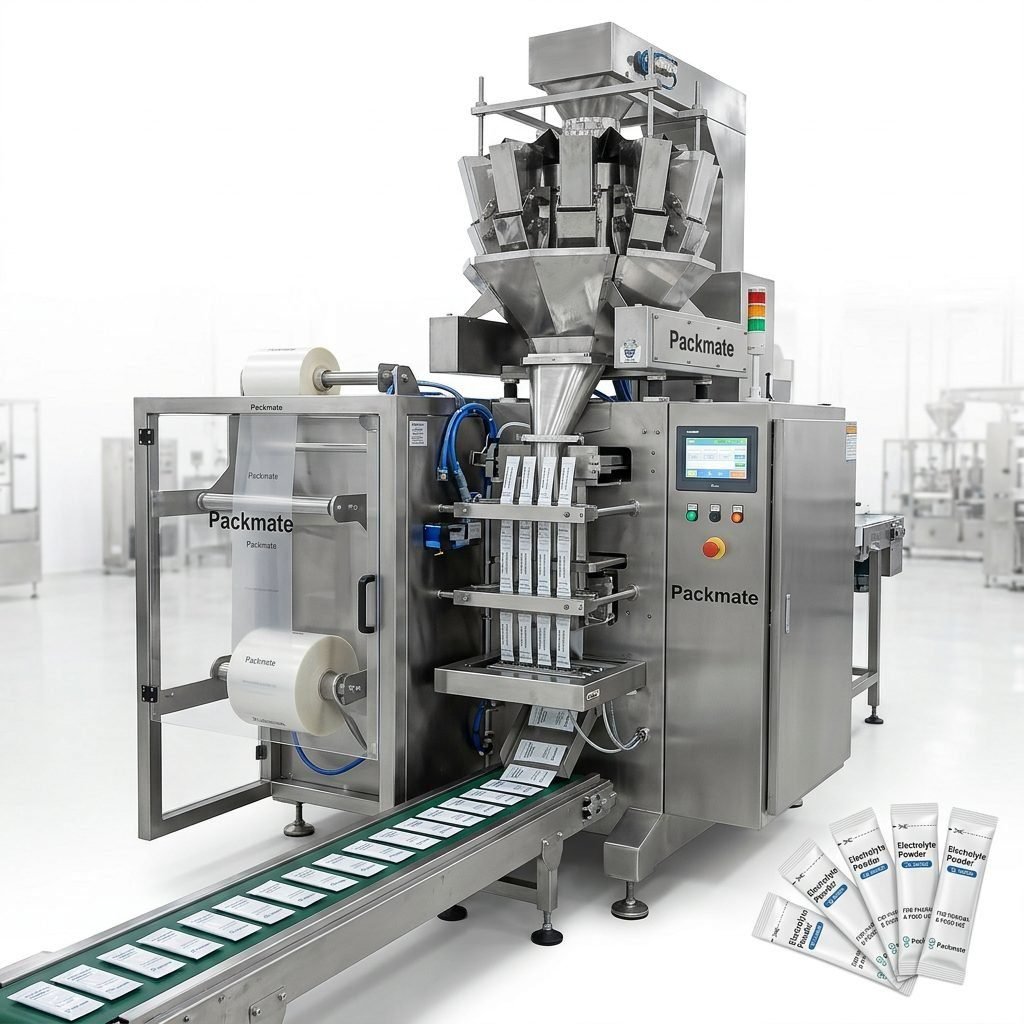
TFFS machines excel in portion control and creating a strong, hermetic seal that is ideal for dairy products susceptible to spoilage. They are perfect for producing multi-packs or variety packs. While the initial investment can be higher, the efficiency, material usage optimization, and superior package quality they deliver make them a top choice for value-added cheese products. The principle is similar to that used in advanced sachet and stick pack machines used for liquids and pastes.
4. Vacuum and Modified Atmosphere Packaging (MAP) Machines for Cheese Blocks
Preserving the quality of whole cheese blocks, wheels, or large cuts requires removing oxygen from the package. Vacuum packaging machines extract air from a bag containing the cheese and hermetically seal it, preventing mold growth and moisture loss. For even greater shelf-life extension, Modified Atmosphere Packaging (MAP) machines replace the air inside the package with a specific gas mixture, typically high in nitrogen and carbon dioxide.
For efficient production lines, automatic chamber vacuum machines or rotary chamber systems are key. They can be loaded automatically via conveyor, process the package, and then eject it onto the next line stage without stopping. This continuous or semi-continuous operation is far more efficient than manual or single-chamber batch processing. These robust systems are a cornerstone for many bag and pouch packaging applications in the food industry.
Integrating Machinery for a Complete Production Line
True efficiency is not achieved by a single machine operating in isolation, but by the harmonious integration of multiple systems into a synchronized production line. A top-tier cheese packaging line might integrate:
- A conveying and feeding system to transport cheese from processing.
- A precision slicer or dicer (for sliced or cubed products).
- A multi-head weigher or volumetric filler for accurate portioning.
- The core packaging machine (VFFS, Flow Wrapper, TFFS, or MAP).
- Checkweighers and metal detectors for quality assurance.
- Downstream equipment like cartoners, case packers, and palletizers.
Investing in machinery from a supplier that can provide or integrate these components ensures compatibility, reduces engineering headaches, and provides a single point of service and support. A company with a strong track record, like Packmate Machinery, which offers over 50 models and full turnkey solutions, can be an invaluable partner in designing such a line.
The Role of Automation and Smart Features
The latest generation of cheese packaging machines pushes efficiency further with Industry 4.0 features. Touchscreen HMIs (Human-Machine Interfaces) with recipe storage allow for instant changeovers. IoT connectivity enables remote monitoring of machine performance, predictive maintenance alerts, and data collection on output, downtime, and waste. These “smart” features transform packaging machines from passive tools into active contributors to overall equipment effectiveness (OEE), helping managers identify and eliminate inefficiencies in real-time.
Conclusion: Investing in Efficiency
Selecting the top cheese packaging machines for your production line is a strategic decision that impacts your bottom line, product quality, and brand reputation. Whether you need the high-speed bagging of a VFFS for shredded cheese, the precise portioning of a TFFS for spreads, or the superior preservation of a MAP system for blocks, the goal is the same: to create a reliable, fast, and adaptable packaging process. By carefully considering your product range, output goals, and future growth plans, and by partnering with an experienced equipment manufacturer, you can build a packaging line that is not just efficient today but remains competitive for years to come.
Frequently Asked Questions (FAQs)
What is the most important factor when choosing a cheese packaging machine?
The most critical factor is matching the machine’s capabilities to your specific product form (shredded, sliced, block, spread) and your required packaging type (bag, pouch, flow wrap, cup). Speed, flexibility, and hygiene are next-tier priorities.
How does Modified Atmosphere Packaging (MAP) extend the shelf life of cheese?
MAP replaces the oxygen inside the package (which promotes mold and oxidation) with inert gases like nitrogen and carbon dioxide. This significantly slows spoilage and staling, allowing for longer distribution times and reducing retail waste.
Can one packaging machine handle different types of cheese?
Many modern machines are designed for flexibility. With quick-change parts and digital recipe storage, a single machine can often switch between, for example, different sizes of shredded cheese bags or portions of cheese spreads. However, switching between vastly different formats (e.g., from bags to cups) typically requires different machines.
What sanitation standards are required for cheese packaging equipment?
Machines must be constructed with food-grade materials (e.g., stainless steel contact surfaces) and designed for easy cleaning, often with smooth surfaces and minimal crevices. Designs that allow for wet or dry cleaning-in-place (CIP) procedures are highly desirable in dairy environments.
Why should I consider a full turnkey packaging line instead of individual machines?
A turnkey solution, provided by a single supplier like Packmate, ensures all components—from feeding to primary packaging to case packing—are designed to work together seamlessly. This minimizes integration problems, optimizes line efficiency, and simplifies training, maintenance, and service support.