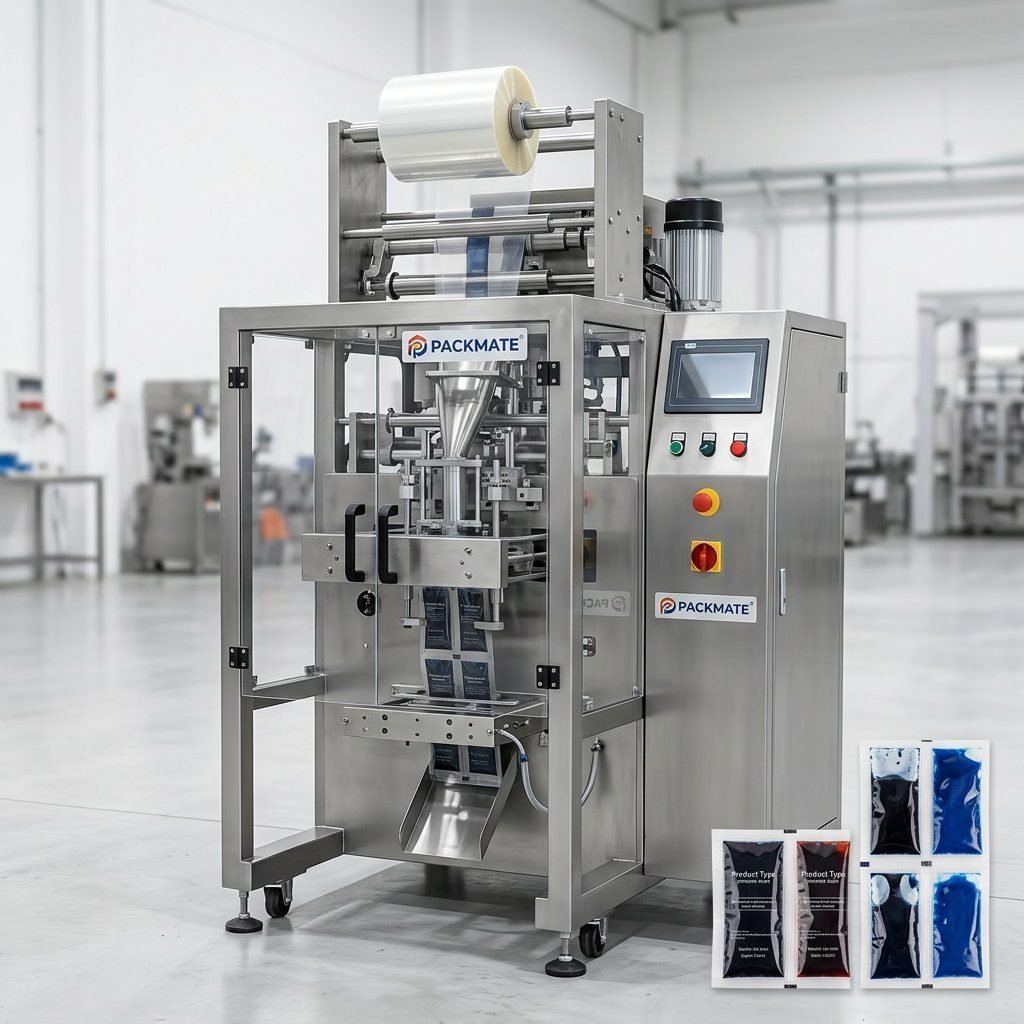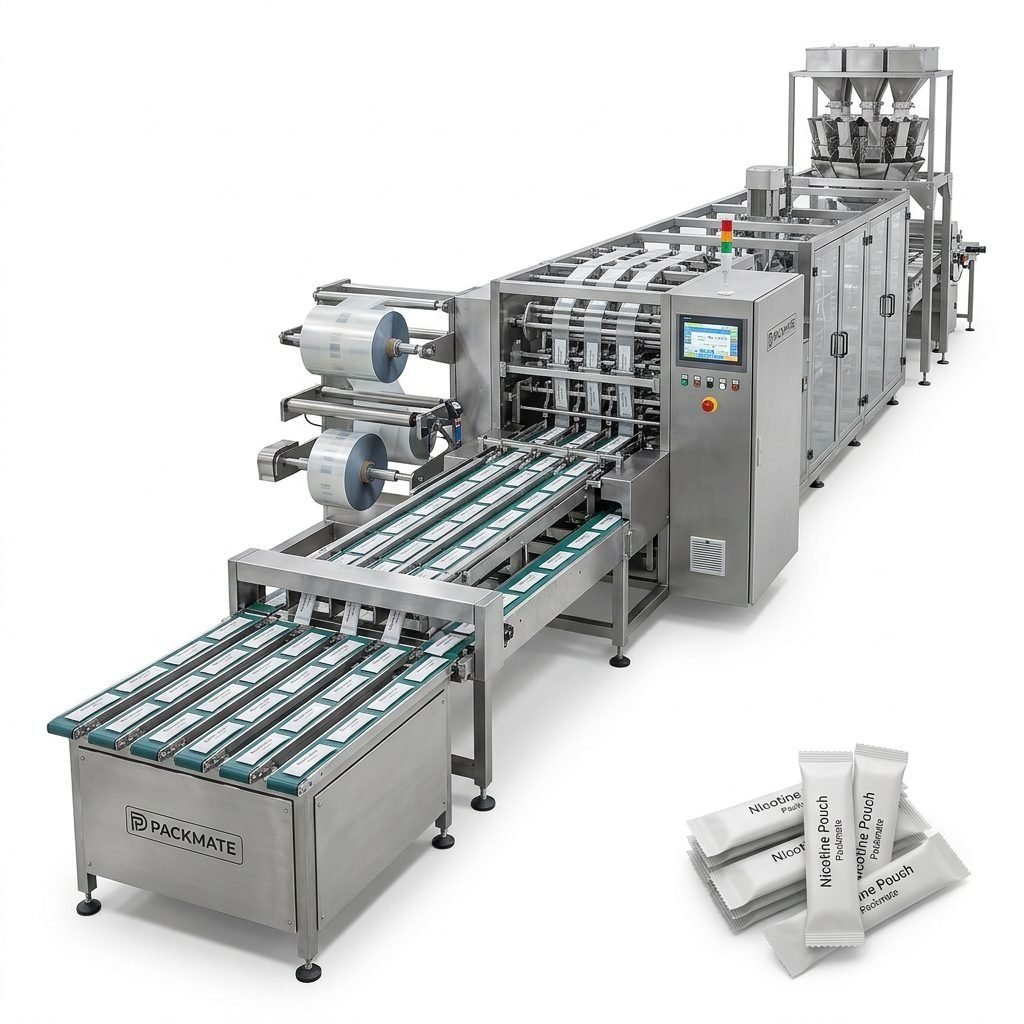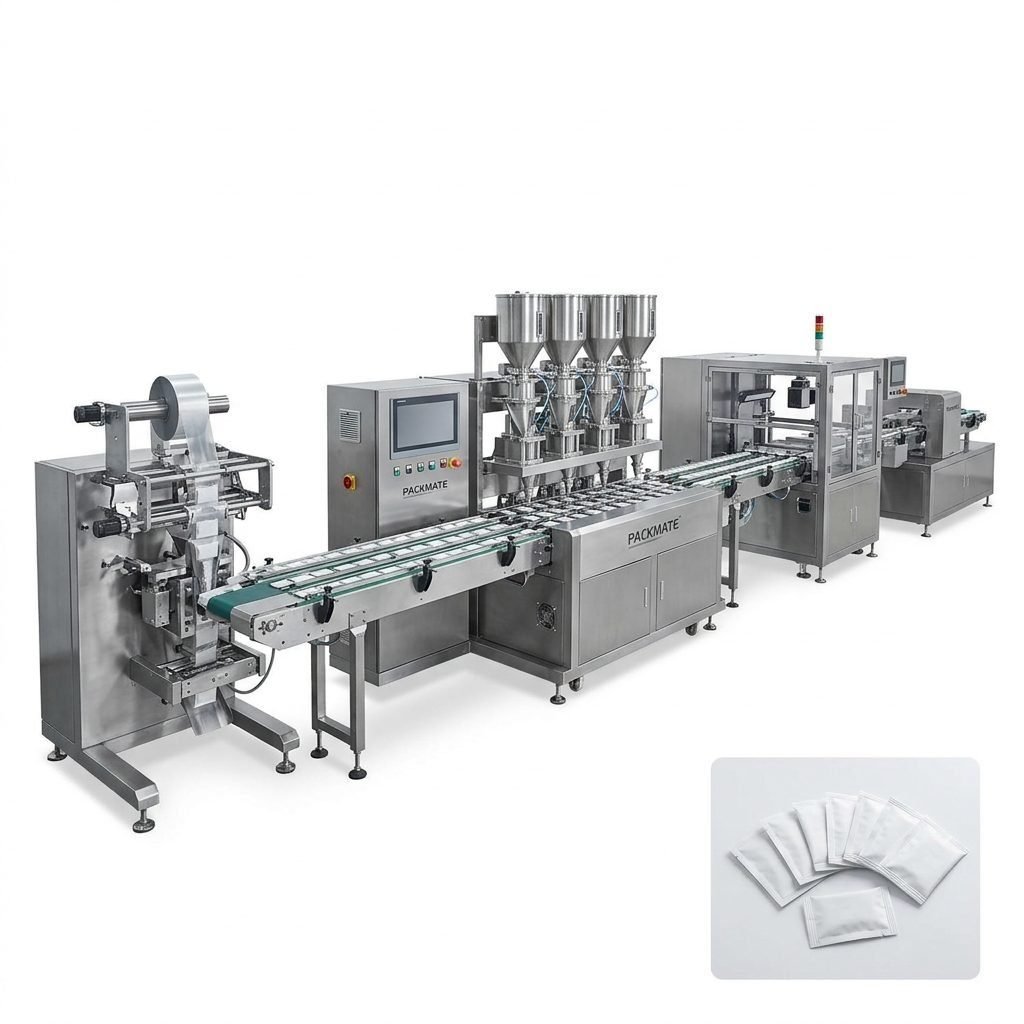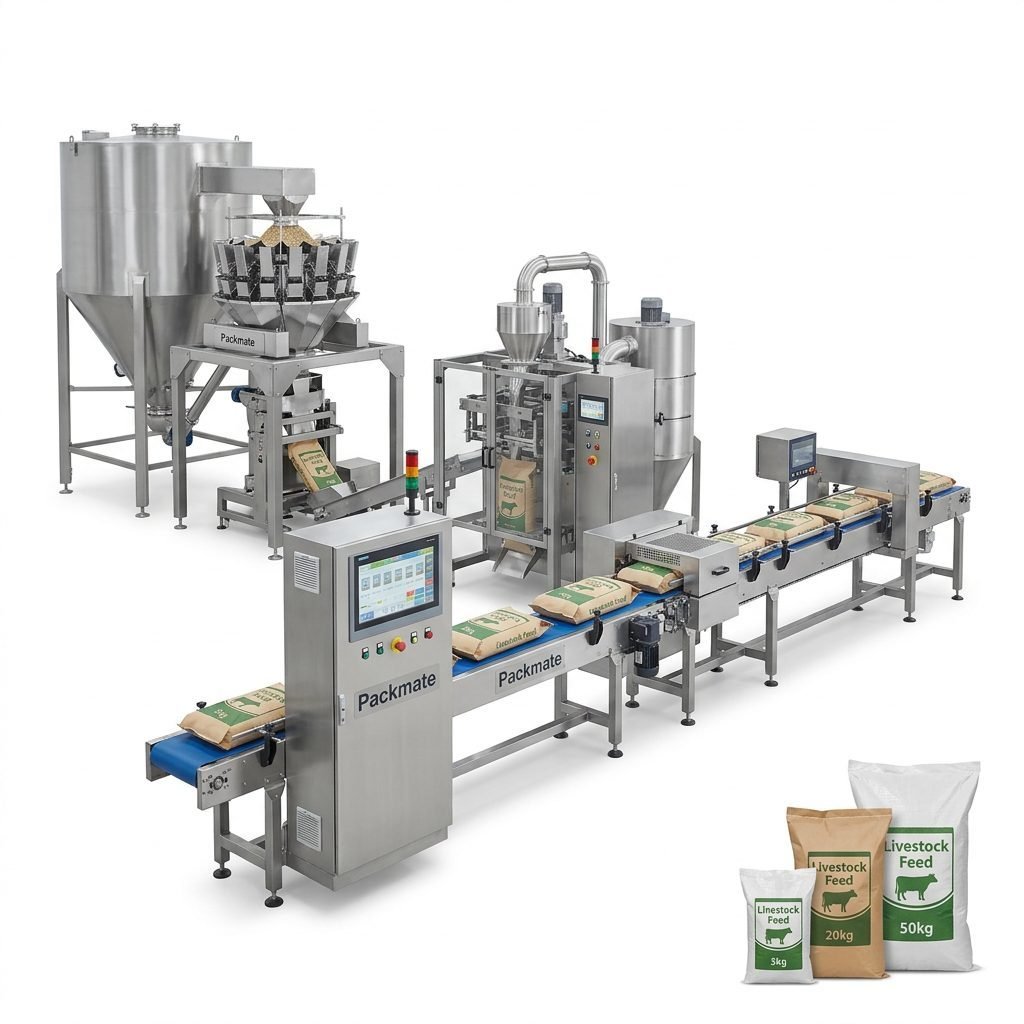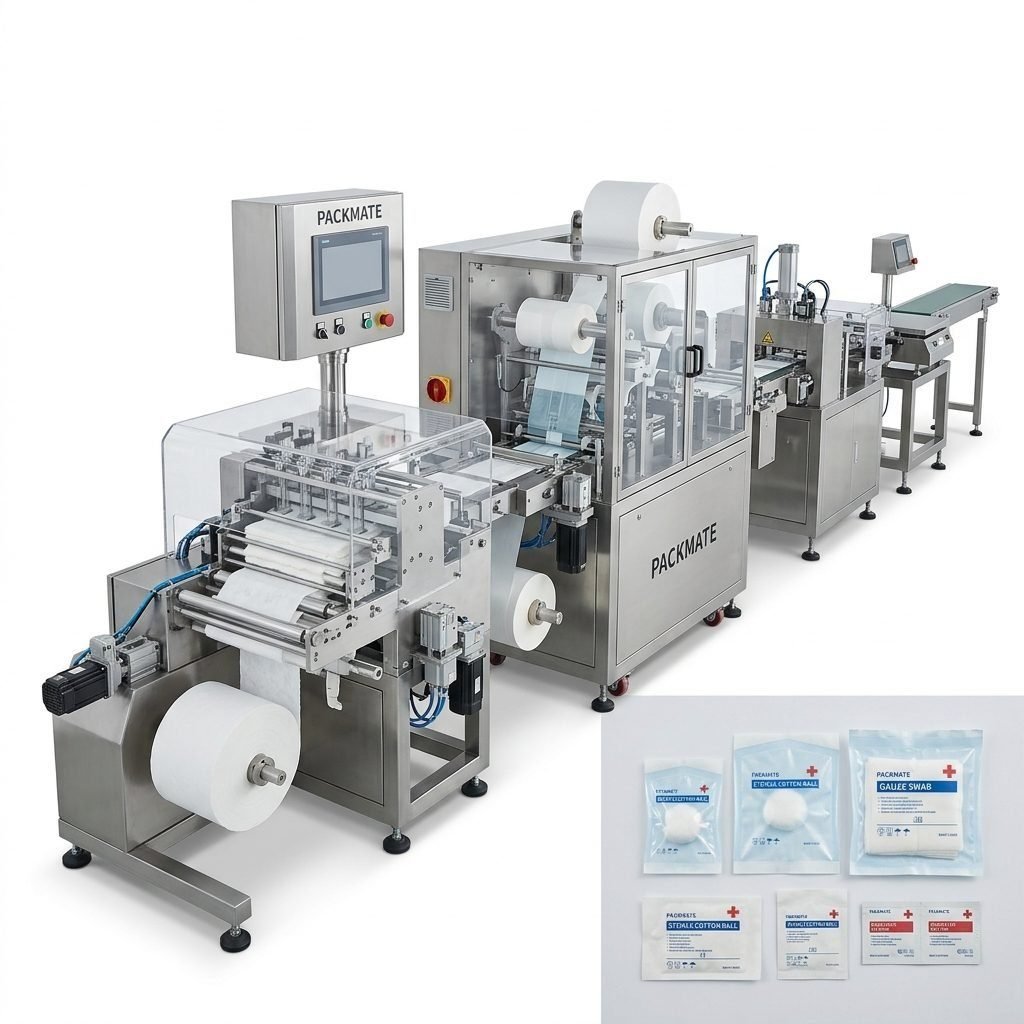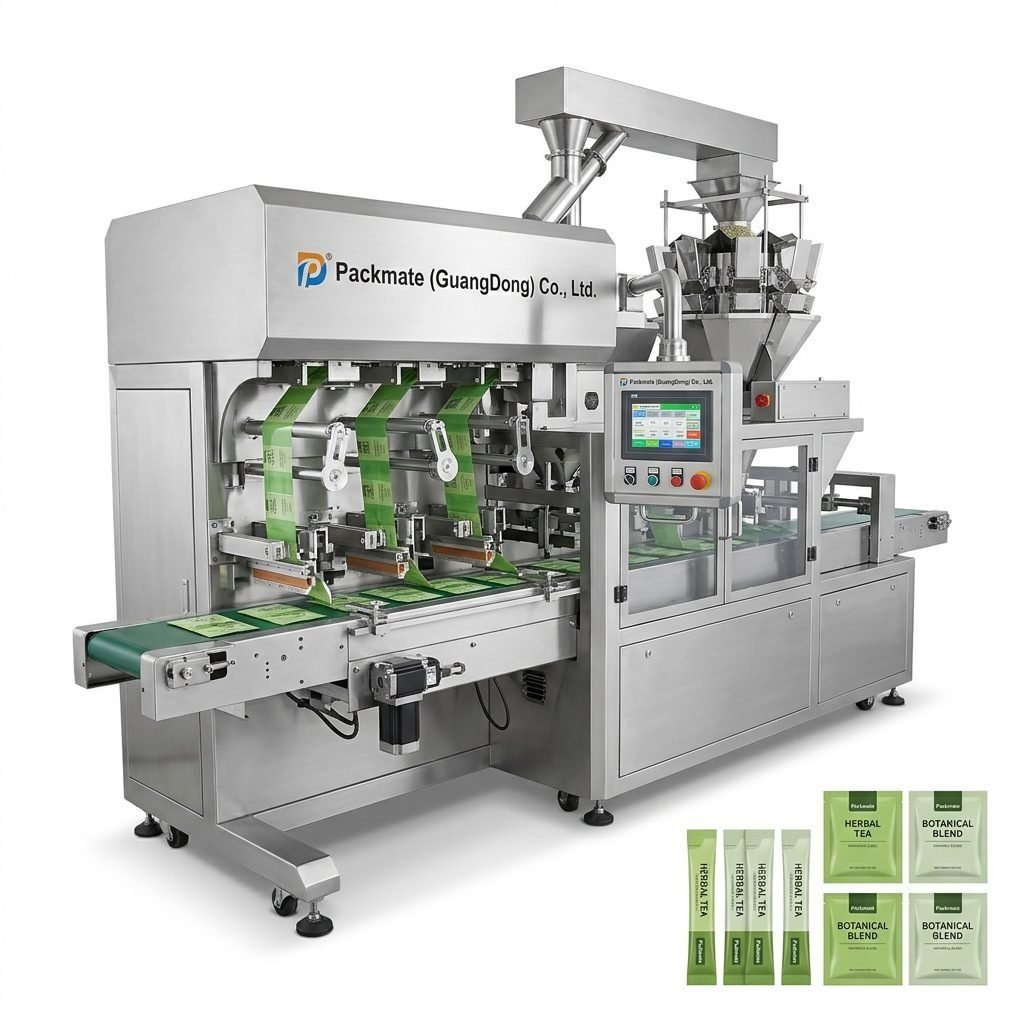
In today’s competitive market, efficiency and precision in packaging are paramount for businesses in the food, pharmaceutical, and health industries. Astro packaging machines have emerged as a leading solution, offering a blend of automation, reliability, and versatility. This guide explores the top ten benefits of investing in an Astro packaging machine and provides a comprehensive buying guide to help you make an informed decision for your production line.
Top 10 Benefits of Astro Packaging Machines
Understanding the advantages of advanced packaging machinery is the first step toward optimizing your operations. Here are the key benefits that make Astro machines a valuable investment.
1. Enhanced Production Speed and Output
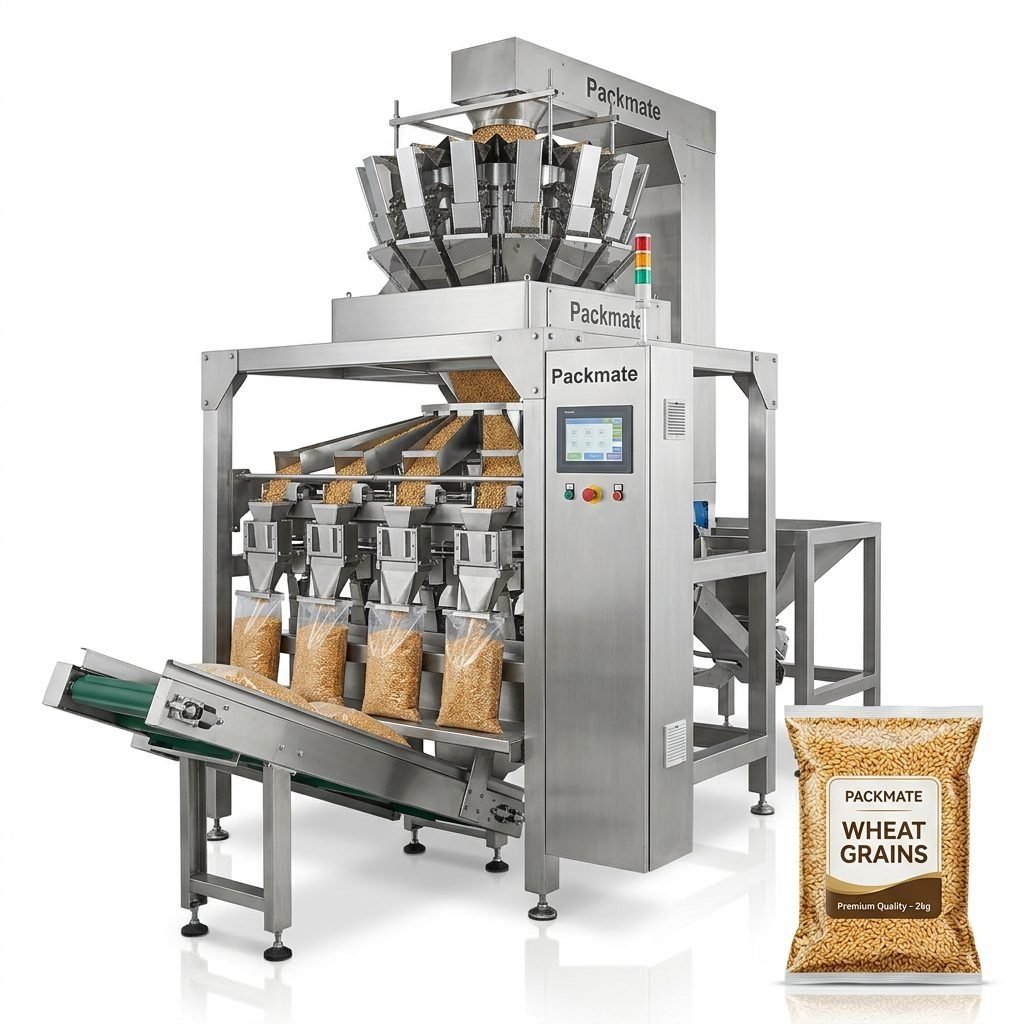
Astro packaging machines are engineered for high-speed operation. They can significantly increase your production line’s output, allowing you to meet large order demands and tight deadlines without compromising quality. This boost in speed directly translates to higher revenue potential and better market responsiveness.
Key Point: The automation and precision of these machines minimize manual handling, reducing cycle times and maximizing throughput. This is crucial for industries with seasonal peaks or rapidly growing product lines.
2. Superior Packaging Accuracy and Consistency
Manual packaging is prone to human error, leading to product giveaways or underfills. Astro machines utilize precise weighing, filling, and sealing mechanisms to ensure every single package meets the exact weight and volume specifications. This consistency protects your profit margins and upholds your brand’s reputation for quality.
3. Remarkable Versatility for Various Products
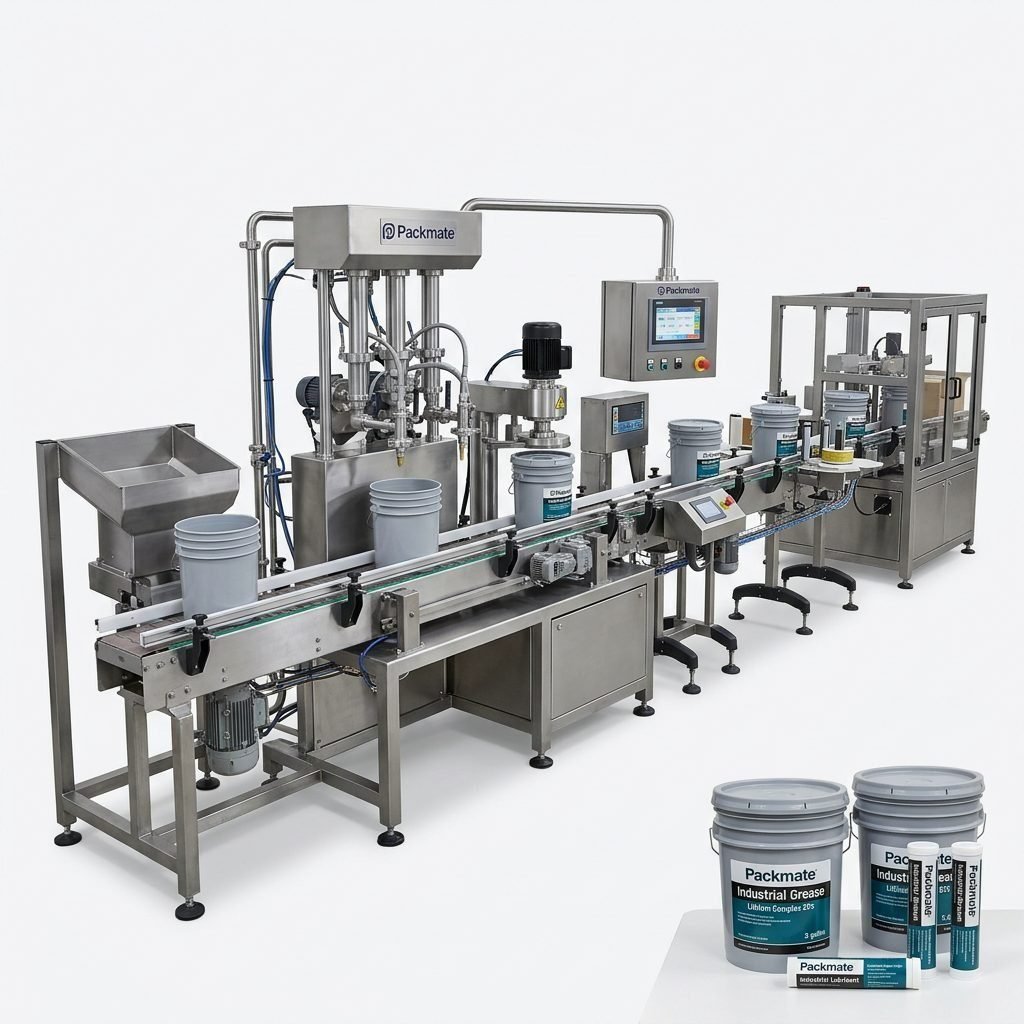
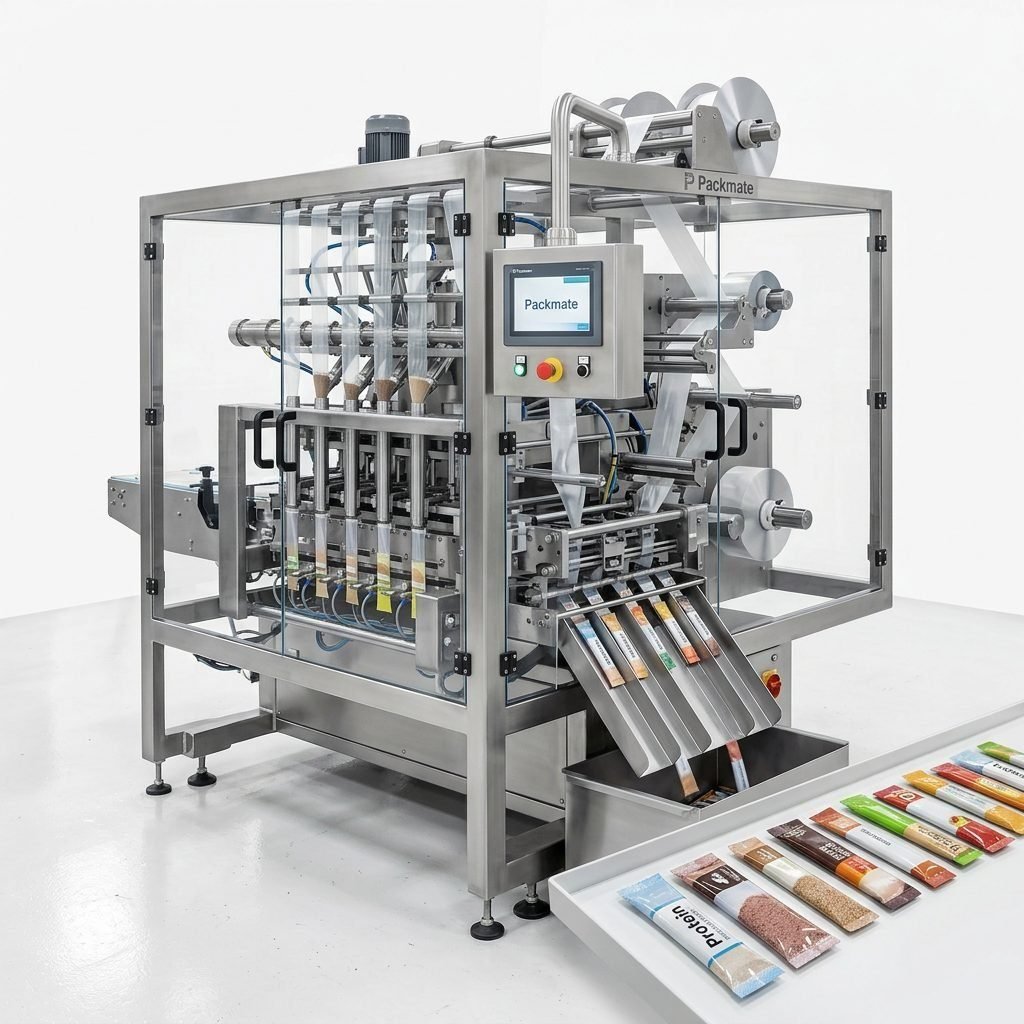
One of the standout features is their adaptability. Whether you are packaging granules, powders, or liquids, these machines can be configured to handle a wide range of materials. Many models can easily switch between different package formats, such as stick packs and sachets, with minimal downtime.
4. Significant Reduction in Material Waste
Precision engineering leads to efficient use of packaging films and materials. By accurately controlling the sealing process and minimizing product spillage, Astro machines help reduce waste, contributing to lower operational costs and a more sustainable, environmentally friendly production process.
5. Improved Product Hygiene and Safety
In sectors like pharmaceuticals and food, contamination is a critical concern. These machines often feature enclosed systems and are constructed with food-grade stainless steel, minimizing human contact with the product. This closed environment is essential for maintaining the highest hygiene standards and complying with stringent industry regulations.
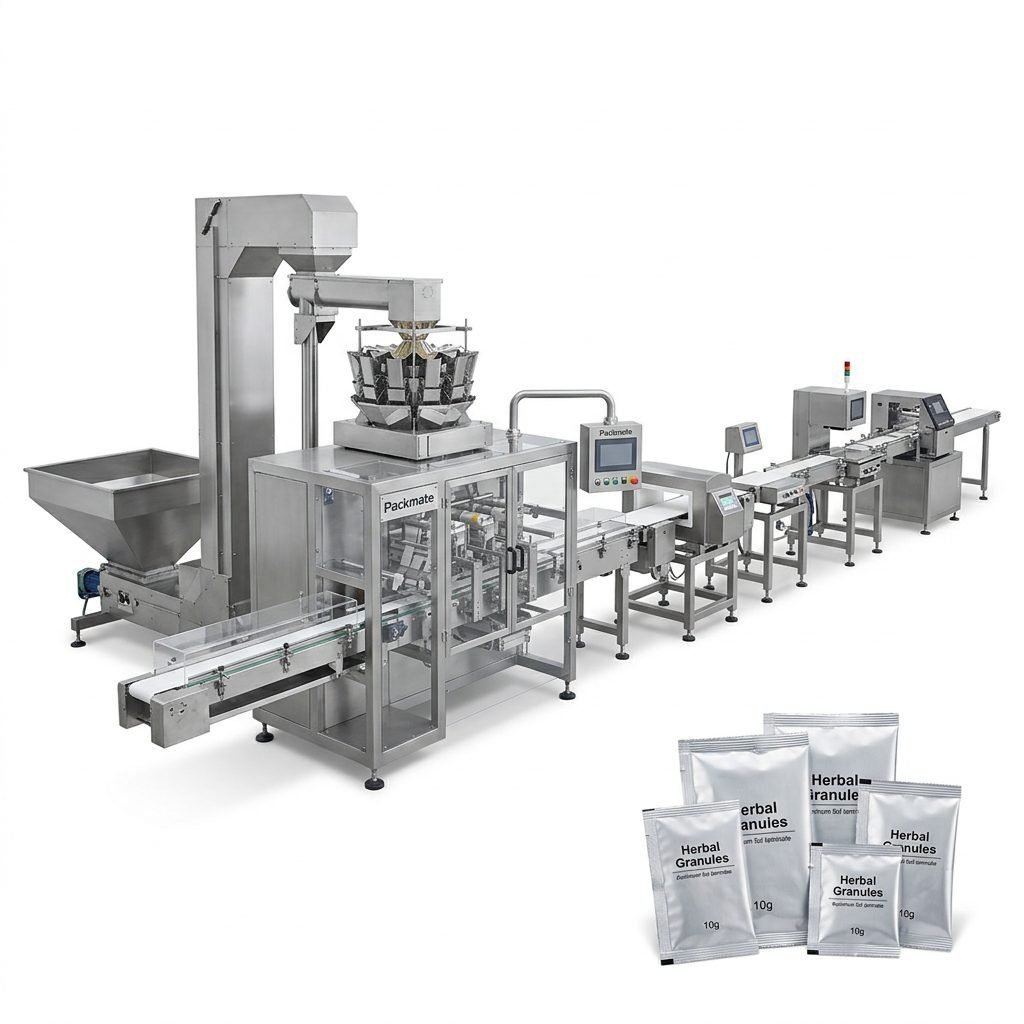
Operational Insight: The integration of an Astro machine into your full packaging line creates a seamless, hygienic flow from filling to sealing, drastically reducing the risk of external contaminants.
6. Long-Term Cost Efficiency and ROI
While the initial investment may be significant, the long-term savings are substantial. Reduced labor costs, lower material waste, decreased product loss, and minimal downtime for maintenance all contribute to a strong return on investment (ROI). The machine pays for itself by making your entire packaging operation leaner and more profitable.
7. User-Friendly Operation with Advanced Controls
Modern Astro machines come equipped with intuitive touch-screen interfaces and programmable logic controllers (PLCs). Operators can easily set parameters, monitor performance in real-time, and troubleshoot minor issues. This reduces the training time required and empowers your team to manage production efficiently.
8. Robust Durability and Low Maintenance
Built with high-quality components and rugged frames, these machines are designed for continuous, heavy-duty operation in industrial environments. Reputable manufacturers, like Packmate Machinery, ensure their machines undergo rigorous testing, resulting in reliable performance and minimal unexpected maintenance, which maximizes uptime.
9. Scalability for Business Growth
As your business expands, your packaging needs will evolve. Astro packaging systems are modular and scalable. You can start with a core machine and later integrate additional modules, such as automated weighing systems or cartoning units, to create a complete, turnkey solution that grows with your company.
10. Enhanced Brand Image with Professional Packaging
The final packaged product is a direct reflection of your brand. Astro machines produce neat, uniform, and professionally sealed packages. This consistent, high-quality finish enhances shelf appeal, builds consumer trust, and strengthens your brand’s market position against competitors.
Comprehensive Buying Guide for Astro Packaging Machines
Selecting the right machine requires careful consideration of your specific needs. Follow this step-by-step guide to ensure you choose the optimal equipment for your production goals.
Step 1: Assess Your Product and Packaging Requirements
Begin by thoroughly analyzing what you need to package. Define the product type (free-flowing powder, viscous liquid, granules), its characteristics (hygroscopic, abrasive), and your desired package style (stick pack, sachet, pouch). Also, determine your target output speed (packages per minute) and the range of package sizes you will use.
Step 2: Evaluate Machine Specifications and Features
Match your requirements with the machine’s capabilities. Key specifications to check include:
• Filling Accuracy: Look for machines with precision auger or pump fillers.
• Material Compatibility: Ensure it can handle your specific packaging film (laminate, foil, etc.).
• Changeover Time: How quickly can it switch between different package sizes? Quick-change systems save valuable production time.
Critical Consideration: After-Sales Support
Never underestimate the importance of reliable technical support, training, and availability of spare parts. A machine is a long-term asset, and the manufacturer’s commitment to service is as important as the machine itself. Inquire about warranty terms, service network, and response times for technical assistance.
Step 3: Consider Integration with Existing Lines
Will the new machine work standalone or be integrated into an existing production line? Consider the footprint, necessary utilities (power, compressed air), and how it will interface with upstream and downstream equipment like mixers or cartoners. Planning for integration avoids costly bottlenecks later.
Step 4: Analyze Total Cost of Ownership (TCO)
Look beyond the purchase price. Calculate the Total Cost of Ownership, which includes:
• Energy consumption.
• Expected maintenance and spare parts costs.
• Required operator training.
• Potential costs for future upgrades or accessories.
Step 5: Research Manufacturer Reputation and Experience
Choose a manufacturer with a proven track record. A company like Packmate Machinery, with over 22 years of development and a 20,000㎡ modern facility, demonstrates stability and expertise. Review their case studies, ask for client references, and if possible, request a live demonstration or trial with your own product.
Step 6: Plan for Future-Proofing
Invest in a machine that won’t become obsolete. Consider its ability to adapt to new packaging trends, regulatory changes, or increased production speeds. Opting for a modular design from a forward-thinking manufacturer ensures your investment remains valuable for years to come.
Frequently Asked Questions (FAQs)
Q1: What is the typical lead time for receiving an Astro packaging machine after ordering?
A: Lead times vary by manufacturer and machine complexity. For standard models from established suppliers, it can range from 8 to 16 weeks. Customized or fully integrated turnkey lines may require longer. Always confirm the delivery schedule with your supplier during the quotation process.
Q2: Can one machine handle both liquid and powder products?
A: Some advanced models are designed with multi-purpose filling systems that can be adapted for both liquids and powders, though specific components like pumps or augers may need to be changed. It’s best to discuss your specific product range with the manufacturer to find the most efficient solution.
Q3: How difficult is it to train operators to use these machines?
A: Modern machines with user-friendly PLC interfaces are relatively straightforward to learn. Reputable manufacturers provide comprehensive on-site training for your operators and maintenance staff as part of the installation and commissioning service, ensuring a smooth transition to automated packaging.
Q4: What kind of maintenance routine do these machines require?
A: Routine maintenance typically includes daily cleaning, lubrication of moving parts as specified in the manual, and periodic inspection of seals, filters, and wear parts. A good manufacturer will provide a detailed maintenance schedule and checklist. Predictive maintenance via the machine’s diagnostic systems can also help prevent major breakdowns.
Q5: Are spare parts readily available, and how is technical support handled?
A: This is a critical factor. Choose a manufacturer with a global network or a strong commitment to after-sales service. They should have a stocked inventory of common spare parts and offer remote support (phone, video call) as well as on-site engineer dispatch if needed. Always verify the support structure before purchase.