In the fast-paced world of industrial manufacturing, efficiency, reliability, and precision are non-negotiable. Selecting the right packaging machinery is a critical decision that impacts production lines, product quality, and ultimately, the bottom line. For businesses seeking robust industrial solutions, partnering with top-tier box packaging machine manufacturers is the cornerstone of operational success. These manufacturers don’t just sell equipment; they provide comprehensive systems designed to handle high volumes, diverse product types, and the stringent demands of modern supply chains.
The industrial packaging landscape is evolving rapidly, driven by automation, smart technology, and the need for sustainable practices. Leading manufacturers are at the forefront of this evolution, integrating IoT capabilities for real-time monitoring, designing for energy efficiency, and creating flexible machines that can adapt to changing market needs. This proactive approach ensures that their clients are not just keeping up but staying ahead of the competition.
Defining Excellence in Industrial Packaging Machinery
What separates the top manufacturers from the rest? It’s a combination of engineering prowess, deep industry knowledge, and a client-centric philosophy. Excellence is demonstrated through durable construction using high-grade materials, precision in every moving part, and software that ensures consistent, repeatable performance. These machines are built for longevity, often operating in multiple shifts for years with minimal downtime, which is essential for continuous production environments.
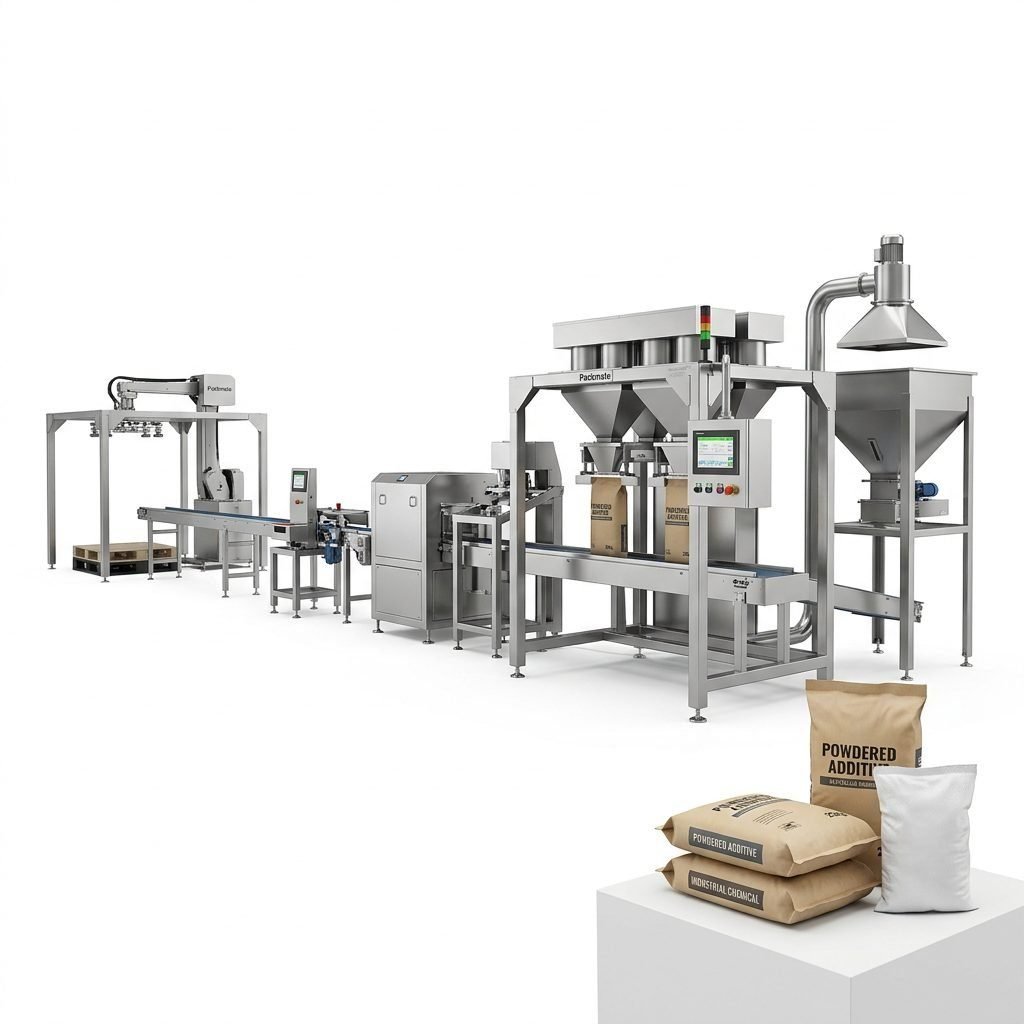
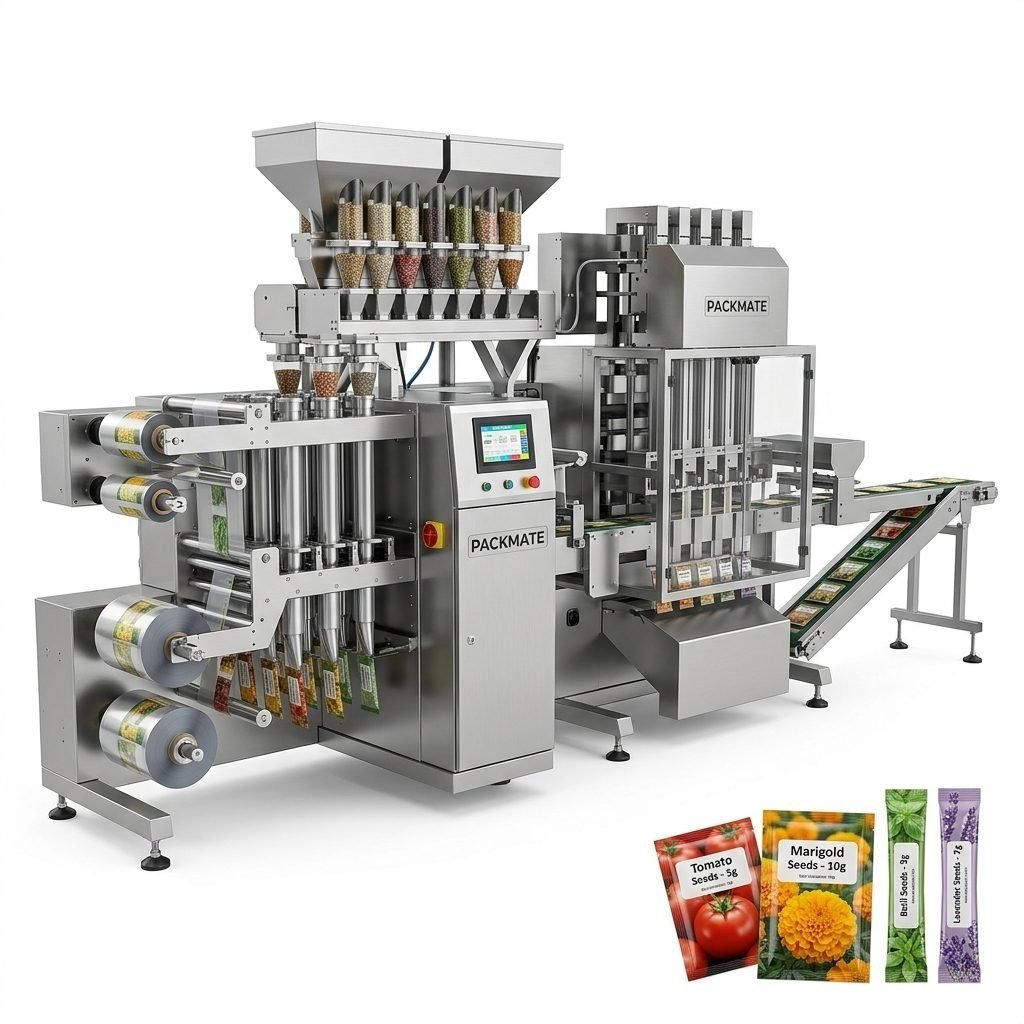
Furthermore, top manufacturers understand that an industrial solution is more than a standalone machine. It’s about the seamless integration of weighing systems, conveyors, sealing units, and coding equipment into a synchronized line. This holistic view is what transforms a packaging station into a high-output, turnkey production asset.
Key Capabilities of Leading Manufacturers
The portfolio of a leading manufacturer is both deep and broad, catering to various sectors. Key capabilities often include:
- High-Speed Automation: Machines capable of forming, filling, and sealing hundreds of boxes per minute.
- Versatile Product Handling: Solutions for diverse products, from fragile electronics to heavy automotive parts, often via adaptable filling and packaging lines.
- Smart Technology Integration: Features like predictive maintenance alerts, production data analytics, and remote troubleshooting.
- Customization and Scalability: The ability to tailor machine functions and scale solutions as business needs grow.
The Role of Innovation and R&D
Sustained investment in Research and Development (R&D) is the lifeblood of a top manufacturer. It’s in the R&D labs where challenges like reducing material waste, increasing line speed without sacrificing accuracy, and enhancing user safety are solved. This commitment to innovation ensures that the machinery not only meets today’s standards but is also future-proofed against upcoming regulations and market shifts.
A Spotlight on Packmate Machinery: A Case Study in Growth
Examining a specific leader in the field provides concrete insights into what drives success. Packmate (GuangDong) Co., Ltd., operating globally under the brand Packmate Machinery, exemplifies the journey from a specialized workshop to an international provider of industrial packaging solutions.
Founded on a vision of automation and productivity, Packmate’s story began in 1993 with Mr. Jiang Sha’s dedication in a small workshop. The formal establishment of the company in 2003 marked the beginning of its structured growth, uniting skilled engineers to tackle complex packaging challenges. This foundational focus on solving real-world problems for manufacturers has remained central to their mission.
Building Industrial Capacity
Packmate’s expansion is a testament to understanding industrial scale. Their modern 20,000㎡ manufacturing facility houses over 100 advanced production and testing equipment units. This infrastructure allows for rigorous quality control at every stage, from component machining to final assembly and testing of complete packaging lines. Such a setup is crucial for delivering the reliable, heavy-duty machines that industries depend on.
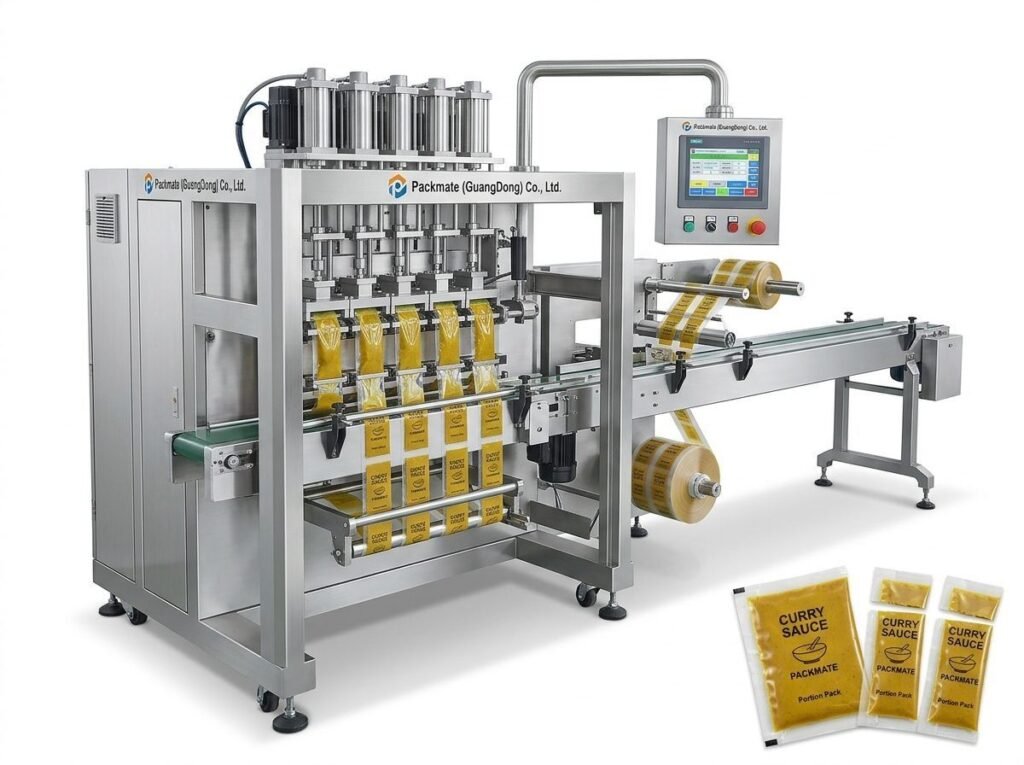
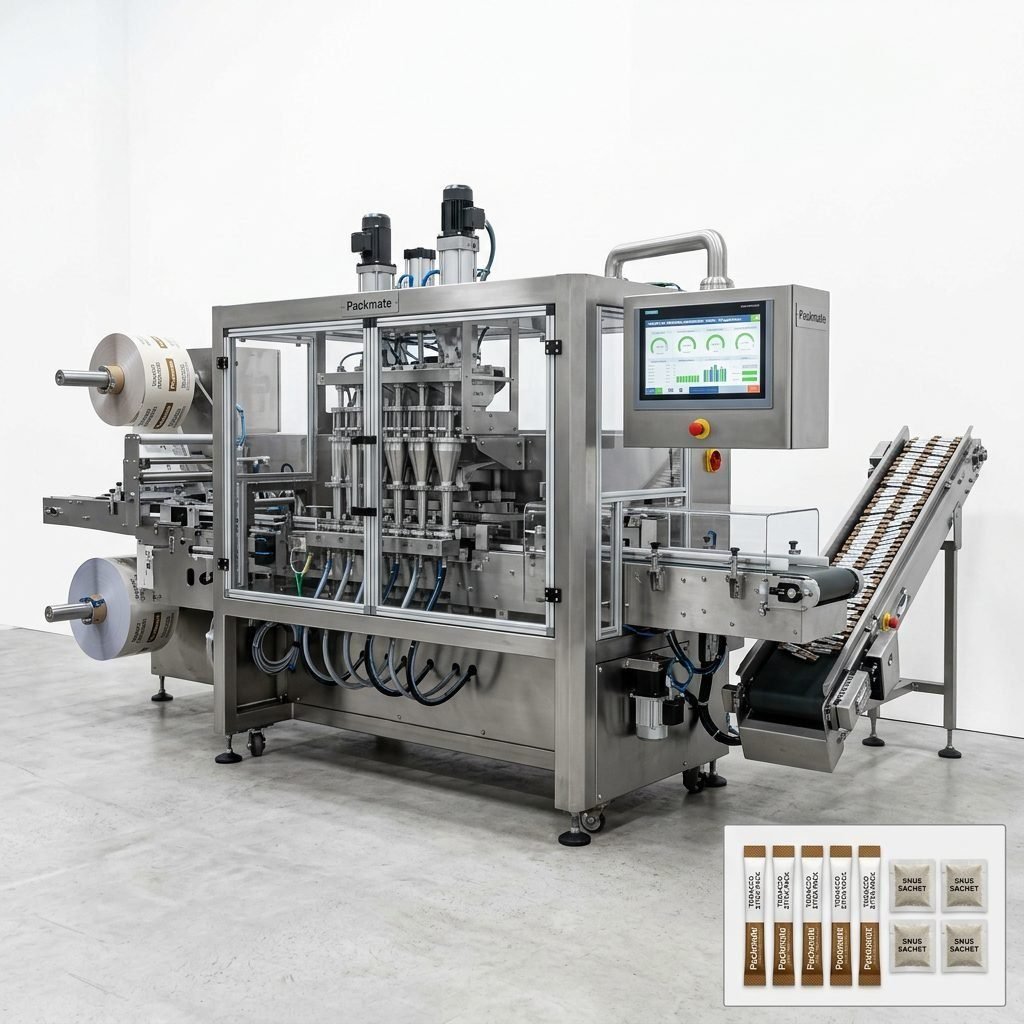
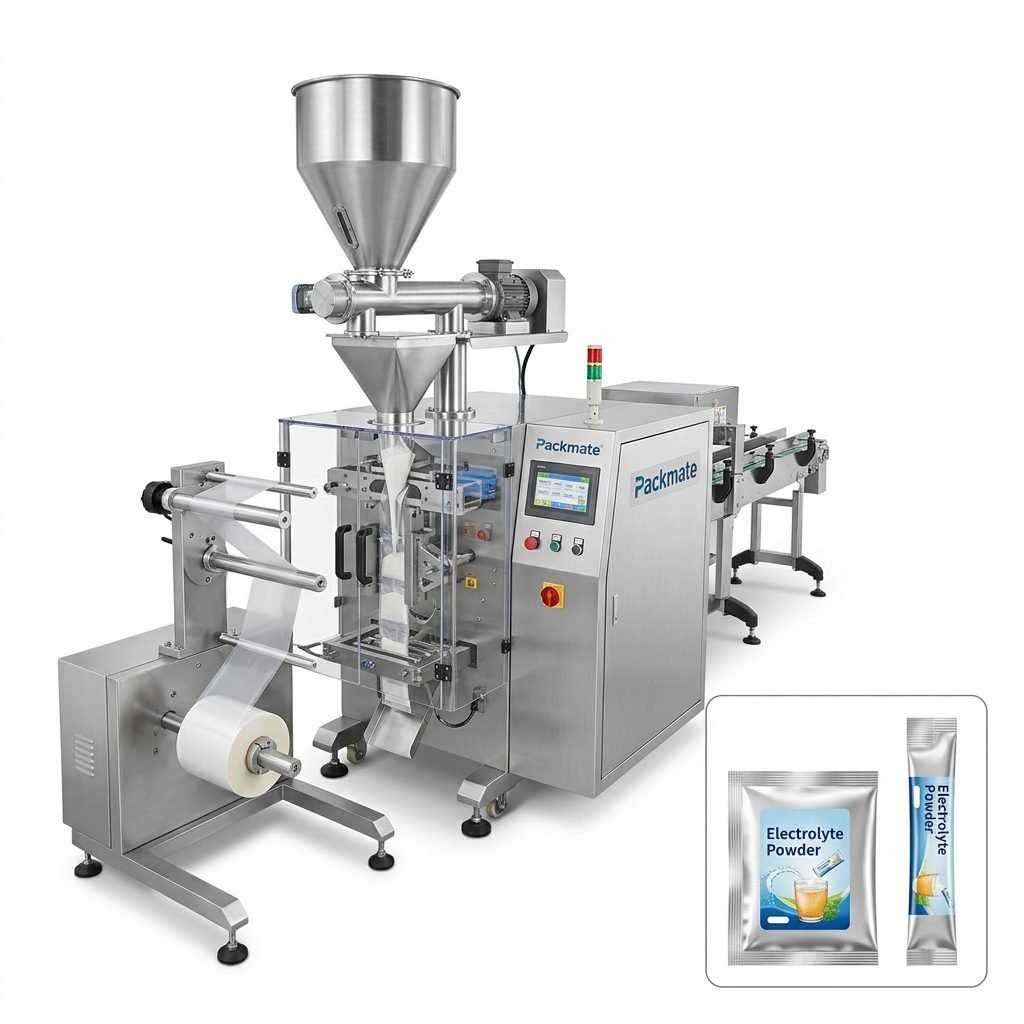
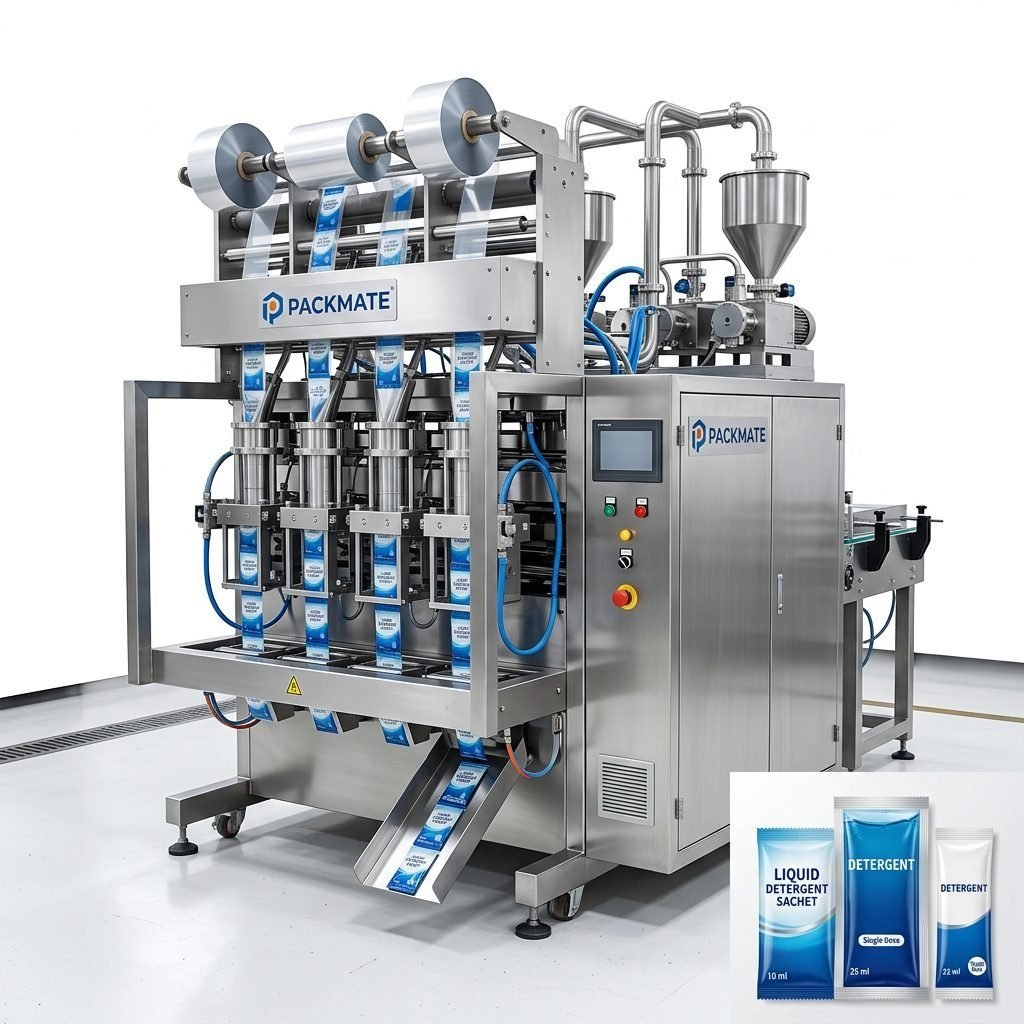
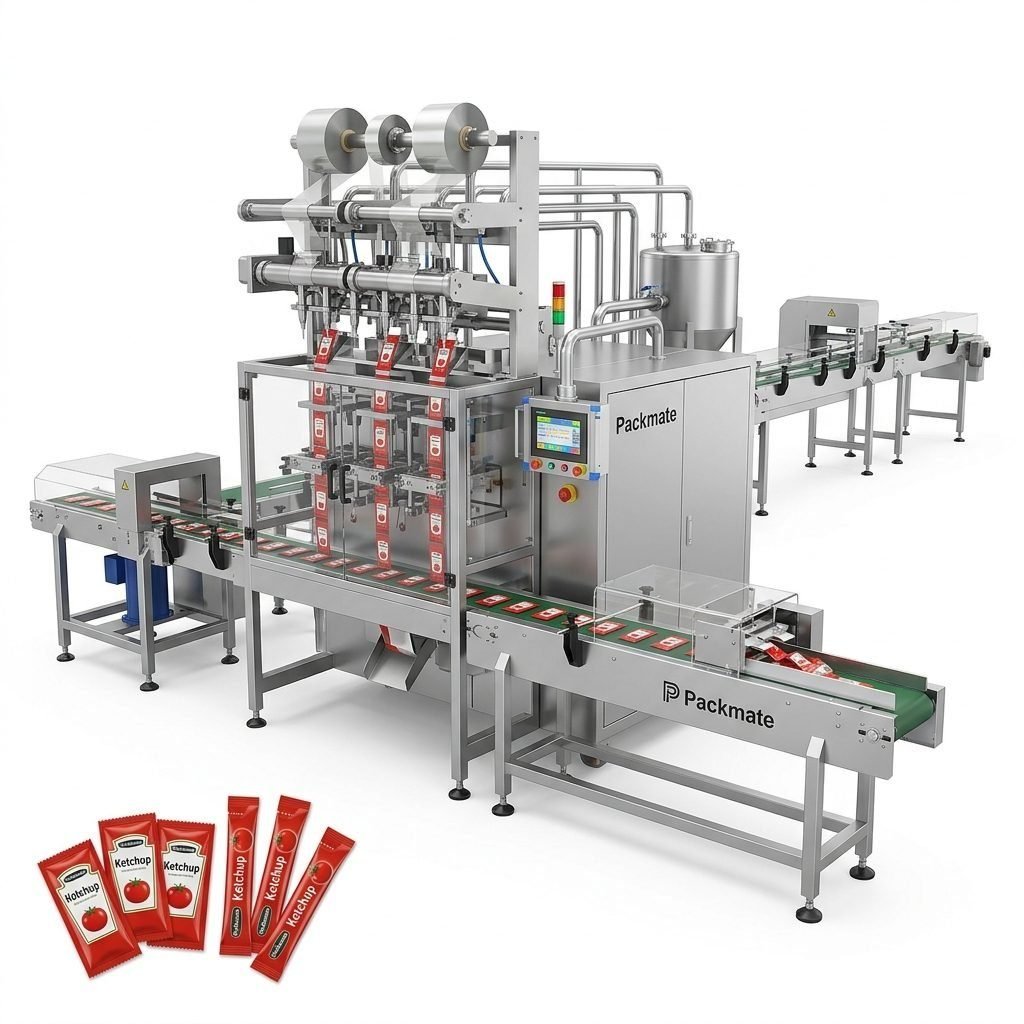
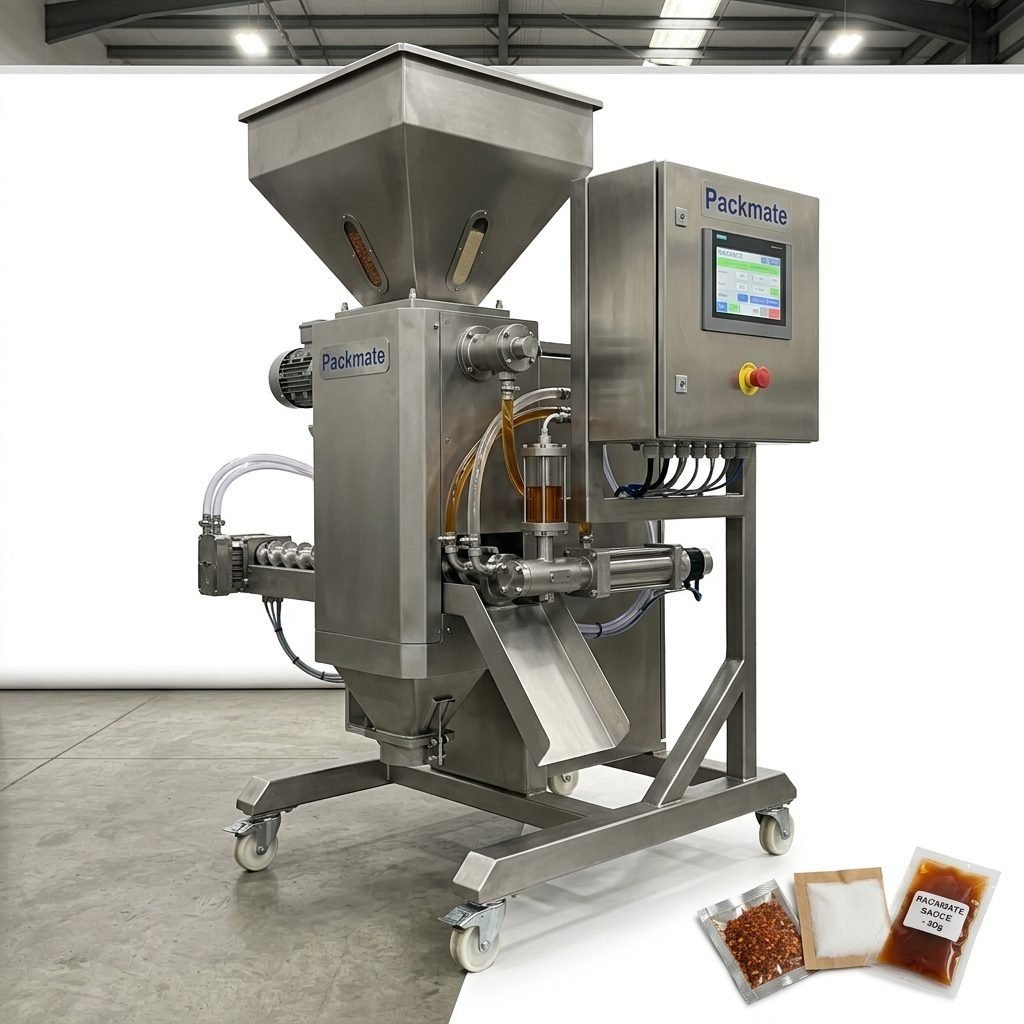
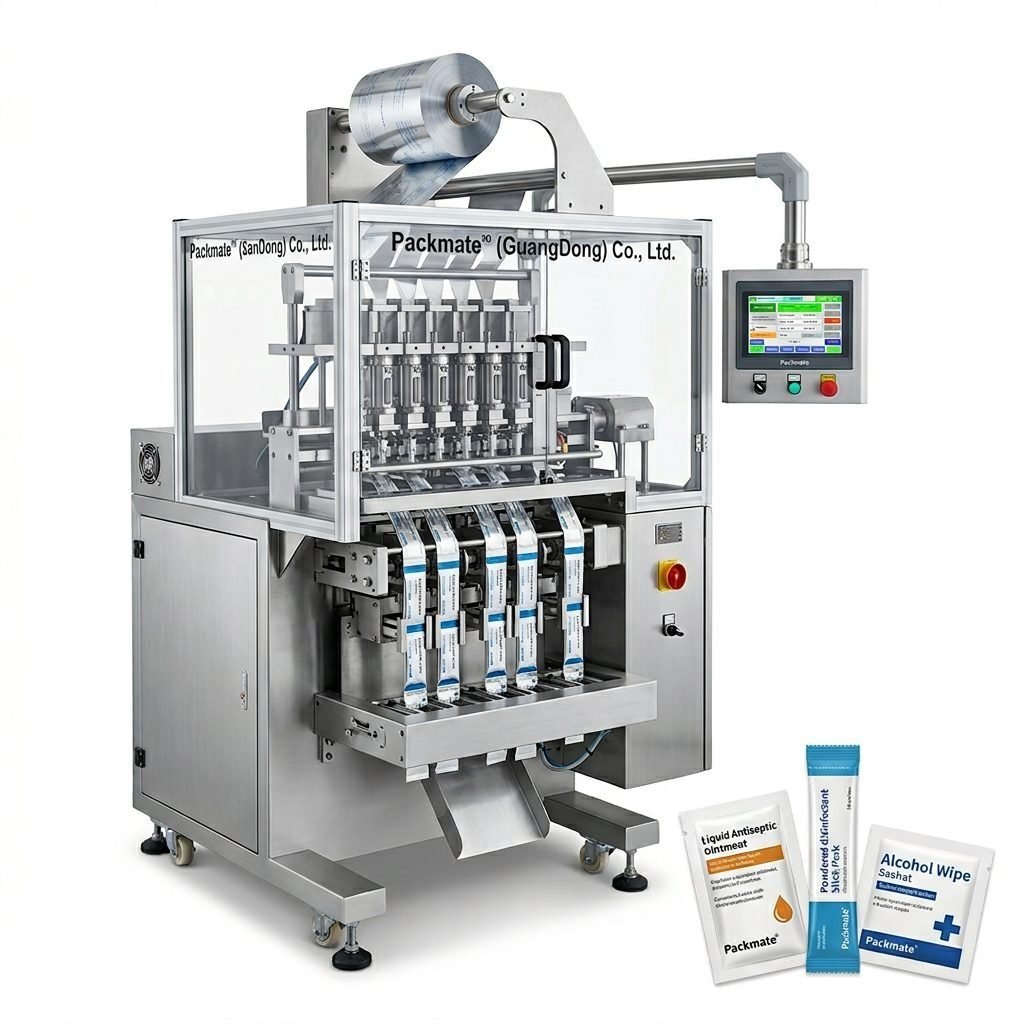
Their evolution from producing single sachet machines to developing over 50 models, including complex multi-lane systems, mirrors the growing complexity and scale demanded by industrial clients. This ability to scale solutions—from primary packaging like sachets to secondary boxing and palletizing—positions them as a provider of true end-to-end industrial solutions.
Core Industrial Strengths: With over 22 years of company development and a professional team of 125+ members, Packmate combines experience with fresh engineering talent. This blend is vital for maintaining the reliability of proven designs while innovating for next-generation needs, particularly in sectors like food, pharmaceuticals, and health products where precision and hygiene are paramount.
Selecting Your Manufacturing Partner: A Strategic Guide
Choosing a box packaging machine manufacturer is a strategic partnership. Beyond technical specifications, consider these factors:
- Proven Track Record & Case Studies: Review their history and client success stories. A manufacturer with a long history, like Packmate’s journey since 2003, demonstrates resilience and accumulated expertise. Examining their project cases offers tangible proof of capability.
- Comprehensive Service & Support: Industrial machinery requires expert installation, training, and maintenance. Ensure the manufacturer offers robust after-sales service, readily available spare parts, and technical support to minimize operational disruptions.
- Commitment to Quality Standards: Certifications and adherence to international manufacturing and safety standards (like CE, ISO) are non-negotiable for industrial equipment. They are a proxy for quality management and product safety.
- Global Vision with Local Understanding: A manufacturer with a global clientele brings a wider perspective on best practices. Their experience in navigating different market requirements can be invaluable for your expansion plans.
Ultimately, the right partner will act as an extension of your engineering team, providing not just a machine, but a solution optimized for your specific product, throughput goals, and factory environment.
The Future of Industrial Packaging
The trajectory for top manufacturers points towards greater connectivity, sustainability, and flexibility. The integration of AI for quality vision inspection, the use of data to optimize entire supply chains, and the development of machines that can handle a wider range of recyclable or biodegradable materials are already underway. Partnering with a forward-thinking manufacturer ensures your packaging operations remain efficient, compliant, and competitive in this dynamic future.
Frequently Asked Questions (FAQs)
What are the main benefits of automated box packaging machines for industrial use?
The primary benefits include significantly increased production speed and output, consistent and precise packaging quality that reduces product damage and waste, substantial labor cost savings, improved worker safety by automating repetitive or heavy tasks, and enhanced traceability through integrated coding and data collection systems.
How do I determine the right machine speed and capacity for my factory?
This requires a detailed analysis of your current and projected production volumes, shift patterns, and product mix. A top manufacturer will conduct a needs assessment, considering your peak demand periods and growth plans to recommend a machine that offers the optimal balance of speed, flexibility, and investment cost, ensuring it can scale with your business.
Can packaging machines be customized for non-standard box sizes or unique products?
Yes, leading manufacturers like Packmate specialize in customization. They can engineer solutions for irregular product shapes, delicate items, or unique packaging formats. This often involves modifying forming heads, conveyor systems, or handling mechanisms. Discussing your specific requirements during the consultation phase is crucial.
What kind of after-sales support should I expect from a reputable manufacturer?
Comprehensive support includes professional installation and on-site commissioning, thorough operator and maintenance technician training, readily available spare parts inventory, access to detailed machine manuals and diagrams, remote technical assistance, and scheduled preventive maintenance services. This support is essential for maximizing machine uptime and lifespan.
How important are certifications like CE or ISO when selecting a manufacturer?
Extremely important. Certifications like CE (for the European market) demonstrate that the machinery meets essential health, safety, and environmental protection requirements. ISO certifications (e.g., ISO 9001 for quality management) indicate that the manufacturer has robust, standardized processes in place for design, production, and service, which translates to higher product reliability and consistency.