In the fast-paced world of bakery operations, efficiency, product freshness, and presentation are paramount. A key component in achieving these goals is the often-overlooked process of packaging, specifically for individual items like bread rolls. Investing in a specialized bread roll packaging machine is not merely an upgrade; it’s a strategic move towards streamlined production, reduced waste, and enhanced market appeal. These automated solutions handle everything from gentle placement to secure sealing, ensuring each roll reaches the consumer in perfect condition.
The Core Challenges in Manual Bread Roll Packaging
Before delving into the solutions, it’s crucial to understand the pain points of manual or semi-automated packaging. These challenges directly impact a bakery’s bottom line and operational flow.
Inconsistent Speed & Labor Intensity: Manual packaging is slow and labor-dependent, creating bottlenecks during peak production hours or for large orders. It limits output scalability.
Hygiene & Contamination Risks: Excessive human handling increases the risk of product contamination, a critical concern in food safety standards and certifications.
Packaging Inconsistency: Hand-packaged rolls often suffer from uneven sealing, loose bags, or misaligned labels, presenting an unprofessional image to customers.
Product Damage: Delicate rolls can be squashed or deformed during manual handling, leading to unsellable goods and direct profit loss.
Higher Operational Costs: The cumulative costs of dedicated labor, slower throughput, and material waste from sealing errors make manual methods expensive in the long run.
How Automated Packaging Machines Transform Bakery Workflow
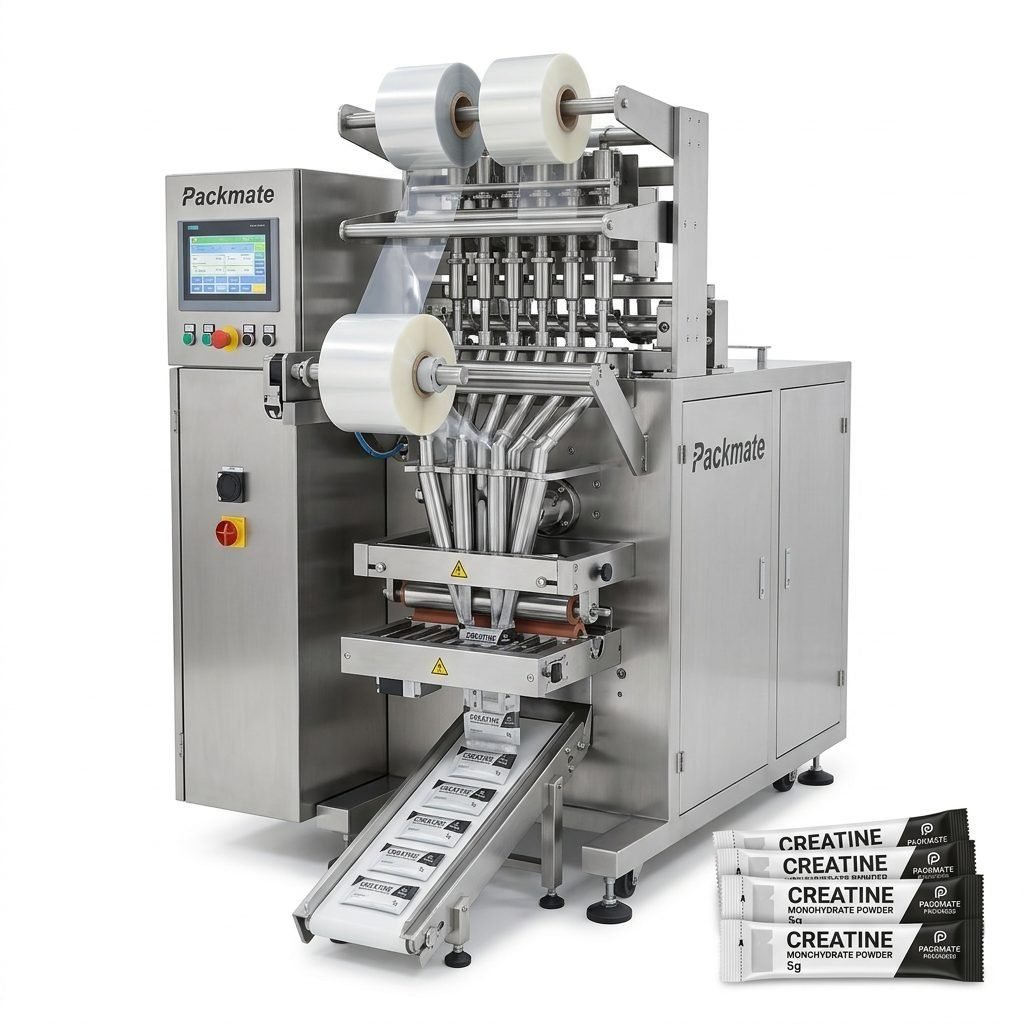
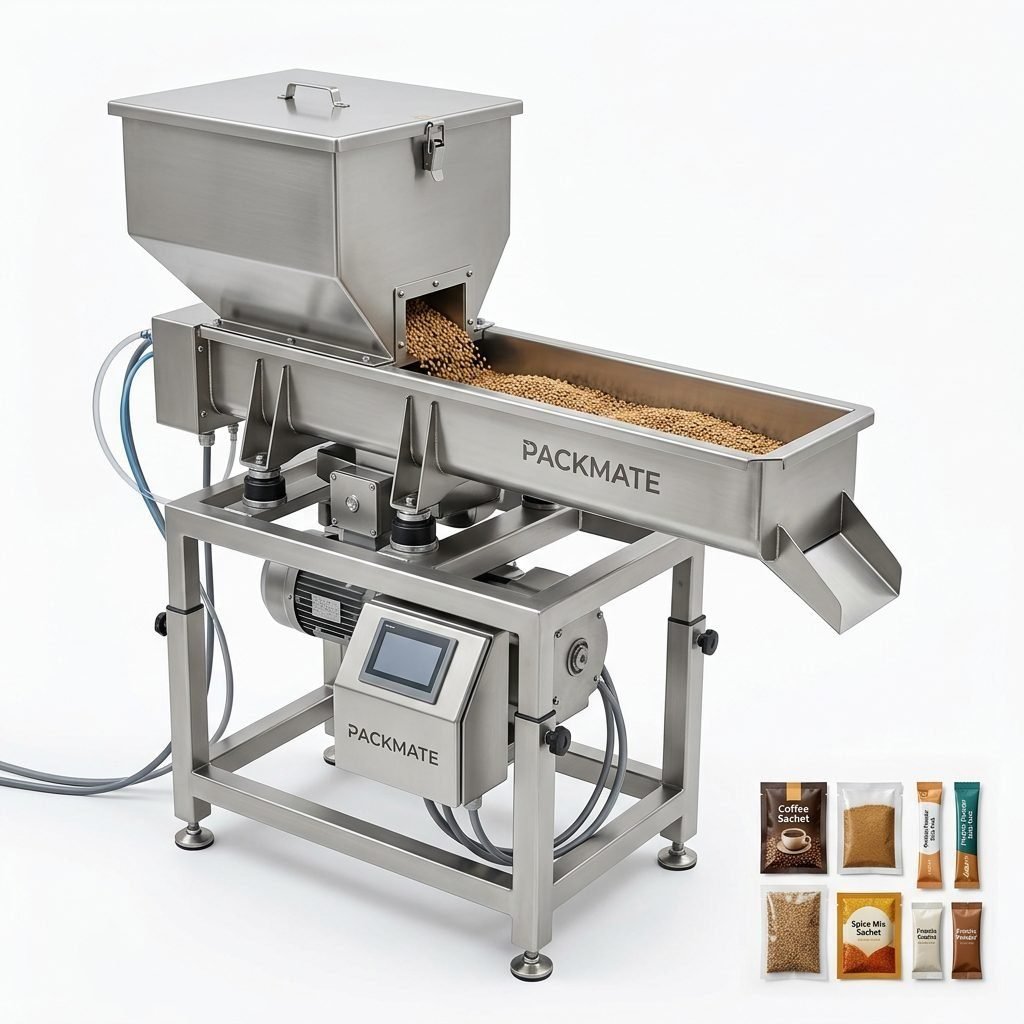
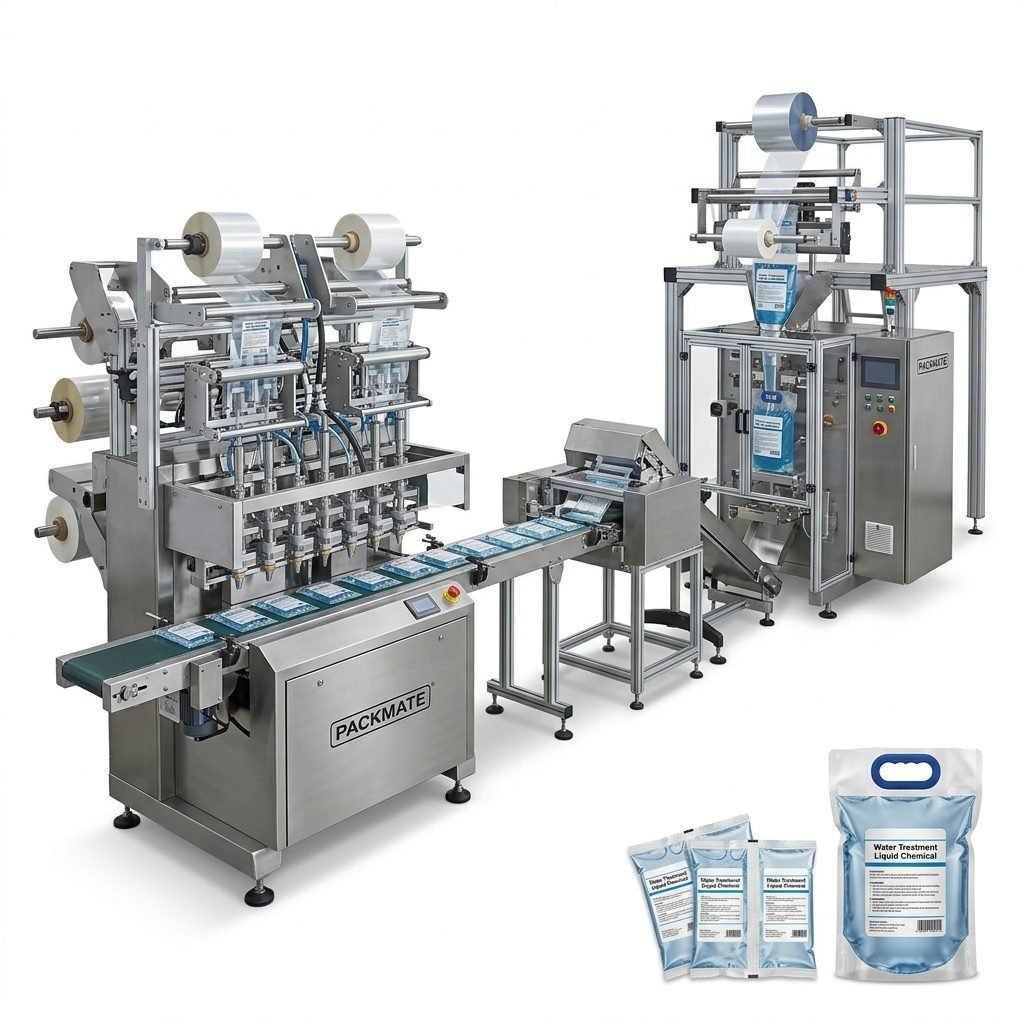
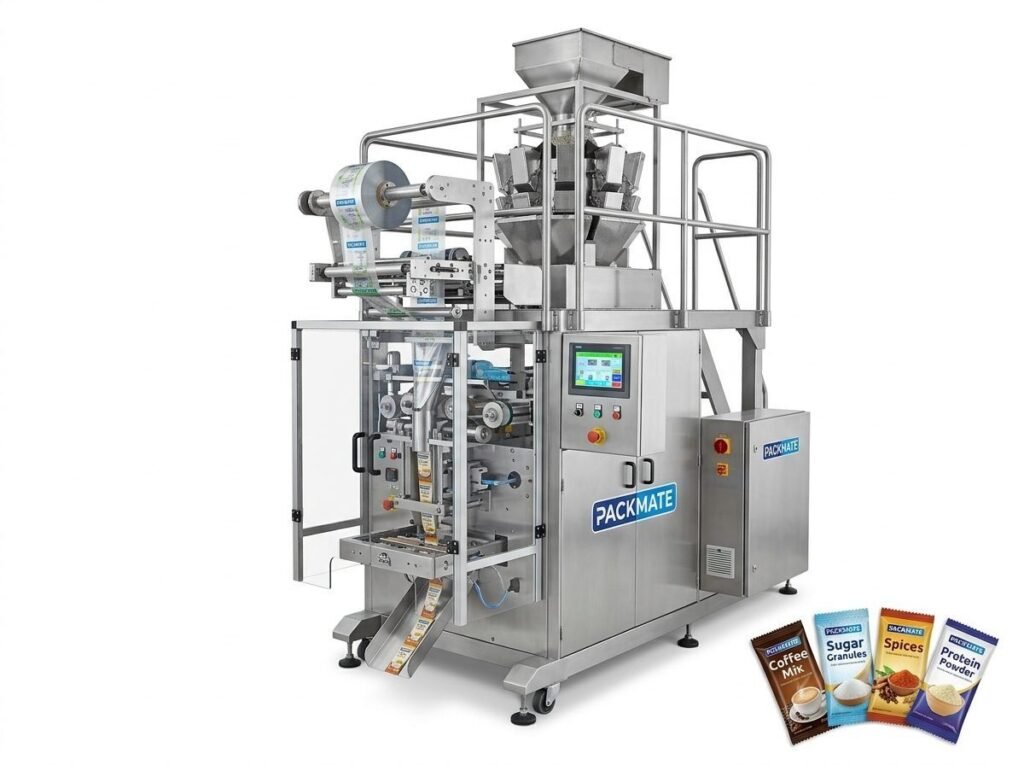
A dedicated bread roll packaging system integrates seamlessly into your production line, automating the process from collation to final bagging. Modern machines, like those developed by industry leaders with decades of experience, are designed for precision and adaptability. For instance, companies such as Packmate Machinery leverage over 30 years of expertise to build intelligent equipment that addresses these exact pain points.
The transformation begins with gentle product handling. Automated pick-and-place or conveyor systems transport rolls without compression. The machine then selects the correct packaging material—whether it’s perforated bags for freshness, clear film for display, or branded pouches—and forms it around the product. The sealing process is consistently accurate, creating airtight or easy-open seals that extend shelf life. Finally, the packaged rolls are neatly counted and discharged for boxing or direct retail placement. This continuous, high-speed operation dramatically increases your output per hour while freeing skilled staff for other value-added tasks like quality control or product development.
Key Features to Look for in a Bread Roll Packaging Solution
Not all packaging machines are created equal. When selecting equipment for your bakery, prioritize features that align with your specific product range and volume needs.
Versatility & Quick Changeover: The best machines can handle various roll sizes, from dinner rolls to artisan buns, and switch between bag types or sizes with minimal downtime. This flexibility is crucial for bakeries with diverse product lines.
Gentle Product Handling: Look for systems with soft-touch belts, padded guides, or vacuum grippers designed specifically for delicate baked goods to prevent marking or deformation.
High-Speed Operation: Evaluate machines based on packs-per-minute (PPM) rates to ensure they can meet your current and projected production demands without creating a bottleneck.
Hygienic Design: Stainless steel contact surfaces, easy-clean layouts, and minimal crevices are essential for maintaining the highest food safety standards and simplifying sanitation protocols.
User-Friendly PLC Controls: An intuitive touchscreen interface allows operators to adjust settings, monitor production counts, and diagnose minor issues quickly, reducing training time and operational errors.
Integration Capability: The machine should easily connect with upstream equipment (like cooling conveyors or sorters) and downstream systems (like case packers or labeling machines) for a complete, turnkey packaging line.
The Tangible Return on Investment (ROI)
The initial investment in automation is justified by a compelling and rapid ROI. The savings are multi-faceted:
Labor Cost Reduction: Automating the packaging station reduces the need for multiple dedicated employees, allowing for workforce reallocation and significant long-term salary savings.
Material Waste Minimization: Precise sealing and cutting mechanisms drastically reduce film or bag waste caused by human error, optimizing material usage.
Increased Production Capacity: Higher packaging speeds unlock your bakery’s ability to fulfill larger orders, enter new markets, or expand product distribution without proportional increases in labor.
Enhanced Product Quality & Brand Image: Consistent, professional packaging protects product integrity and elevates your brand’s perception on the shelf, potentially allowing for premium pricing.
Reduced Downtime: Reliable machinery from reputable manufacturers minimizes unexpected stoppages. Companies that invest in robust engineering and quality components, as seen in the comprehensive range of packing machines available, ensure longer machine life and consistent uptime.
Choosing the Right Partner for Your Packaging Automation
Selecting the machine is only half the battle; choosing the right manufacturer is equally critical. A reliable partner provides more than just hardware.
Look for a supplier with proven industry experience and a portfolio of successful installations in the food sector. They should offer comprehensive services, including:
Customization: The ability to tailor the machine to your unique roll dimensions, packaging materials, and line layout.
Installation & Training: On-site setup by qualified engineers and thorough training for your operational staff to ensure a smooth transition.
After-Sales Support: Access to readily available spare parts, remote troubleshooting, and responsive technical service to maintain optimal machine performance. Exploring a manufacturer’s dedicated service offerings is a key step in the evaluation process.
Global Compliance: Ensure the equipment meets all relevant safety and hygiene regulations for your target markets.
Implementing an automated bread roll packaging system is a decisive step toward modernizing your bakery operations. It directly addresses the inefficiencies of manual labor, safeguards product quality, and scales your business for growth. By focusing on key features like gentle handling, speed, and hygiene, and partnering with an experienced equipment provider, bakeries can achieve a seamless, profitable, and future-proof packaging process.
Frequently Asked Questions (FAQs)
1. What types of packaging materials can a bread roll machine use?
Most modern machines are highly versatile and can handle a range of materials including polyethylene (PE) bags, polypropylene (PP) film, perforated bags for breathability, and even compostable or biodegradable films. The key is to ensure the machine’s sealing jaws and film handling system are compatible with your chosen material’s thickness and properties.
2. How fast can an automated bread roll packager operate?
Speeds vary by model and configuration. Standard machines can typically package between 60 to 120 packs per minute. Higher-speed, multi-lane systems can achieve significantly higher rates. The optimal speed depends on your production volume; a reputable supplier will help you match the machine’s capacity to your output requirements.
3. Is the machine difficult to clean and maintain for food safety?
No, professional bakery packaging machines are designed with hygiene as a priority. They feature easy-access panels, smooth stainless steel surfaces, and tool-free disassembly for critical cleaning points. Daily cleaning routines are straightforward, and preventive maintenance schedules are provided to keep the machine in top condition and compliant with food safety standards like HACCP.
4. Can the machine handle different sizes and shapes of rolls?
Yes, a significant advantage of automated systems is their flexibility. Through adjustable guides, change parts, and programmable settings, a single machine can often be configured to package a variety of roll sizes—from small dinner rolls to larger sandwich buns or even irregular artisan shapes. Quick changeover features minimize downtime when switching between products.
5. What is the typical payback period for this kind of investment?
The payback period depends on factors like your current labor costs, production volume, and material waste. Many bakeries see a full return on investment within 12 to 24 months due to the combined savings from reduced labor, lower material waste, and increased production capacity that leads to higher sales. A detailed ROI analysis with your equipment supplier can provide a more accurate timeline for your specific operation.