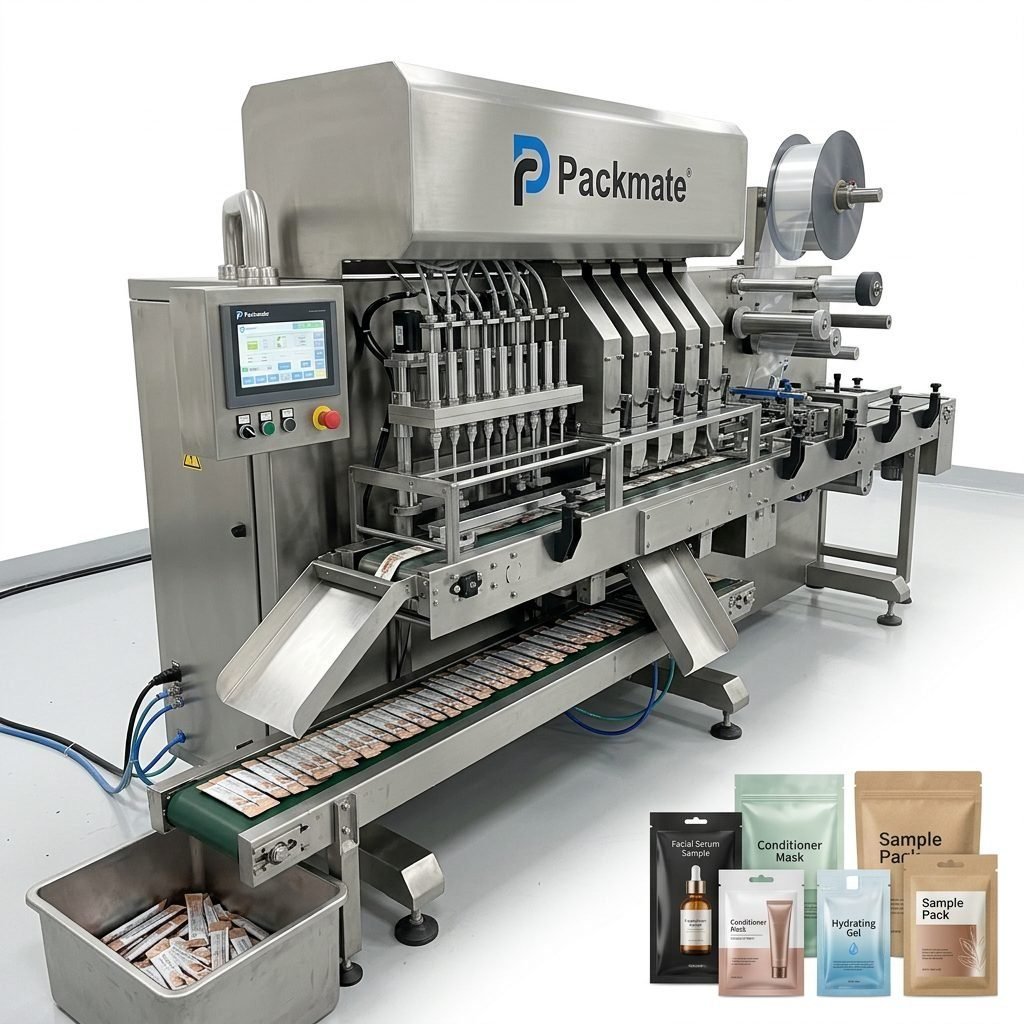
Selecting the right packaging machine is a critical decision that directly impacts your production efficiency, product quality, and bottom line. With numerous options available, from sachet and stick pack machines to complex integrated filling lines, the process can seem daunting. This guide will walk you through the essential factors to consider, ensuring you choose the best machine that aligns perfectly with your production goals and operational constraints.
Key Takeaway:
The “best” machine is not the most expensive or fastest one, but the one that most reliably and cost-effectively meets your specific product, output, and operational requirements.
1. Define Your Core Product and Packaging Requirements
Before looking at any machinery, you must have absolute clarity on what you are packaging. The product’s characteristics dictate nearly every aspect of the machine’s design.
Product Type and Form
Is your product a free-flowing powder, cohesive granules, a viscous liquid, or a solid? Each form requires different handling mechanisms. For instance, powders need auger fillers with anti-bridging features, while liquids demand precise piston or pump fillers. Machines designed for food-grade products, like many from Packmate Machinery, often have specific material and design certifications.
Packaging Specifications
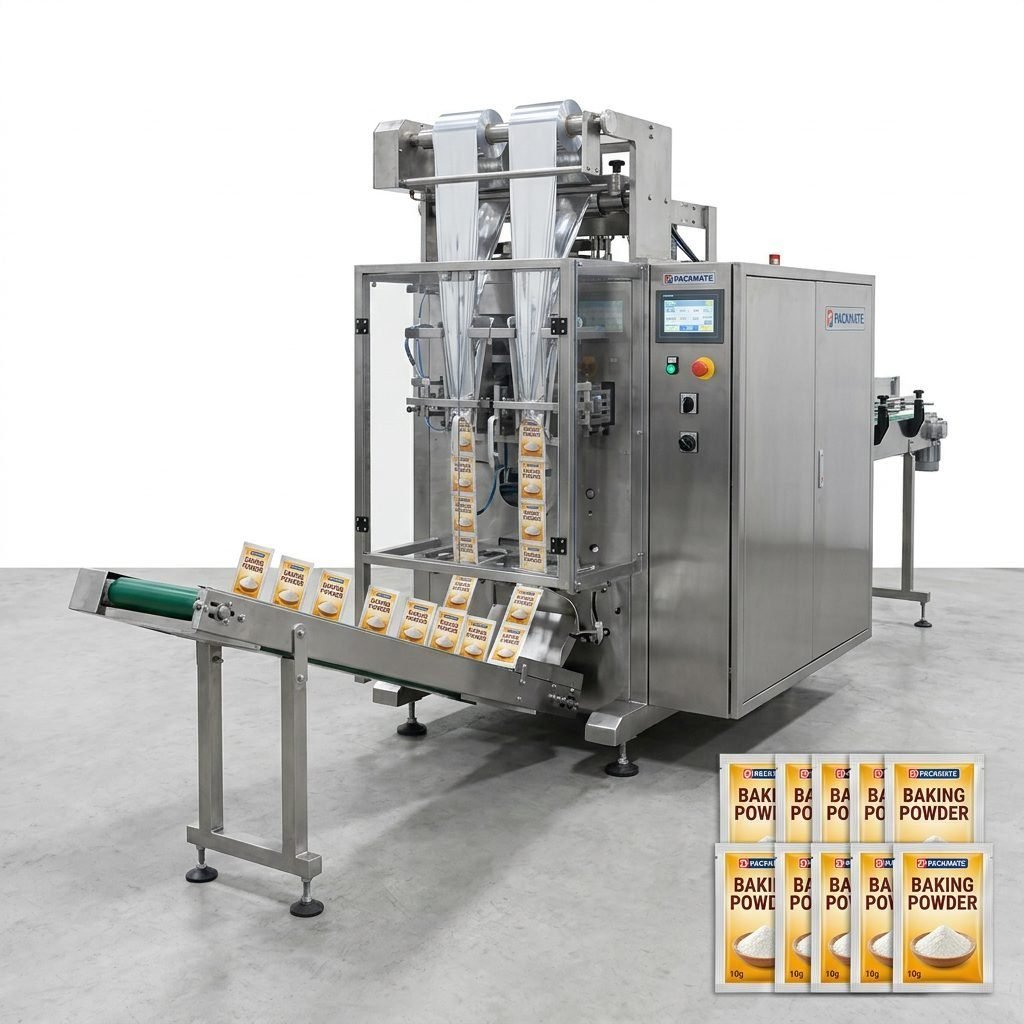
Determine your desired package type: single-serve sachets, multi-lane stick packs, stand-up pouches, or bags. Also, define the material (laminate structure, film type) and dimensions (length, width, seal width). The machine must be compatible with your chosen film to ensure strong, consistent seals.
2. Assess Your Production Capacity Needs
Capacity is typically measured in packages per minute (PPM). Your target must be realistic, balancing peak demand with operational efficiency.
Calculating Your Required Speed:
Consider your daily/weekly output targets, planned operational hours (factoring in changeover and maintenance downtime), and future growth projections. It’s often wiser to choose a machine that can operate comfortably at 70-80% of its max speed for longevity, with some headroom for future demand spikes.
Single vs. Multi-Lane Machines
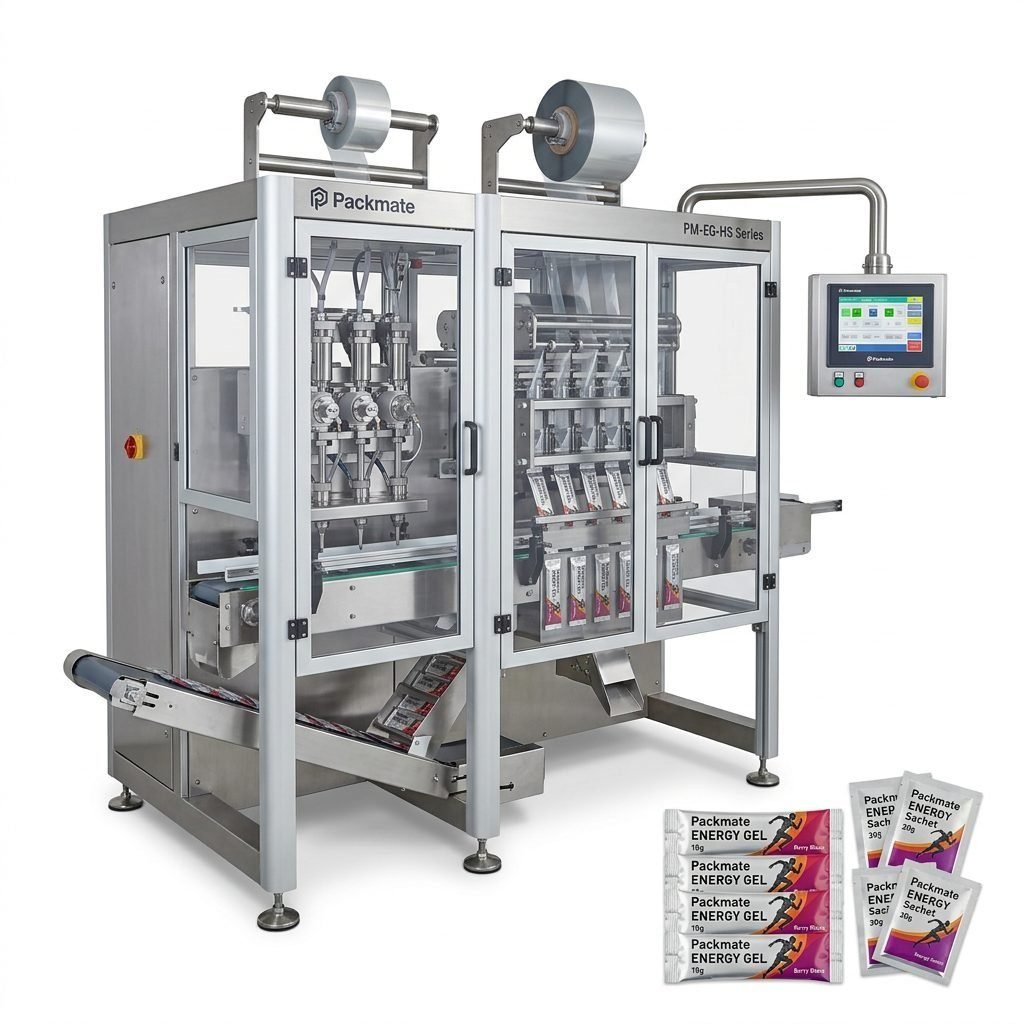
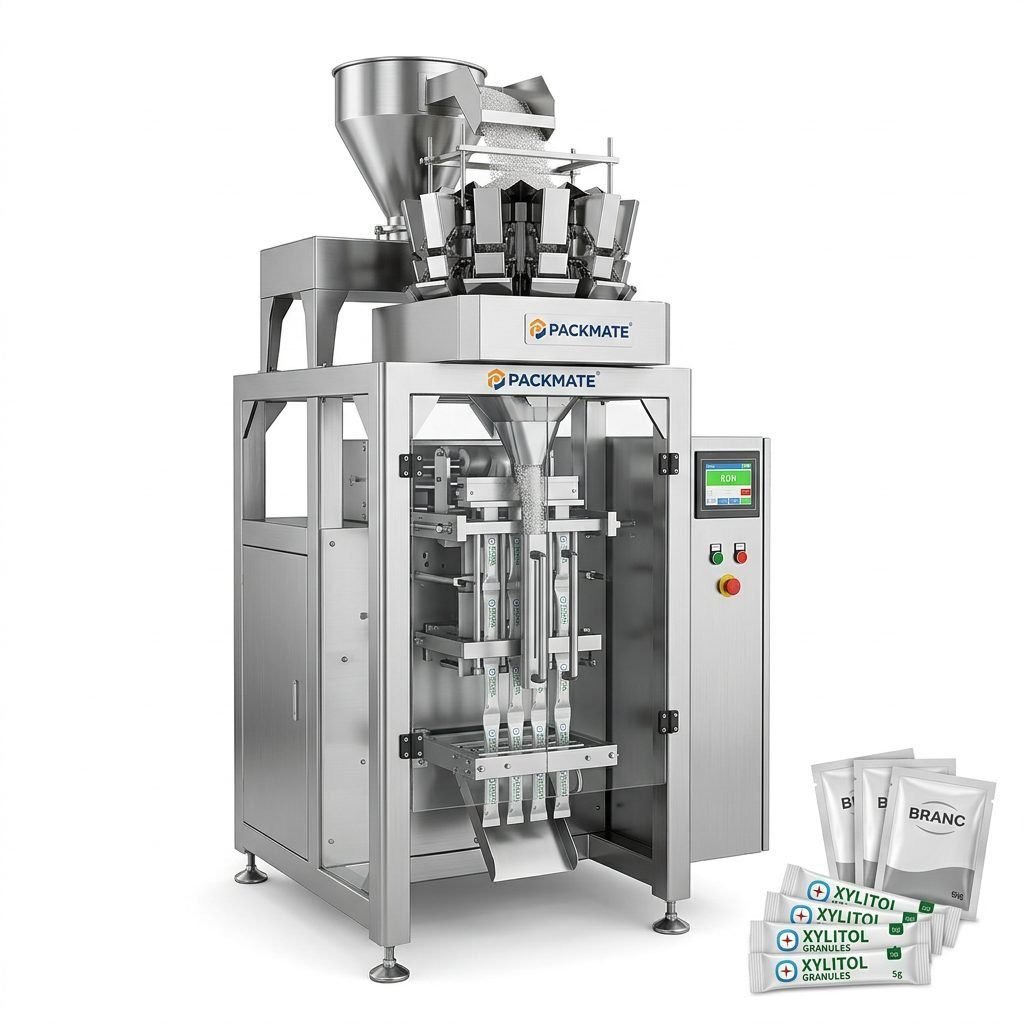
For high-volume production, multi-lane machines (like dual or quad-lane stick pack machines) dramatically increase output without doubling the floor space. Evaluate if your product and budget suit this scalable approach.
3. Evaluate Machine Features and Technology
Beyond basic functionality, modern machines offer features that enhance reliability, ease of use, and flexibility.
Filling Accuracy and Consistency
This is non-negotiable for cost control and compliance. Look for machines with high-precision servo-driven fillers and check-weighing systems that provide real-time feedback and automatic adjustment. Inconsistent fills lead to product giveaways or underweight packages.
Changeover and Flexibility
If you run multiple products or package sizes, quick changeover is vital. Machines with tool-less adjustments, saved recipe settings, and easy-access parts significantly reduce downtime. Consider a versatile weighing system if your product mix varies.
Automation and Integration Level
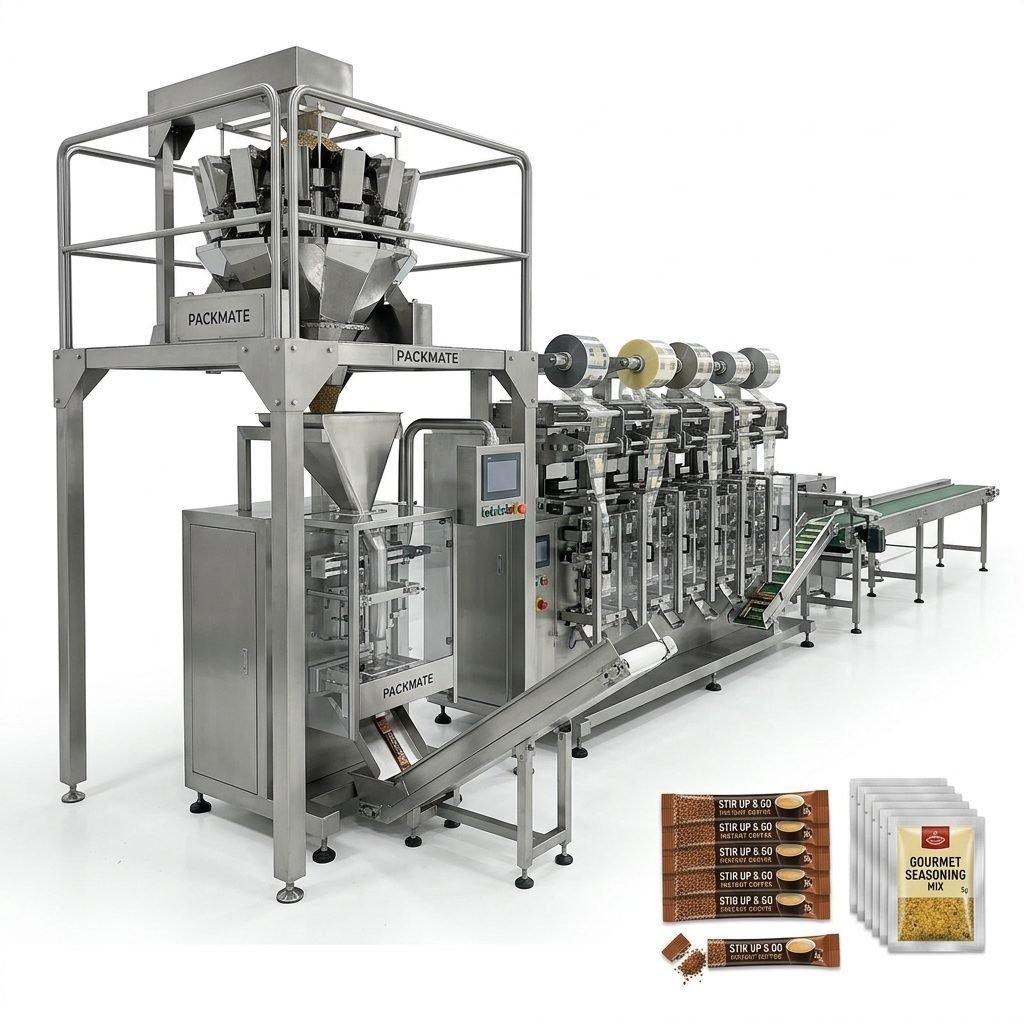
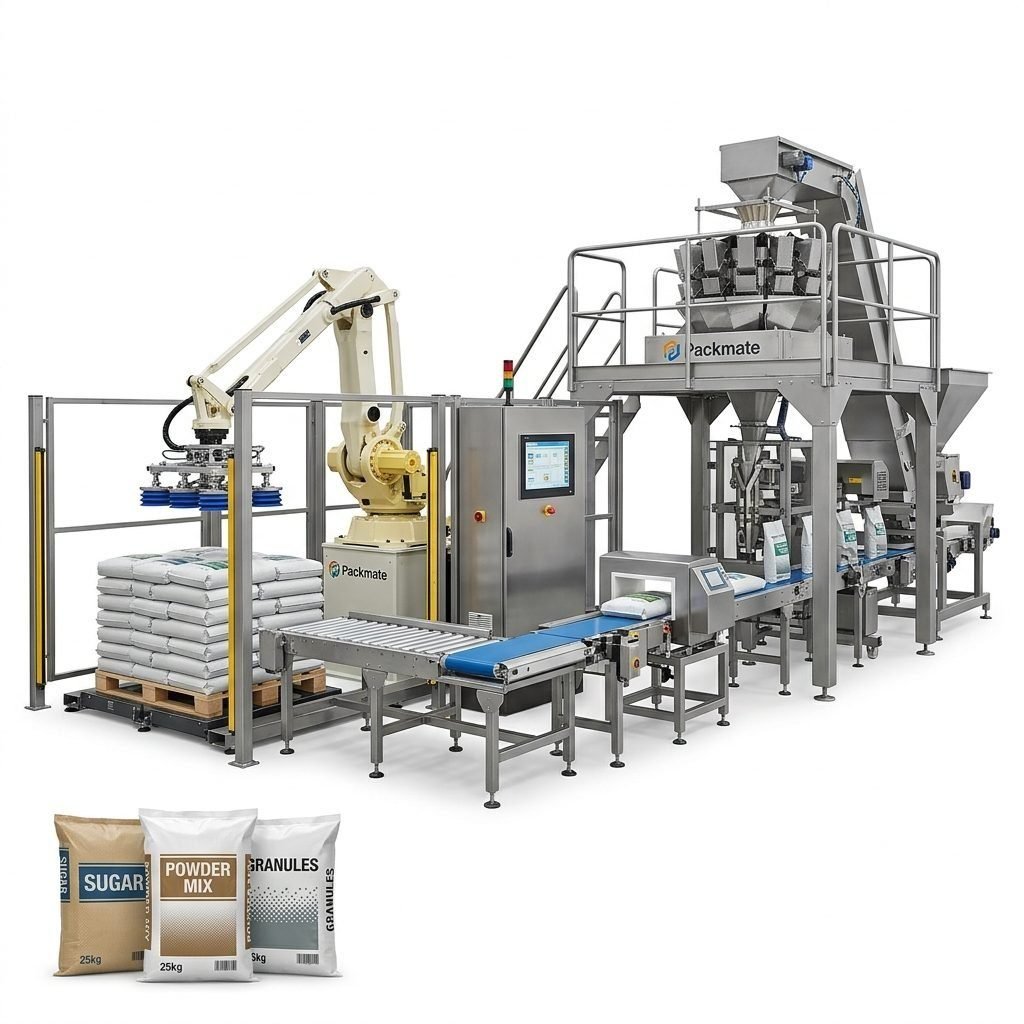
Determine the required level of automation. Options range from semi-automatic machines requiring manual bag feeding to fully automatic lines integrated with upstream mixers and downstream cartoners. Higher automation reduces labor but increases initial investment and complexity.
4. Consider Operational and Facility Factors
The machine must fit into your existing ecosystem.
Footprint and Utilities
Precisely measure the available space, including access for maintenance. Check utility requirements: electrical power (voltage, phase), compressed air (PSI, CFM), and any special needs like nitrogen flushing for product preservation.
Ease of Maintenance and Cleaning
Sanitary design with smooth surfaces, easy disassembly, and good access to high-wear parts is crucial, especially in food and pharmaceutical applications. A machine that is difficult to clean will become a bottleneck.
Pro Tip: Total Cost of Ownership (TCO)
Look beyond the purchase price. Calculate TCO by factoring in energy consumption, expected maintenance costs, spare part availability and pricing, and potential costs of downtime. A slightly more expensive, robust machine from a reputable manufacturer like Packmate often has a lower TCO over 5-10 years.
5. Research the Manufacturer and Support
The machine is only as good as the company behind it. A manufacturer’s reputation is built on post-sale support.
Manufacturer’s Expertise and Reputation
Look for a supplier with proven experience in your specific industry (e.g., food, pharma). Review their company history, client portfolio, and industry certifications. A manufacturer with over 30 years of experience, like Packmate, brings invaluable problem-solving knowledge.
After-Sales Service and Parts Availability
Ensure they offer comprehensive installation, training, and warranty. Critically, verify their spare parts supply chain—how quickly can they deliver a crucial replacement part? Global support networks are essential for international operations.
6. Plan for the Future
Your investment should not be obsolete in a few years. Consider scalability and technology roadmaps.
Scalability and Modularity
Can the line be easily upgraded? Modular machines allow you to add functions (e.g., a date coder, gas flush) later. Planning for future integration with auxiliary equipment or ERP/MES systems is wise.
Technology and Innovation
Does the manufacturer invest in R&D? Choosing a partner committed to innovation means you may benefit from future upgrades and stay competitive. Connectivity for Industry 4.0 (IoT, data collection) is becoming a standard expectation.