Choosing the right packaging machine for cat treats is a critical decision for any pet food manufacturer. The right equipment not only ensures product freshness and appeal but also directly impacts production efficiency, operational costs, and your brand’s reputation in a competitive market. This guide will walk you through the key factors to consider when selecting a cat treats packaging machine, helping you make an informed investment that aligns with your production goals.
Understanding Your Product and Production Needs
Before diving into machine specifications, a thorough analysis of your product and output requirements is essential. This foundational step will narrow down your options significantly.
Key Product Considerations:
Treat Type: Are your treats dry kibble, semi-moist, freeze-dried, or paste-based? The physical form dictates the filling technology (volumetric cup, auger, pump).
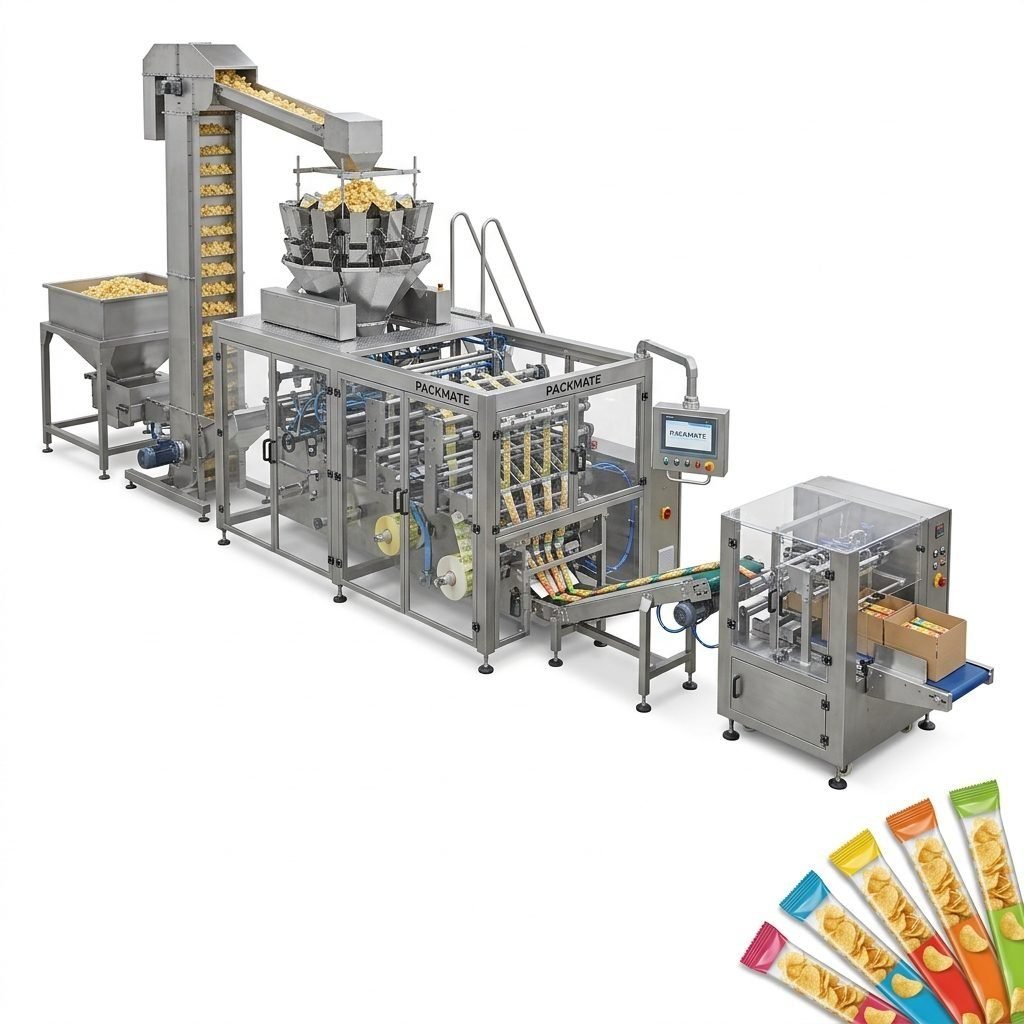
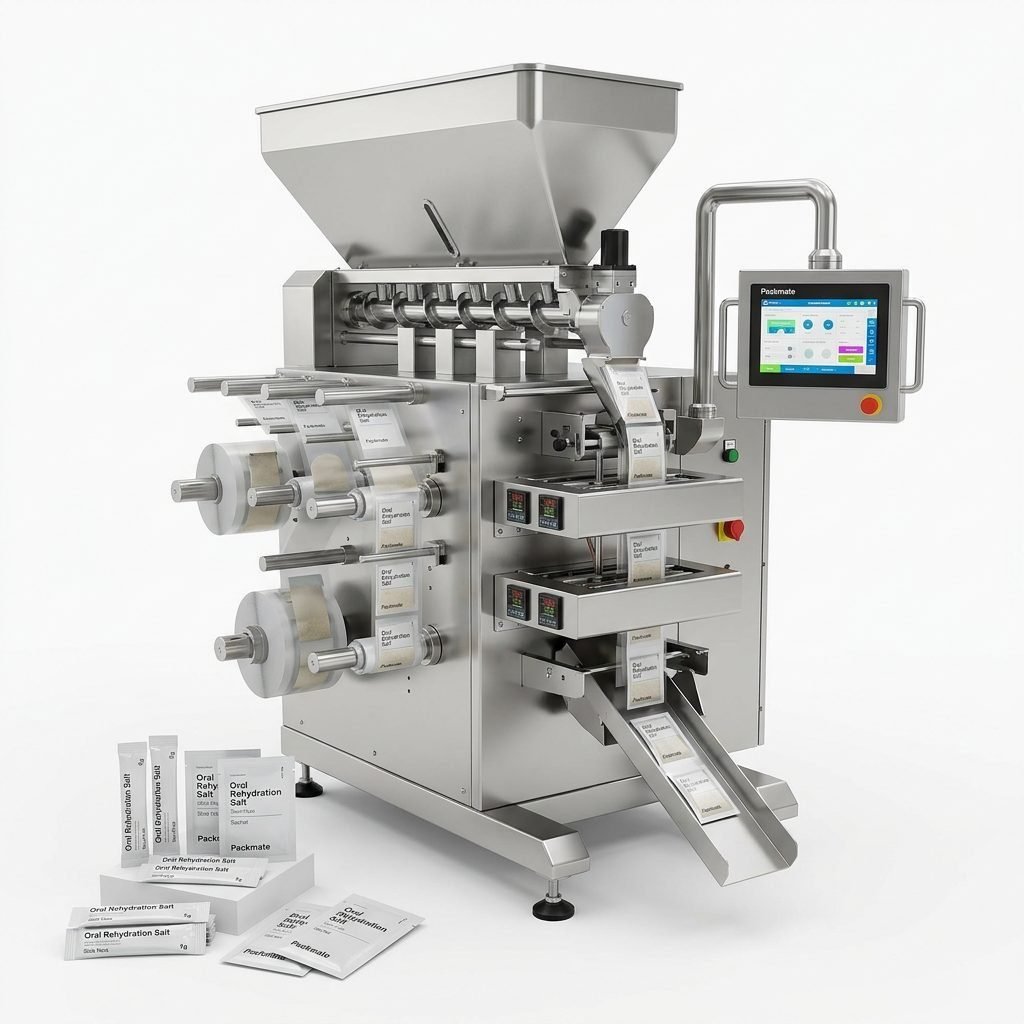
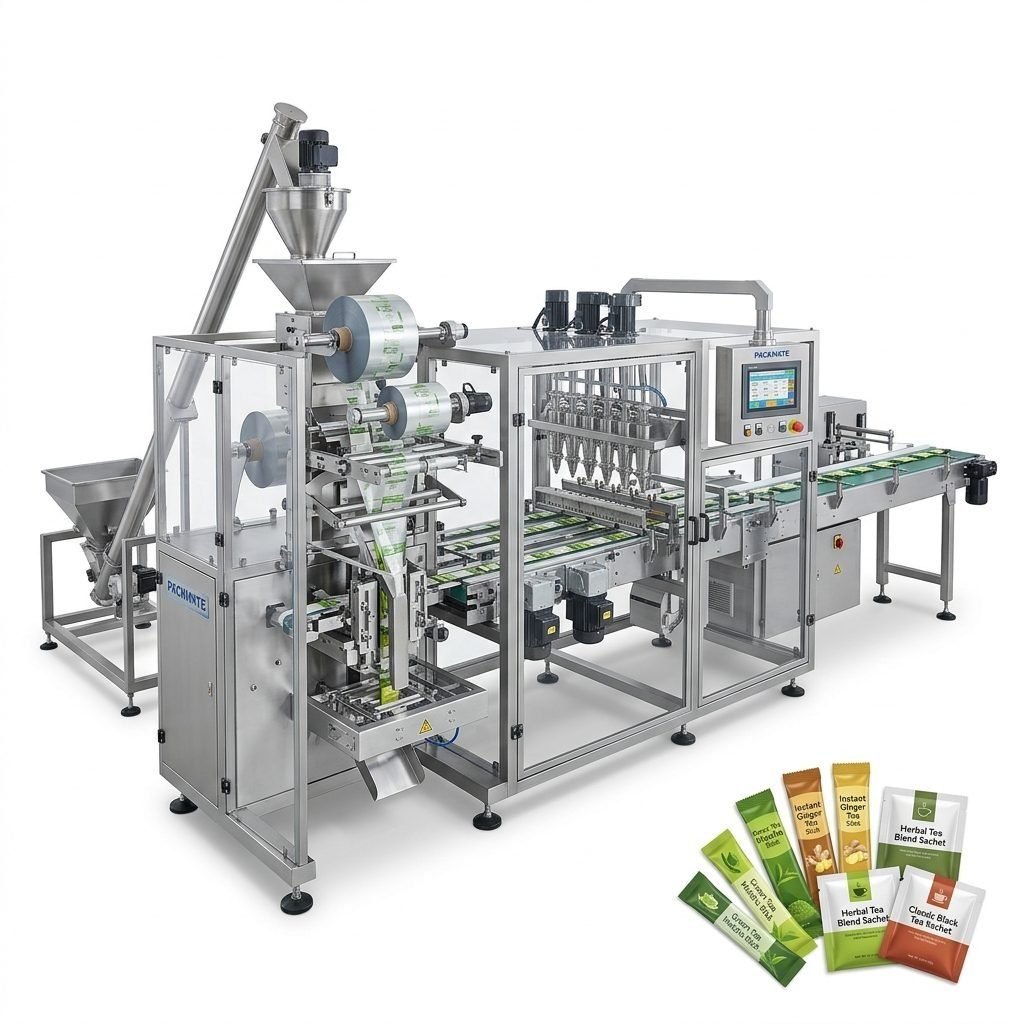
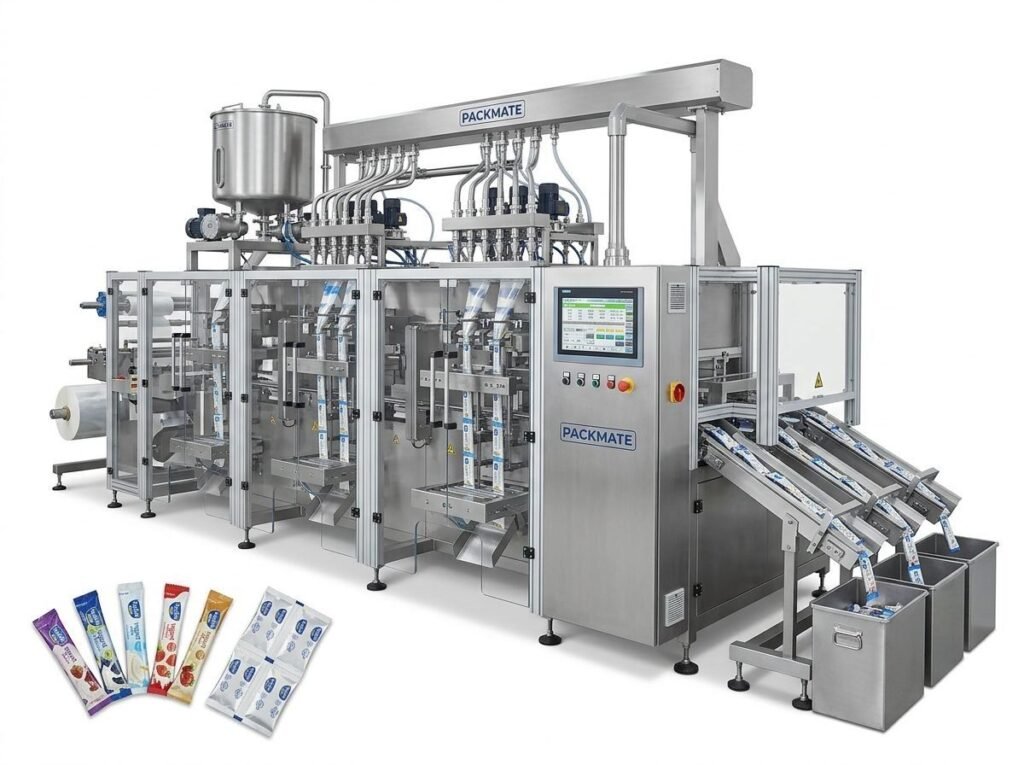
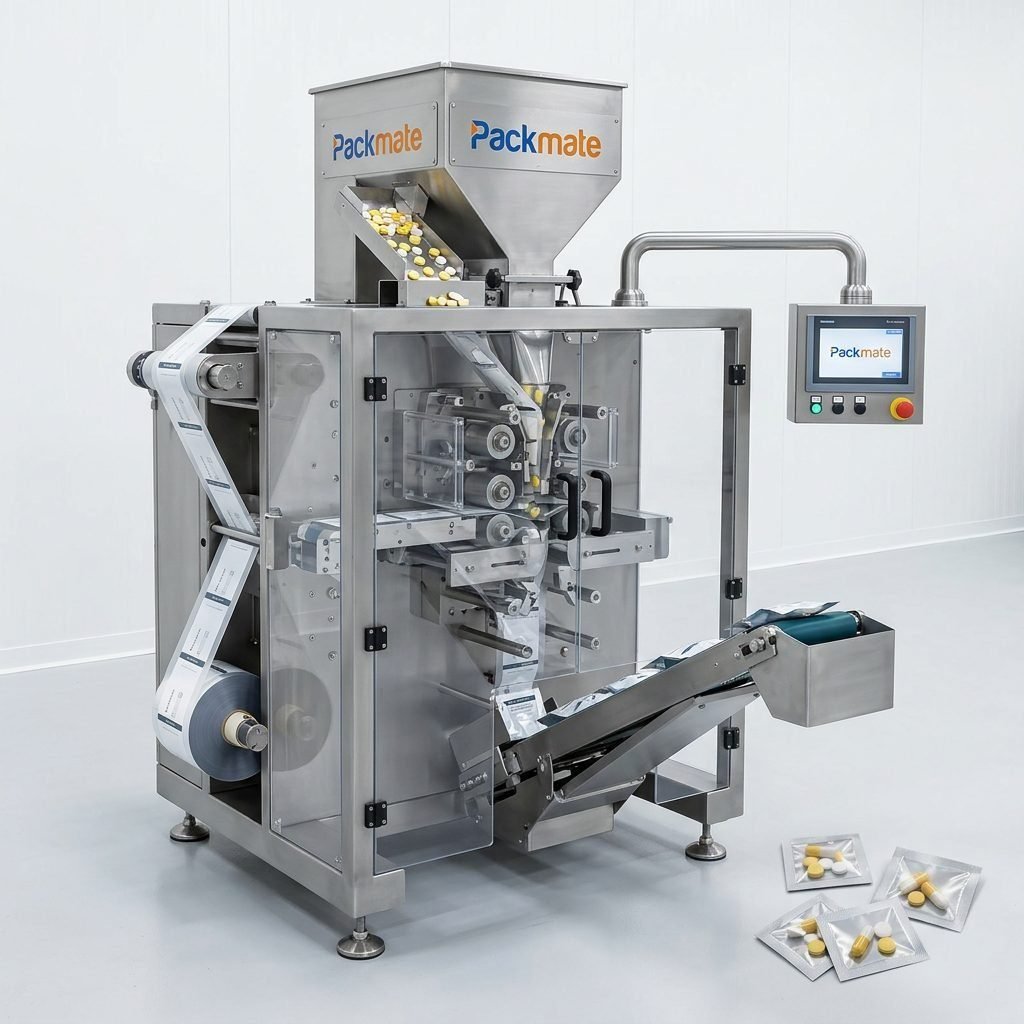
Package Style: Do you require small single-serve sachets, multi-pack stick packs, or larger stand-up pouches? Each style requires a different machine type, such as a sachet & stick pack machine for smaller formats.
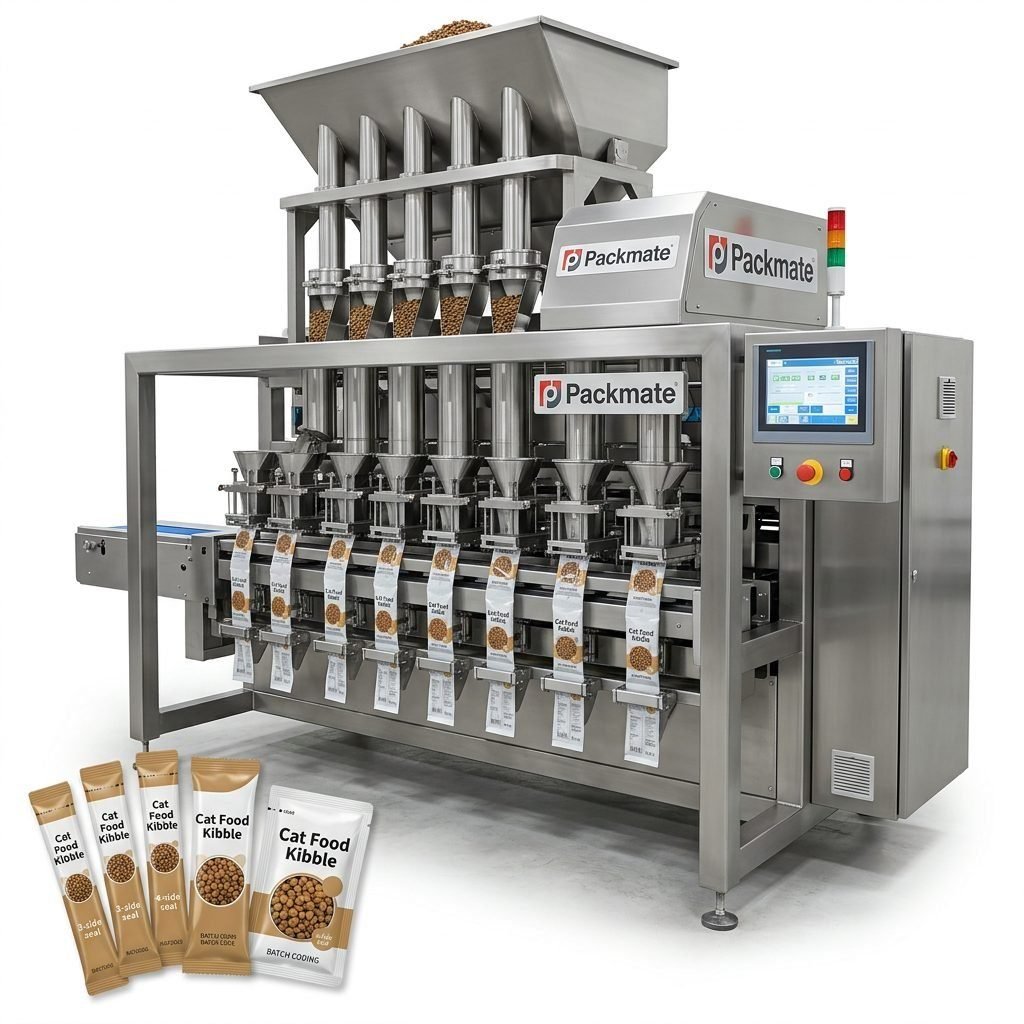
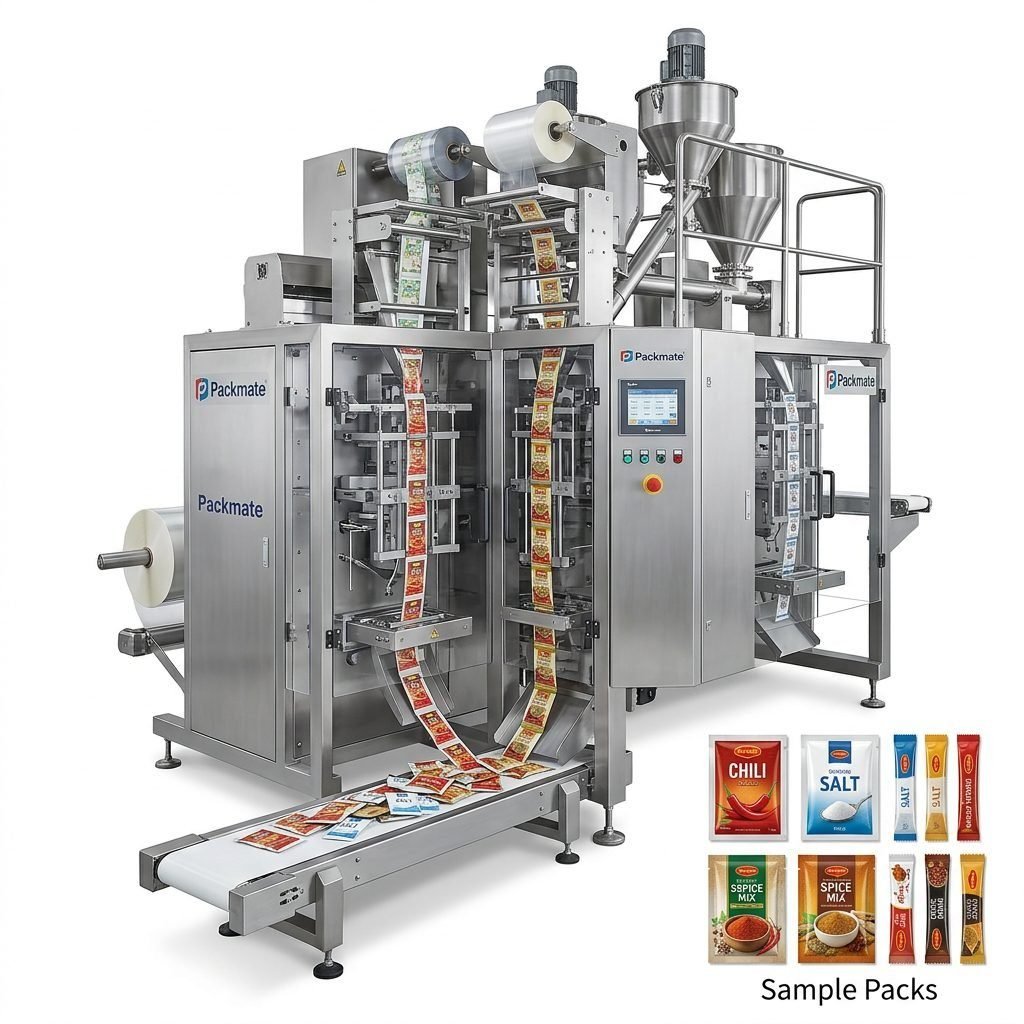
Production Volume: Estimate your required output in packs per minute (PPM). High-volume operations benefit from multi-lane machines, while smaller batches might use a single-lane system.
Core Machine Features and Technologies
Modern packaging equipment incorporates various technologies to ensure precision, speed, and hygiene. Focus on these core features during your evaluation.
1. Filling System Accuracy
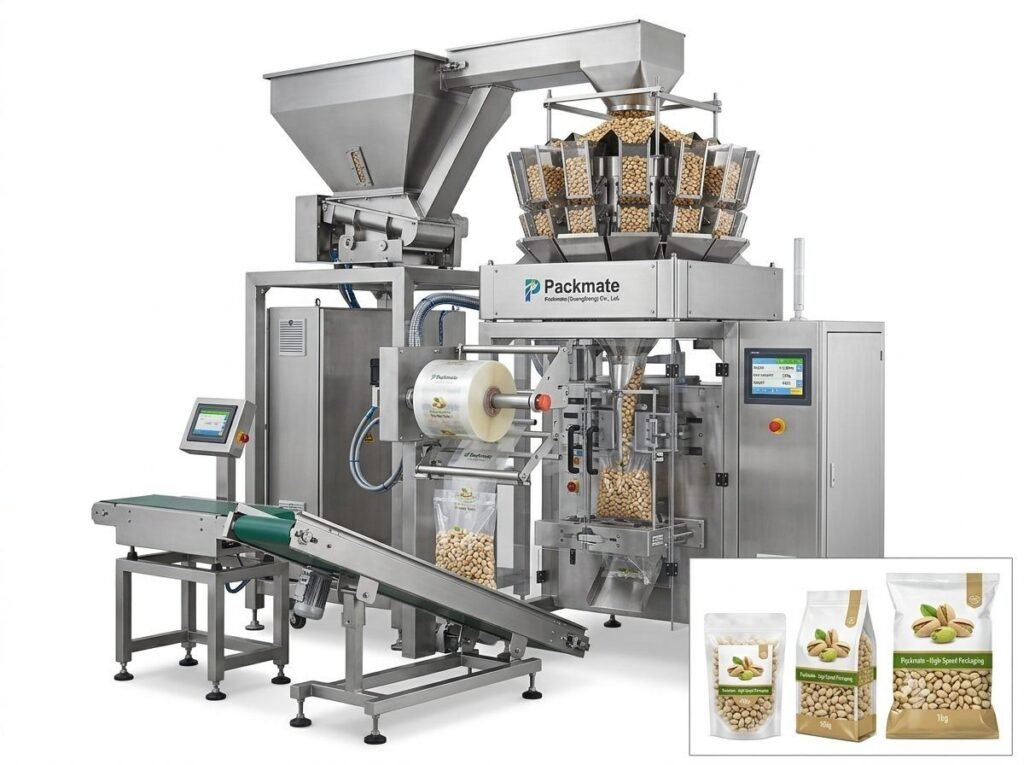
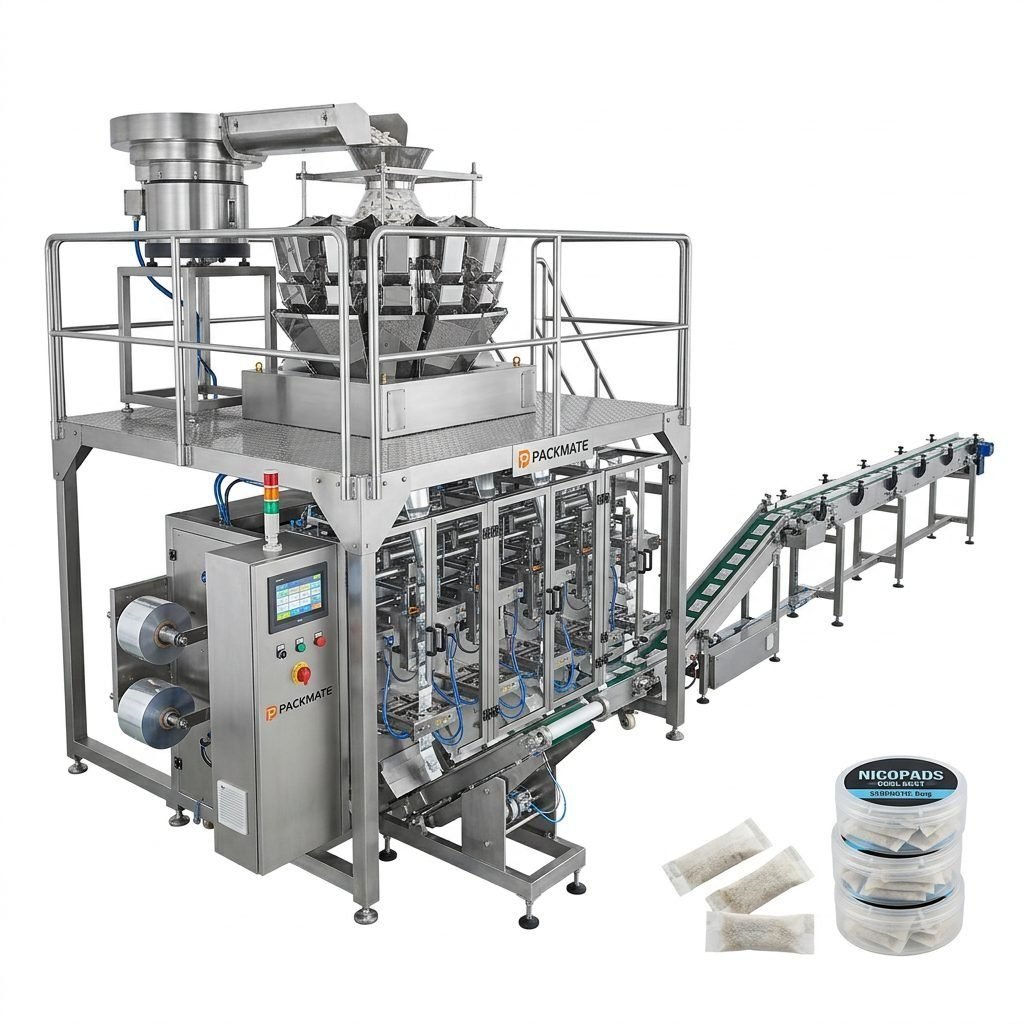
For cat treats, consistent weight is crucial for cost control and consumer trust. Auger fillers are excellent for free-flowing dry treats, offering good speed and accuracy. For more precise dosing, especially with valuable ingredients, multi-head weighers or combination weighers provide the highest accuracy but at a higher investment. Explore integrated weighing & packaging systems for a seamless solution.
2. Packaging Material Compatibility
The machine must reliably form, fill, and seal your chosen packaging film. Consider the material’s thickness, barrier properties (for freshness), and print registration requirements. Ensure the machine’s sealing jaws (constant heat or impulse) can create strong, hermetic seals with your laminate structure to prevent staleness.
3. Speed and Efficiency (Output)
Machine speed must match your production targets. A single-lane vertical form-fill-seal (VFFS) machine might suffice for startups. For scaling up, a multi-lane stick pack machine can dramatically increase output by packaging multiple units simultaneously. Remember, effective speed includes factors like quick changeover times and low downtime.
Pro Tip: The Total Cost of Ownership
Look beyond the initial purchase price. Consider the machine’s energy consumption, required maintenance, spare part costs, and its operational efficiency (material waste, downtime). A slightly more expensive, robust machine from a reputable manufacturer like Packmate Machinery often offers a lower total cost of ownership through reliability and support.
Hygiene, Safety, and Compliance
Pet food packaging must adhere to strict hygiene standards. The machine design should facilitate easy cleaning, with minimal crevices where product residue can accumulate. Stainless steel contact parts are preferred. Also, ensure the equipment complies with relevant local and international safety standards for machinery.
Supplier Selection and Support
Your machine supplier is a long-term partner. Evaluate their industry experience, reputation, and the depth of their support services.
After-Sales Service: Reliable technical support, availability of spare parts, and comprehensive training for your operators are non-negotiable. A supplier with a global service network is a significant advantage.
Customization and Scalability: Can they tailor the machine to your specific treat size or package shape? Can the line be integrated with other equipment, like checkweighers or cartoners, in the future? A provider offering complete filling & packaging lines can ensure compatibility and smoother integration.
Making the Final Decision
Request product demonstrations using your actual cat treats and packaging materials. This is the best way to assess performance. Ask for references from other pet food companies. Finally, ensure the chosen machine not only meets today’s needs but also offers the flexibility to adapt to future product innovations or market demands.
Frequently Asked Questions (FAQs)
1. What type of packaging machine is best for small, dry cat treats?
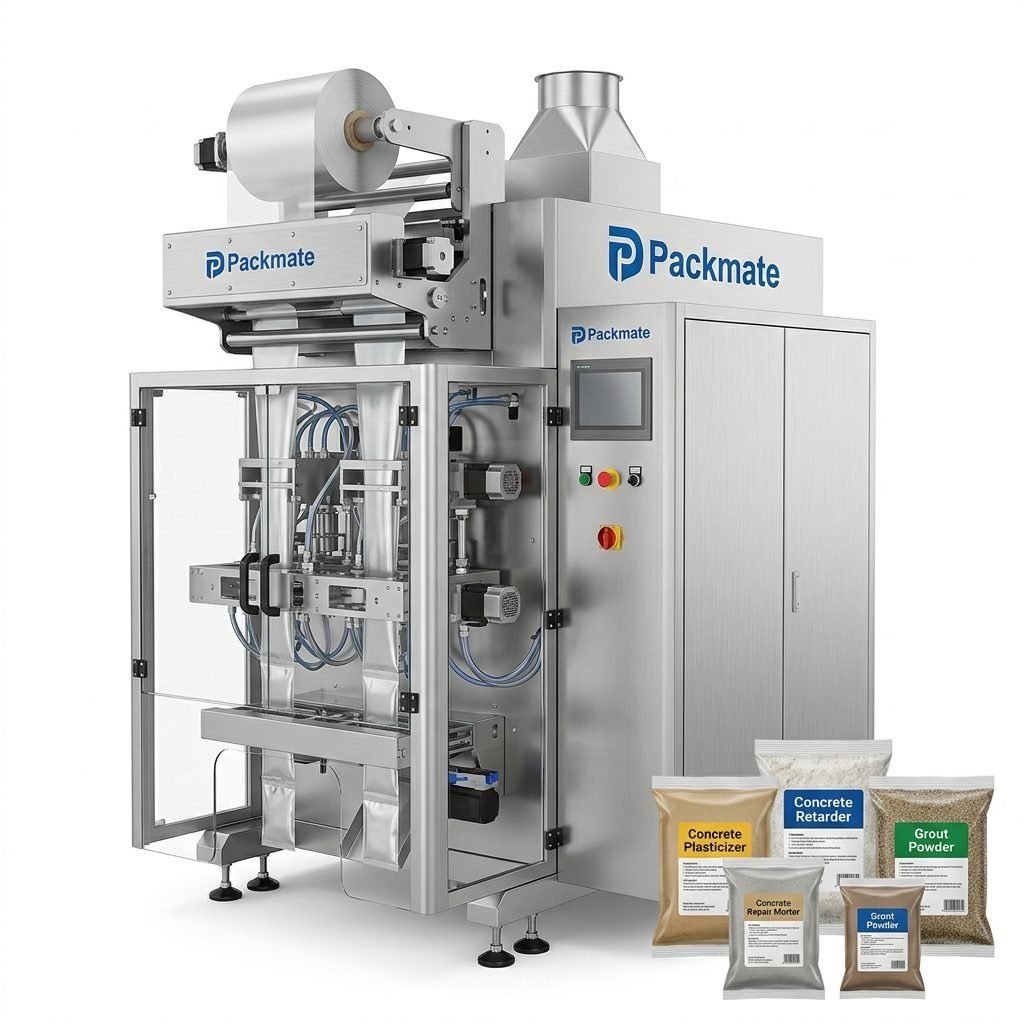
A vertical form-fill-seal (VFFS) machine with an auger filler is typically the most efficient and cost-effective choice for small, free-flowing dry treats. For very high precision, a machine equipped with a weigh cell system can be considered.
2. Can one machine handle different shapes and sizes of cat treats?
Many modern machines are designed with changeover capabilities. By changing the forming tube, filling head (e.g., auger size), and sometimes the sealing jaws, you can switch between different treat shapes and weights. The ease and speed of this changeover vary by machine model.
3. How important is gas flushing (nitrogen flushing) for cat treat packaging?
For treats with high fat content or those that are particularly sensitive to oxidation, nitrogen flushing is highly recommended. It displaces oxygen inside the package, significantly extending shelf life and preserving flavor and nutritional value. Not all standard machines have this feature, so it must be specified.
4. What maintenance does a cat treats packaging machine require?
Regular daily cleaning is essential. Scheduled maintenance includes lubricating moving parts, inspecting and replacing worn seals and cutting blades, and calibrating the weighing system. Always follow the manufacturer’s maintenance schedule provided in the manual.
5. Where can I see case studies or examples of packaging lines for pet treats?
Reputable manufacturers often showcase their work. You can review real-world applications and solutions on their case studies page to understand how similar challenges were solved.