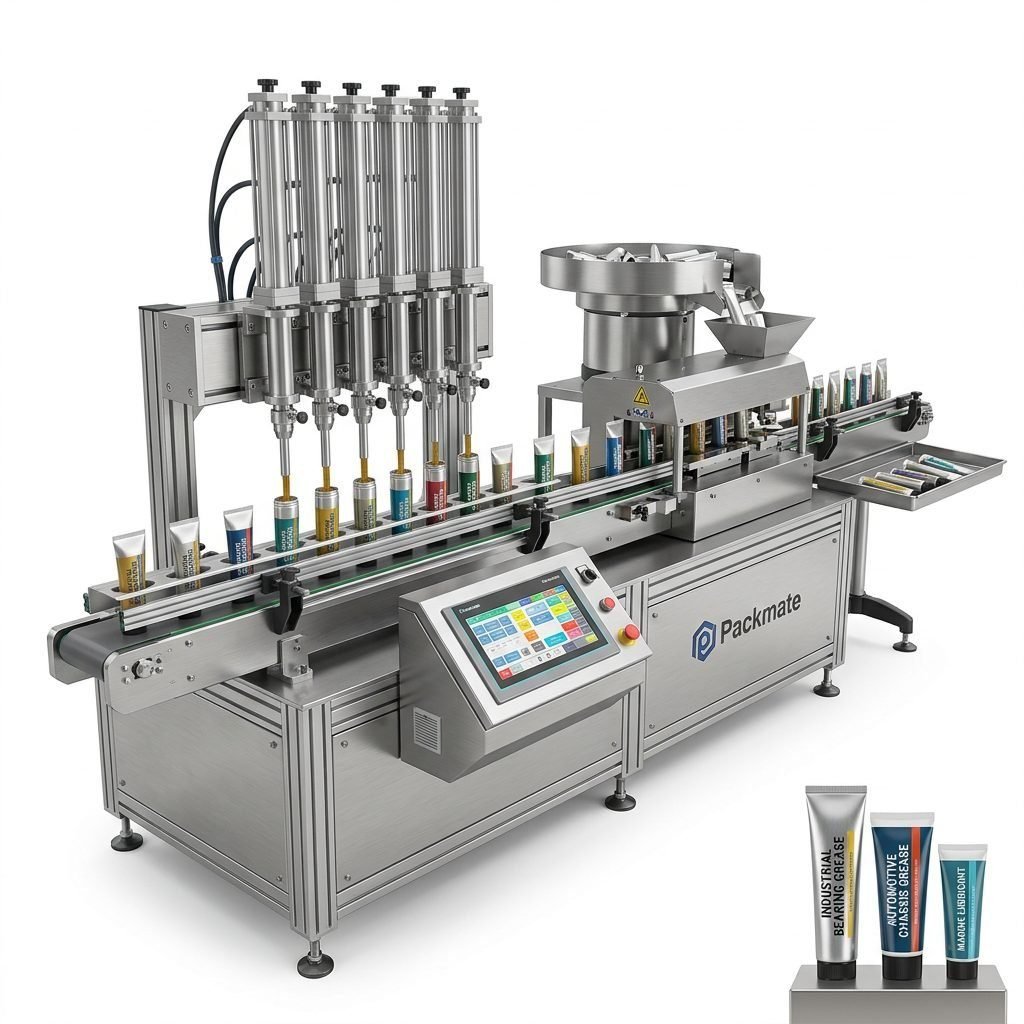
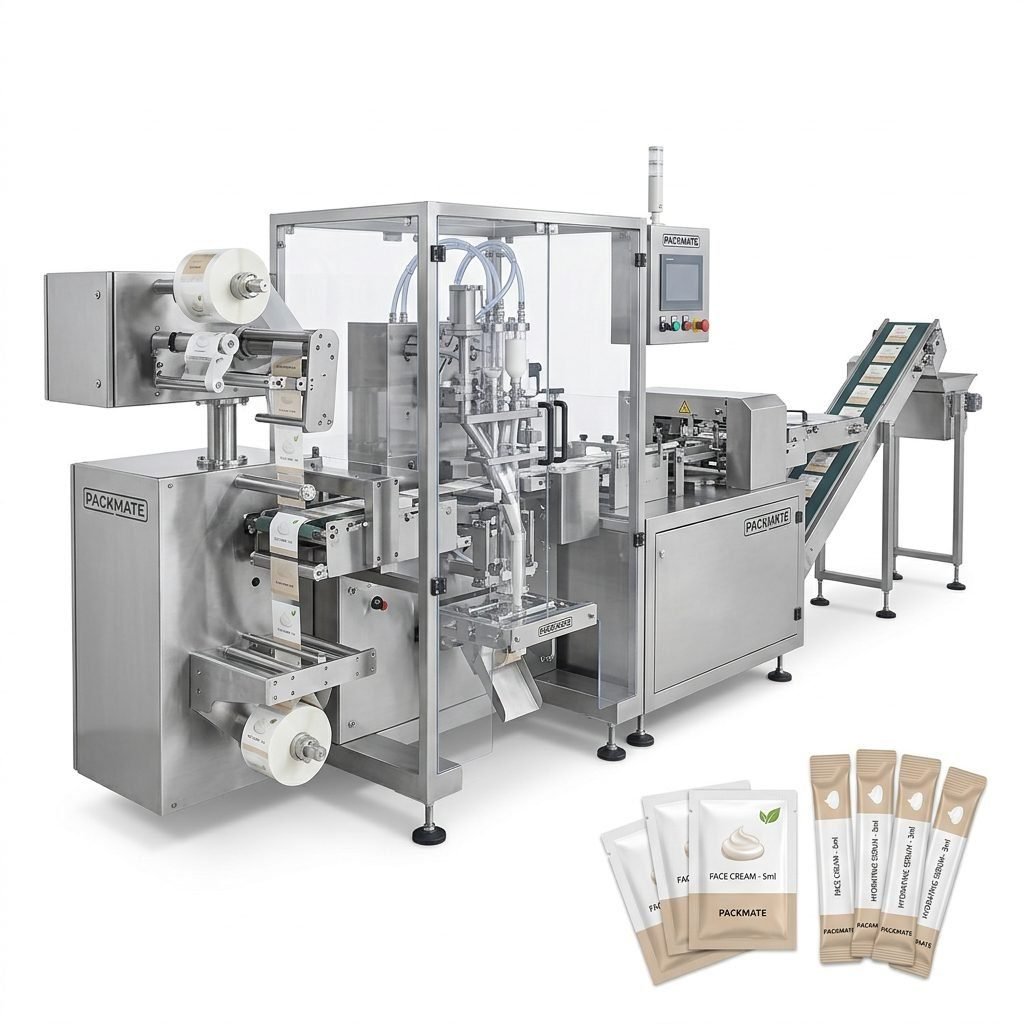
Navigating the world of packaging machinery can be a complex task for any business owner or operations manager. The right machine is a significant investment that impacts productivity, product quality, and ultimately, your bottom line. This comprehensive buyer’s guide will walk you through the essential considerations, from understanding the different types of doy packaging machines available to analyzing price points and learning how to make the best choice for your specific needs.
Understanding Doy Packaging Machines
Doy packaging, often referring to stand-up pouches or doy-style bags, is a popular format for a wide range of products, from food items like snacks and coffee to pharmaceuticals and industrial goods. The machines that form, fill, and seal these packages are sophisticated pieces of equipment designed for efficiency and consistency.
Primary Types of Doy Packaging Machines
The market offers several configurations, each suited to different production scales and product types.
Vertical Form-Fill-Seal (VFFS) Machines
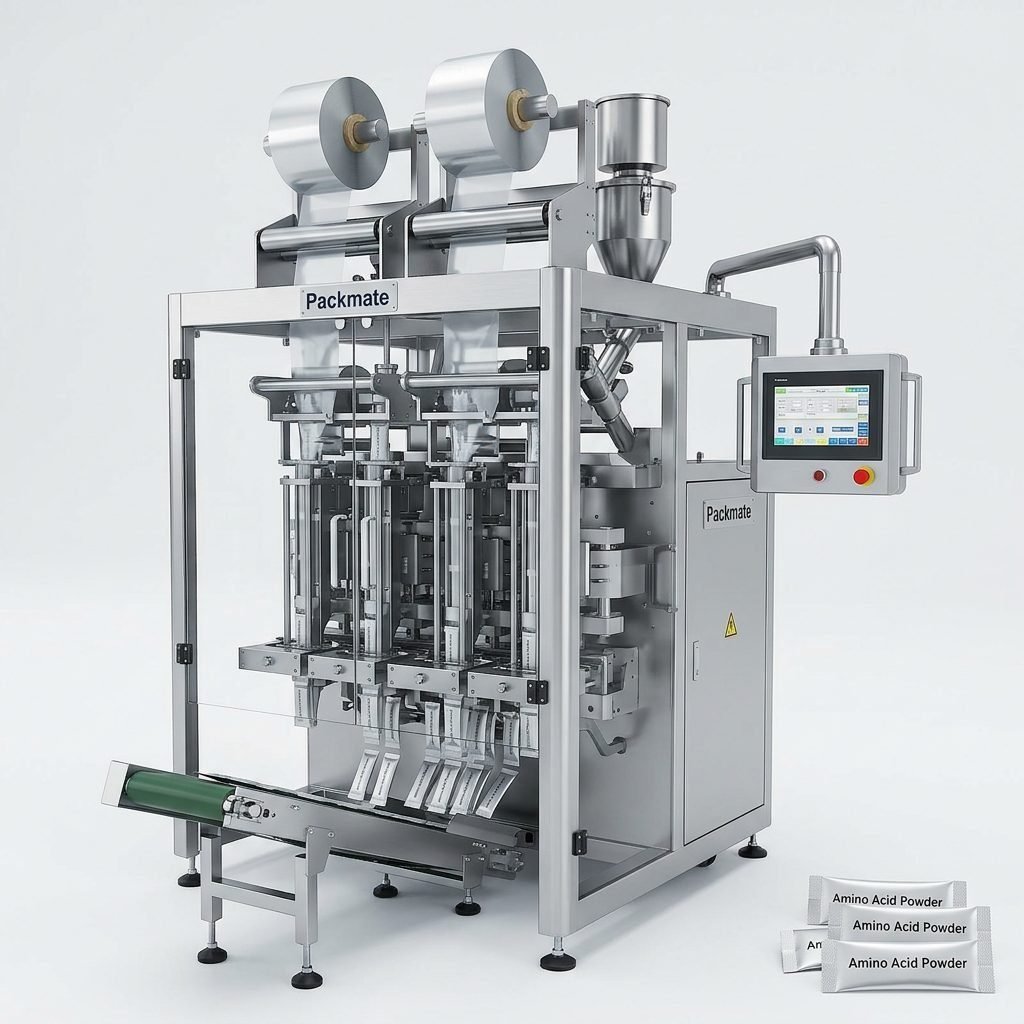
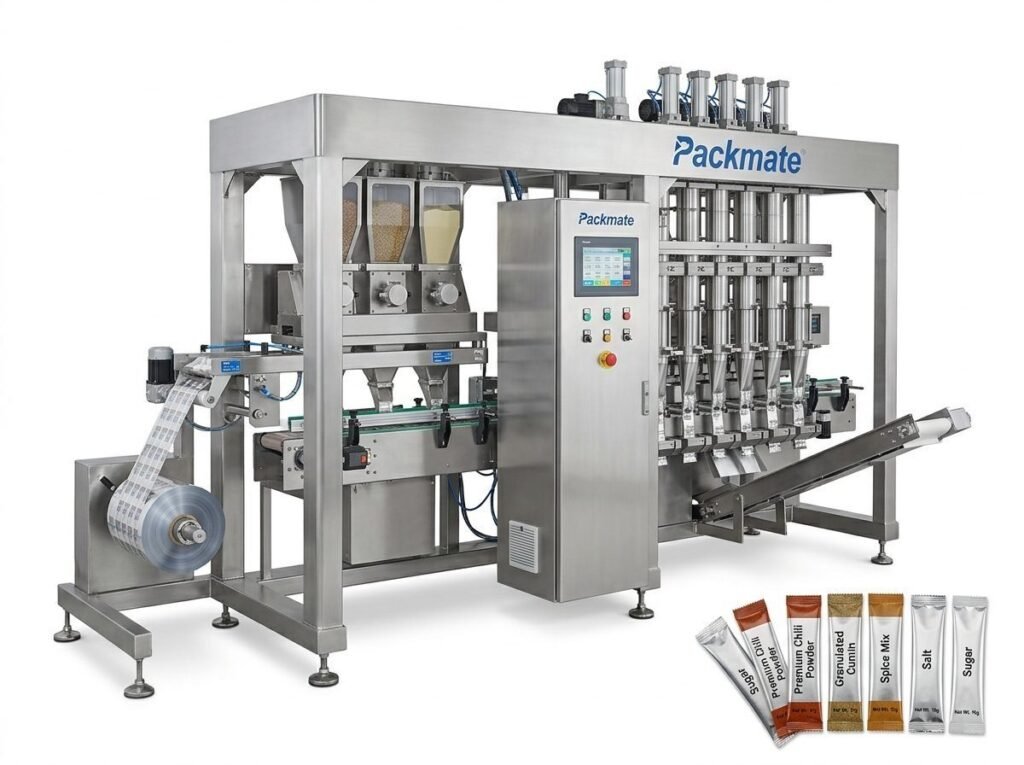
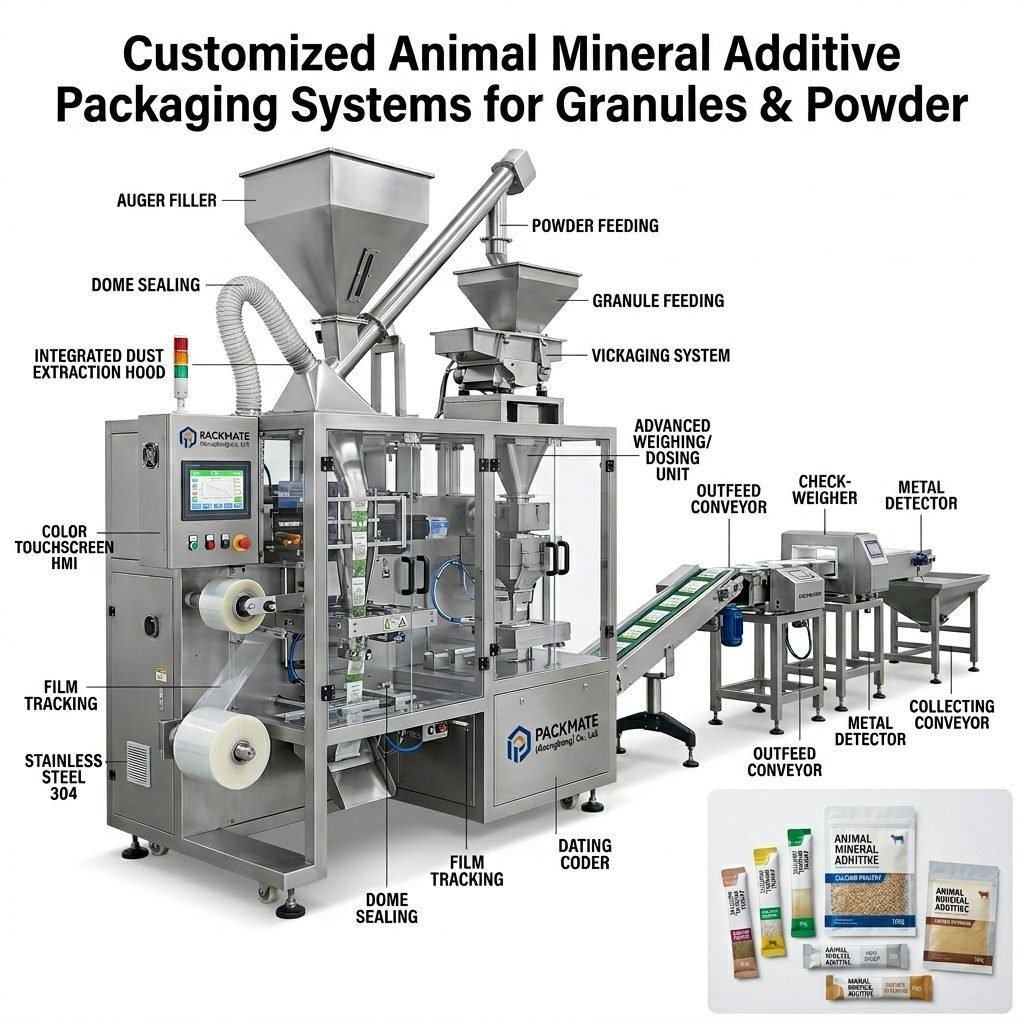
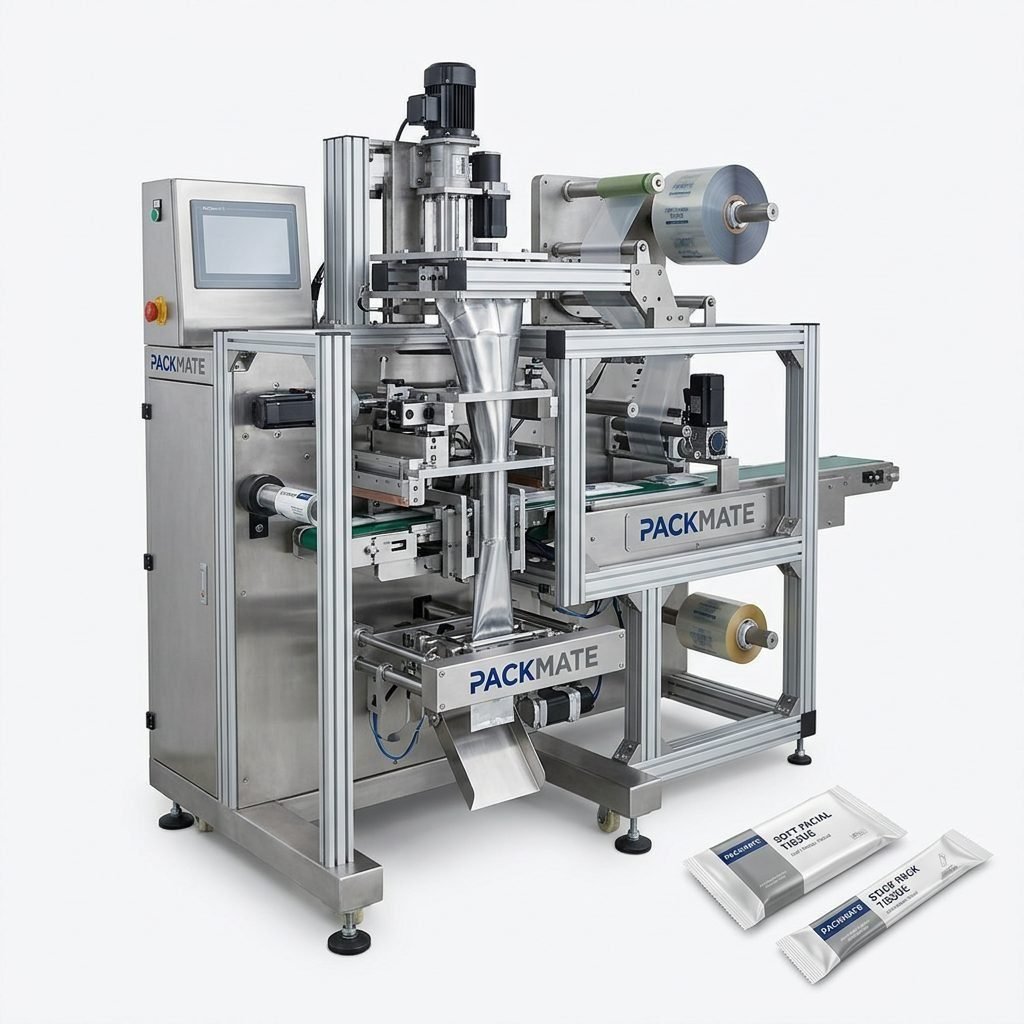
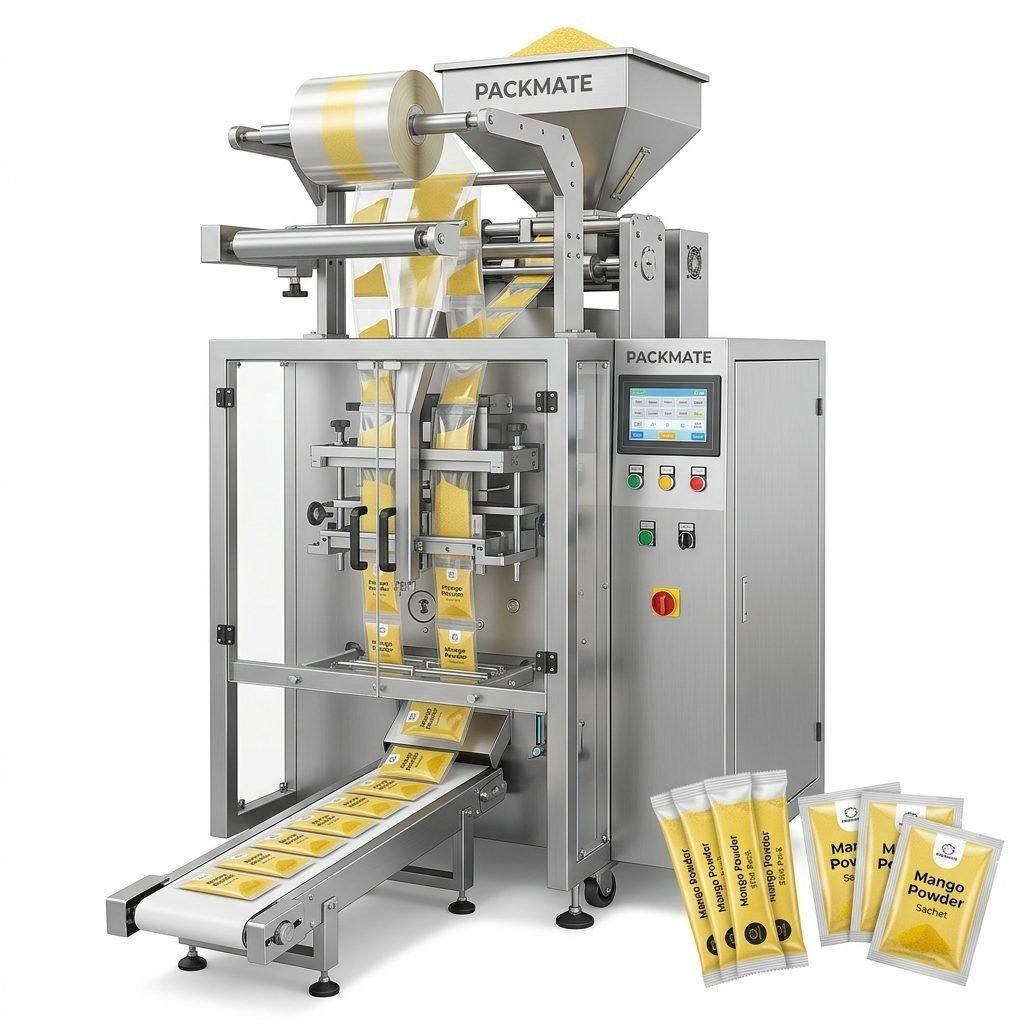
These are the most common type for doy packaging. They form the pouch from a roll of flat film, fill it with product, and then seal it—all in one continuous vertical motion. They are highly versatile and space-efficient, ideal for granules, powders, and small solid items. For businesses looking to package products like spices, powdered supplements, or small hardware components, a VFFS system is often the starting point.
Horizontal Form-Fill-Seal (HFFS) Machines
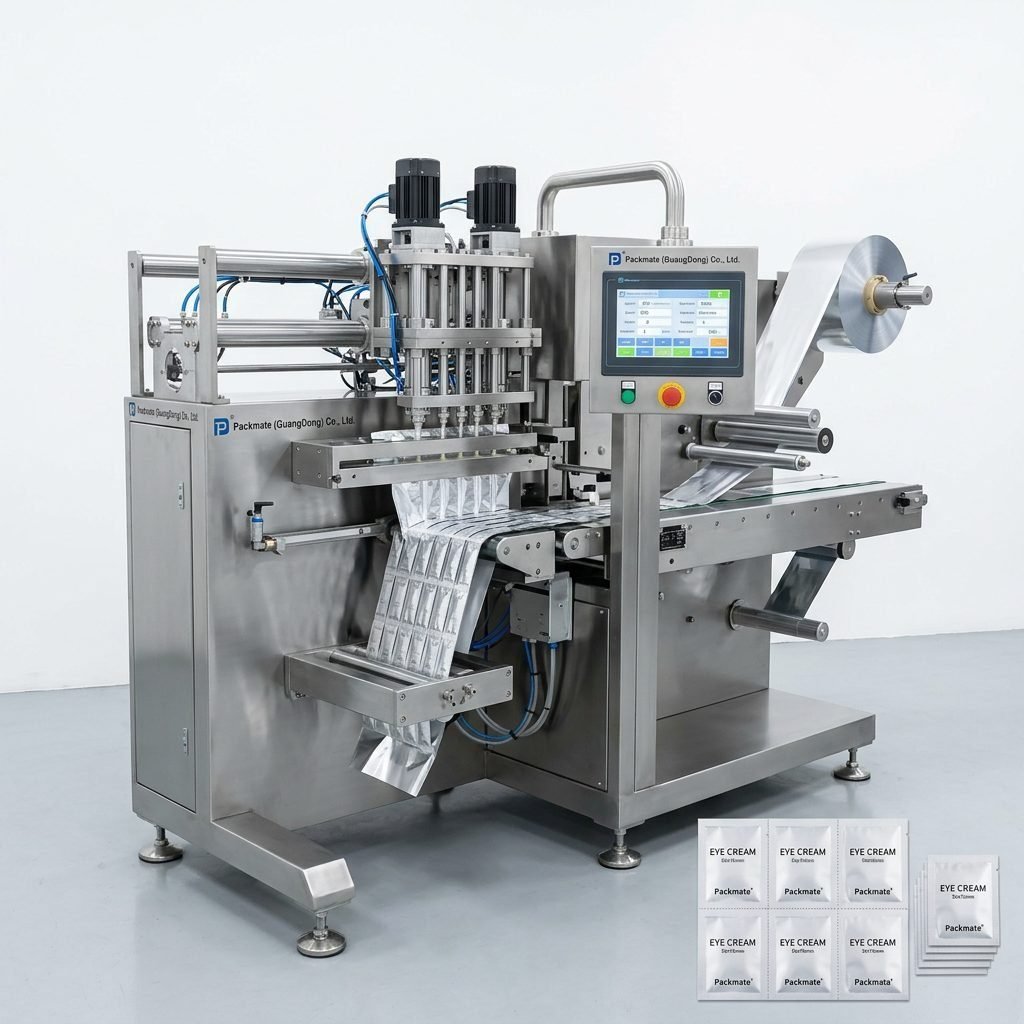
HFFS machines are typically used for more complex packaging shapes, multi-packs, or when placing products into pre-formed pockets on a film web. They are excellent for items that are delicate or require precise placement. While sometimes used for doy packs, they are more common for flow-wrap style packaging.
Pre-Made Pouch Fillers
This type of machine uses pouches that are already formed and often printed. The machine’s function is to open, fill, and seal them. This is an excellent option for businesses with lower to medium volume needs, or for those who require very high-quality, complex pre-printed packaging graphics that cannot be achieved with roll-fed film.
Key Features and Technological Advancements
Modern doy packers go beyond basic functionality. Look for machines with:
Precision Weighing Systems: Crucial for cost control and regulatory compliance, especially in food and pharma. Modern multi-head weighers or auger filler systems ensure accuracy down to fractions of a gram.
Gas Flushing Capability: For products sensitive to oxygen, like coffee or sliced meats, an integrated gas flushing system replaces air inside the pouch with an inert gas (like nitrogen) to dramatically extend shelf life.
Advanced Sealing Technology: Consistent, strong seals are non-negotiable. Look for machines with precise temperature and pressure control, and options for different seal types (fin seal, lap seal).
User-Friendly HMI (Human-Machine Interface): A clear, intuitive touchscreen control panel simplifies operation, recipe changes, and troubleshooting, reducing downtime and operator training time.
Quick Changeover Systems: For manufacturers running multiple products or pouch sizes, tool-less or quick-change parts can reduce changeover time from hours to minutes, boosting overall equipment effectiveness (OEE).
Analyzing Price Points: What Factors into the Cost?
The price of a doy packaging machine can range from tens of thousands to several hundred thousand dollars. Understanding what drives this cost helps you align your budget with your needs.
Machine Capacity and Speed
Speed, measured in pouches per minute (PPM), is a primary cost driver. A machine rated for 60 PPM will cost significantly less than one built for 200 PPM. Be realistic about your current and near-future production volumes to avoid over- or under-spending.
Level of Automation
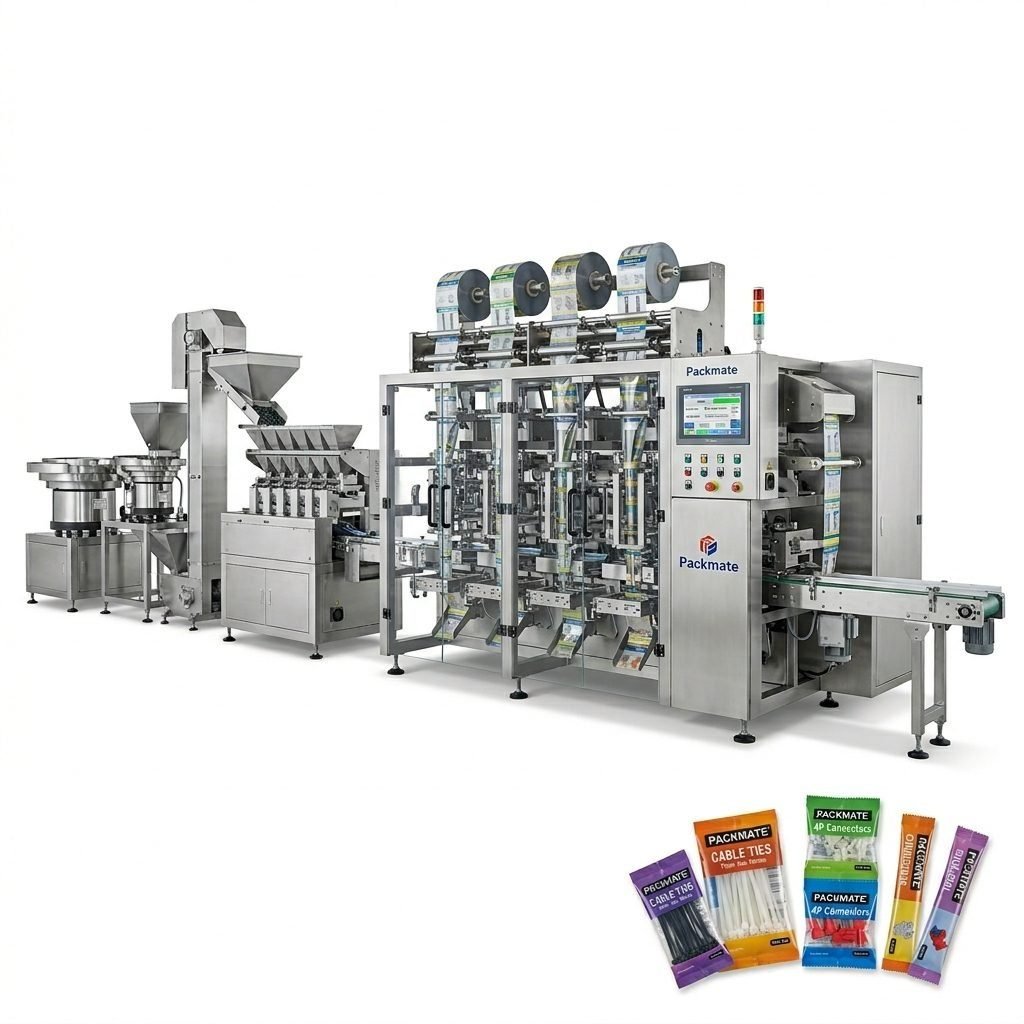
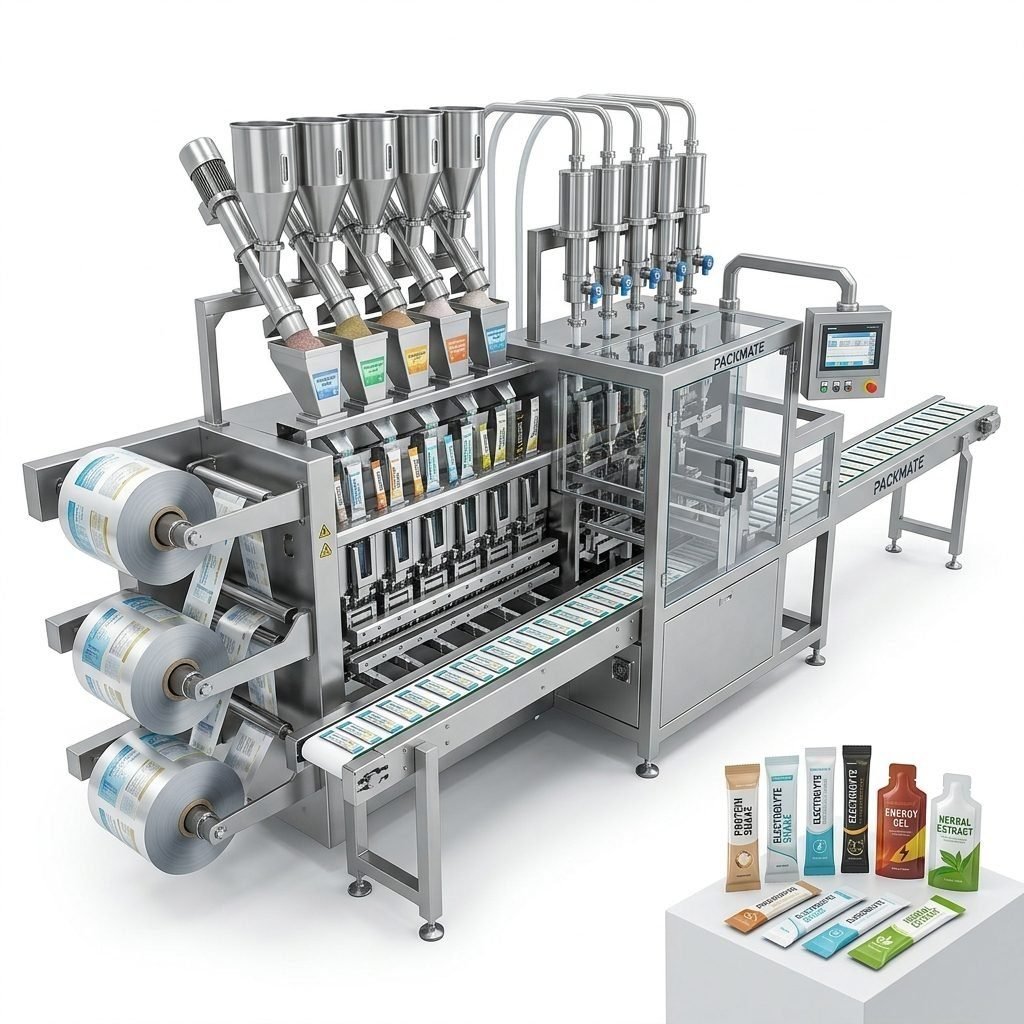
A basic semi-automatic filler for pre-made pouches is the most affordable entry point. A fully automatic, integrated packaging line with automated feeding, weighing, filling, sealing, coding, and cartoning commands a premium price but offers the lowest cost per unit at high volumes.
Construction and Component Quality
The quality of materials (e.g., food-grade stainless steel vs. painted carbon steel) and the brand of critical components (servo motors, PLCs, sensors) directly impact price, durability, and long-term reliability. A machine built with industrial-grade parts may have a higher upfront cost but lower total cost of ownership.
Special Features
Add-ons like gas flushing, vacuum sealing, integrated checkweighers, vision inspection systems, or specific certifications (e.g., for pharmaceutical or USDA compliance) will add to the base machine cost.
The Decision Framework: How to Choose the Right Machine
Choosing a machine is not just about specs and price. It’s a strategic decision. Follow this framework to guide your selection.
Step 1: Define Your Product and Packaging Requirements
Start with the basics: What are you packaging? Is it a free-flowing powder, a sticky granule, a liquid, or a solid? What are the particle characteristics? Define your pouch size range, material (laminate structure), and any special needs like high-barrier films or zippers.
Step 2: Assess Your Production Volume and Growth
Calculate your current daily/weekly output and project growth for the next 3-5 years. Choose a machine that can handle your peak volumes with about 20% extra capacity for growth. It’s often more cost-effective to buy a slightly larger machine now than to replace an undersized one in two years.
Step 3: Evaluate Your Operational Environment
Consider your factory space, available utilities (electrical supply, compressed air), and the skill level of your operators. A highly automated line needs more space and skilled maintenance, while a simpler machine might be perfect for a smaller facility.
Step 4: Research Manufacturers and Support
The machine is only part of the equation. The manufacturer’s reputation is critical. Look for a company with a proven track record, like Packmate Machinery, which brings over two decades of experience. Evaluate their after-sales support: Is training provided? What is the warranty period? How readily available are spare parts, and what is the typical service response time? A reliable partner ensures your investment pays off for years to come.
Step 5: Request a Product Test
Never buy a packaging machine sight-unseen for your product. Reputable manufacturers offer lab tests or factory trials. Send your actual product and packaging film to the supplier. Witnessing the machine run your product is the only way to verify speed, accuracy, and package quality. It also reveals potential handling issues early.
Step 6: Consider Total Cost of Ownership (TCO)
Look beyond the invoice price. Factor in estimated costs for maintenance, energy consumption, spare parts, and potential downtime. A robust, well-supported machine from a quality manufacturer often has a lower TCO than a cheaper, less reliable alternative.
Conclusion
Selecting the ideal doy packaging machine is a multifaceted process that balances technical requirements, financial constraints, and long-term business strategy. By thoroughly understanding the types of machines available, the factors that influence price, and following a structured decision-making framework, you can make an informed investment that enhances your production efficiency and product quality. Partnering with an experienced and supportive manufacturer is the final, crucial step in securing a solution that will drive your packaging success for the long haul.
Frequently Asked Questions (FAQ)
What is the typical lead time for a new doy packaging machine?
Lead times can vary widely from 12 to 20 weeks or more, depending on the machine’s complexity, customization level, and the manufacturer’s order backlog. Standard models may be available sooner, while fully customized lines require more engineering and production time. Always confirm lead times during the quotation process.
Can one machine handle different pouch sizes and products?
Yes, most modern machines are designed for changeover. However, the ease and time required depend on the machine design. Look for “quick changeover” features that allow size adjustments without tools or with minimal part swapping. Remember, changing between vastly different product types (e.g., powder to flakes) may require different filling systems.
What kind of maintenance do these machines require?
Daily, weekly, and monthly preventive maintenance is essential. Daily tasks include cleaning and visual inspection. Weekly tasks might involve lubricating specific points and checking seal integrity. Monthly or quarterly maintenance includes more in-depth checks of drives, sensors, and wear parts. The manufacturer should provide a detailed maintenance schedule and training.
How important is the packaging film, and can I source it separately?
The film is critically important. Its composition, thickness, and coefficient of friction directly affect how it runs on the machine and the quality of the final seal. While you can often source film separately, it is highly recommended to work with your machine supplier initially to identify films that are compatible with their equipment. They can often recommend suppliers or test your chosen film.
What training and support can I expect after purchase?
A reputable supplier should offer comprehensive on-site installation and operator training as part of the purchase. This includes machine operation, basic troubleshooting, routine maintenance, and safety procedures. Ongoing support should be available via phone, email, or remote connection, and the supplier should have a system for providing genuine spare parts promptly.