In the world of industrial food preservation and product packaging, efficiency and reliability are paramount. Dual chamber vacuum packaging machines have emerged as a cornerstone technology for businesses seeking to extend shelf life, enhance product presentation, and optimize their packaging workflow. This comprehensive guide delves into the mechanics, benefits, applications, and selection criteria for these versatile machines.
Understanding Dual Chamber Vacuum Packaging Machines
A dual chamber vacuum packaging machine is a type of industrial equipment designed to remove air from a package before sealing it. Unlike single-chamber models, it features two identical sealing chambers. While one chamber is actively performing the vacuum and seal cycle on a loaded product, the operator can be loading the next product into the second chamber. This alternating operation creates a near-continuous workflow, dramatically increasing output compared to single-chamber systems.
The core process involves placing the open end of a bag or pouch over the sealing bar inside the chamber. The lid closes, an automatic pump evacuates the air, and then heated bars seal the bag. Finally, the chamber is vented with air, the lid opens, and the finished, vacuum-sealed package is removed. This cycle is then repeated in the opposite chamber.
Key Components and How They Work
To appreciate their efficiency, it’s helpful to understand the main components:
Vacuum Pump: The heart of the system, responsible for removing air from the chamber. The pump’s capacity (measured in cubic meters per hour) determines the speed and ultimate vacuum level achievable.
Dual Sealing Chambers: Two insulated, airtight compartments made from durable materials like stainless steel. Each has its own sealing bar and often an independent vacuum valve.
Sealing System: Typically consists of a heating element (nichrome wire or Teflon-coated bar) and a pressure bar. It melts the inner layers of the packaging film together to create a hermetic seal.
Control Panel: An interface, often digital, for setting critical parameters like vacuum time, sealing time, cooling time, and gas flush (for Modified Atmosphere Packaging – MAP).
Primary Advantages Over Single-Chamber Machines
The decision to invest in a dual-chamber system is driven by tangible operational benefits. The most significant advantage is increased productivity. By eliminating the operator’s idle time while waiting for a cycle to complete, these machines can effectively double packaging output. This makes them ideal for medium to high-volume production environments.
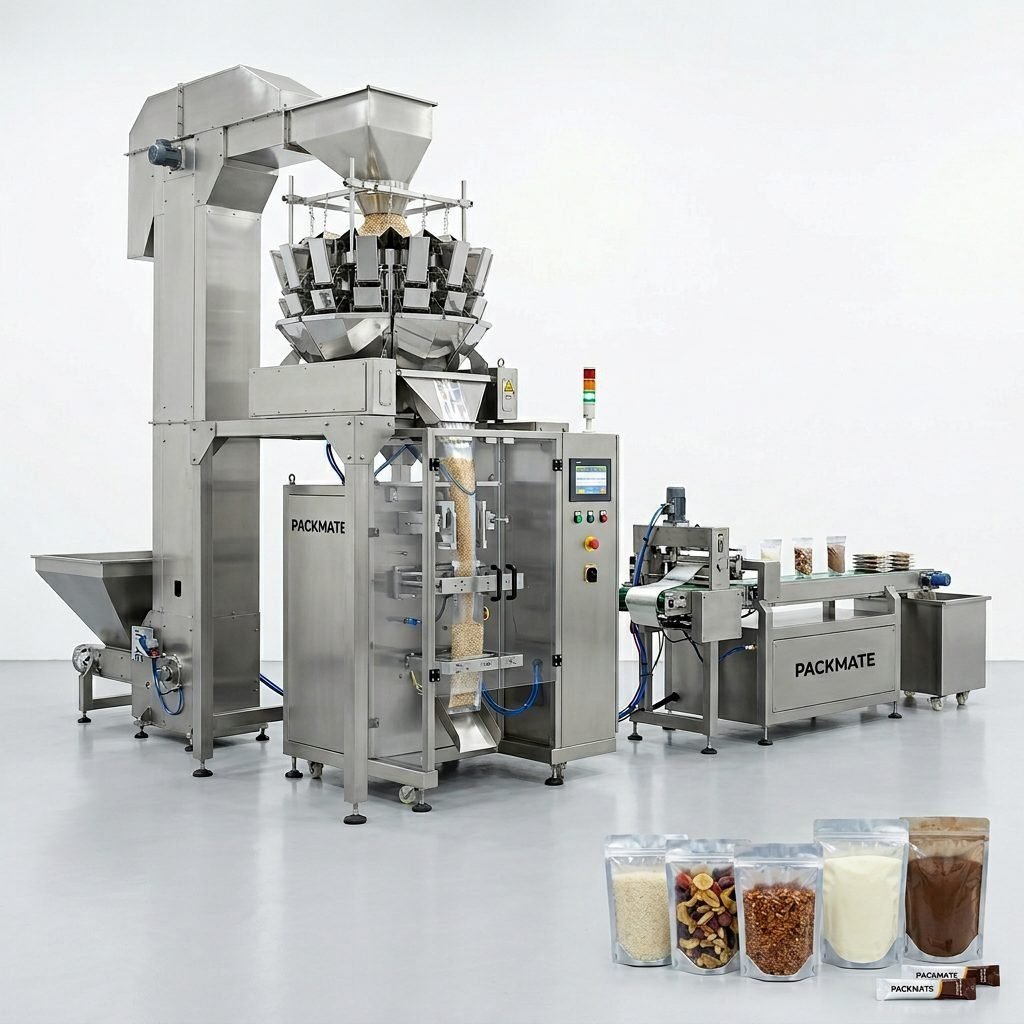
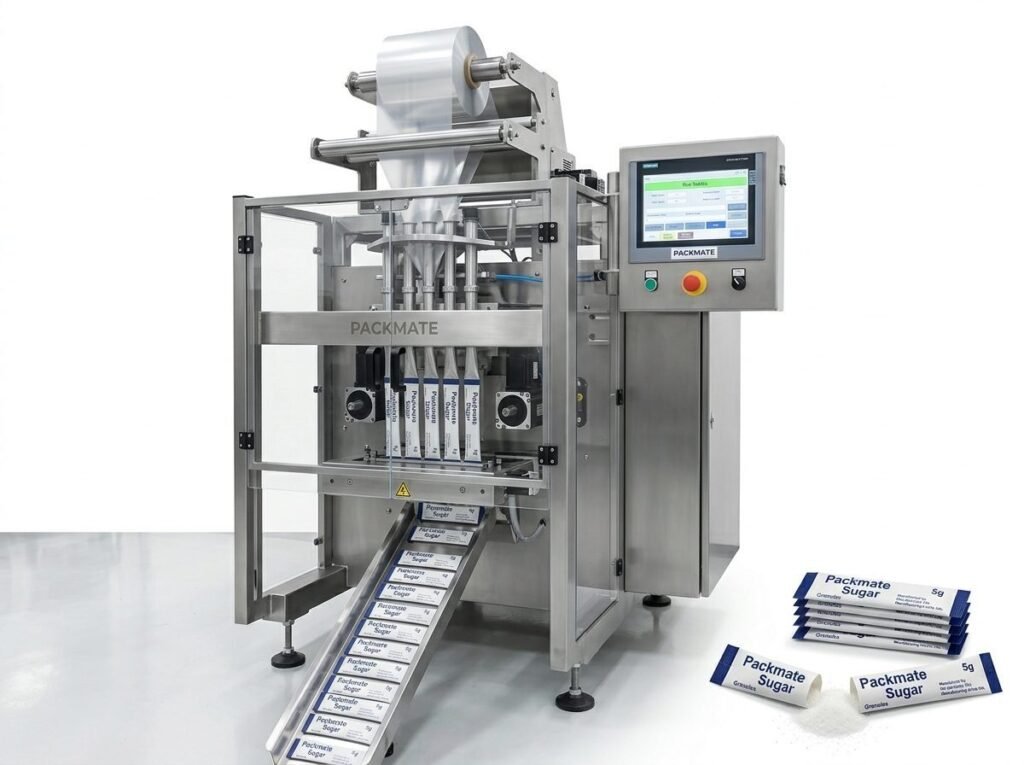
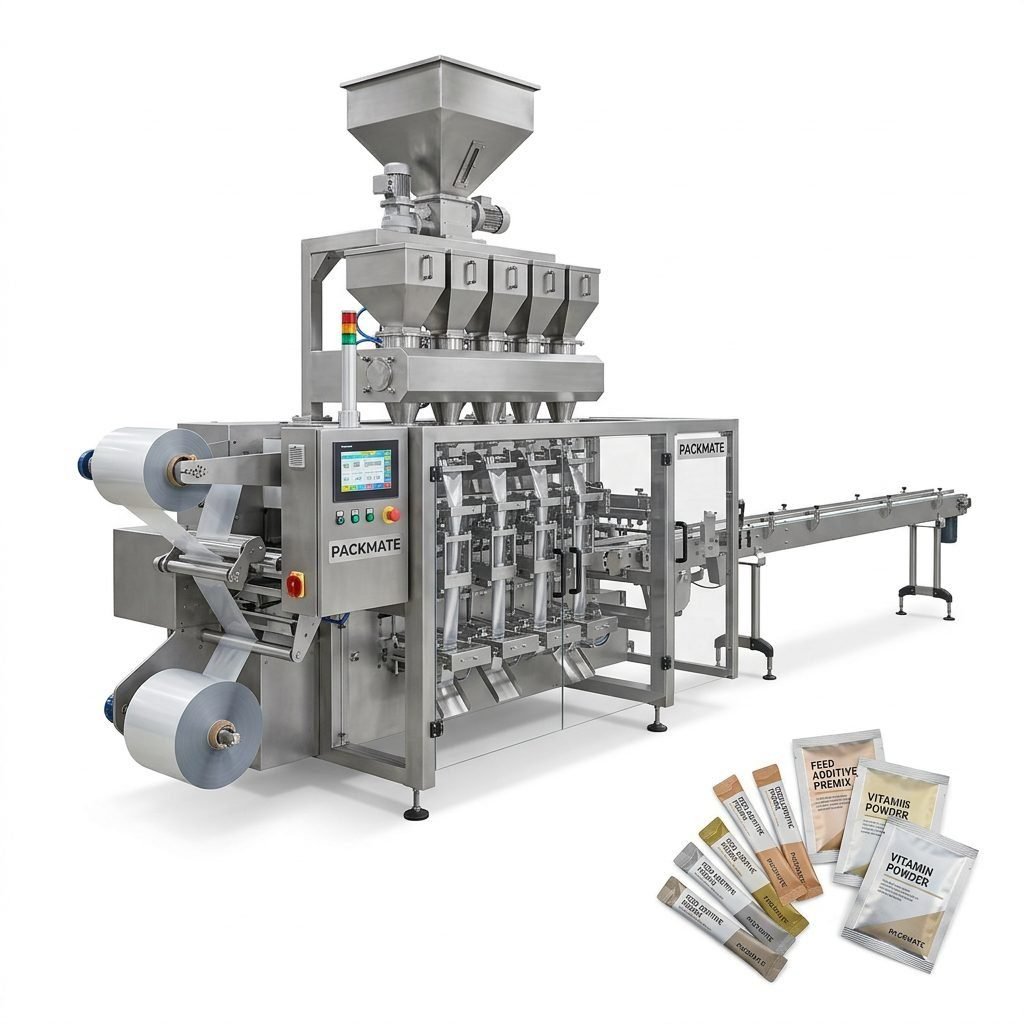
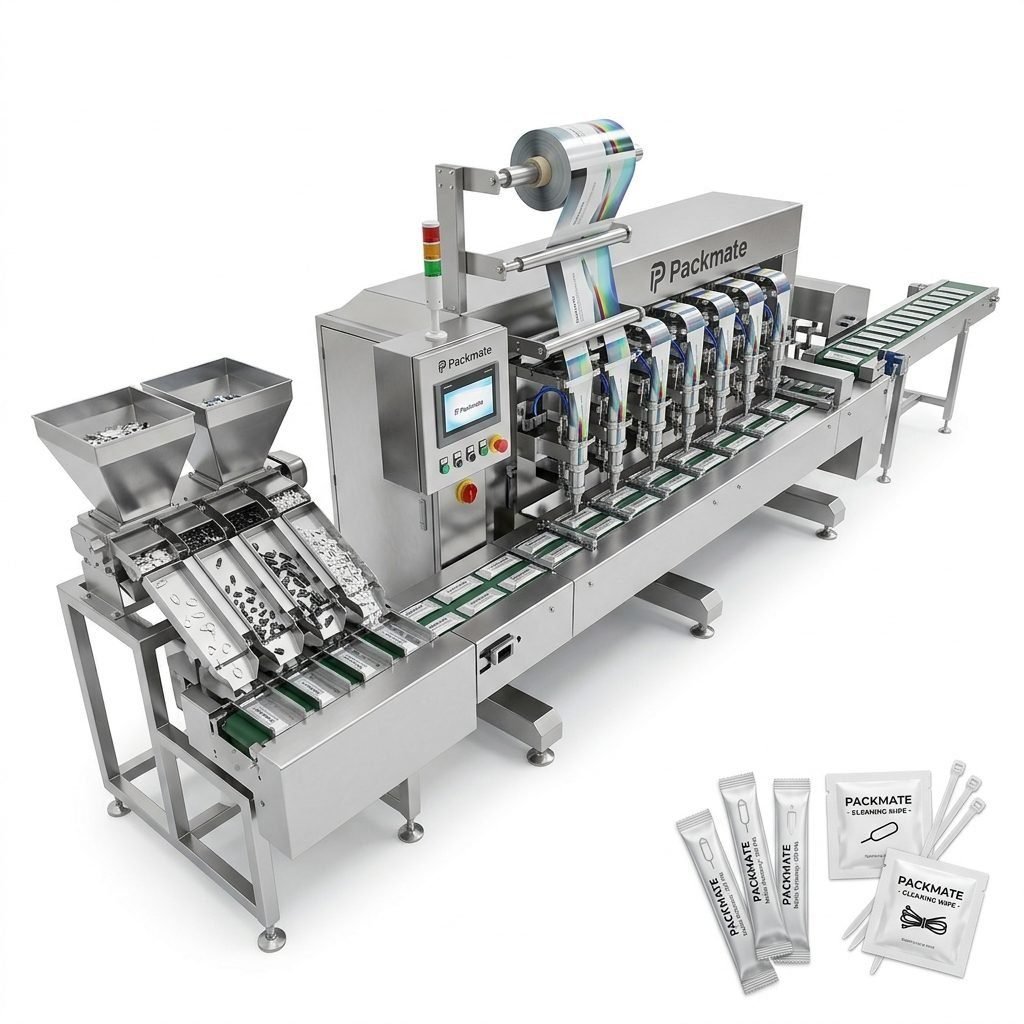
Furthermore, they offer superior seal integrity and consistency. The controlled, automated environment of a sealed chamber ensures each package receives an identical vacuum level and seal, reducing the risk of leakers. Many models also support Modified Atmosphere Packaging (MAP), where the evacuated air is replaced with a protective gas mix like nitrogen or carbon dioxide, further preserving freshness and color in products like meats and salads. For businesses looking to scale their operations with reliable technology, exploring a range of bag and pouch packaging machines is a logical step.
Ideal Applications and Industries
Dual chamber vacuum sealers are incredibly versatile. Their primary domain is the food industry, where they are used for:
- Fresh and processed meats (beef, poultry, sausages)
- Cheeses and dairy products
- Seafood and fish fillets
- Prepared meals, soups, and sauces
- Coffee beans, nuts, and dried fruits
Beyond food, they are vital in pharmaceutical and medical sectors for sterilizing kits and protecting sensitive components, and in electronics for protecting parts from moisture and corrosion. The technology is also adaptable for specialized needs, such as those found in the snus and nicotine packaging sector, where precise preservation is critical.
Critical Factors for Selecting the Right Machine
Choosing the correct dual chamber vacuum sealer requires careful consideration of your specific needs. First, evaluate your production volume and bag size. Machine chambers come in various dimensions (e.g., 400x400mm, 500x600mm), so you must ensure they can accommodate your largest planned package. Cycle time, which can range from 20 to 50 seconds, directly impacts your hourly output.
The vacuum pump strength is crucial for product quality. A more powerful pump achieves a deeper vacuum faster, which is essential for moist or porous products. For operations that handle powders or fine granules, integrating with a weighing and packaging system upstream can create a seamless, automated line. Finally, consider construction and durability. A fully stainless-steel chamber and frame, while more expensive, offer the best resistance to corrosion and are easier to clean, ensuring longevity in demanding environments.
Operation, Maintenance, and Safety
Proper operation begins with training. Operators must know how to load bags correctly, set appropriate vacuum and seal times, and perform daily cleaning. Regular maintenance is non-negotiable for longevity. This includes checking and cleaning the sealing bar, inspecting the silicone gasket on the chamber lid for wear, and changing the vacuum pump oil as recommended by the manufacturer.
Safety First: Always ensure the machine is properly grounded. Never place hands inside the chamber while the lid is closing or during the sealing cycle. Allow the sealing bars to cool before cleaning them. Following the manufacturer’s lockout/tagout procedures during servicing is essential to prevent accidental startup.
Future Trends and Technological Integration
The future of dual chamber vacuum packaging is tied to automation and Industry 4.0. We are seeing trends toward machines with programmable logic controllers (PLCs) and touchscreen HMIs that can store recipes for different products. Connectivity features allow for data logging of production counts, cycle times, and error reports, facilitating predictive maintenance and overall equipment effectiveness (OEE) tracking.
Another trend is the development of more hygienic designs with fewer crevices and improved drainage for the food industry. As part of a larger filling and packaging line, dual chamber machines are becoming smarter nodes in a connected ecosystem, communicating with upstream fillers and downstream labelers to create a synchronized, high-efficiency production cell.
Conclusion: A Strategic Investment for Growth
Dual chamber vacuum packaging machines represent a significant leap in packaging technology for businesses ready to move beyond manual or semi-automatic methods. Their ability to boost productivity, ensure consistent quality, and support advanced packaging formats like MAP makes them a strategic investment. By carefully assessing your product range, volume requirements, and future growth plans, you can select a machine that not only meets today’s demands but also scales with your business tomorrow. For a comprehensive look at packaging solutions from a trusted manufacturer with decades of experience, visit the Packmate Machinery homepage.
Frequently Asked Questions (FAQs)
1. What is the main difference between a single and dual chamber vacuum machine?
The core difference is workflow. A single-chamber machine requires the operator to wait for the entire vacuum and seal cycle to finish before loading the next product, causing downtime. A dual-chamber machine allows loading in one chamber while the other is cycling, creating a continuous, more efficient operation and significantly higher output.
2. Can dual chamber machines handle liquid products?
Yes, but with important precautions. You must use vacuum bags specifically designed for liquids, which often have a textured interior to channel liquid away from the seal area. It is also critical to set a longer “seal delay” or use a pulse vacuum function to allow the vacuum to draw off vapor instead of violently boiling and pulling the liquid into the pump.
3. How do I know what size chamber I need?
Measure the dimensions (length and width) of the largest bag you plan to use. The internal chamber dimensions should be at least 2-3 inches larger on all sides to ensure the bag fits comfortably without folding over the sealing bar and to allow for proper air evacuation.
4. What maintenance is required regularly?
Daily: Clean the sealing bar and chamber of any debris or residue.
Weekly/Monthly: Check the condition of the chamber lid gasket for tears and clean it. Inspect the sealing bar for even wear.
As per manual: Change the vacuum pump oil (for oil-sealed pumps) and replace air filters according to the manufacturer’s schedule, typically every 500-1000 hours of operation.
5. Is a gas flush (MAP) function necessary?
It depends on your product. A gas flush (Modified Atmosphere Packaging) is not strictly necessary for all vacuum packaging. It is highly beneficial for products where color preservation is critical (like red meat), to prevent crushing of delicate items (like potato chips), or to inhibit the growth of aerobic bacteria. For simple moisture and freezer burn protection, a standard deep vacuum is often sufficient.