For home cooks, bakers, and small-scale food producers, achieving professional-quality packaging can be a game-changer. It extends shelf life, enhances product presentation, and preserves freshness. This expert guide explores the best food packaging machines designed for home use, helping you navigate the options to find the perfect fit for your culinary projects.
Why Invest in a Home Food Packaging Machine?
Moving beyond basic containers and plastic wrap, a dedicated packaging machine offers significant advantages. It allows for precise portion control, which is ideal for meal prepping, selling homemade goods, or simply organizing your pantry. Vacuum sealing, in particular, removes air to drastically slow down oxidation and freezer burn, keeping meats, vegetables, and leftovers fresher for much longer. For those creating spice blends, teas, or powdered supplements, a small sachet or stick pack machine provides a clean, professional, and portable packaging solution.
Key Benefits for Home Users:
Food Preservation: Extend the freshness of fruits, vegetables, meats, and cooked meals by days, weeks, or even months.
Cost Savings: Reduce food waste by preserving bulk purchases and leftovers. Buy in season and save for later.
Portion Control: Perfect for diet management or preparing individual servings of snacks, coffee, or smoothie ingredients.
Professional Presentation: Elevate homemade gifts, baked goods, or small-batch products for sale with neatly sealed packages.
Space Efficiency: Vacuum-sealed bags take up less space in your freezer or drawers compared to rigid containers.
Types of Food Packaging Machines for Home Use
The right machine depends entirely on your primary needs. Here’s a breakdown of the most common and useful types for the home environment.
1. Vacuum Sealers
This is arguably the most versatile and popular choice for home kitchens. Vacuum sealers remove air from a special plastic bag and heat-seal it shut. They come in two main styles:
External Vacuum Sealers: You place the open end of the bag over a nozzle; the machine sucks out the air and seals. These are generally more affordable and great for dry and solid foods.
Chamber Vacuum Sealers: The entire bag is placed inside a chamber. These are more powerful, can handle liquids (like soups or marinades), and provide a superior seal. While more of an investment, they are the top choice for serious home cooks.
2. Small Sachet & Stick Pack Machines
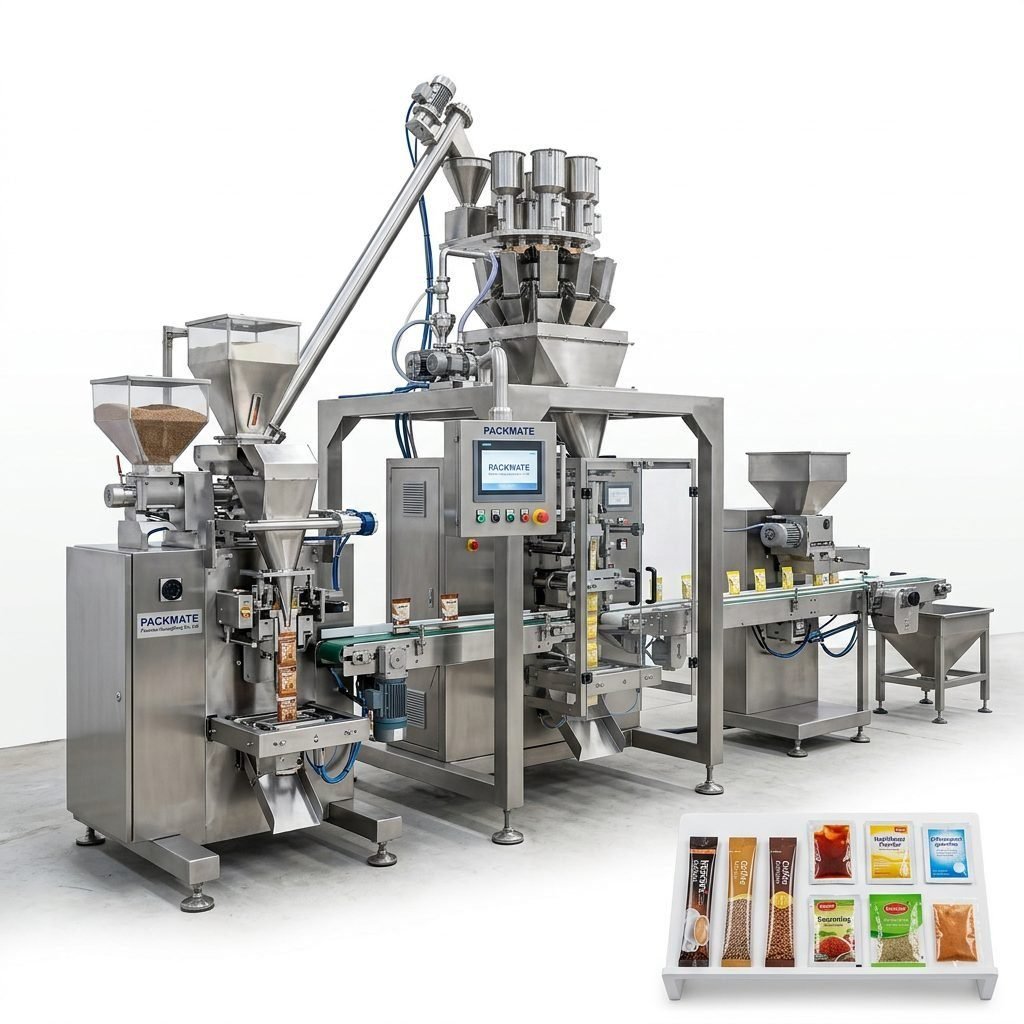
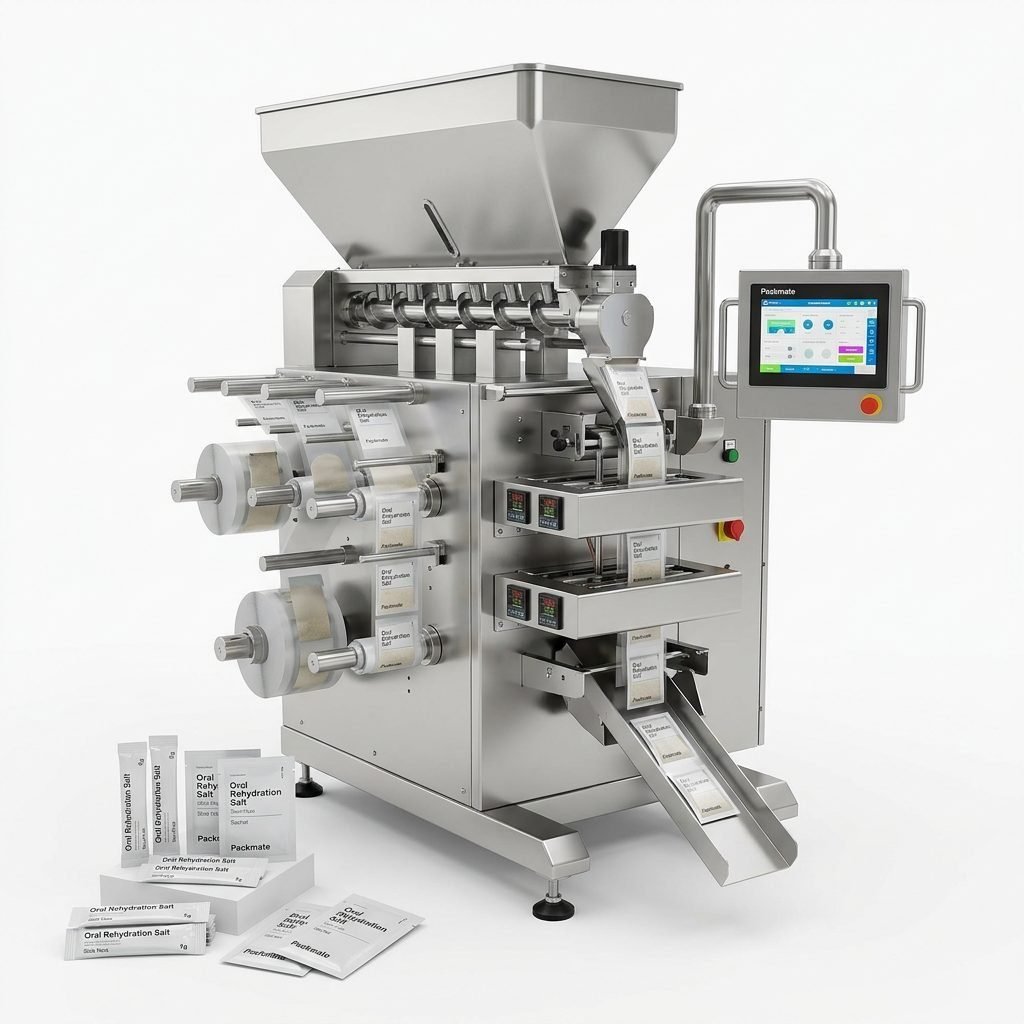
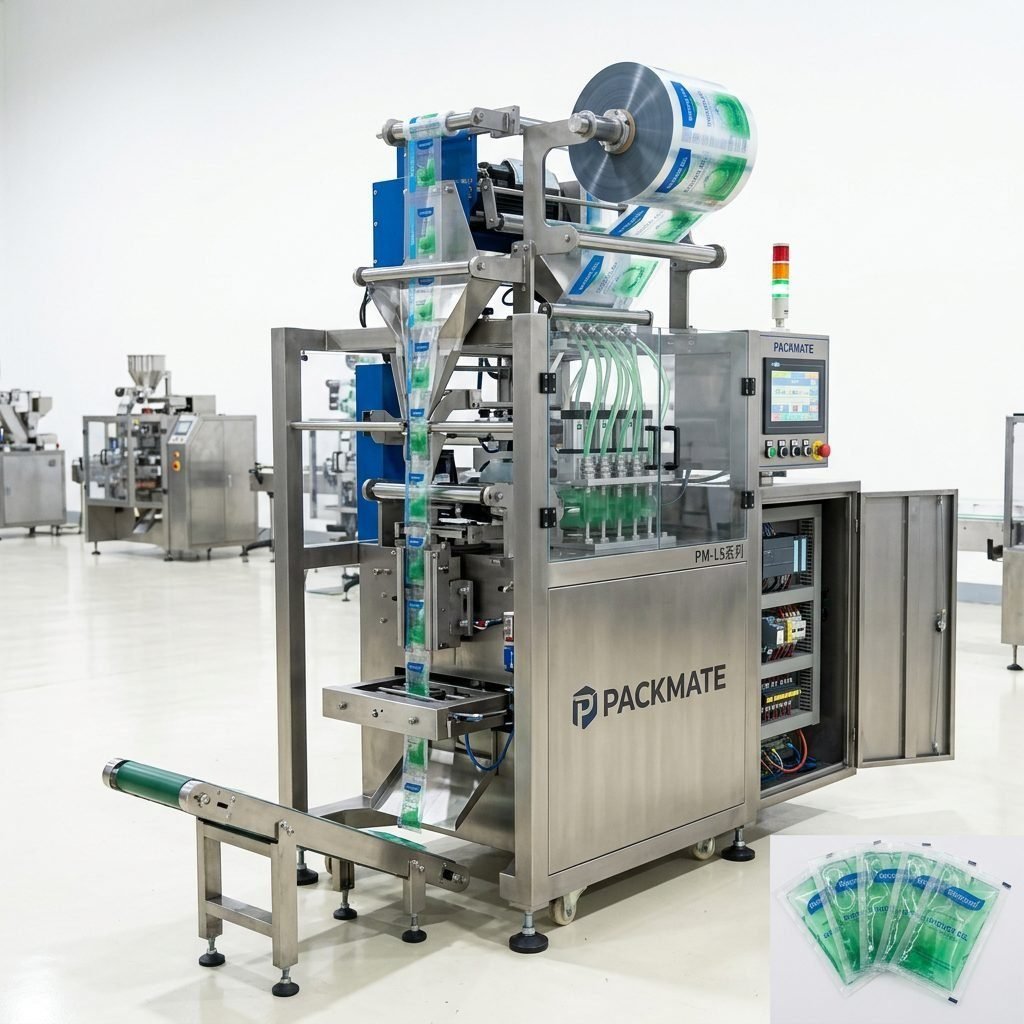
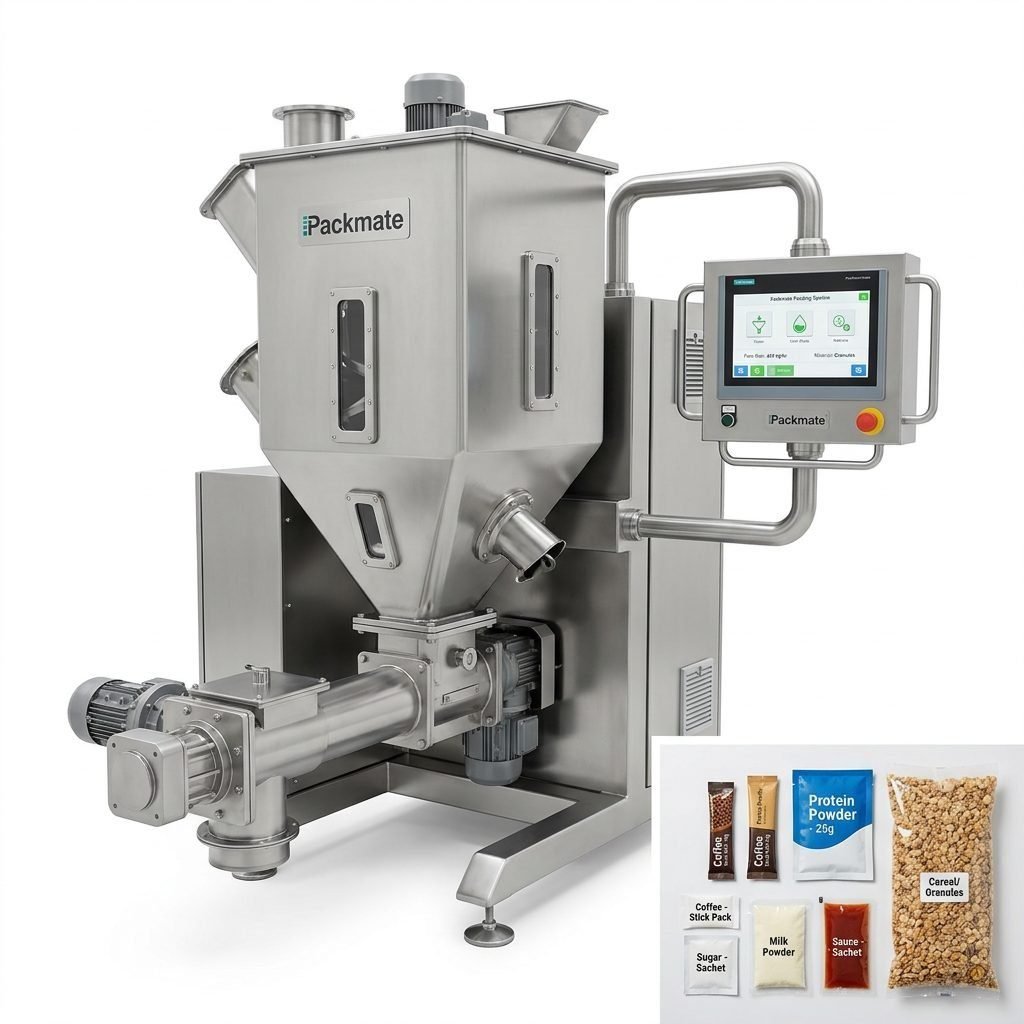
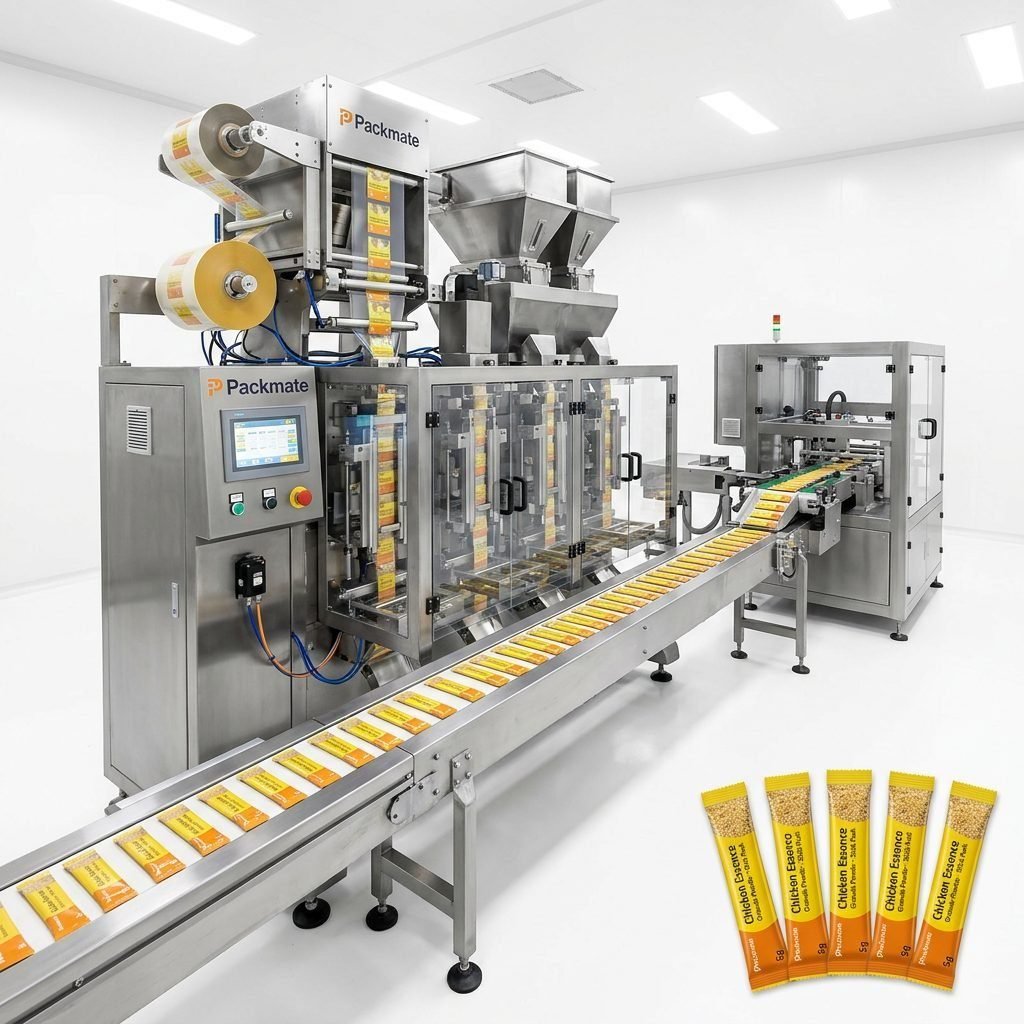
If you produce powders, granules, or small loose-leaf items, a tabletop sachet machine is invaluable. These compact units form, fill, and seal individual packets from a roll of packaging film. They are perfect for creating single servings of:
- Custom spice and herb blends
- Loose-leaf tea and coffee
- Drink mixes (lemonade, cocoa)
- Powdered supplements or protein shakes
- Salt, pepper, or sugar packets
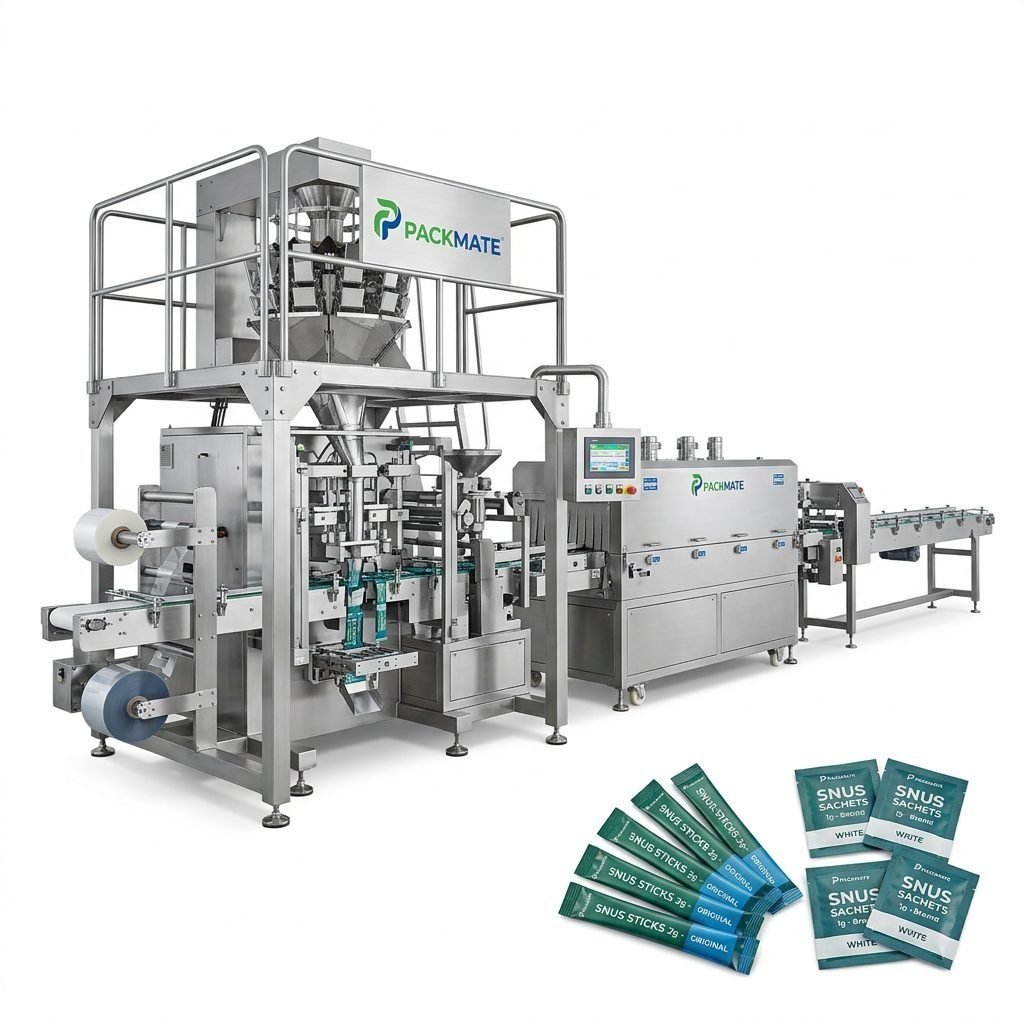
For a streamlined, modern look, stick packs (long, narrow sachets) are an excellent option and are commonly used for energy gels, drink sticks, and single-serve condiments. Leading manufacturers like Packmate Machinery have extensive experience in developing reliable, user-friendly versions of these machines, bringing industrial precision to a smaller scale.
3. Pouch & Bag Sealers
These are simpler devices focused solely on sealing pre-filled bags. They use heat or impulse technology to melt the inner plastic layer of a bag closed. They are ideal for resealing bags of chips, nuts, or frozen vegetables, or for sealing bags you’ve filled with homemade granola, cookies, or crafts. Some advanced models offer features like date stamping or gas flushing for an extra layer of preservation.
Choosing the Right Machine: An Expert Buying Guide
With several options available, making a decision requires considering your specific goals. Follow this checklist to identify your ideal machine.
Selection Checklist:
Primary Use: Is it for freezing bulk meats (Vacuum Sealer), selling powdered tea (Sachet Machine), or simply resealing snacks (Bag Sealer)?
Food Type: Will you package liquids, powders, solids, or a combination? Chamber vacuum sealers handle liquids best.
Volume & Speed: How many packages will you make per session? Manual machines are fine for occasional use, but semi-automatic ones save time for higher volumes.
Budget: Prices range from under $50 for basic sealers to several thousand for professional-grade semi-automatic sachet machines. Determine your investment level.
Space & Storage: Consider the machine’s footprint on your countertop or in your storage area.
Ease of Use & Cleaning: Look for intuitive controls and components that are easy to wipe down. Machines with tool-less adjustments simplify operation.
For those considering sachet or stick pack machines, it’s wise to look for a supplier with a strong track record in engineering and support. Companies with deep industry experience, such as Packmate, which has over 30 years in packaging innovation, often design more robust and reliable machines, even for smaller-scale applications. Exploring their range of sachet and stick pack machines can provide insight into the features available.
Maximizing Your Investment: Tips for Operation & Maintenance
To ensure your machine lasts for years and performs consistently, proper care is essential.
For Vacuum Sealers:
Always ensure the sealing area is clean and dry before use. Use bags recommended by the manufacturer to ensure proper sealing and avoid damaging the heat strip. For chamber machines, wipe out any spills immediately after use.
For Sachet Machines:
Regularly clean the forming collar, sealing jaws, and product hopper to prevent cross-contamination and residue buildup. Use the correct film type (e.g., laminate for barriers) as specified for your machine. Lubricate moving parts as per the user manual to ensure smooth operation.
Pro Tip: Before running a full batch, always conduct a test seal with empty film to check alignment and temperature settings. This simple step can save wasted materials and product.
Beyond the Kitchen: Creative Uses at Home
These machines aren’t limited to food! Their utility extends throughout the household:
Vacuum Sealers can protect important documents, photos, or first-aid kits from moisture during storage or travel. They are also fantastic for compressing bulky seasonal clothing like winter jackets in storage bags.
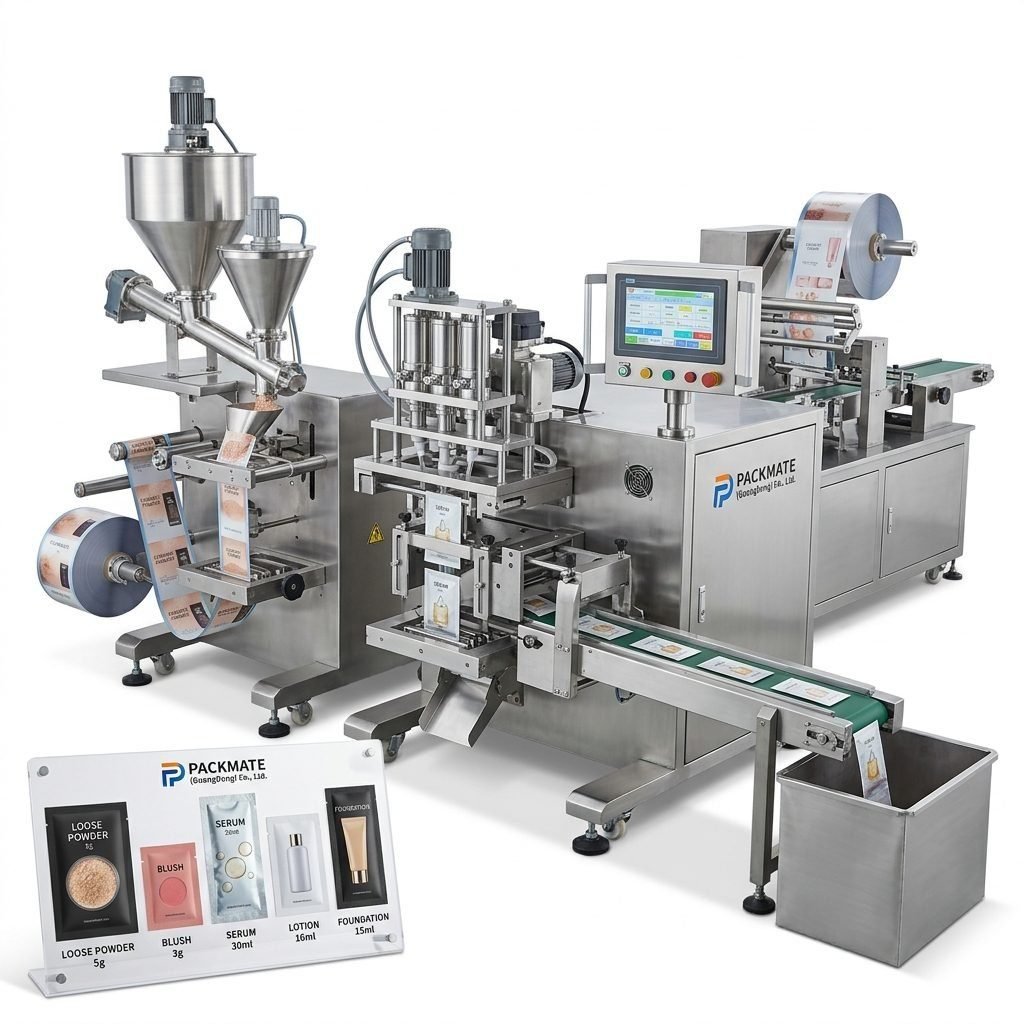
Small Sachet Machines can be used to package non-food items like bath salts, seed packets, crafting glitter, or small hardware parts (screws, nails) for organized toolkits.
Frequently Asked Questions (FAQs)
1. What is the main difference between a vacuum sealer and a regular bag sealer?
A regular bag sealer simply closes the bag by melting the plastic. A vacuum sealer performs this sealing step after actively removing almost all the air from inside the bag, which is the critical action that significantly extends food shelf life by inhibiting bacterial growth.
2. Can I use any plastic bags with my vacuum sealer?
No. You must use bags specifically designed for vacuum sealing. They are made with a textured surface on one side to allow air channels for evacuation and are constructed from layers of durable, food-safe nylon and polyethylene that can form an airtight seal under heat.
3. Are home-use sachet machines difficult to operate?
Modern tabletop models are designed for simplicity. They typically involve loading the film roll, setting the seal temperature and timing (often with digital controls), and filling the product hopper. With a short learning curve, most users can produce consistent packages after a few practice runs. For technical support, reputable providers like Packmate offer comprehensive service.
4. How do I maintain my food packaging machine to ensure longevity?
Key maintenance includes: keeping all sealing surfaces clean and free of debris, performing regular lubrication of guides and moving parts as per the manual, storing the machine in a dry place, and using only recommended consumables (bags, film) to prevent damage to critical components like heating elements.
5. Where can I find more specialized information or support for packaging machines?
For detailed specifications, application advice, or to explore a wider range of equipment, visiting manufacturer websites is the best approach. You can find extensive resources, including product catalogs and case studies, on sites like Packmate’s product pages, which cover everything from basic machines to complete filling and packaging lines for those with growing needs.