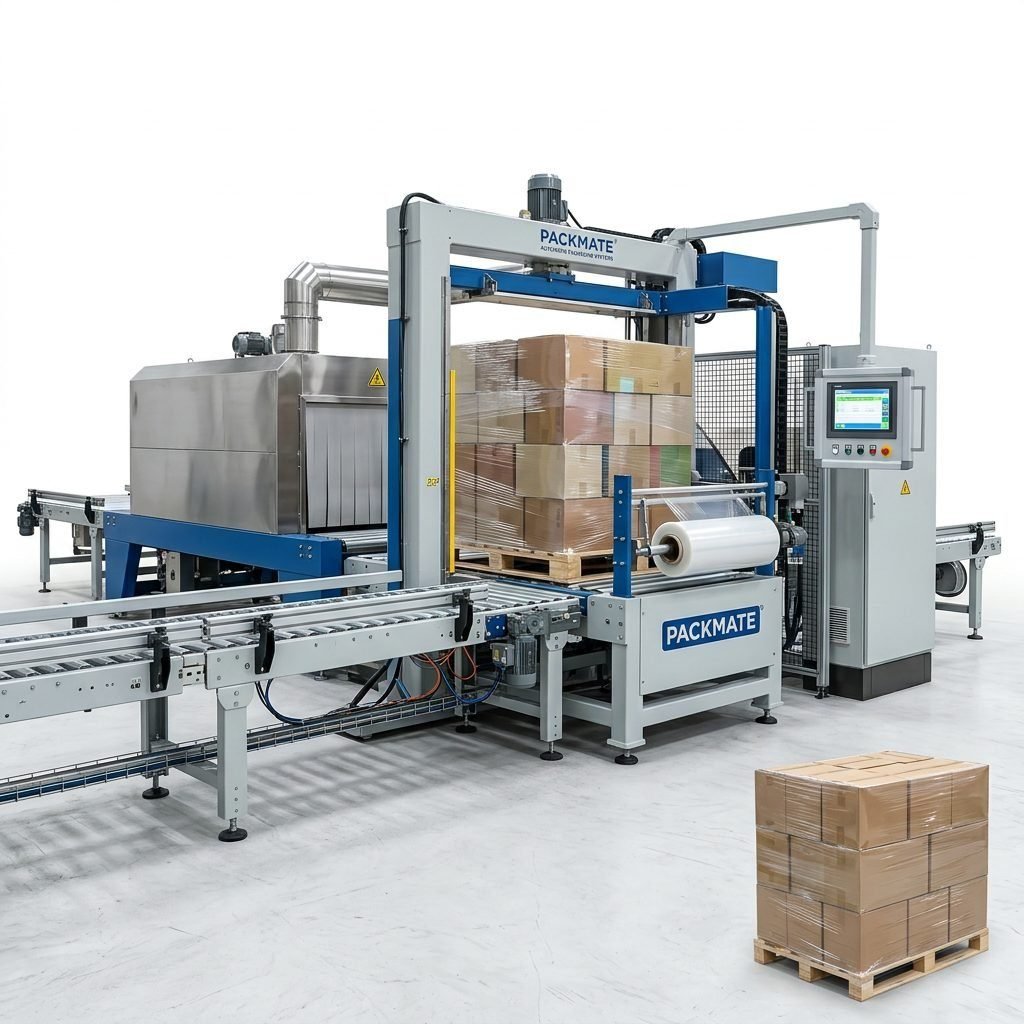
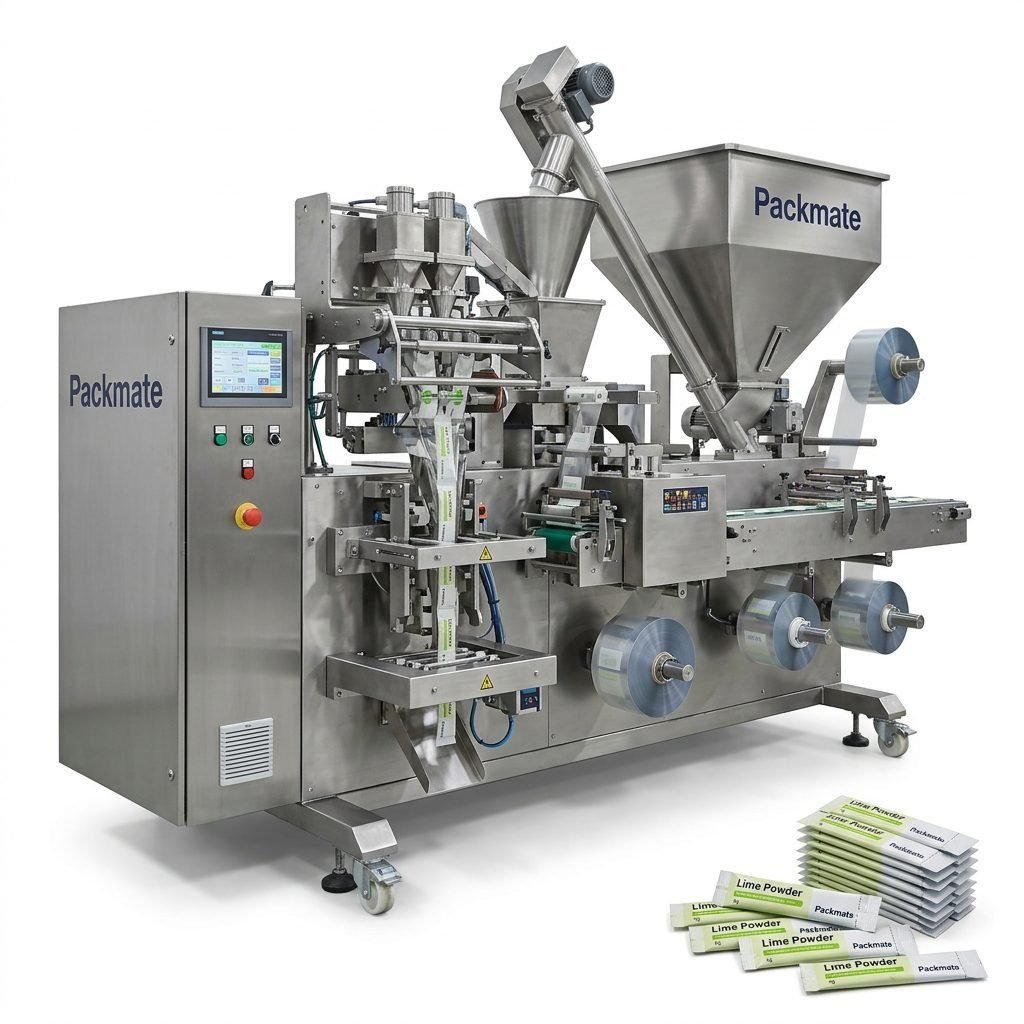
In the dynamic world of food production, the final step of packaging is as critical as the first step of sourcing ingredients. Fresh food packaging machines are the unsung heroes that ensure products reach consumers in pristine condition, preserving flavor, extending shelf life, and maintaining safety. Whether you are a startup artisanal producer or a large-scale food manufacturer, understanding the types, uses, and selection criteria for these machines is fundamental to operational success and market competitiveness.
Core Types of Fresh Food Packaging Machinery
The landscape of packaging equipment is diverse, with each type designed for specific formats, materials, and production speeds. Choosing the right one aligns your packaging with your product’s needs and your brand’s identity.
1. Vacuum Packaging Machines
These machines remove air from the package before sealing, creating an oxygen-free environment that drastically slows down spoilage caused by bacteria and oxidation. They are indispensable for fresh meats, poultry, seafood, cheeses, and prepared meals. The absence of air also reduces the package volume, which can lower shipping costs.
2. Modified Atmosphere Packaging (MAP) Machines
MAP technology goes a step further by replacing the air inside a package with a protective gas mix, typically nitrogen and carbon dioxide. This technique is ideal for fresh produce, salads, bakery goods, and snacks, as it maintains the product’s natural color, texture, and freshness without the compression of vacuum packaging.
3. Flow Wrap Machines
Also known as horizontal form-fill-seal machines, these are the workhorses for high-speed packaging of individual items. They form a tube from a roll of film, fill it with the product (like a candy bar, granola bar, or piece of pastry), and seal it. Their speed and efficiency make them perfect for large-volume production lines.
4. Thermoforming Machines
These machines use heat to form plastic sheets into trays or cavities, which are then filled with product (e.g., fresh-cut fruits, deli meats, yogurt cups) and sealed with a lidding film. They offer excellent product presentation and can create compartmentalized packages for meal kits.
5. Vertical Form-Fill-Seal (VFFS) Machines
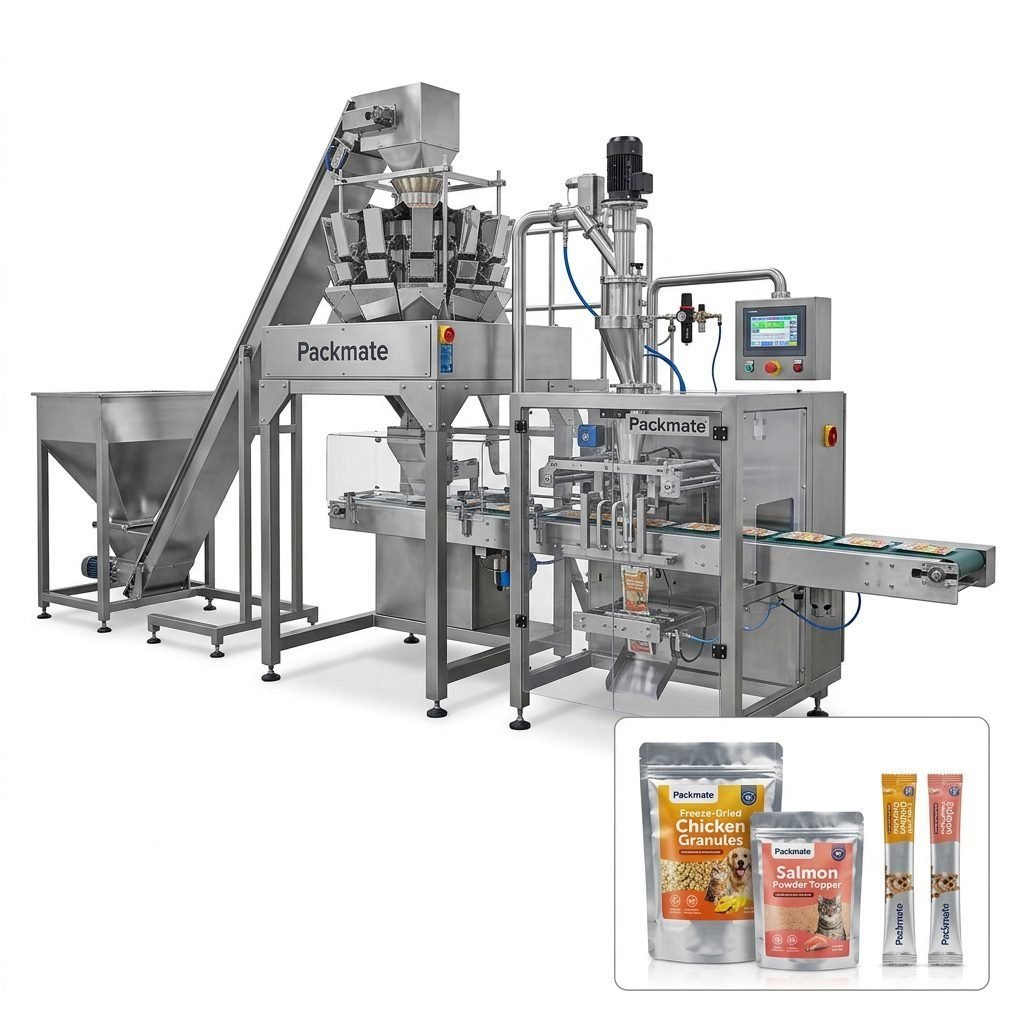
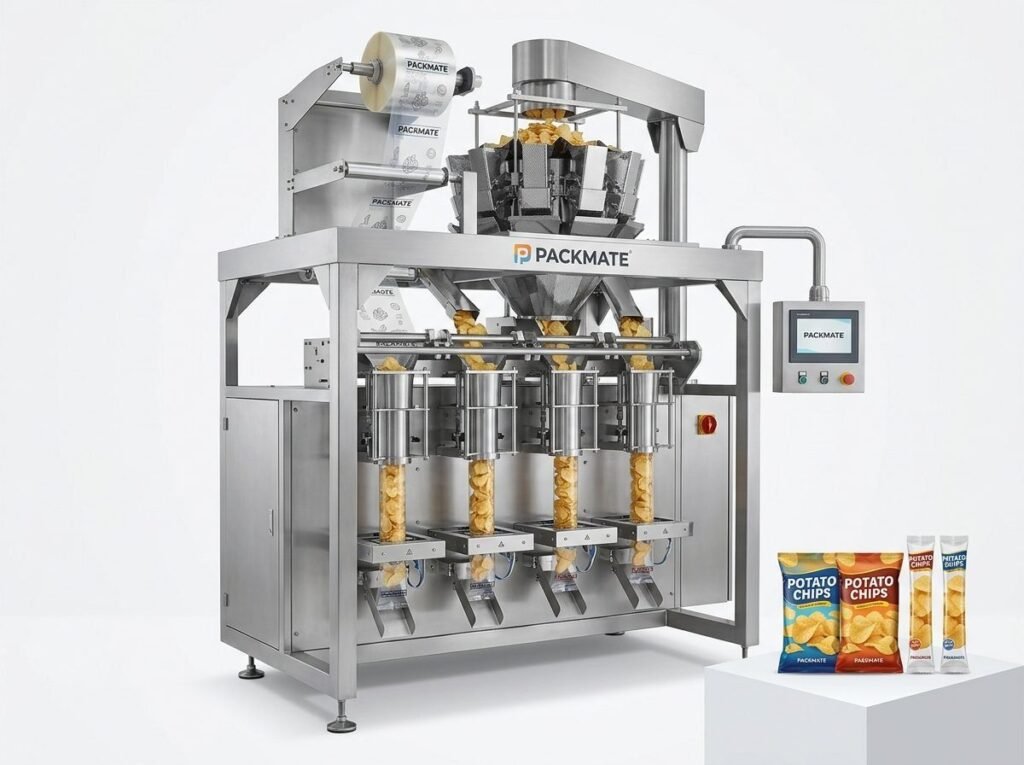
VFFS machines are incredibly versatile for packaging free-flowing products like grains, nuts, coffee, and powders. They form a bag from a roll of film vertically, fill it with a precise weight of product, and seal it. They are a cornerstone of flexible packaging for dry goods. For a closer look at such versatile systems, explore our range of Weighing & Packaging Systems.
Strategic Applications and Uses
Beyond mere containment, modern packaging machinery serves multiple strategic functions that add value to the fresh food supply chain.
Extended Shelf Life & Food Safety: The primary role. By controlling the internal gas environment (via vacuum or MAP), these machines inhibit microbial growth and enzymatic degradation, reducing food waste and ensuring consumer safety. This is non-negotiable in today’s market.
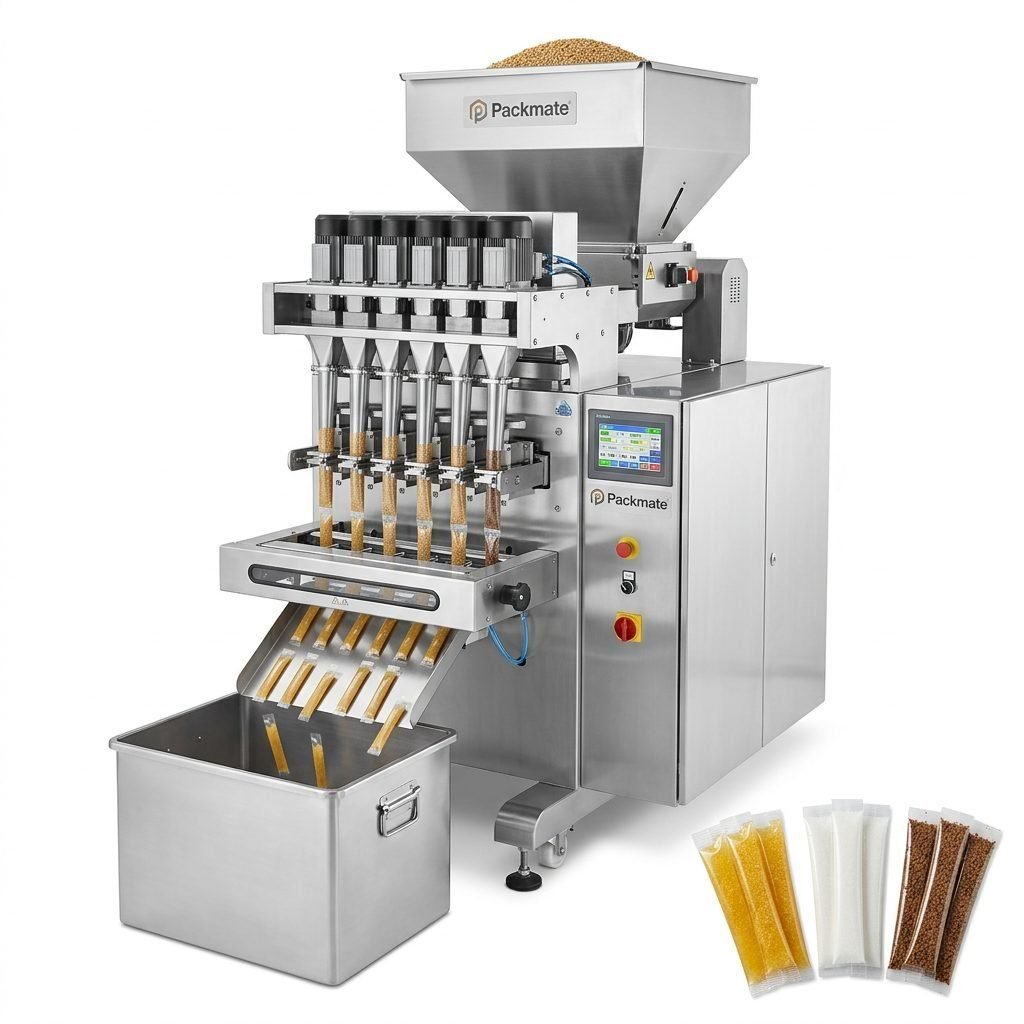
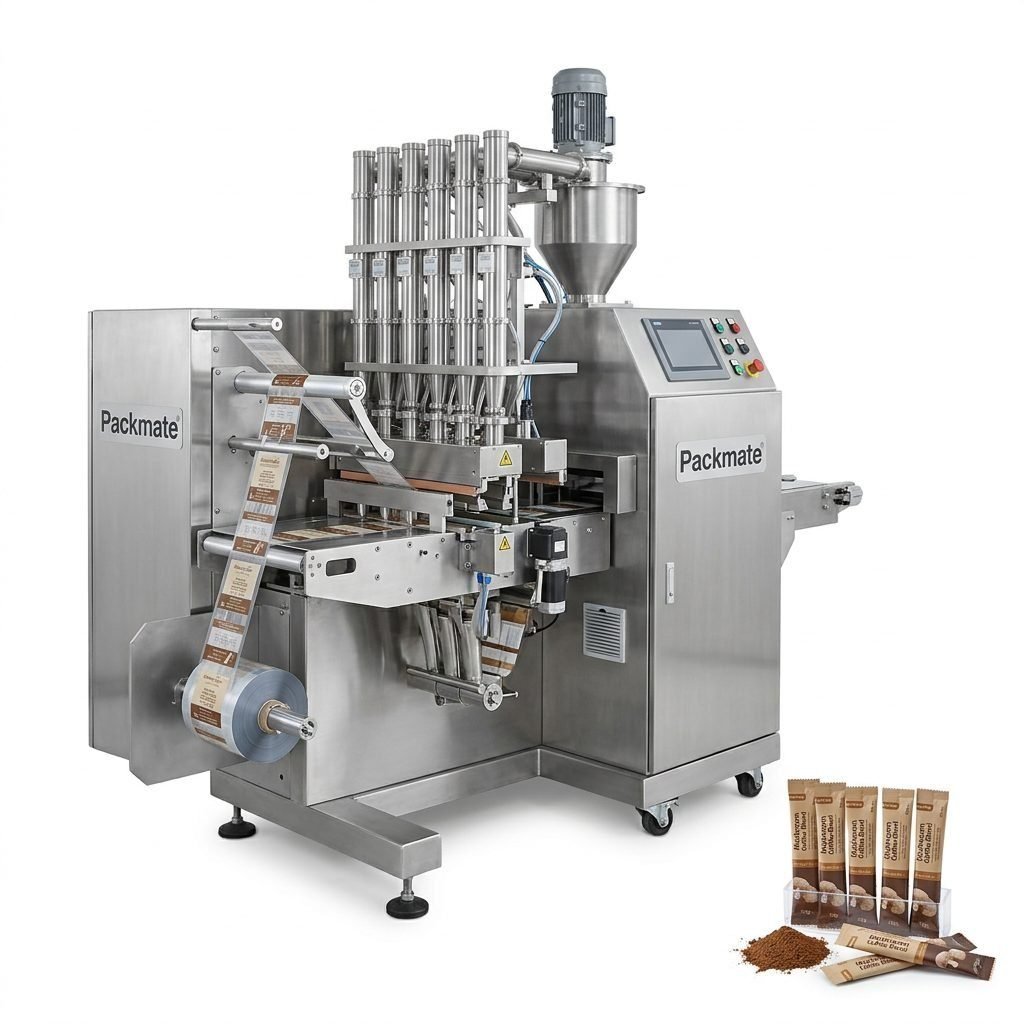
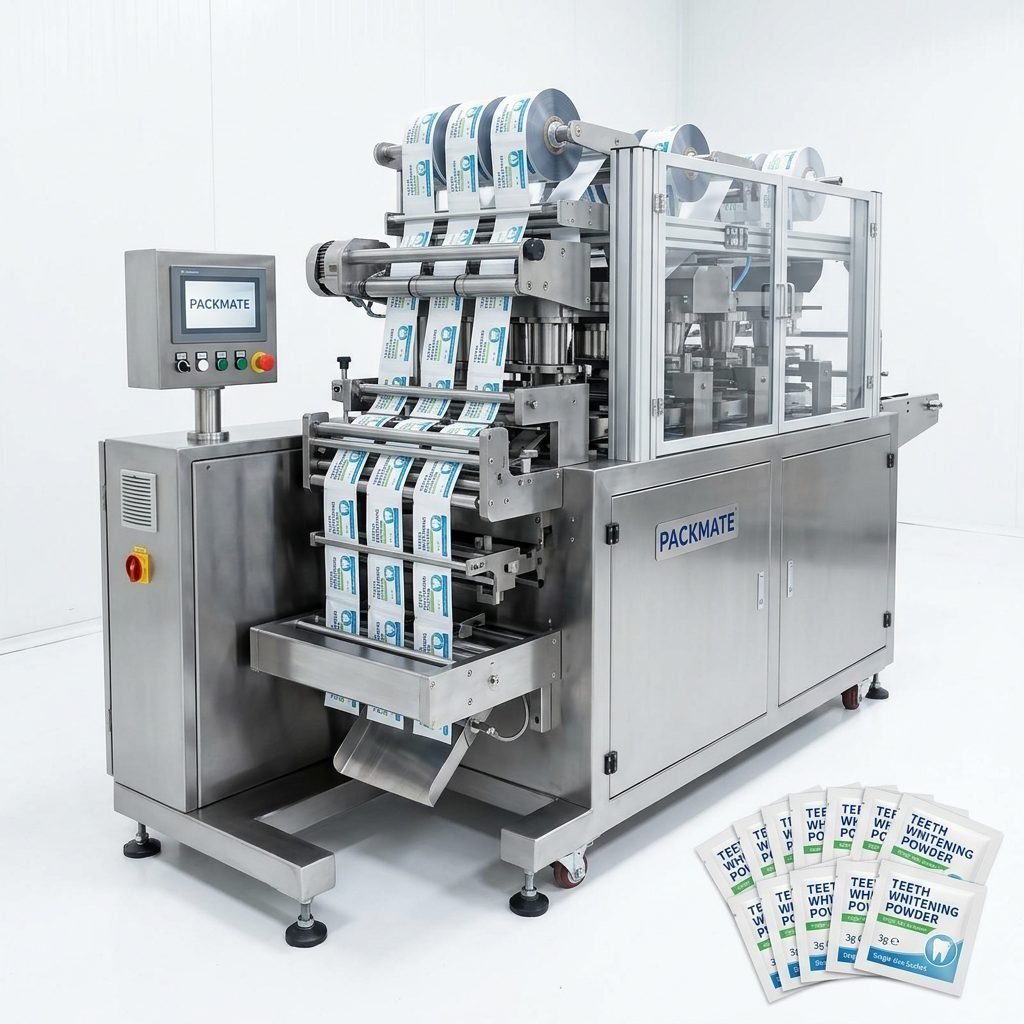
Brand Enhancement & Consumer Appeal: A well-designed package is a silent salesman. Machines that enable clear windows, attractive shapes, and high-quality printing help products stand out on crowded retail shelves. The precision of a sachet or stick pack machine can create sleek, portable packages for sauces, dressings, or spices that appeal to modern consumers.
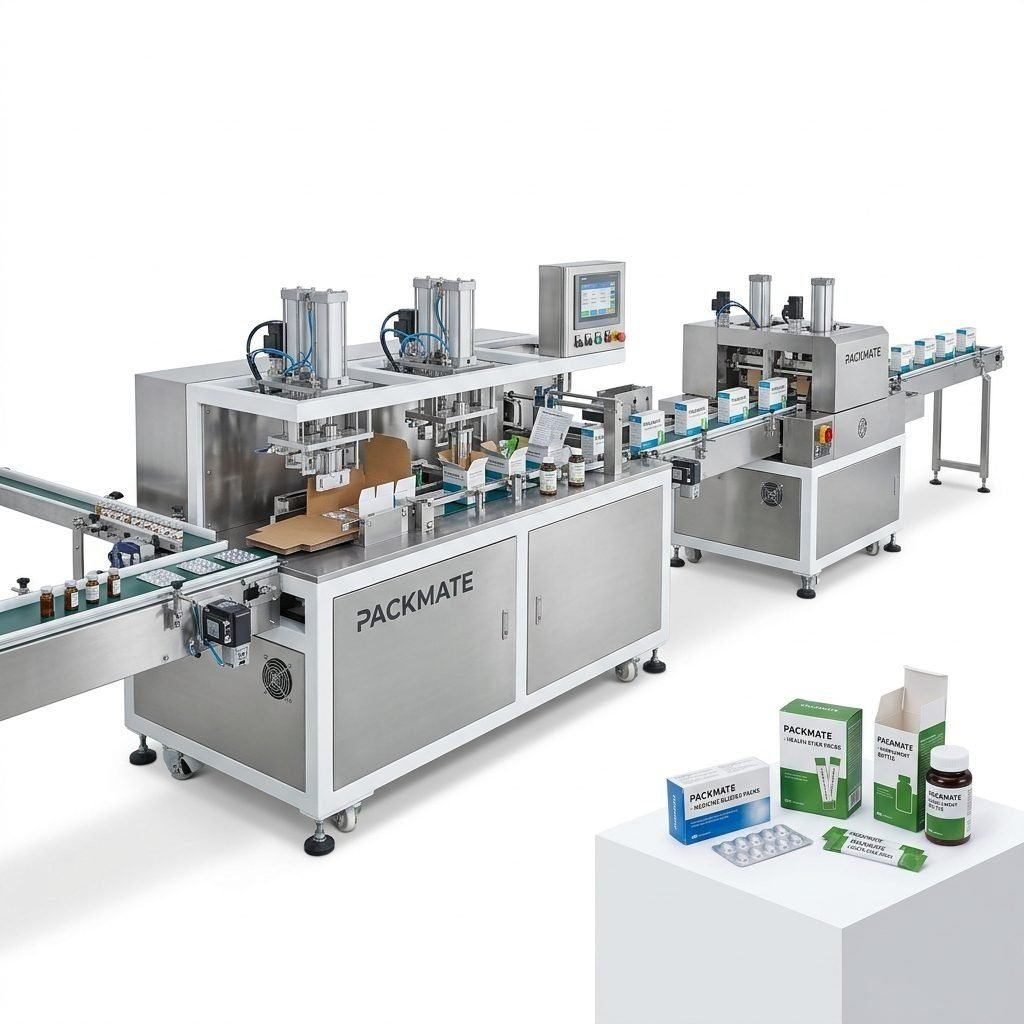
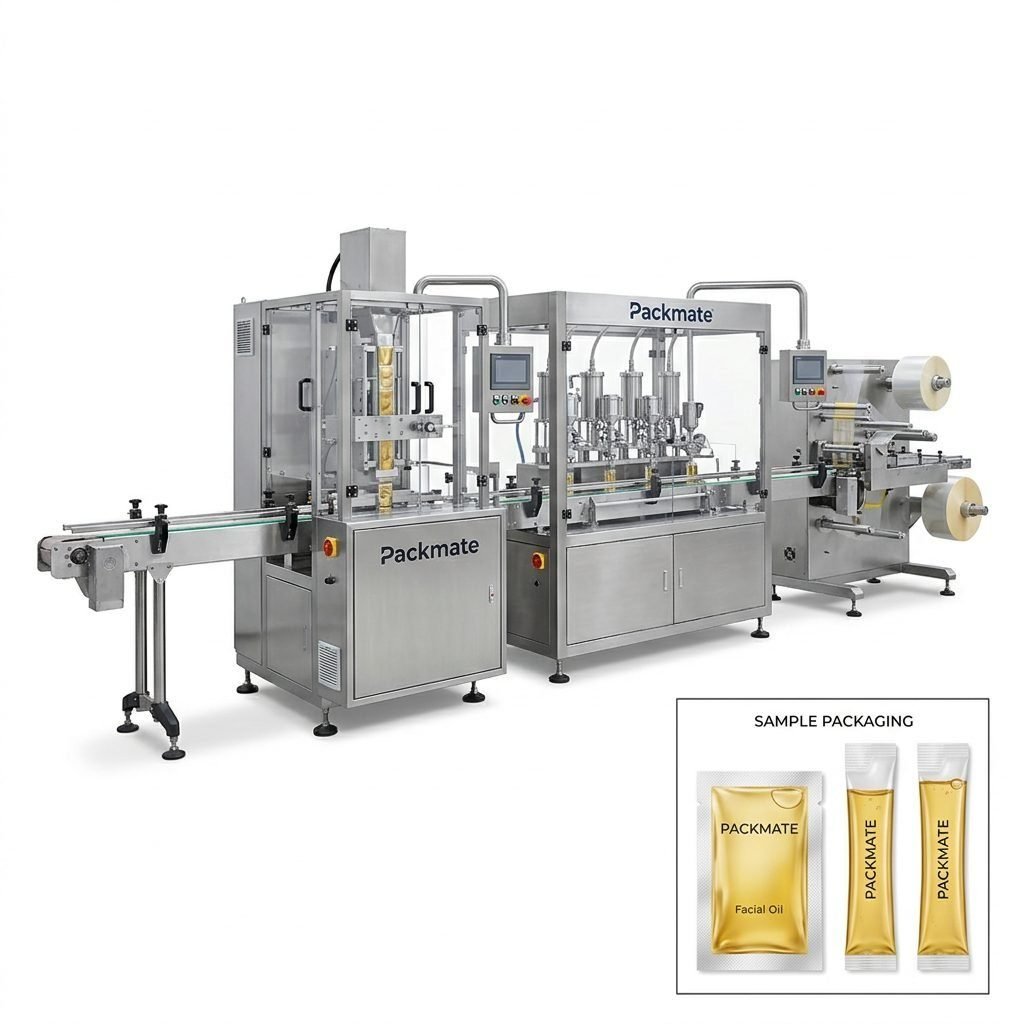
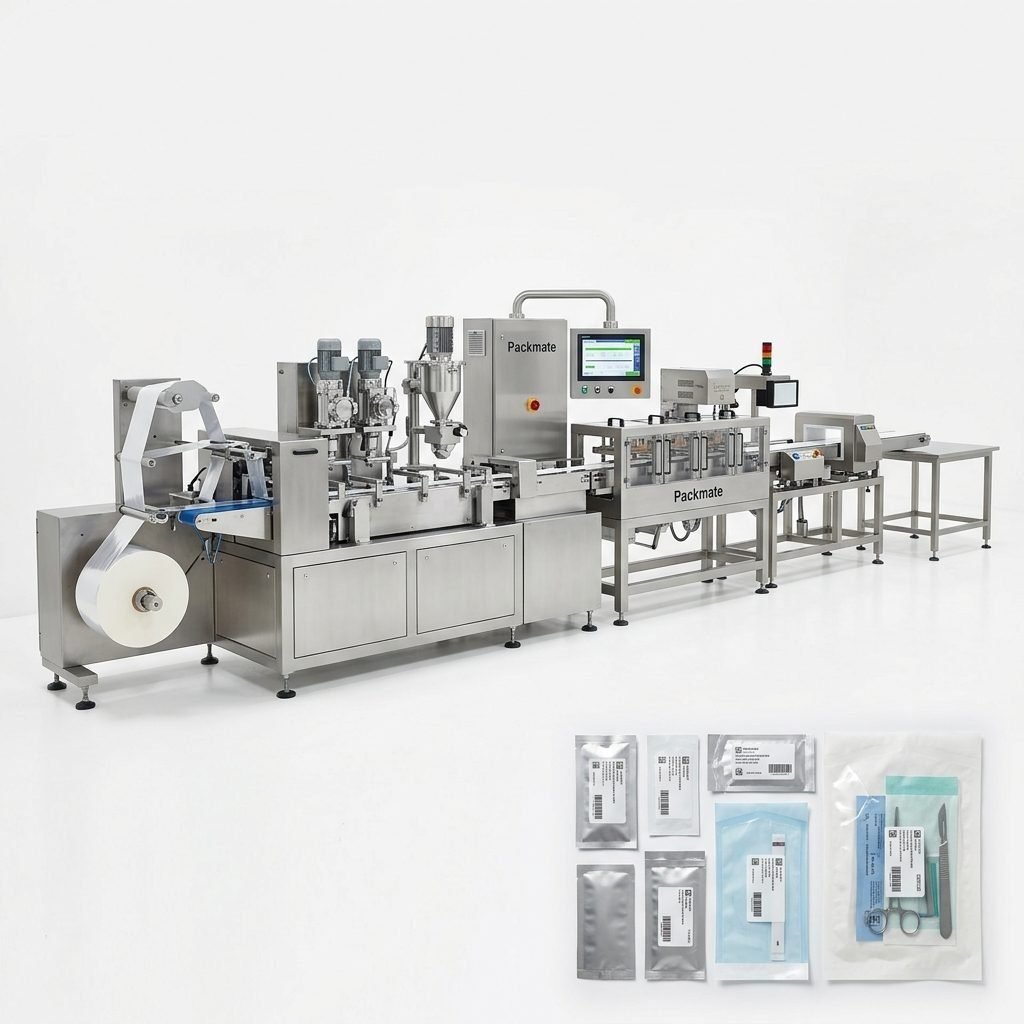
Operational Efficiency & Scalability: Automated packaging lines dramatically increase output while reducing labor costs and human error. They provide the scalability needed to grow from local farmers’ markets to national supermarket chains. Integrating a complete Filling & Packaging Line can streamline your entire process from filling to cartoning.
Sustainability & Material Reduction: Advanced machines are engineered to use packaging materials more efficiently, minimizing film waste. They are also compatible with a growing range of recyclable and compostable materials, helping brands meet their environmental goals.
Essential Buying Tips for Your Investment
Selecting a packaging machine is a significant capital investment. A careful, informed decision prevents costly mistakes and ensures a strong return on investment.
1. Define Your Product and Output Requirements
Start with the basics: What are you packaging (solid, liquid, powder)? What is its sensitivity (to oxygen, moisture, light)? What package format (bag, pouch, tray, stick pack) aligns with your brand? Crucially, determine your required production speed (packages per minute) both for current needs and projected growth.
2. Evaluate Machine Capabilities and Flexibility
Can the machine handle the specific film or material you wish to use? Does it offer quick changeover features to switch between different products or package sizes with minimal downtime? Flexibility is key for producers with a diverse product portfolio. For specialized needs, such as nicotine pouch packaging, dedicated machinery like our Snus & Nicotine Packaging Machines offers optimal performance.
3. Prioritize Hygiene and Construction Quality
For fresh food, hygiene is paramount. Look for machines with food-grade stainless steel contact surfaces, easy-to-clean designs with minimal crevices, and compliance with relevant food safety standards (e.g., FDA, CE). Robust construction ensures longevity and consistent performance under demanding production schedules.
4. Assess Supplier Support and Reputation
The machine is only as good as the company behind it. Investigate the manufacturer’s experience, particularly in the food sector. What does their after-sales service look like? Are training, spare parts, and technical support readily available? A supplier with a proven track record, like Packmate Machinery, with over 30 years of expertise, provides invaluable peace of mind. Reviewing their case studies can offer real-world insights.
5. Consider Total Cost of Ownership (TCO)
Look beyond the initial purchase price. Factor in operational costs (energy consumption, material waste rates), maintenance costs, and the potential cost of downtime. A slightly more expensive but more reliable and efficient machine often has a lower TCO over its lifespan.
Frequently Asked Questions (FAQs)
1. What is the main difference between vacuum packaging and MAP?
Vacuum packaging removes almost all air, ideal for dense products like meat. MAP replaces air with a specific gas mixture, better suited for delicate items like salads or baked goods that could be crushed by a vacuum.
2. How do I know what production speed (packages per minute) I need?
Calculate your current daily/weekly output and divide by your available production hours. Then, add a 20-30% buffer for future growth. It’s better to have slightly more capacity than you currently need to accommodate demand spikes.
3. Can one machine handle different package sizes?
Many modern machines are designed with quick-changeover systems for dies, forming tools, and film reels, allowing you to switch between predefined package sizes in minutes. Always confirm this capability with the supplier.
4. What kind of maintenance do these machines require?
Daily cleaning and lubrication of specific points are essential. Periodic maintenance includes checking seals, sensors, and cutting blades. A reliable supplier will provide a detailed maintenance schedule and training.
5. Where can I see these machines in action or get a custom solution quote?
Reputable manufacturers often have demonstration videos, case studies, and offer live factory tours or demos. The best approach is to contact them directly with your specific product samples and requirements for a tailored proposal. You can start this process via the Contact Us page.