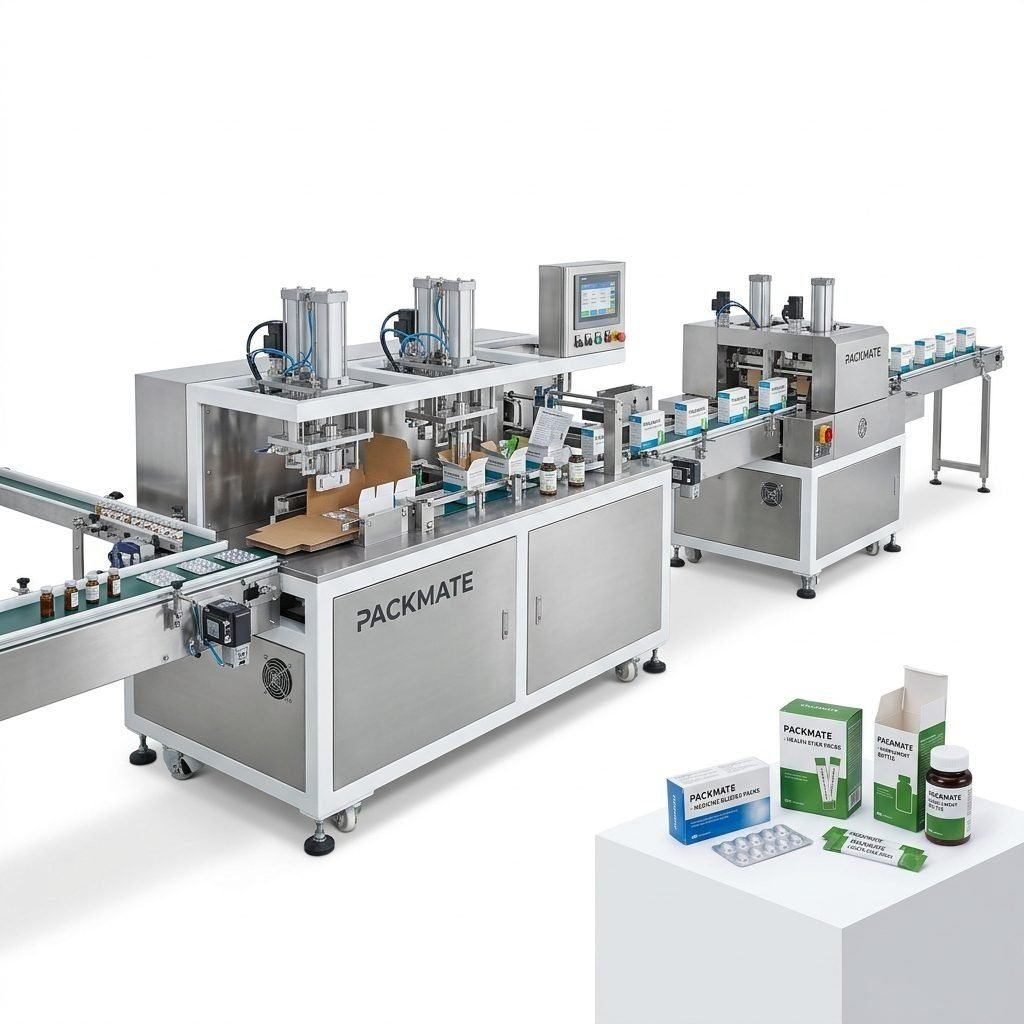
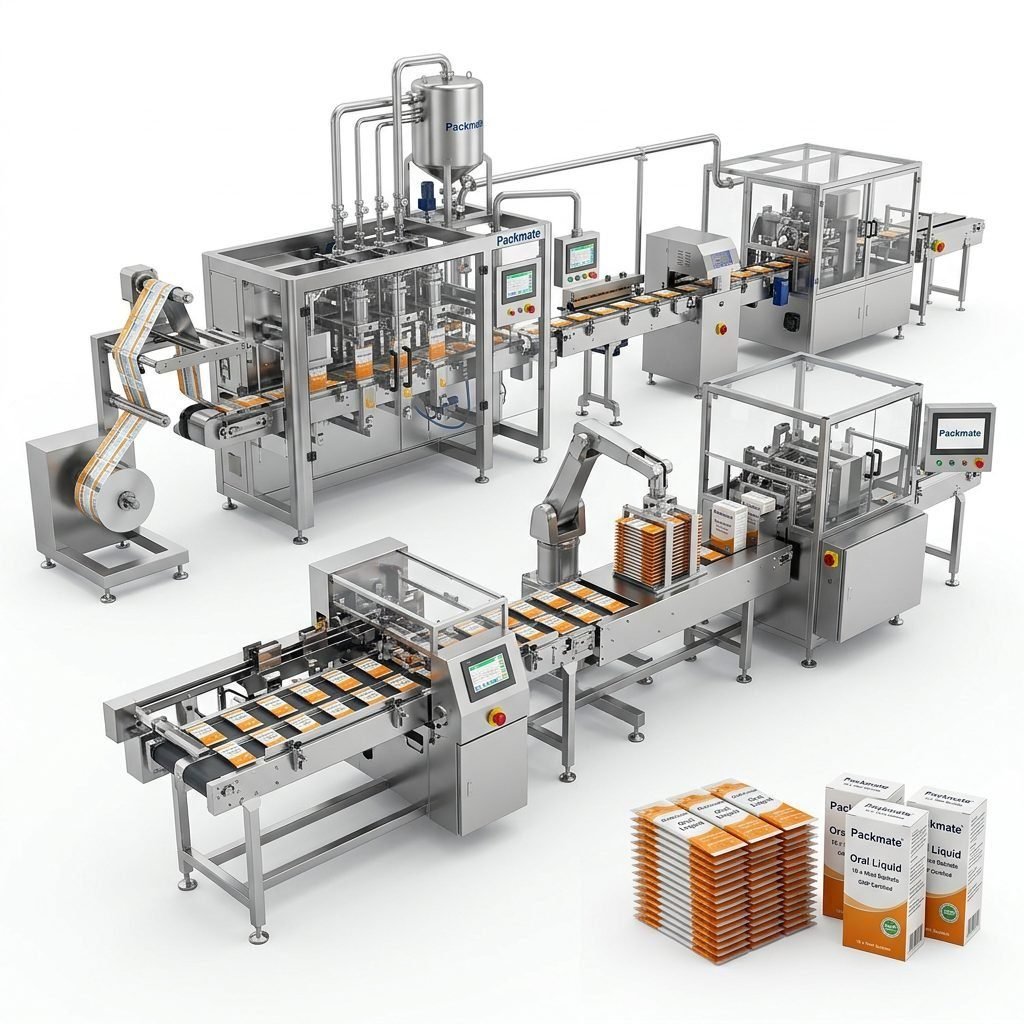
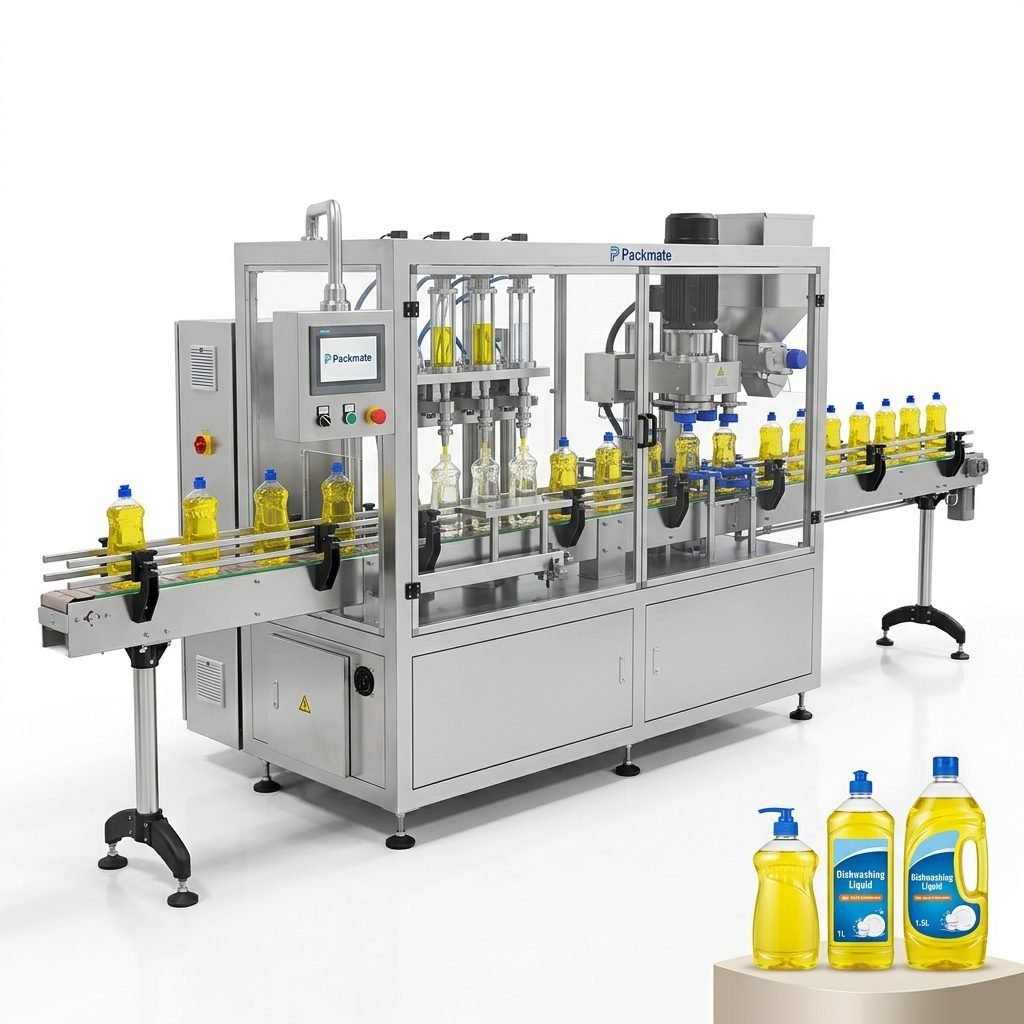
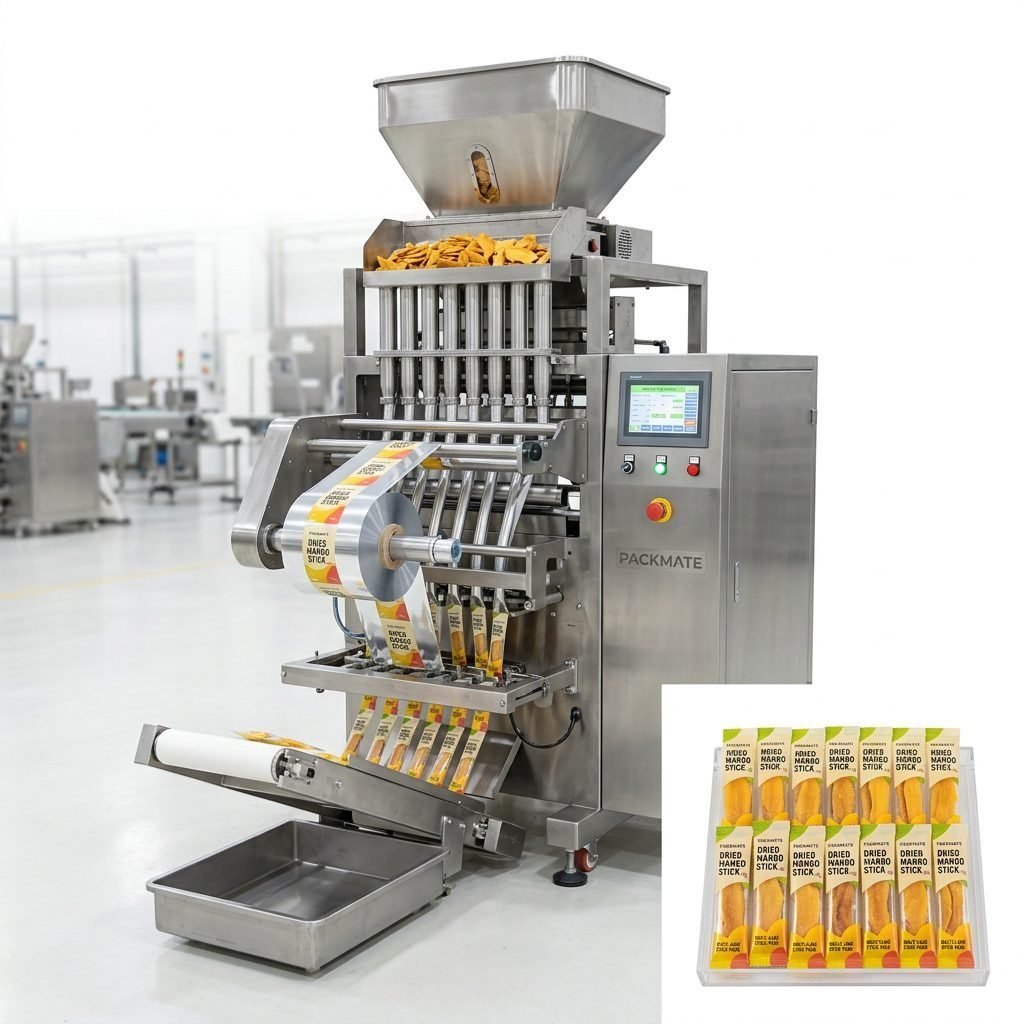
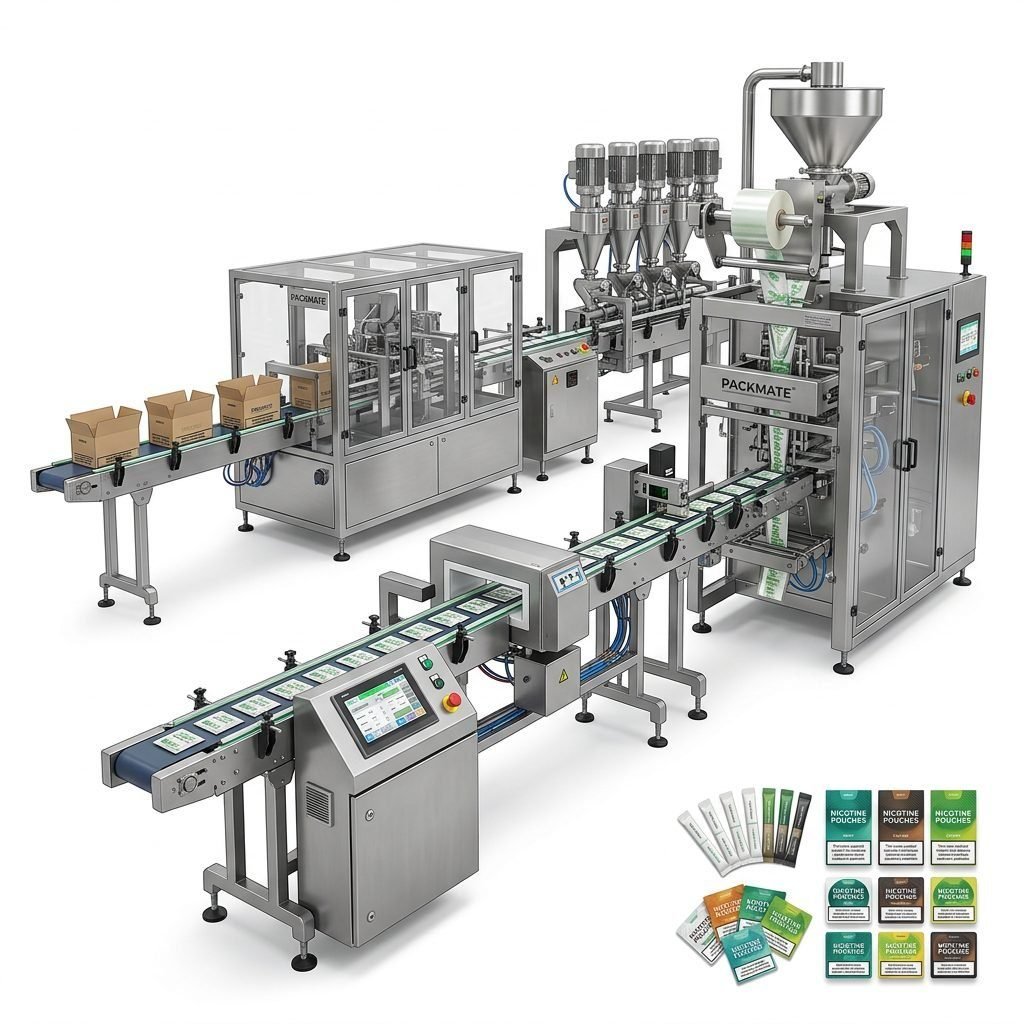
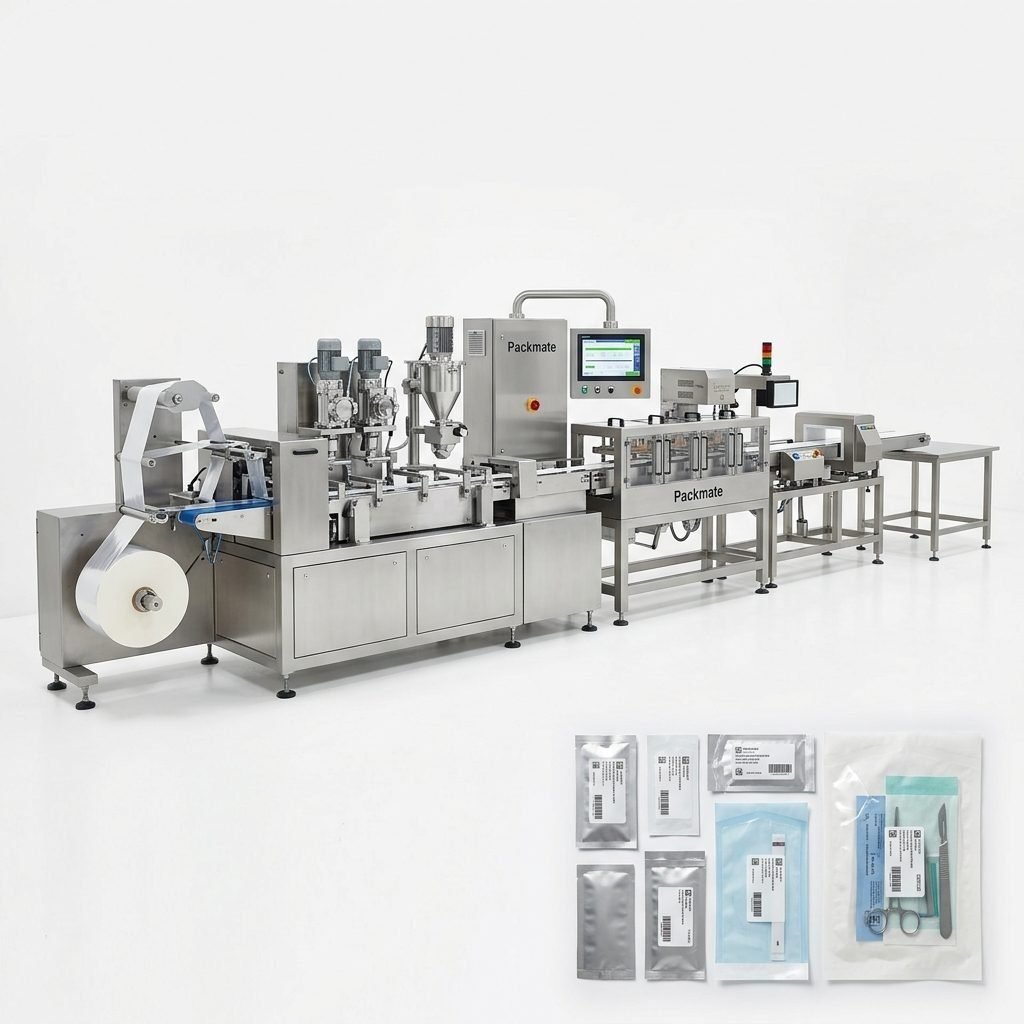
In the dynamic world of packaging, thermoforming stands out as a remarkably versatile and efficient process. A thermoforming packaging machine is the cornerstone of this technology, shaping plastic sheets into precise, durable, and often highly customized packages. This ultimate guide delves into the intricacies of these machines, exploring their various types and extensive uses across industries. Whether you are in food, pharmaceuticals, or consumer goods, understanding thermoforming technology is key to optimizing your packaging line for product protection, shelf appeal, and operational efficiency.
What is a Thermoforming Packaging Machine?
At its core, a thermoforming packaging machine uses heat and pressure to mold a thermoplastic sheet into a specific shape. The process typically involves three main stages: heating the plastic sheet until pliable, forming it over or into a mold using vacuum, pressure, or mechanical force, and then trimming it to create the final package. These machines are integral to producing blisters, clamshells, trays, and other formed containers that are ubiquitous in retail. The primary advantage lies in their ability to create highly detailed, consistent, and cost-effective packaging at high speeds, making them indispensable for medium to high-volume production runs.
Key Takeaway: Thermoforming machines transform flat plastic sheets into three-dimensional packages through controlled heating and molding, offering unparalleled design flexibility and production scalability for modern packaging needs.
Core Components and How They Work
The efficiency of a thermoforming machine hinges on its synchronized components. The material roll or sheet feeder supplies the plastic film, such as PVC, PET, or PP. An oven with precise temperature zones then evenly heats the sheet. The forming station, equipped with a custom mold, uses a vacuum to draw the soft plastic tightly into the mold’s cavities. Finally, a trimming station punches out the individual packages. Advanced models, like those developed by industry leaders such as Packmate Machinery, integrate sophisticated controls for temperature, timing, and indexing, ensuring repeatable quality and minimal material waste.
Main Types of Thermoforming Packaging Machines
The thermoforming landscape is diverse, with machines categorized primarily by their forming technique and automation level. Choosing the right type is critical for matching production goals with budget and material requirements.
1. Vacuum Forming Machines
This is the most common and cost-effective type. It uses a vacuum to suck the heated plastic sheet onto a single-sided mold. Vacuum forming is ideal for producing parts with moderate depth and detail, such as blister packs for pharmaceuticals or trays for electronics. Its simplicity makes it a popular choice for many applications.
2. Pressure Forming Machines
Pressure forming employs compressed air in addition to a vacuum, forcing the plastic sheet into the mold with greater force. This results in sharper details, finer textures, and more defined undercuts than vacuum forming alone. It’s often used for high-quality retail packaging where aesthetic appeal is paramount, like cosmetic cases or premium consumer goods.
3. Mechanical Forming (Plug Assist) Machines
For deep-draw parts with uniform wall thickness, mechanical forming is essential. A mechanical plug physically pushes the heated plastic into the mold cavity before the vacuum is applied. This technique is crucial for packaging deep items like medical device trays or food containers, preventing webbing and ensuring material distribution is even.
4. In-Line Thermoforming Machines
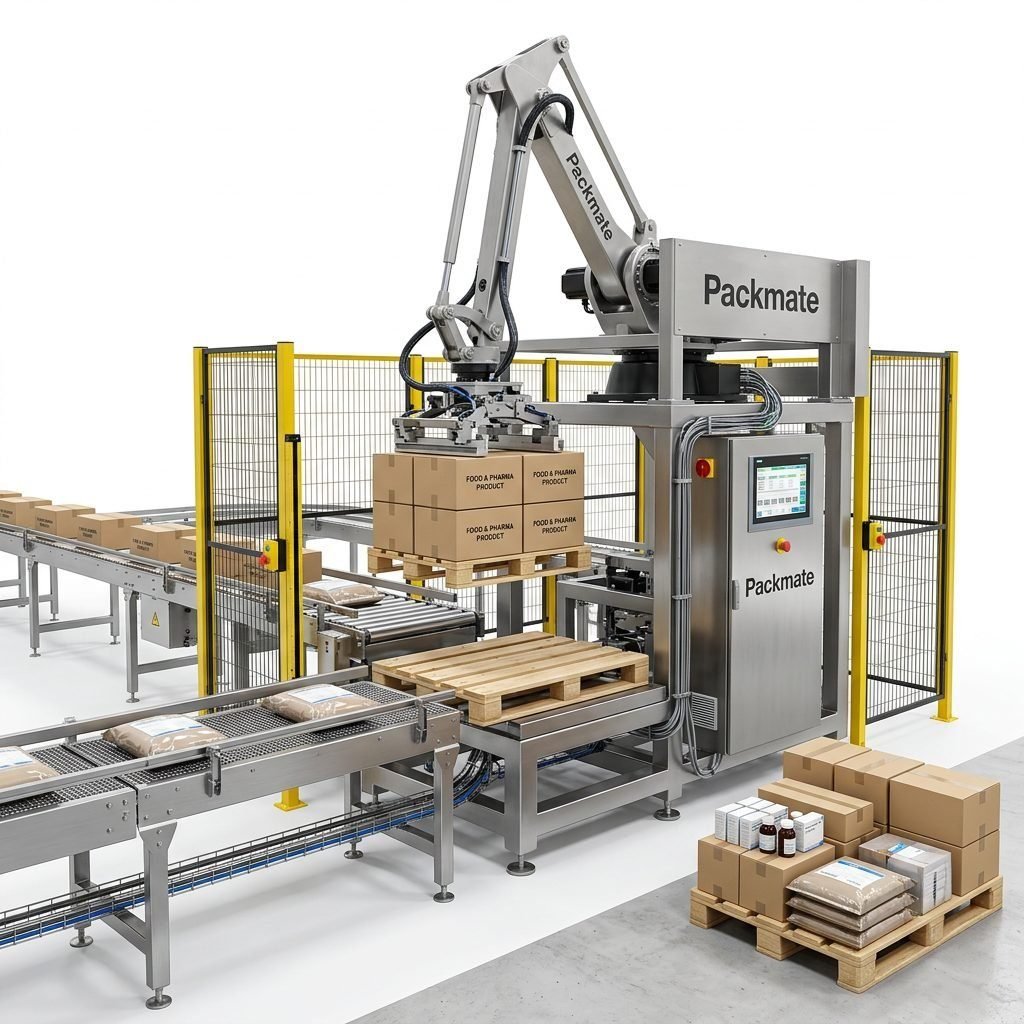
Representing the pinnacle of automation, in-line systems integrate sheet extrusion, thermoforming, filling, and sealing in one continuous process. This is highly efficient for food packaging, producing items like yogurt cups or ready-meal trays that are formed, filled, and lidded without interruption. Companies like Packmate specialize in creating such complete filling and packaging lines that maximize throughput.
5. Cut-Sheet vs. Roll-Fed Machines
Machines are also distinguished by their material feed. Cut-sheet machines handle pre-cut plastic sheets and are versatile for prototyping or short runs. Roll-fed machines use a continuous roll of plastic, making them significantly faster and more material-efficient for long production runs, which is standard in high-volume industries.
Choosing Your Machine: A Quick Comparison
Vacuum Forming: Best for cost-effectiveness and simple geometries.
Pressure Forming: Optimal for high-detail, premium packaging.
Mechanical Forming: Necessary for deep-draw applications.
In-Line Systems: Ideal for integrated, high-speed food/pharma packaging.
The choice ultimately depends on your product’s shape, required output, and quality specifications.
Primary Uses and Applications Across Industries
The adaptability of thermoforming makes it a hero in multiple sectors. Its ability to create transparent, protective, and brandable packages drives its widespread adoption.
Food and Beverage Packaging
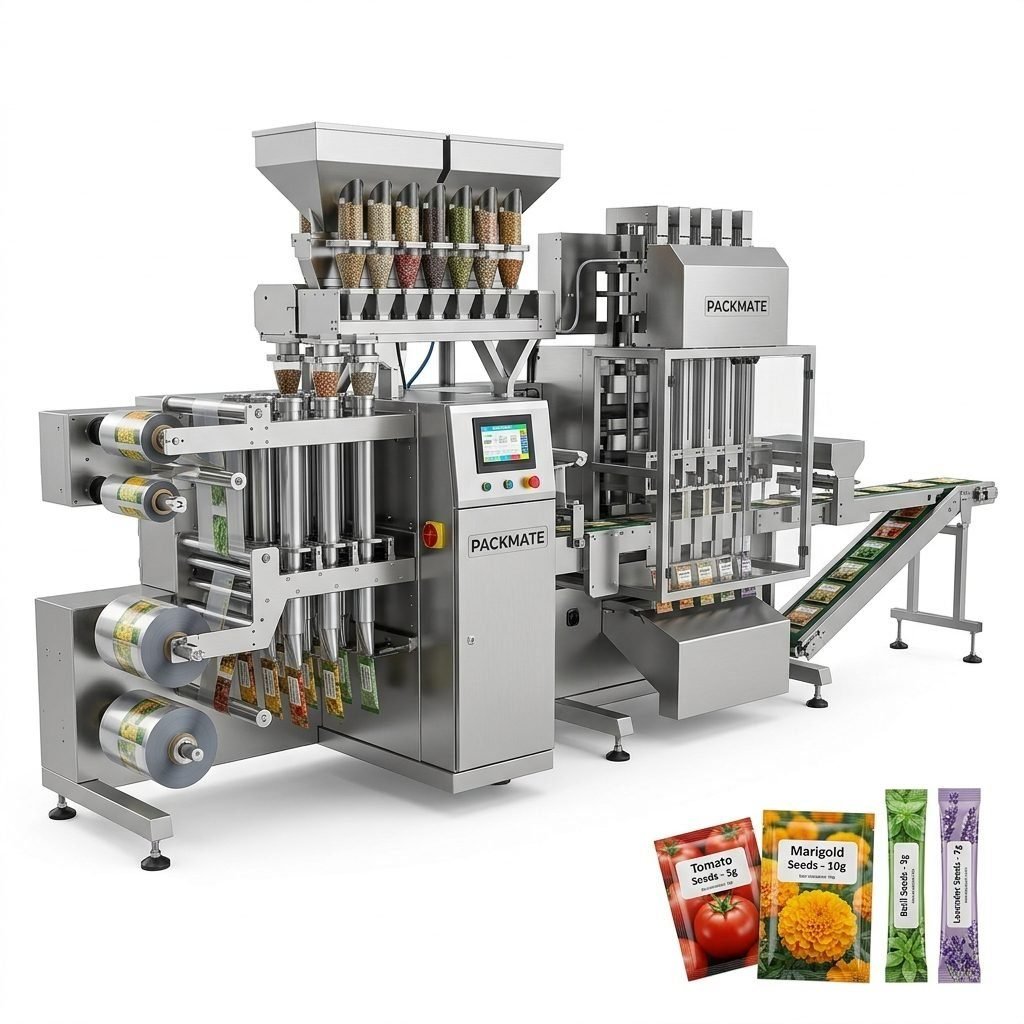
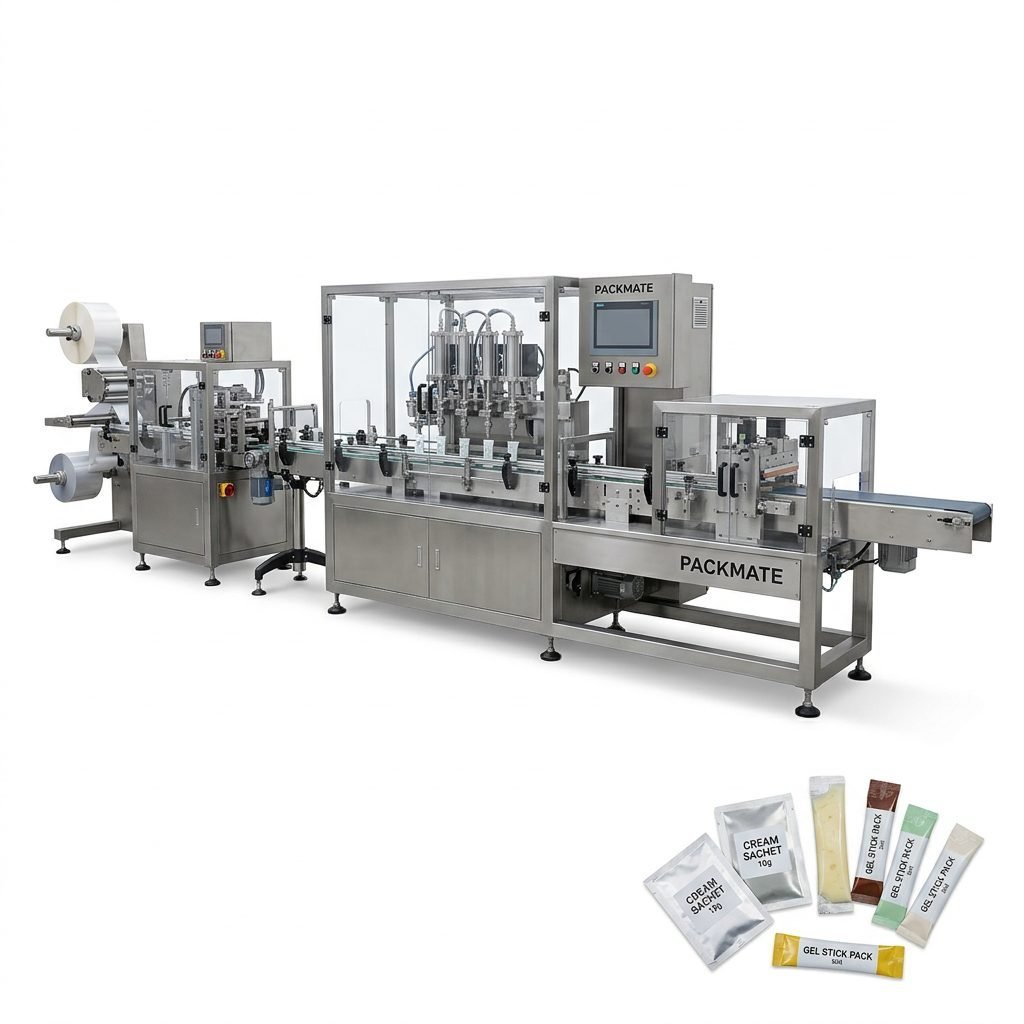
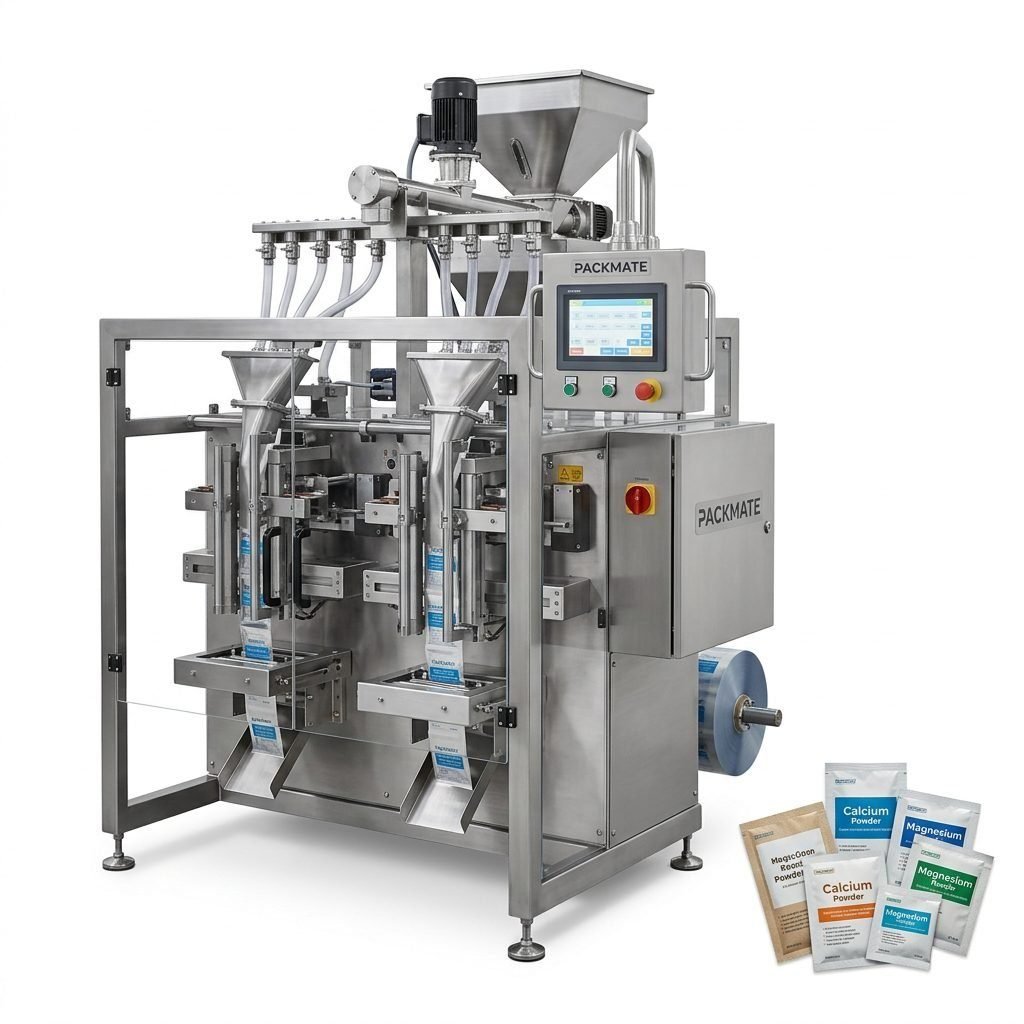
This is arguably the largest application area. Thermoformed trays, cups, clamshells, and blister packs are everywhere—from supermarket meat and cheese trays to takeaway containers and fruit punnets. The process allows for the use of food-safe, barrier-resistant plastics that extend shelf life. In-line systems are particularly dominant here, seamlessly forming, filling with product, and sealing packages. For specialized needs, such as sachet and stick pack machines, complementary technologies often work alongside thermoforming for portion-controlled items like condiments or drink mixes.
Pharmaceutical and Medical Packaging
Safety and sterility are non-negotiable. Thermoforming produces the ubiquitous blister packs that securely hold pills, providing excellent barrier properties against moisture and contamination. It also creates custom trays and “clamshells” for surgical instruments, medical devices, and diagnostic kits. The precision of the process ensures each cavity holds the product securely, which is critical for compliance and patient safety.
Consumer Goods and Electronics
Walk through any retail store, and you’ll see thermoforming at work. It creates the clear “blister” or “clamshell” packs that securely display batteries, tools, toys, and hardware while deterring theft. For electronics, custom-formed trays and inserts protect sensitive components during shipping and handling. The clarity of the plastic offers excellent product visibility, a key driver for impulse purchases.
Industrial and Specialty Packaging
Beyond retail, thermoforming creates heavy-duty shipping trays, product housings, and component holders for the automotive and aerospace industries. Its utility also extends to creating pods for coffee machines and specialized containers for the evolving snus and nicotine pouch market, where precise, hygienic, and user-friendly packaging is essential.
Advantages of Implementing Thermoforming Technology
Adopting thermoforming packaging solutions brings a host of benefits that directly impact the bottom line and brand perception.
Design Flexibility & Customization: Molds can be crafted into virtually any shape, size, or texture, allowing for unique packaging that reinforces brand identity.
Cost-Effectiveness for Medium-High Volumes: While the initial mold cost exists, the per-unit cost becomes very low at scale due to fast cycle times and efficient material use.
High-Speed Production: Modern roll-fed machines can produce thousands of packages per hour, meeting demanding production schedules.
Excellent Product Visibility & Protection: The use of clear plastics showcases the product while providing a robust barrier against dust, moisture, and damage.
Material Efficiency & Sustainability Options: The process generates minimal scrap (which is often recyclable), and there is a growing shift towards using recycled content or compostable bioplastics.
Key Considerations Before Investing
Selecting the right thermoforming machine requires careful analysis. First, define your production volume and required speed to choose between cut-sheet and roll-fed models. Next, analyze your product’s geometry and material needs—deep draws require plug-assist, while fine details need pressure forming. The initial investment covers not just the machine but also custom mold design and fabrication. Finally, consider the total cost of operation, including material costs, energy consumption, and maintenance. Partnering with an experienced manufacturer like Packmate, with over two decades of expertise, can provide invaluable guidance through this selection process and ensure a reliable, future-proof solution.
Frequently Asked Questions (FAQs)
What materials can be used in thermoforming packaging machines?
Common materials include PET (clear, strong, food-safe), PVC (versatile, cost-effective), PP (flexible, microwave-safe), PS (rigid, good for insulation), and APET. There is also a growing use of rPET (recycled) and PLA (compostable bioplastic). The choice depends on the required clarity, strength, barrier properties, and sustainability goals.
How does thermoforming differ from injection molding?
Thermoforming shapes a heated plastic sheet over a mold, ideal for thinner-walled, hollow packages like trays and blisters. Injection molding injects molten plastic into</strong a closed mold cavity, creating solid, thick-walled, highly precise parts like bottle caps or tool housings. Thermoforming generally has lower tooling costs and is faster for large-area parts.
What is the typical lead time for a custom thermoforming mold?
Lead time varies based on complexity. A simple single-cavity mold for prototyping might take 2-4 weeks. A multi-cavity, high-precision production mold for a complex design can take 8-12 weeks or more. It’s crucial to factor this into your project timeline when planning a new packaging launch.
Can thermoformed packaging be recycled?
Yes, many thermoformed plastics like PET, PP, and HDPE are widely recyclable. The key is using mono-materials (single polymer types) and ensuring clear labeling. The industry is actively moving towards designing for recyclability and incorporating post-consumer recycled (PCR) content to support a circular economy.
What maintenance does a thermoforming machine require?
Regular maintenance is vital for longevity and consistent output. This includes daily cleaning of heaters, platens, and trim areas; weekly lubrication of chains and guides; and periodic inspection/replacement of heating elements, seals, and cutting blades. Following the manufacturer’s maintenance schedule, such as those provided for professional packing machines, is essential to prevent unplanned downtime.