In the fast-paced world of manufacturing and logistics, protecting products during shipping is paramount. Foam packaging machines have become indispensable tools for businesses looking to safeguard their goods with custom-fit, protective foam inserts. These machines streamline the creation of foam cushions, clamshells, and other protective shapes, ensuring items arrive at their destination in pristine condition. This guide delves into the essential features, significant benefits, and key considerations for purchasing a top-tier foam packaging machine.
Core Features of Modern Foam Packaging Machines
Understanding the capabilities of these machines is the first step. Modern units are engineering marvels, designed for efficiency and precision.
Precision Cutting and Shaping
The heart of any foam packaging machine is its cutting system. Advanced models utilize computer-controlled hot wire or blade cutters that can produce incredibly accurate and complex shapes from blocks of foam. This allows for perfect conformity to the product, eliminating movement within the box.
Versatile Material Compatibility
Top machines are not limited to one type of foam. They can efficiently process various materials, including polyethylene (PE), polyurethane (PU), and anti-static foams. This flexibility is crucial for industries ranging from electronics to pharmaceuticals, where different protective properties are required.
Another critical feature is the user-friendly software interface. Operators can easily design packaging profiles on a connected computer, upload CAD files, or even use a 3D scanner to replicate an object’s shape, making the setup for custom packaging remarkably swift.
Tangible Benefits for Your Business
Investing in a foam-in-place or foam fabrication machine goes beyond just creating packaging; it transforms operational efficiency.
First and foremost, it leads to significant material savings. By creating foam that fits the product exactly, you use the minimum amount of material necessary, reducing waste and lowering ongoing supply costs. This precision also translates into reduced shipping costs by minimizing package size and weight.
Furthermore, automated foam packaging enhances workplace safety and productivity. It eliminates the manual labor of cutting and shaping foam with knives, reducing the risk of injury. The speed of automated systems also allows for a much higher output, crucial for meeting tight deadlines and scaling production. For businesses focused on sustainability, many modern machines can work with recyclable foam materials, helping to improve your company’s environmental footprint. Companies like Packmate Machinery have built their reputation on integrating such efficient and sustainable technologies into their packaging solutions.
Your Comprehensive Buying Guide
Selecting the right machine requires careful evaluation of your specific needs. Here’s a structured approach to guide your decision.
1. Assess Your Production Requirements
Begin by analyzing your daily volume, product size variability, and required speed. A high-volume electronics manufacturer will need a different machine than a boutique furniture shipper. Consider both your current needs and projected growth.
2. Understand the Different Machine Types
- Foam-in-Place (FIP) Systems: These machines create foam cushions on demand by mixing and dispensing liquid chemicals that expand into foam around the product. Ideal for high-volume operations with diverse product sizes.
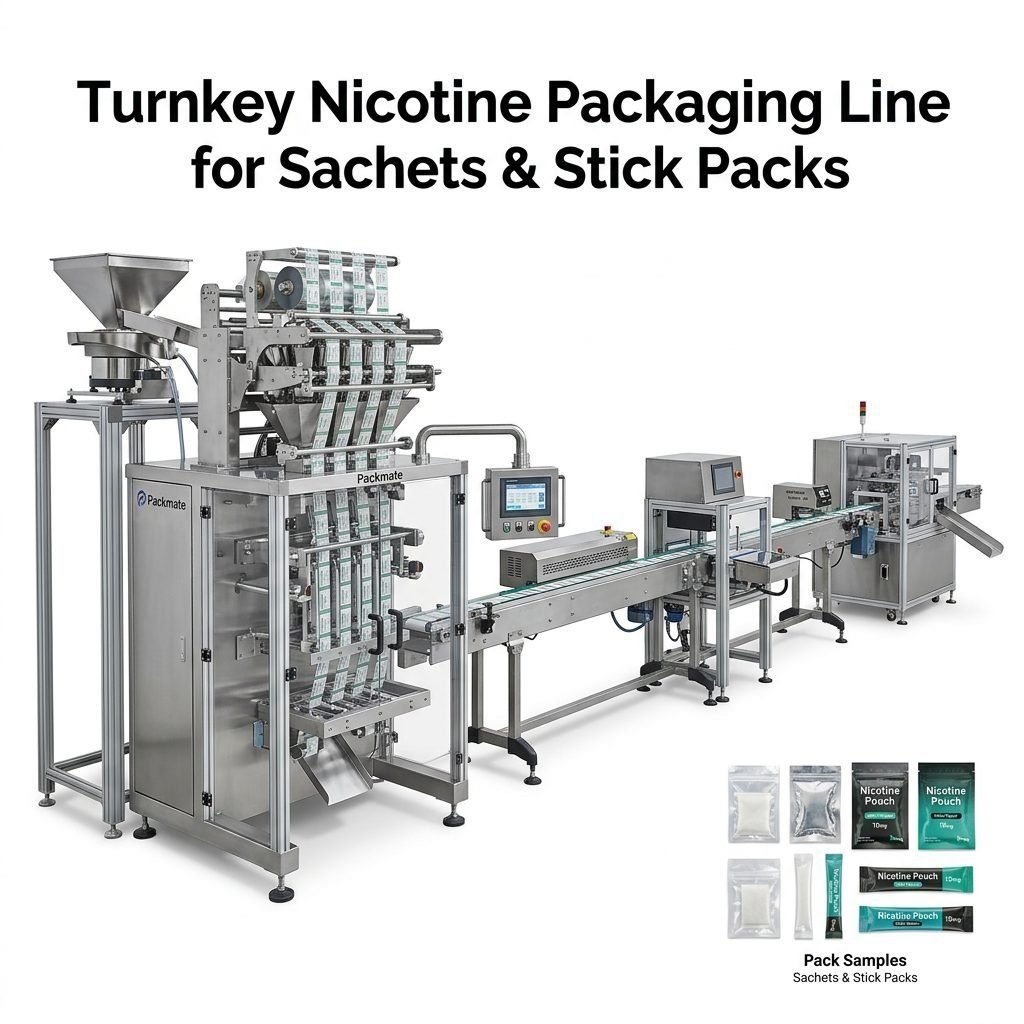
- Foam Fabrication/Cutting Machines: These cut pre-formed foam blocks into precise shapes. They are perfect for creating consistent, custom inserts for repeated product runs, such as for sachet and stick pack machines or delicate instruments.
3. Evaluate Key Specifications
Look closely at technical details: cutting area dimensions, accuracy (tolerance), cycle time, and power requirements. The machine must physically accommodate the size of foam blocks you plan to use and integrate into your factory’s power and space infrastructure.
4. Prioritize Supplier Support and Reputation
This may be the most critical step. Choose a manufacturer with a proven track record of quality and reliability. Investigate their after-sales service, availability of spare parts, warranty terms, and technical support. A machine is a long-term investment; the supplier should be a long-term partner. The decades of expertise behind brands like Packmate, detailed in their company profile, exemplify the stability and support a quality supplier provides.
Frequently Asked Questions (FAQ)
What types of foam can these machines process?
Most high-quality foam packaging machines are designed to handle common protective foams like Polyethylene (PE), Polyurethane (PU), and Cross-linked Polyethylene (IXPE). Always confirm material compatibility with the machine manufacturer for your specific foam type.
How much space is required for a foam packaging machine?
Space requirements vary significantly. Compact table-top fabricators might need only a few square meters, while large automated FIP systems with conveyors require substantial factory floor space. Review the machine’s footprint and required operational clearance in the specifications.
What is the typical maintenance required?
Regular maintenance includes cleaning cutting wires or blades, ensuring moving parts are lubricated, and checking electrical and pneumatic systems. FIP systems require careful maintenance of chemical dispensing components. Adhering to the manufacturer’s maintenance schedule is crucial for longevity.
Can the machine create packaging for multiple different products easily?
Yes, especially with CNC-based fabricators or FIP systems. Changing the packaging design is typically a software operation—loading a new cutting file or adjusting dispenser settings. This makes short runs and product changeovers highly efficient.
Is operator training provided by the supplier?
Reputable suppliers almost always include comprehensive operator and maintenance training as part of the purchase. This is essential for safe operation and achieving optimal machine performance from day one. Ensure training is clearly outlined in your purchase agreement.