Selecting the right pet food packaging machine is a critical decision for manufacturers aiming to ensure product freshness, meet market demands, and optimize production efficiency. This guide delves into the various types of machines available, their key features, and essential buying considerations to help you make an informed investment.
Types of Pet Food Packaging Machines
The packaging landscape for pet food is diverse, catering to different product forms—dry kibble, wet food, treats, and supplements. The primary machine types include:
Vertical Form-Fill-Seal (VFFS) Machines
These are the workhorses for dry pet food packaging. They form bags from a roll of film, fill them with product, and seal them in a continuous operation. Ideal for creating pillow bags or gusseted bags for kibble.
Horizontal Form-Fill-Seal (HFFS) Machines
Better suited for pre-formed trays or pouches, often used for wet pet food, semi-moist treats, or liquid supplements. They provide a sleek, market-ready appearance.
Pre-Made Pouch Packaging Machines
These machines handle stand-up pouches (SUPs) or flat pouches that are already manufactured. They open, fill, and seal the pouches, offering high flexibility for premium product lines and complex graphics.
Weighing and Filling Systems
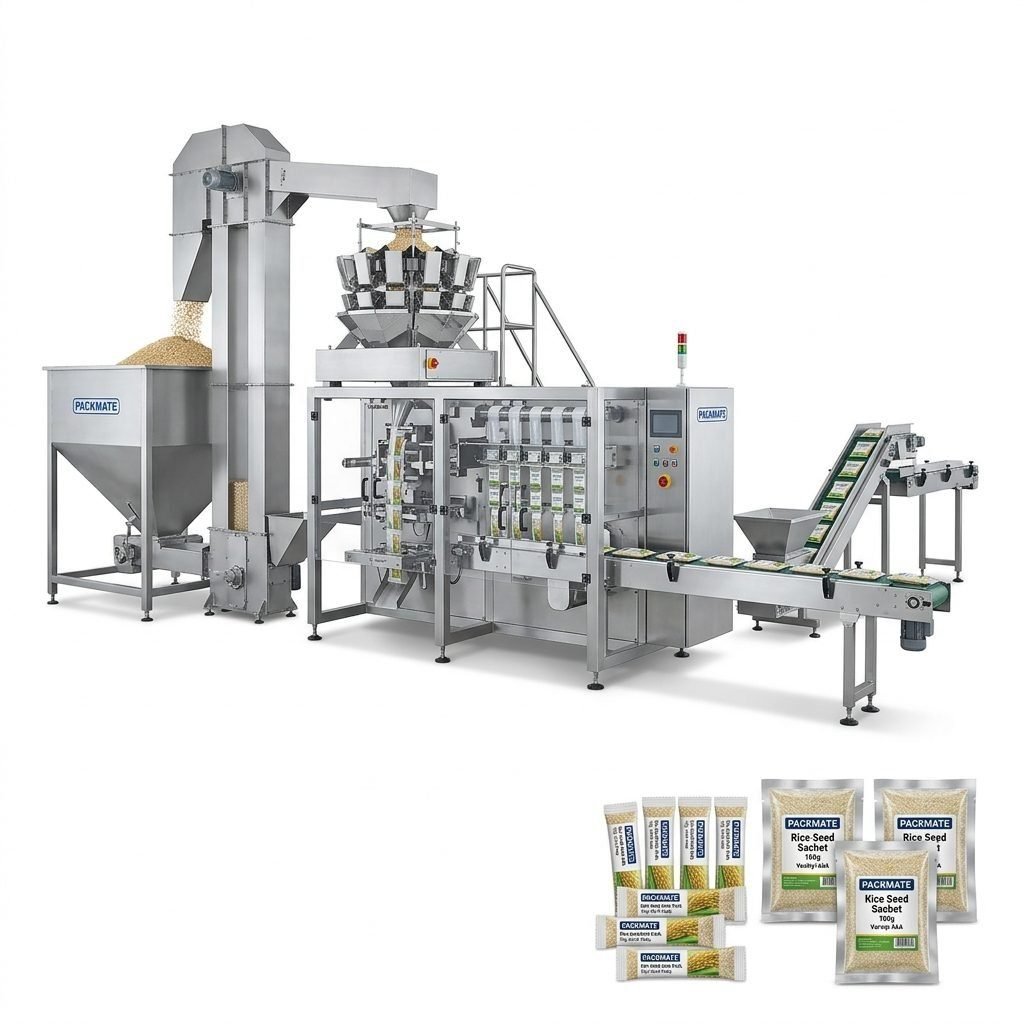
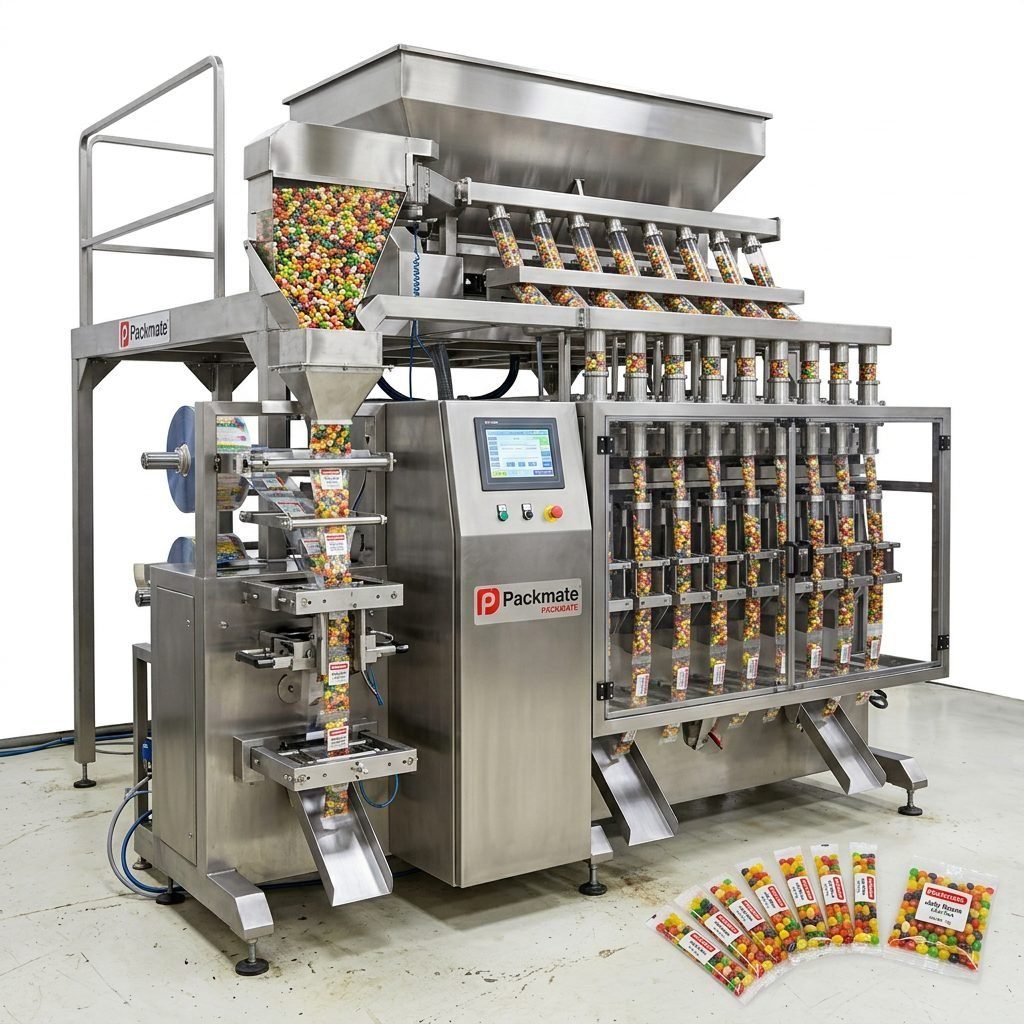
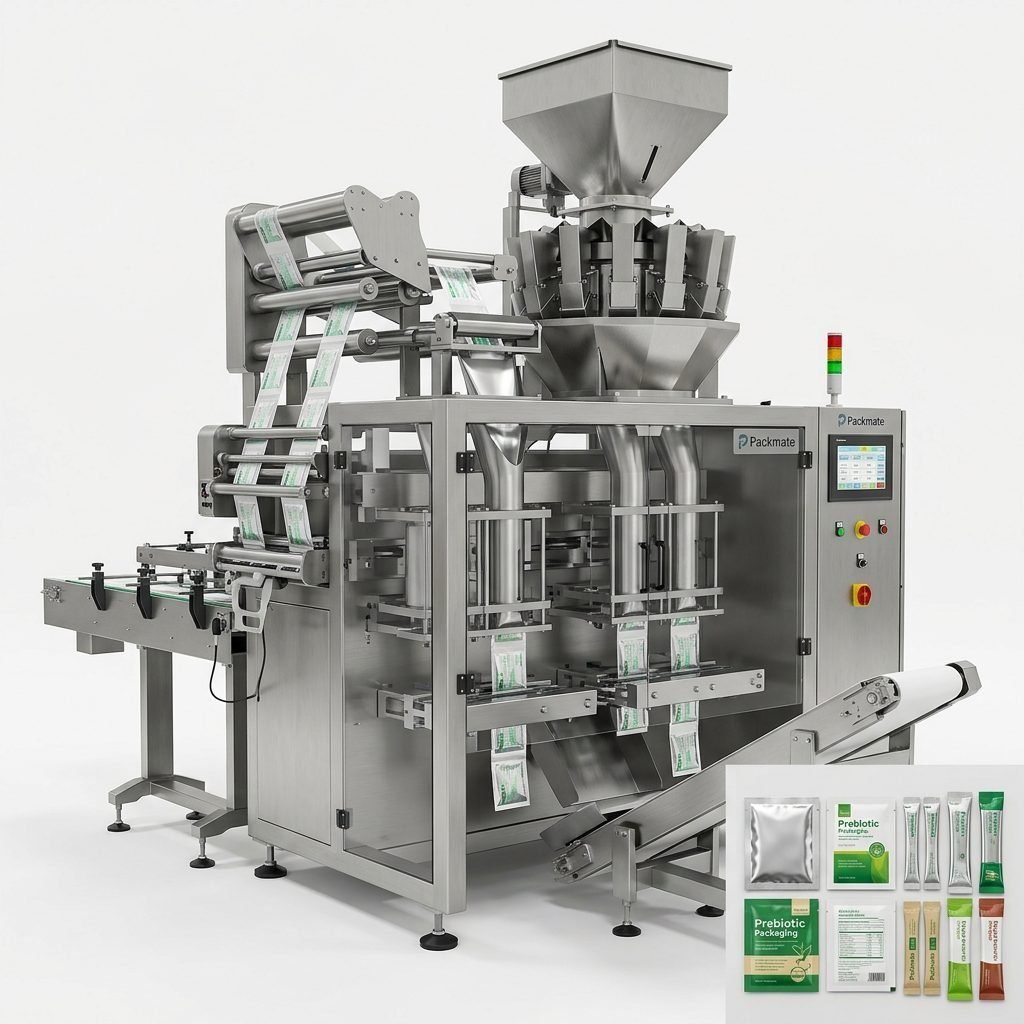
Critical for ensuring accurate weight control. Systems range from simple auger fillers for powders to multi-head weighers for high-speed, precise filling of dry kibble into bags. Often integrated with VFFS machines for a complete line.
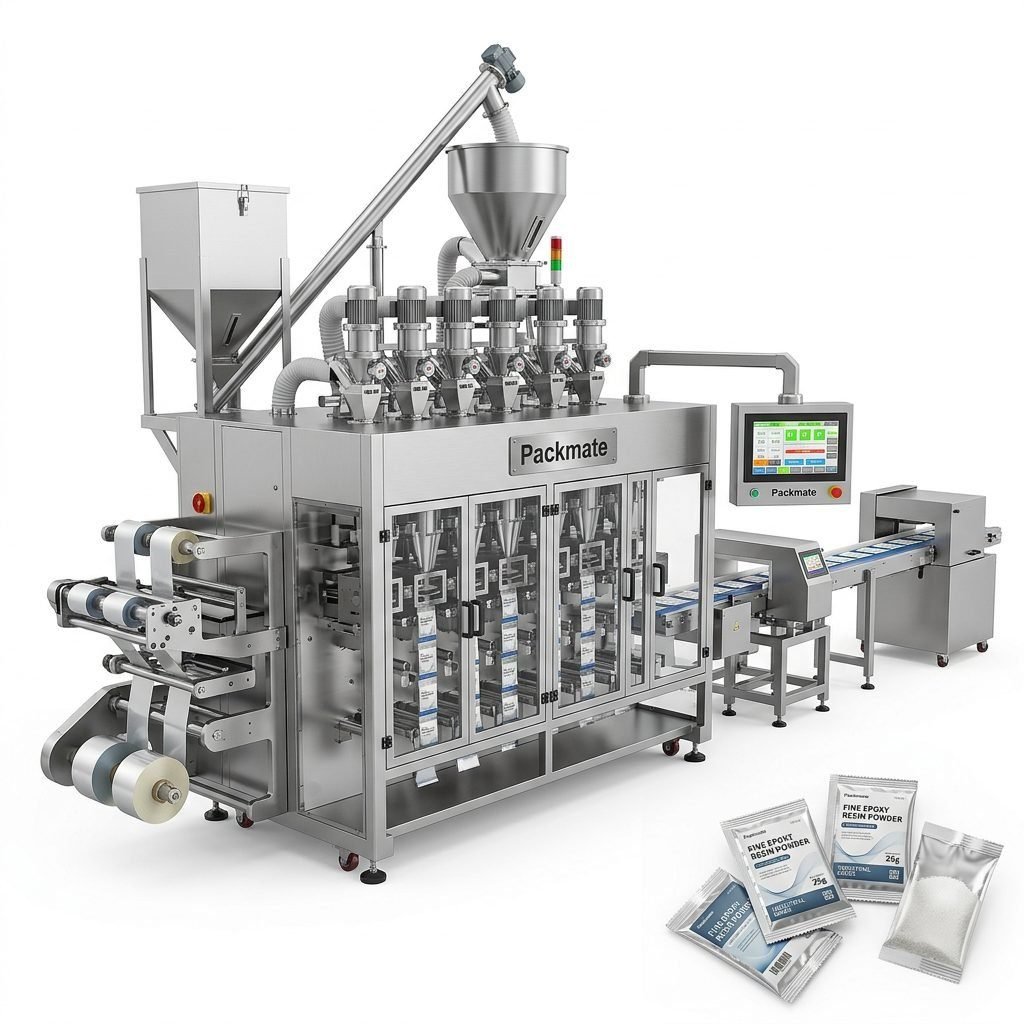
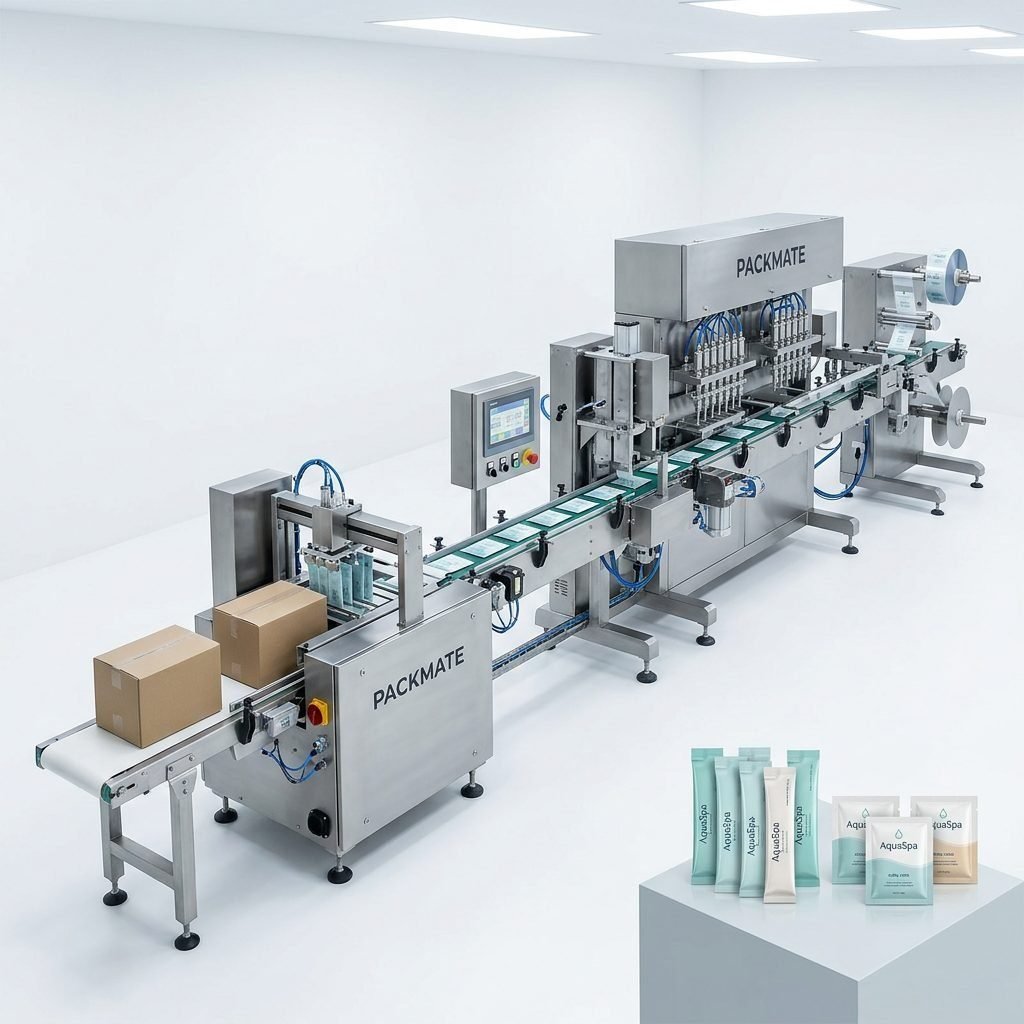
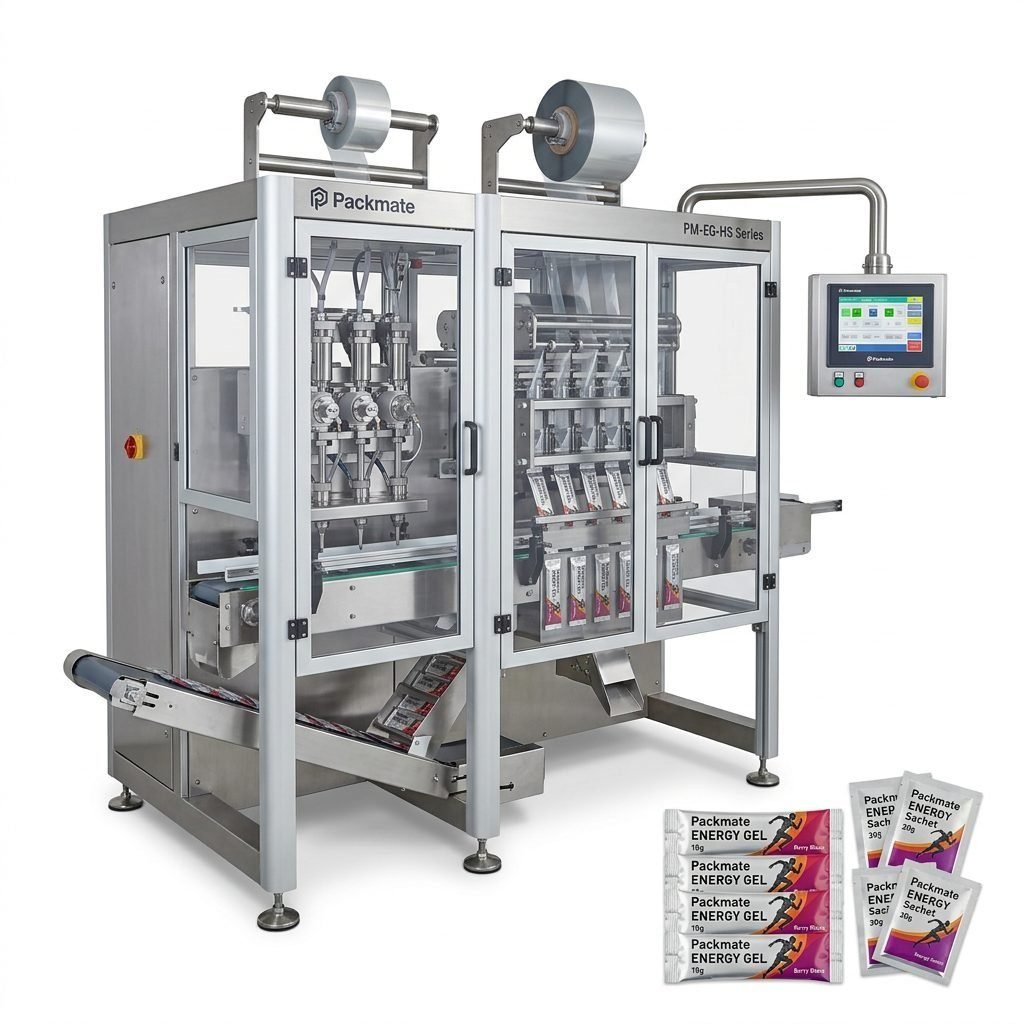
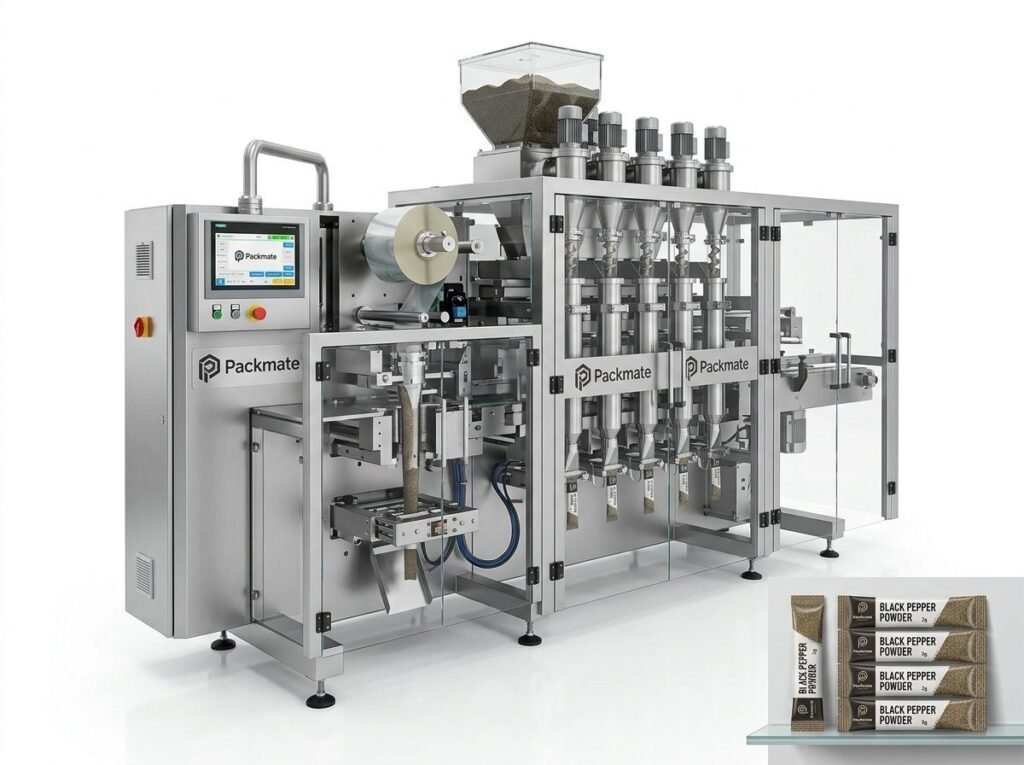
For specialized needs like small-portion packaging for treats or supplements, sachet and stick pack machines offer excellent solutions. Meanwhile, for larger bulk bags, bag and pouch packaging machines are the go-to choice.
Key Features to Look For
Beyond the basic type, several features determine a machine’s performance, reliability, and suitability for your plant.
1. Production Speed and Output
Machines are rated by bags-per-minute (BPM). Align the machine’s speed with your current and projected production volumes to avoid bottlenecks or underutilized capital.
2. Flexibility and Changeover
Can the machine handle different bag sizes, film types, or products with minimal downtime? Quick-change parts and user-friendly controls are vital for manufacturers running multiple SKUs.
3. Precision and Accuracy
Consistent fill weight is non-negotiable for cost control and regulatory compliance. Look for machines with high-precision scales and feedback systems to minimize giveaway.
4. Hygiene and Cleanability
Pet food production demands high hygiene standards. Machines should have smooth, accessible surfaces, be made of food-grade materials like stainless steel, and allow for easy cleaning without tools.
5. Integration and Automation
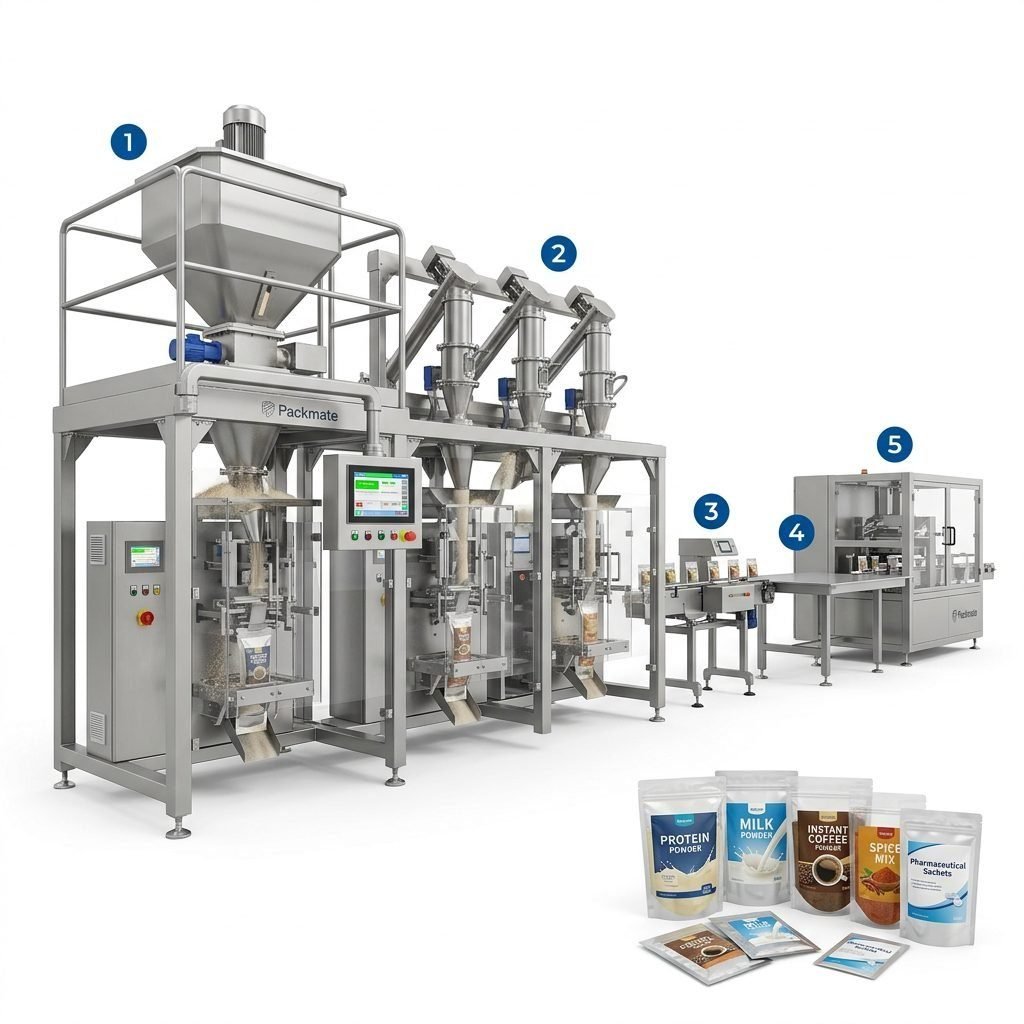
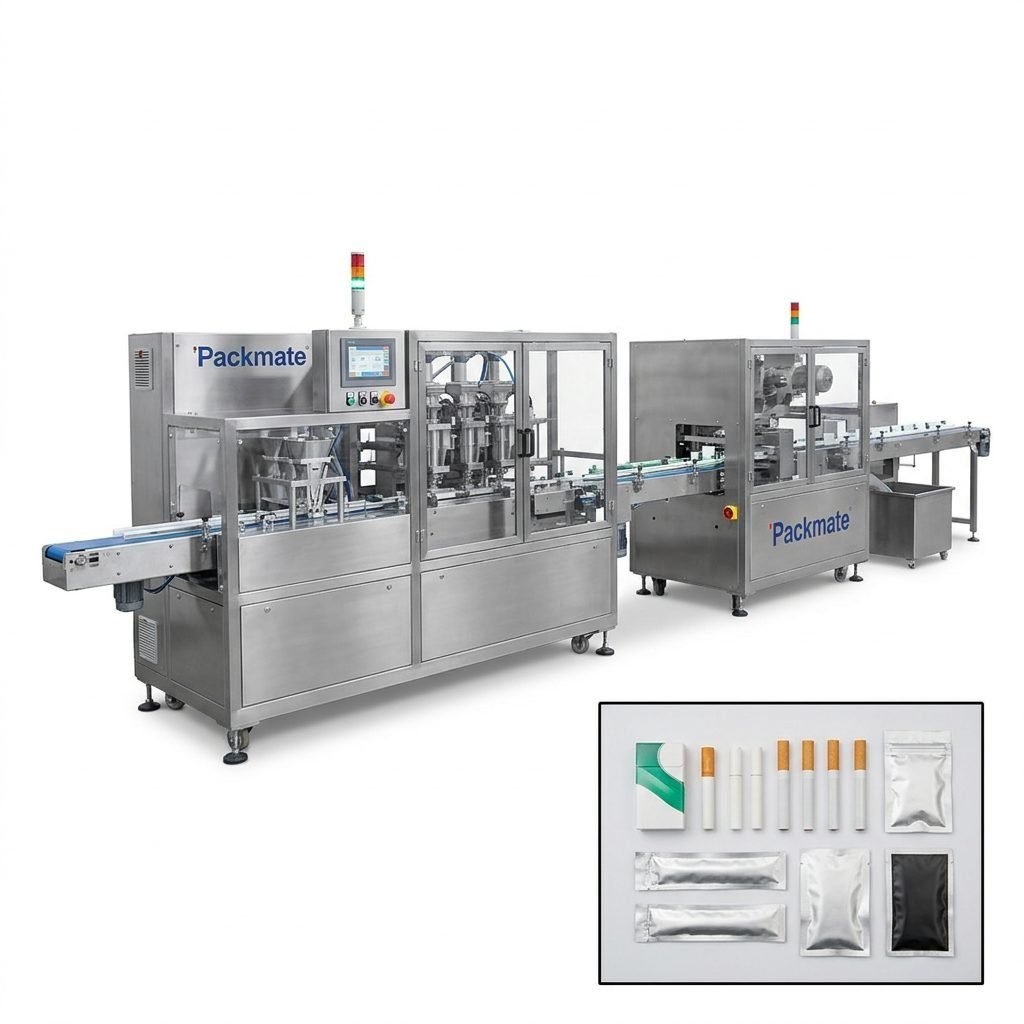
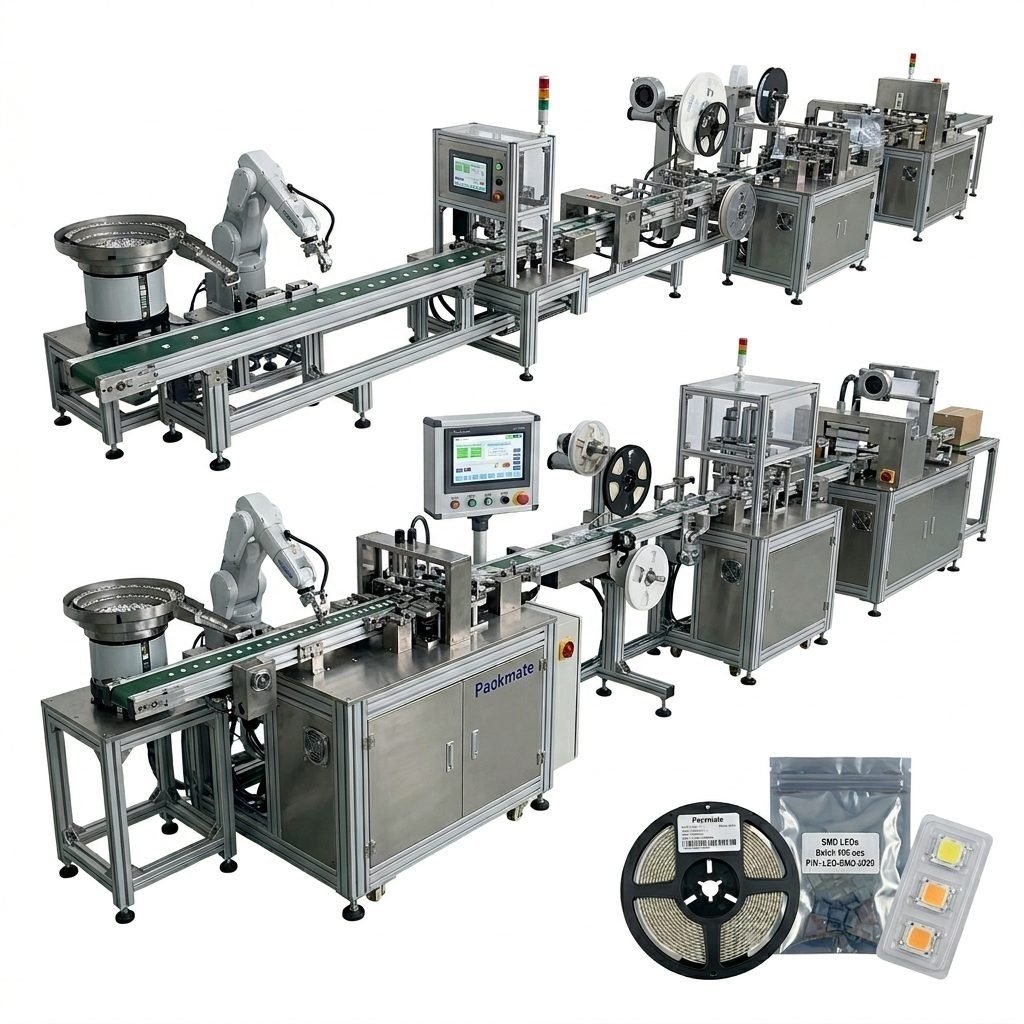
Modern lines integrate checkweighers, metal detectors, coders, and robotic palletizers. Choosing a machine that can seamlessly connect with auxiliary packaging equipment future-proofs your operation.
6. Durability and Build Quality
Invest in robust construction. A machine from a reputable manufacturer like Packmate Machinery, with over 30 years of expertise, is built to withstand 24/7 operation, reducing long-term maintenance costs and downtime.
Essential Buying Tips
Navigating the purchase process requires careful planning. Here’s a step-by-step approach.
Step 1: Define Your Requirements
Start with a clear list: product type, target bag size/format, required output (kg/hour or bags/day), available floor space, and budget. This narrows down your search significantly.
Step 2: Research and Shortlist Suppliers
Look for manufacturers with proven experience in the pet food sector. Review their case studies and client testimonials. A supplier’s history matters; for instance, Packmate’s journey from a small workshop in 1993 to a modern 20,000㎡ facility demonstrates a commitment to growth and innovation.
Step 3: Request a Live Demo or Trial
Never buy based on specifications alone. Insist on running your actual product (or a close substitute) on the machine. This tests speed, accuracy, film compatibility, and ease of operation firsthand.
Step 4: Evaluate Total Cost of Ownership (TCO)
Look beyond the initial price. Factor in costs for spare parts, preventive maintenance, energy consumption, and potential future upgrades. A slightly higher upfront cost for a more reliable and efficient machine often leads to lower TCO.
Step 5: Scrutinize After-Sales Support
Reliable technical support, availability of spare parts, and comprehensive training are crucial. Ensure the supplier offers clear warranties and has a responsive service team, possibly highlighted on their service page.
Step 6: Plan for Integration
Consider how the new machine will fit into your existing line. Discuss integration requirements with the supplier early on. For complex projects, consider partnering with a supplier capable of providing complete turnkey packaging solutions.