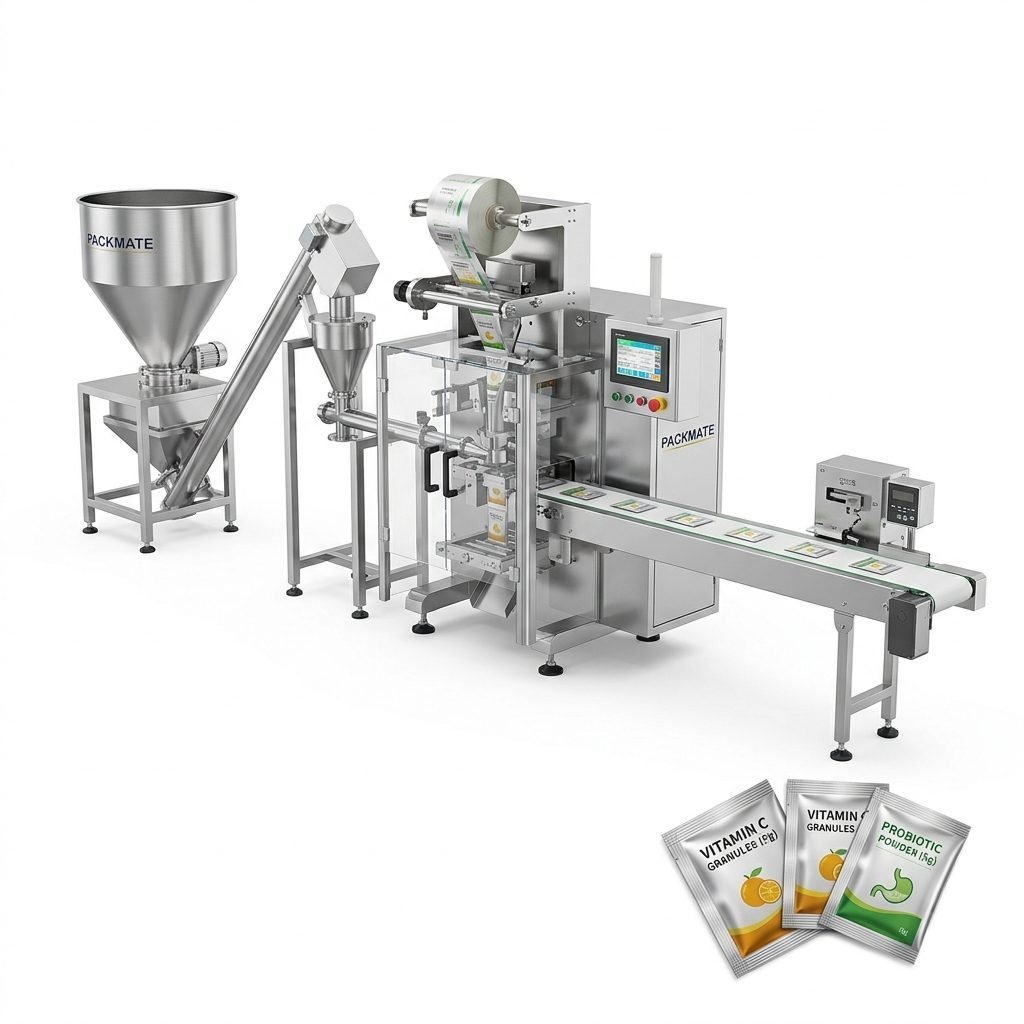
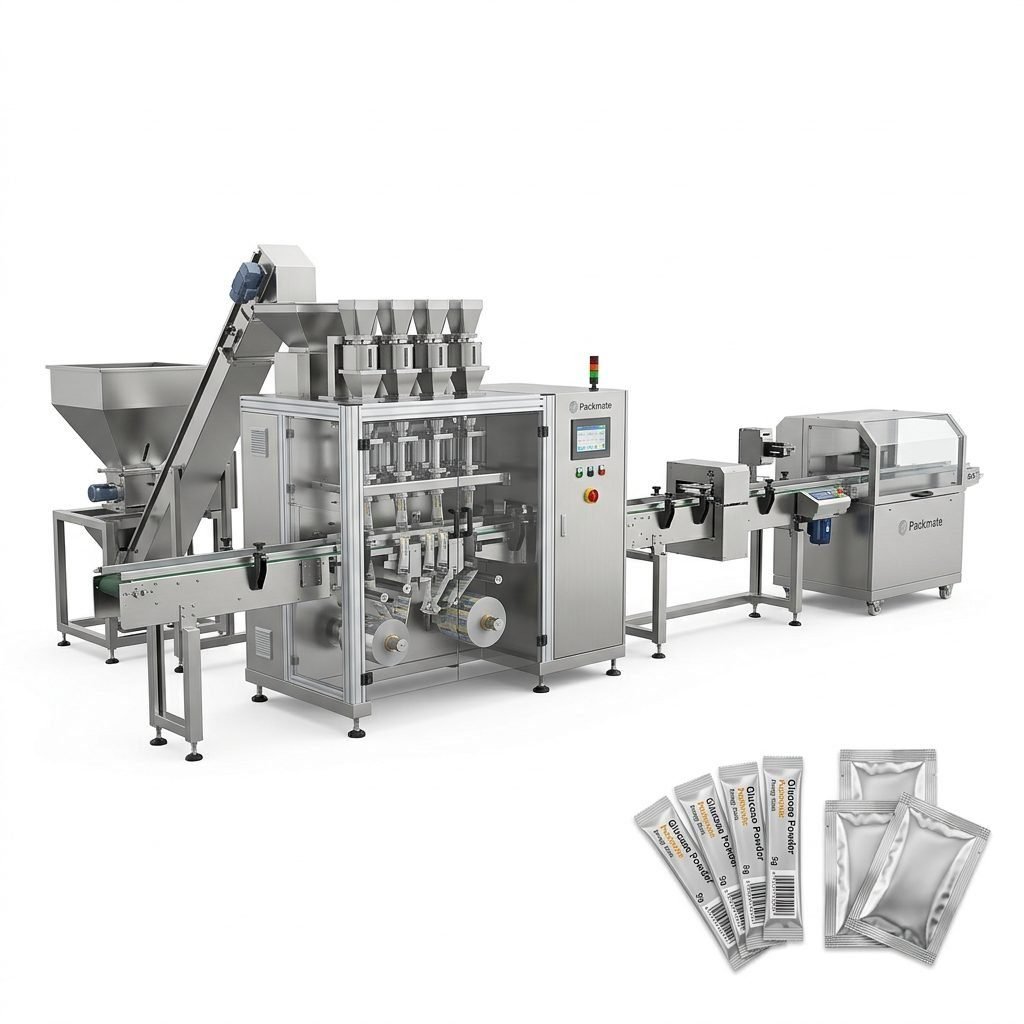
In the fast-paced world of manufacturing, efficiency and reliability are paramount. Bag packaging machines stand as the backbone of countless industries, automating the process of filling, sealing, and preparing products for distribution. Whether you’re in food, pharmaceuticals, health products, or any sector dealing with granules, powders, or liquids, the right packaging machine is a critical investment. This guide delves into the various types of bag packaging machines and provides essential buying tips to help you make an informed decision for your business.
Understanding Bag Packaging Machines
A bag packaging machine automates the process of placing a product into a bag or pouch and sealing it. This can range from simple single-lane machines to complex, fully integrated production lines. The core benefits include increased production speed, consistent package quality, reduced labor costs, and minimized product waste. For businesses looking to scale, automation is not just an option; it’s a necessity for staying competitive.
Key Industries Served
These machines are versatile. The food industry uses them for snacks, spices, and tea. Pharmaceutical companies rely on them for precise dosing of powders and granules. The health and wellness sector packages supplements, protein powders, and herbal products. Essentially, any industry that requires hygienic, accurate, and efficient portioning into bags can benefit.
Primary Types of Bag Packaging Machines
Choosing the right type depends on your product, production volume, and packaging format. Here’s a breakdown of the most common categories.
1. Vertical Form-Fill-Seal (VFFS) Machines
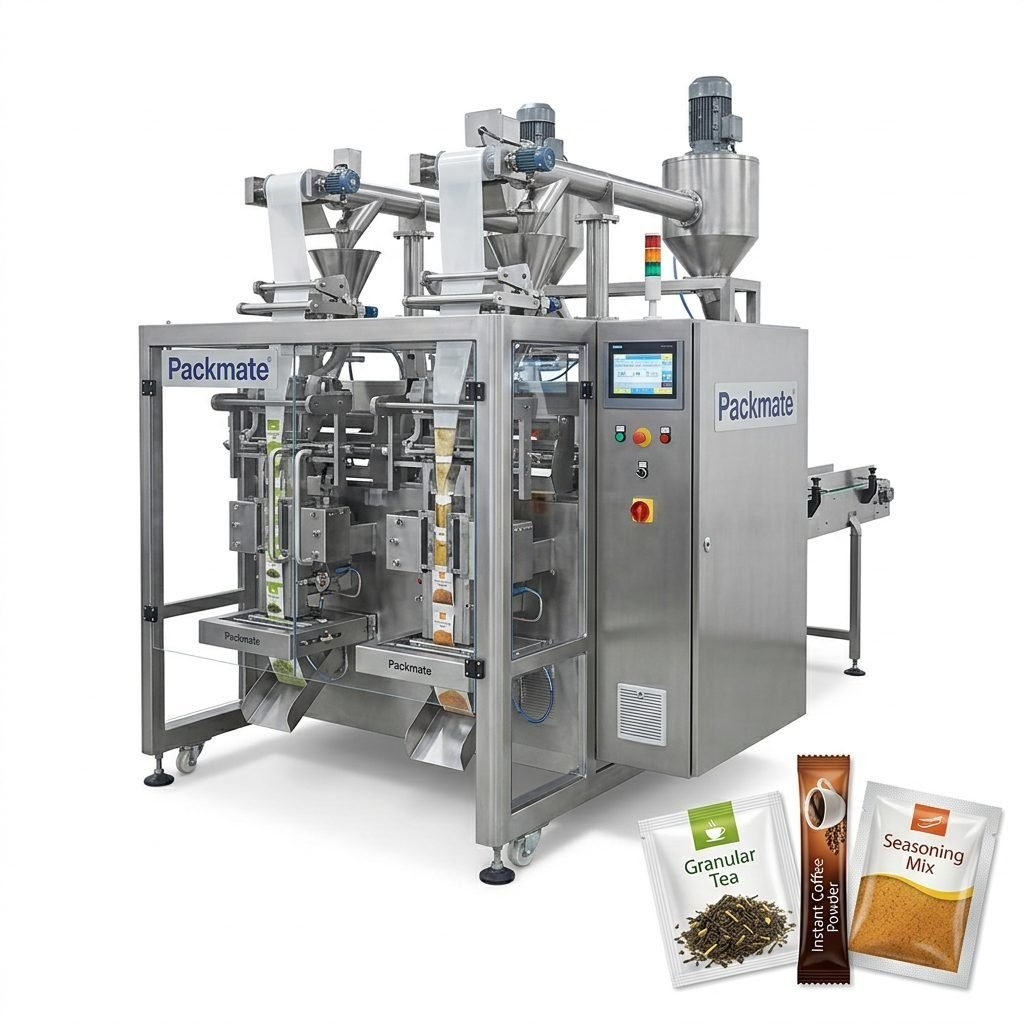
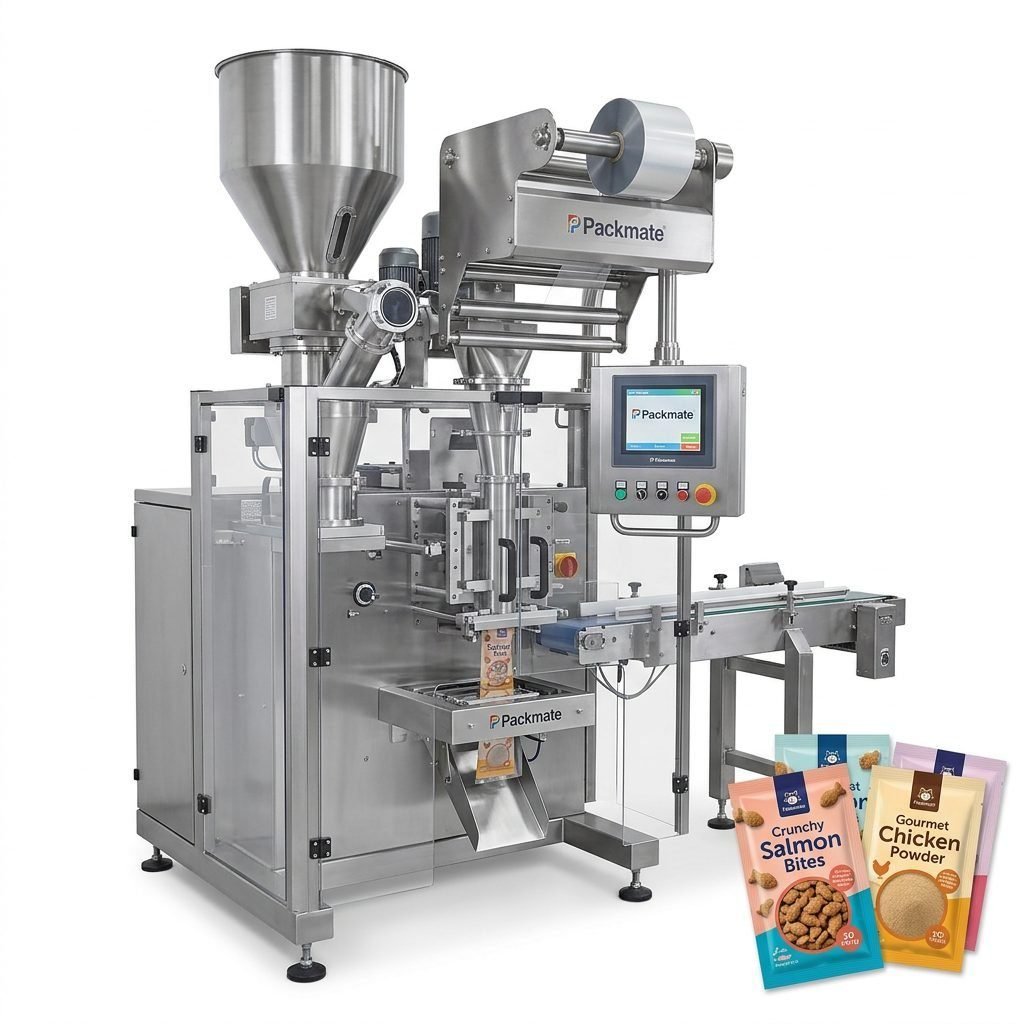
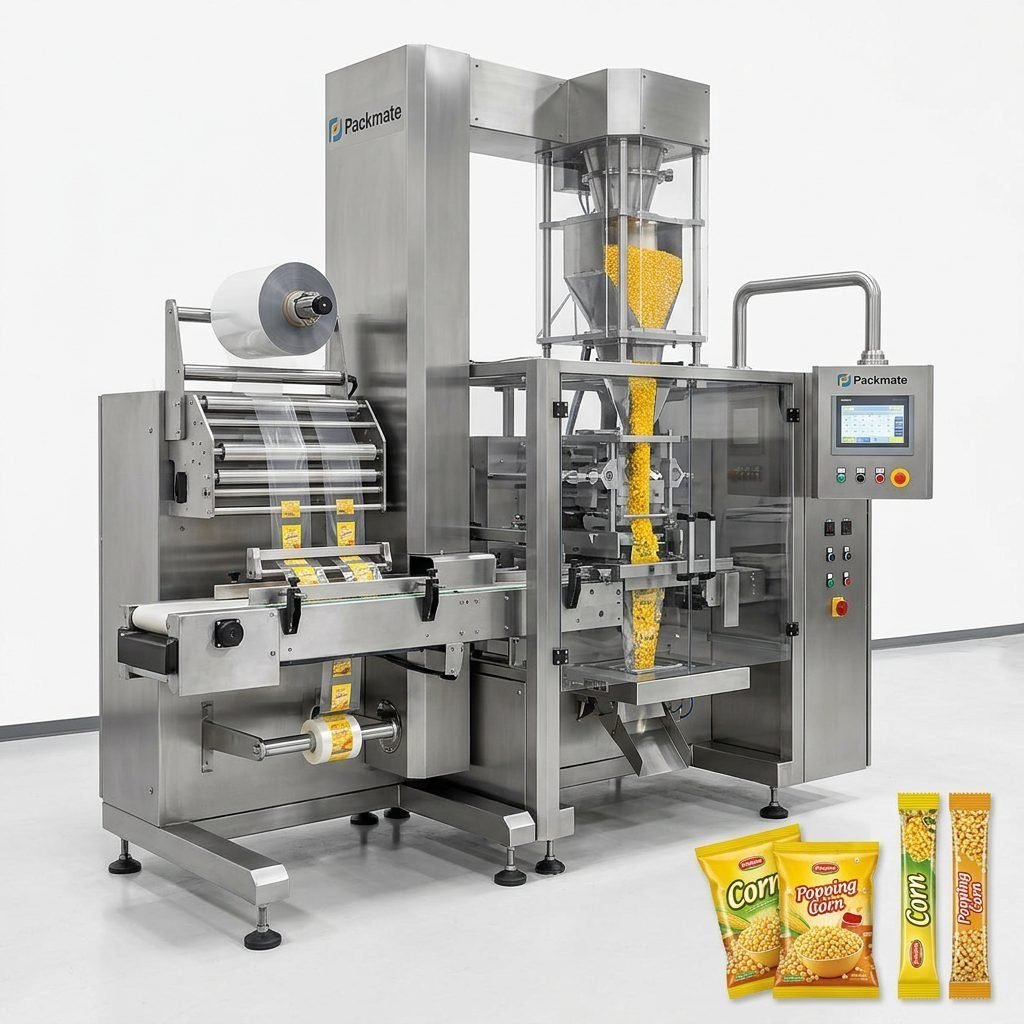
VFFS machines are among the most common. They form a bag from a roll of flat film, fill it with product, and then seal it—all in a continuous vertical motion. They are ideal for free-flowing products like snacks, grains, and hardware components. Their compact footprint and high-speed capabilities make them a favorite for high-volume production lines.
2. Horizontal Form-Fill-Seal (HFFS) Machines
In contrast, HFFS machines form bags on a horizontal plane. They are often used for more delicate, non-free-flowing, or irregularly shaped items that might be damaged in a vertical drop. This type is excellent for biscuits, chocolate bars, medical devices, and tools.
3. Pre-Made Pouch Packaging Machines
These machines use pre-manufactured, flat-bottomed pouches or stand-up bags. They open the pouch, fill it, and then seal it. This method is perfect for products requiring a premium look or specific bag structures that are difficult to form from roll stock. They are widely used for coffee, pet food, and liquid products in spouted pouches.
4. Specialized Machines: Sachet & Stick Pack Machines
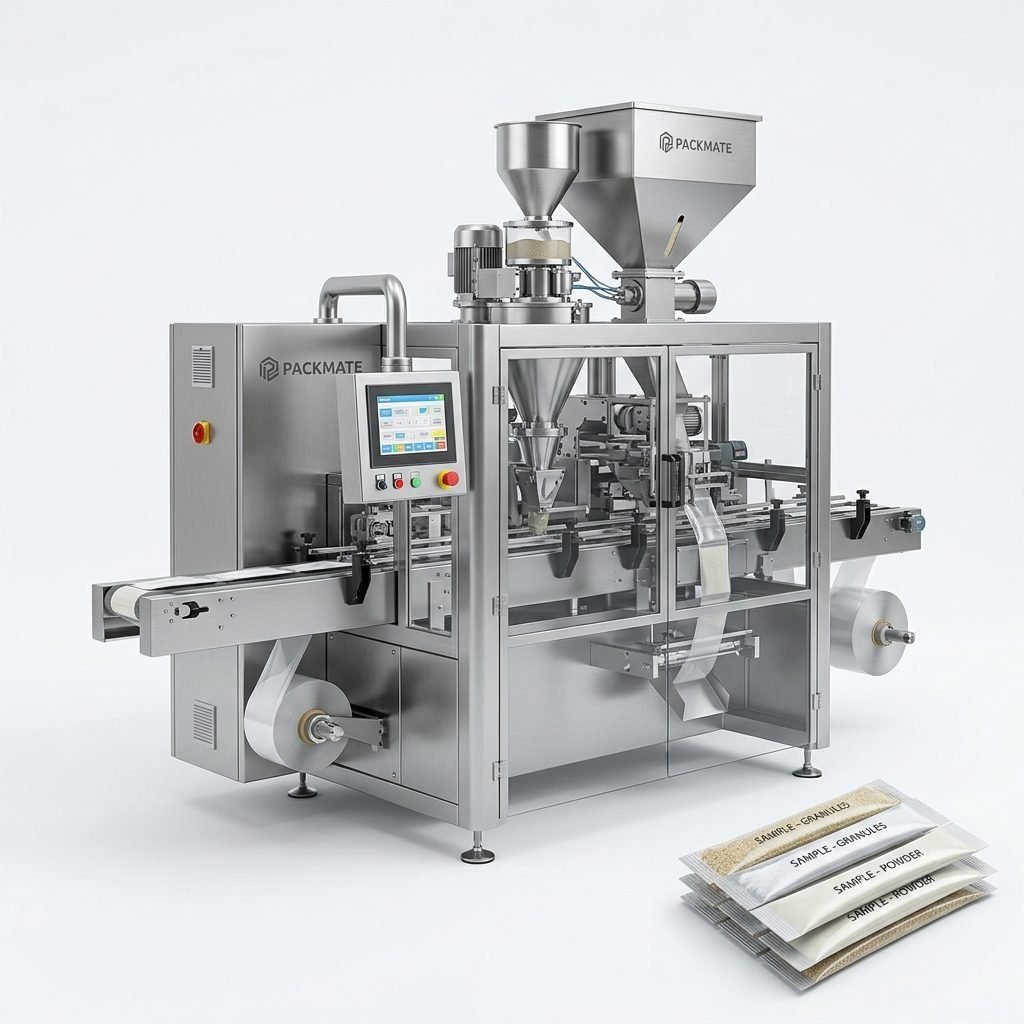
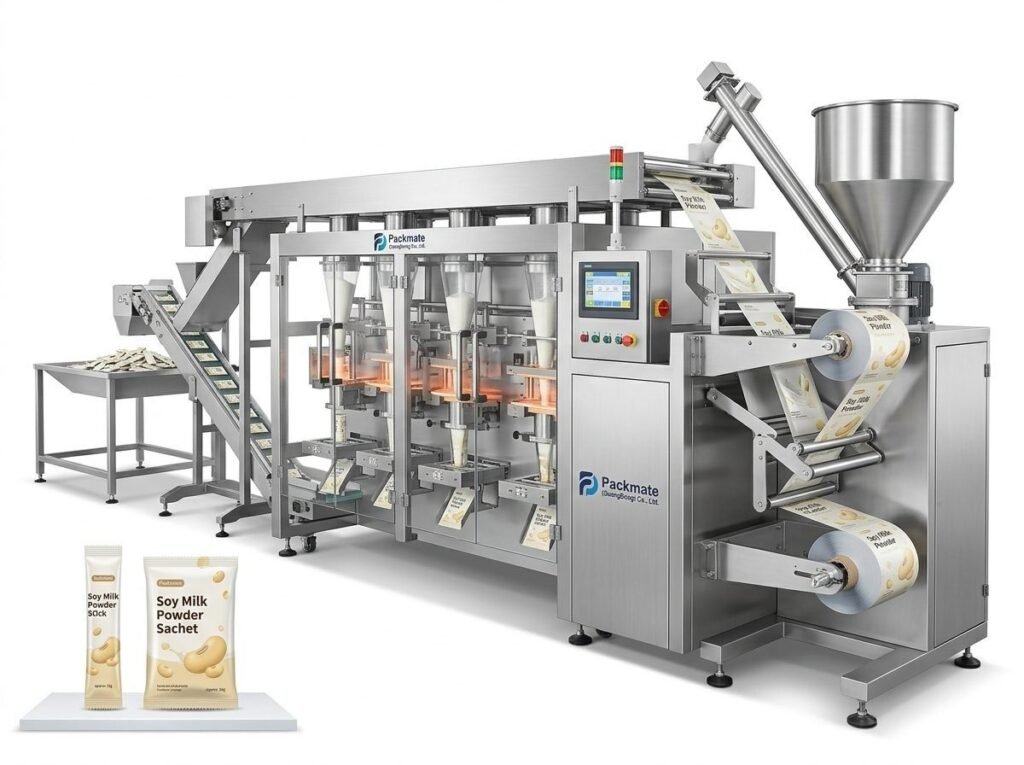
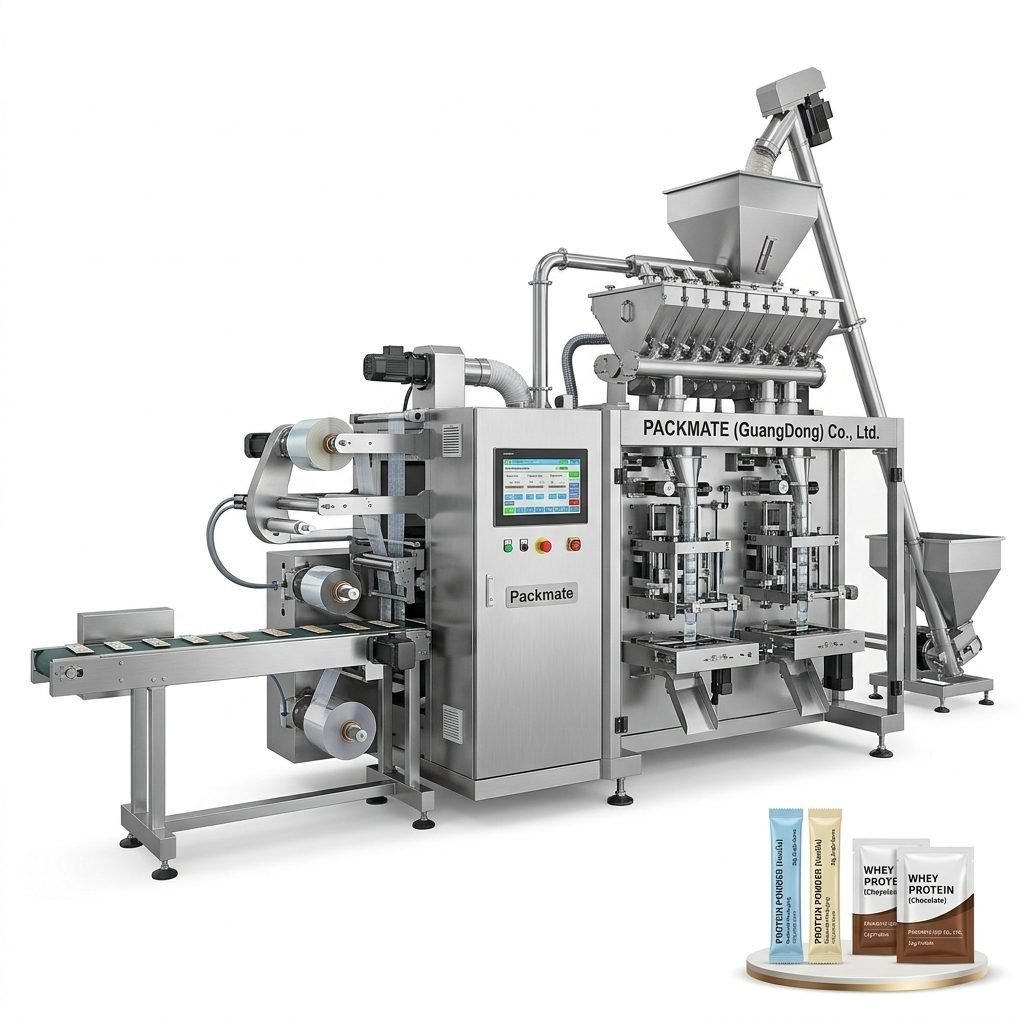
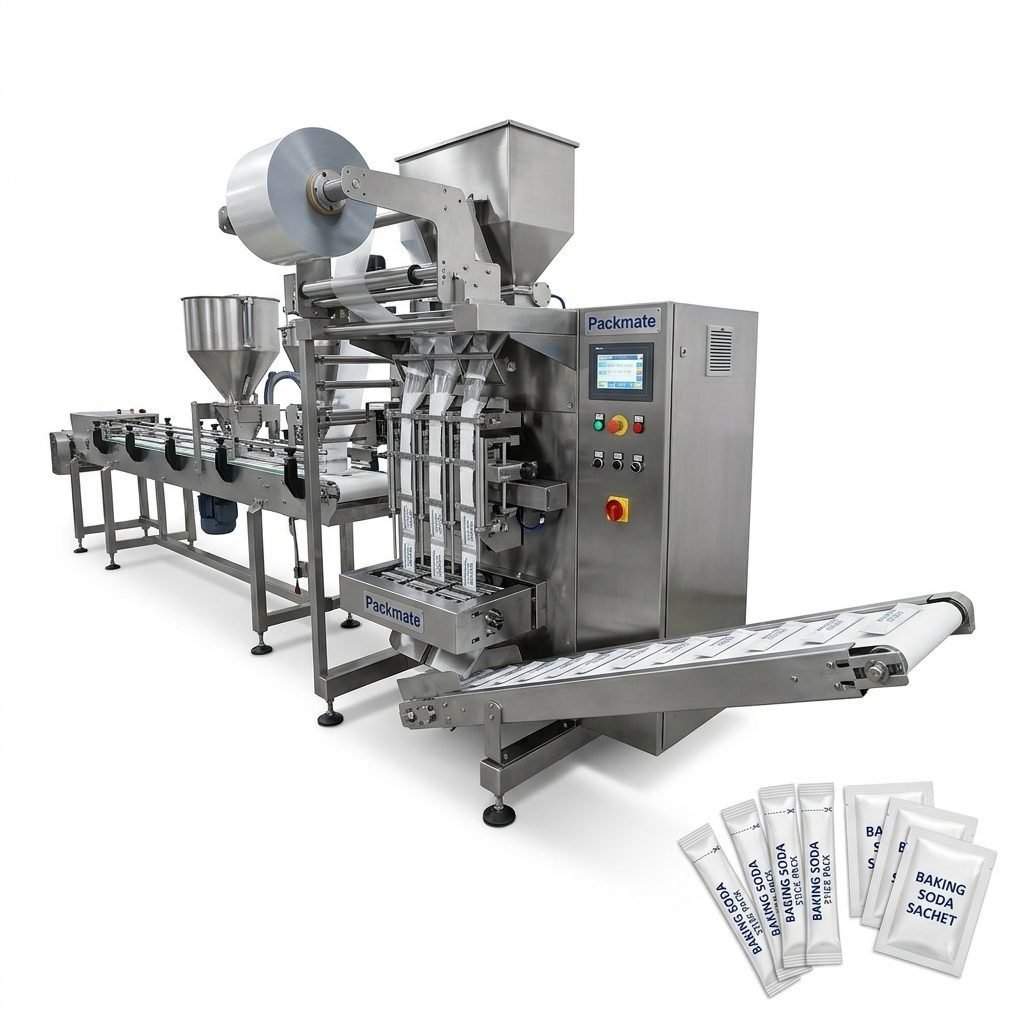
For small, unit-dose packaging, sachet and stick pack machines are indispensable. They create small, sealed packets perfect for sauces, sugar, instant coffee, pharmaceutical powders, and supplements. Modern multi-lane versions can produce dozens of sachets per minute, offering incredible efficiency for small-portion packaging. Companies like Packmate Machinery have developed advanced multi-lane solutions that cater to high-demand markets.
5. Weighing and Filling Systems
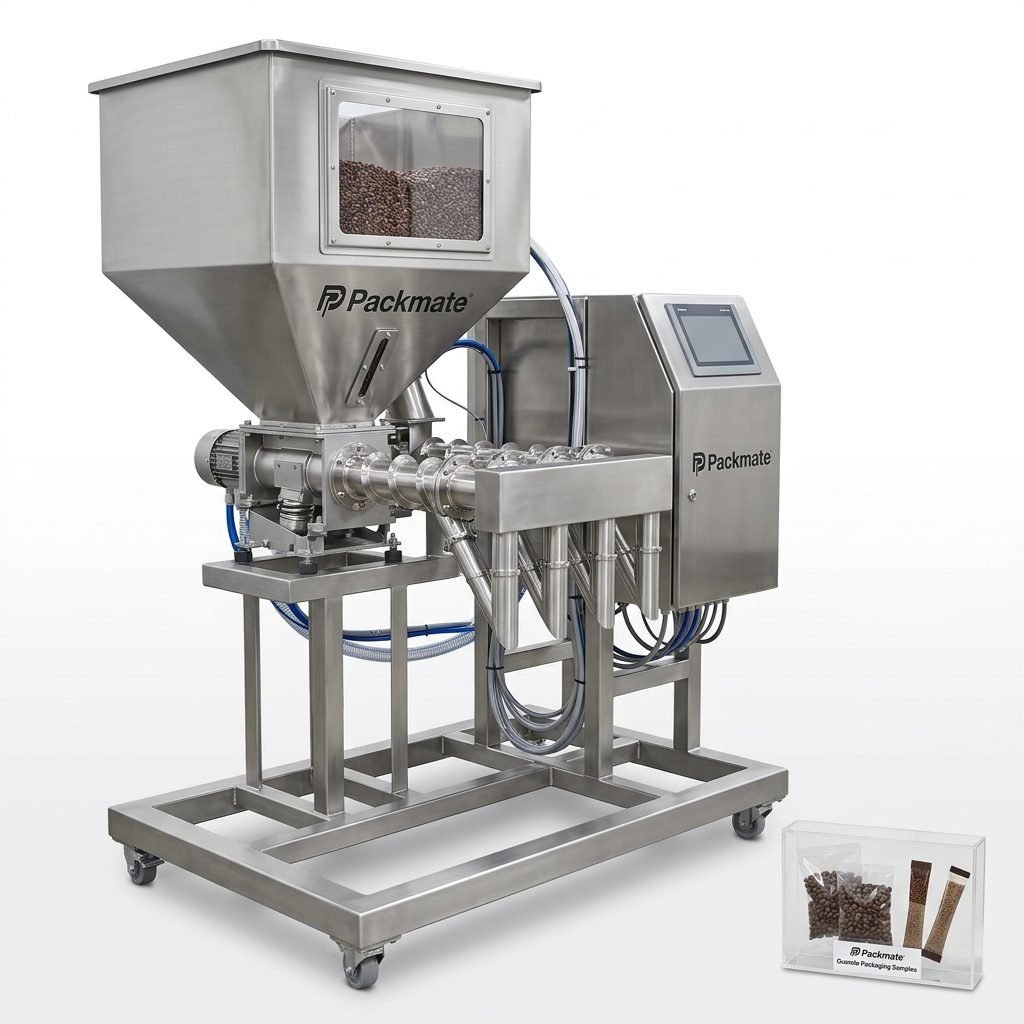
Accuracy is critical, especially for valuable products. Integrated weighing and packaging systems combine precision scales with bagging machines. They use multi-head weighers or linear weigh feeders to ensure each bag contains the exact weight, complying with trade regulations and maximizing profitability. Explore weighing and packaging systems to understand how they can be integrated into your line.
Essential Buying Tips for Your Packaging Machine
Investing in packaging machinery is significant. Here are key factors to consider to ensure you choose the right partner and equipment.
1. Precisely Define Your Product and Needs
Start with the basics: What are you packaging? Is it a powder, granule, liquid, or solid? What are its characteristics (abrasive, oily, hygroscopic)? Determine your required output speed (bags per minute), bag size range, and the type of film or material you plan to use. Having clear specifications will narrow down your options immediately.
2. Prioritize Machine Quality and Reliability
Downtime is costly. Look for a manufacturer with a proven track record of building durable, reliable machines. Inquire about the quality of components (e.g., PLCs, servos, seals) and the robustness of the frame. A company with decades of experience, like Packmate Machinery, which operates from a 20,000㎡ modern facility, often signifies a commitment to engineering excellence and quality control.
3. Consider Flexibility and Future-Proofing
Your needs may change. Can the machine handle a range of bag sizes? How long does a changeover take? Machines that offer quick changeovers and modular designs provide valuable flexibility to adapt to new products or packaging formats without a major reinvestment.
4. Evaluate After-Sales Support and Service
This is perhaps the most critical tip. A machine is a long-term asset. Ensure the supplier offers comprehensive installation, training, maintenance, and readily available spare parts. A strong global service network is crucial for international buyers. Check if they provide clear documentation and responsive technical support.
5. Seek a Partner, Not Just a Vendor
The best suppliers act as partners. They take the time to understand your unique challenges and goals. They might offer a complete turnkey solution, from single machines to fully integrated filling and packaging lines, including auxiliary equipment. A partner invested in your success will help you optimize your entire packaging process.
6. Request a Live Test or Case Studies
Always ask to run your actual product on the machine before purchase. A factory test or review of detailed case studies from similar applications provides the best evidence of performance. It allows you to verify speed, accuracy, and the final package quality firsthand.
Conclusion
Selecting the ideal bag packaging machine is a strategic decision that impacts your operational efficiency, product quality, and bottom line. By thoroughly understanding the different machine types—from VFFS and HFFS to specialized sachet packers—and rigorously applying the buying tips focused on quality, support, and partnership, you can invest with confidence. The right machinery, supported by an experienced manufacturer, will become a cornerstone of your production success for years to come.
Frequently Asked Questions (FAQs)
What is the main difference between VFFS and HFFS machines?
The primary difference is the orientation of bag formation and filling. VFFS machines work vertically and are best for free-flowing products. HFFS machines work horizontally and are better suited for fragile, non-free-flowing, or stacked items.
How do I determine the speed requirement for my business?
Calculate your current and projected daily/weekly output. Factor in your working hours and desired efficiency. A reliable supplier can then recommend a machine model that meets your bags-per-minute (BPM) requirement with some capacity for future growth.
Can one machine handle different bag sizes and products?
Many modern machines are designed for flexibility. However, the degree of flexibility varies. Look for machines with quick-change parts (like forming tubes, augers, or sealing jaws) and programmable recipes to minimize changeover time between different products and bag sizes.
What kind of after-sales service should I expect?
You should expect comprehensive service including installation supervision, operator and maintenance technician training, a detailed manual, a warranty period, access to genuine spare parts, and availability of remote or on-site technical support for troubleshooting.
Why is partner selection as important as the machine selection?
The manufacturer or supplier provides the ongoing support that keeps your line running. A true partner offers expert advice, reliable service, and long-term commitment, ensuring your packaging machine continues to deliver value and adapt to your evolving business needs, far beyond the initial sale.