In the world of food preservation, freshness is king. Whether you’re a home cook looking to extend the shelf life of garden harvests, a small-batch producer of artisanal goods, or a large-scale food manufacturer, the battle against spoilage, freezer burn, and oxidation is constant. This is where vacuum packaging technology becomes an indispensable ally. By removing air from the package before sealing, vacuum packaging machines create an anaerobic environment that dramatically slows down the degradation processes caused by microorganisms and exposure to oxygen. The result? Food that retains its flavor, texture, and nutritional value for weeks, months, or even years longer than traditional storage methods.
How Vacuum Packaging Transforms Food Preservation
The core principle is simple yet profoundly effective. By extracting air, these machines prevent the growth of aerobic bacteria and molds that require oxygen to thrive. They also inhibit oxidation, which is responsible for rancidity in fats and oils and the browning of fruits and vegetables. For frozen foods, a tight vacuum seal is the best defense against freezer burn—the dehydration and quality loss caused by ice crystals forming on the food’s surface. From marinating meats in hours instead of days to preserving the crisp snap of a just-picked vegetable, the applications are vast and transformative for both quality and waste reduction.
Key Benefit: Beyond preservation, vacuum sealing is a powerful tool for organization and space saving. It allows for efficient bulk purchasing, portion control, and compact storage, whether in a pantry, refrigerator, or freezer. For commercial kitchens and food processors, this translates into better inventory management, reduced waste, and significant cost savings over time.
Choosing the Right Machine for Your Needs
Not all vacuum packaging machines are created equal. The “best” machine is entirely dependent on your specific requirements, volume, and types of food you intend to package. The market offers a spectrum from manual, chamber, and external suction devices to fully automated inline systems for industrial production.
For home kitchens and very small businesses, external suction sealers are popular. They are affordable and compact, drawing air out through a channel in a specially designed bag. However, they are less effective with liquids or fine powders and generally offer a lower vacuum strength. For more demanding applications, chamber vacuum machines are superior. The entire bag is placed inside a sealed chamber; air is removed from the chamber itself, allowing for excellent vacuum levels and the ability to handle liquid-rich foods without suction issues. These are the workhorses for serious food preservationists, restaurants, and medium-scale producers.
Critical Features to Consider
When evaluating machines, look beyond the basic function. The sealing bar quality determines the strength and integrity of the seal—a critical failure point. Adjustable vacuum and seal times provide flexibility for delicate items like berries or sturdy ones like frozen meat. For chamber machines, the chamber size dictates the maximum bag dimensions you can use. Durability, ease of cleaning, and availability of consumables (like bags and rolls) are practical considerations that affect long-term satisfaction. For businesses, integration capabilities with other weighing & packaging systems can streamline operations.
Industrial-Grade Solutions for Food Manufacturers
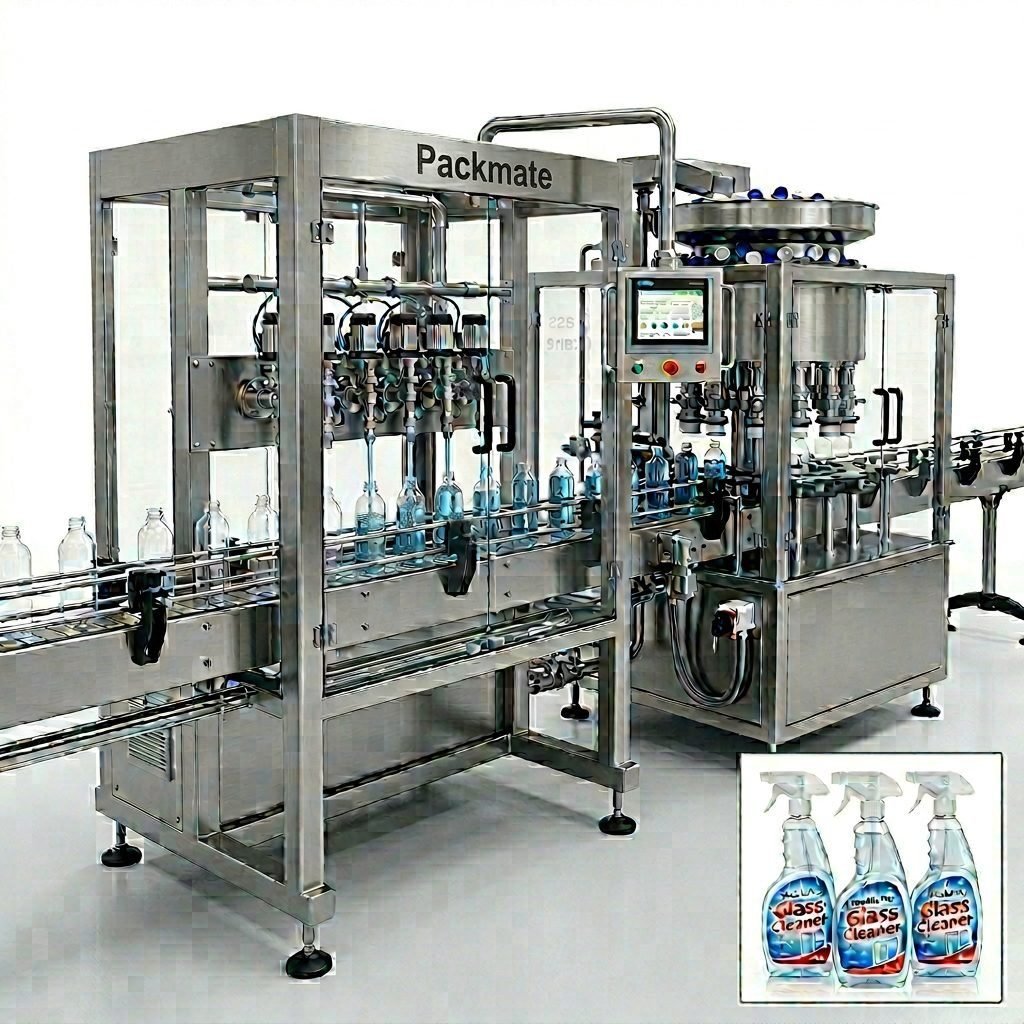
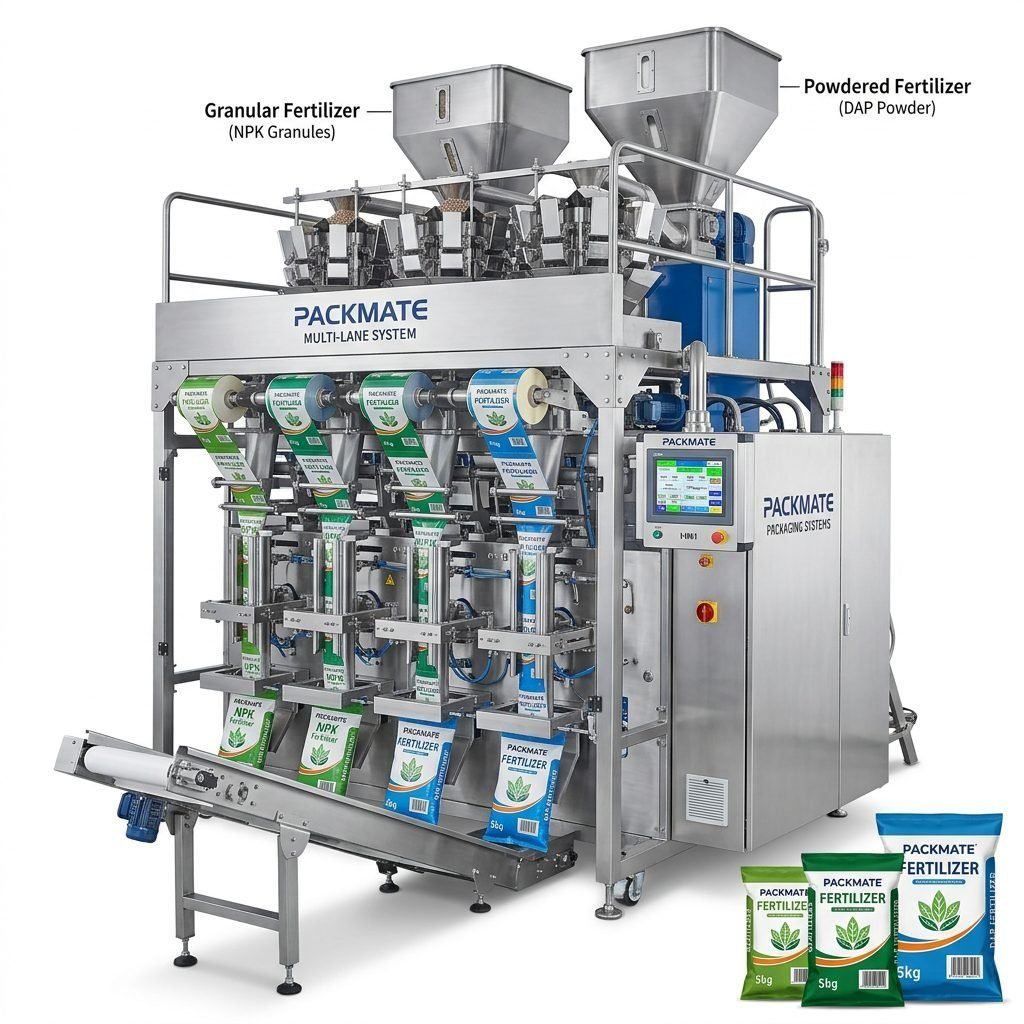
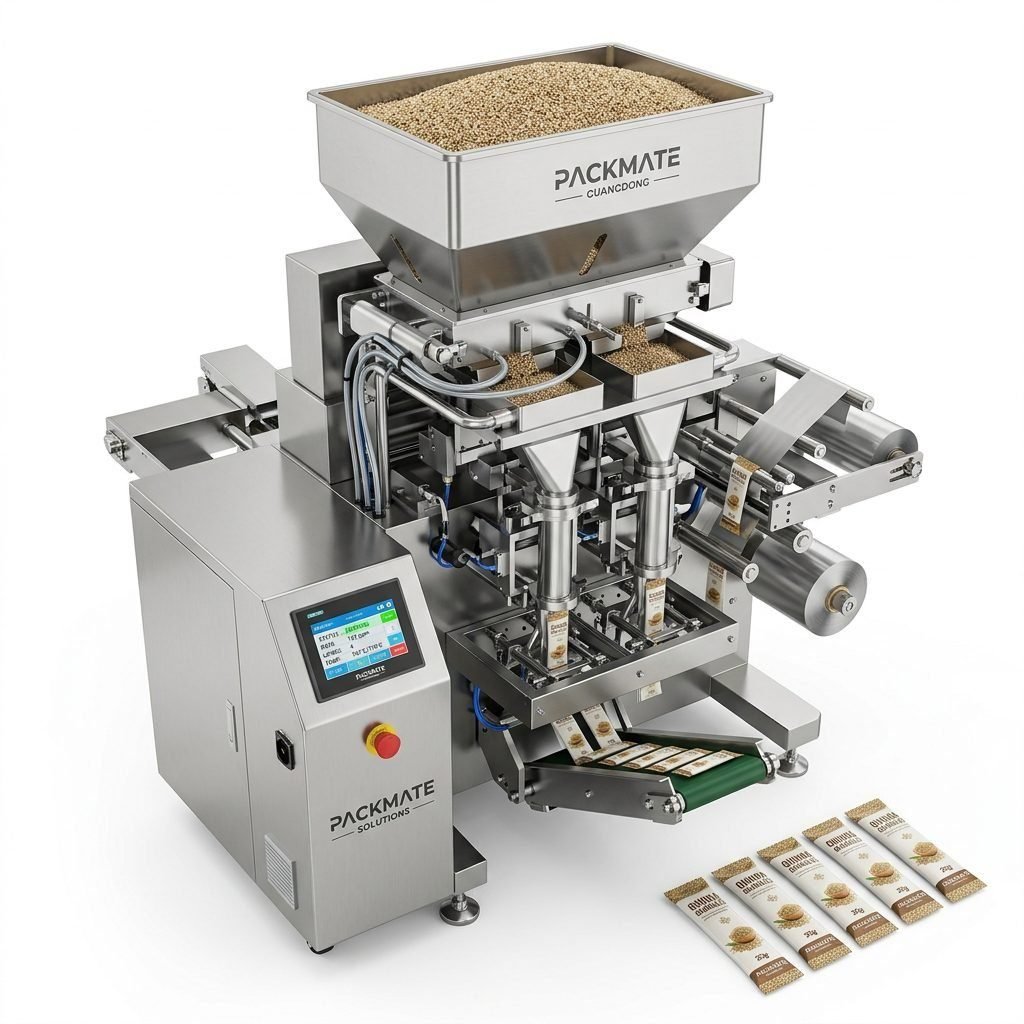
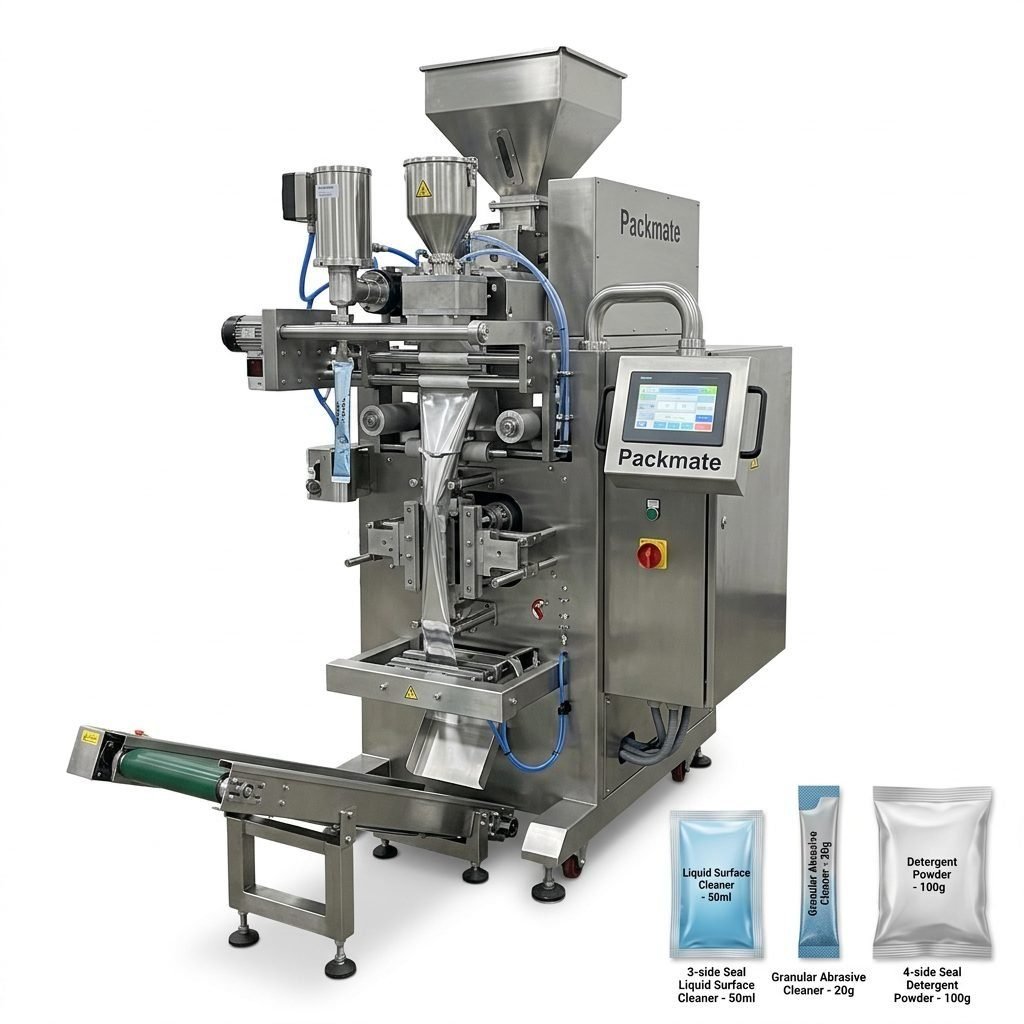
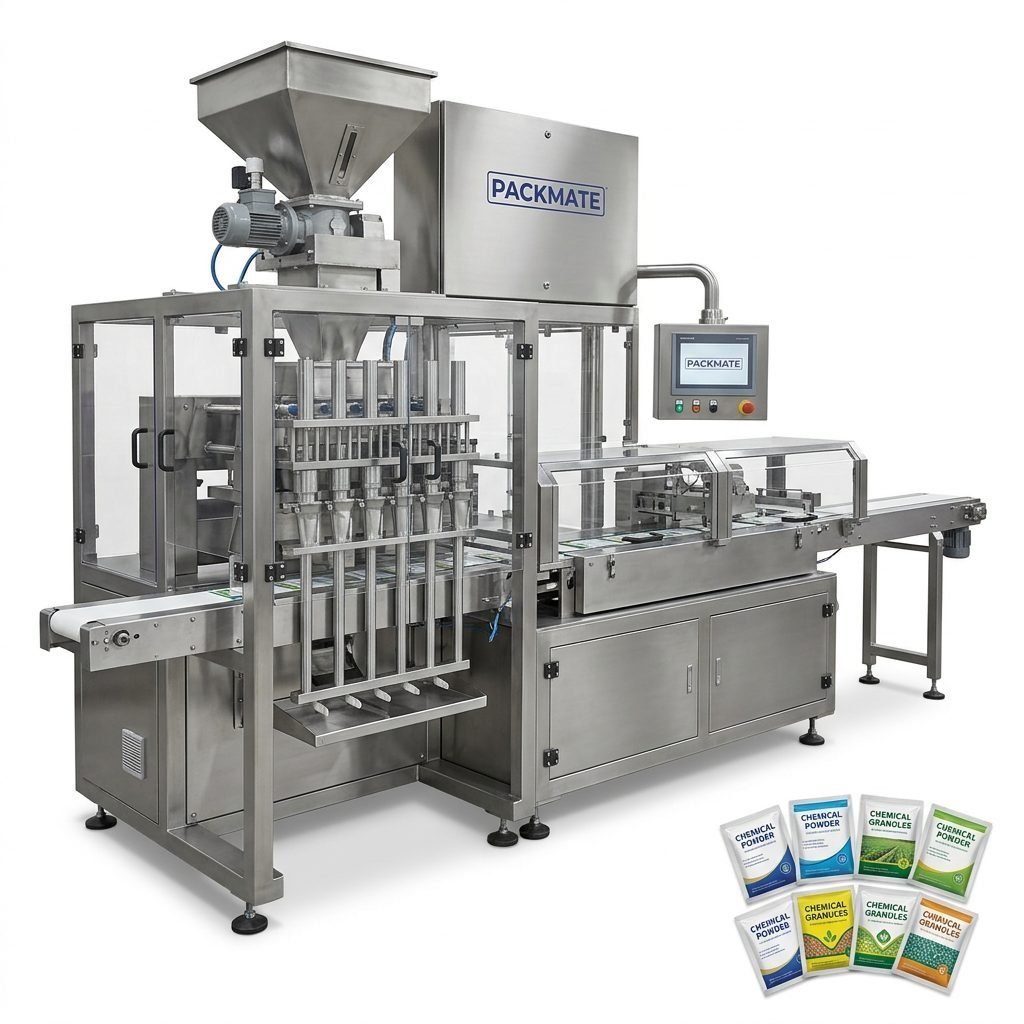
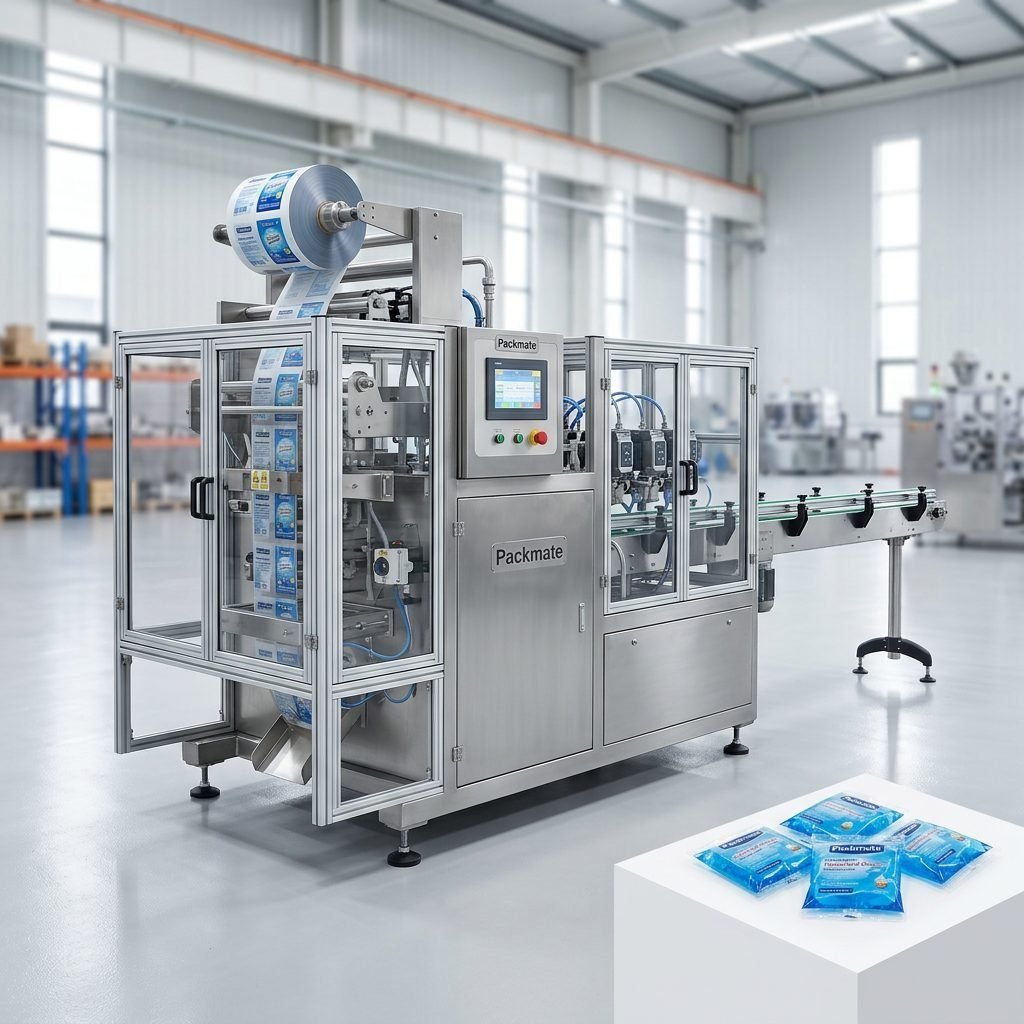
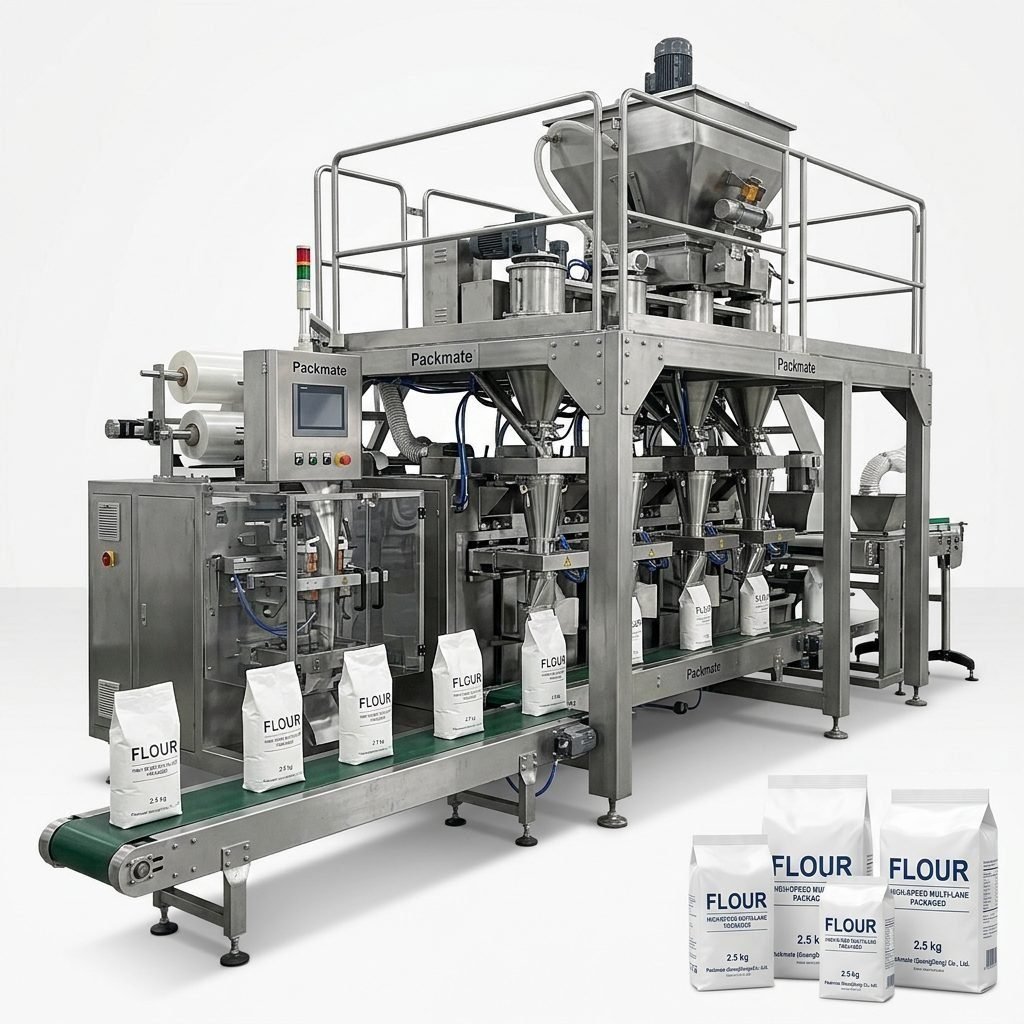
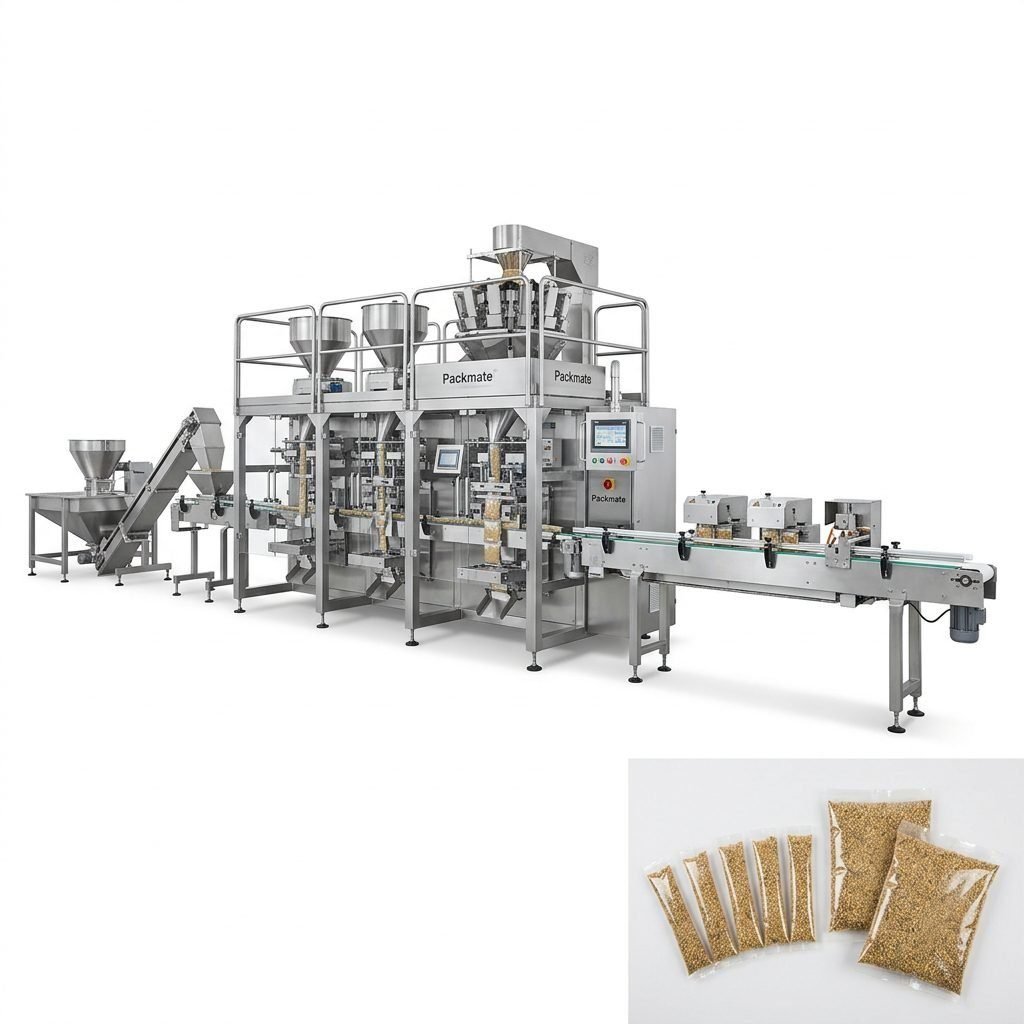
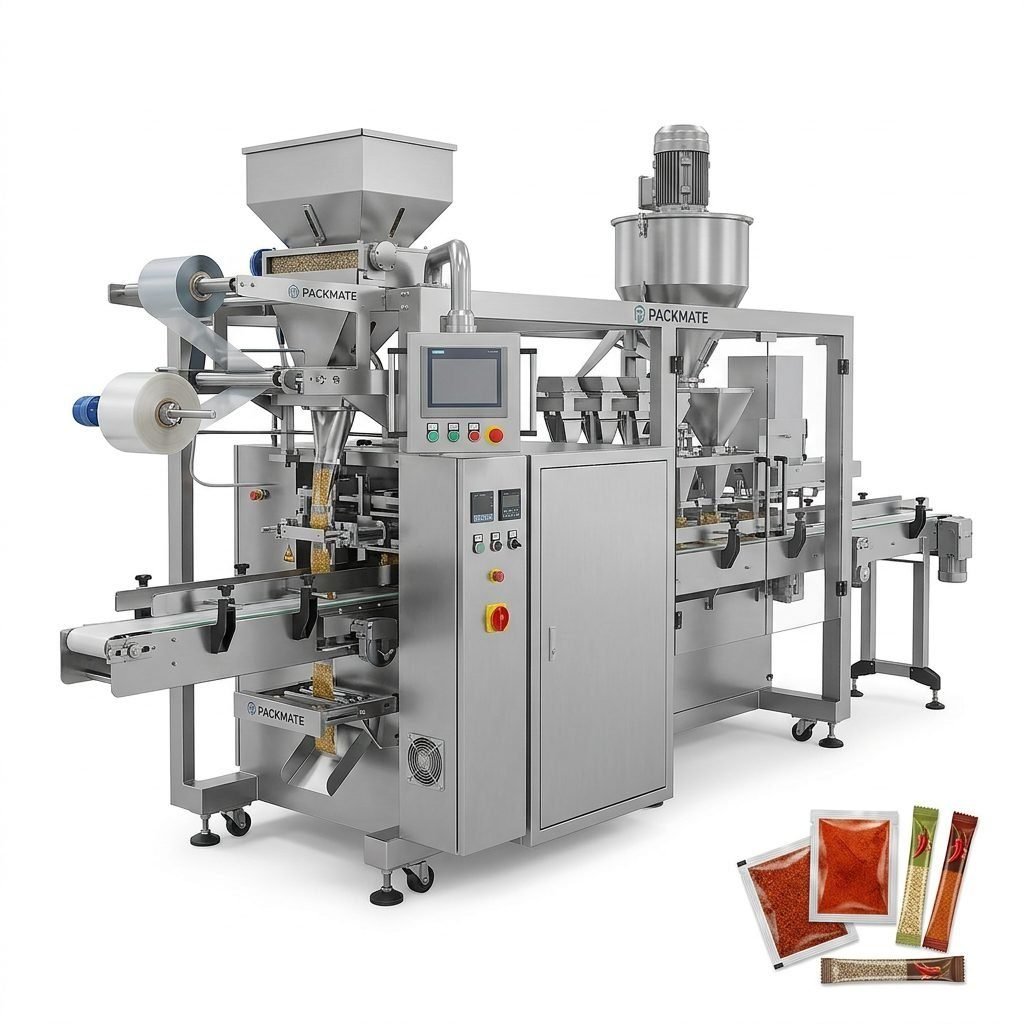
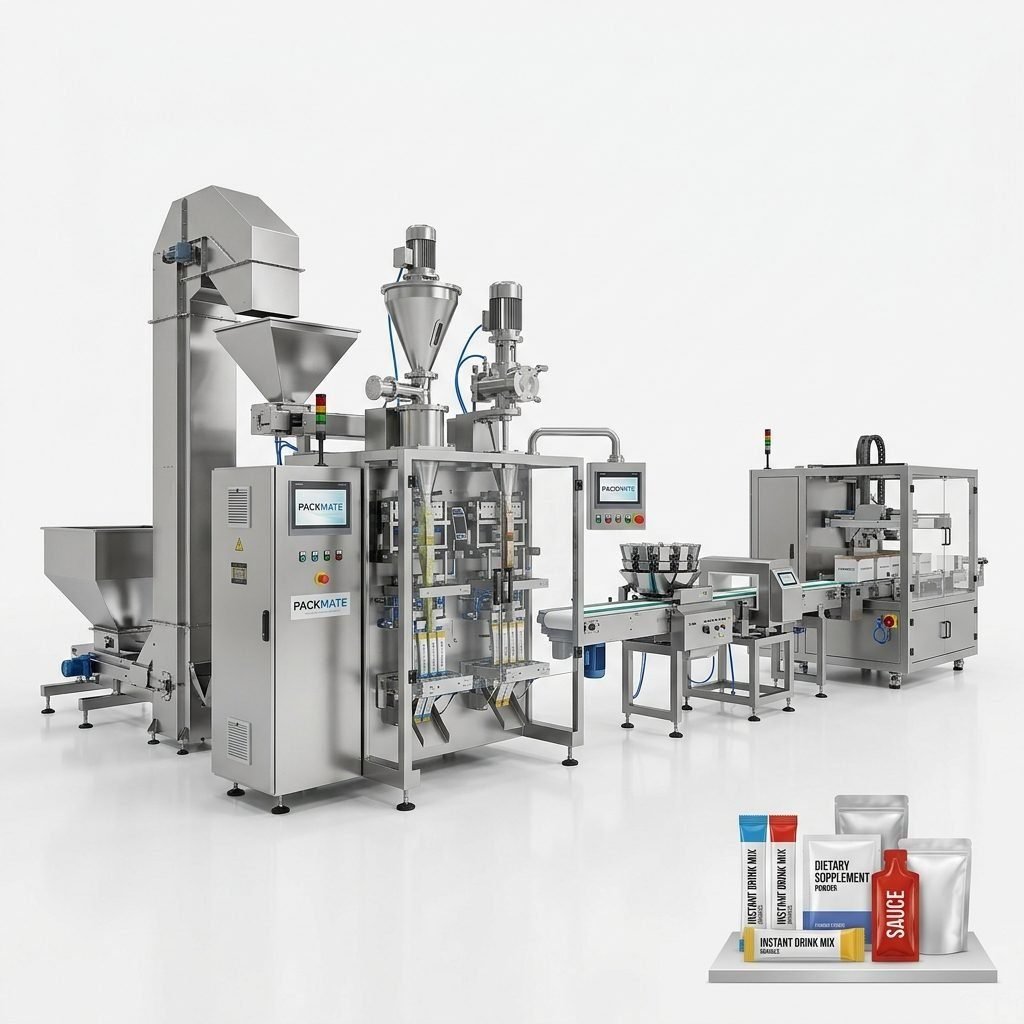
For food processing plants and large-scale operations, the needs escalate to reliability, speed, and automation. This is where partnering with an experienced manufacturer like Packmate Machinery becomes crucial. Industrial vacuum packaging often involves bag & pouch packaging machines that are part of a complete turnkey line. These systems can automatically form the bag from a roll of film, fill it with product—whether solid, granular, or liquid—apply a powerful vacuum, seal it, and discharge the finished package at high speeds.
With over 30 years of expertise in intelligent packaging equipment, Packmate designs machines that prioritize hygiene, precision, and uptime. Their solutions are engineered to handle the rigors of continuous production, ensuring that every package meets the highest standards of preservation and presentation. Exploring their range of filling & packaging lines can provide insights into how automated vacuum sealing integrates into modern food production.
Material Matters: Choosing the Right Bags and Films
The machine is only half of the equation. The barrier properties of the packaging material are equally important. Vacuum bags and rolls are typically made from multi-layer laminates that combine strength with impermeability to oxygen and moisture. For long-term storage, especially for fatty foods or in freezer applications, look for high-barrier films with layers like EVOH (ethylene vinyl alcohol). Ensure the bags you choose are compatible with your machine type (smooth for chamber machines, textured with channels for external sealers). Using the correct material is non-negotiable for achieving the promised shelf-life extension.
Applications Beyond Basic Food Storage
The utility of vacuum packaging extends far beyond storing leftovers. It’s a technique embraced by sous-vide cooking enthusiasts, where food is sealed and cooked in a precisely controlled water bath. It’s invaluable for marinating, as the vacuum process pulls marinades deep into tissues in minutes. Collectors use it to protect documents, photographs, and heirlooms from moisture and air. Even non-food items like electronics components, medical supplies, and chemical reagents are vacuum-sealed for protection during shipping and storage.
Maximizing Your Investment: Tips for Best Results
To get the most from your vacuum packaging machine, follow these best practices. Always pat dry moist foods before sealing to prevent liquid from interfering with the seal. For items with sharp points or edges (like bone-in meat), use protective pouch corners or a layer of paper towel to prevent punctures. Allow hot foods to cool completely before vacuum sealing to avoid creating steam inside the bag, which can compromise the seal and promote bacterial growth. Clearly label every package with the contents and date. For commercial users, regular maintenance as outlined in the machine manual and sourcing quality consumables from reliable partners is key to consistent performance.
Frequently Asked Questions (FAQs)
Can I reuse vacuum bags?
It depends. Bags used for dry, non-perishable items can often be washed and reused if the seal remains intact. However, bags used for raw meat, fish, or strong-smelling foods should not be reused due to cross-contamination risks and potential seal degradation. Always inspect the bag for holes, wrinkles at the seal, or residual odors before considering reuse.
Is vacuum-packed food safe from botulism?
Vacuum packaging does not eliminate the risk of botulism, a potentially fatal foodborne illness caused by the *Clostridium botulinum* bacterium, which thrives in low-oxygen environments. It is crucial to follow food safety guidelines. Perishable vacuum-packed foods must be refrigerated or frozen. Low-acid vegetables intended for room-temperature storage (like some home-canned goods) require specific pressure-canning processes and should not be preserved solely by vacuum sealing.
What’s the difference between a “sealer” and a “vacuum sealer”?
A basic bag sealer simply heat-seals the open end of a bag, trapping whatever air is inside. A vacuum sealer actively removes the air from the bag before sealing it. For true food preservation, the air removal function of a vacuum sealer is essential.
How long does vacuum-sealed food last?
There is no single answer, as it varies by food type and storage temperature. As a general guide, vacuum sealing can extend the refrigerator life of most foods by 3-5 times and the freezer life by 2-3 times compared to conventional storage. For example, fresh meat may last 1-2 weeks in a fridge normally, but 4-8 weeks when vacuum sealed and refrigerated. Always observe and smell food before consumption.
My commercial operation is scaling up. What should I look for?
For growing businesses, prioritize automation, reliability, and service support. Look for manufacturers with a proven track record in industrial equipment, like Packmate, which offers comprehensive service and a wide portfolio. Consider machines with higher cycle speeds, durable stainless-steel construction, easy-clean designs, and the ability to integrate with conveyors and other production line equipment. Request demonstrations and speak to existing clients to gauge real-world performance.