In the fast-paced world of food production, efficiency, hygiene, and product presentation are paramount. The right commercial food packaging equipment is not just a tool; it’s a critical investment that safeguards your product’s quality, enhances your brand’s appeal, and drives operational efficiency. From small-scale artisanal producers to large industrial manufacturers, selecting the appropriate packaging machinery can define market success.
Understanding the Core Types of Food Packaging Equipment
The landscape of food packaging machinery is diverse, designed to handle various product forms, packaging materials, and output requirements. Understanding these core types is the first step in making an informed decision.
1. Filling and Sealing Machines
These are the workhorses of packaging lines, responsible for accurately dispensing product into containers and hermetically sealing them. They vary greatly depending on the product:
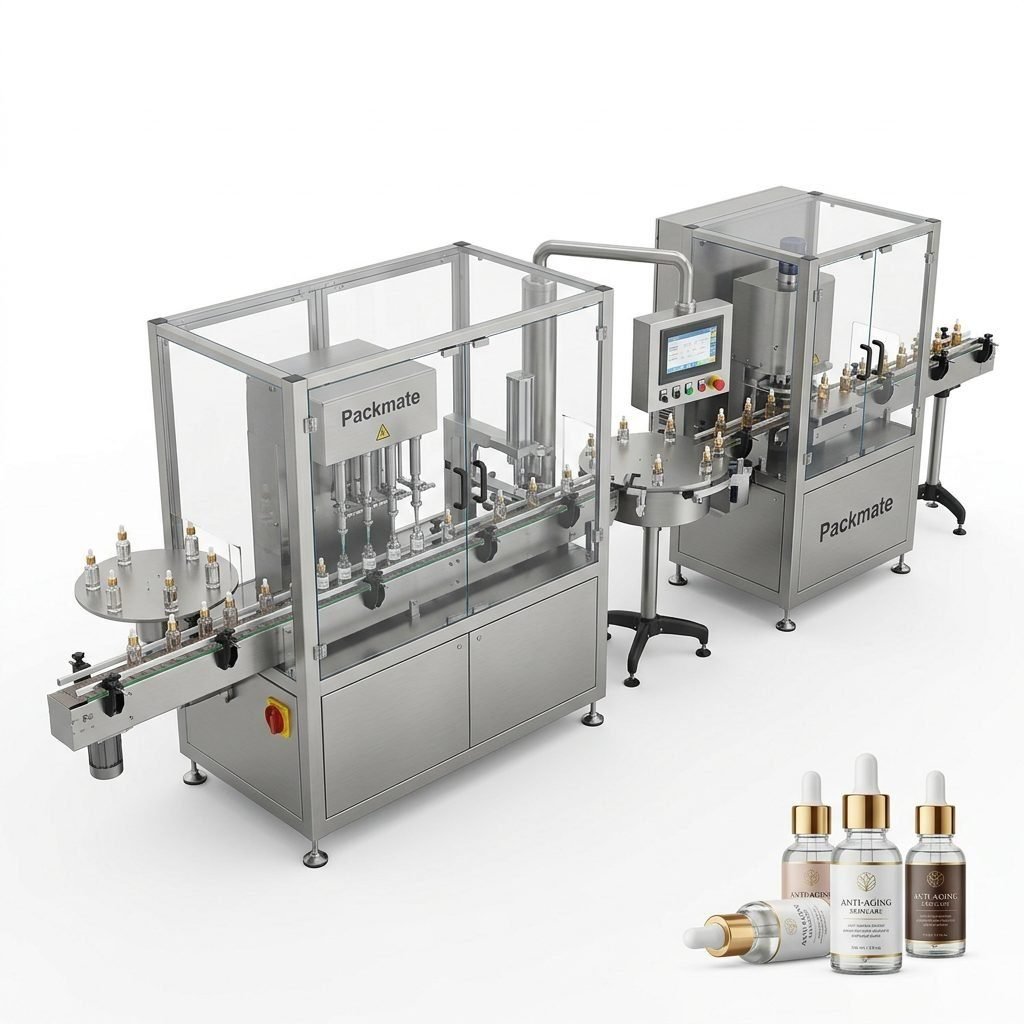
Liquid Fillers: Ideal for sauces, oils, dressings, and beverages. They use piston, gravity, or volumetric pumps for precise measurement.
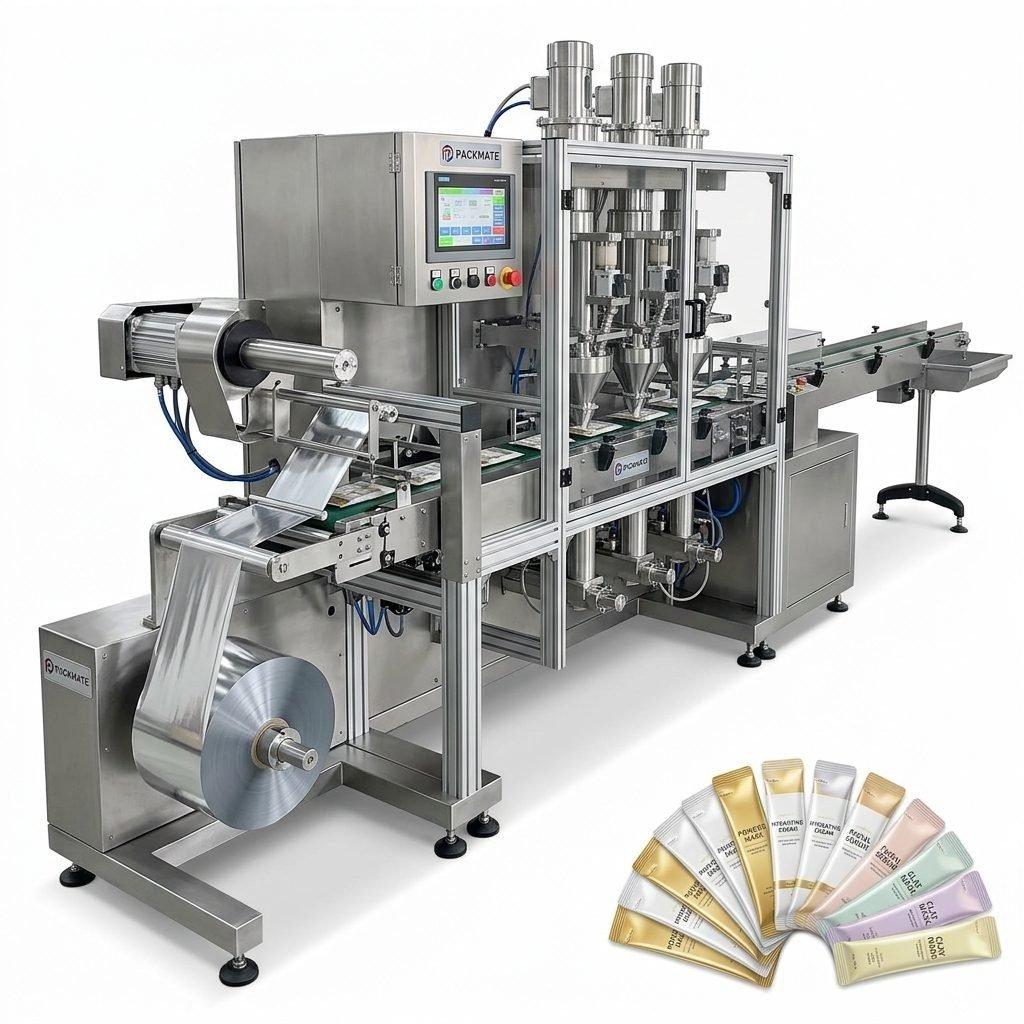
Powder Fillers: Essential for spices, flour, protein powders, and instant drink mixes. Auger fillers are common for their accuracy with dry goods.
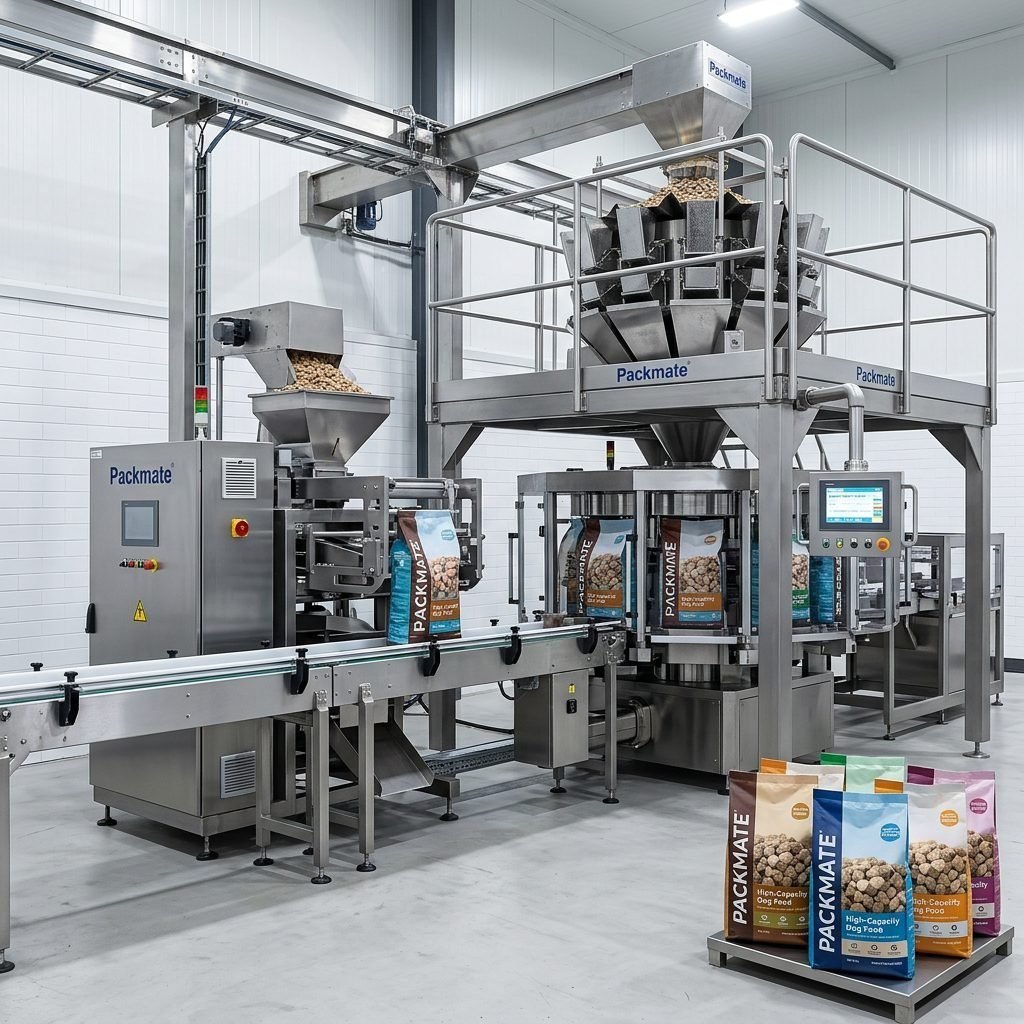
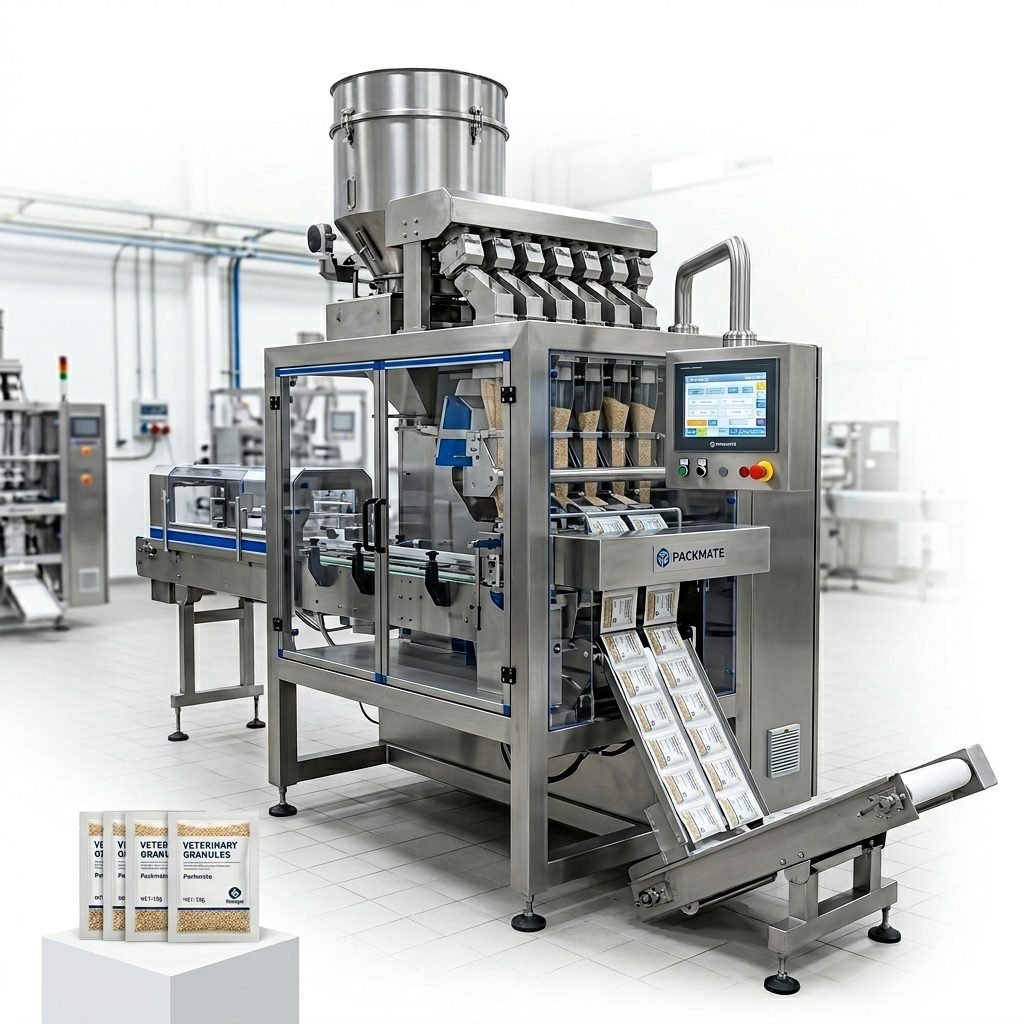
Granule Fillers: Used for snacks, coffee beans, grains, and candies. Often employ weigh scales or cup fillers.
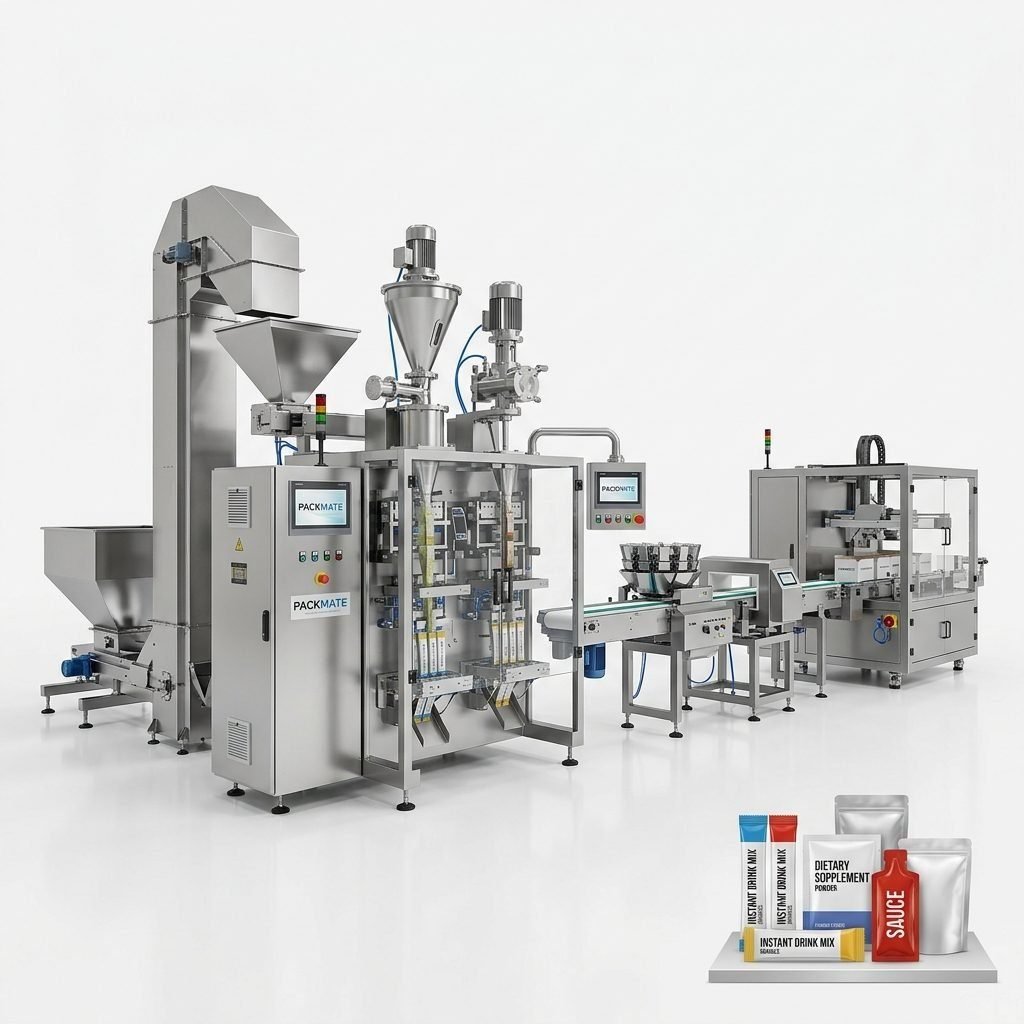
Companies like Packmate Machinery offer advanced filling and packaging lines that integrate these functions seamlessly for high-volume production.
2. Form-Fill-Seal (FFS) Machines
FFS machines represent a highly efficient, all-in-one solution. They form packaging from a roll of film, fill it with product, and seal it—all in a continuous operation. This method reduces material waste and is incredibly versatile.
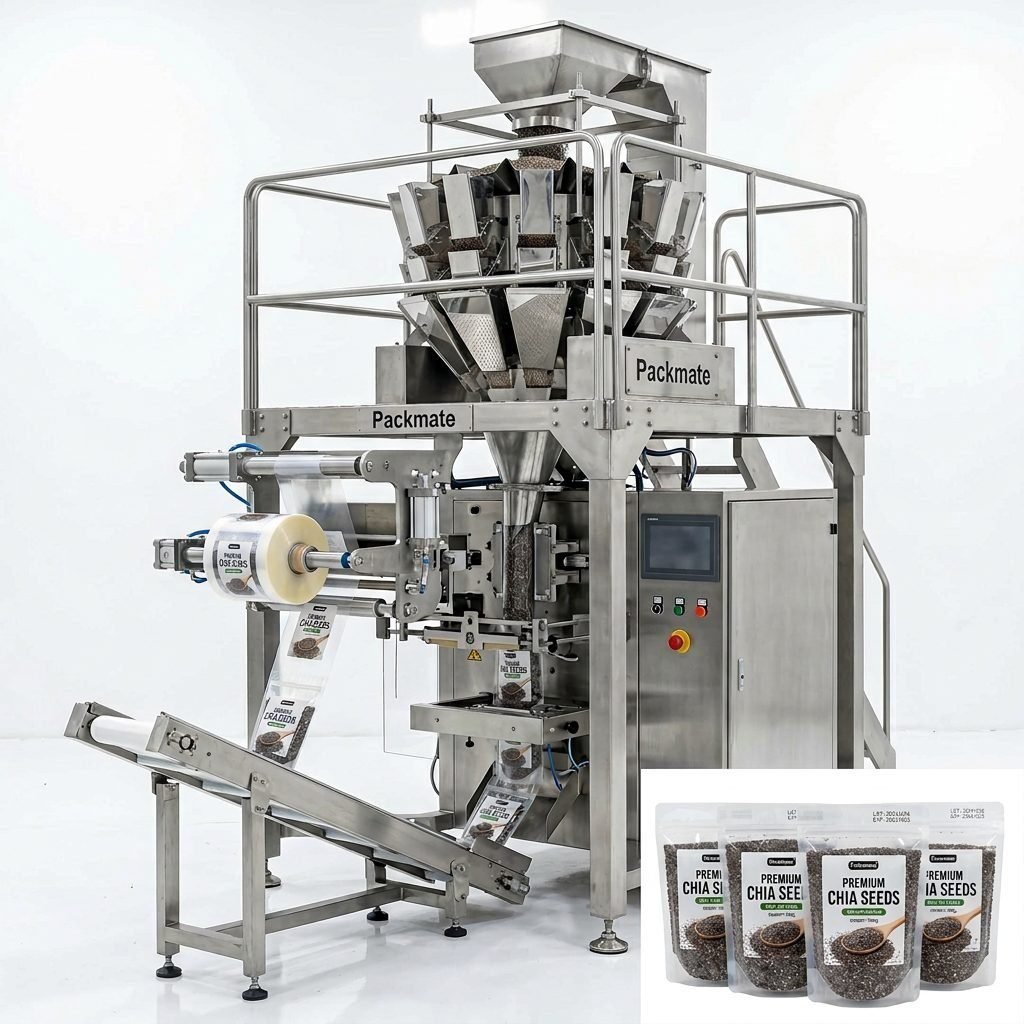
Vertical Form-Fill-Seal (VFFS): Perfect for packaging free-flowing products like snacks, nuts, and frozen foods into pillow bags.
Horizontal Form-Fill-Seal (HFFS): Often used for more complex packaging shapes, like trays for cookies or cheese slices, where the product is placed into pre-formed pockets.
3. Bag and Pouch Packaging Machines
With the consumer shift towards convenience, stand-up pouches, flat bags, and spouted pouches have surged in popularity. Specialized bag and pouch packaging machines handle these materials, often incorporating features for zippers, spouts, or degassing valves for coffee packaging.
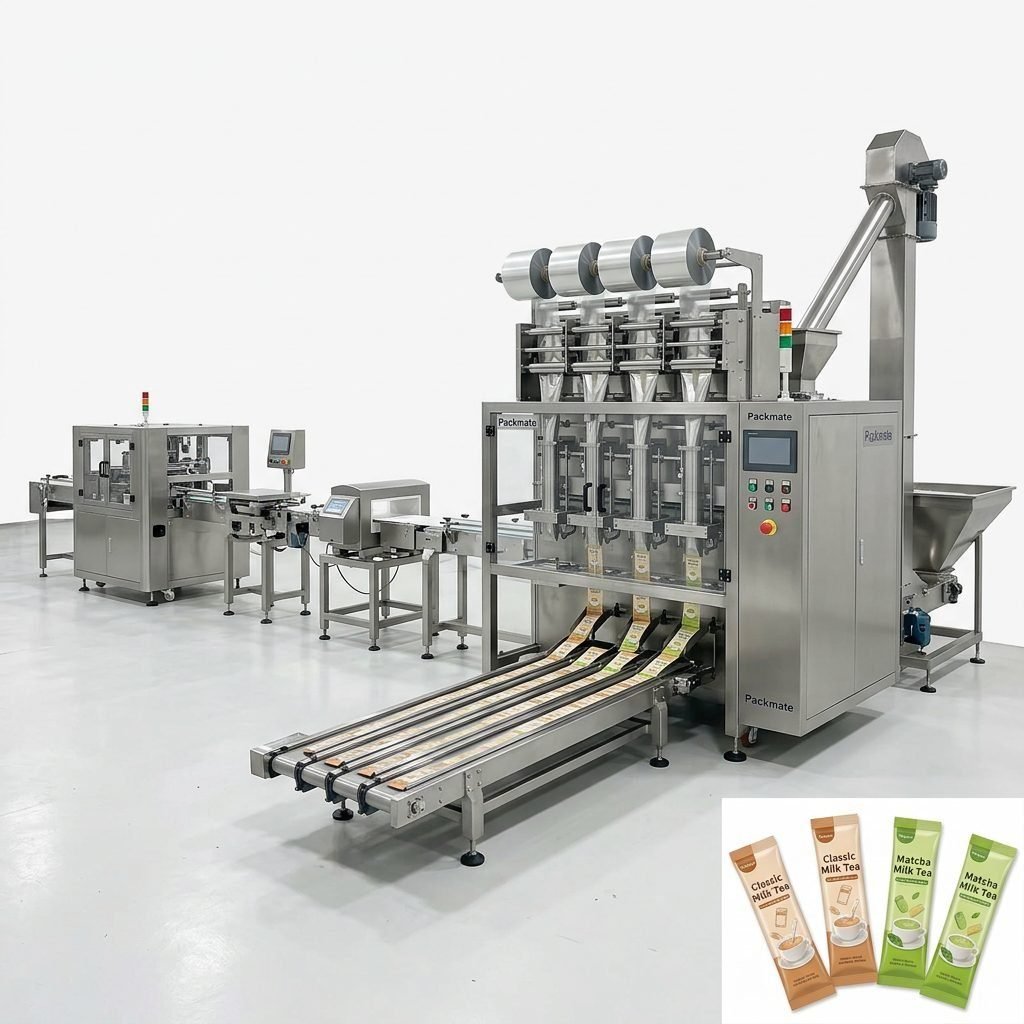
4. Sachet and Stick Pack Machines
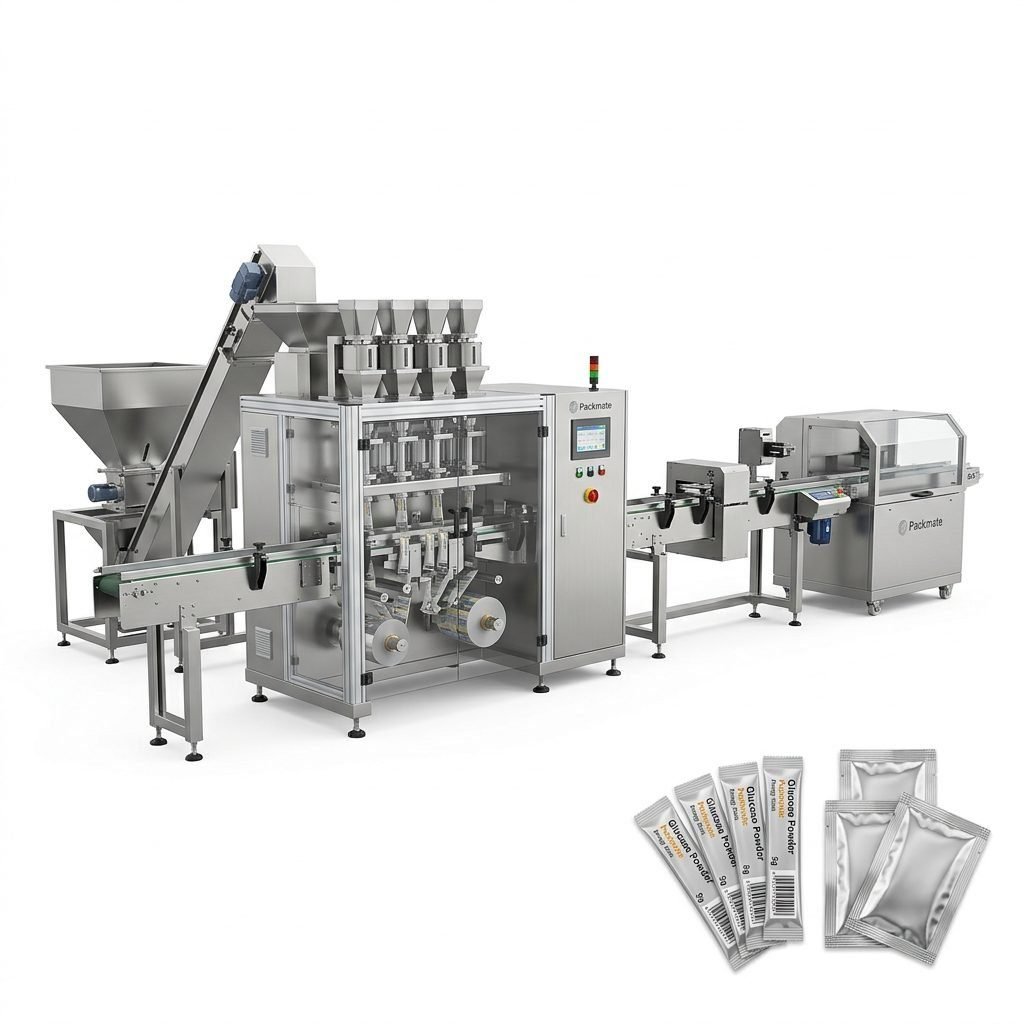
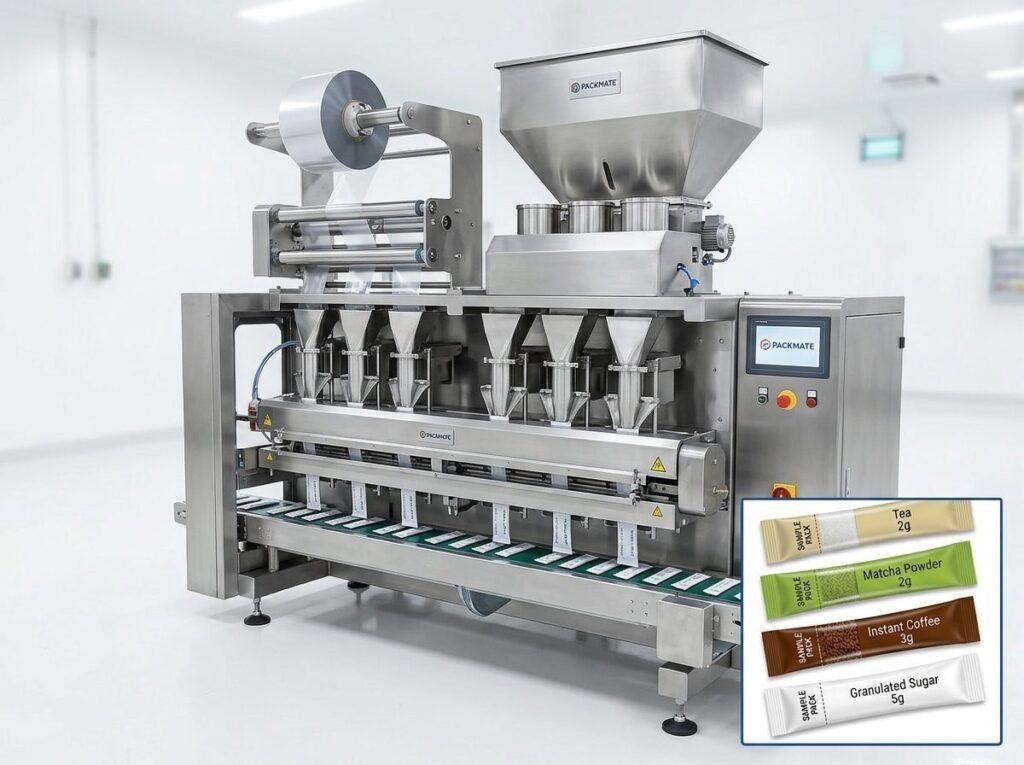
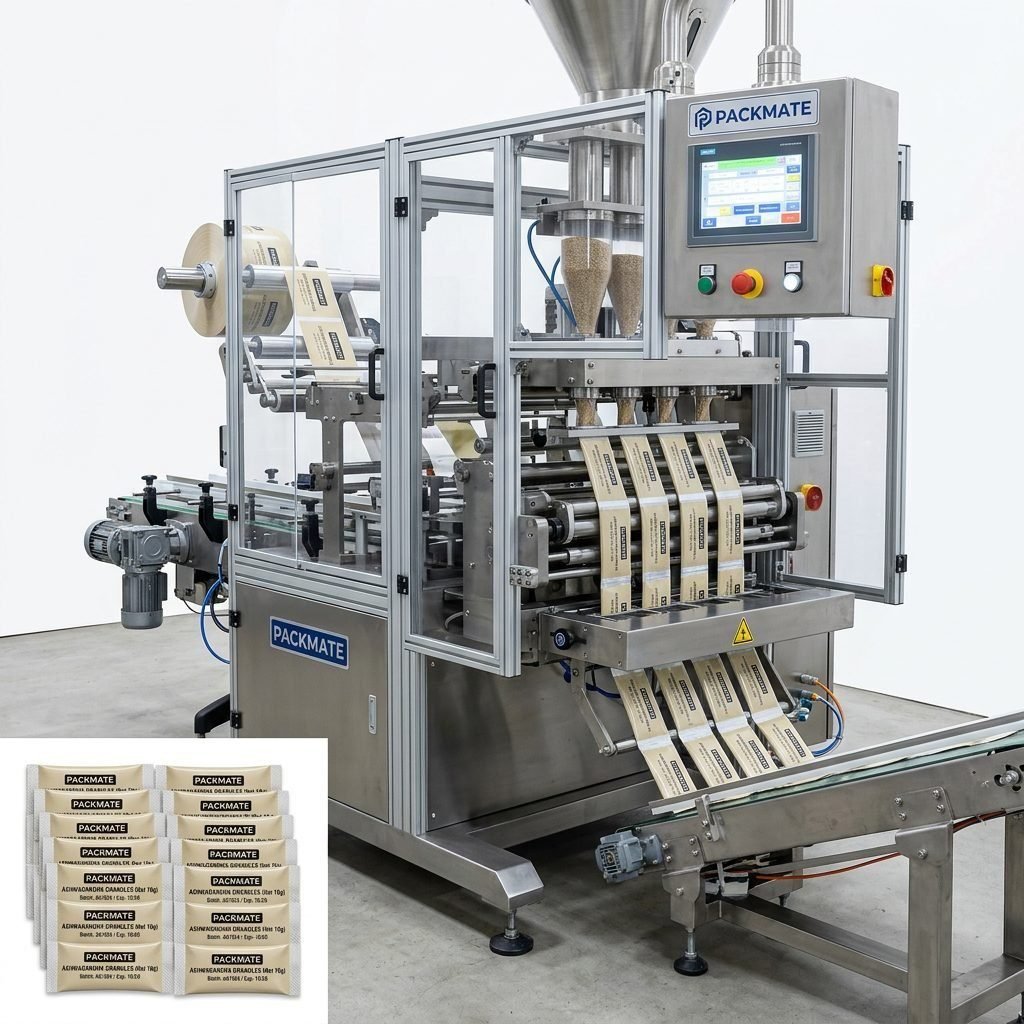
Designed for single-serve portions of products like sugar, ketchup, instant coffee, or supplements. These machines, such as the high-speed multi-lane models developed by industry leaders, are crucial for the foodservice and hospitality industries. Their compact packaging reduces material use and offers great convenience.
5. Labeling, Coding, and Inspection Systems
Post-packaging, equipment ensures compliance and traceability. This includes label applicators, inkjet or laser coders for dates and batch numbers, and checkweighers or vision systems to guarantee every package meets weight and quality standards.
Tangible Benefits of Investing in Modern Packaging Equipment
Upgrading from manual or semi-automatic processes to automated commercial equipment delivers a compelling return on investment across multiple fronts.
Enhanced Productivity and Speed: Automated lines can operate 24/7 at consistent speeds far beyond human capability, dramatically increasing output and meeting large order deadlines.
Superior Product Consistency and Accuracy: Precision fillers and sealers eliminate product giveaway (overfilling) and underfilling, ensuring every unit is identical. This protects profit margins and builds consumer trust.
Improved Hygiene and Safety: Automated systems minimize direct human contact with food products, reducing contamination risks. Many machines are built with food-grade stainless steel and are designed for easy cleaning (CIP/SIP systems).
Significant Material and Labor Cost Savings: While the initial investment is higher, automation reduces long-term labor costs and, through precise control, minimizes packaging material waste.
Greater Flexibility and Scalability: Modern machines often feature quick-change parts and programmable settings, allowing producers to switch between products or package sizes with minimal downtime, adapting quickly to market trends.
Stronger Brand Image: Professionally packaged products with tight seals, clear labels, and attractive shapes command higher shelf presence and perceived value.
Your Essential Buying Guide: Key Considerations
Choosing the right equipment requires a careful analysis of your specific needs. Rushing this decision can lead to costly mismatches.
1. Define Your Product and Packaging Specifications
Start with the basics: What are you packaging (liquid, powder, solid)? What is its viscosity, abrasiveness, or sensitivity to oxygen? Then, define your desired package type, size, and material (e.g., PET laminate, metallized film). The machine must be compatible with all these factors.
2. Assess Your Production Volume Requirements
Calculate your current and projected output in packages per minute/hour. A sachet packaging machine for a regional sauce brand has different speed needs than one supplying national restaurant chains. Match the machine’s capacity to your growth plans.
3. Evaluate the Level of Automation Needed
Do you need a fully automated line with integrated weighing systems and robotic palletizing, or will a semi-automatic machine suffice? Consider your available floor space, technical staff, and budget.
4. Prioritize Machine Durability and Build Quality
Inspect the construction. Machines with frames and contact parts made of stainless steel (e.g., SS304, SS316) offer longevity, corrosion resistance, and meet food safety standards. Renowned manufacturers, like Packmate Machinery with their 20,000㎡ modern facility, adhere to rigorous production and testing standards.
5. Understand the Total Cost of Ownership (TCO)
Look beyond the purchase price. Factor in installation, training, maintenance, spare parts availability, energy consumption, and potential future upgrades. A reliable supplier with a strong service network is invaluable.
6. Verify Supplier Credentials and Support
Research the manufacturer’s reputation, experience, and after-sales service. Do they offer comprehensive training, technical support, and readily available spare parts? A supplier’s history, such as Packmate’s journey from a 1993 workshop to a global provider with over 50 machine models, speaks to their expertise and stability.
7. Request a Live Demo or Trial
Whenever possible, see the machine run with a product similar to yours. This is the best way to verify performance, speed, ease of operation, and final package quality before committing.
Frequently Asked Questions (FAQs)
1. What is the typical lead time for receiving a new packaging machine?
Lead times vary significantly based on machine complexity, customization, and manufacturer backlog. For standard models, it can range from 8 to 16 weeks. Always confirm timelines with your supplier during the quoting process and plan your production schedule accordingly.
2. How important is after-sales service and technical support?
Extremely important. Even the most reliable equipment may require maintenance or troubleshooting. A supplier with a responsive, knowledgeable support team and a global network of service engineers ensures minimal downtime, protecting your investment and production flow.
3. Can one machine handle multiple different products or package sizes?
Many modern machines are designed for flexibility. They often feature quick-change parts (like augers, filling nozzles, or forming tubes) and digital settings that allow for changeovers in 30 minutes or less. Discuss your specific product range with the manufacturer to ensure the machine’s versatility meets your needs.
4. What are the key maintenance requirements for food packaging equipment?
Regular maintenance is crucial. Daily tasks include cleaning all product contact surfaces to prevent cross-contamination and buildup. Weekly or monthly schedules involve lubricating moving parts (with food-grade lubricants), checking seal integrity, and calibrating weighing systems. Always follow the manufacturer’s detailed maintenance manual.
5. How do I ensure the machine complies with food safety regulations in my region?
Reputable manufacturers design equipment to meet international standards like FDA, EU, or CE regulations for food contact materials. Specify your market requirements during procurement. Request documentation such as material certificates and machine compliance statements to ensure your packaging process adheres to all necessary food safety and hygiene protocols.