In the dynamic world of food production, efficiency and presentation are paramount. For manufacturers of cereal bars, granola bars, and similar healthy snacks, selecting the right packaging machine is a critical investment that impacts productivity, product quality, and brand perception. This comprehensive guide delves into the world of cereal bar packaging machine solutions, offering key insights to inform your buying decision and ensure your operation runs smoothly and profitably.
Understanding Cereal Bar Packaging Requirements
Cereal bars present unique packaging challenges. They are often dense, can be sticky or crumbly, and require packaging that maintains freshness while being robust enough for distribution. The primary packaging formats include:
Flow Wrapping: The most common method, where a single bar is wrapped in a sealed pouch using a roll of film. This offers excellent shelf-life extension and a clean, professional look.
Shrink Wrapping: Often used for multi-packs, where several individually wrapped bars are bundled together with a transparent film that shrinks tightly around the group.
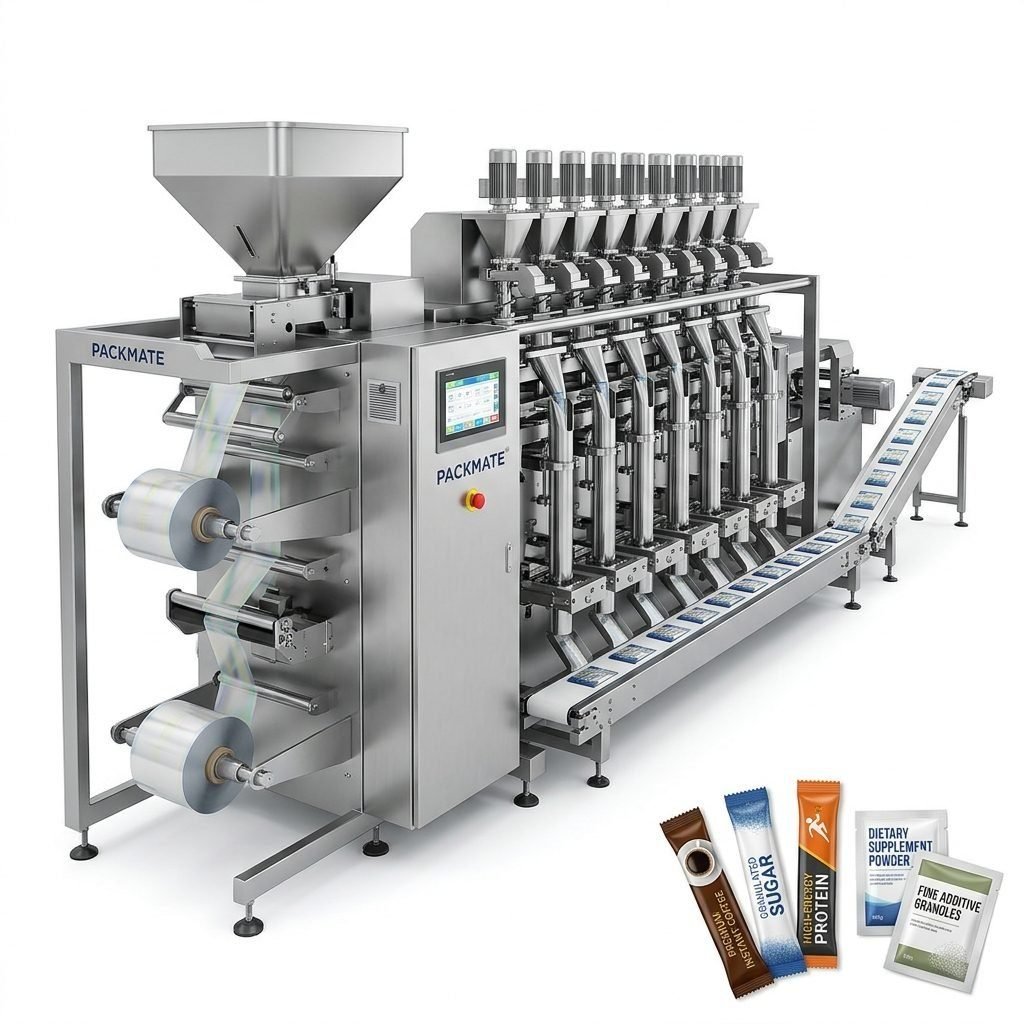
Pouch Packaging: For larger, multi-serve bars or clusters, a premade or form-fill-seal pouch might be used, offering more graphic space for branding.
Your choice depends on product size, desired output speed, shelf-life goals, and marketing needs. A reliable partner like Packmate Machinery, with decades of experience, can help navigate these options.
Key Features to Look For in a Packaging Machine
Not all packaging machines are created equal. When evaluating equipment for your cereal bar line, prioritize these essential features:
Gentle Product Handling: The infeed and conveying system must transport bars without damaging edges or causing breakage, especially for delicate or crumbly varieties.
Precision Sealing: Consistent, strong seals are non-negotiable for product integrity and freshness. Look for machines with adjustable temperature and pressure controls.
High-Speed Operation: To meet production demands, machines should offer speeds compatible with your output goals, whether it’s dozens or hundreds of bars per minute.
Quick Changeover: Flexibility is key. The ability to quickly switch between different bar sizes or packaging materials minimizes downtime and boosts overall equipment effectiveness (OEE).
Hygienic Design: Easy-to-clean surfaces and minimal crevices are essential for maintaining food safety standards and preventing cross-contamination.
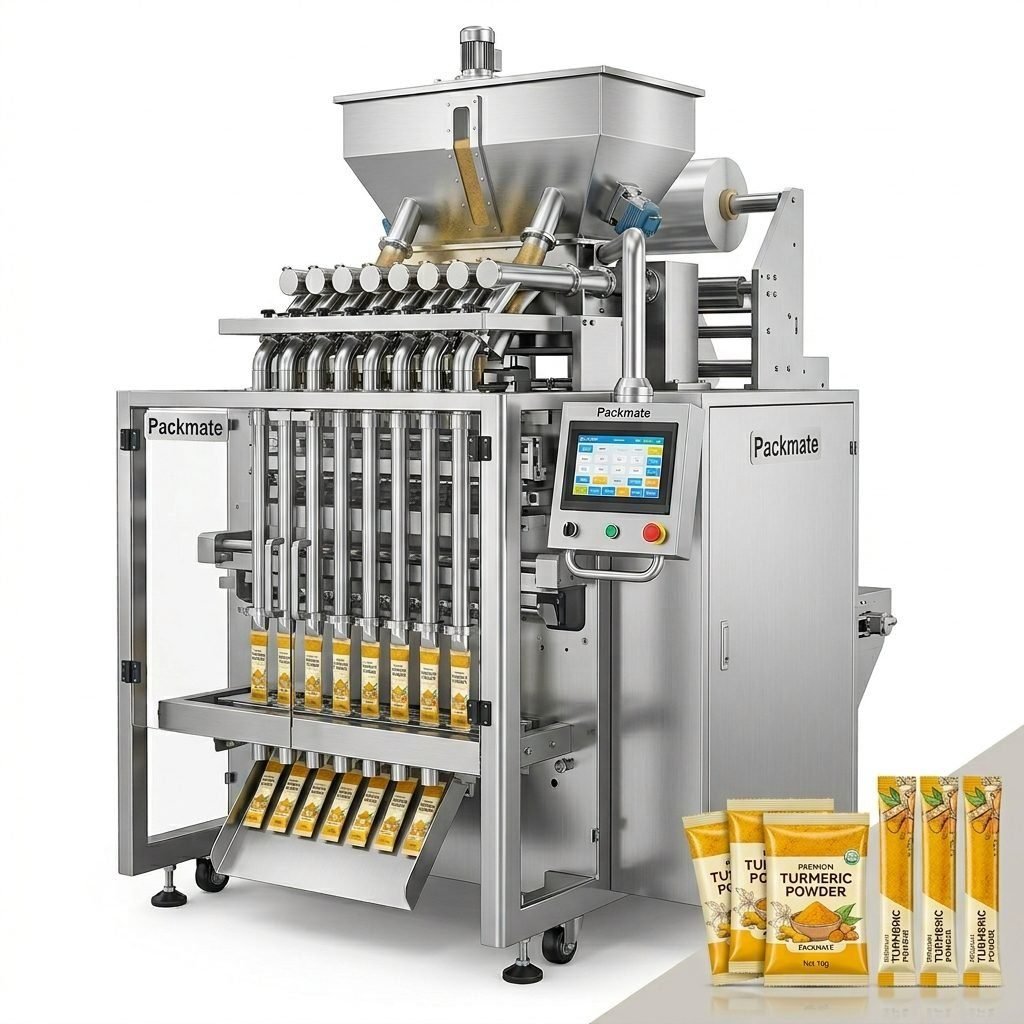
Exploring a manufacturer’s range, such as their dedicated Bag & Pouch Packaging Machines, can reveal models specifically engineered with these features in mind.
The Buying Guide: Steps to Your Ideal Machine
Purchasing a packaging machine is a significant decision. Follow this structured approach to ensure a successful investment:
1. Assess Your Current & Future Needs: Analyze your current production volume, bar dimensions, and packaging materials. Project your growth for the next 3-5 years to avoid outgrowing your machine too quickly.
2. Define Your Budget: Consider the total cost of ownership, including the machine price, installation, training, maintenance, and potential future parts. A higher initial investment in a robust, reliable machine from an established supplier often leads to lower long-term costs.
3. Research Reputable Suppliers: Look for manufacturers with a proven track record in food packaging. Review their case studies and client testimonials. A company like Packmate, with over 30 years in intelligent packaging, brings invaluable expertise to the table.
4. Request Demonstrations & Quotes: Never buy blind. Insist on a live or recorded video demonstration using a product similar to yours. Obtain detailed quotes that specify all components, warranties, and support services.
5. Evaluate After-Sales Support: The relationship begins after purchase. Ensure the supplier offers comprehensive training, readily available spare parts, and responsive technical support. Check their service offerings to understand their commitment to your long-term success.
Integration with Production Lines
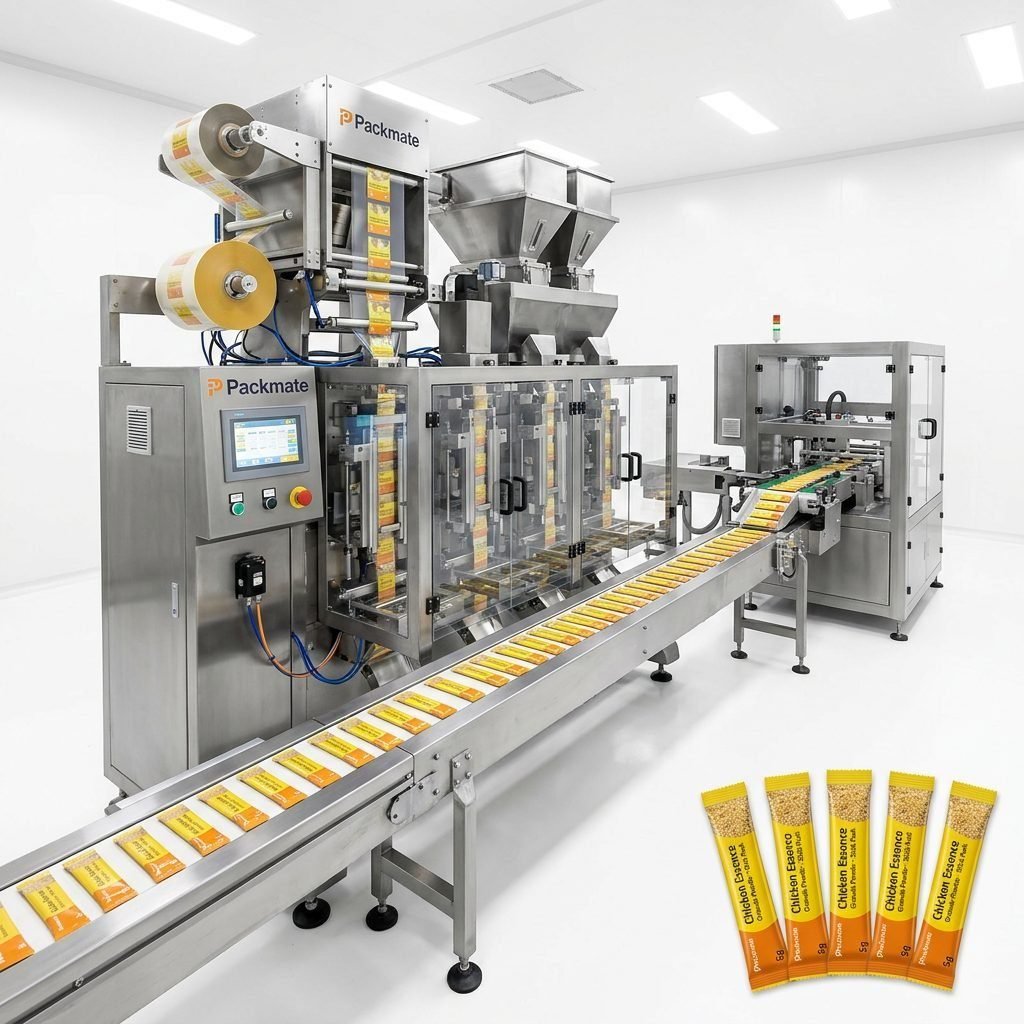
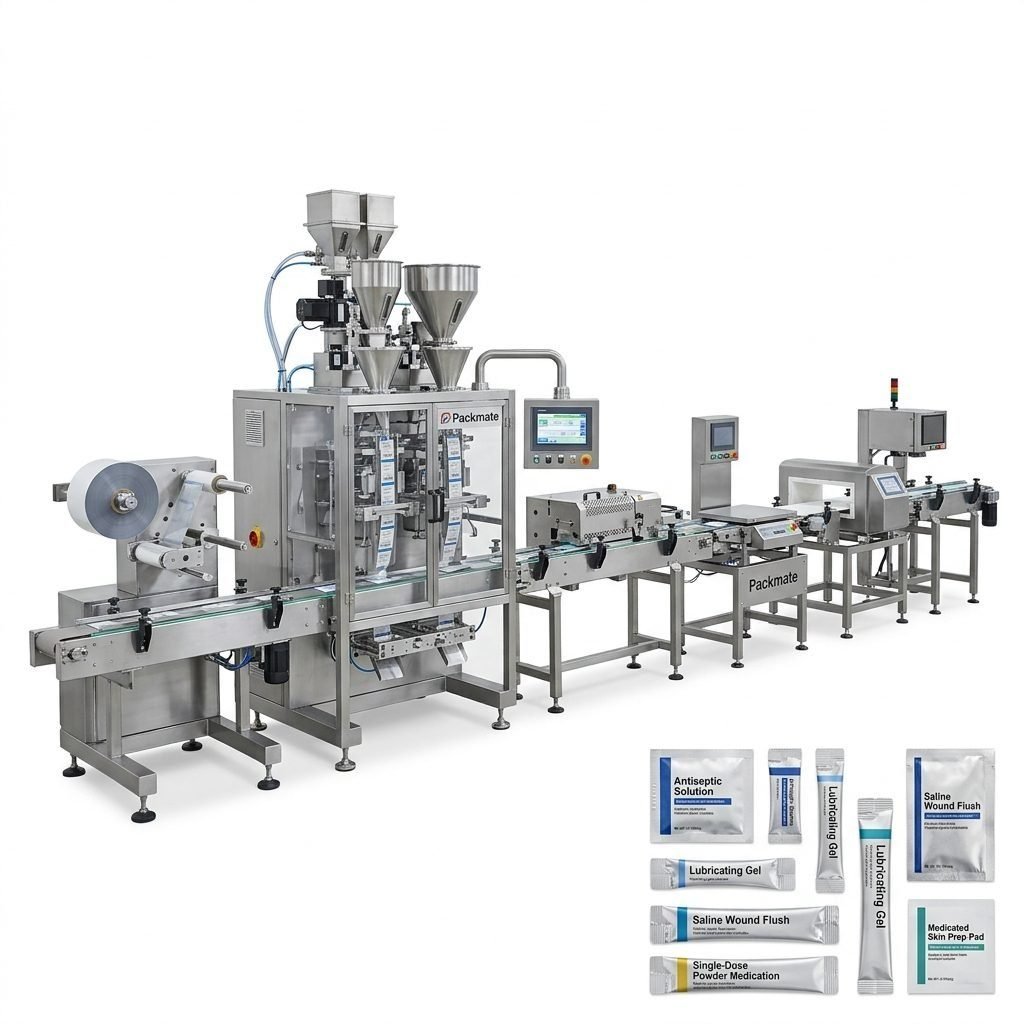
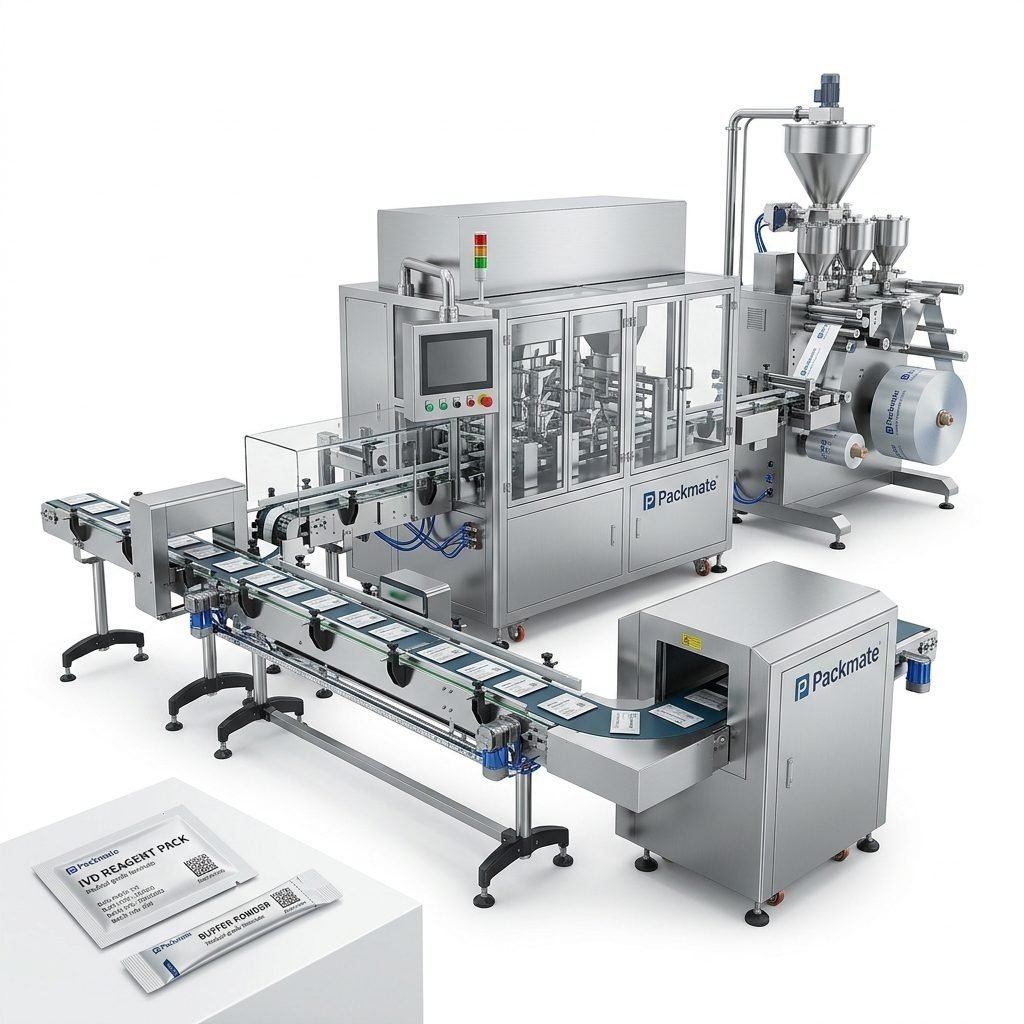
A packaging machine is rarely an island. Its performance is tied to the upstream and downstream equipment. Consider how it will integrate with your existing depositors, coolers, or checkweighers. For a seamless operation, some manufacturers offer complete Filling & Packaging Lines as turnkey solutions. This ensures all components are designed to work in harmony, maximizing efficiency and minimizing bottlenecks from the outset.
Trends and Innovations in Bar Packaging
The market is constantly evolving. Sustainability is a major driver, with increasing demand for machines that can handle compostable or recyclable mono-material films. Smart packaging, incorporating IoT sensors for real-time monitoring of machine performance and predictive maintenance, is also on the rise. Choosing a forward-thinking partner ensures your investment remains relevant and adaptable to future market shifts.
Frequently Asked Questions (FAQs)
What is the typical output speed of a cereal bar flow wrapper?
Speeds vary widely based on machine model and bar size. Entry-level machines may run at 60-100 bars per minute, while high-speed models can exceed 300 bars per minute. It’s crucial to match the speed to your overall line capacity.
Can one machine handle different bar sizes and shapes?
Yes, most modern machines are designed for quick changeover. This involves adjusting guides, forming shoulders, and sealing jaws. The time required for changeover (from 15 minutes to an hour) is a key specification to discuss with your supplier.
What type of packaging film is best for cereal bars?
A high-barrier polypropylene (PP) or metallized film is commonly used to protect against moisture and oxygen, extending shelf life. The choice depends on your product’s sensitivity and sustainability goals. Your machine supplier can advise on compatible materials.
How important is after-sales service when buying a machine?
Extremely important. Reliable technical support, available spare parts, and operator training are critical for minimizing downtime. A supplier with a strong global service network, like Packmate, provides peace of mind and protects your production investment.
Are turnkey packaging lines a better option than buying individual machines?
For new setups or major expansions, turnkey lines offer significant advantages. They provide a single point of responsibility, guaranteed compatibility between all line components, and optimized performance from day one, though they represent a larger initial investment.