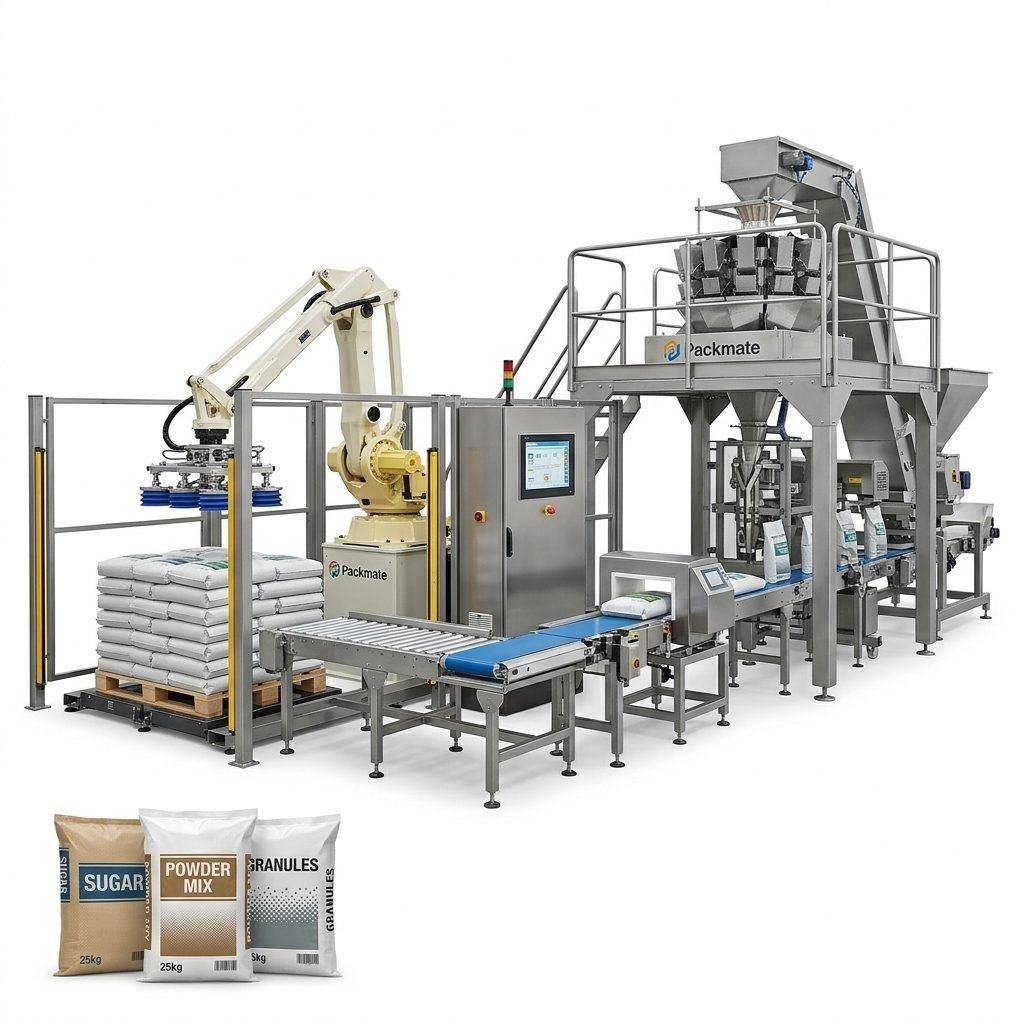
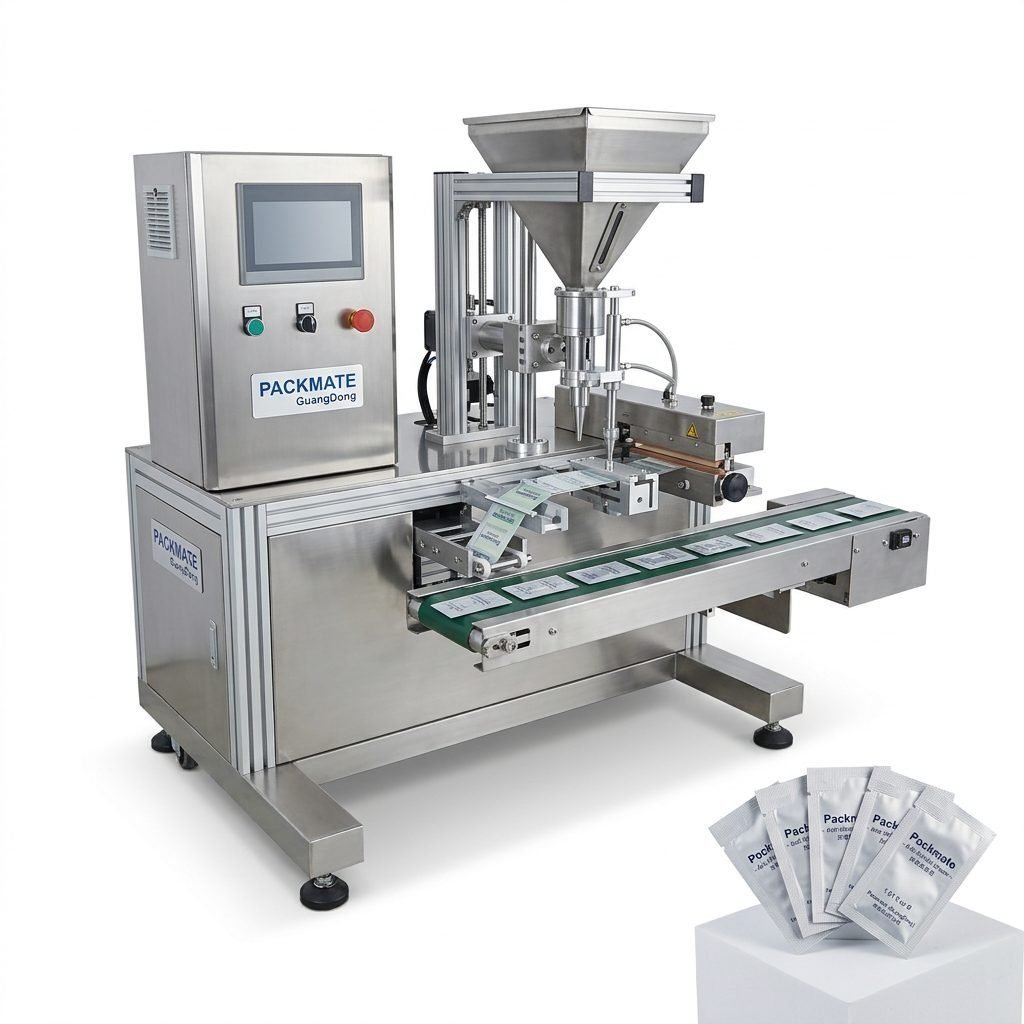
In the dynamic world of manufacturing, packaging machinery stands as a critical link between production and the consumer. It encompasses the automated systems and equipment designed to pack products into containers, pouches, bags, or other forms of final packaging. This guide delves into the various types of packaging machinery and explains the core manufacturing processes, providing a comprehensive overview for industry professionals and newcomers alike.
Core Types of Packaging Machinery
The landscape of packaging machinery is vast, with equipment tailored to specific functions, product types, and production scales. Understanding these categories is the first step in selecting the right solution for your operation.
Filling Machines
These machines are responsible for accurately measuring and dispensing product into containers. They are categorized by the product form they handle:
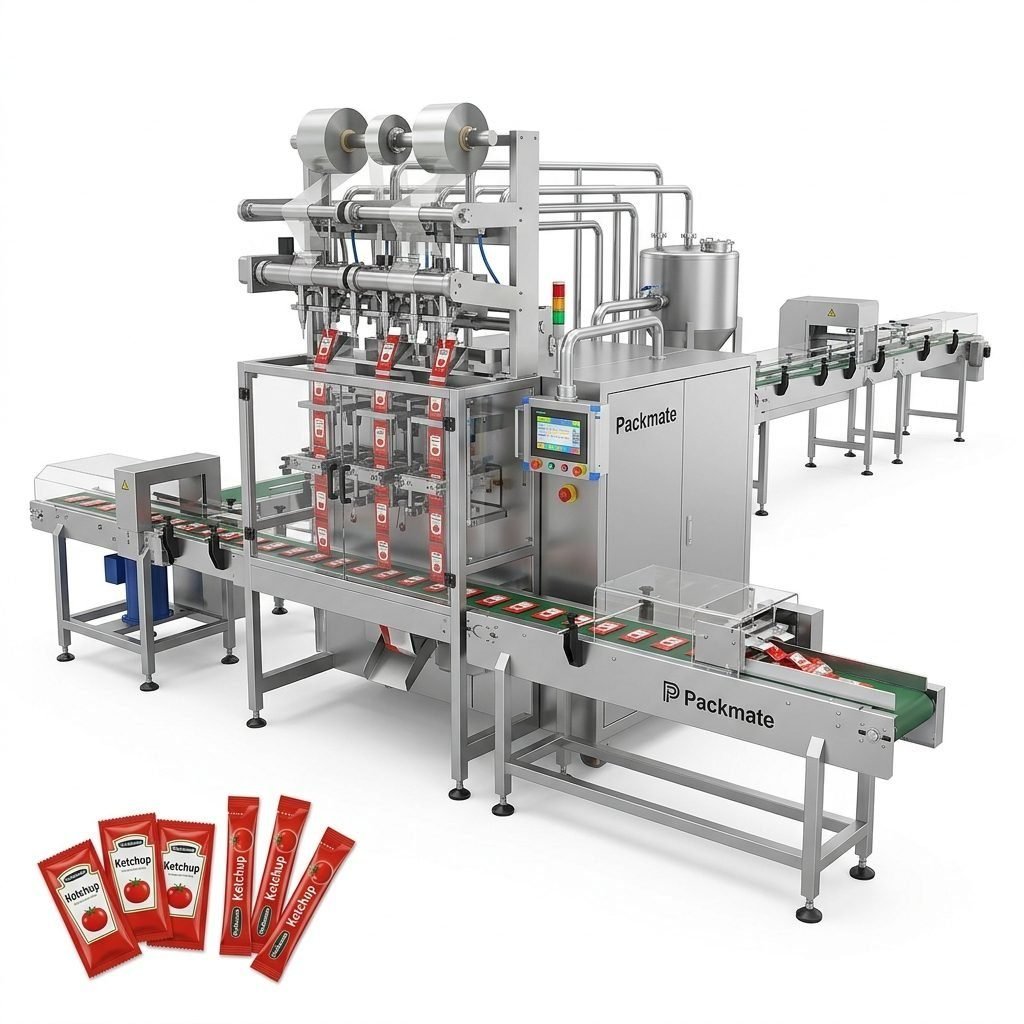
Liquid Fillers: Used for beverages, oils, sauces, and chemicals. Common technologies include gravity, pressure, and volumetric piston fillers.
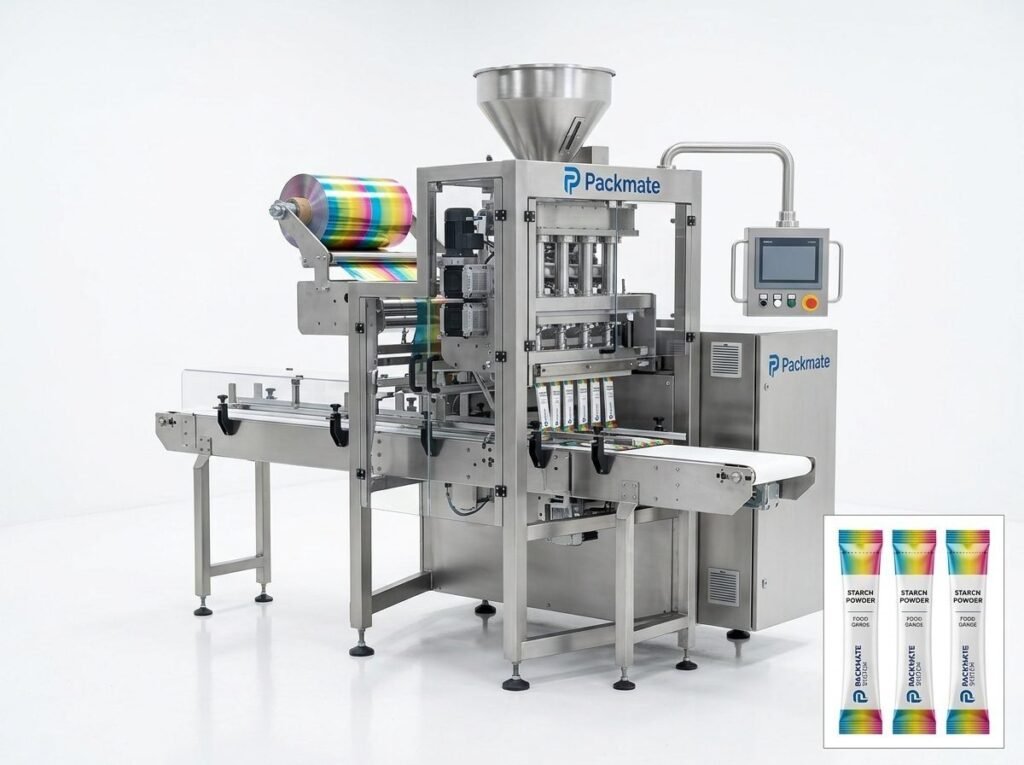
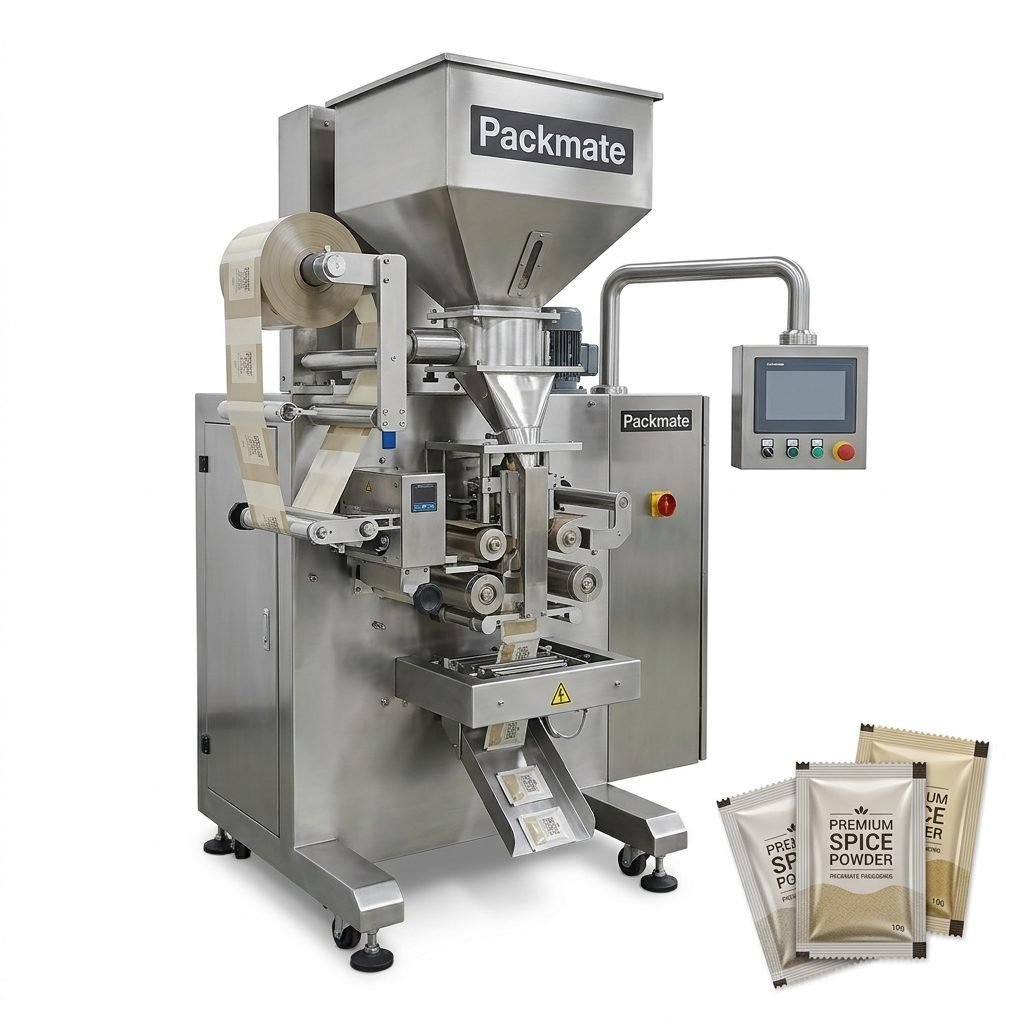
Powder Fillers: Essential for flour, spices, protein powders, and pharmaceuticals. Auger fillers are predominant for their precision.
Granule Fillers: Handle products like coffee beans, nuts, and grains, often using weigh scale or cup filling systems.
Form-Fill-Seal (FFS) Machines
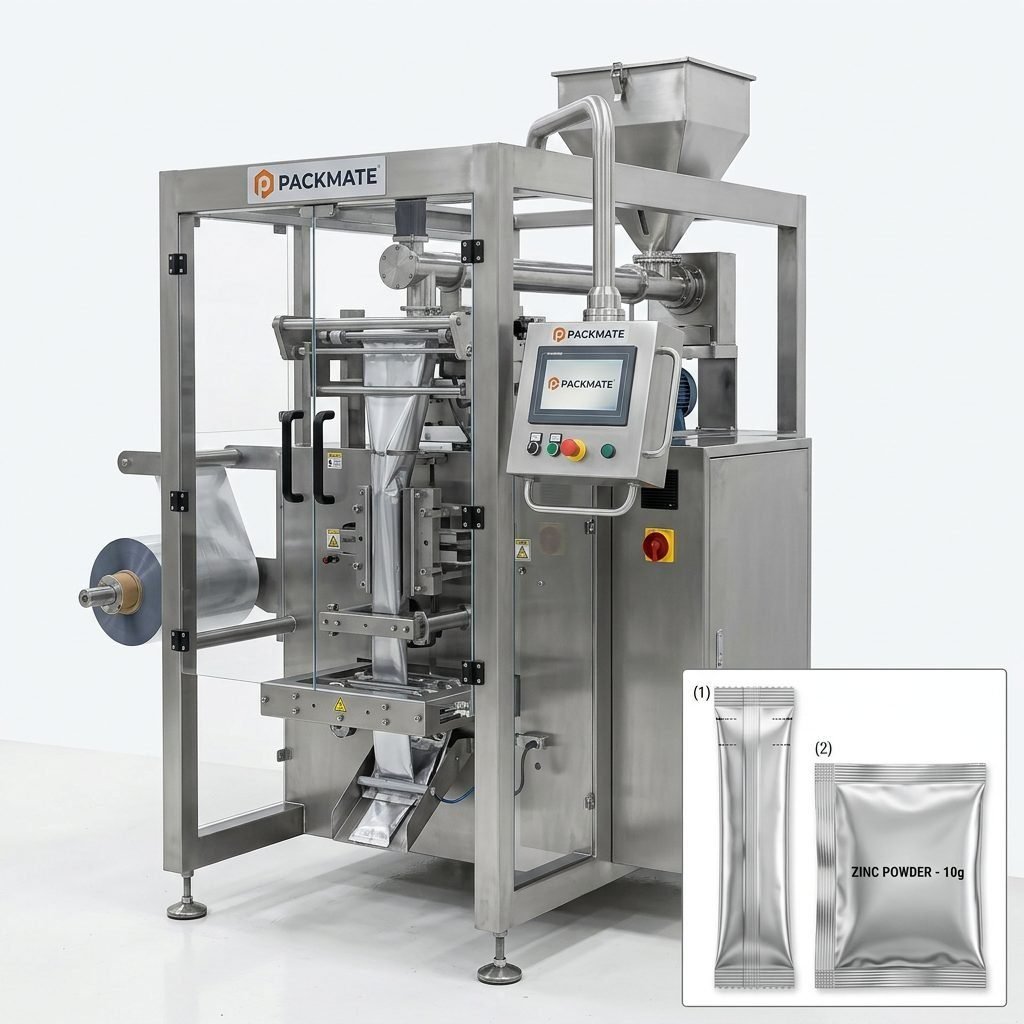
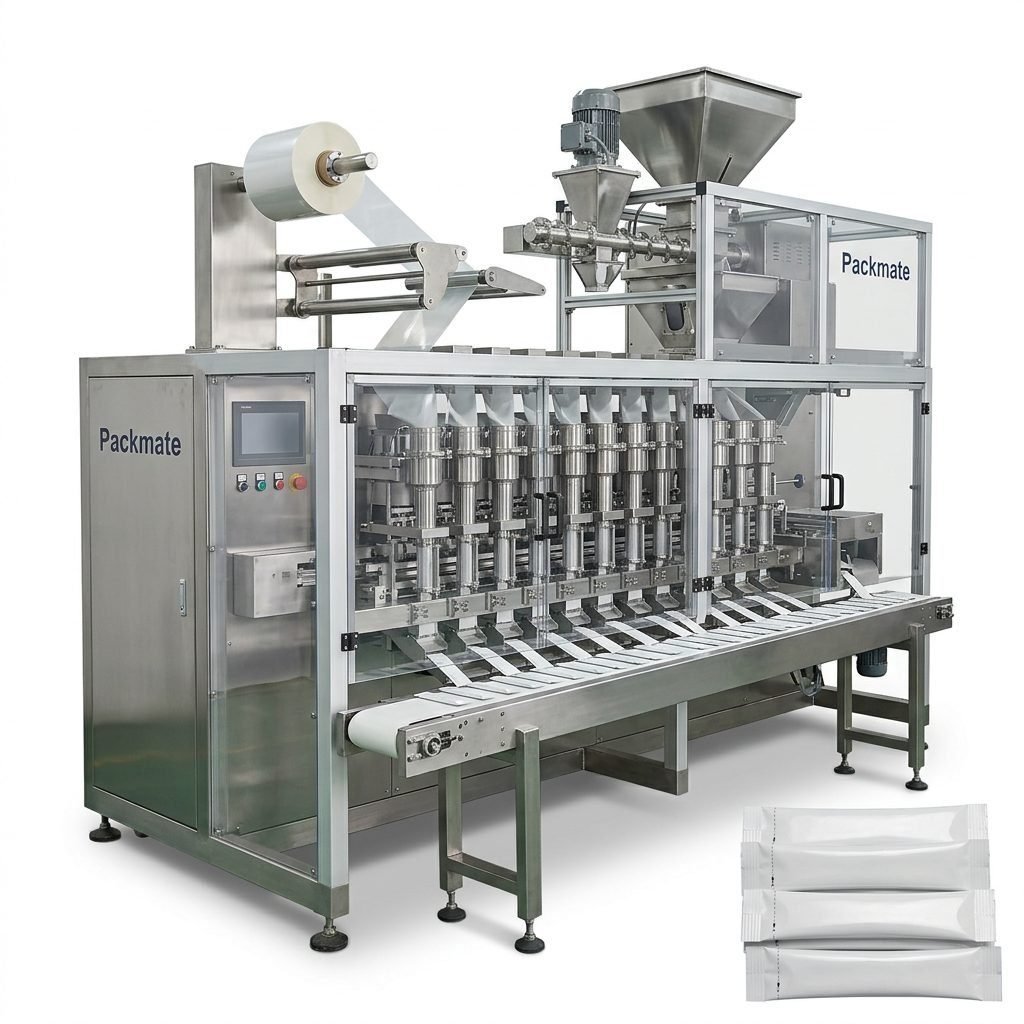
FFS machines are highly integrated systems that form the package from a roll of film, fill it with product, and seal it—all in one continuous operation. They are incredibly efficient for high-volume production.
Vertical Form-Fill-Seal (VFFS): The film is formed vertically into a bag. Ideal for granules, powders, and snacks.
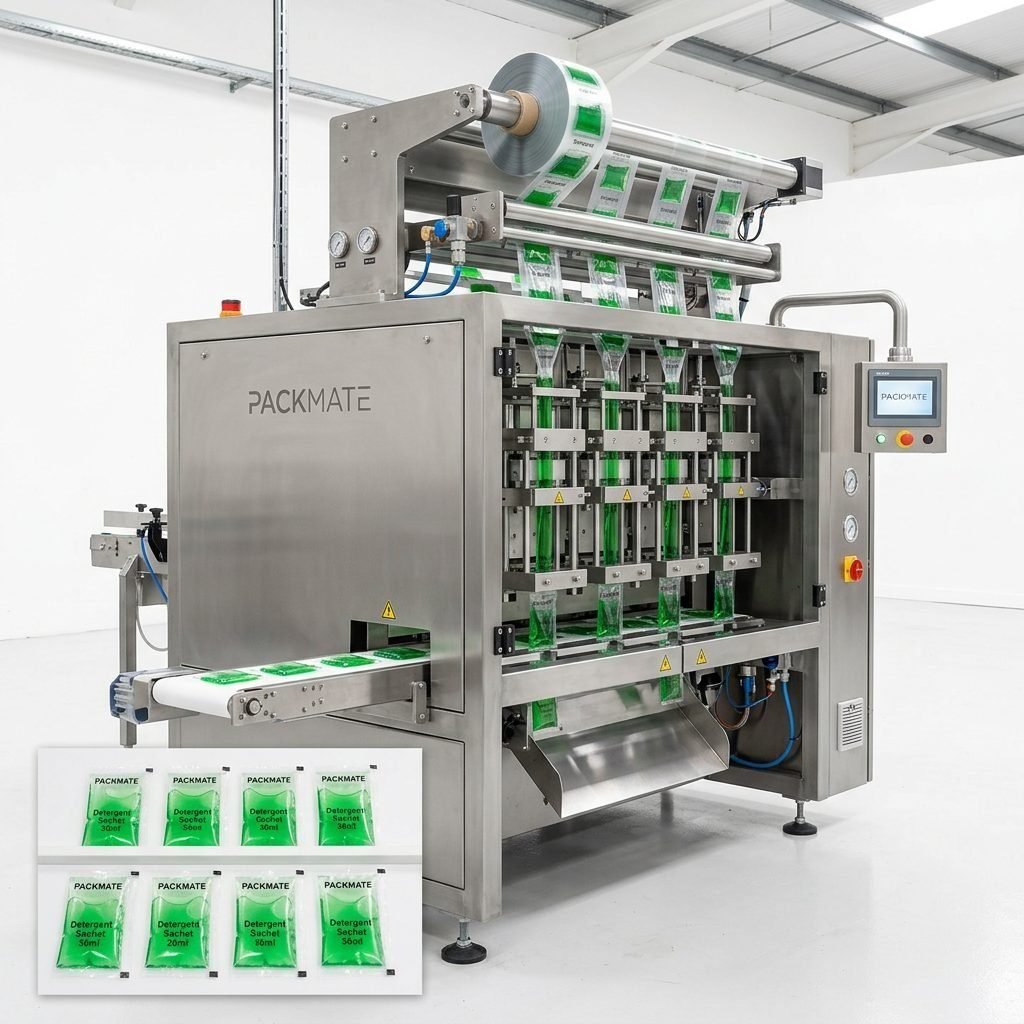
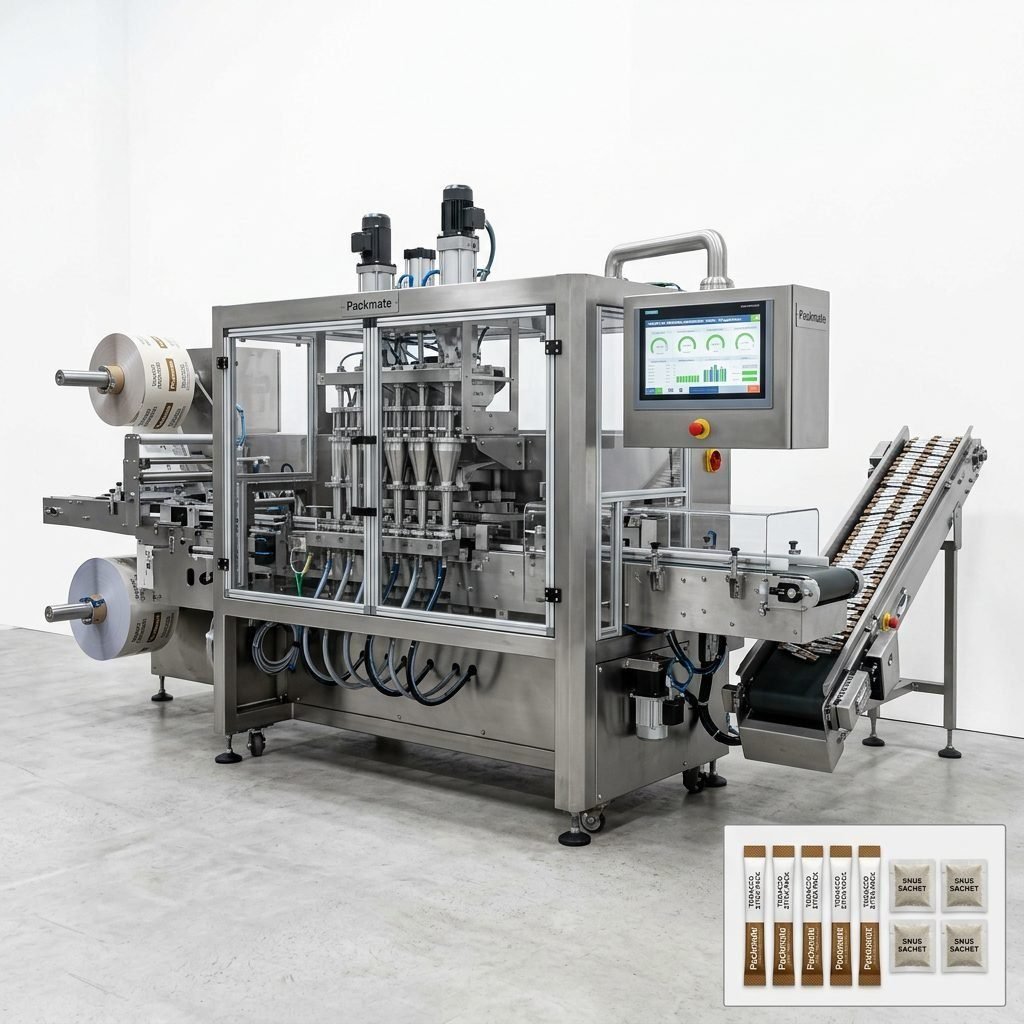
Horizontal Form-Fill-Seal (HFFS): The film is formed horizontally, often used for blister packs, sachets, and more complex package shapes.
Sealing and Capping Machines
After filling, packages must be securely closed. This category includes:
Heat Sealers: Use heat to melt and fuse thermoplastic layers on packaging films, common for pouches and sachets.
Cappers: Apply and torque screw caps, snap caps, or corks onto bottles and jars. Spindle cappers and chuck cappers are standard.
Induction Sealers: Create a hermetic, tamper-evident seal under bottle caps using electromagnetic induction.
Labeling and Coding Machines
These apply vital information and branding to the package.
Labelers: Apply pressure-sensitive, glue-based, or shrink sleeve labels. Options range from simple semi-automatic applicators to high-speed rotary labelers.
Coders: Print batch numbers, expiry dates, and barcodes directly onto packaging. Technologies include Continuous Inkjet (CIJ), Thermal Transfer Overprinting (TTO), and Laser Coding.
The Packaging Machinery Manufacturing Process Explained
Creating reliable and efficient packaging equipment is a complex, multi-stage engineering process. Leading manufacturers like Packmate Machinery follow a rigorous sequence from concept to delivery.
Stage 1: Design and Engineering
This foundational phase determines the machine’s capabilities, efficiency, and reliability.
Requirement Analysis: Engineers collaborate with clients to understand product specifics, required output (packages per minute), and factory environment.
Mechanical Design: Using CAD software, the physical structure, material handling systems, and mechanisms are designed. Stainless steel (especially 304 or 316 grade) is standard for food and pharmaceutical contact parts.
Control System Design: Programmable Logic Controllers (PLCs), Human-Machine Interfaces (HMIs), sensors, and servo motors are selected and programmed to orchestrate precise movements.
Stage 2: Sourcing and Procurement
Quality components are critical for machine longevity. Reputable manufacturers source high-grade materials and world-class parts.
Key components include precision linear guides, high-wear resistance gears, food-grade conveyor belts, industrial-grade PLCs from brands like Siemens or Mitsubishi, and servo drives. A robust supply chain ensures consistency and avoids production delays.
Stage 3: Fabrication and Assembly
This is where the design takes physical form on the factory floor.
Fabrication: Sheet metal is cut, bent, and welded to form the machine frame and enclosures. Critical parts are machined on CNC centers for micron-level accuracy.
Sub-Assembly: Components like the filling head, sealing jaws, or film unwinding system are built as separate modules.
Final Assembly: All modules are integrated onto the main frame. Pneumatic lines, electrical wiring, and the control cabinet are installed. This stage requires skilled technicians with a deep understanding of mechanical, electrical, and pneumatic systems.
Stage 4: Testing and Quality Assurance
No machine leaves the factory without rigorous validation. This phase is non-negotiable for ensuring performance.
Factory Acceptance Test (FAT): The machine is run with actual or simulated product for an extended period. Engineers measure speed, accuracy (fill weight variance), seal integrity, and overall stability.
Safety Checks: All safety guards, emergency stops, and interlocks are thoroughly tested to comply with international standards (e.g., CE, UL).
Software and HMI Verification: All machine functions and recipes are tested via the control panel to ensure intuitive and error-free operation.
Stage 5: Installation and After-Sales Support
The manufacturer’s responsibility extends beyond the factory gate.
Installation & Commissioning: Technicians often supervise installation at the client’s site, perform final calibration, and train the operator and maintenance staff.
Comprehensive Support: This includes provision of detailed manuals, readily available spare parts, remote diagnostic support, and on-site service when needed. A strong support network is a hallmark of a dependable supplier.
Key Considerations When Choosing a Manufacturer
Selecting the right partner is as important as selecting the right machine. Beyond specifications, consider these factors:
Industry Experience: Look for a manufacturer with a proven track record in your specific sector (e.g., food, pharmaceuticals, chemicals).
Technical Expertise & Customization: Can they adapt a standard machine to your unique product or packaging format?
Quality of Construction: Inspect the materials and components used. Robust construction minimizes downtime.
Global Service Network: For international buyers, ensure the manufacturer can provide timely support in your region.
Companies like Packmate (GuangDong) Co., Ltd. exemplify this approach. With over 30 years of expertise and a 20,000㎡ modern facility, they have evolved from a specialist in sachet machines to a provider of complete turnkey packaging lines. Their journey from a small workshop in 1993 to a global supplier highlights the importance of innovation and customer-focused engineering in this field.
Frequently Asked Questions (FAQ)
What is the most important factor when selecting packaging machinery?
The compatibility with your specific product is paramount. The machine’s design must account for your product’s characteristics (size, shape, flowability, abrasiveness) and your packaging material to ensure reliable, efficient, and waste-free operation.
How do I determine the required speed (output) for my packaging line?
Calculate based on your total daily/weekly production volume and available operating hours. Always factor in a buffer for maintenance and potential speed loss when running real product versus ideal conditions. It’s often advisable to choose a machine with a 15-20% higher capacity than your current need to accommodate future growth.
What is the difference between semi-automatic and fully automatic packaging machines?
Semi-automatic machines require manual intervention for certain steps (e.g., placing containers, initiating cycles) and are suitable for lower volumes or flexible production. Fully automatic machines handle the entire process from infeed to discharge with minimal human oversight, designed for high-speed, continuous production lines.
What kind of maintenance do packaging machines typically require?
Maintenance includes daily cleaning (especially for food/pharma), regular lubrication of moving parts, inspection and replacement of wear items (like seals, gaskets, and cutting blades), and periodic calibration of weighing and sensing systems. A preventive maintenance schedule provided by the manufacturer is crucial.
Can one machine handle different package sizes or products?
Many modern machines are designed with changeover capabilities. This may involve manually adjusting parts (format change parts) or, in more advanced systems, servo-driven adjustments that can be recalled from the HMI. The ease and time required for changeover is a key specification to discuss with the manufacturer.