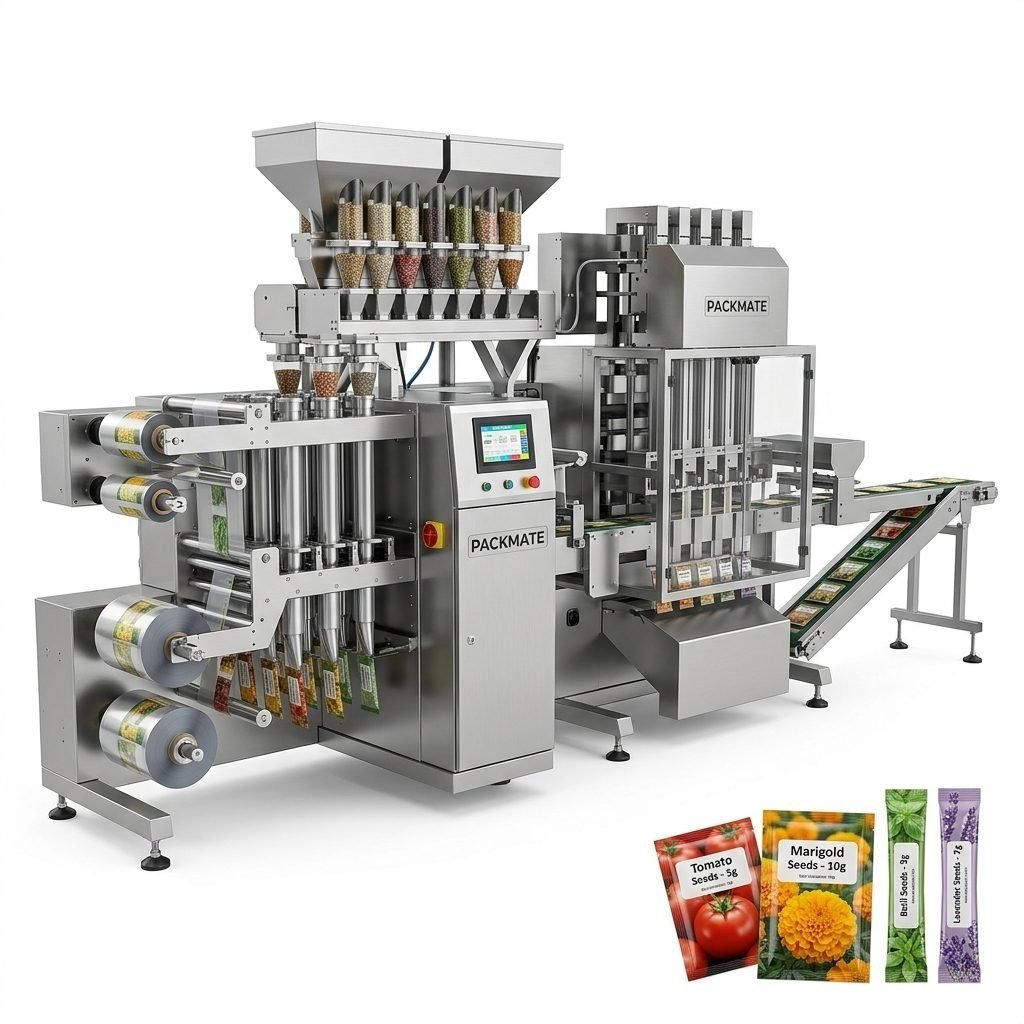
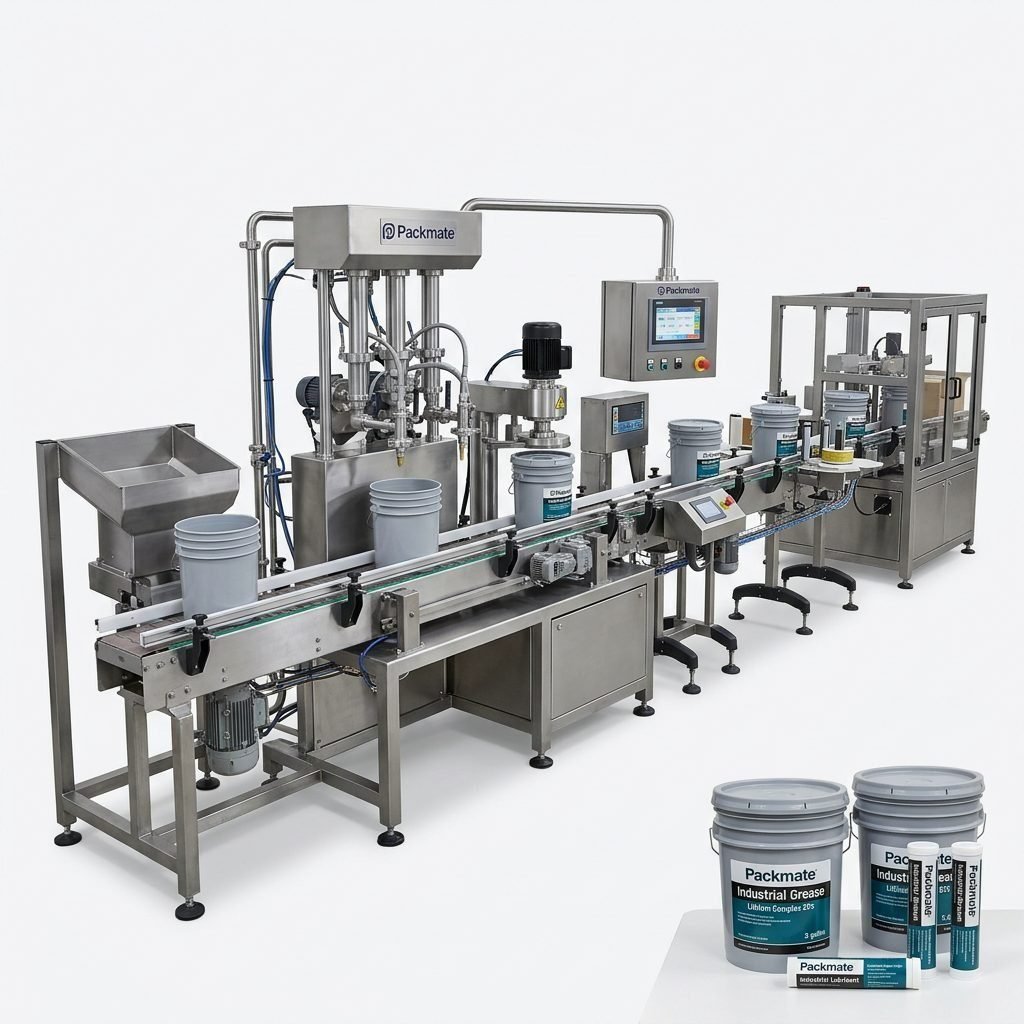
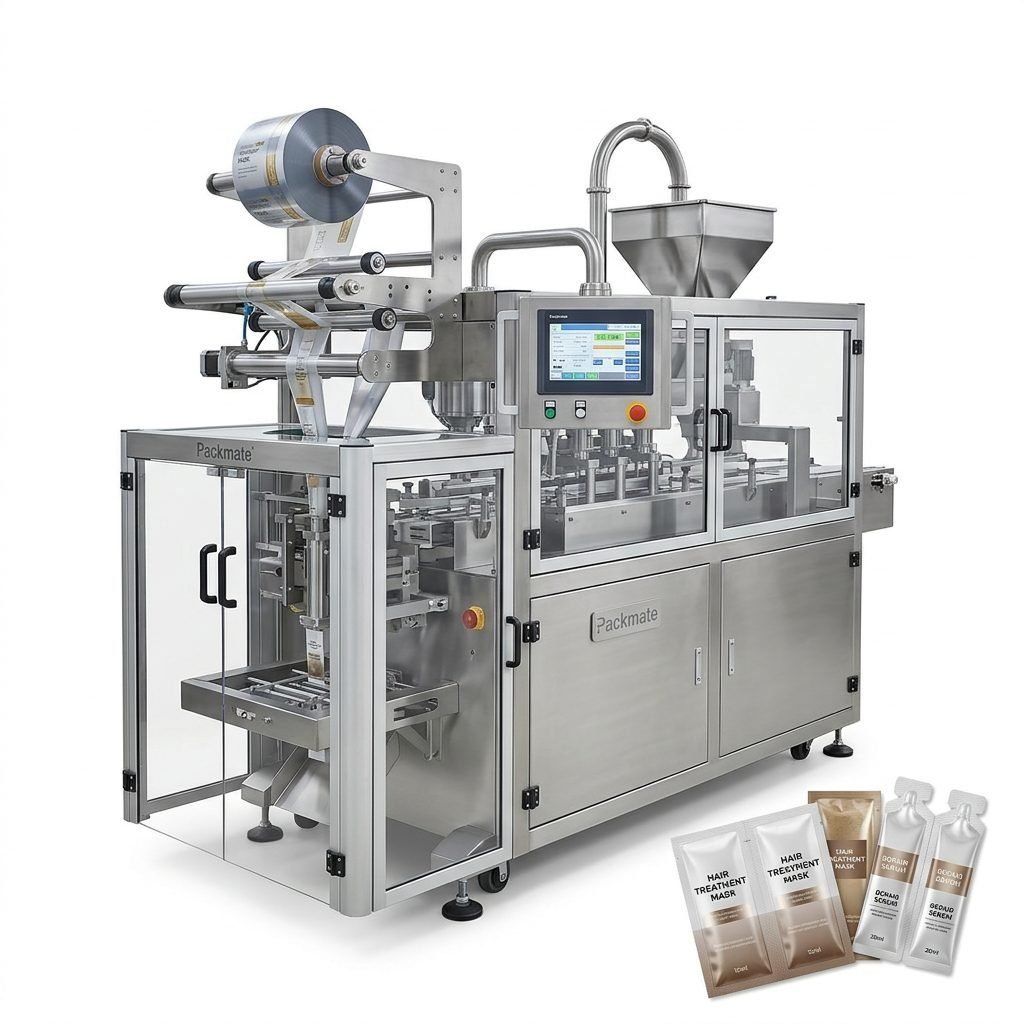
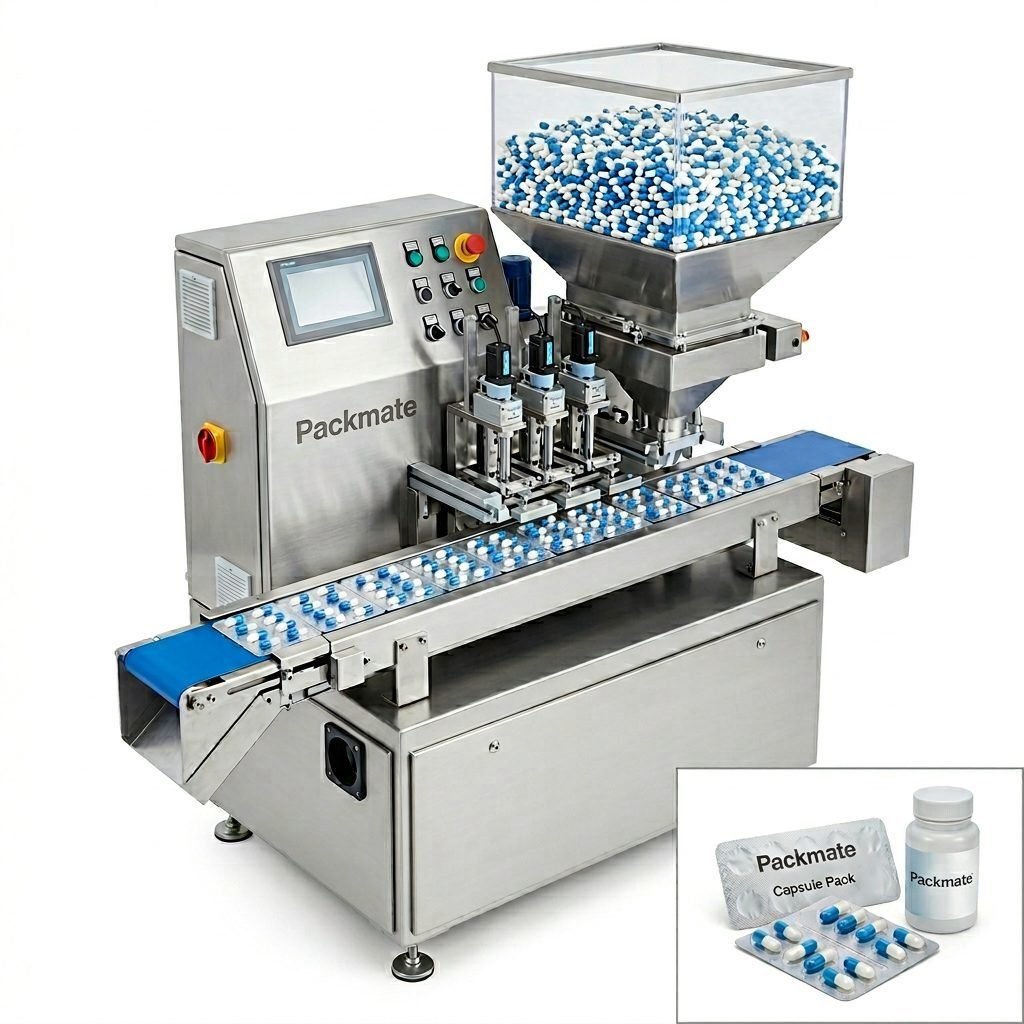
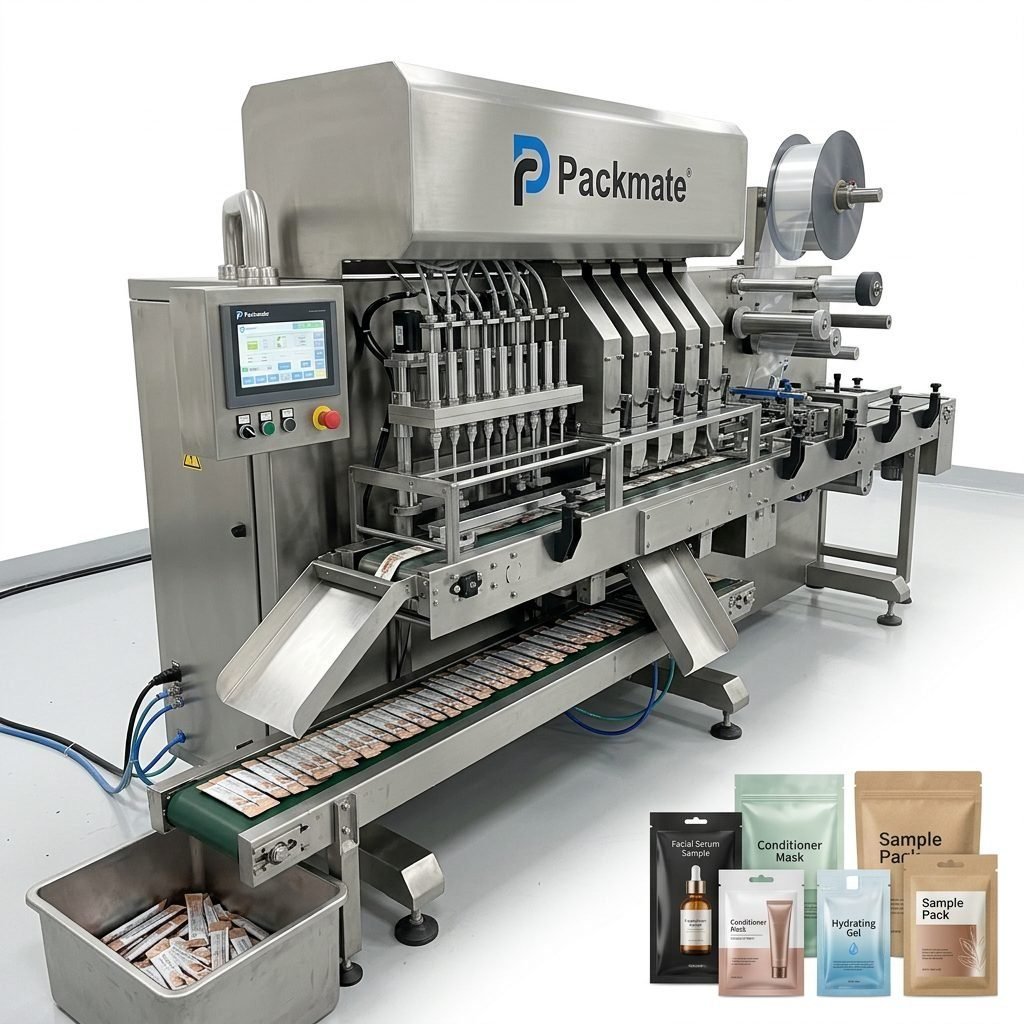
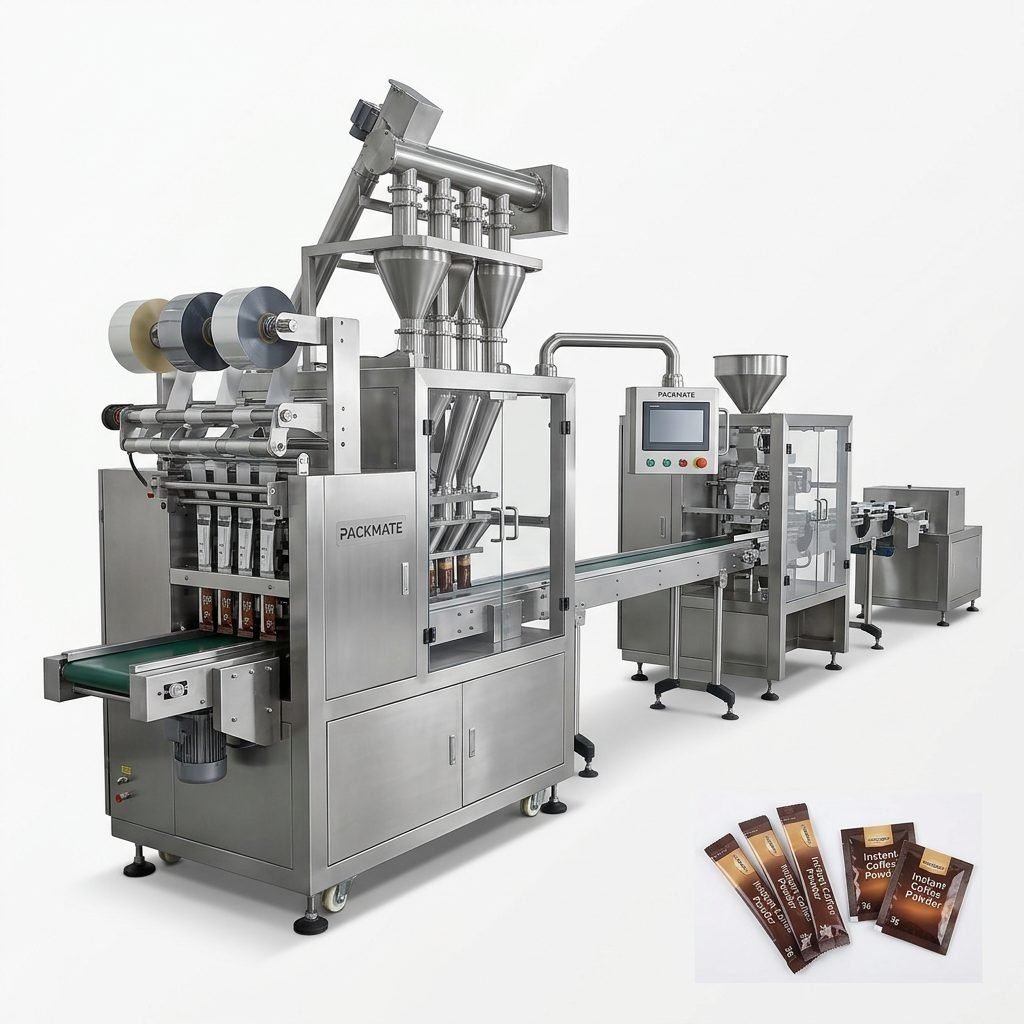
In today’s fast-paced manufacturing world, maintaining product integrity from production to consumption is paramount. Aseptic packaging machines stand at the forefront of this mission, providing a sterile environment for filling and sealing products without the need for preservatives or refrigeration. This technology is crucial for industries like dairy, beverages, pharmaceuticals, and processed foods, where shelf life and safety are non-negotiable. Understanding the intricacies of these machines is the first step toward optimizing your production line and ensuring consumer trust.
Core Principles of Aseptic Packaging
The fundamental goal of aseptic packaging is to achieve commercial sterility. This involves separately sterilizing the packaging material and the product, then bringing them together in a sterile environment to be sealed. The process eliminates microorganisms that could cause spoilage or health risks. Key components of this system include a sterile air supply, often using HEPA filters, and precise thermal or chemical sterilization methods for both the packaging and the filling nozzles. Mastering these principles ensures the packaged product remains safe and stable for months, even years, without refrigeration.
Critical Note: The success of aseptic packaging hinges on maintaining an unbroken sterile chain. Any breach in sterilization, the sterile environment, or the sealing integrity will compromise the entire batch, leading to potential product loss and safety concerns.
Primary Types of Aseptic Packaging Machines
The market offers various aseptic packaging machines, each designed for specific formats and production scales. Choosing the right type is essential for efficiency and cost-effectiveness.
Carton Packaging Machines (e.g., Tetra Pak®)
These are the most recognizable, forming, filling, and sealing paperboard laminates into brick-shaped cartons. They are ideal for liquid products like milk, juice, and soup. The process involves sterilizing the roll-fed material with hydrogen peroxide and heat before forming it into a tube, filling it in a sterile zone, and then sealing it into individual portions.
Aseptic Pouch Fillers
Designed for flexible packaging, these machines fill pre-sterilized stand-up or flat pouches. They are highly versatile and used for products ranging from dairy creams and sauces to liquid eggs and pharmaceutical intermediates. The filling occurs in a chamber flooded with sterile air, and the spout is often heat-sealed to ensure closure integrity. For businesses looking into flexible solutions, exploring bag & pouch packaging machines can provide a broader context for automation.
Aseptic Bottle Fillers
This technology fills pre-sterilized plastic (PET/PP) or glass bottles. Sterilization of bottles and caps is typically done with peracetic acid, steam, or UV light. They are popular for high-acid juices, teas, and nutritional beverages where product clarity and package appeal are important.
Aseptic Bag-in-Box Systems
Used for bulk packaging (3 to 1000 liters), these systems fill sterile product into a pre-sterilized plastic bag, which is then placed in a corrugated box or drum. They are the workhorses for industrial ingredients, tomato paste, and concentrates, offering excellent storage and transportation efficiency.
Key Industries and Applications
The applications of aseptic packaging are vast and critical to modern supply chains:
- Food & Beverage: Milk, non-dairy alternatives, juices, nectars, liquid eggs, sauces, soups, and wine. It preserves taste and nutrients far better than traditional canning.
- Pharmaceutical & Healthcare: Parenteral nutrition, IV solutions, dialysis fluids, and diagnostic reagents require absolute sterility, which aseptic processing provides.
- Cosmetics: Some high-end serums and lotions use aseptic filling to avoid parabens and other preservatives, marketing a “cleaner” product.
For manufacturers in the health and food sectors, integrating a complete filling & packaging line that incorporates aseptic technology can be a transformative investment.
Essential Buying Considerations
Investing in an aseptic packaging machine is a significant decision. Here are the crucial factors to guide your purchase:
1. Product Characteristics
The machine must be compatible with your product’s viscosity, acidity (pH), particulate content, and sensitivity to heat. A machine for clear juice will differ from one for chunky soup.
2. Packaging Format and Output Speed
Define your required package size, shape, and material. More importantly, match the machine’s output (packages per minute/hour) to your current and forecasted production volumes to avoid bottlenecks or underutilization.
3. Sterilization Method
Common methods include steam (SIP), hot water, chemical (e.g., H2O2, peracetic acid), and radiation. The choice depends on packaging material tolerance, product sensitivity, and regulatory approval for residues.
4. Automation and Integration Level
Consider how the machine will fit into your existing line. Does it require manual loading, or can it be integrated with upstream sterilizers and downstream cartoners? Modern lines often include sophisticated weighing & packaging systems for precision.
5. Supplier Expertise and Support
This is perhaps the most critical factor. Choose a supplier with a proven track record in aseptic technology. They should offer comprehensive training, validated processes, and reliable after-sales service. A partner with deep industry knowledge, like Packmate Machinery, which brings over 30 years of engineering experience to the table, can be invaluable. Their journey from a small workshop to a 20,000㎡ facility demonstrates a commitment to innovation and quality that is essential for complex aseptic solutions.
Operational Best Practices
To ensure longevity and consistent performance from your aseptic machine, adhere to these practices:
- Rigorous Validation: Perform regular media fills and challenge tests to validate the sterility of the process.
- Preventive Maintenance: Strictly follow the manufacturer’s maintenance schedule for seals, filters, sensors, and sterilization units.
- Operator Training: Ensure all personnel are thoroughly trained on hygiene protocols, machine operation, and emergency procedures.
- Environmental Monitoring: Continuously monitor the air and surface quality in the filling room to detect any potential contamination early.
Frequently Asked Questions (FAQ)
1. What is the main difference between aseptic and hot-fill packaging?
Aseptic packaging sterilizes the product and package separately at high temperatures for a short time, then fills and seals in a sterile environment. It’s suitable for heat-sensitive products. Hot-fill packaging fills a hot product (85-95°C) into a container to sterilize it, which requires containers that can withstand the heat and vacuum during cooling. Hot-fill is generally for high-acid products only.
2. How long can aseptically packaged products last?
Shelf life varies by product and package but typically ranges from 6 months to over 12 months without refrigeration. Some low-acid products in robust packaging can last up to 24 months or more when stored in cool, dry conditions.
3. Are aseptic packaging machines difficult to clean and maintain?
They require more meticulous procedures than standard fillers due to sterility requirements. Modern machines are designed with Clean-in-Place (CIP) and Sterilize-in-Place (SIP) systems to automate and validate these critical processes, making them more reliable and less prone to human error.
4. What is the typical ROI (Return on Investment) for such equipment?
ROI depends on scale, product value, and saved costs (refrigeration, preservatives, shipping). For medium to large-scale producers, the elimination of cold chain logistics and reduced product returns due to spoilage often lead to a compelling ROI within 2-4 years.
5. Can one machine handle multiple package sizes or products?
Many machines offer changeover kits to accommodate different sizes within a range. However, switching between vastly different products (e.g., from dairy to juice) usually requires a complete and validated cleaning/sterilization cycle to prevent cross-contamination and allergen issues.