Choosing the right baby food packaging machine supplier is a critical decision for manufacturers. It directly impacts product safety, shelf life, brand presentation, and ultimately, consumer trust. This guide delves into the key factors to consider when selecting top-tier suppliers and manufacturers, helping you navigate this essential segment of the food packaging industry.
Key Selection Criteria for Baby Food Packaging Machinery
Not all packaging machine suppliers are created equal, especially when it comes to sensitive products like baby food. The machinery must meet stringent standards for hygiene, accuracy, and material compatibility.
Hygiene and Food Safety Compliance
This is the foremost priority. Machines must be constructed with food-grade materials, typically stainless steel (e.g., 304 or 316L), which are easy to clean, sterilize, and resist corrosion. Look for suppliers whose designs minimize crevices where bacteria can accumulate. Compliance with international standards like FDA (USA), EFSA (Europe), and relevant local food safety regulations is non-negotiable. A reputable supplier will have a clear understanding of these requirements and design their packing machines accordingly.
Precision and Product Integrity
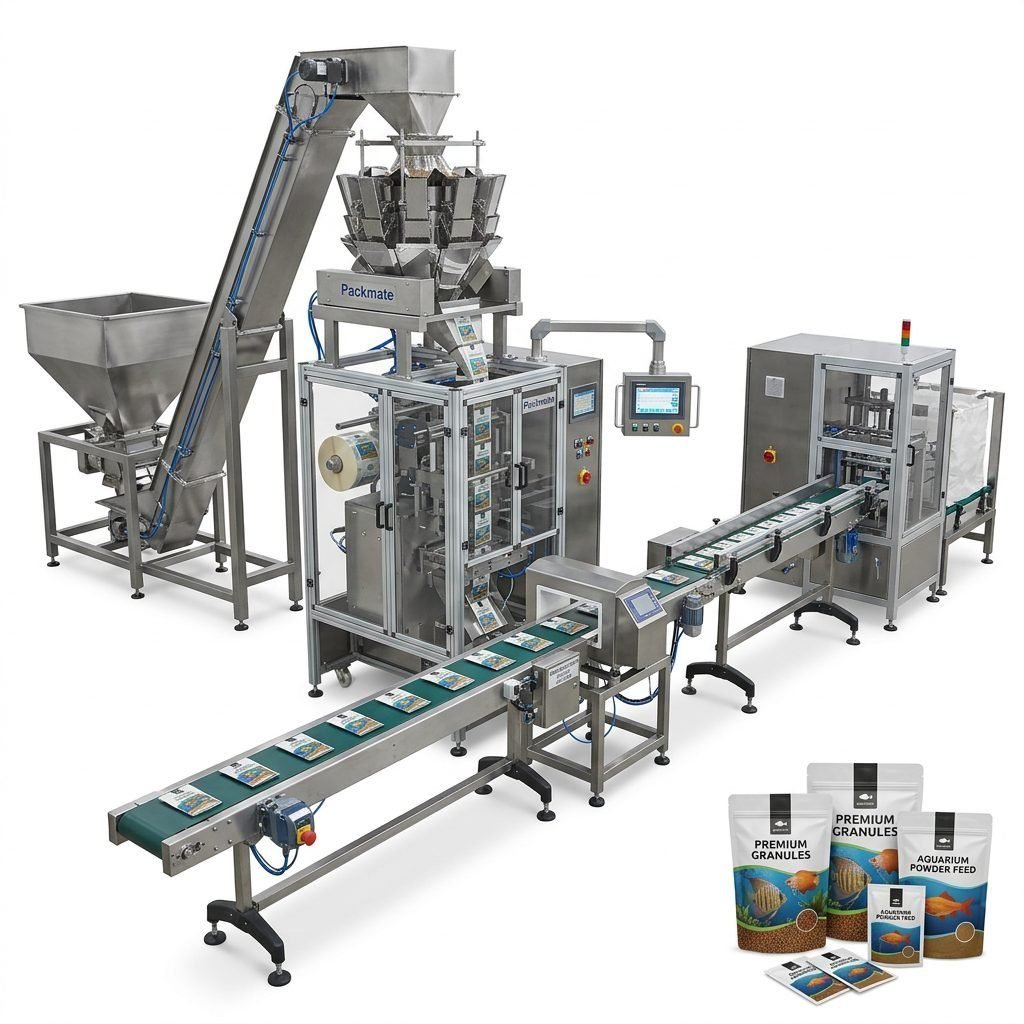
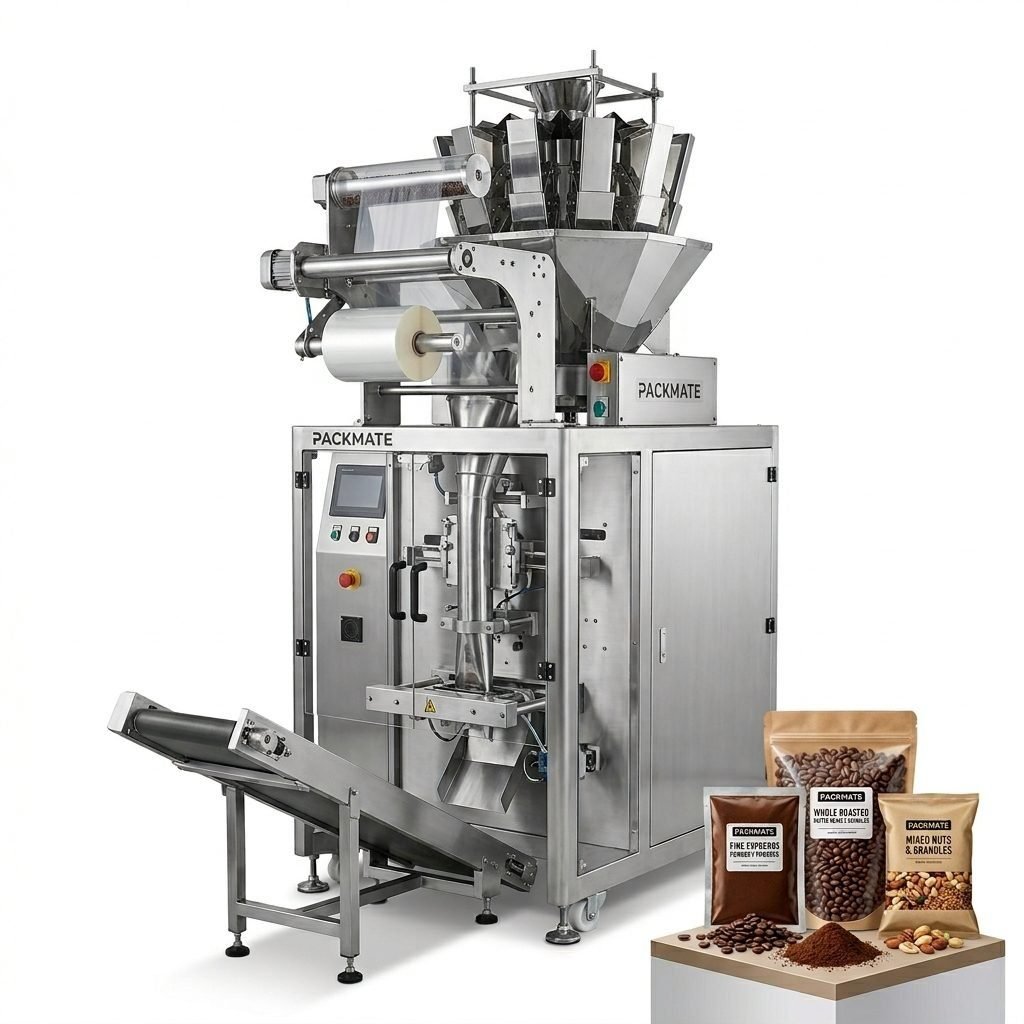
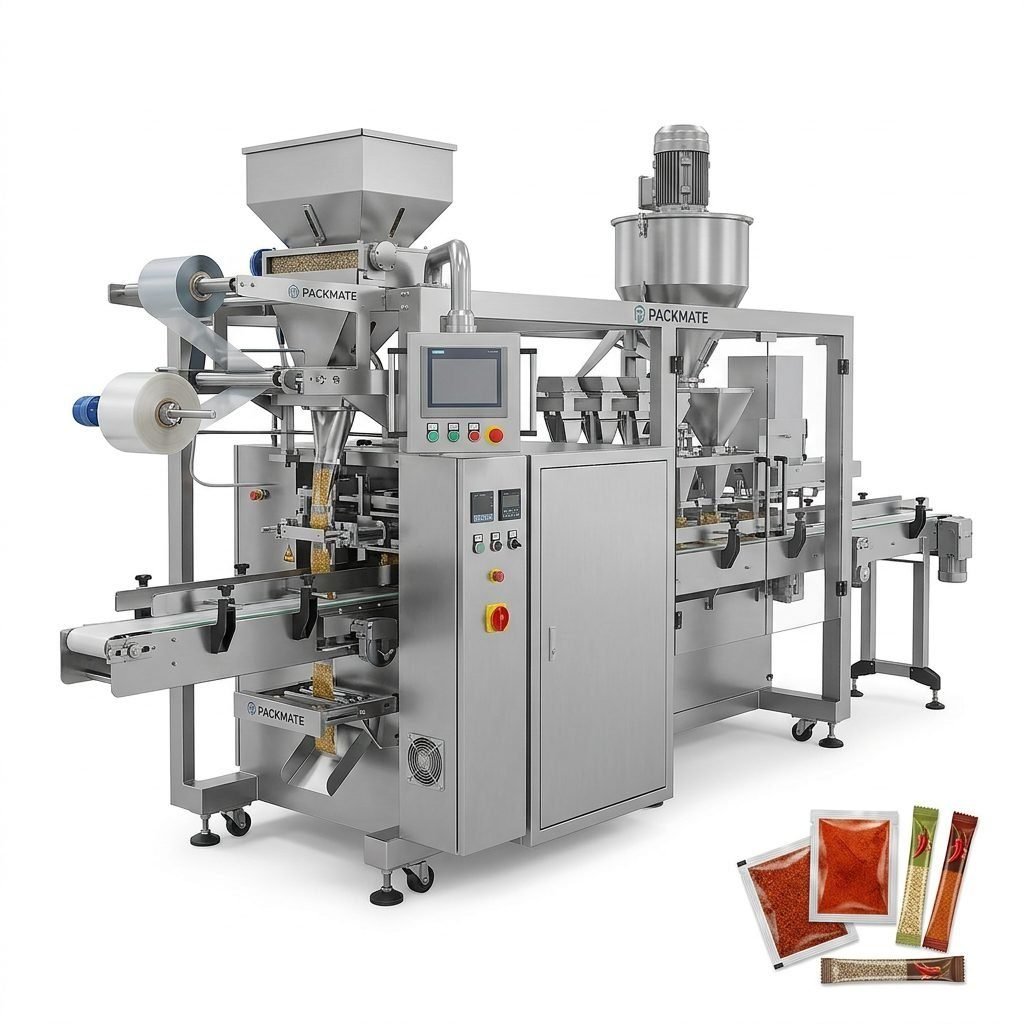
Baby food portions are small and precise. The filling system must be exceptionally accurate, whether handling purees, powders, or liquids, to ensure consistent weight and volume in every pouch or sachet. Inaccurate filling leads to product giveaway (cost loss) or underfilling (regulatory and consumer trust issues). Advanced weighing and packaging systems with multi-head weighers or servo-driven pumps are often employed for this high level of precision.
Packaging Material Versatility
The ideal machine should handle a range of laminated films and pouches commonly used for baby food, such as stand-up pouches with spouts, flat bottom pouches, or single-serve stick packs. It should support various barrier properties to protect against oxygen and moisture, which are crucial for preserving nutrients and preventing spoilage without preservatives.
Types of Baby Food Packaging Machines
The packaging format dictates the type of machinery required. Here’s a breakdown of the most common systems used in the industry.
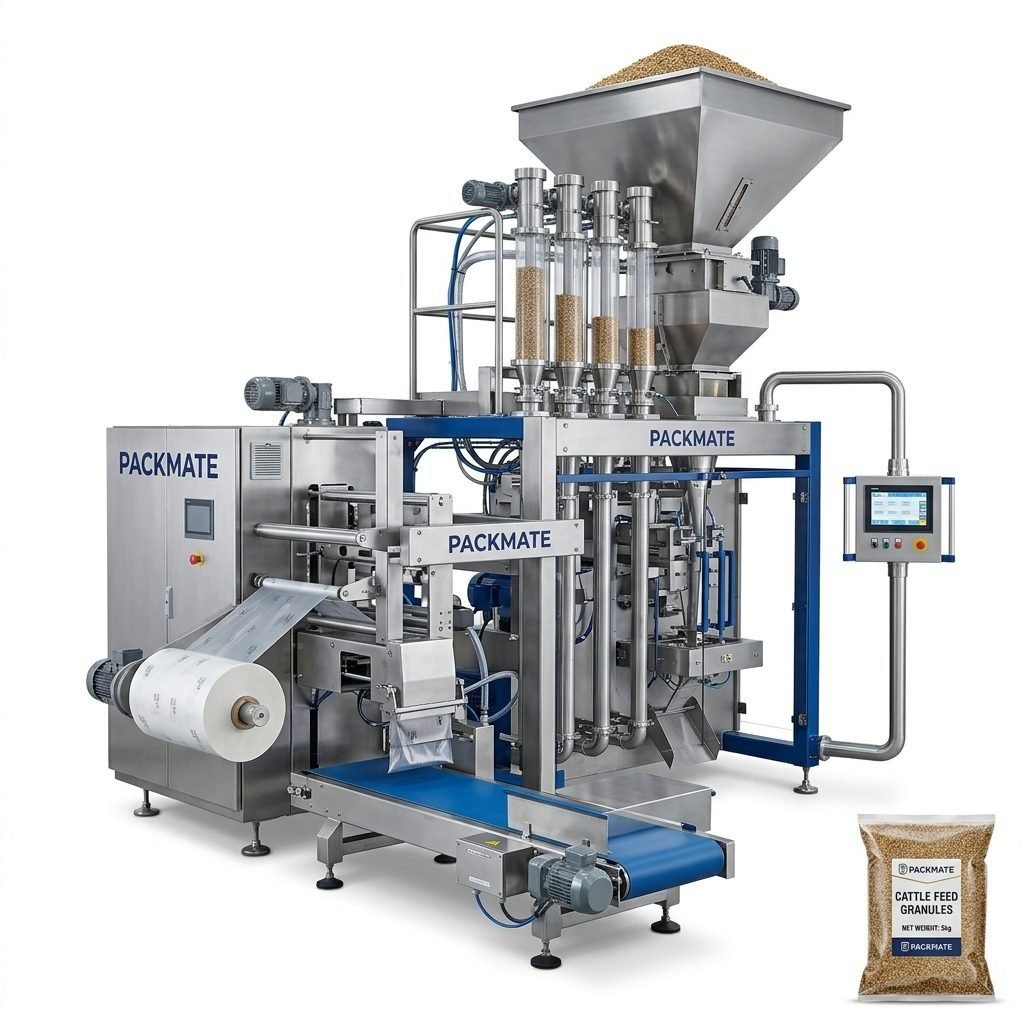
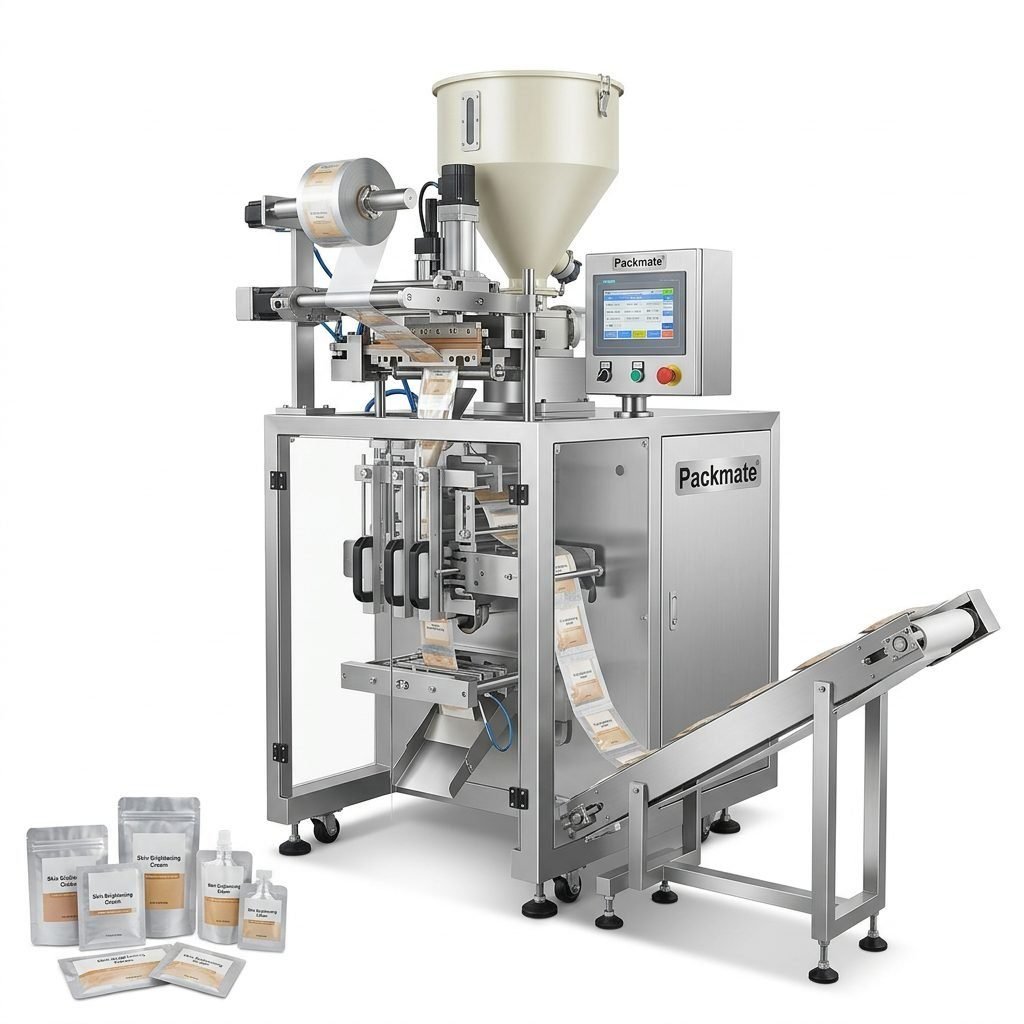
Vertical Form-Fill-Seal (VFFS) Machines: These are highly versatile and common for packaging powders (like cereal) or small granules. The machine forms a pouch from a roll of film, fills it with the product, and seals it—all in one continuous operation. They are efficient for high-speed production of single-serve portions.
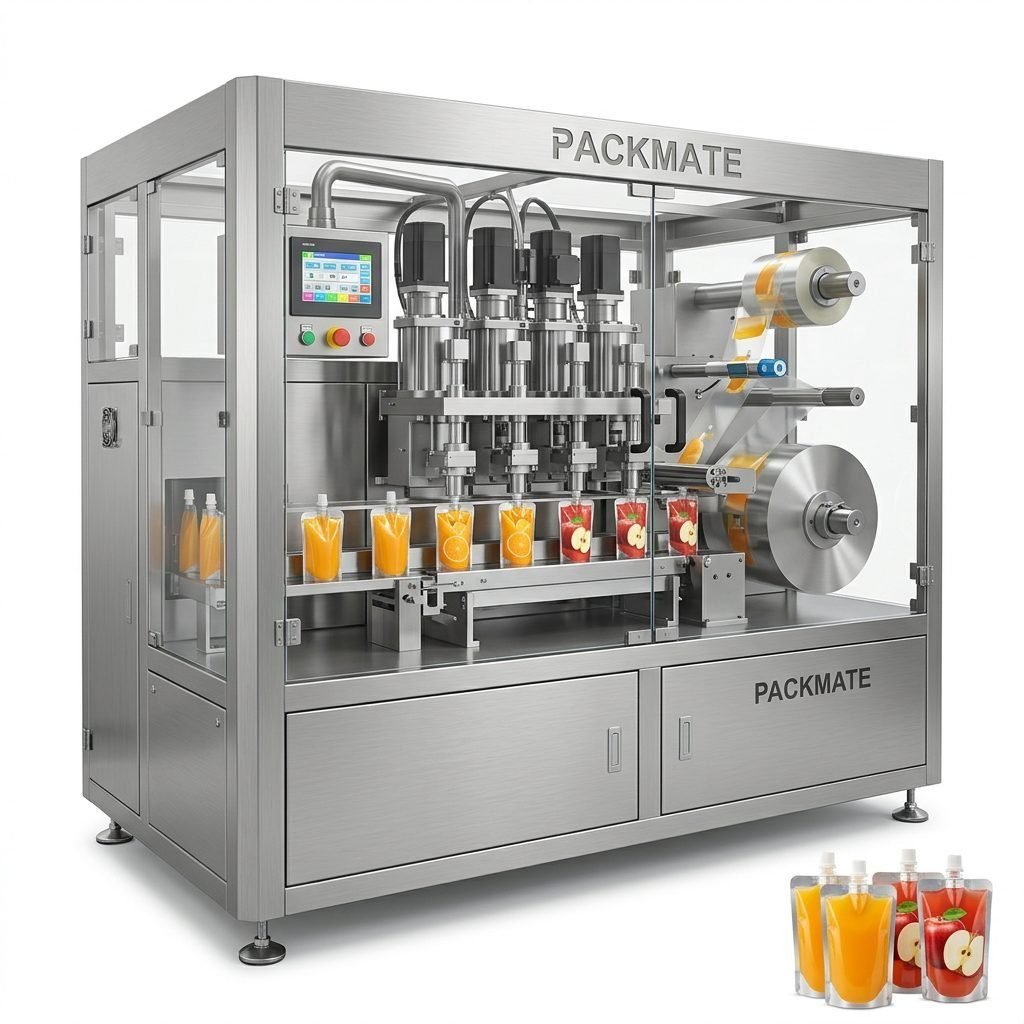
Pre-Made Pouch Fill & Seal Machines: For more complex pouch shapes, like stand-up pouches with zippers or spouts, pre-made pouches are used. These machines automatically open, fill, and seal the pre-formed pouches. They are ideal for liquid or viscous baby food purees and offer excellent branding opportunities due to the high-quality print possible on pre-made pouches.
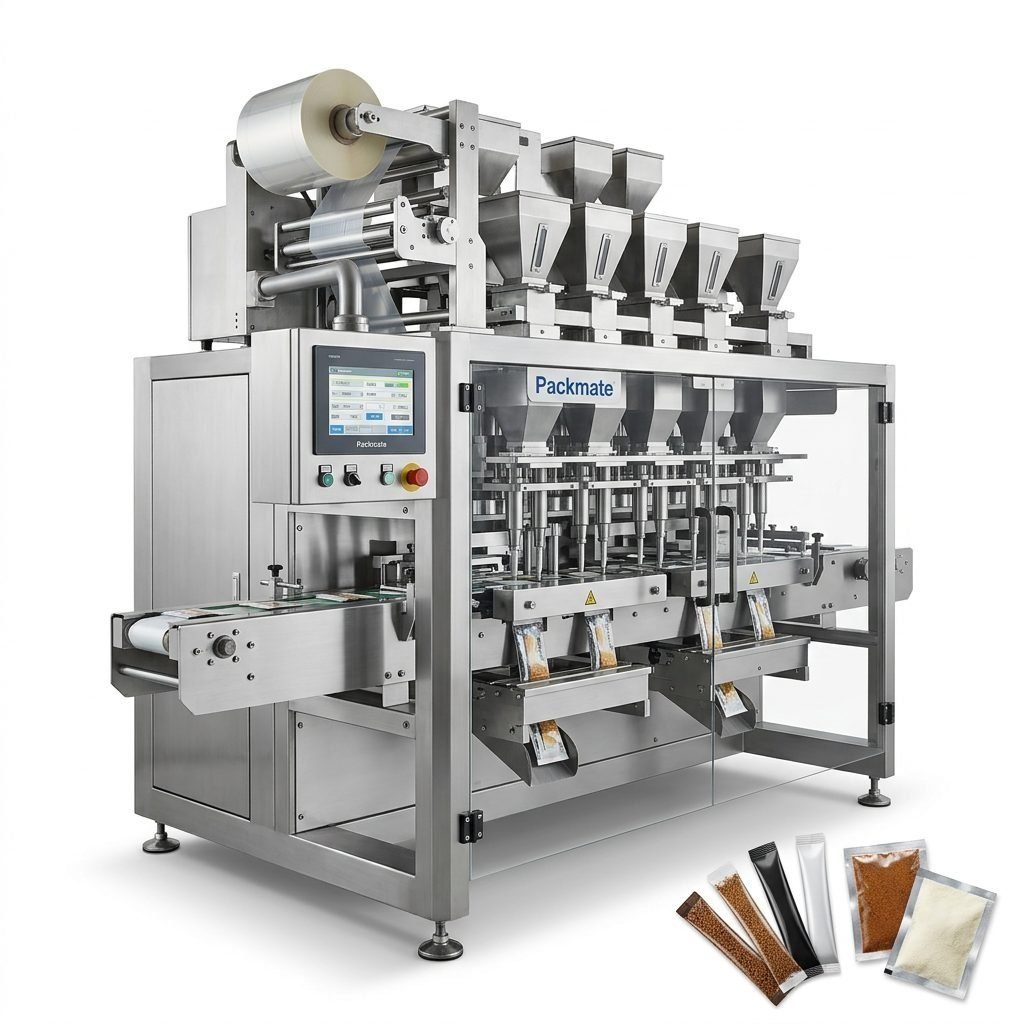
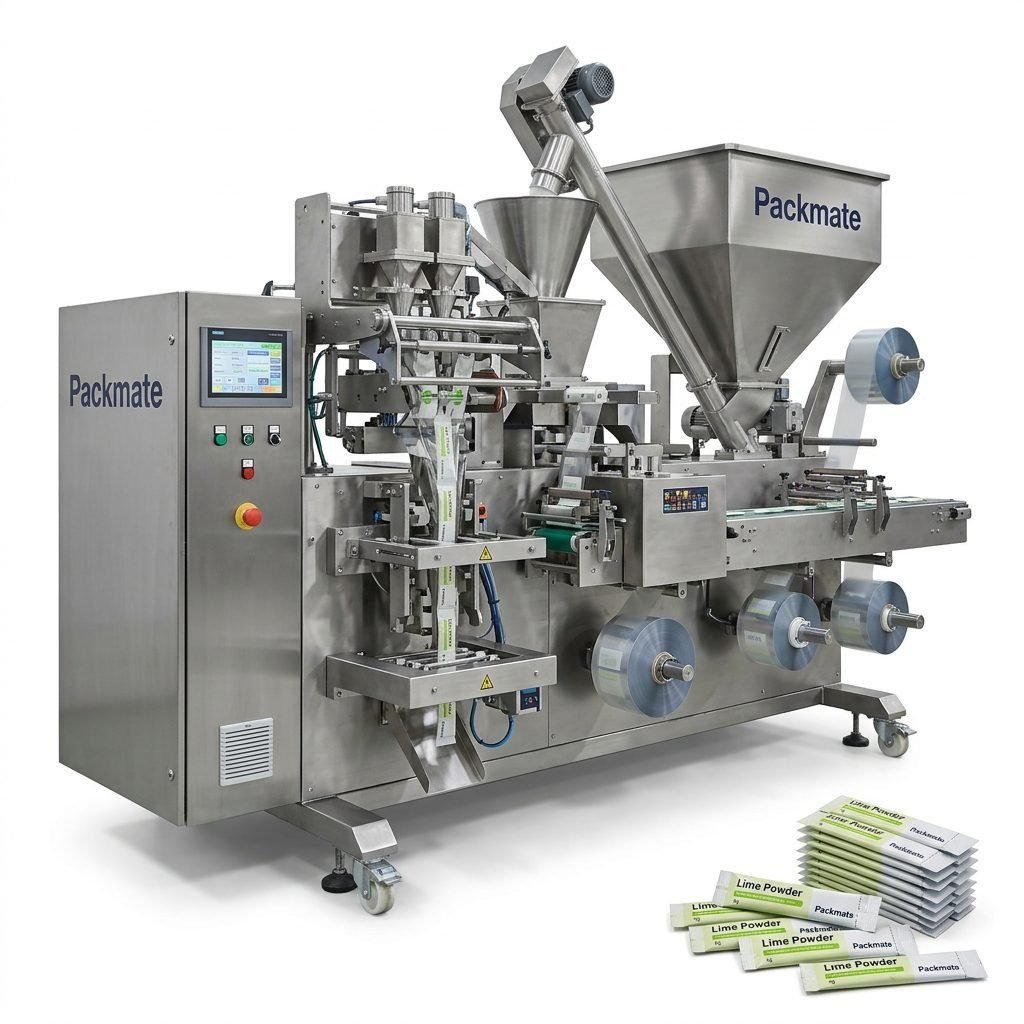
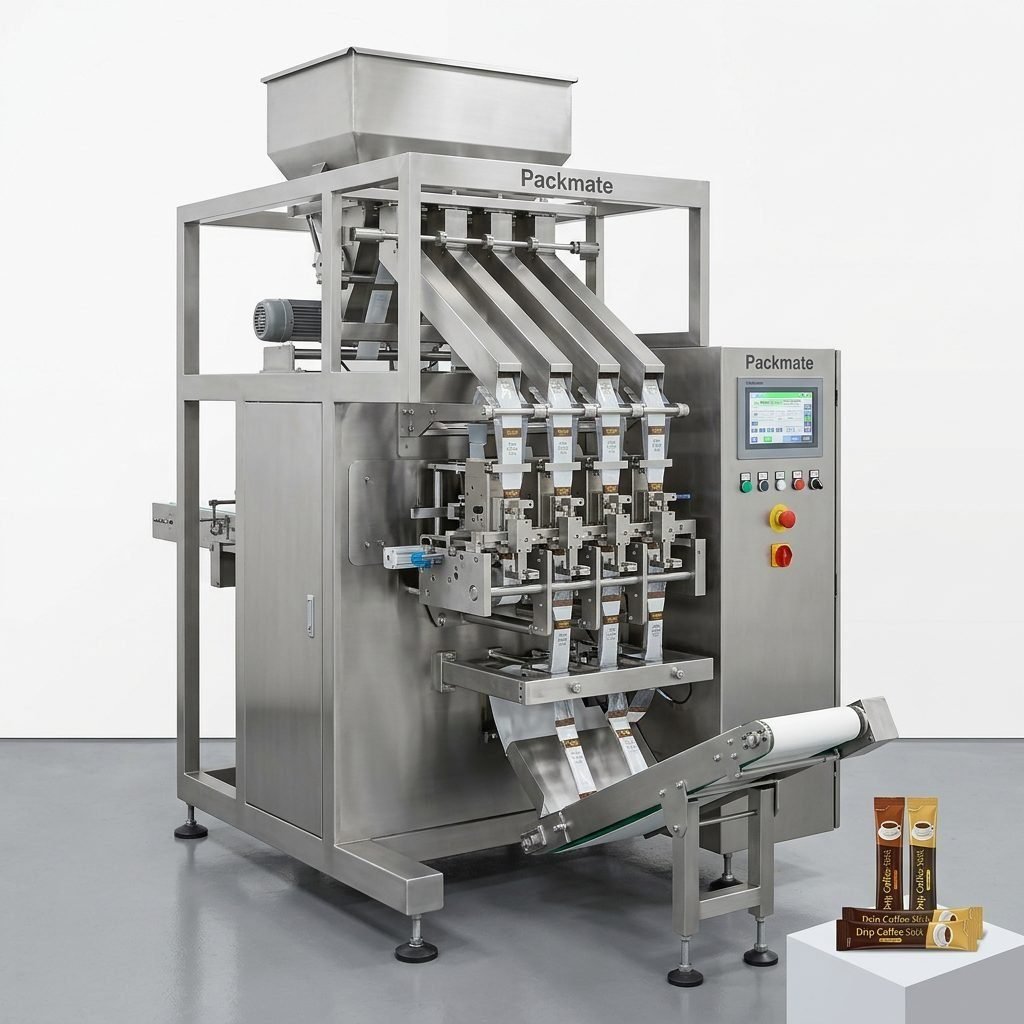
Sachet and Stick Pack Machines: Perfect for single-serving powders (e.g., formula, oatmeal) or liquid supplements. Sachet and stick pack machines create small, sealed packets from roll stock. Multi-lane machines can produce dozens of stick packs simultaneously, offering tremendous output in a compact footprint.
The Supplier Partnership: Beyond the Machine
Purchasing a machine is the beginning of a long-term partnership. Evaluating a supplier’s post-sale support and overall capability is as important as evaluating the equipment itself.
Technical Support and Training
A top supplier provides comprehensive installation, commissioning, and operator training. They should have a responsive technical support team available to troubleshoot issues remotely or on-site, minimizing costly production downtime. Ask about their typical response times and the availability of spare parts.
Customization and R&D Capability
Your production line may have unique requirements. A manufacturer with strong in-house R&D, like Packmate Machinery, can offer custom solutions. Whether it’s a special feeding mechanism for a delicate ingredient or integration with existing upstream/downstream equipment, this flexibility is invaluable. Companies with decades of experience often bring practical innovation to solve specific challenges.
Scalability and Future-Proofing: Consider your growth plans. Can the supplier provide machines that can be upgraded or integrated into full filling and packaging lines? Choosing a partner that can grow with you saves time and resources in the long run.
Global Standards and Localized Service
Leading manufacturers design machines to meet global safety and quality standards (CE, UL, etc.), which is essential for exporting products. Furthermore, they often have a network of agents or service centers in key regions to provide localized support, ensuring you get timely assistance regardless of your location.
Industry Trends Influencing Machine Design
Staying ahead means understanding the trends that drive innovation in baby food packaging machinery.
Sustainability: There is growing demand for machinery that can handle recyclable or compostable mono-material films. Suppliers are developing sealing technologies that work effectively with these new, more environmentally friendly materials.
Smart Manufacturing & Industry 4.0: Modern machines come equipped with IoT sensors and connectivity for real-time monitoring of production data, predictive maintenance alerts, and seamless integration with factory management systems. This leads to improved OEE (Overall Equipment Effectiveness).
Clean-Label and Minimal Processing: As parents seek less processed options, packaging that better preserves freshness and nutrients without additives is key. This influences the need for machines that enable advanced modified atmosphere packaging (MAP) or cold-fill processes.
Frequently Asked Questions (FAQs)
Q1: What is the most important feature to look for in a baby food packaging machine?
A1: Hygienic design and food safety compliance are paramount. The machine must be built with food-grade materials, be easy to clean thoroughly, and be constructed to prevent contamination, meeting all relevant regional food safety regulations.
Q2: Can one machine handle both purees and powders?
A2: It depends on the machine’s configuration. While some bag and pouch packaging machines are versatile, purees and powders typically require different types of filling systems (e.g., piston filler vs. auger filler). A reliable supplier can often configure a single machine platform with interchangeable filling heads for different product types.
Q3: How do I ensure the packaging is airtight to preserve freshness?
A3: Airtight seals are achieved through precise control of sealing temperature, pressure, and dwell time on the machine. High-quality suppliers use advanced servo-driven sealing jaws and consistent heat control systems to ensure every seal is perfect and reliable, which is critical for product shelf life.
Q4: What kind of production speed can I expect?
A4: Speed varies greatly by machine type and package size. Stick pack machines can run at 1,000+ packs per minute per lane. VFFS machines for pouches may range from 40 to 200+ pouches per minute. Your supplier should recommend a machine based on your required output, product characteristics, and budget.
Q5: Why is supplier experience specifically in food or pharma packaging important?
A5: Experience in these regulated industries means the supplier inherently understands the critical importance of hygiene, traceability, validation, and documentation. Their design philosophy and manufacturing processes are built around these stringent requirements, reducing risk for the baby food manufacturer.