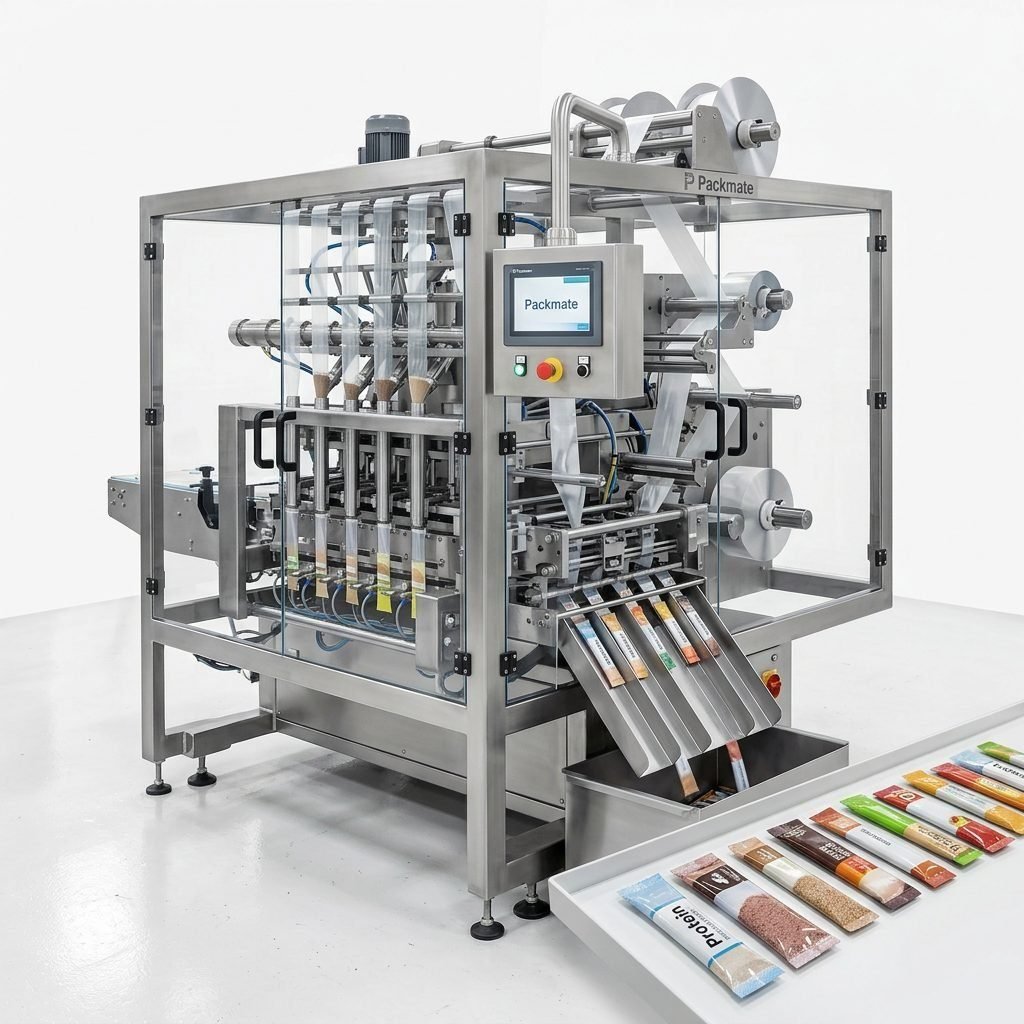
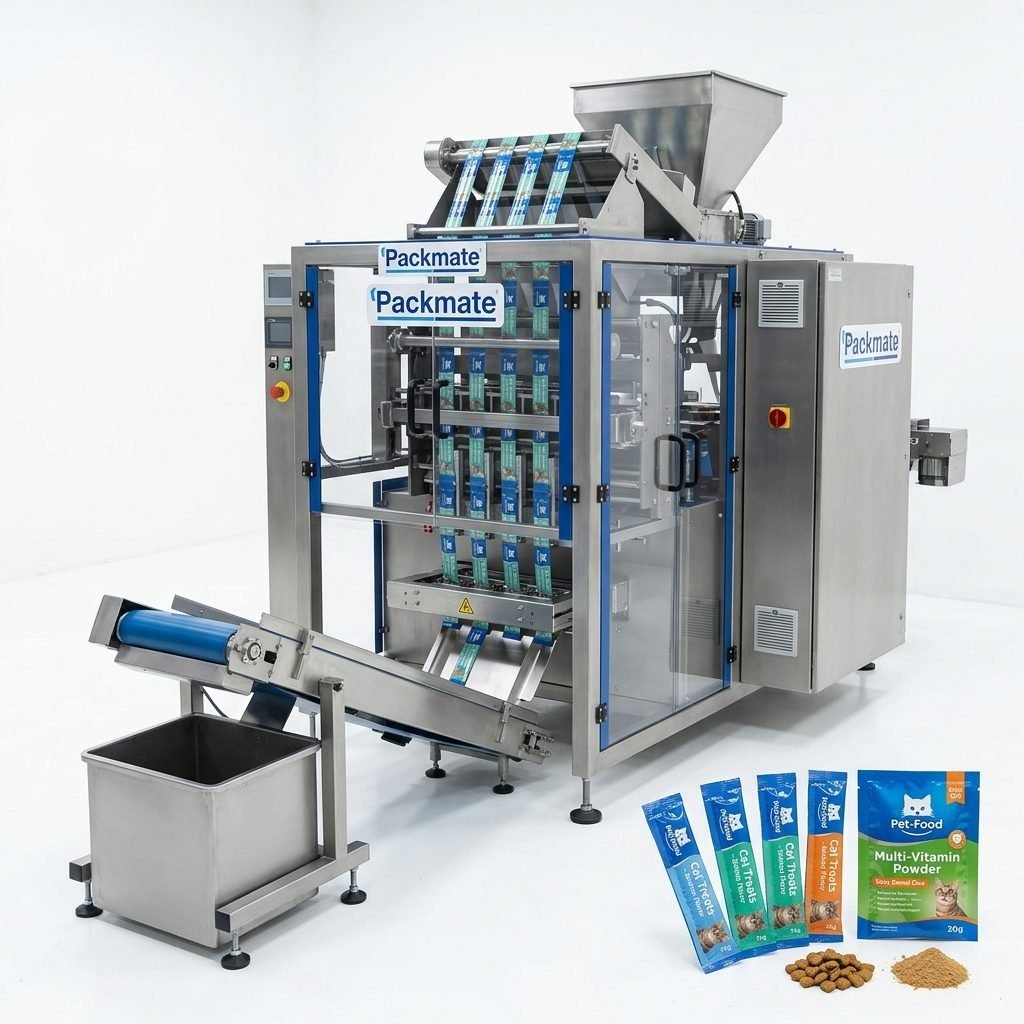
Selecting the right electronics packaging machine is a critical decision for manufacturers, impacting efficiency, product safety, and overall operational costs. With the rapid evolution of electronic components—from delicate semiconductors to finished consumer devices—the packaging process must ensure protection, organization, and often, specific environmental controls. This guide provides a comprehensive overview of the primary types of electronics packaging machinery and offers a structured buying framework to help you make an informed investment.
Core Types of Electronics Packaging Machinery
The landscape of electronics packaging equipment is diverse, tailored to different stages of production and product types. Understanding these categories is the first step in identifying the right solution for your line.
1. Anti-Static and ESD-Safe Packaging Systems
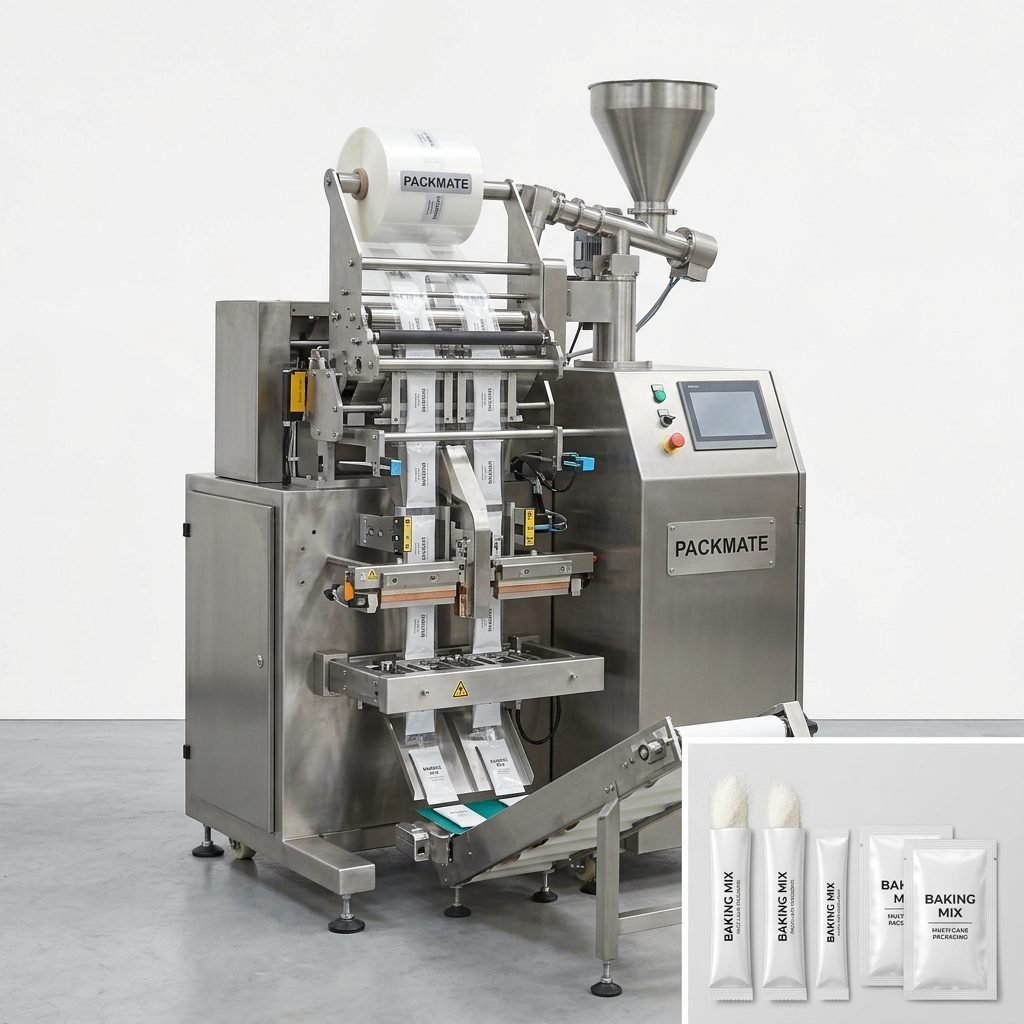
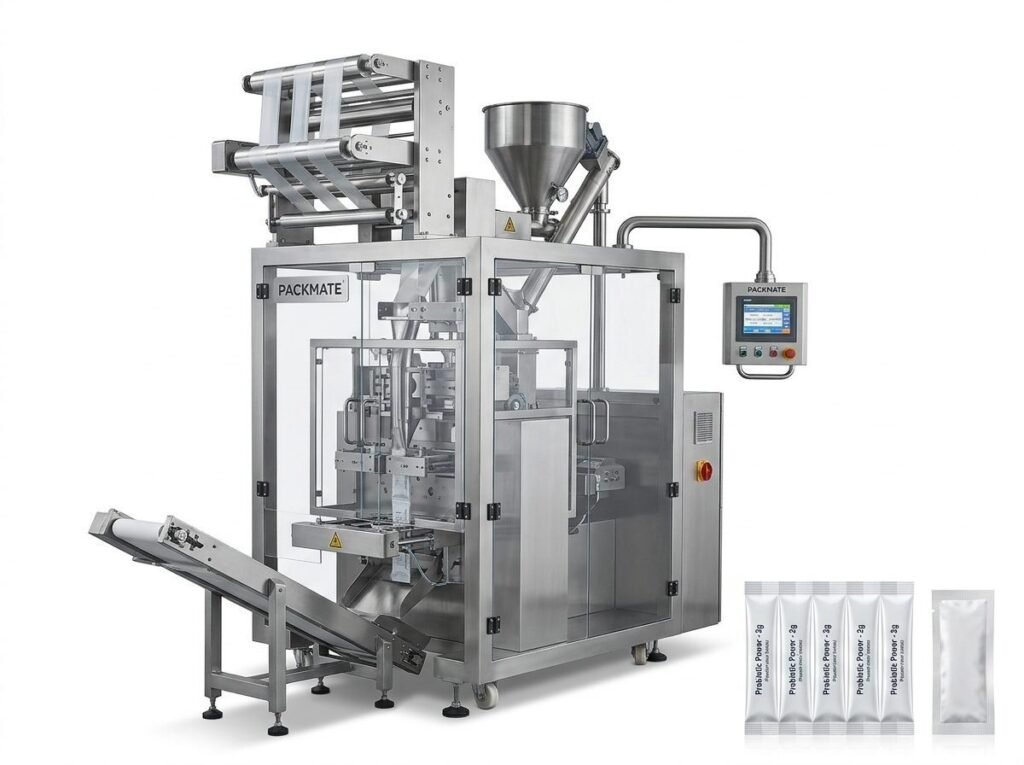
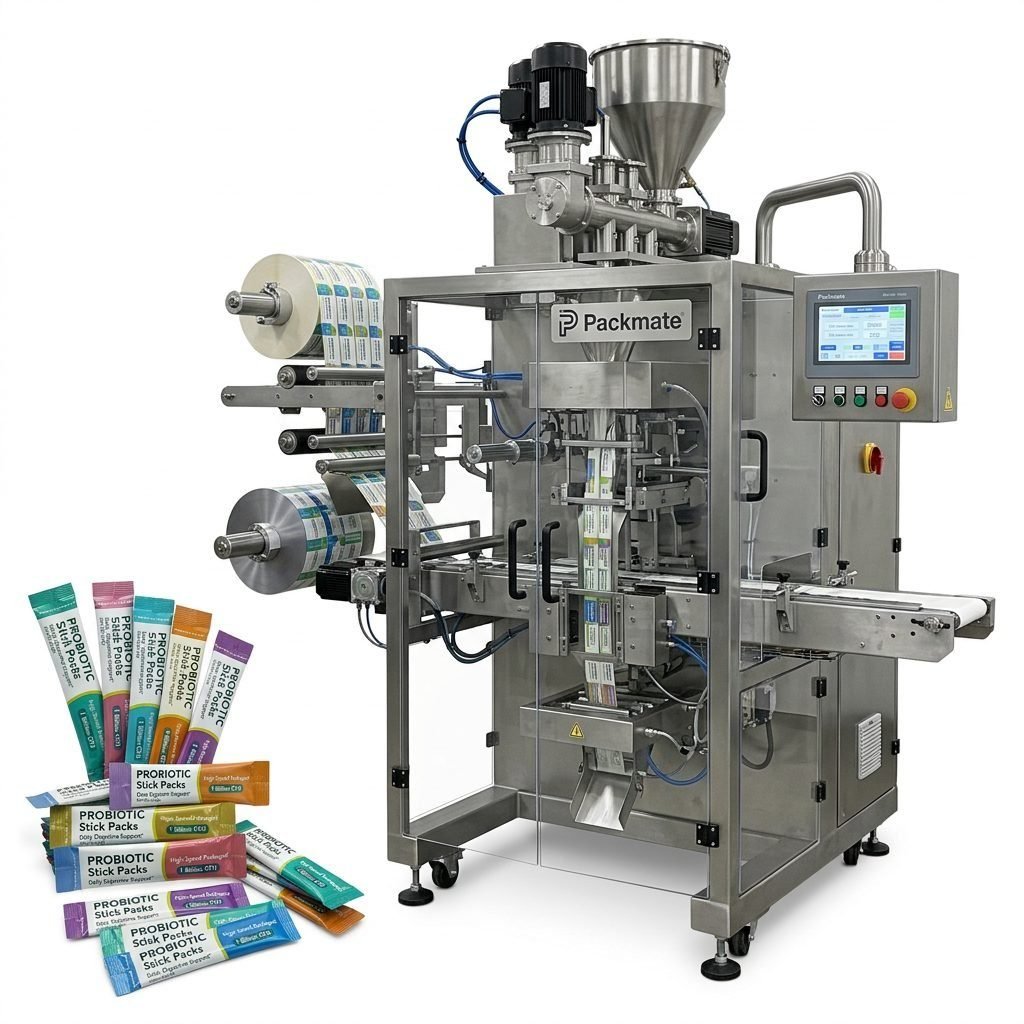
Electrostatic discharge (ESD) can instantly destroy sensitive electronic components like integrated circuits and microchips. ESD-safe packaging is non-negotiable for semiconductor and PCB handling. These systems use specialized materials—such as pink poly bags, conductive foams, and static-dissipative films—to safely cradle components. Machines in this category are often designed as bag and pouch packaging machines, ensuring a sealed, protected environment that maintains the integrity of the component from the production floor to the end user.
2. Tray and Blister Packaging Machines
For retail-ready consumer electronics (e.g., USB drives, small gadgets, batteries) or organized component kits, tray and blister packaging is prevalent. These machines form plastic blisters over a product placed on a card backing, creating a secure, visible package. They are excellent for unit presentation, theft deterrence, and providing clear product information. The process involves precise heating, forming, sealing, and cutting, making machine accuracy paramount to avoid waste and ensure a professional finish.
3. Shrink Wrapping and Bundling Machines
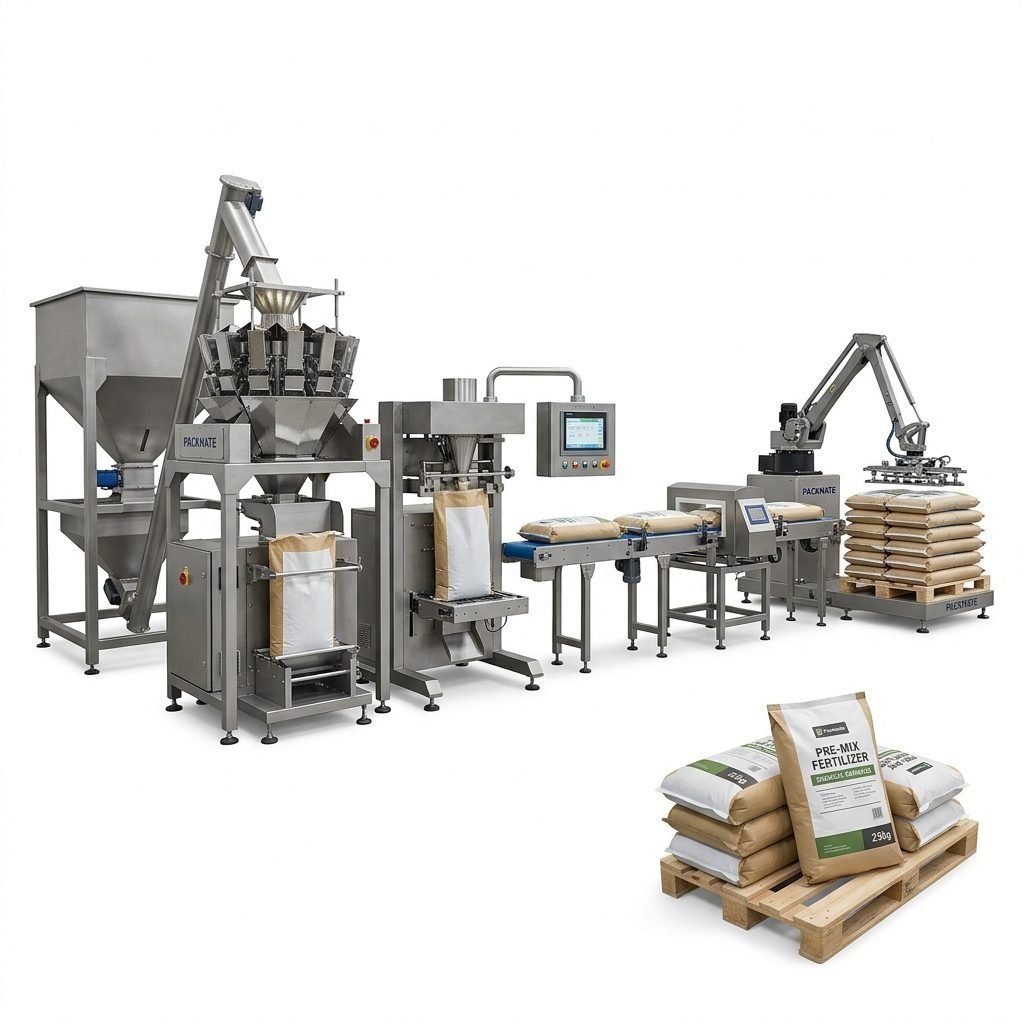
When multiple items need to be grouped—such as software boxes with cables or multiple units for bulk shipping—shrink wrapping is a cost-effective solution. A machine applies a loose plastic film, which then passes through a heat tunnel, causing it to shrink tightly around the products. This method provides stability, protects against dust and moisture, and can be used with printed films for branding. For larger electronics or palletized loads, stretch wrapping or hooding systems become essential. Integrating these with a weighing and packaging system can automate the entire bundling and logistics process.
4. Vacuum and Cushioning Packaging Systems
High-value or fragile electronics, like servers or精密仪器, often require more than a box. Vacuum packaging systems remove air from around the product before sealing it in a barrier bag, which is then placed in a cushioned container. This method is superb for long-term storage or overseas shipping, as it prevents oxidation, corrosion, and minimizes movement. Automated systems can combine foam-in-place cushioning or inflatable air pillow insertion with the sealing process, creating a custom protective cocoon for each unique product shape.
The Essential Buying Guide: Key Considerations
Purchasing a packaging machine is a significant capital expenditure. Beyond the initial price tag, consider these factors to ensure a return on investment and seamless integration.
A. Assess Your Product and Production Requirements
Start with a detailed analysis. What is the size, weight, and fragility of your product? What is your required output speed (units per minute)? Do you need to handle multiple SKUs with quick changeovers? The answers will narrow your search. For example, packaging delicate sensors demands a gentler, more precise machine than packaging power adapters.
B. Material Compatibility and Sustainability
The machine must be compatible with your chosen packaging materials. Can it handle biodegradable films, recycled cardboard, or specific anti-static laminates? With growing regulatory and consumer pressure for sustainable packaging, opting for a machine that supports eco-friendly materials is a forward-thinking strategy. Discuss material specifications with potential suppliers like Packmate Machinery to ensure compatibility.
C. Automation Level and Integration
Determine how the machine will fit into your existing line. Does it need to interface with upstream assembly robots or downstream labeling systems? Options range from semi-automatic (operator loads product) to fully automatic (integrated with conveyors and PLCs). Higher automation boosts speed and reduces labor costs but requires a larger initial investment and more sophisticated maintenance.
D. Total Cost of Ownership (TCO)
Look beyond the purchase price. Calculate the TCO, which includes:
• Installation & Training: Costs for setup and operator instruction.
• Maintenance & Spare Parts: Regular servicing costs and part availability.
• Energy Consumption: Power usage of motors, heaters, and compressors.
• Material Waste: A precise machine minimizes film or cardboard waste.
A reliable supplier with a strong service network can significantly reduce long-term TCO through prompt support and available parts.
E. Supplier Credibility and Support
Partner with a manufacturer with proven expertise. Evaluate their industry experience, client portfolio, and after-sales support. A supplier with a track record in complete packaging lines will have a better understanding of integration challenges. Request references, visit their facility if possible, and ensure they offer comprehensive training, warranty, and technical support.
Conclusion
Investing in the right electronics packaging machinery is an investment in product quality, brand reputation, and operational efficiency. By thoroughly understanding the different machine types—from ESD-safe systems to automated bundling lines—and rigorously applying a structured buying framework that prioritizes your specific needs, material goals, and total cost of ownership, you can select equipment that will serve your business reliably for years to come. The ideal machine not only packages your product but also protects your investment and enhances your competitive edge.
Frequently Asked Questions (FAQs)
Q1: What is the most important feature to look for in a machine packaging sensitive circuit boards?
A: The paramount feature is full ESD (Electrostatic Discharge) safety. This includes the use of static-dissipative materials in product contact parts, proper grounding of the machine frame, and often an ionizer to neutralize any static charge in the packaging environment.
Q2: How can I reduce packaging material waste with my new machine?
A: Opt for machines with high-precision servo-driven film feed systems and intelligent cutting technology. These systems minimize trim waste. Also, choose a supplier who can help you optimize package design and material selection for minimal use without compromising protection.
Q3: Can one machine handle packaging for multiple different product sizes?
A: Yes, many modern machines are designed for quick changeover. Look for models with tool-less adjustments, digital settings recall for different products, and interchangeable forming tools. This flexibility is key for production lines with high product variety.
Q4: What kind of maintenance do these machines typically require?
A: Regular maintenance includes cleaning of sealing jaws, lubrication of moving parts as per the manual, inspection of wear parts like cutting blades and seals, and calibration of sensors. A preventive maintenance schedule provided by your supplier is crucial for uptime.
Q5: Is it better to buy a standalone machine or a fully integrated line?
A: It depends on your volume and automation goals. A standalone machine is suitable for lower volumes or as a starting point. A fully integrated line (e.g., combining feeding, packaging, and cartoning) offers maximum speed and labor savings for high-volume, continuous production but requires a larger initial investment and more complex planning.