In the competitive world of dairy production, efficiency and product integrity are paramount. For yogurt manufacturers, selecting the right packaging machinery is not just a purchase; it’s a strategic investment that impacts shelf life, production speed, operational costs, and ultimately, consumer satisfaction. The journey from cultured milk to a perfectly sealed cup or pouch on a supermarket shelf is a delicate one, heavily reliant on advanced, reliable packaging technology.
The Critical Role of Packaging in Yogurt Production
Yogurt is a living product. Its quality is directly influenced by factors like contamination prevention, gas barrier properties, and seal integrity. Inadequate packaging can lead to spoilage, texture separation, and loss of beneficial cultures, resulting in waste and brand damage. Modern packaging machines for yogurt are engineered to address these challenges head-on, offering sterile environments, precise filling, and hermetic sealing that locks in freshness and flavor.
Key Takeaway: The primary function of yogurt packaging machinery extends beyond containment. It is a guardian of product quality, ensuring consistency, safety, and extended shelf life from the production line to the consumer’s home.
1. Form-Fill-Seal (FFS) Cup Machines
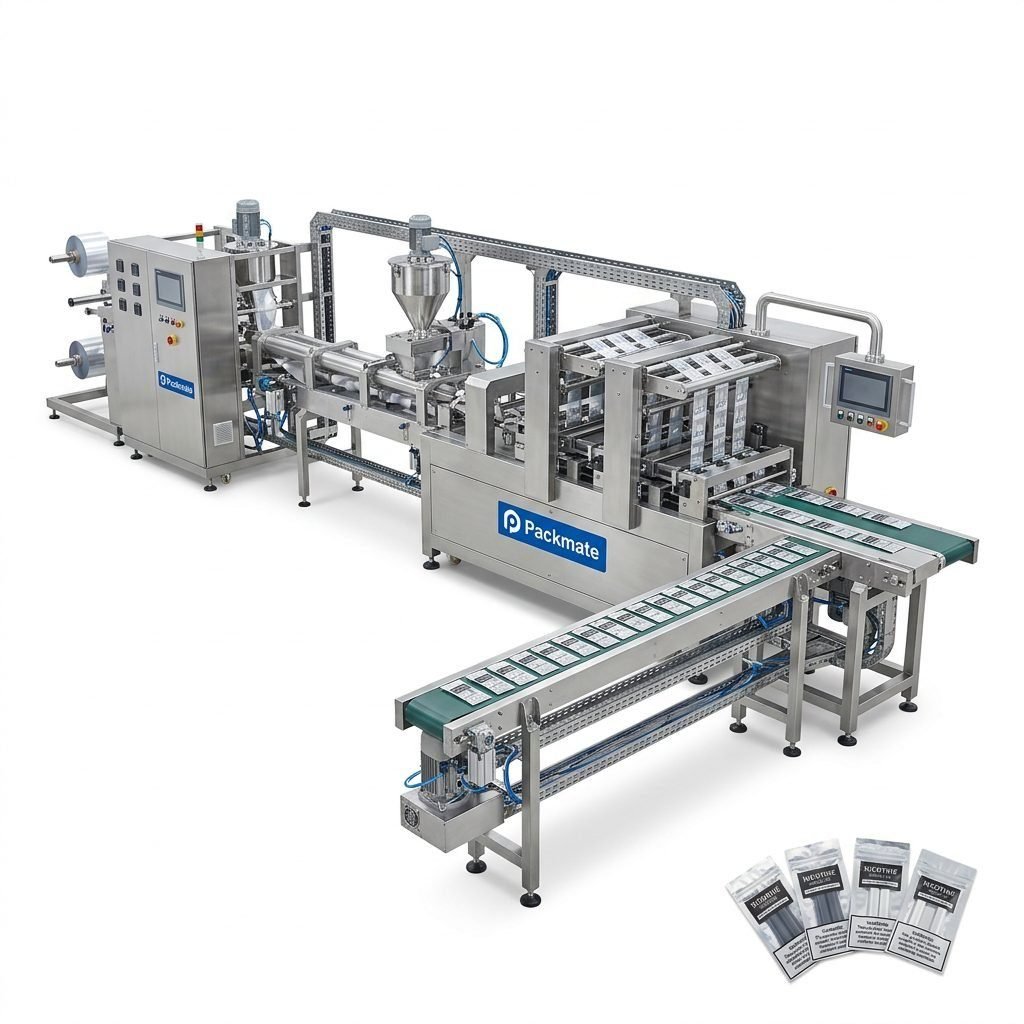
These are the workhorses of the set yogurt industry. FFS machines create the container (typically from a roll of plastic or laminated material), fill it with the product, and seal it with a foil or plastic lid—all in one continuous, automated process. This technology is ideal for high-volume production of single-serve cups. Advanced models feature aseptic filling chambers to maintain a sterile environment, crucial for products with live cultures. The efficiency of a well-integrated FFS line, such as those developed for comprehensive filling & packaging lines, can dramatically reduce material waste and labor costs.
2. Pouch & Sachet Packaging Machines
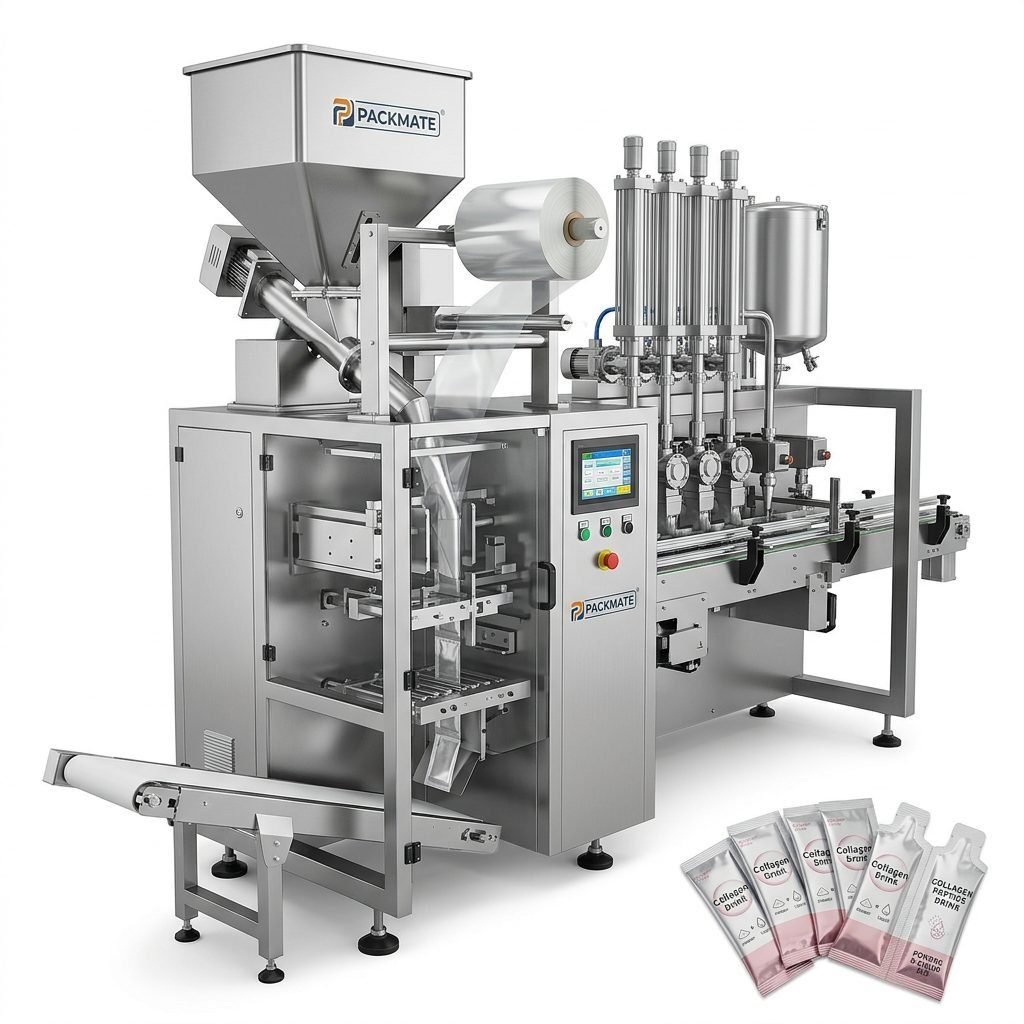
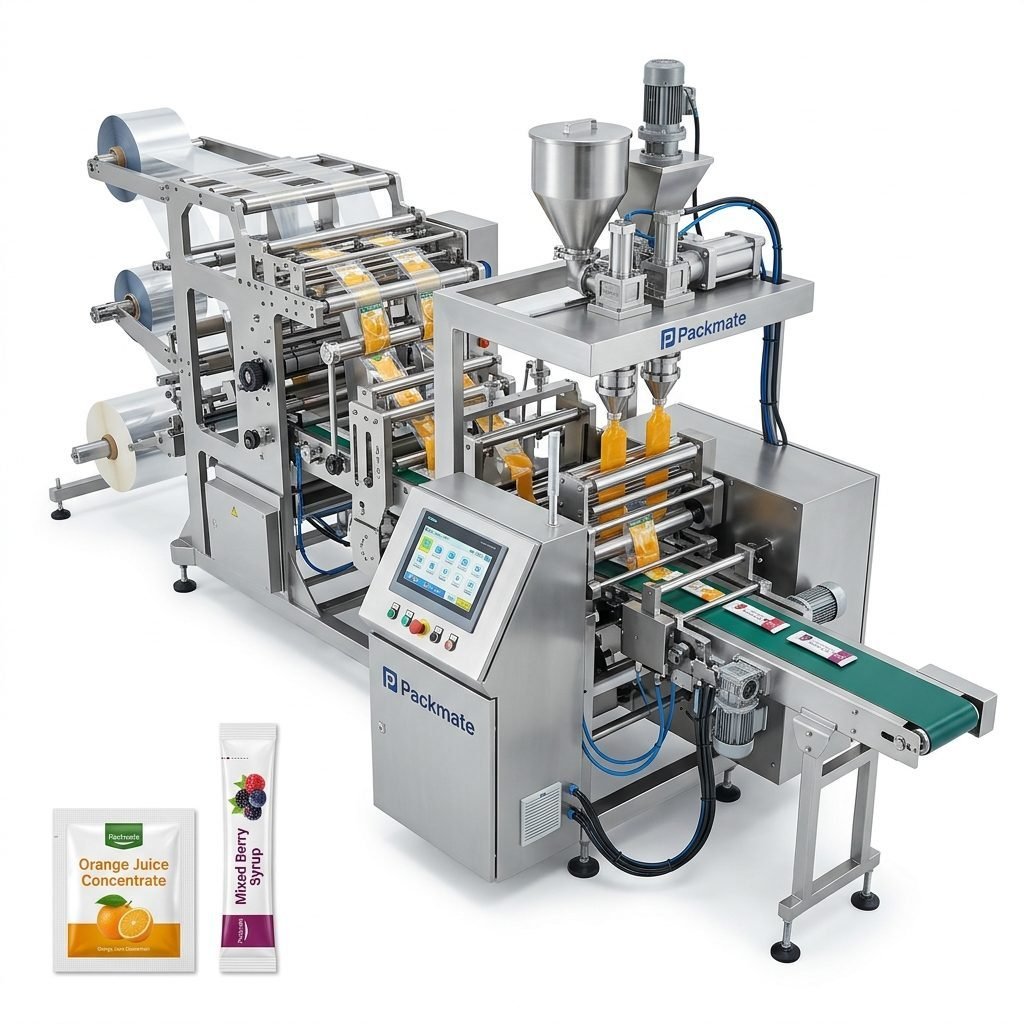
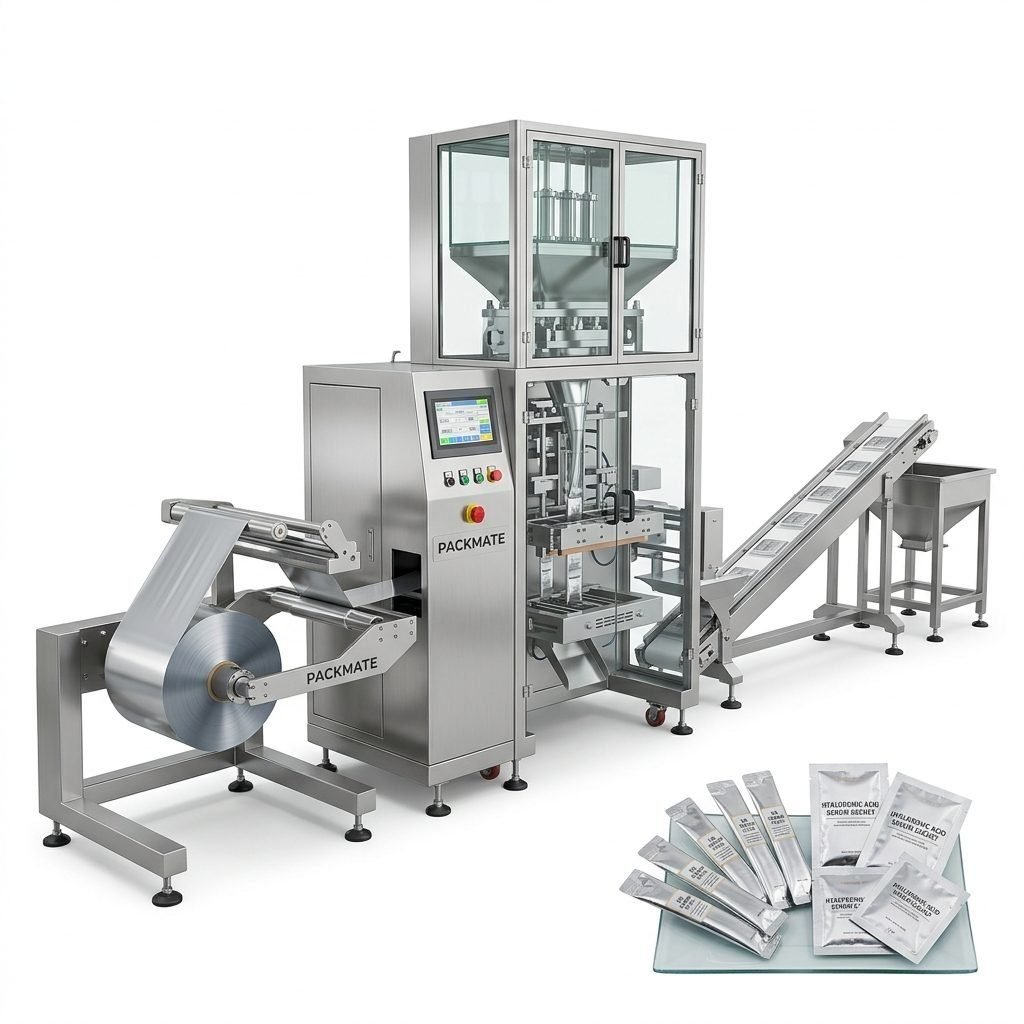
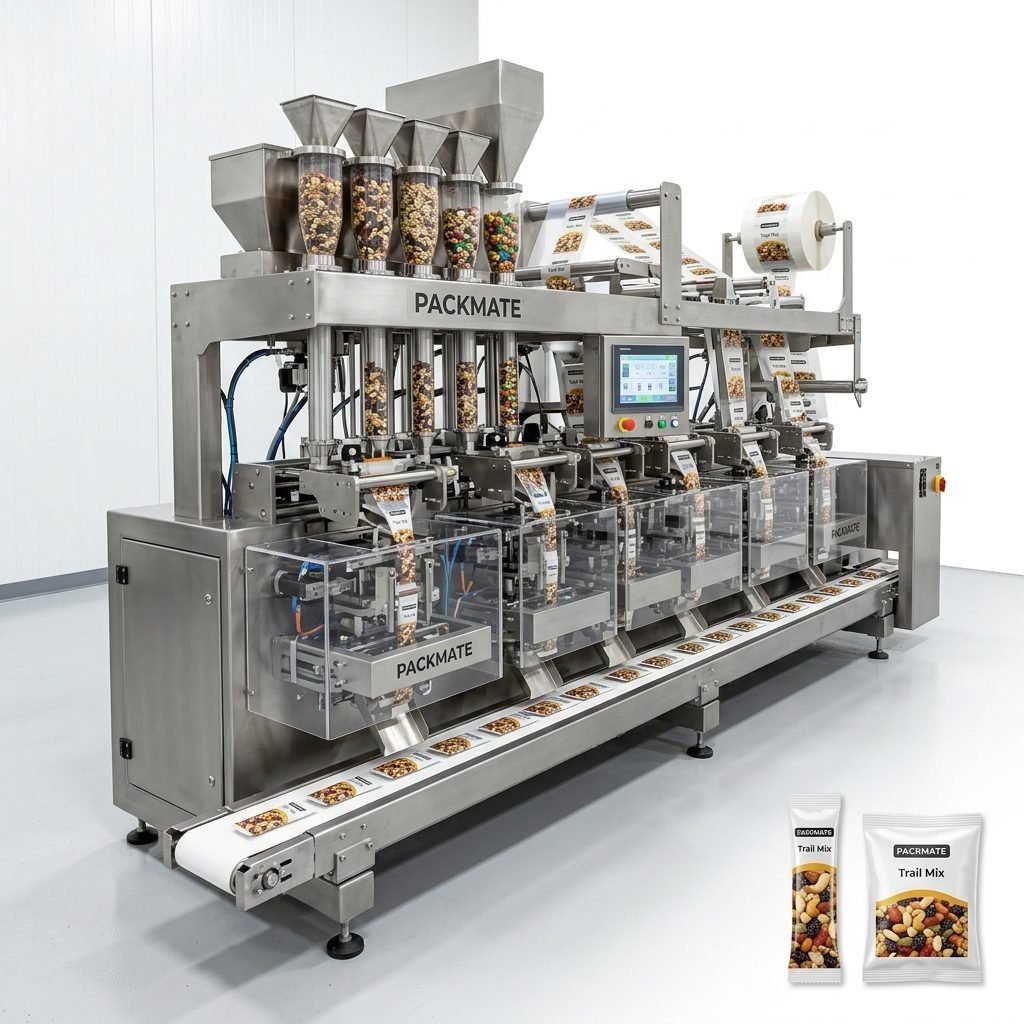
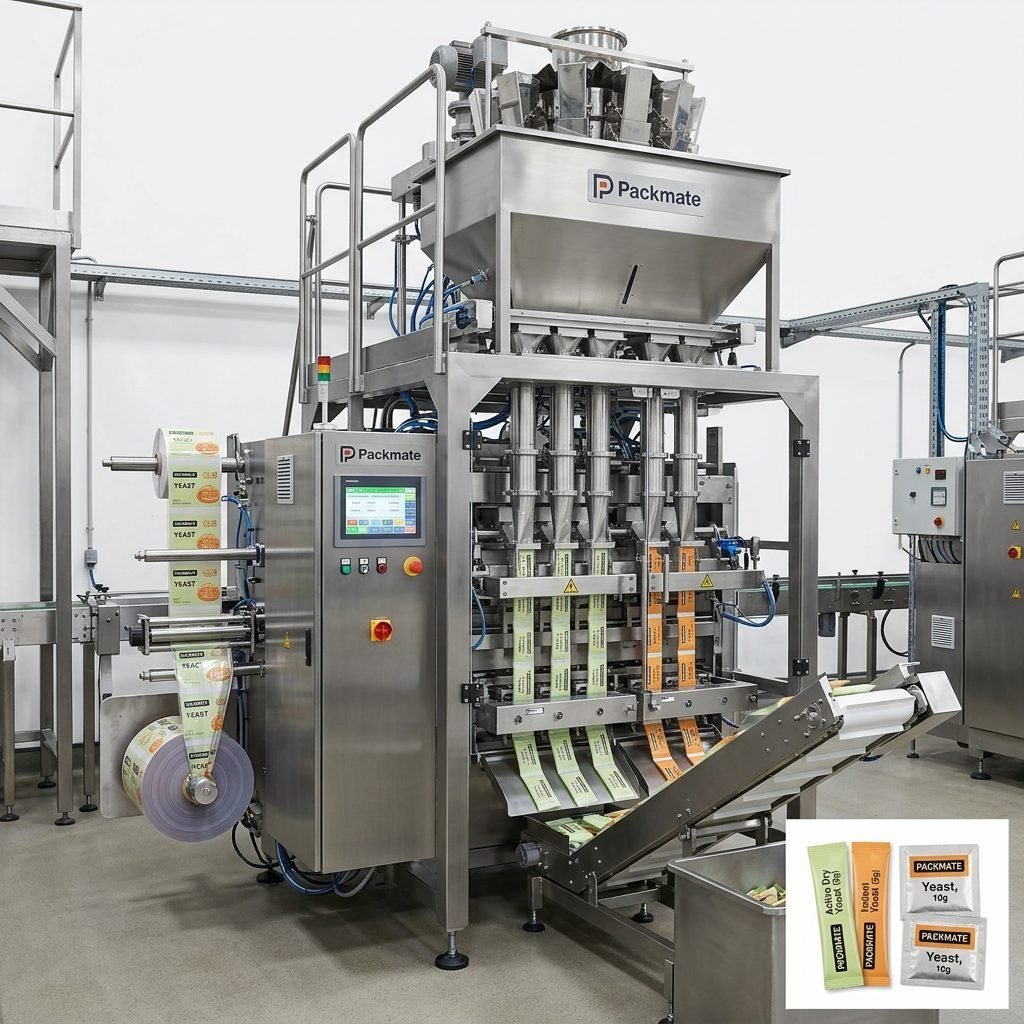
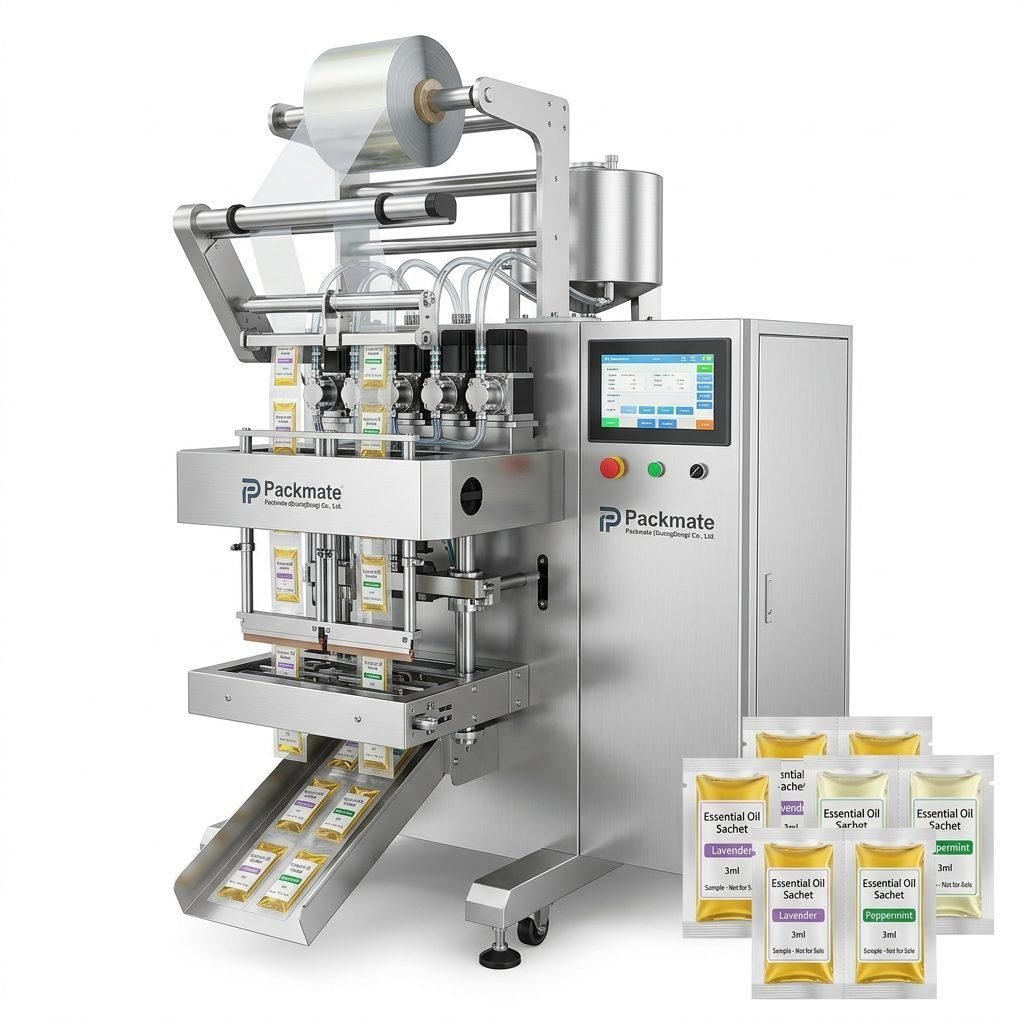
For drinkable yogurts, squeezable formats, or dry yogurt powder mixes, pouch packaging is increasingly popular. These machines, which include robust sachet & stick pack machines, use vertical or horizontal form-fill-seal technology to produce flexible pouches from roll stock. They offer excellent branding space and consumer convenience. Modern machines provide precise liquid filling with minimal drip and can handle a variety of spout or cap attachments. The flexibility in pouch size and shape allows brands to stand out on crowded retail shelves.
3. Tray Sealing Machines
Commonly used for multi-packs of yogurt cups, tray sealers automate the process of placing individual cups into a pre-formed plastic tray and applying a sealed film lid over the entire array. This method provides excellent stability for transportation and an attractive retail presentation. The sealing process creates a tamper-evident barrier, enhancing product security. Integration with upstream cup fillers and downstream cartoning systems is key for a seamless end-to-end packaging line.
Evaluating Machine Efficiency: Beyond Speed
When discussing efficiency, output speed (units per minute) is often the first metric considered. However, true operational efficiency encompasses several factors:
- Changeover Time: How quickly can the machine switch between different yogurt flavors, cup sizes, or pouch formats? Quick-change systems minimize downtime.
- Material Yield & Waste: Precision in film feeding and sealing reduces material overuse and product giveaway.
- Energy Consumption: Modern servo-driven machines are more energy-efficient than older mechanical models.
- Uptime & Reliability: A machine that runs consistently with few breakdowns, backed by reliable service support, is more efficient than a faster but less reliable alternative.
4. Integrated Filling & Capping Lines for Bottles
For premium drinking yogurt in glass or PET bottles, integrated monobloc systems combine rinsing, filling, capping, and labeling in a synchronized unit. These lines ensure hygienic handling and prevent contamination between processes. The filling technology is gentle to preserve the yogurt’s viscosity and prevent air incorporation, which can affect taste and shelf life. The precision of these systems is a hallmark of advanced weighing & packaging systems engineering.
Key Features to Maximize Your Production Efficiency
Investing in the right features can transform your packaging line’s performance. Look for machines that offer:
Servo Motor Technology: Provides unparalleled control over movement, leading to higher accuracy in filling and sealing, reduced mechanical wear, and lower energy consumption. It allows for flexible speed adjustments and smoother operation.
User-Friendly HMI (Human-Machine Interface): A large, intuitive touchscreen allows operators to monitor performance, adjust parameters, and access troubleshooting guides easily. This reduces training time and operator error.
Quick-Change Parts & Tooling: For manufacturers running multiple SKUs, the ability to switch formats in minutes而不是hours is critical for maintaining high overall equipment effectiveness (OEE).
Robust Hygiene Design: Machines should have smooth, crevice-free surfaces, be easy to clean (CIP/SIP capabilities where applicable), and use food-grade materials in product contact zones to meet stringent food safety standards.
Smart Connectivity & Data Logging: Industry 4.0-ready machines can connect to factory networks, providing real-time data on production counts, downtime reasons, and maintenance alerts for predictive analytics.
Choosing the Right Partner for Your Packaging Machinery
The manufacturer behind the machine is as important as the machine’s specifications. A partner with deep industry expertise, like Packmate Machinery, brings invaluable benefits. With over 30 years of experience in building intelligent packaging solutions, such a partner understands the unique demands of food production. They offer more than just equipment; they provide complete turnkey solutions, from initial design and factory layout to installation, training, and ongoing technical support. Reviewing a manufacturer’s case studies in the dairy or food sector can provide concrete evidence of their capability and reliability.
Future Trends: Sustainability and Smart Packaging
The future of yogurt packaging is being shaped by two major trends. First, sustainability is driving demand for machines that can handle recyclable mono-materials, bio-based plastics, or reduce overall material usage through smarter design. Second, the rise of smart packaging and the Internet of Things (IoT) will see more machines equipped to apply or integrate with QR codes, NFC tags, and freshness indicators, creating interactive consumer experiences and enhanced supply chain visibility.
Frequently Asked Questions (FAQs)
1. What is the most important factor when choosing a yogurt packaging machine?
The most critical factor is matching the machine’s capabilities to your specific product type (set, drinkable, powdered), desired packaging format, production volume, and hygiene requirements. There is no one-size-fits-all solution; a detailed analysis of your current and future needs is essential.
2. How can I improve the shelf life of my yogurt through packaging?
Shelf life is maximized by using packaging machines that ensure perfect seal integrity (no leaks or weak spots) and, for sensitive products, operate in a controlled or aseptic environment to prevent post-pasteurization contamination. The choice of barrier packaging material is also crucial.
3. Are automated packaging lines suitable for small to medium-sized yogurt producers?
Absolutely. Automation is scalable. Many manufacturers offer compact, semi-automatic, or modular machines that provide significant efficiency gains over manual packing without the large footprint and capital investment of a full high-speed line. The key is calculating the return on investment based on labor savings and reduced waste.
4. How often does packaging machinery require maintenance?
Regular preventative maintenance is vital. The schedule depends on usage hours and the machine’s duty cycle. Generally, daily cleaning and lubrication, weekly checks, and more thorough servicing every few hundred operating hours are recommended. A reliable supplier will provide a clear maintenance protocol.
5. Can one machine handle different cup or pouch sizes?
Yes, most modern machines are designed for multi-format flexibility. However, switching sizes requires changing parts like forming tools, filling nozzles, and sealing jaws. The time and complexity of this changeover vary by machine model, so it’s a key point to discuss with your supplier based on your production schedule.