Navigating the market for used food packaging equipment can be a strategic and cost-effective decision for businesses looking to expand or upgrade their production capabilities without the capital expenditure of new machinery. This comprehensive guide is designed to help you make an informed purchase, covering key considerations, inspection tips, and the long-term value of investing in quality pre-owned equipment.
Understanding the Market for Pre-Owned Packaging Machinery
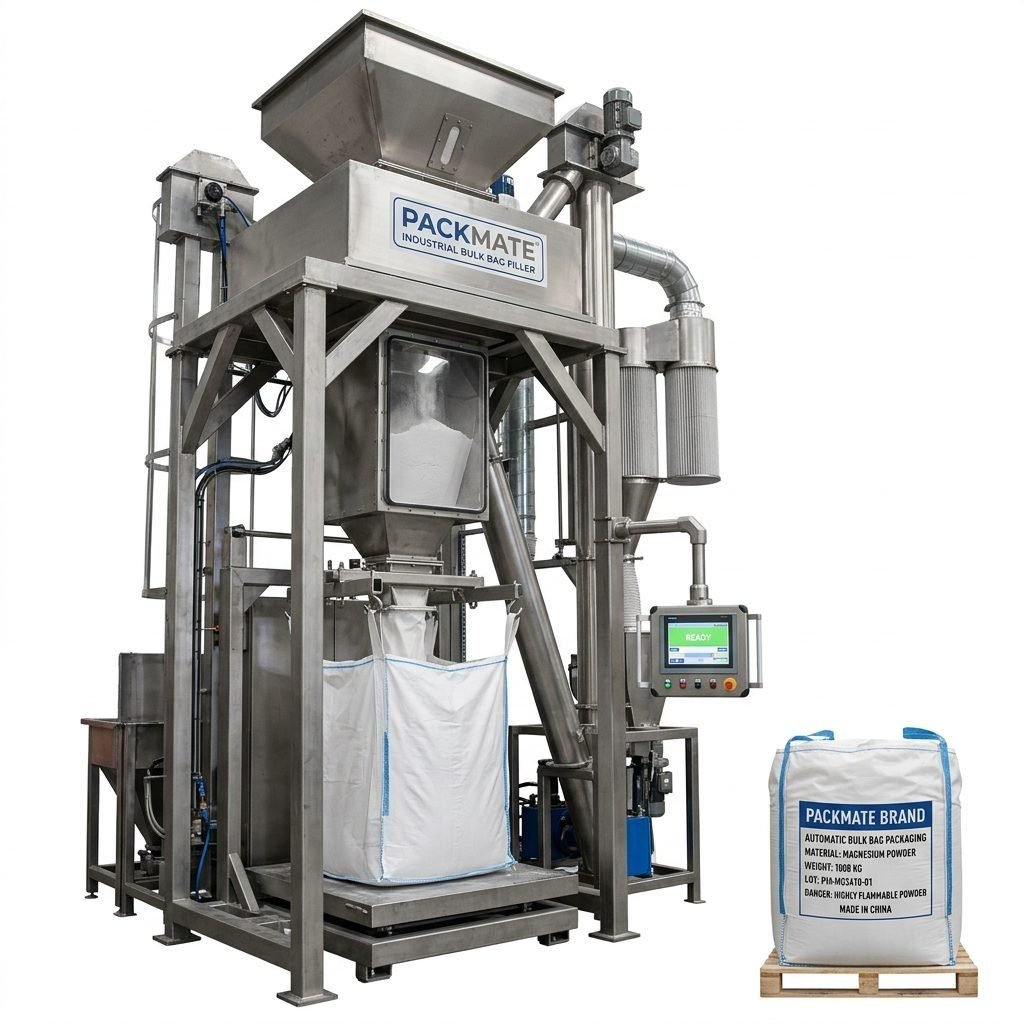
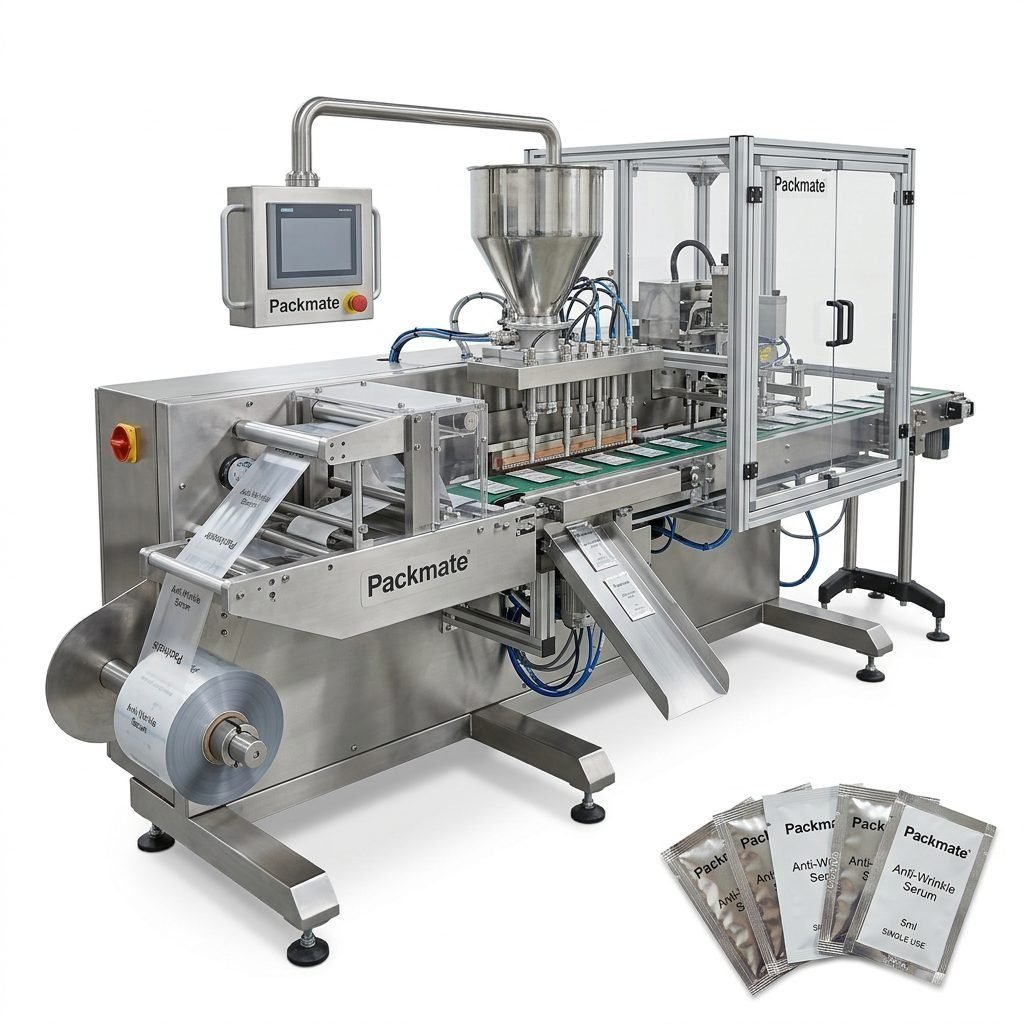
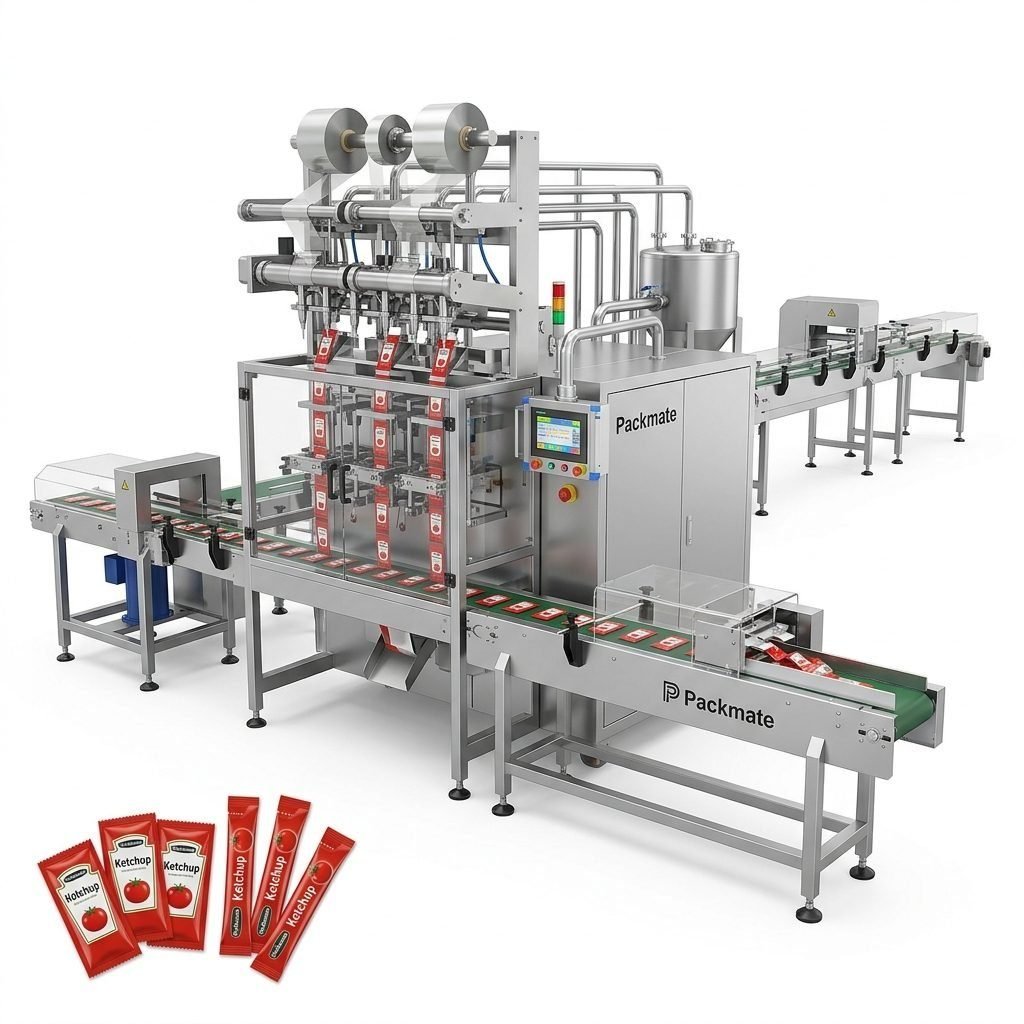
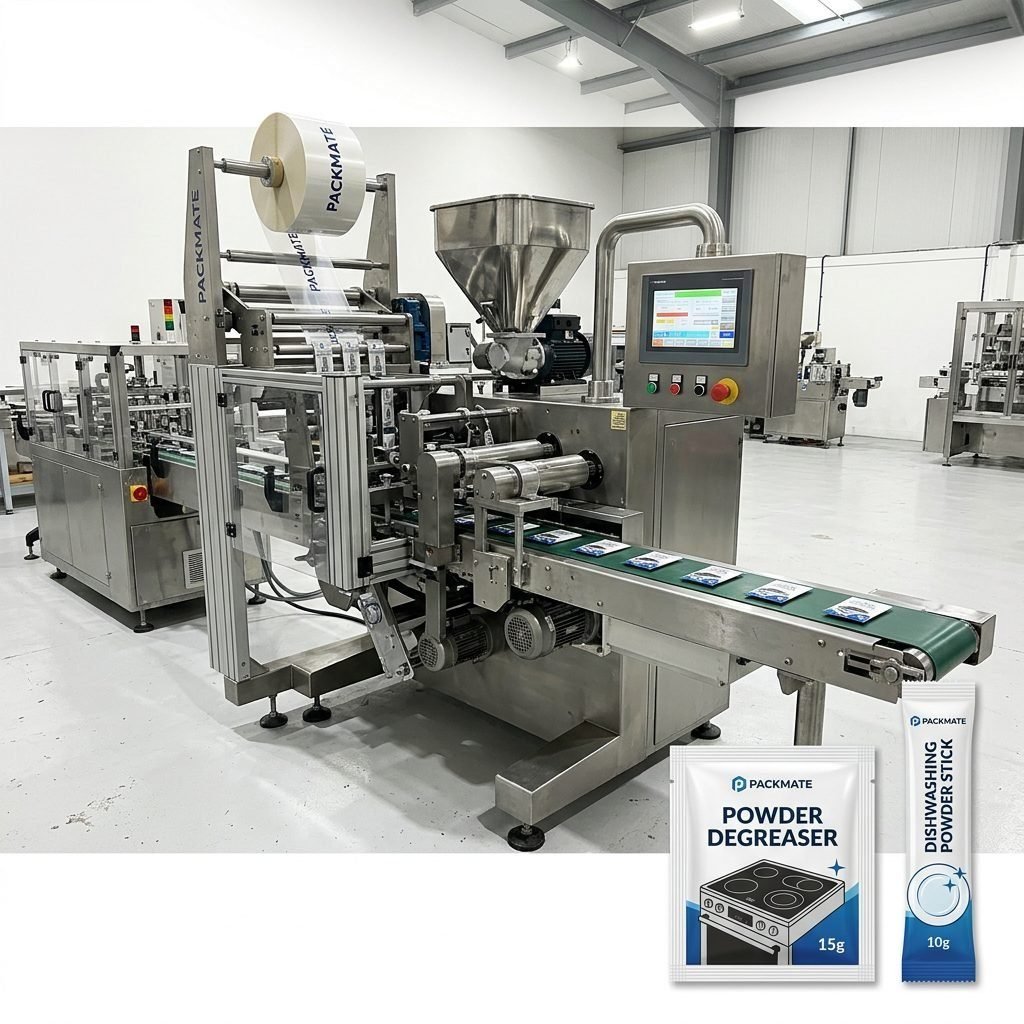
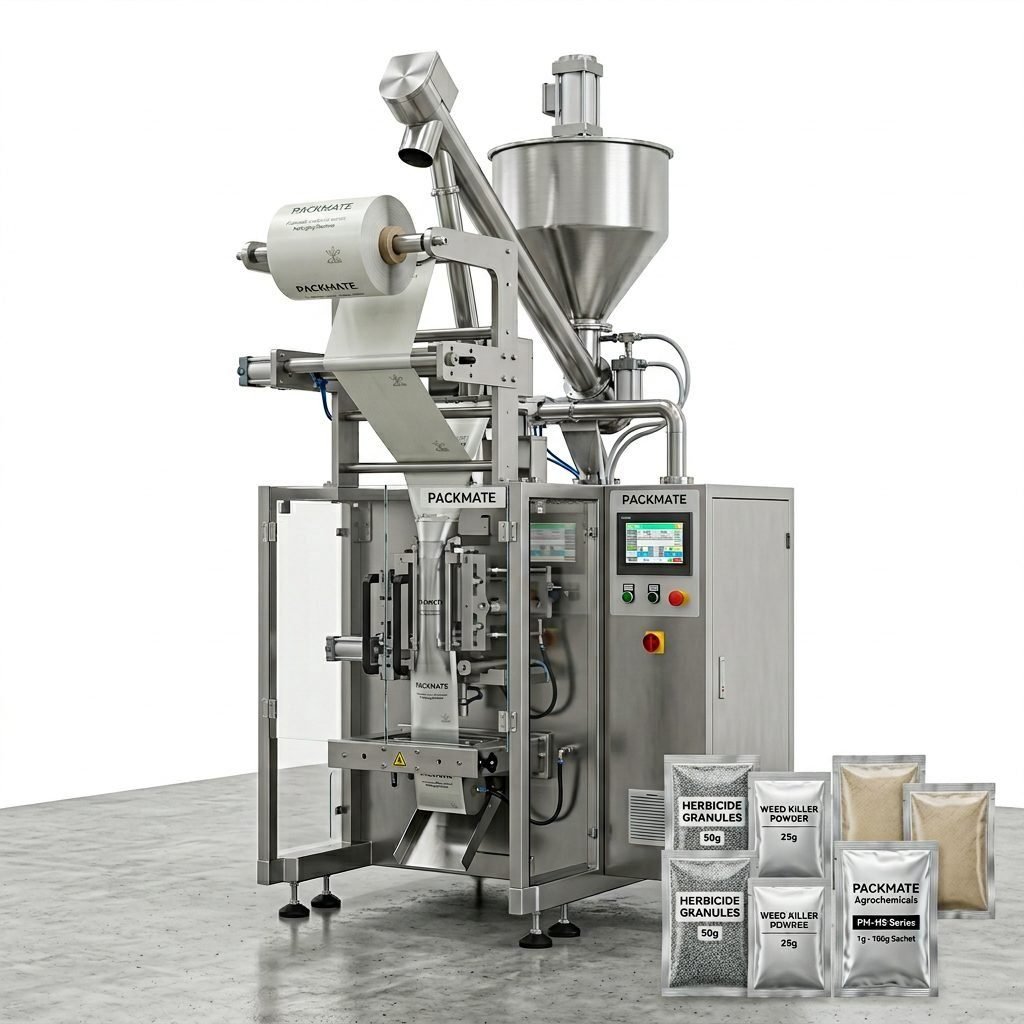
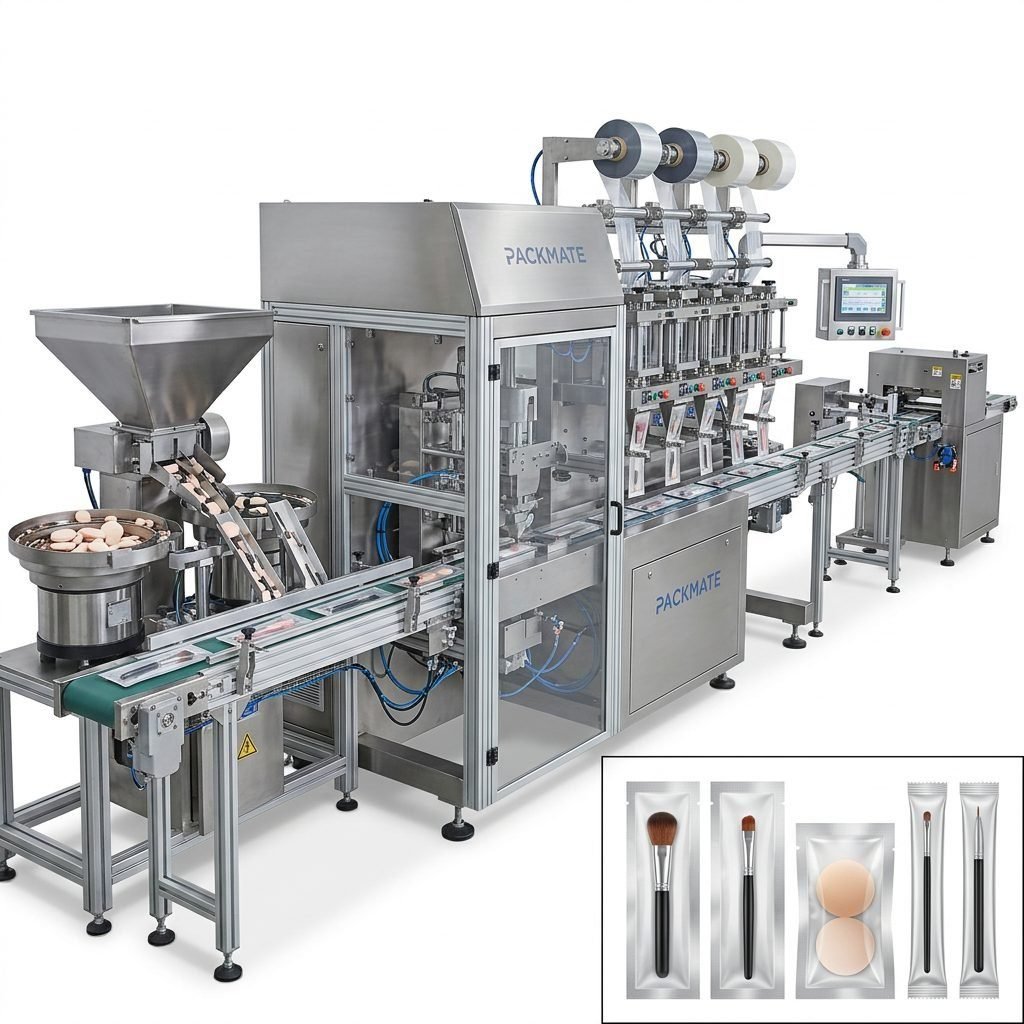
The secondary market for food packaging equipment is vast, encompassing everything from simple vertical form-fill-seal (VFFS) machines to complex multi-lane stick pack lines. Demand is driven by startups seeking affordable entry points, established companies adding secondary lines, and operations in cost-sensitive regions. When exploring this market, it’s crucial to source equipment from reputable channels, such as specialized dealers, direct sales from manufacturers upgrading their demo units, or trusted auctions. A company with a long-standing reputation, like Packmate Machinery, which has over 30 years of industry expertise, often has well-maintained machines or can provide reliable leads on quality used equipment that matches their new models’ performance standards.
Key Advantages of Buying Used
Choosing used equipment offers several compelling benefits:
Cost Savings: The most apparent advantage is the significant reduction in initial investment, often 40-60% less than the price of a new machine.
Faster Deployment: Used machinery is typically available for immediate shipment and installation, avoiding the lead times associated with manufacturing new units.
Proven Reliability: A machine with a service history has a demonstrated track record. Any recurring issues are usually known and documented.
Easier Capital Justification: The lower cost makes it easier to secure financing or approve the purchase internally, especially for testing a new product line or market.
Critical Pre-Purchase Inspection Checklist
Never buy a used packaging machine sight unseen. A thorough inspection is non-negotiable. If an on-site visit isn’t possible, insist on a detailed video walkthrough. Focus on these core areas:
Mechanical & Structural Integrity
Examine the frame and base for cracks, welds, or signs of impact. Check all major components like the forming collar, sealing jaws, and film transport system for excessive wear. Listen for unusual noises during operation, which can indicate bearing or gear issues.
Control System & Electronics
Assess the age and condition of the PLC (Programmable Logic Controller), HMI (Human-Machine Interface), and servo drives. Outdated controls may be difficult to program or find parts for. Ensure all safety interlocks and sensors are functional.
Hygiene and Cleanability
For food applications, this is paramount. Inspect for pitting, corrosion, or material buildup in product contact zones. Ensure the machine design allows for proper cleaning and meets relevant sanitary standards for your products.
Always request the complete machine documentation, including original manuals, electrical schematics, PLC programs, and a detailed maintenance history. This paperwork is invaluable for future troubleshooting and parts sourcing.
Evaluating Total Cost of Ownership (TCO)
The purchase price is just the beginning. An accurate TCO analysis must include:
Reconditioning & Repair Costs: Budget for immediate repairs or part replacements identified during inspection. Common needs include new sealing jaws, film pull belts, or servo motor brushes.
Parts Availability & Support: Can you still get genuine or compatible spare parts? Manufacturers with a long history, such as Packmate, often support older models for decades. Check the availability of critical spares for their sachet and stick pack machines before committing.
Integration & Installation: Factor in costs for rigging, electrical hookup, compressed air, and integration with your existing upstream (e.g., feeders) and downstream (e.g., cartoners) equipment.
Operator Training: Ensure your team can operate the machine efficiently. Some sellers or the original manufacturer may offer training services for a fee.
Compatibility with Your Operation
The machine must fit seamlessly into your production ecosystem. Verify the following:
Product Specifications: Confirm the machine can handle your specific product type (powder, granule, liquid), weight range, and packaging material (film type, laminate structure).
Speed & Output Requirements: Ensure the used machine’s maximum speed meets your current and near-future production targets with a comfortable buffer.
Footprint & Utilities: Measure your available floor space and check power (voltage, phase), compressed air (PSI, CFM), and network requirements.
Where to Source Reliable Used Equipment
Finding the right machine involves looking in the right places:
Original Equipment Manufacturers (OEMs): Many OEMs, including Packmate, occasionally sell refurbished or trade-in machines. These are often the best option as they come with updated software, genuine parts, and sometimes a limited warranty. Exploring their full product range can give you insight into the models available.
Specialized Dealers & Brokers: Reputable dealers inspect, recondition, and often warranty their inventory. They have extensive networks to source specific machines.
Liquidation & Auction Events: These can offer great deals but are high-risk. Inspection time is usually limited, and machines are sold “as-is, where-is” with no support.
Direct from Other Companies: Sometimes companies sell equipment directly. This can be straightforward but requires you to handle all disassembly, shipping, and reinstallation logistics.
Regardless of the source, prioritize sellers who are transparent about the machine’s history, condition, and who are willing to provide technical support after the sale.
Final Steps Before Purchase
Once you’ve identified a potential machine, take these final steps:
Request a Test Run: Ask for a test using a material similar to yours, if possible. Observe the machine making seals and forming packages at various speeds.
Secure a Sales Agreement: The contract should clearly state the machine’s condition, included accessories, warranty terms (if any), and the agreed-upon price with all terms.
Plan for Logistics: Arrange professional rigging and insured transportation. Improper handling during transit is a common cause of damage to precision machinery.
Conclusion: A Strategic Investment
Purchasing used food packaging equipment is not merely about finding a cheap machine; it’s about making a strategic investment in your company’s productivity. By conducting diligent research, performing rigorous inspections, and planning for the total cost of ownership, you can acquire robust, reliable equipment that serves your business for years to come. Partnering with established industry players who understand the lifecycle of their machines can significantly de-risk the process and ensure you find a solution that truly fits your needs.
Frequently Asked Questions (FAQs)
What is the most important thing to check when buying a used packaging machine?
The most critical aspect is a thorough inspection of the machine’s mechanical condition and control system while it is running. Always review the maintenance logs and request a performance test with materials similar to your own to verify functionality and output quality.
How can I ensure parts will be available for an older used model?
Before purchasing, contact the original equipment manufacturer or their authorized distributors to confirm the availability of critical spare parts like sealing jaws, PLC components, and servo drives. Companies with a long history, such as Packmate, often maintain support for legacy models.
Is it worth paying more for a refurbished machine from an OEM?
Often, yes. OEM-refurbished machines typically come with rebuilt critical components, software updates, new wear parts, and a limited warranty. This significantly reduces immediate repair costs and downtime risk compared to an “as-is” auction purchase.
What are the hidden costs I should budget for?
Beyond the purchase price, budget for rigging and transportation, electrical and utility hookup, potential foundation work, integration with existing lines, operator training, and an initial stock of recommended spare parts and tooling.
Can a used machine be upgraded to meet modern safety or efficiency standards?
In many cases, yes. Upgrades like adding new safety light curtains, updating the PLC or HMI for better usability, or installing more efficient servo drives can be performed. Discuss upgrade possibilities and costs with a qualified technician or the OEM before finalizing your purchase.