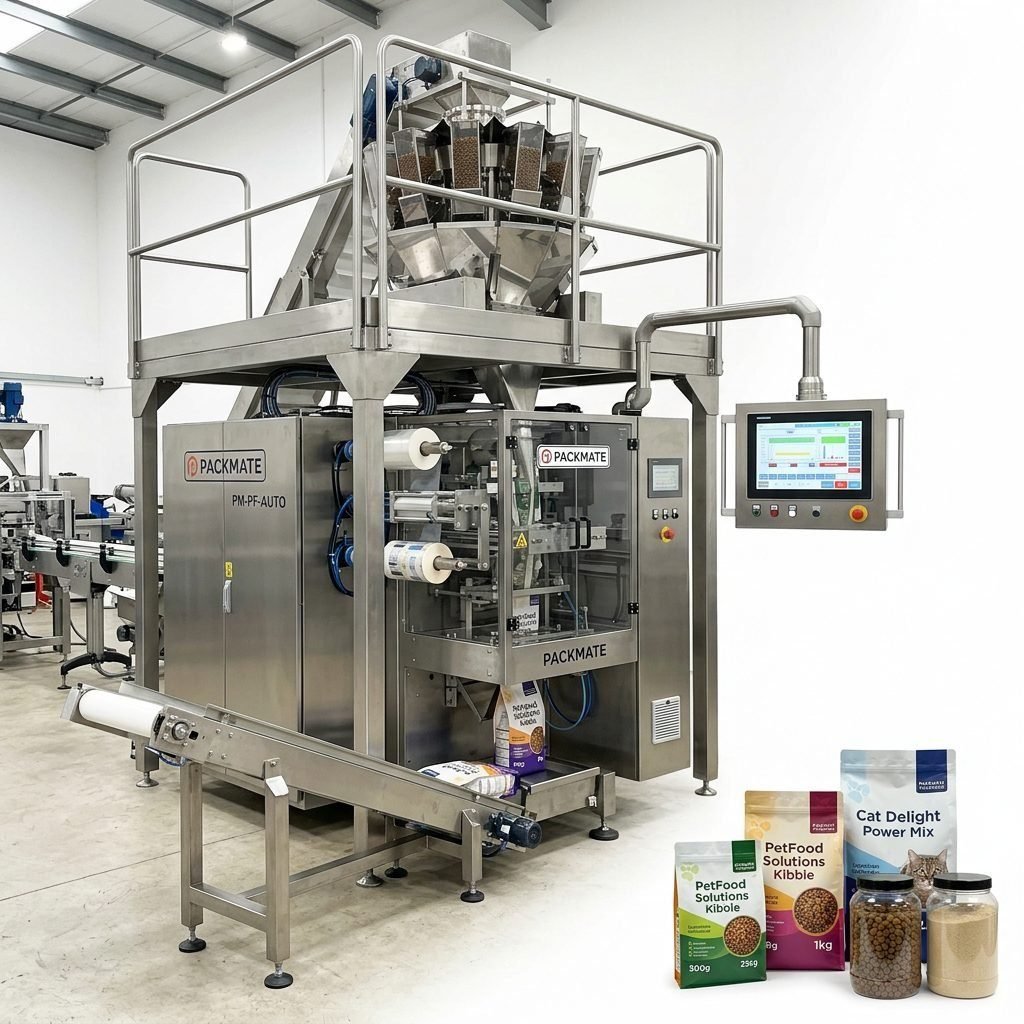
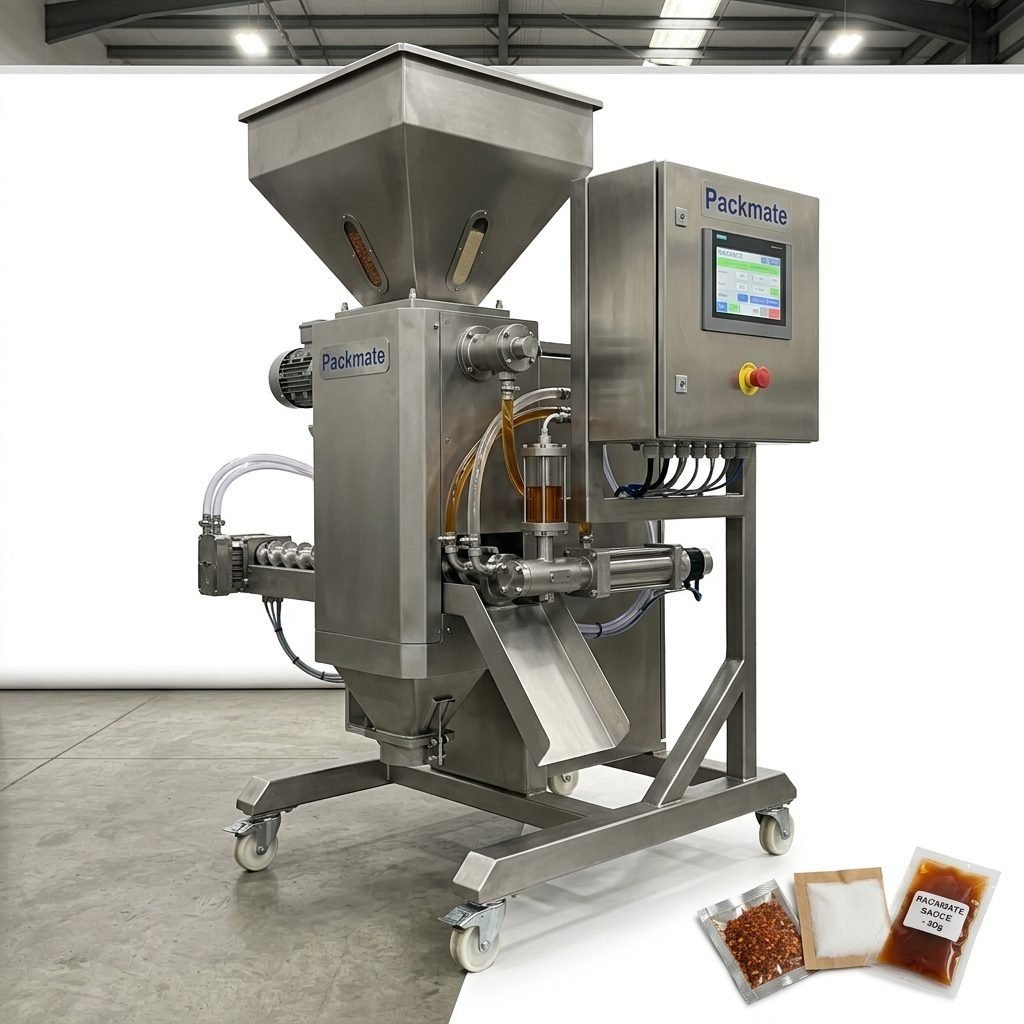
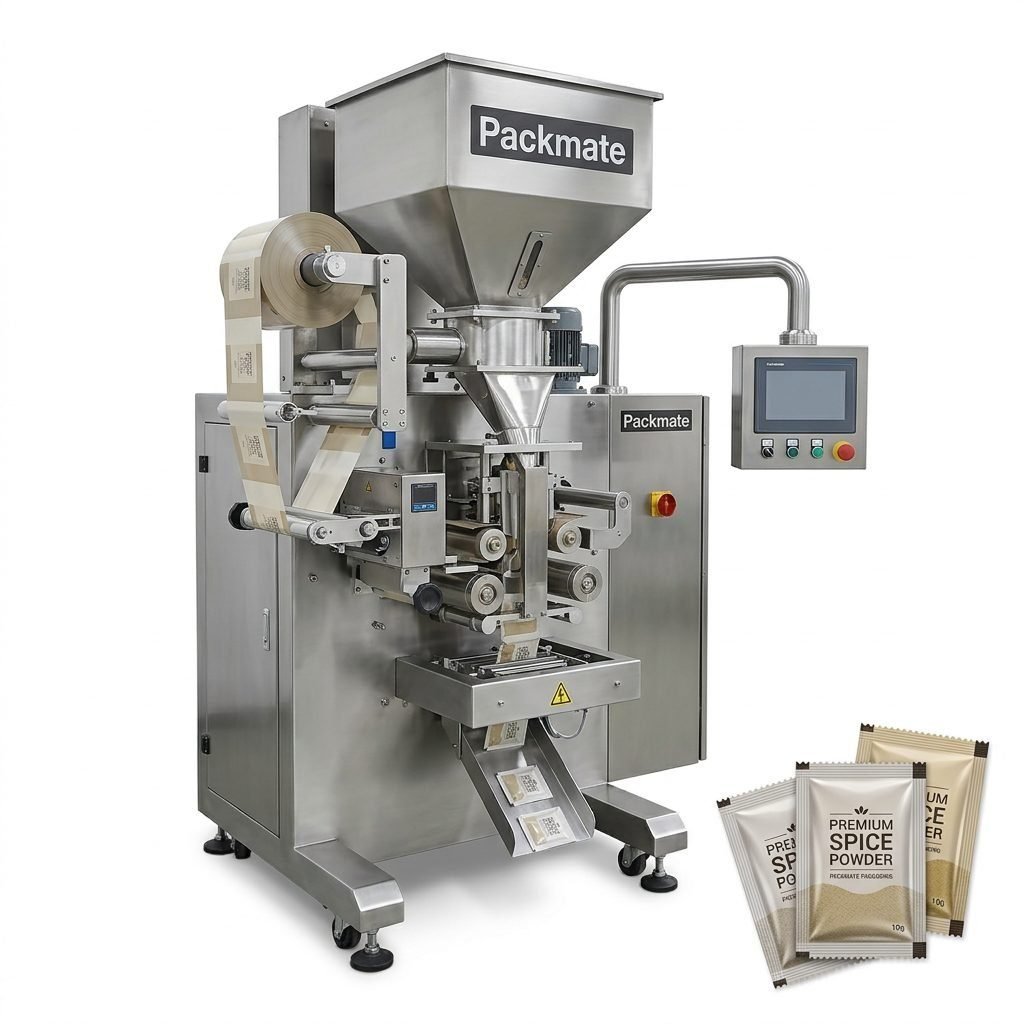
Selecting the right cream packaging machine is a pivotal decision for manufacturers in the cosmetics, pharmaceutical, and food industries. The efficiency, reliability, and output quality of your packaging line directly impact product presentation, shelf life, and overall brand perception. This comprehensive guide delves into the various types of cream packaging machines, their key features, and provides a detailed buying guide to help you make an informed investment.
Primary Types of Cream Packaging Machines
The packaging process for creams, lotions, and gels varies significantly based on viscosity, container type, and production volume. Understanding the core machine types is the first step.
1. Tube Filling and Sealing Machines
These are the most common machines for packaging creams and ointments into plastic, laminate, or metal tubes. The process typically involves tube feeding, cap unscrewing (if applicable), precise filling, heat sealing or fold crimping of the tube tail, and cap tightening. Modern machines often integrate checkweighing systems to ensure each tube meets the exact weight specification, crucial for compliance and customer satisfaction.
2. Jar/Bottle Filling Machines
For creams packaged in jars, pots, or bottles, piston filler machines are the industry standard. A piston draws a precise volume of product from a hopper and dispenses it into the container. These machines can be configured for single-head, dual-head, or rotary multi-head filling to match speed requirements. They are often paired with capping machines (for screw caps or snap-on lids) and labeling systems to form a complete filling & packaging line.
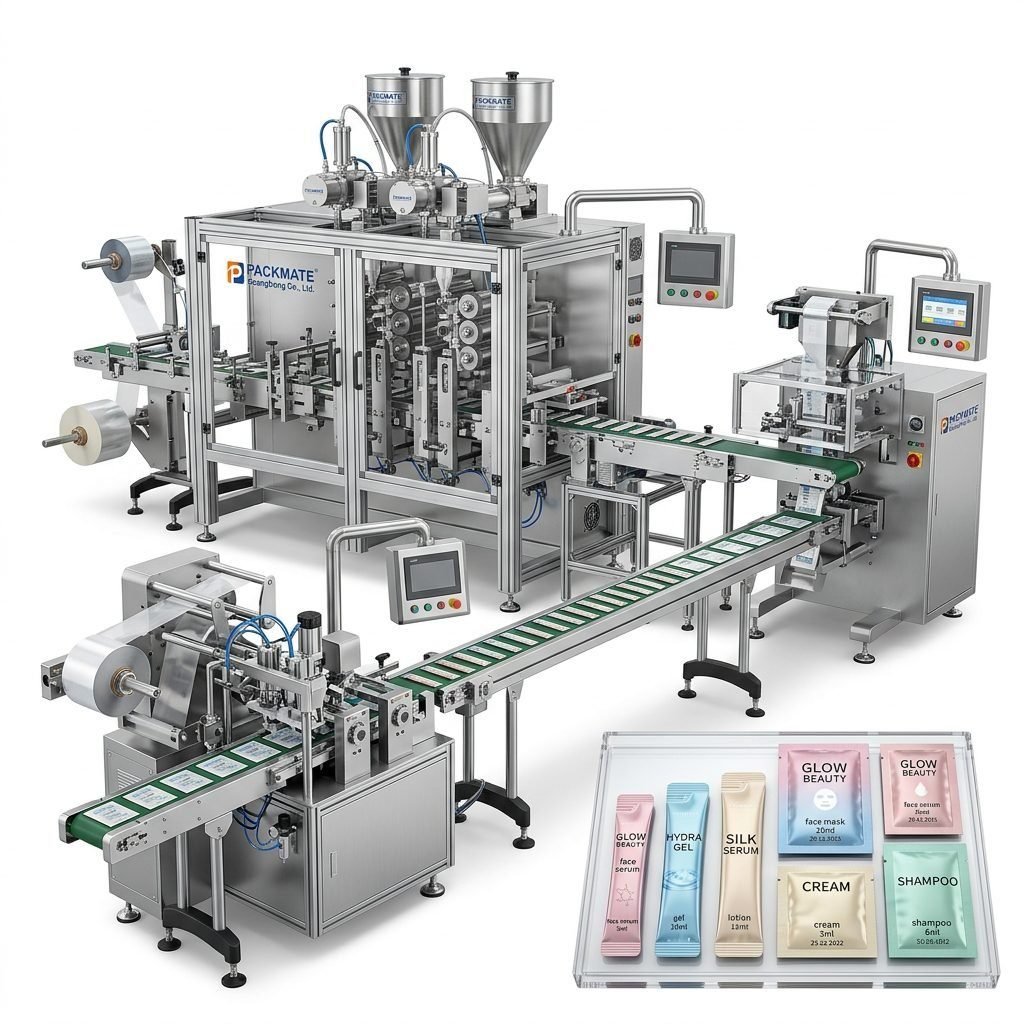
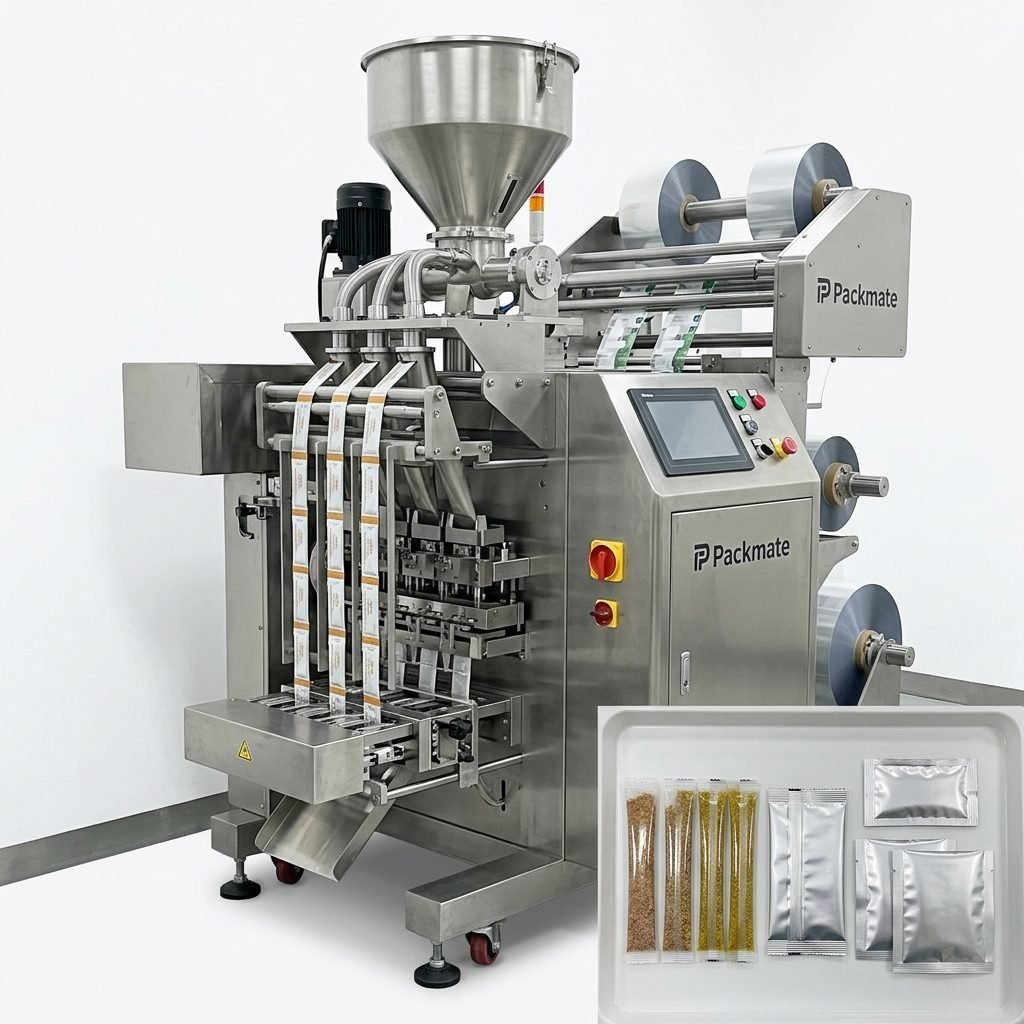
3. Sachet & Stick Pack Machines
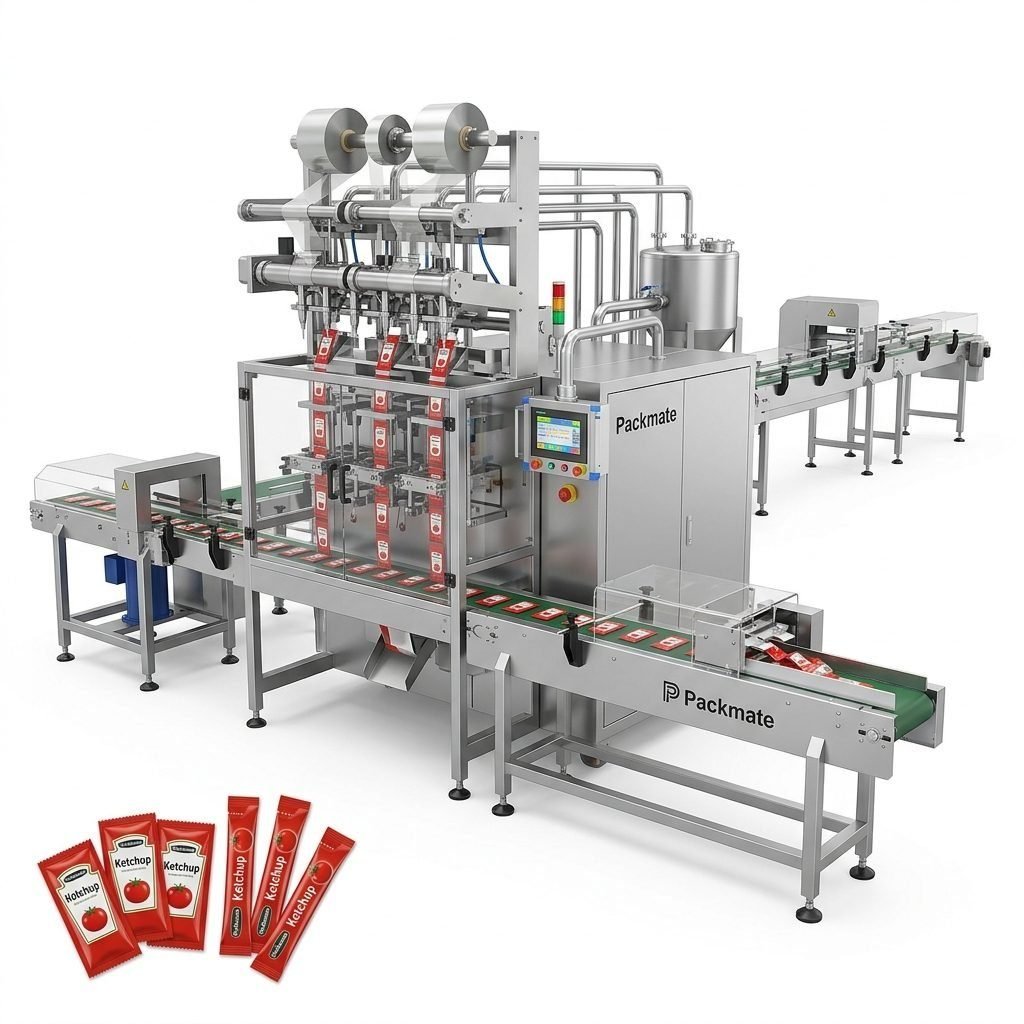
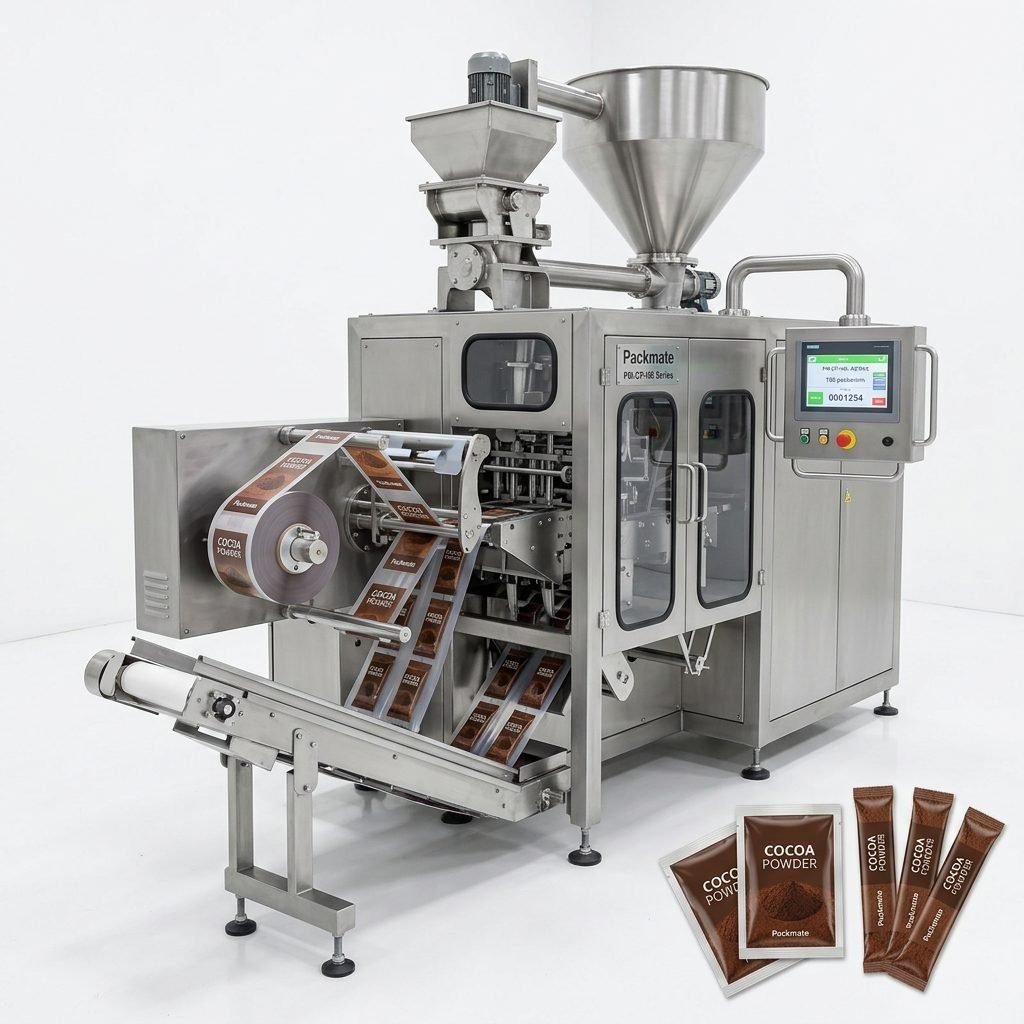
For single-use applications, sample sizes, or travel-friendly portions, sachet and stick pack machines are ideal. They form, fill, and seal individual pouches from a roll of laminated film. For thicker creams, machines with specialized positive displacement pumps are used to ensure accurate filling without spillage. These machines are highly efficient for high-volume production of small units. You can explore various options in our dedicated range of sachet & stick pack machines.
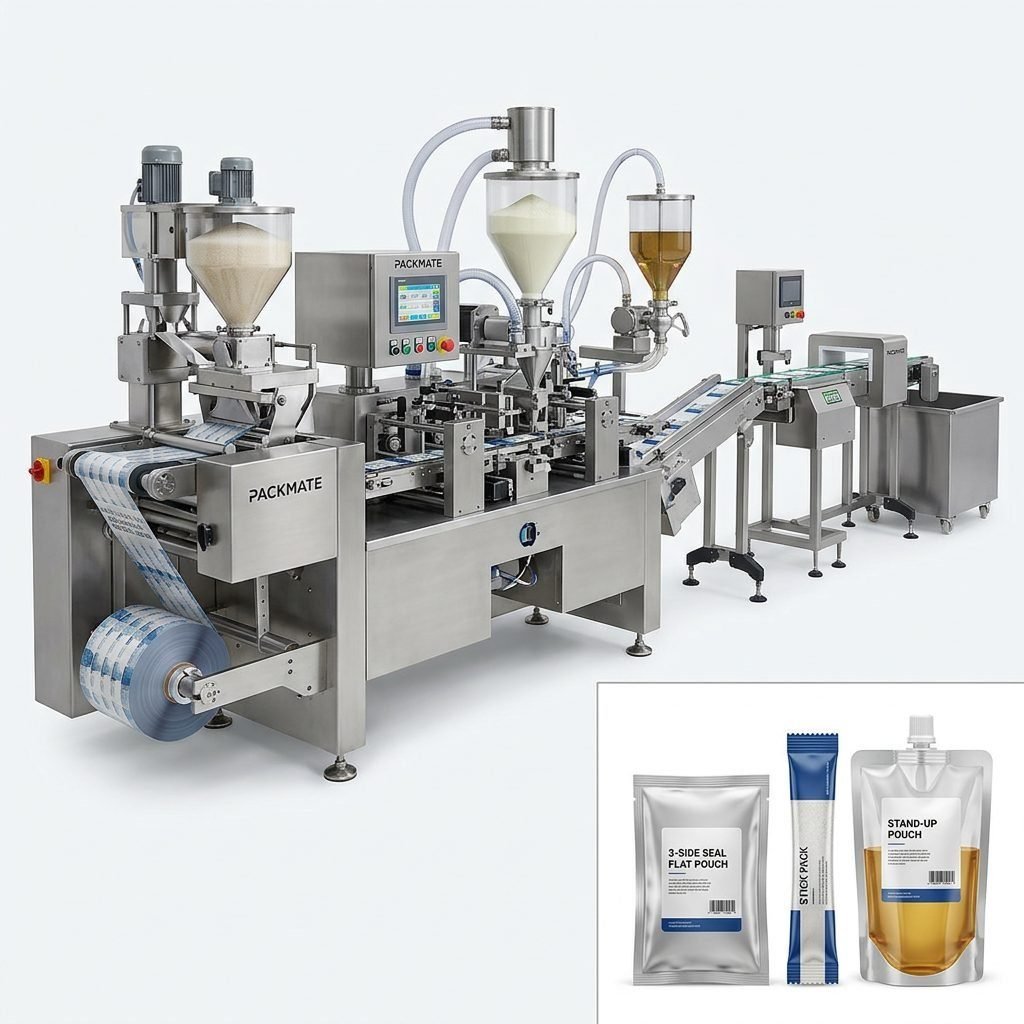
4. Pouch Packaging Machines
Larger quantities of cream, such as those for professional or industrial use, are often packaged in stand-up pouches or flat pouches. These machines handle pre-made pouches or form them from film rolls, fill them using auger or piston fillers, and then seal them. Features like nitrogen flushing can be incorporated to extend shelf life by displacing oxygen.
Critical Features & Technological Considerations
Beyond the basic type, several features differentiate a standard machine from a high-performance, reliable asset for your factory.
Precision Filling Systems
The heart of any cream packaging machine is its filling mechanism. Piston fillers offer excellent accuracy for a wide range of viscosities. Auger fillers, driven by a rotating screw, are superb for very thick, sticky products like heavy creams or pastes. The choice depends on your product’s specific rheology and the required fill accuracy (typically within ±0.5% to ±1%).
Hygienic Design & Material Contact: For cosmetics and pharmaceuticals, machines must be easy to clean and sanitize. Look for stainless steel (grade 304 or 316) construction on all product contact parts, CIP (Clean-in-Place) capabilities, and designs with minimal crevices where product can accumulate.
Automation & Control Systems: Modern machines are governed by PLC (Programmable Logic Controller) and HMI (Human-Machine Interface) touchscreens. These allow for easy recipe storage, changeover between different products or container sizes, real-time monitoring of production counts, and diagnostic alerts. Automation reduces operator error and boosts overall equipment effectiveness (OEE).
Changeover Flexibility
A machine that requires hours for a size changeover creates costly downtime. Seek machines with quick-change parts and tool-less adjustments. This flexibility is vital for manufacturers running short batches of multiple cream variants or packaging sizes.
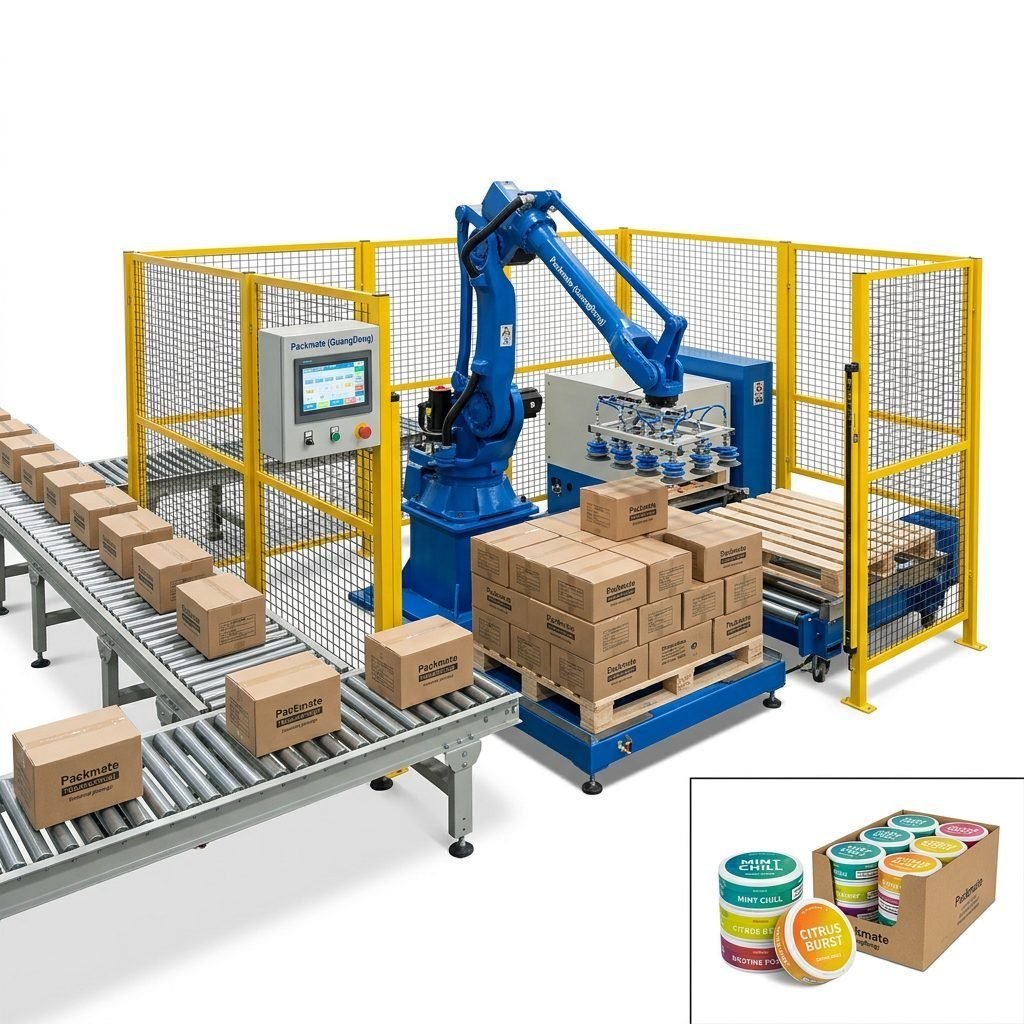
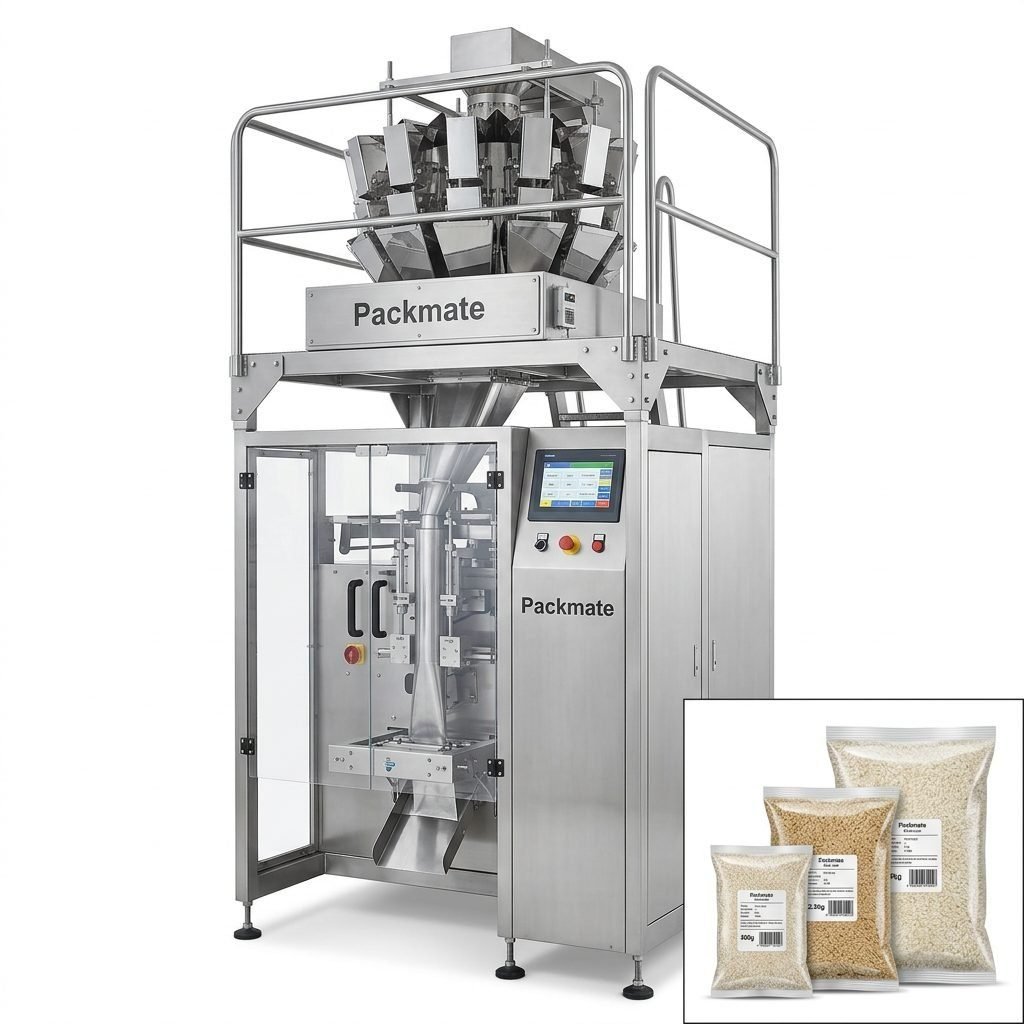
Integration Capabilities: Your cream filler rarely works in isolation. Consider how it will integrate with upstream equipment (like tube unscramblers or conveyor systems) and downstream equipment (like cappers, labelers, and cartoners). A machine designed for seamless integration, or offered as part of a complete weighing & packaging system, ensures a smoother, more efficient production line.
Comprehensive Buying Guide: Key Questions to Ask
Investing in a cream packaging machine is significant. This step-by-step guide helps you evaluate your needs and potential suppliers.
Step 1: Define Your Product & Output Requirements
- Product Characteristics: Precisely define viscosity, density, particle size (if any), and sensitivity to heat or shear.
- Container Details: Provide exact specifications for tubes, jars, or pouches (material, dimensions, opening size).
- Production Speed: Calculate your required output in units per minute/hour, considering both current needs and future growth.
- Floor Space & Utilities: Measure available space and identify power (voltage, phase), compressed air, and any other utility requirements.
Step 2: Research & Shortlist Reputable Manufacturers
Look for manufacturers with a proven track record in packaging similar products. Experience matters. A company like Packmate Machinery, with over 30 years of expertise in intelligent packaging solutions, brings invaluable knowledge to complex projects. Review their case studies and client testimonials, particularly from the cosmetic or pharmaceutical sectors.
Step 3: Evaluate Machine Quality & Support
- Build Quality: Request detailed material specifications and photos/videos of the machine’s construction.
- Testing: Always insist on a factory acceptance test (FAT) using your actual product and containers. This is non-negotiable.
- After-Sales Service: Clarify warranty terms, availability of spare parts, technical support (remote and on-site), and training for your operators.
Step 4: Total Cost of Ownership (TCO) Analysis
Look beyond the initial purchase price. Consider:
Operational Costs: Energy consumption, required consumables (sealing jaws, gaskets), and maintenance schedules.
Efficiency Gains: A slightly more expensive machine with higher speed, accuracy, and less waste often has a faster ROI.
Longevity: A robustly built machine from a reliable partner ensures years of trouble-free service, protecting your investment.
Choosing the best cream packaging machine requires a careful balance of technical specifications, operational needs, and supplier reliability. By thoroughly understanding the machine types, prioritizing key features like precision and hygiene, and following a structured buying process, you can secure equipment that enhances your product quality, boosts production efficiency, and scales with your business growth. For a wide selection of reliable packaging solutions, visit our homepage.
Frequently Asked Questions (FAQs)
What is the typical accuracy range for a cream filling machine?
High-quality piston or auger fillers for creams can typically achieve a filling accuracy within ±0.5% to ±1.0% of the target volume or weight. This is subject to the product’s viscosity and the machine’s calibration.
Can one machine handle both tubes and jars?
Generally, no. Tube fillers and jar/bottle fillers are distinct machine types due to different container handling, filling, and sealing mechanisms. However, some modular systems may allow for significant changeovers with dedicated change parts, but this is not common for high-speed lines.
How important is a CIP (Clean-in-Place) system?
For industries with strict hygiene standards like pharmaceuticals, nutraceuticals, or certain cosmetics, a CIP system is highly important. It allows for faster, more effective, and reproducible cleaning without extensive disassembly, reducing downtime and contamination risk.
What maintenance does a cream packaging machine require?
Regular maintenance includes daily cleaning, lubrication of moving parts as per the manual, inspection and replacement of wear parts like seals, gaskets, and filling nozzles, and periodic calibration of the filling system and checkweigher.
How long does it take to install and commission a new machine?
Installation and commissioning time varies by machine complexity. A standalone filler may take a few days, while a fully integrated line could take 1-3 weeks. This includes placement, utility connection, mechanical setup, electrical integration, testing, and operator training. Proper factory preparation beforehand can significantly reduce this time.