In the fast-paced world of manufacturing, product integrity is paramount. Efficient product protection is not merely a final step in the production line; it is a critical component of brand reputation, customer satisfaction, and logistical success. At the heart of this process lies the film packaging machine—a sophisticated piece of engineering designed to encase products securely, attractively, and consistently. This article explores the top film packaging machines that deliver exceptional efficiency and reliability, ensuring your products are shielded from damage, contamination, and degradation throughout their journey to the end-user.
The Critical Role of Film Packaging in Modern Industry
Film packaging serves as the first line of defense for countless products, from food and pharmaceuticals to electronics and consumer goods. A high-quality film packaging machine does more than just wrap an item; it creates a hermetic seal, extends shelf life, provides tamper evidence, and enhances the product’s visual appeal on retail shelves. The efficiency of this operation directly impacts production throughput, material waste, and overall operational costs. Therefore, selecting the right machinery is a strategic business decision.
Key Insight: Modern film packaging machines integrate advanced technologies like servo motors, programmable logic controllers (PLCs), and touch-screen HMIs. These features allow for precise control over sealing temperature, film tension, and cutting length, resulting in consistent, high-integrity packages with minimal material usage and maximum speed.
Evaluating Machine Types for Different Needs
Not all products are created equal, and neither are their packaging requirements. The market offers a variety of film packaging machines, each suited to specific applications:
Vertical Form-Fill-Seal (VFFS) Machines
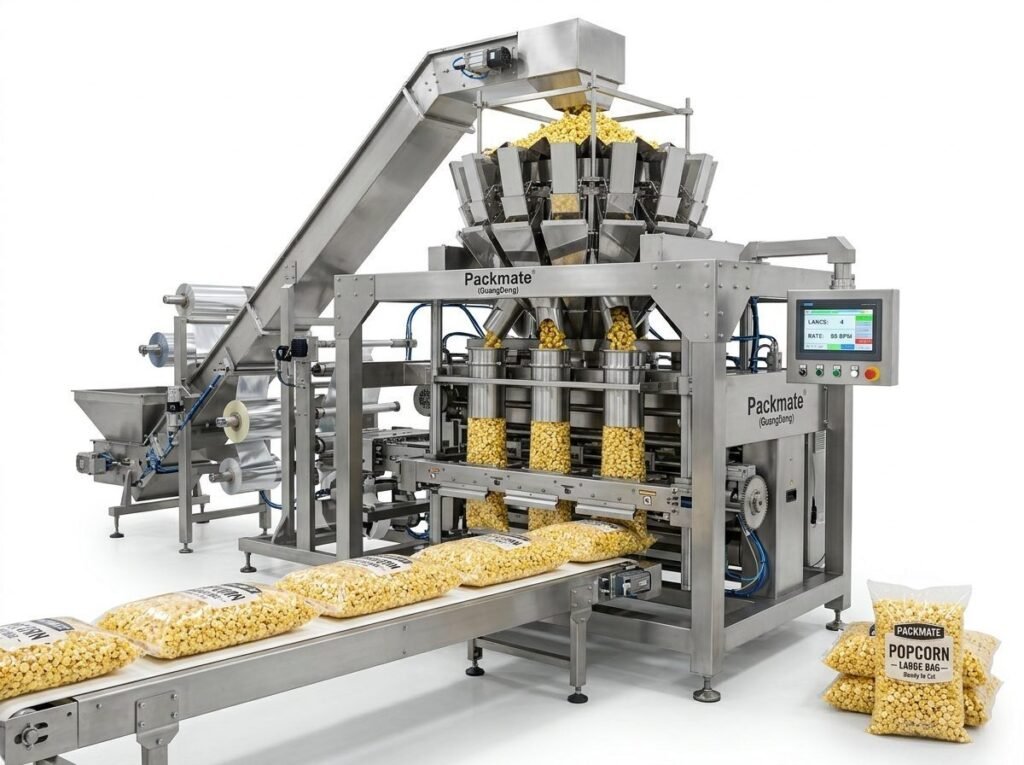
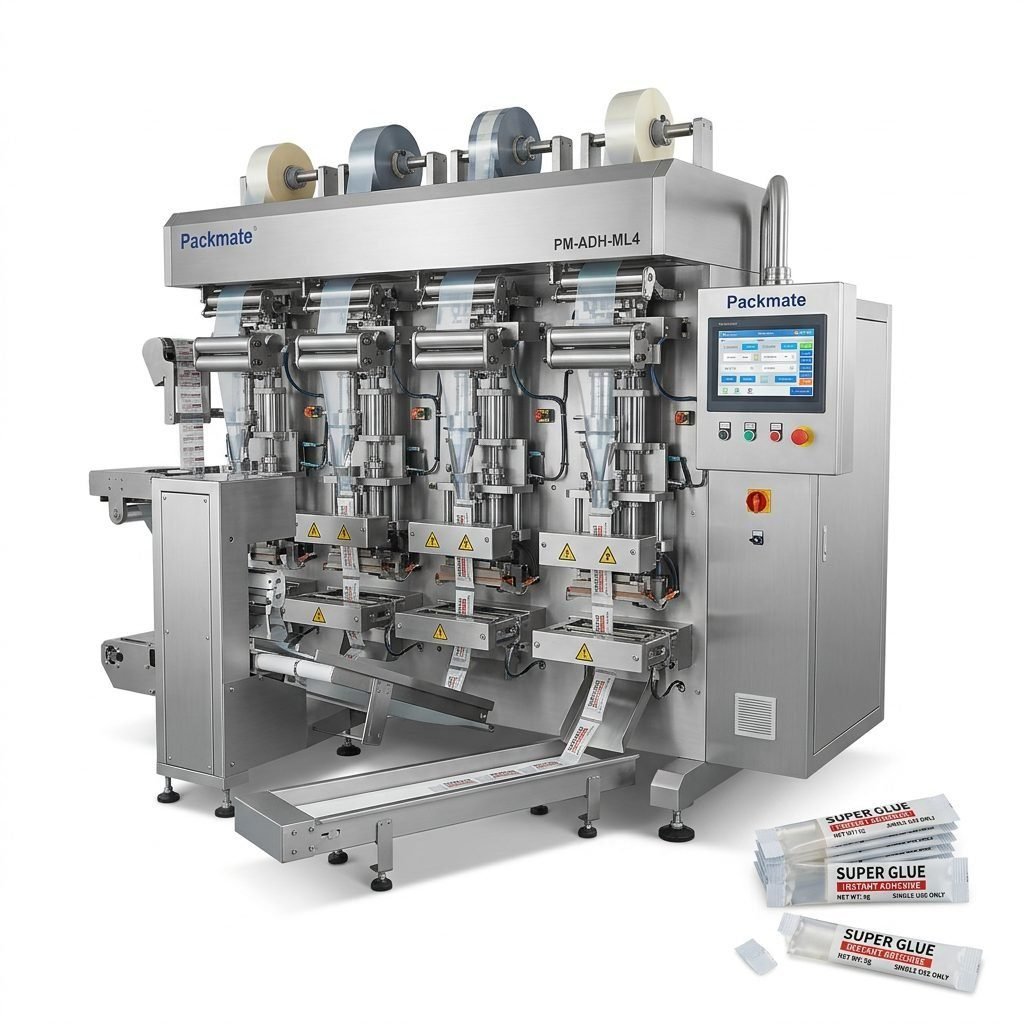
These are the workhorses of the packaging industry, ideal for granular, powdered, and liquid products. They form a bag from a roll of film, fill it with the product, and seal it—all in one continuous, vertical motion. Their compact footprint and high-speed capabilities make them perfect for high-volume production lines. For businesses looking to scale their operations, exploring a comprehensive range of weighing and packaging systems that integrate with VFFS machines can be a transformative step.
Horizontal Flow Wrappers
Best suited for individually wrapped items like candy bars, biscuits, or medical devices, horizontal flow wrappers encase products in a snug, sealed pouch. They are renowned for their gentle handling of products and excellent seal quality, which is crucial for maintaining freshness and hygiene.
Shrink Wrapping Systems
These systems use heat to shrink a loose plastic film around a product or a bundle of products (like multi-packs of bottles). They provide excellent stability for transportation and a sleek, unified look for retail display. The efficiency of a shrink wrapper lies in its speed and the strength of the final bundled unit.
Choosing between these types often depends on your product’s form factor, required protection level, and desired packaging aesthetics. Manufacturers like Packmate Machinery offer expertise across these categories, providing tailored solutions rather than one-size-fits-all machines.
Top Features for Unmatched Efficiency and Protection
When investing in a top-tier film packaging machine, several key features separate the exceptional from the ordinary. These features directly contribute to efficient product protection and operational excellence.
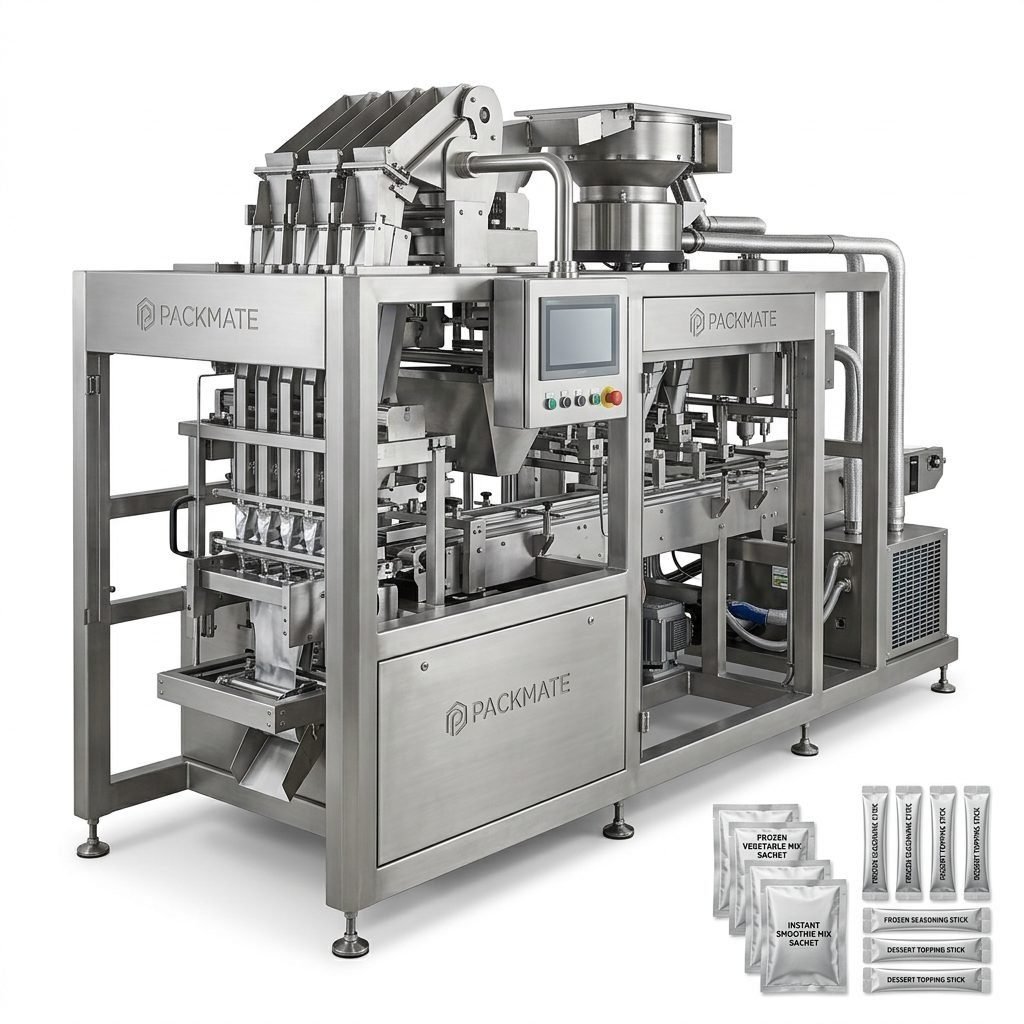
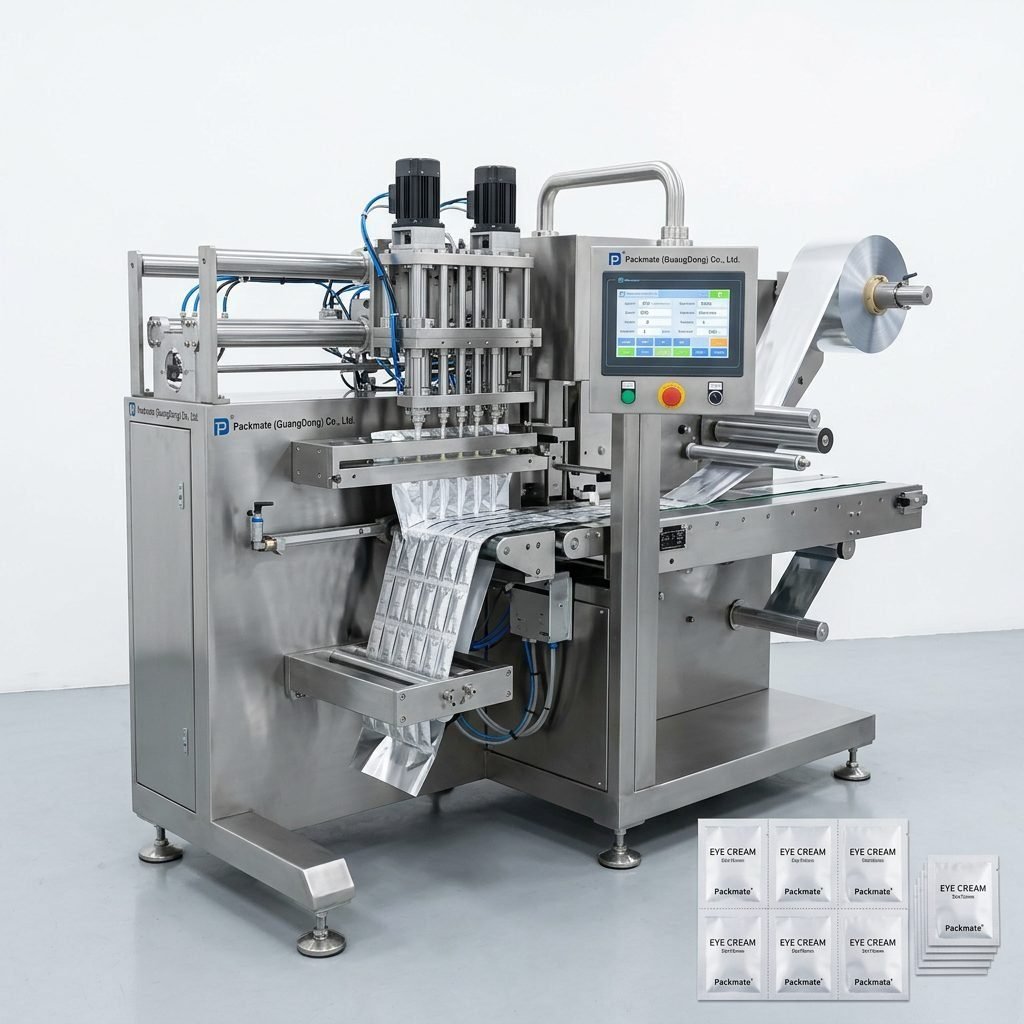
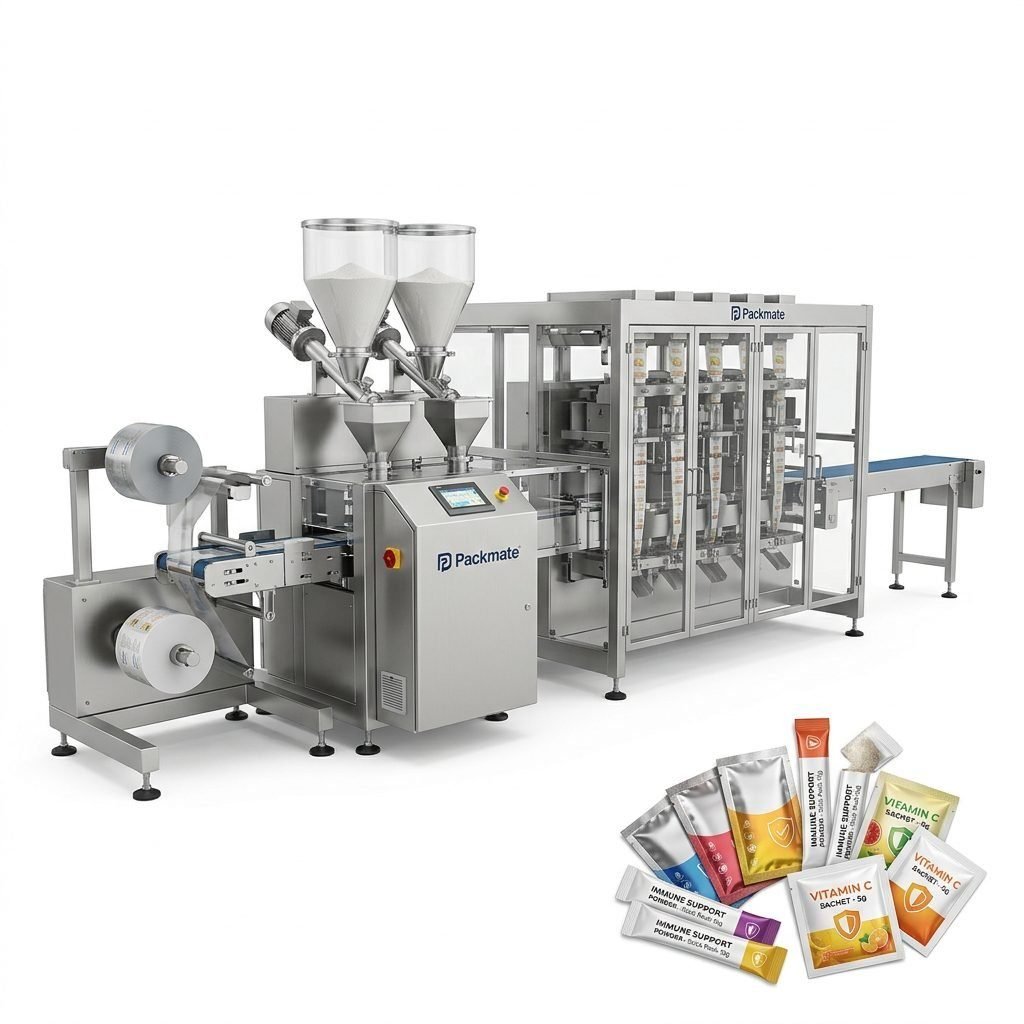
Precision Weighing & Filling Integration: The most efficient protection begins with accurate product measurement. Machines that integrate with multi-head weighers or auger fillers ensure each package contains the exact specified amount. This minimizes give-away, ensures regulatory compliance for weight-controlled products, and maintains consistent package size. For specialized applications, such as portion-controlled health supplements, sachet and stick pack machines often feature ultra-precise micro-fillers.
Advanced Sealing Technology: The seal is the cornerstone of product protection. Look for machines with independently controlled, digitally regulated sealing jaws. This allows for perfect temperature management across the entire sealing surface, creating strong, uniform seals even on complex multi-layered films. A weak or inconsistent seal can lead to leaks, spoilage, and costly product recalls.
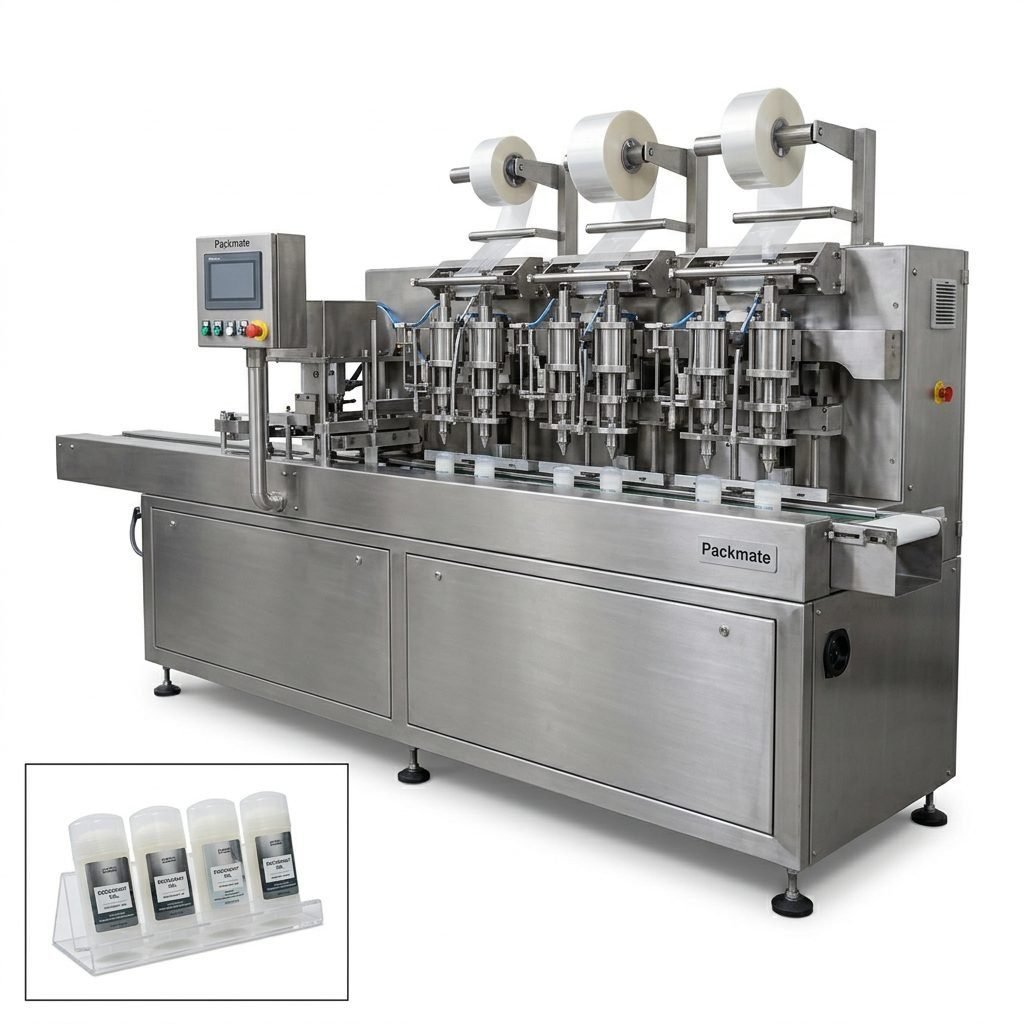
Intelligent Film Tracking & Tension Control: Efficient material use is a major cost factor. Machines equipped with servo-driven film feed systems and automatic tension control minimize film waste by ensuring precise alignment and preventing wrinkles or tears. This not only saves on material costs but also reduces machine downtime for film threading and adjustments.
Hygienic & Easy-Clean Design: Especially critical in food and pharmaceutical packaging, machines designed with stainless steel contact surfaces, rounded corners, and quick-disconnect parts facilitate thorough and fast cleaning. This reduces changeover time between production runs and is essential for maintaining the highest standards of product safety.
The Importance of a Complete Packaging Line
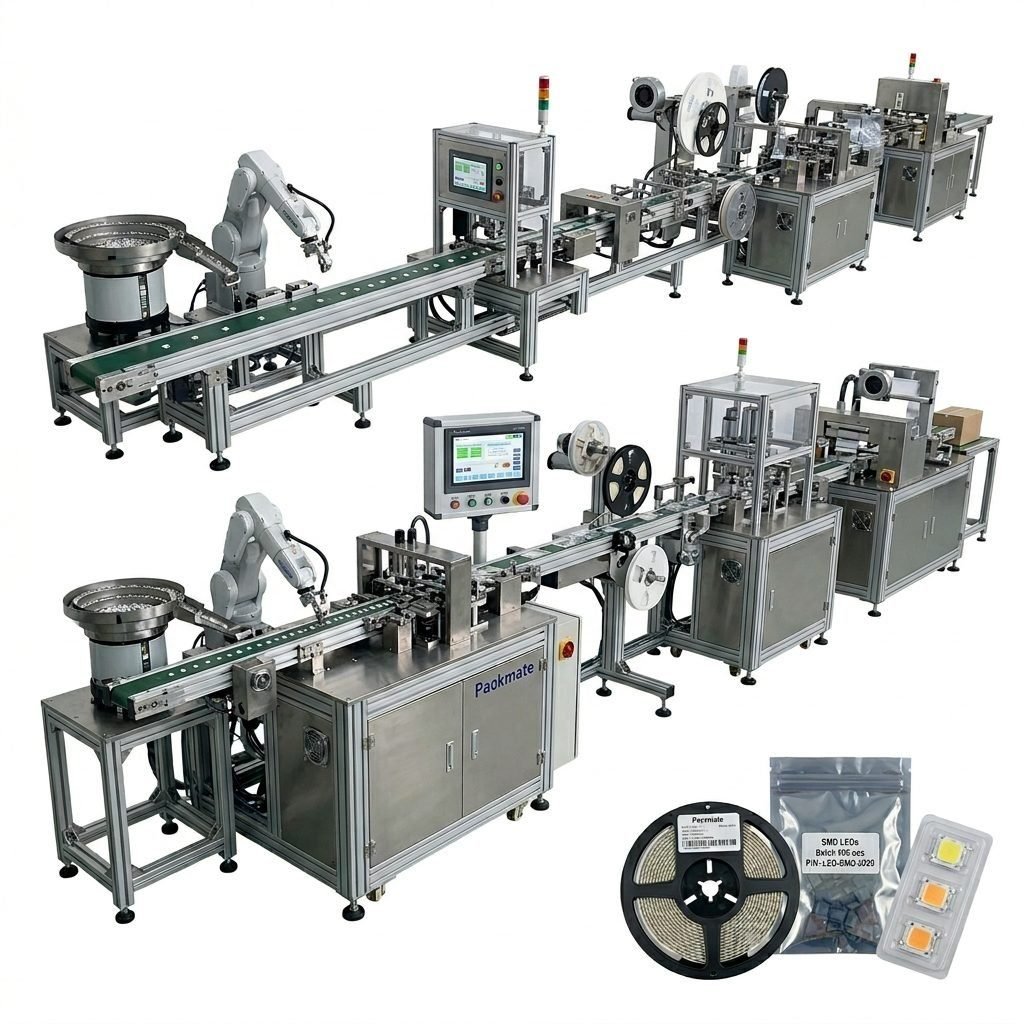
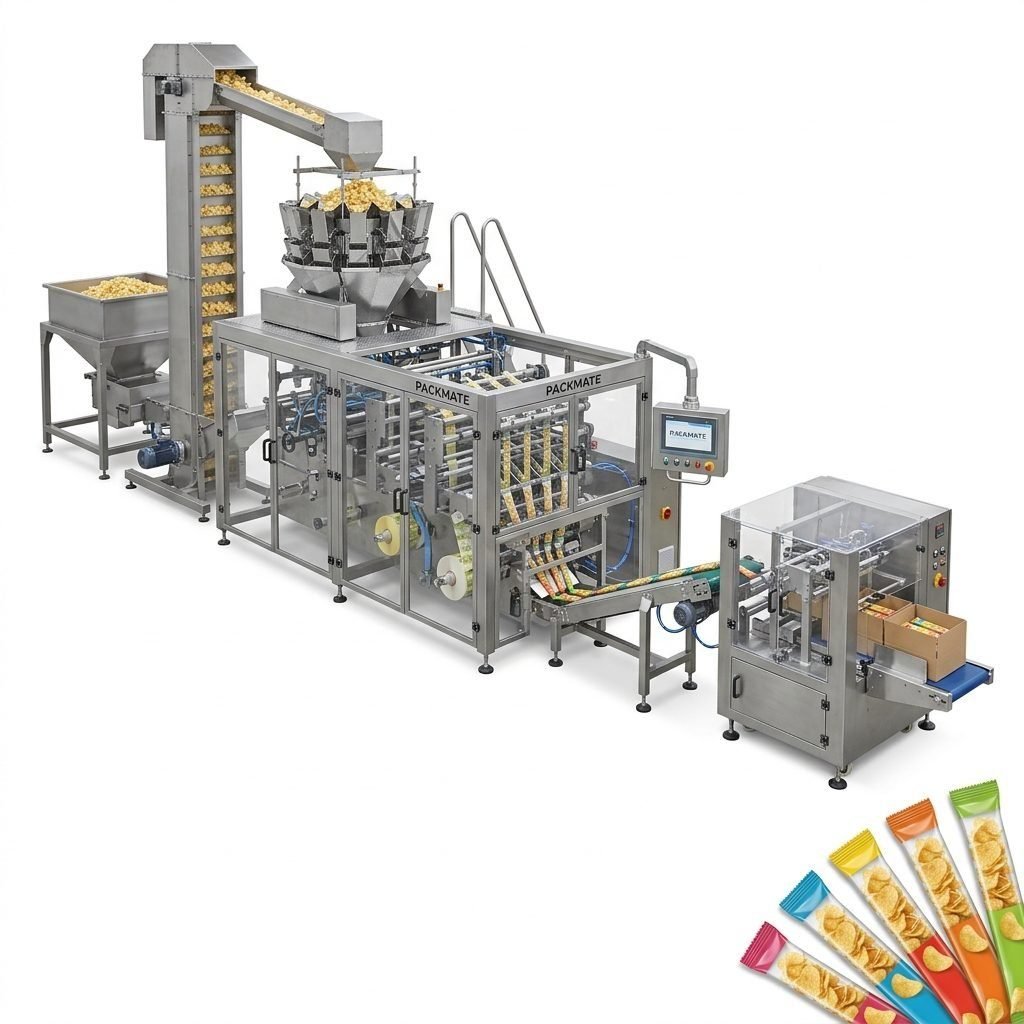
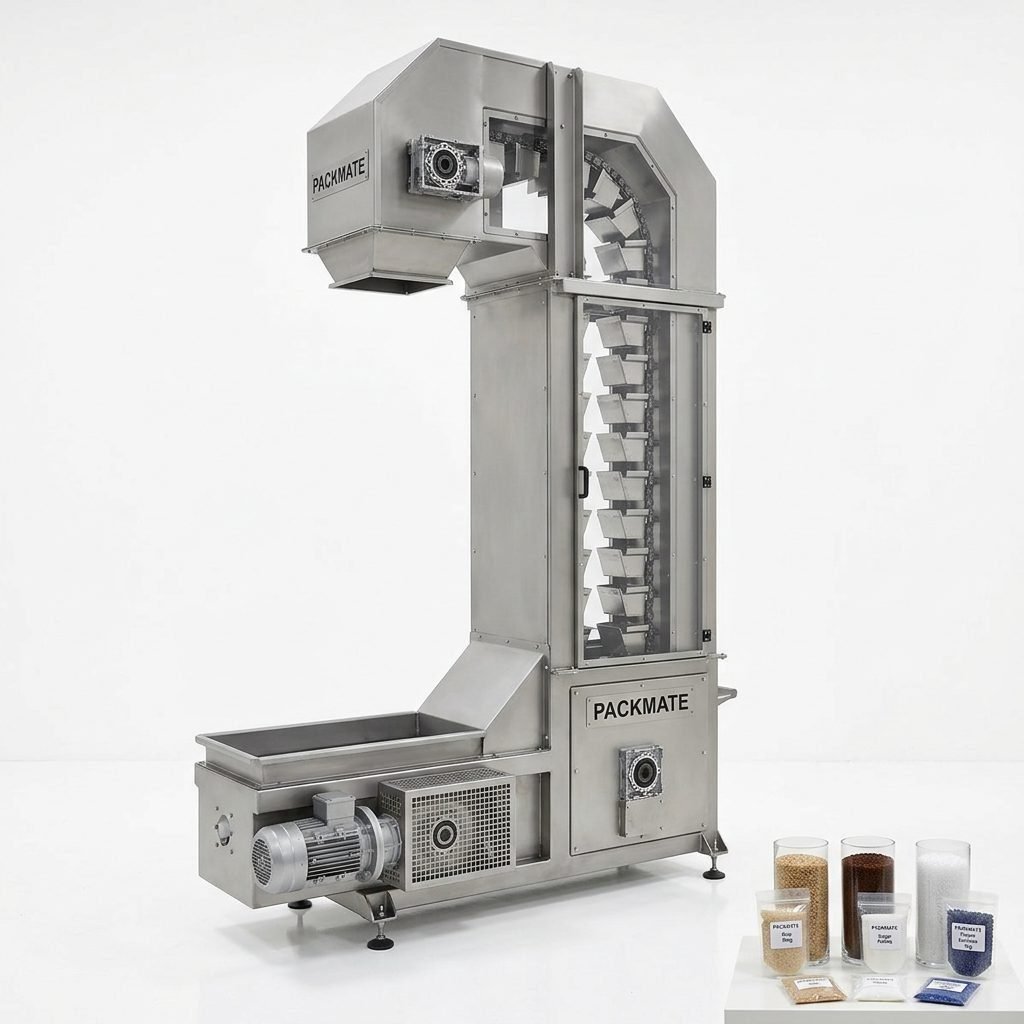
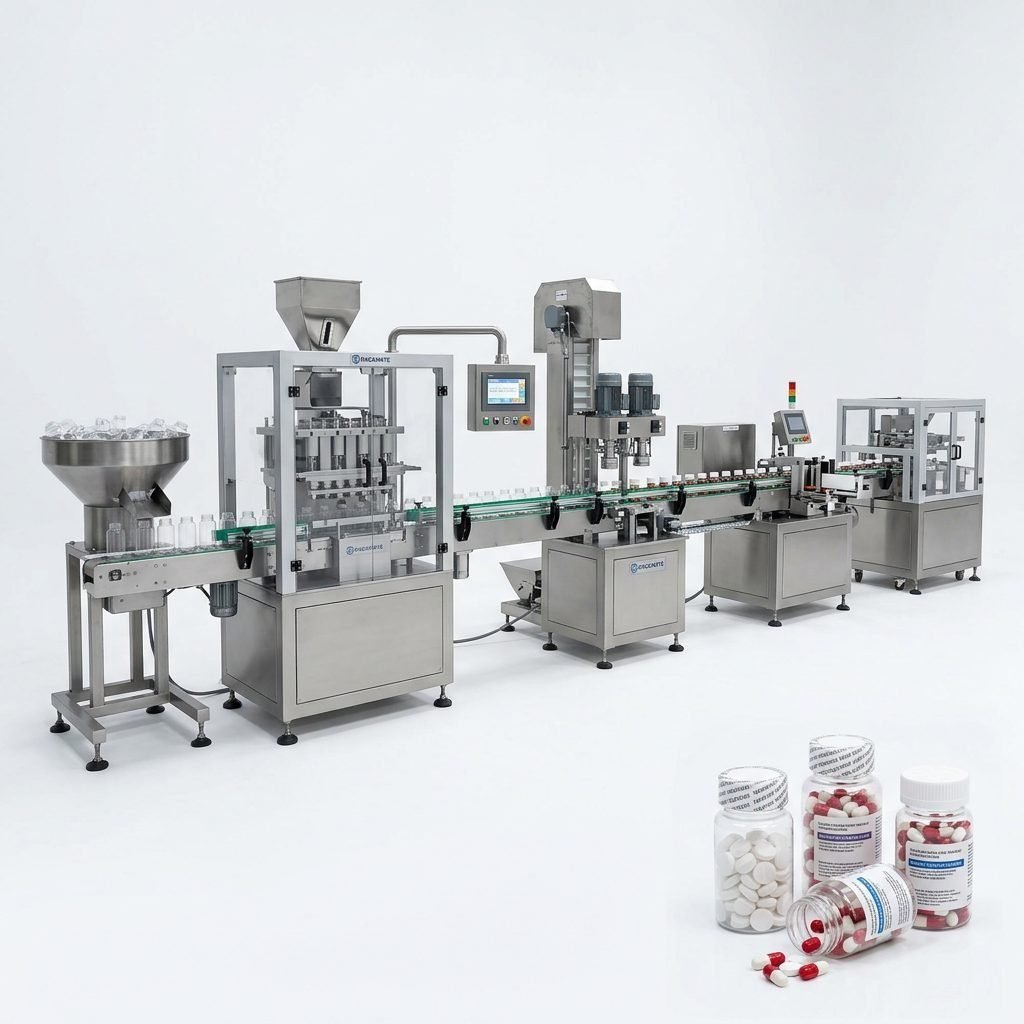
Efficiency is rarely achieved by a single machine working in isolation. A top film packaging machine is most effective as part of a synchronized turnkey packaging line. This includes upstream equipment like product conveyors, elevators, and inspection systems, as well as downstream equipment like cartoners, case packers, and palletizers.
Partnering with a manufacturer that can provide or integrate these components ensures seamless material flow, minimizes bottlenecks, and optimizes the entire production process. Companies with deep industry experience, such as Packmate Machinery, leverage their over 30 years of expertise to design such cohesive filling and packaging lines, transforming isolated machines into a unified, high-output system.
Driving Value Through Innovation and Support
The journey to efficient product protection extends beyond the initial purchase. The true value of a top film packaging machine is realized through ongoing innovation, reliable performance, and comprehensive support.
Commitment to R&D: Leading manufacturers invest continuously in research and development. This commitment translates into machines that are more energy-efficient, easier to operate, and capable of handling new, sustainable packaging materials. It’s this forward-thinking approach that keeps production lines competitive and future-proof.
Global Service & Spare Parts Network: Downtime is the enemy of efficiency. A robust global service network ensures that technical support, maintenance, and genuine spare parts are readily available. This minimizes production interruptions and protects your long-term investment. The assurance of reliable support is a critical factor often highlighted in client testimonials and project case studies.
Final Thought: In conclusion, the top film packaging machines are those that blend robust engineering, intelligent automation, and adaptable design. They are not just tools for wrapping but are integral systems for guaranteeing product quality, optimizing resources, and strengthening your brand in the marketplace. By prioritizing these features and partnering with an experienced provider, businesses can achieve a level of efficient product protection that drives growth and customer trust.
Frequently Asked Questions (FAQs)
1. What is the main difference between vertical and horizontal film packaging machines?
Vertical Form-Fill-Seal (VFFS) machines are primarily used for granules, powders, and liquids, creating bags from a roll of film in a vertical orientation. Horizontal flow wrappers are designed to wrap pre-formed, solid items (like candy bars or tools) in a horizontal motion. The choice depends entirely on your product’s physical state and the desired package type.
2. How can I reduce film waste in my packaging operation?
Reducing film waste involves several strategies: using a machine with servo-driven film feed and tension control for precise material usage, optimizing the package design to minimize seal areas, and regularly maintaining sealing jaws to prevent film tears. An efficient auxiliary equipment setup for film unwinding can also contribute to smoother operation.
3. What should I consider for packaging hygroscopic (moisture-sensitive) products?
For moisture-sensitive products, you must use a high-barrier film (often multi-layered with materials like AL foil or metallized PET). The packaging machine must provide a perfect, consistent hermetic seal to maintain the barrier’s integrity. Additionally, some lines may integrate nitrogen gas flushing before sealing to displace oxygen and moisture from the package.
4. How important is after-sales service when purchasing a packaging machine?
Extremely important. Reliable after-sales service, including readily available spare parts, remote troubleshooting, and on-site technician support, is crucial for minimizing costly downtime. It ensures your machine maintains its efficiency and longevity, protecting your investment over its entire lifecycle.
5. Can one machine handle different package sizes and films?
Yes, most modern machines are designed for quick changeover. This is achieved through tool-less adjustments, saved recipe settings on the HMI, and interchangeable forming tubes or sealing jaws. The speed and simplicity of changeover is a key feature to evaluate if your production requires frequent runs of different SKUs.