Rice, a staple food for billions globally, demands efficient, hygienic, and cost-effective packaging solutions. Choosing the right rice packaging machine is critical for producers to maintain product quality, extend shelf life, and meet market demands. This guide delves into the various types of rice packaging machines, their specific applications, and essential factors to consider before making a purchase.
Primary Types of Rice Packaging Machines
The packaging process for rice can be segmented into several key stages, each requiring specialized machinery. Understanding these types is the first step toward optimizing your production line.
1. Weighing and Filling Machines
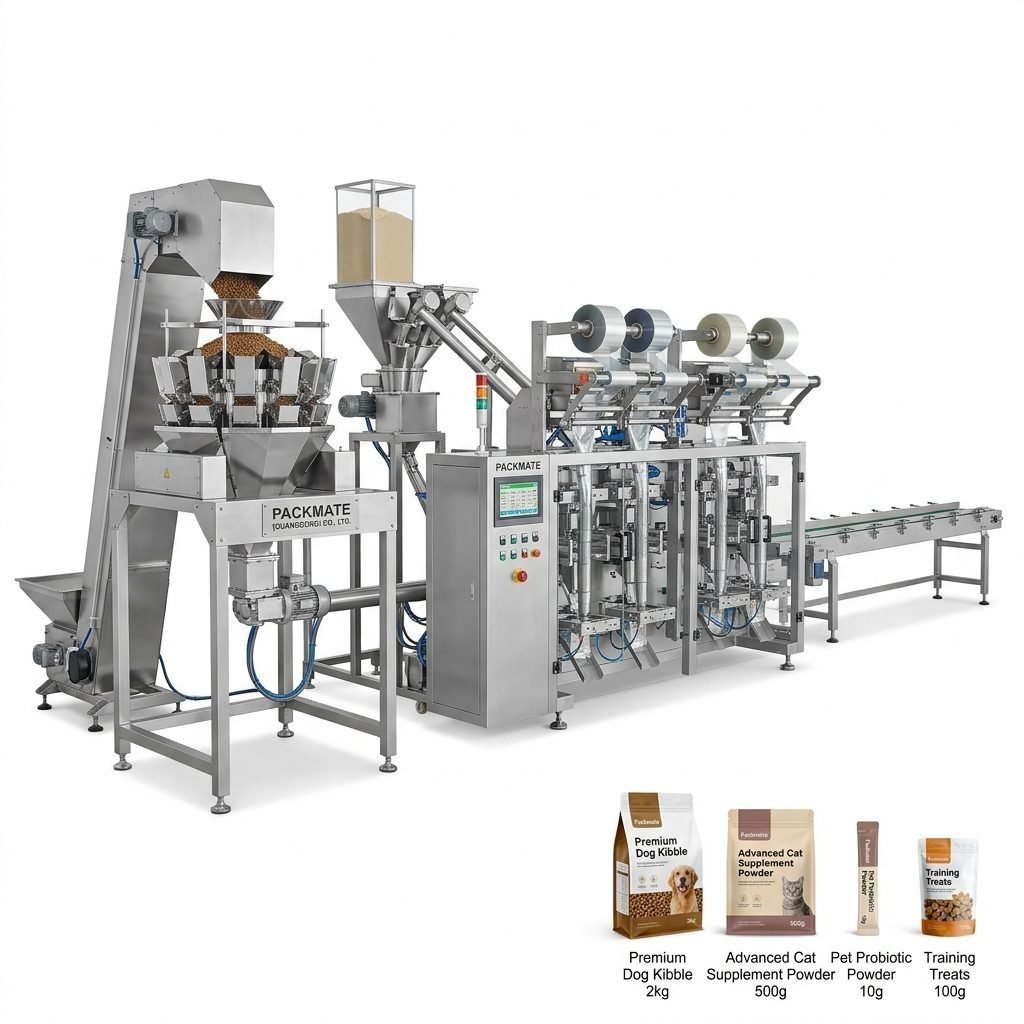
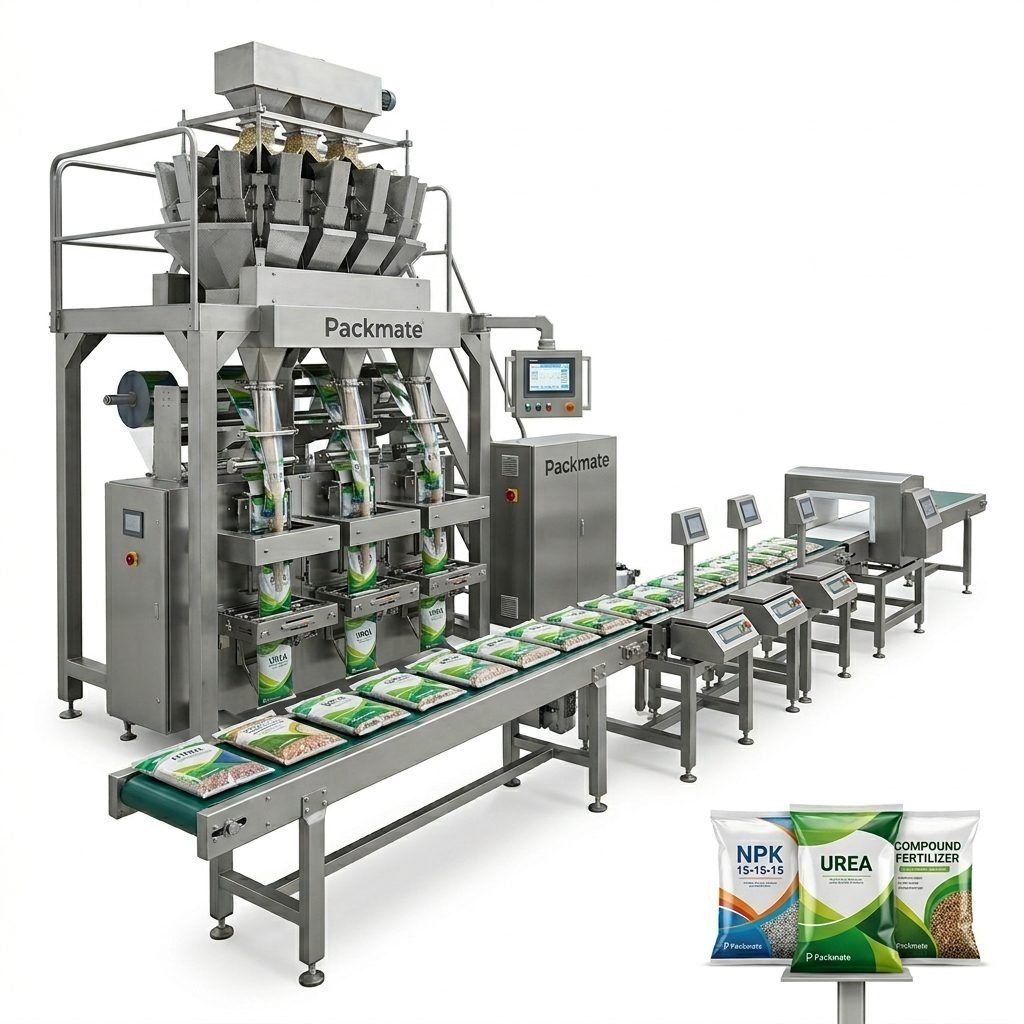
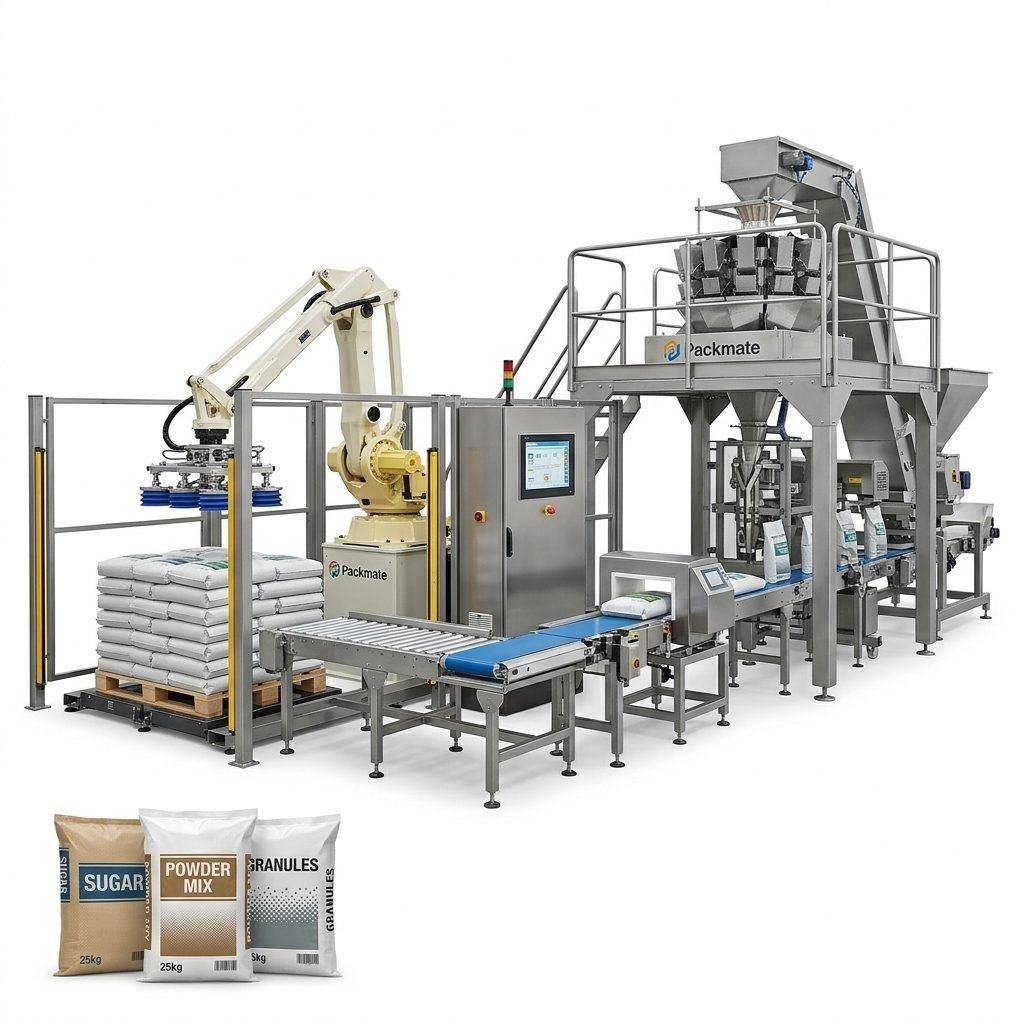
Accurate portion control is non-negotiable in food packaging. Weighing systems are the heart of this operation. Multi-head weighers use a combination of weigh buckets and hoppers to achieve high-speed, precise measurements, ideal for free-flowing products like milled rice. For larger volumes or bulk bags, auger fillers or gross weigh scales are commonly employed. The choice depends heavily on your target bag weight and required speed.
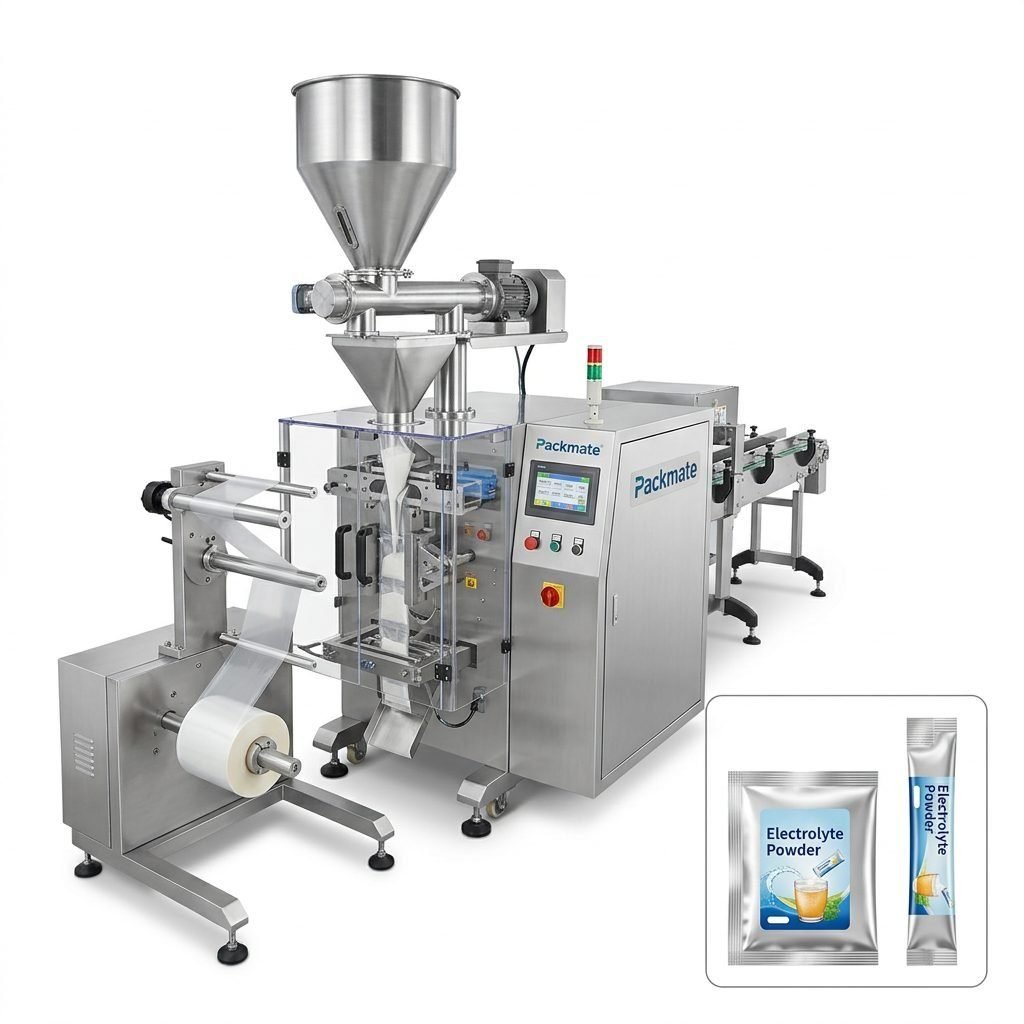
2. Form-Fill-Seal (FFS) Machines
These versatile machines create the package from a roll of film, fill it with product, and seal it—all in one continuous operation. For rice, the most common types are:
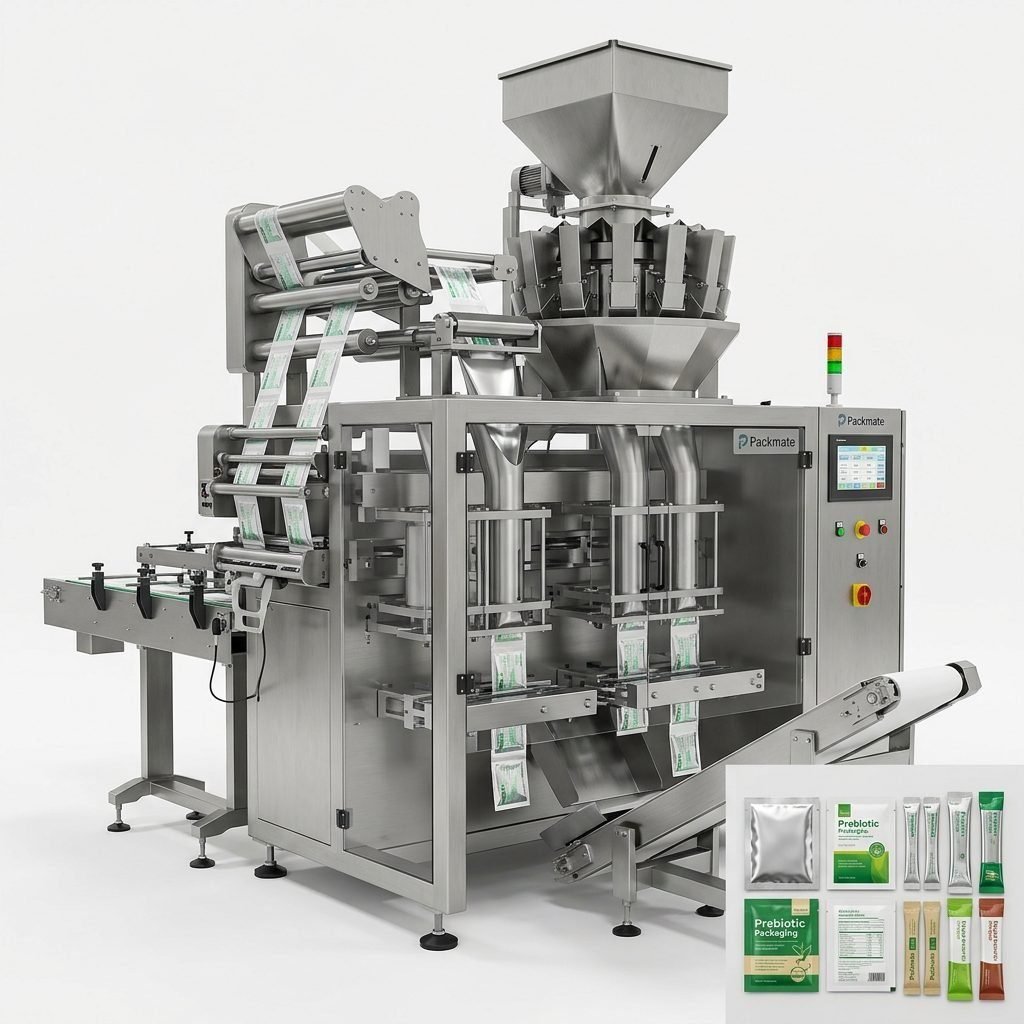
- Vertical Form-Fill-Seal (VFFS): The film moves vertically, forming a tube that is filled and then sealed horizontally. This is the industry standard for bag and pouch packaging of rice in sizes ranging from 500 grams to 5 kilograms. It’s highly efficient and allows for various bag styles (pillow, gusseted, block-bottom).
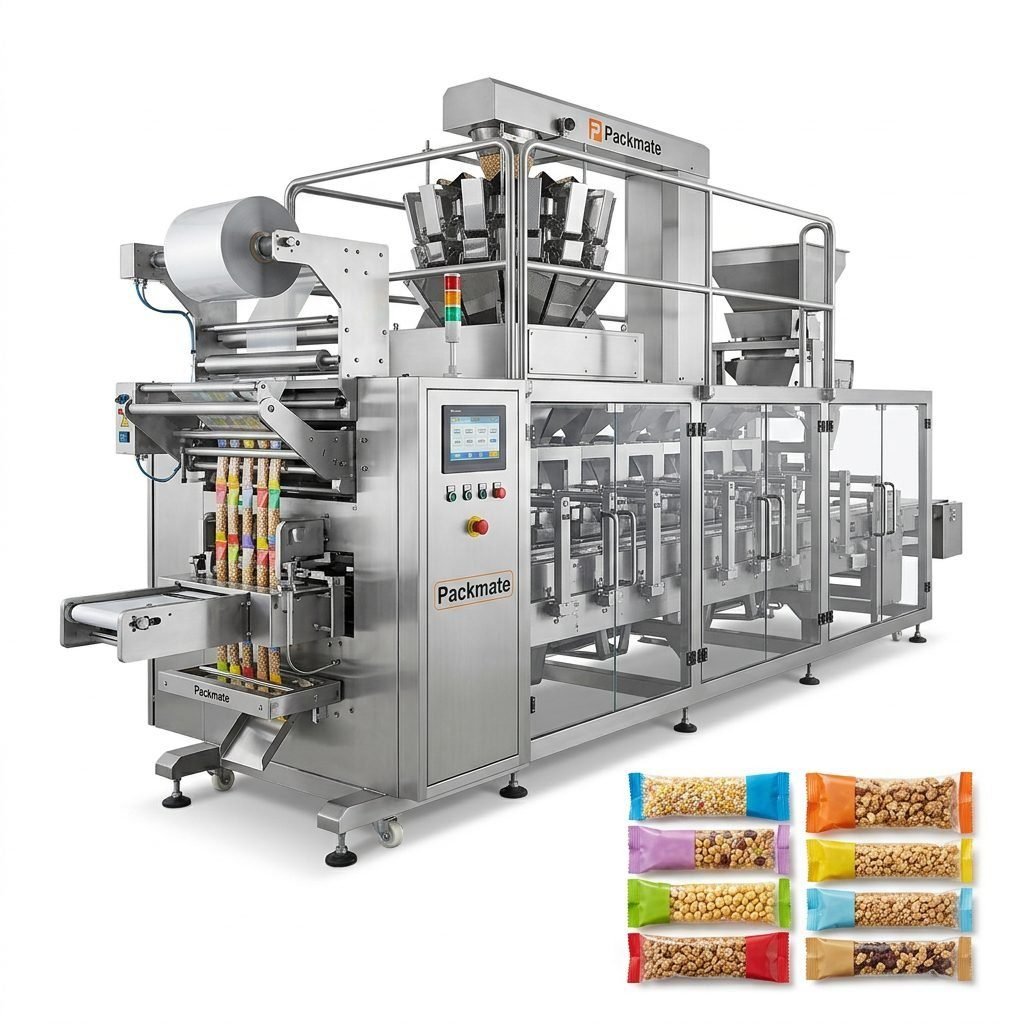
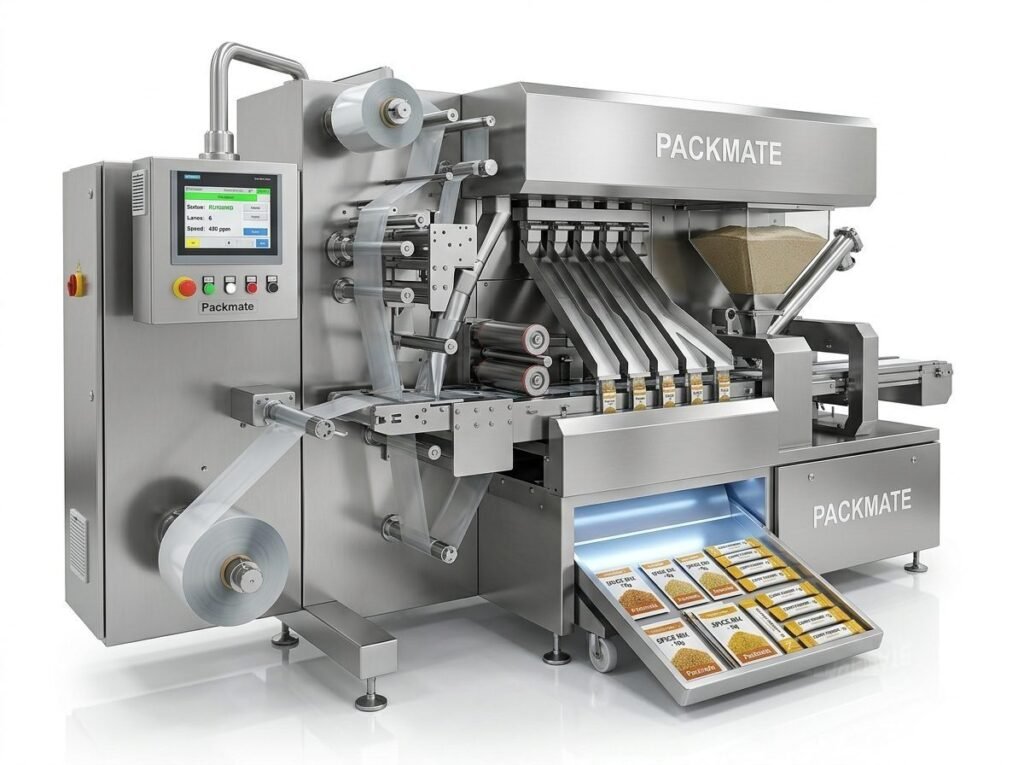
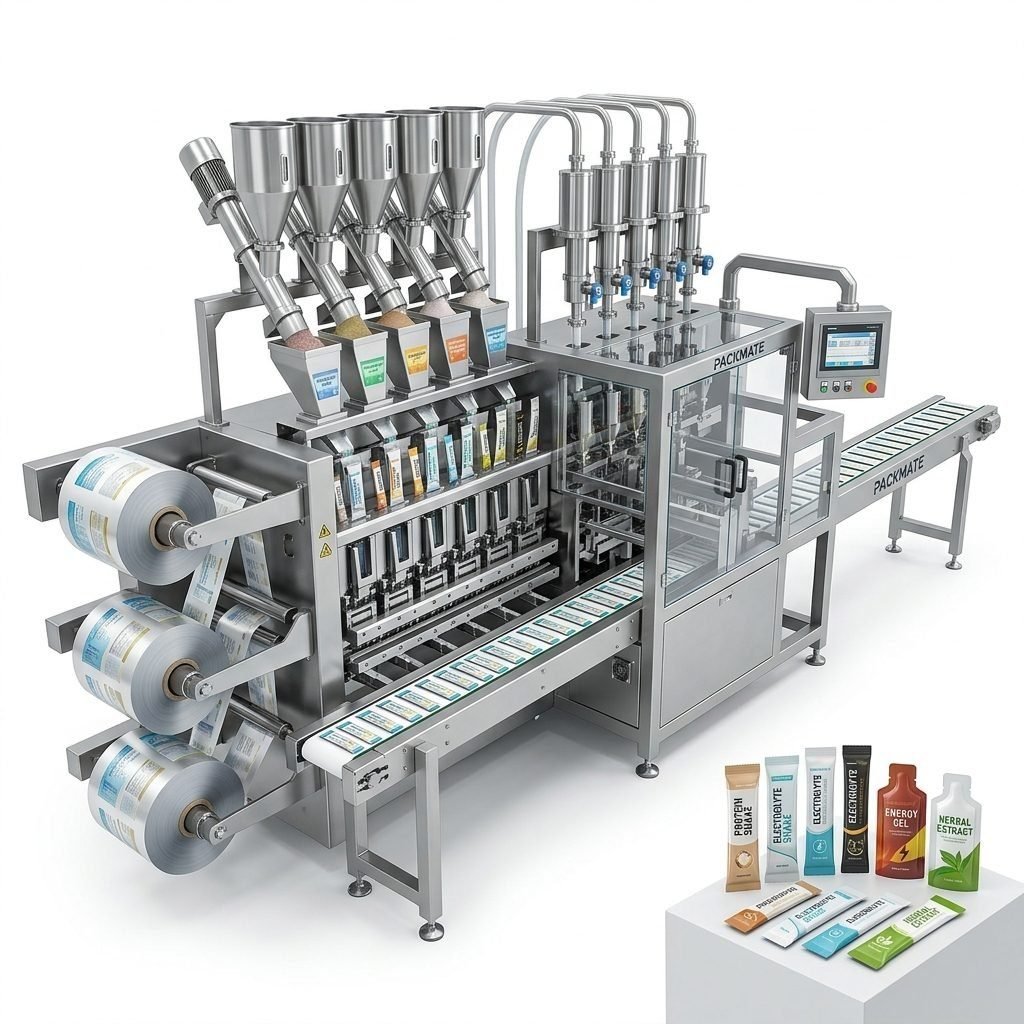
- Horizontal Form-Fill-Seal (HFFS): Less common for standard rice bags but used for specialized formats like stick packs or sachets for single-serving rice or rice-based products.
3. Pre-Made Bag Packers
This system uses bags that are already manufactured (pre-made pouches or woven bags). The machine opens the bag, positions it under a filling spout, fills it, and then seals or sews it closed. This method is often preferred for premium packaging, larger bulk bags (10kg, 25kg, 50kg), or when using complex laminated materials that are difficult to form on an FFS machine.
4. Auxiliary and End-of-Line Equipment
A complete packaging line involves more than just filling and sealing. Key auxiliary equipment includes:
- Checkweighers: Automatically verify the weight of each filled bag to ensure compliance and minimize giveaway.
- Metal Detectors/X-ray Inspectors: Critical for food safety, they detect and reject any bags containing foreign metallic or non-metallic contaminants.
- Bag Flatteners and Conveyors: Prepare bags for the next stage, such as cartoning.
- Cartoning and Case Packing Systems: Automatically collate and pack individual bags into cartons or cases for shipping.
Key Applications and Uses in the Rice Industry
Different rice products and market segments require tailored packaging approaches.
Milled White Rice (Long, Medium, Short Grain)
This is the most common application. High-speed VFFS lines with multi-head weighers are the norm, packaging rice in 1kg, 2kg, 5kg, and 10kg consumer bags. The focus is on speed, accuracy, and creating a durable, attractive package that protects the rice from moisture and pests.
Brown Rice, Parboiled Rice, and Specialty Rice
These products often target health-conscious or premium markets. Packaging may involve gas flushing (nitrogen) before sealing to extend shelf life by removing oxygen, which can cause rancidity in brown rice due to its higher oil content. Machines must be capable of integrating this flushing process seamlessly.
Bulk and Commercial Packaging
For food service, restaurants, or wholesale, rice is packed in larger quantities (10kg, 25kg, 50kg). Here, robust weighing and packaging systems using open-mouth bag placers or big bag fillers are essential. Durability and stackability are key concerns.
Ready-to-Eat and Precooked Rice
This growing segment uses retort pouches or microwaveable trays. The packaging machinery is more specialized, often involving aseptic filling or post-filling sterilization processes to ensure shelf stability.
Essential Buying Tips for Your Rice Packaging Machine
Investing in packaging machinery is a significant decision. Here are critical factors to evaluate:
1. Define Your Production Requirements
Be clear on your output speed (bags per minute), bag size range, and product characteristics (e.g., grain length, flowability). A machine sized for 60 bags/minute is vastly different from one for 200 bags/minute. Under-specifying leads to bottlenecks; over-specifying wastes capital.
2. Prioritize Accuracy and Hygiene
Weight accuracy directly impacts profitability. Look for machines with precision weighing technology. Hygiene is paramount in food processing. Machines should have a sanitary design with easy-to-clean surfaces, minimal crevices, and be constructed from food-grade materials like stainless steel in critical zones.
3. Evaluate Flexibility and Changeover Time
If you plan to package multiple bag sizes or types of rice (e.g., white and brown), quick changeover capability is crucial. Machines with tool-less adjustments or digital recall settings for different formats can drastically reduce downtime and increase line utilization.
4. Consider Integration and Automation
Think beyond a single machine. Consider how it will integrate with upstream (supply hoppers) and downstream (checkweighers, case packers) equipment. A complete, automated packaging line from a single supplier often ensures better compatibility, smoother communication, and simpler after-sales support.
5. Assess Supplier Credentials and Support
The manufacturer’s reputation is as important as the machine itself. Look for a supplier with proven experience in the food and grain industry. Evaluate their technical support, availability of spare parts, training programs, and warranty terms. A reliable partner like Packmate Machinery, with over 30 years of expertise in intelligent packaging solutions, can provide invaluable guidance and long-term reliability.
Selecting the optimal rice packaging machine requires a careful balance of technical specifications, operational needs, and strategic investment. By thoroughly understanding the different machine types, their applications to your specific products, and following a disciplined purchasing checklist, you can invest in equipment that enhances efficiency, ensures product integrity, and supports your business growth for years to come.
Frequently Asked Questions (FAQs)
What is the most common type of machine for packaging 1kg to 5kg rice bags?
The Vertical Form-Fill-Seal machine integrated with a multi-head weigher is the industry standard for this range. It offers the best combination of speed, accuracy, and flexibility for various bag styles.
How can I extend the shelf life of brown rice during packaging?
To prevent rancidity, consider a machine equipped with gas flushing (nitrogen flushing) capability. This process displaces oxygen inside the bag before sealing, significantly slowing down oxidation and spoilage.
What maintenance does a rice packaging machine typically require?
Regular maintenance includes daily cleaning to remove rice dust and fines, lubrication of moving parts as per the manual, periodic inspection and replacement of wear parts like sealing jaws, auger screws, and filter screens for suction systems. A preventive maintenance schedule from your supplier is highly recommended.
Can one machine handle different grain types, like basmati and jasmine rice?
Yes, most machines can handle different rice varieties. However, calibration of the weighing system might need adjustment due to differences in grain density and flow characteristics. Machines with programmable settings make this changeover easier.
Is it better to buy individual machines or a complete turnkey line?
For new setups or major expansions, a complete turnkey line from a single supplier is often more efficient. It ensures component compatibility, synchronized control, and single-point responsibility for service and support, reducing integration headaches and potential downtime.