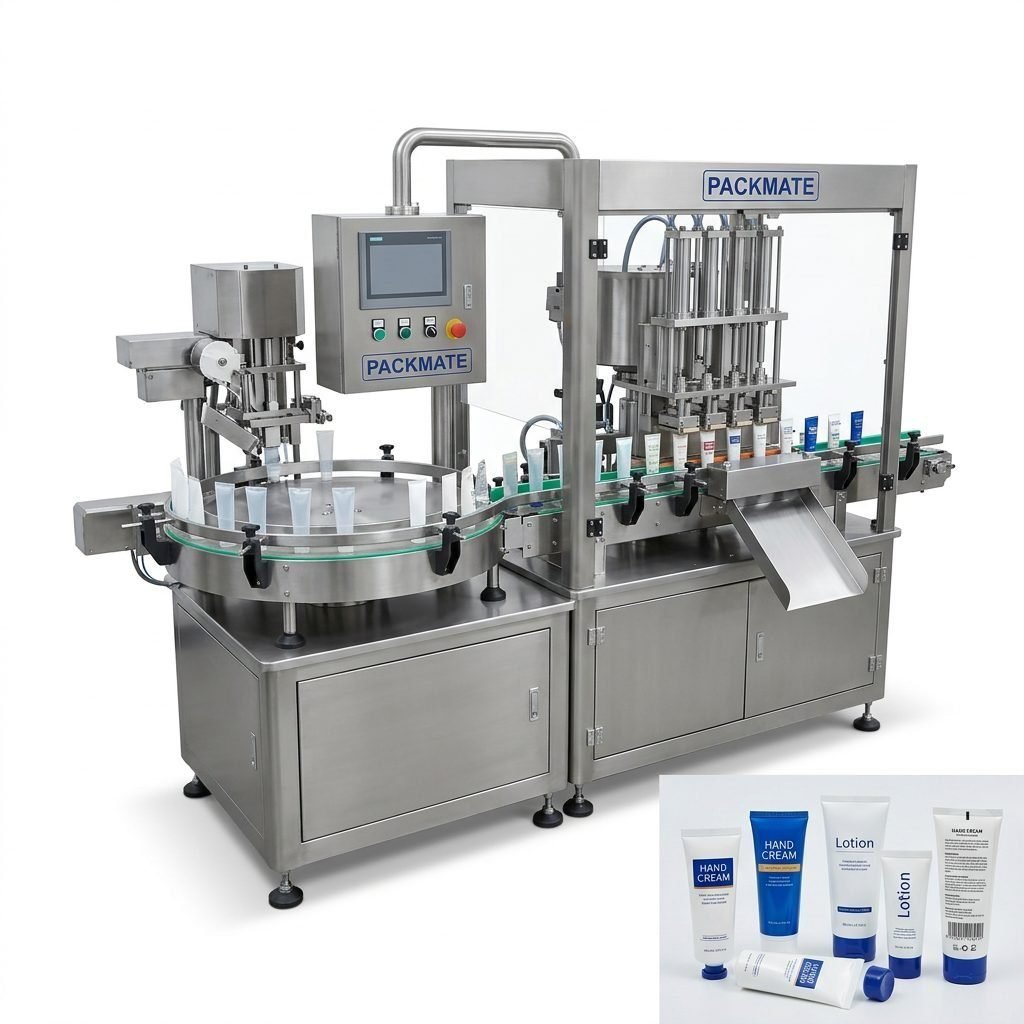
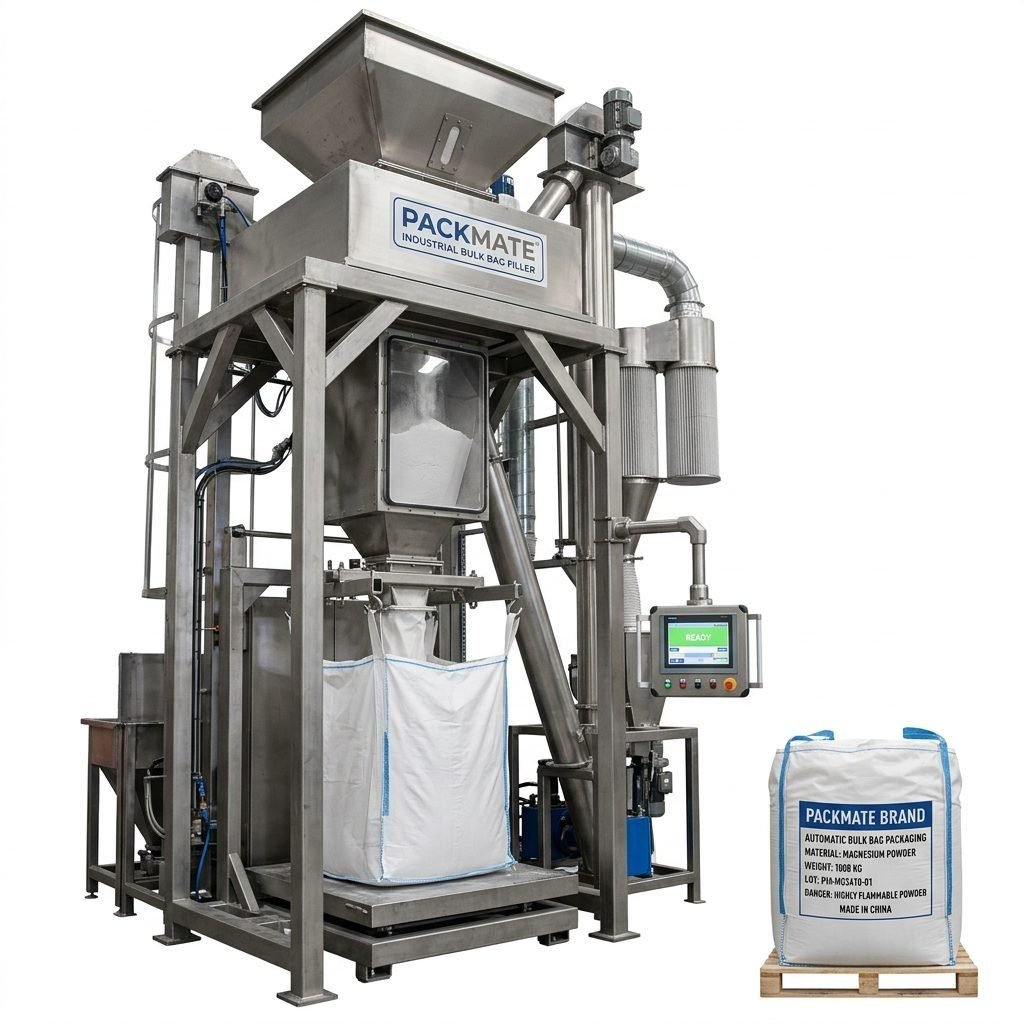
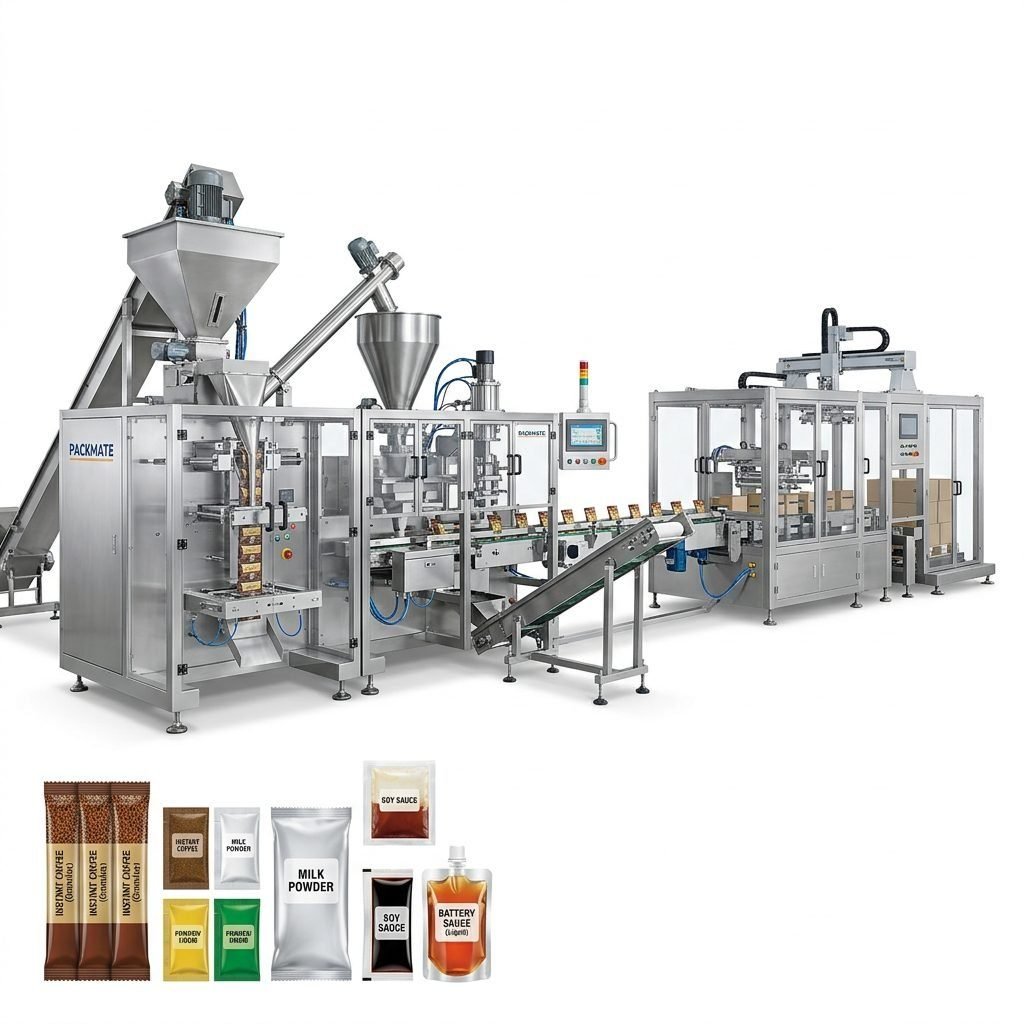
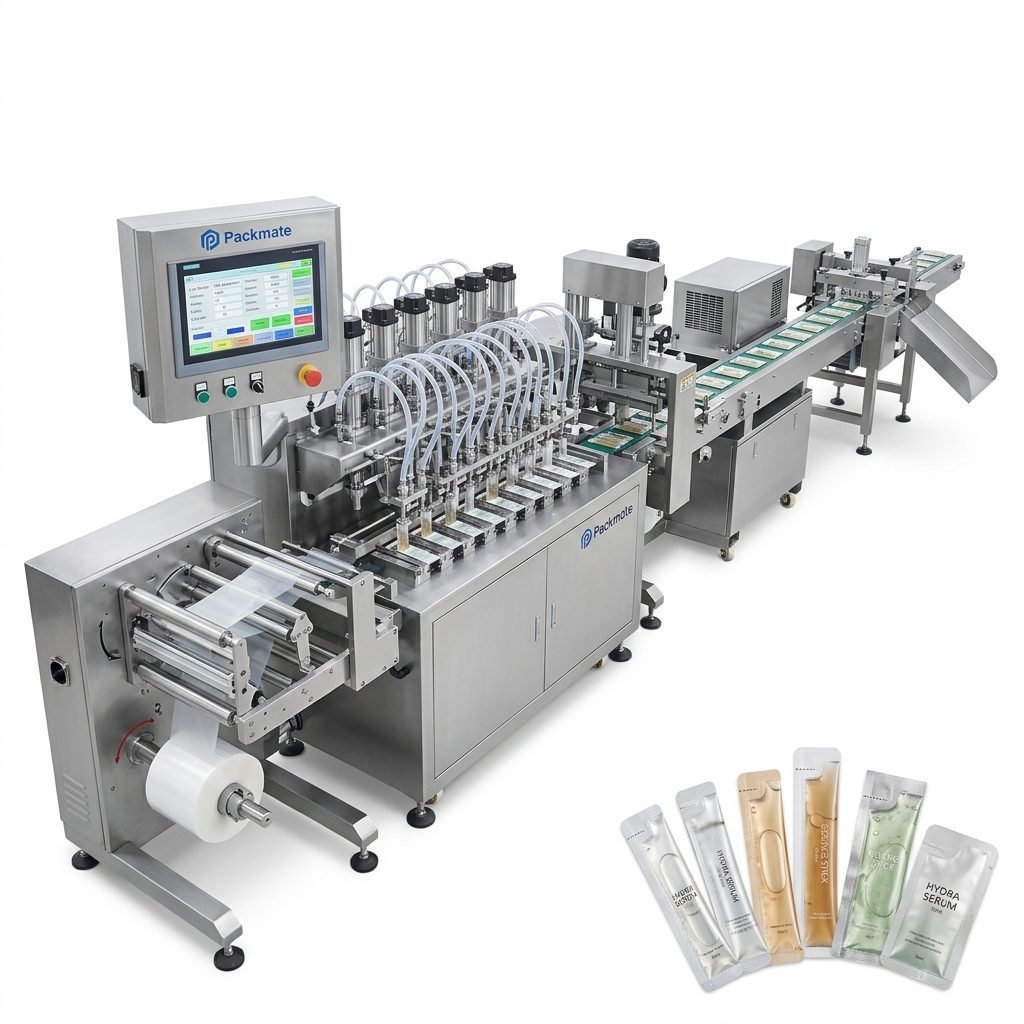
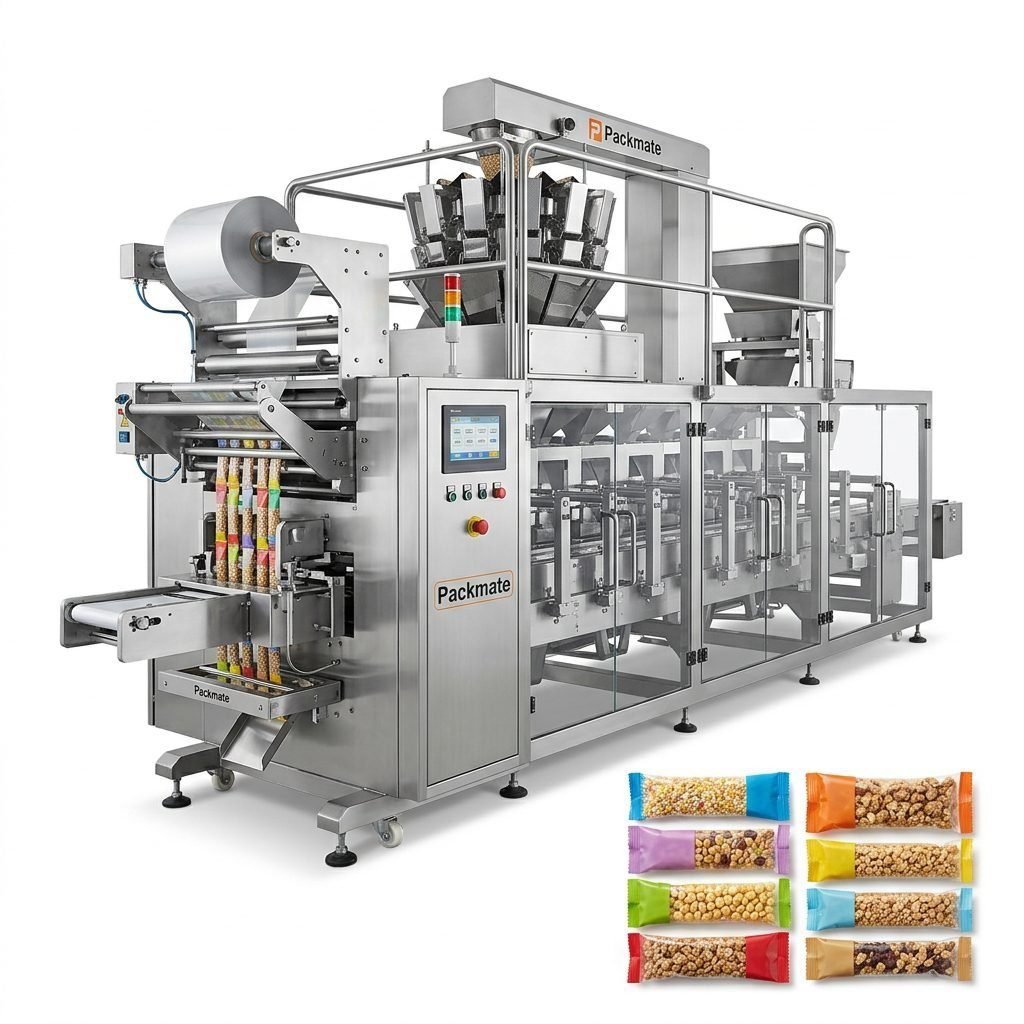
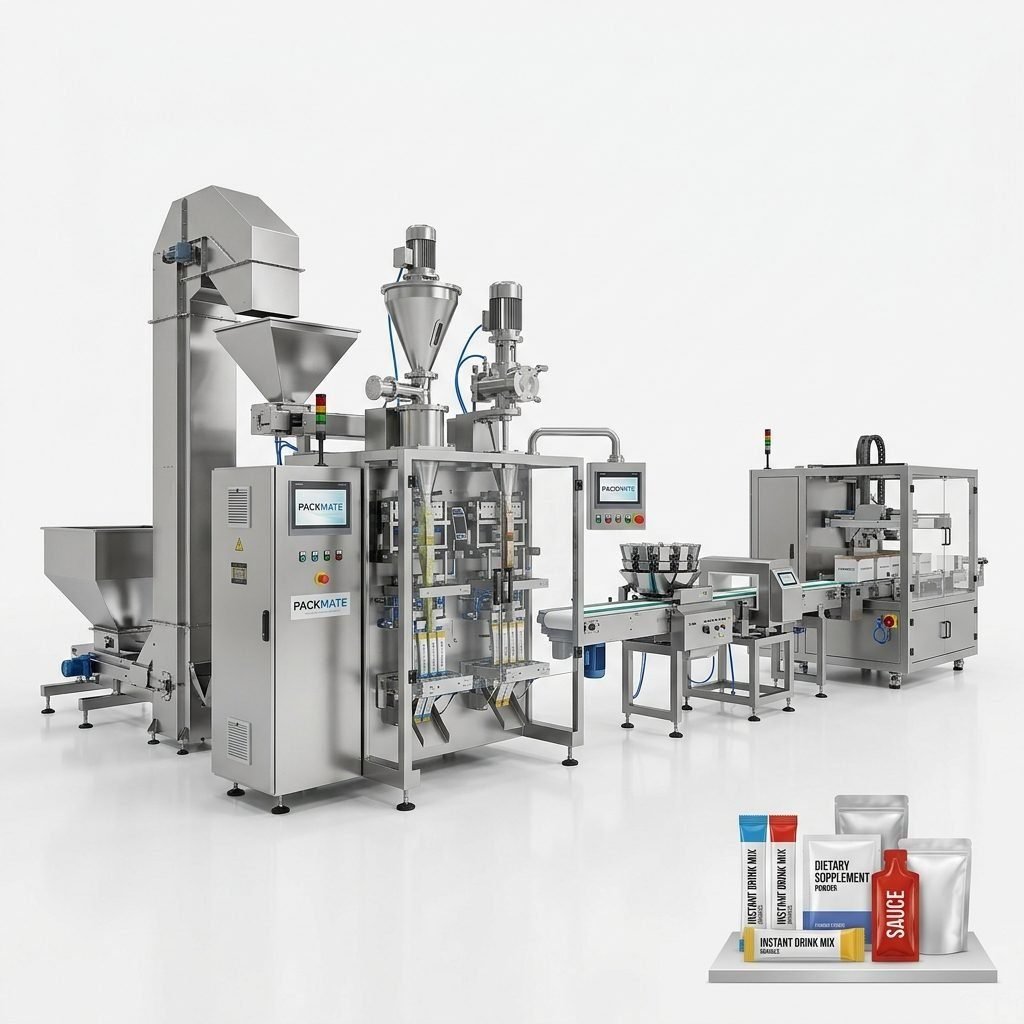
In the fast-paced world of manufacturing, efficiency and precision are paramount. For industries handling pharmaceuticals, food products, and consumer goods, packaging is a critical final step that directly impacts product safety, shelf life, and market appeal. Enter the automatic blister packaging machine—a sophisticated piece of automation that has revolutionized how unit-dose and small-item packaging is performed. This guide delves into the complete workings, types, and significant benefits of these machines, illustrating why they are an indispensable asset for modern production lines.
What is an Automatic Blister Packaging Machine?
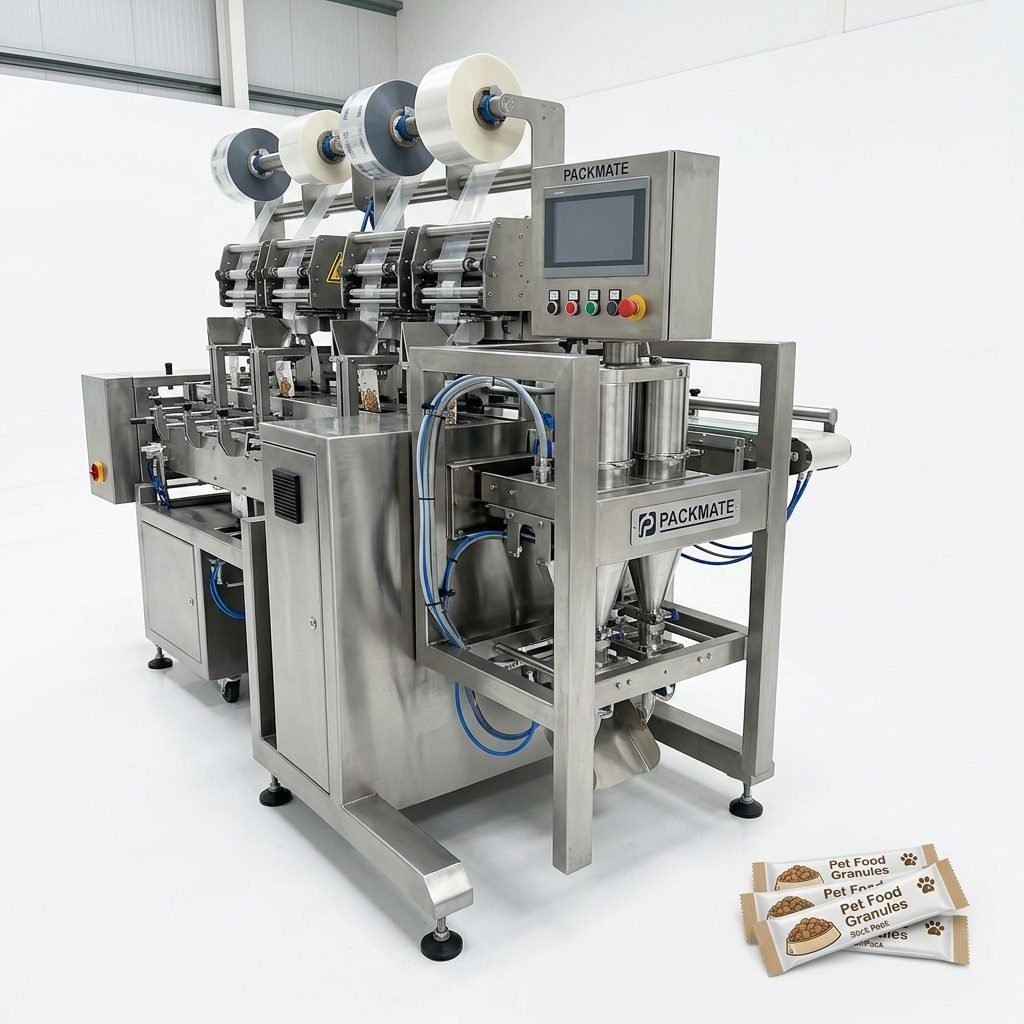
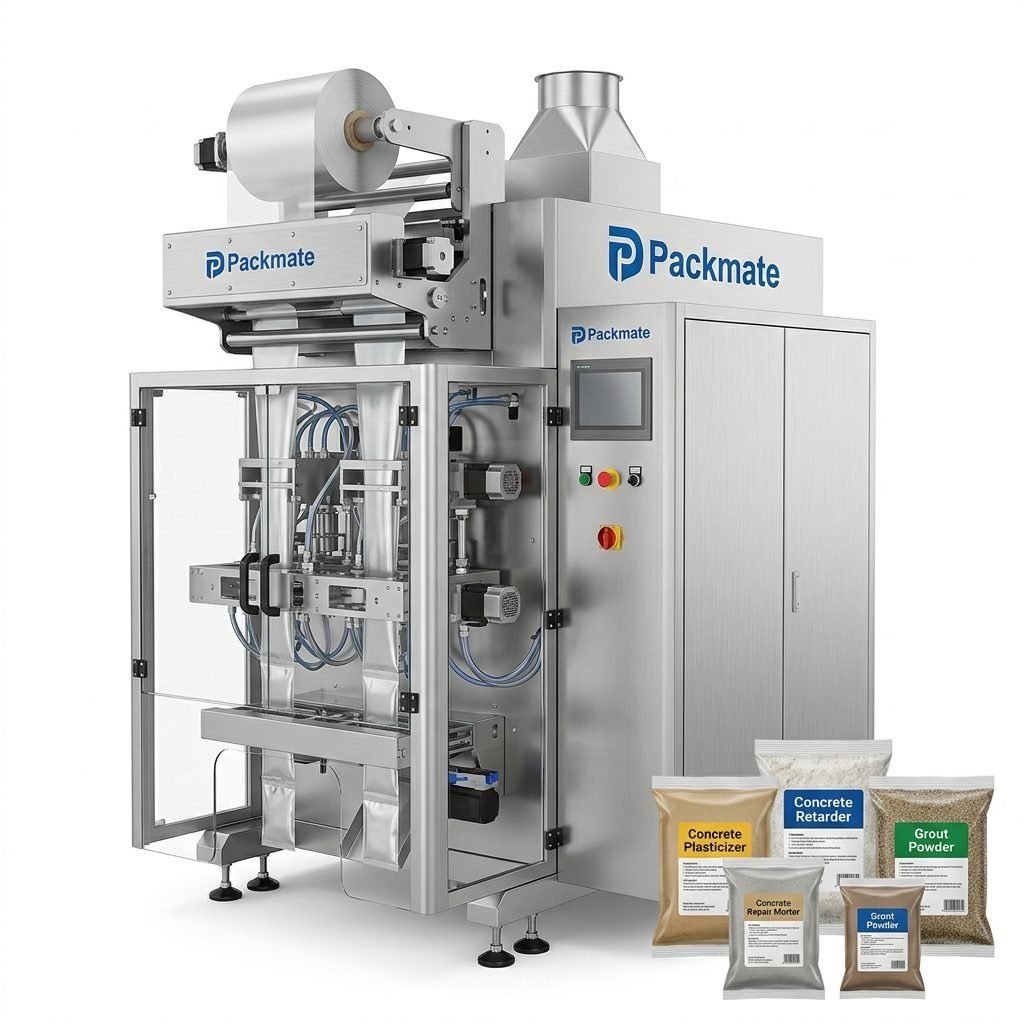
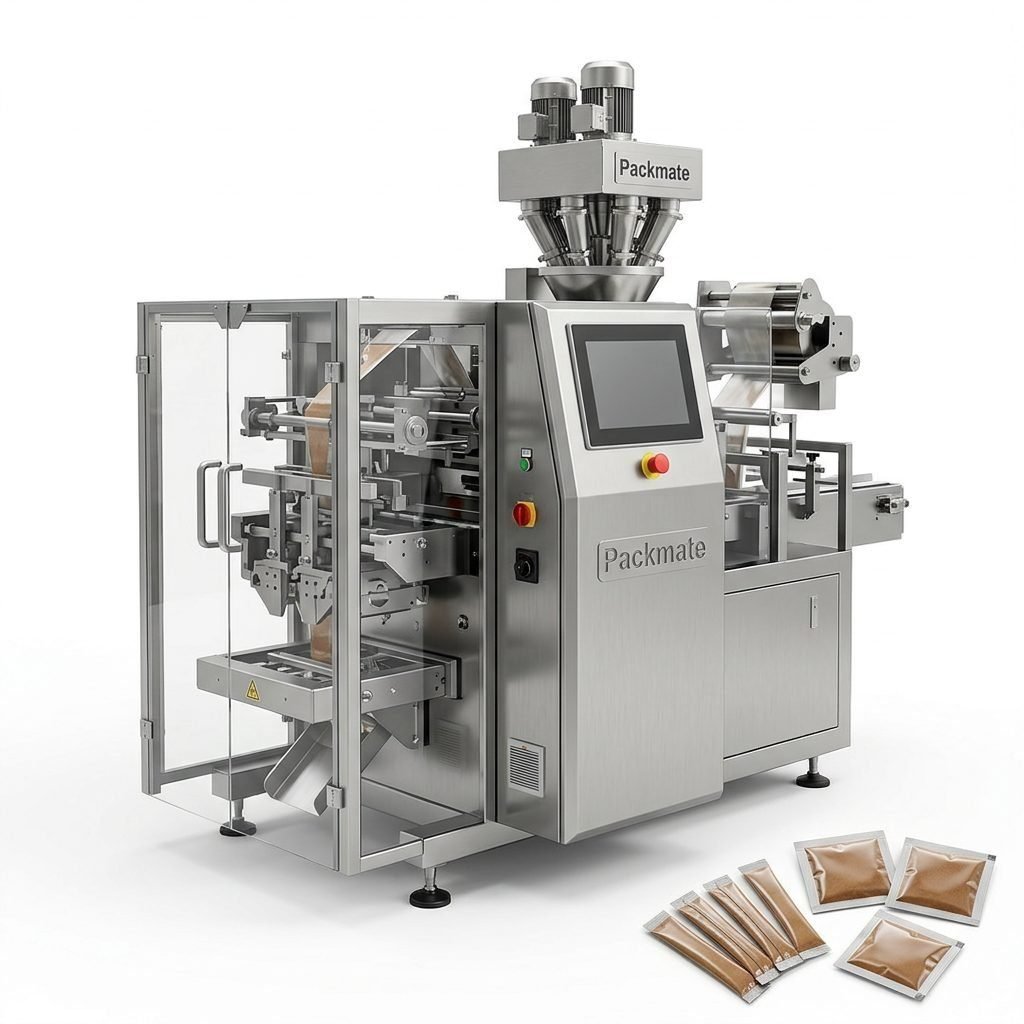
An automatic blister packaging machine is a fully automated system designed to form, fill, and seal blister packs. These packs typically consist of a pre-formed plastic cavity (the blister) and a backing material, often foil or card. The machine automates the entire process: it heats a roll of forming film to create the blisters, places the product (like tablets, capsules, or small hardware) into each cavity, applies a lidding material, and seals it with heat and pressure. The result is a secure, tamper-evident, and consumer-friendly package produced at high speeds with minimal human intervention.
Core Function Highlight:
The machine’s primary function is to replace manual, error-prone packaging processes with a continuous, high-speed operation that ensures every single unit is packaged identically, meeting strict quality and regulatory standards.
Key Components and How They Work Together
Understanding the machine’s anatomy clarifies its efficiency. The main modules include:
- Unwinding & Forming Station: A roll of thermoplastic film (like PVC, PET, or Aclar) is fed into a heating station where it is softened and then vacuum-formed or pressure-formed over a mold to create the blister cavities.
- Product Feeding System: This can be a simple vibratory feeder for tablets or a more complex robotic pick-and-place system for irregular items. It accurately deposits products into each blister cavity.
- Lidding & Sealing Station: A roll of lidding material (aluminum foil, paper, or laminate) is placed over the filled blisters. Heat and pressure are applied to create a hermetic seal between the lidding and the blister film.
- Punching & Cutting Unit: The continuous sealed web is die-cut into individual blister cards or strips, which are then counted and discharged for cartoning.
This seamless integration of components, often managed by a Programmable Logic Controller (PLC), is what enables remarkable output, sometimes exceeding hundreds of packs per minute.
The Multifaceted Benefits of Automation
Investing in an automatic blister packer translates into tangible competitive advantages across several fronts.
1. Unmatched Operational Efficiency and Speed
The most immediate benefit is a dramatic increase in output. Automatic machines run 24/7 with minimal downtime, far surpassing manual or semi-automatic methods. This allows companies to scale production to meet demand without a linear increase in labor costs. The consistent cycle time ensures predictable throughput for supply chain planning.
2. Superior Product Quality and Consistency
Human packaging is susceptible to errors like missing products, incorrect counts, or poor sealing. Automation eliminates these variables. Every seal is uniform, every cavity is filled correctly, and every cut is precise. This level of consistency is non-negotiable in industries like pharmaceuticals, where packaging integrity is directly linked to patient safety and regulatory compliance (e.g., FDA, EU GMP).
Cost-Saving Insight
While the initial investment is significant, the long-term Return on Investment (ROI) is compelling. Savings are realized through:
– Reduced labor costs and rework.
– Minimized material waste from precise film feeding and cutting.
– Lower risk of costly recalls due to packaging defects.
3. Enhanced Safety and Hygiene
For food and pharmaceutical applications, limiting human contact with the product is crucial. Automatic machines create a closed or semi-closed environment, reducing contamination risks. Operators are also shielded from repetitive strain injuries associated with manual packaging tasks, promoting a safer workplace.
4. Flexibility and Adaptability
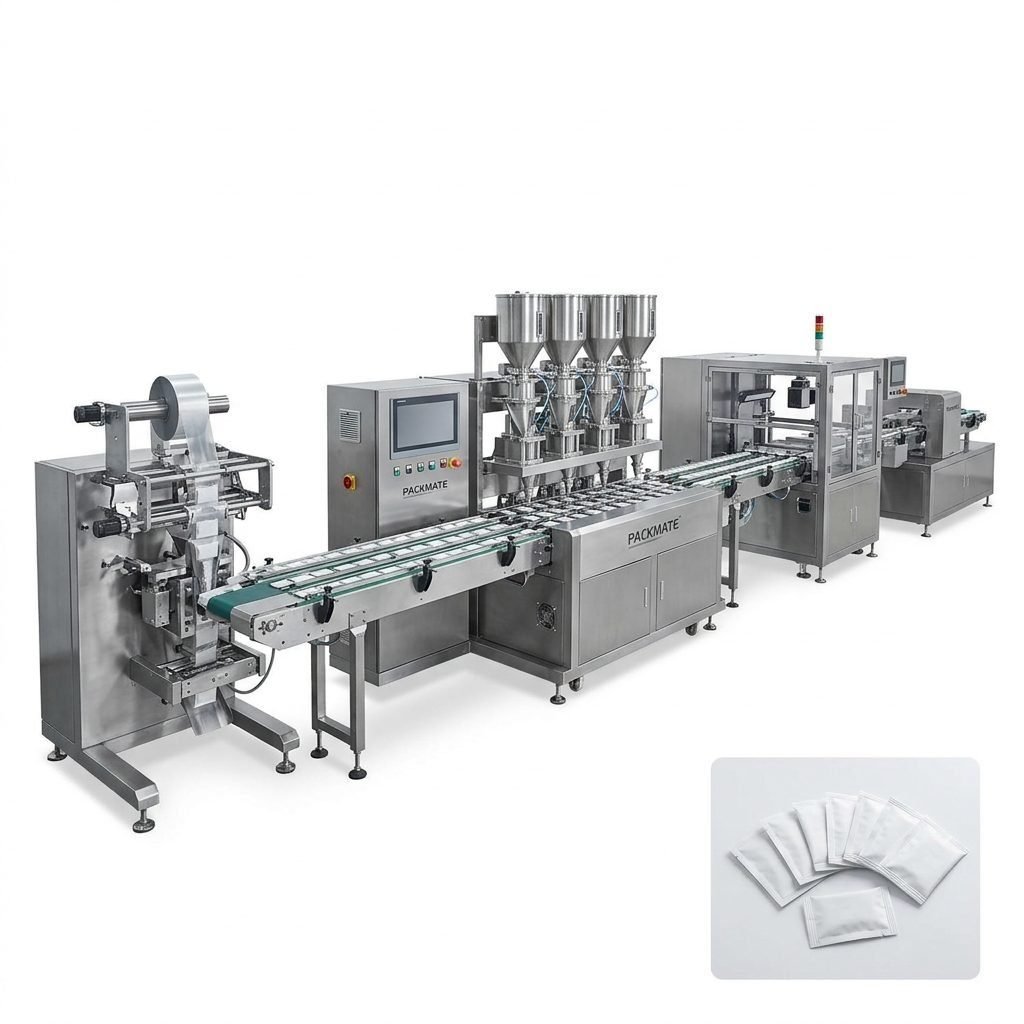
Modern machines are not monolithic. They offer quick changeover capabilities between different blister sizes, shapes, and product types. This flexibility is vital for contract packagers or companies with diverse product lines, allowing them to respond swiftly to market changes. Advanced models can be integrated into complete packaging lines with cartoners and bundlers.
Choosing the Right Machine for Your Needs
Selecting an automatic blister packer requires careful analysis. Key considerations include:
- Product Characteristics: Size, shape, fragility, and sensitivity to heat or static.
- Required Output (Speed): Measured in blisters or packs per minute (BPM/PPM).
- Materials: Type of forming film and lidding material required for your product barrier needs.
- Regulatory Compliance: The machine may need to be constructed to specific standards (e.g., cGMP, ISO) with documentation for validation.
- Supplier Expertise: Partnering with an experienced manufacturer like Packmate Machinery ensures you get a reliable machine backed by robust engineering support, spare parts availability, and comprehensive training.
The journey from a concept in a workshop to a global packaging solution provider, as seen in the history of Packmate, underscores the importance of deep technical expertise in this field. Such a partner doesn’t just sell a machine; they provide a turnkey solution tailored to your operational goals.
Future Trends in Blister Packaging Automation
The evolution continues. The next generation of machines is focusing on Industry 4.0 integration, featuring IoT sensors for predictive maintenance, real-time production data dashboards, and even greater flexibility for small-batch, personalized packaging. Sustainability is also a major driver, with machines being adapted to handle newer, recyclable mono-material films, helping brands meet their environmental commitments.
In conclusion, the automatic blister packaging machine is far more than just a piece of factory equipment. It is a strategic investment that drives productivity, ensures quality, protects products and consumers, and provides the agility needed in today’s market. For any business looking to optimize its packaging operations, understanding and implementing this technology is a definitive step toward greater efficiency and competitiveness. Exploring the range of advanced packaging solutions available is the first step in this transformative journey.
Frequently Asked Questions (FAQs)
What industries most commonly use automatic blister packaging machines?
They are essential in the pharmaceutical industry for tablets, capsules, and medical devices. They are also widely used in food (e.g., chewing gum, lozenges), electronics (small components), hardware, and the FMCG sector.
How does an automatic machine improve product shelf life?
By creating a consistent, hermetic seal with high-barrier materials (like aluminum foil lidding), it effectively blocks moisture, oxygen, and contaminants. This significantly extends shelf life compared to permeable or inconsistently sealed packages.
What is the typical changeover time between different blister formats?
It varies by machine complexity. Modern machines with quick-change tooling systems can achieve changeover in 15-30 minutes. Simpler adjustments might take only a few minutes, while major format changes could take an hour or more.
Can these machines handle irregularly shaped or fragile products?
Yes, with the right customization. Gentle handling systems like servo-driven pick-and-place robots or custom-designed feeding tracks can be integrated to package delicate items like chewable tablets, soft gels, or electronic chips without damage.
What kind of maintenance do these machines require?
Regular preventive maintenance is key to longevity. This includes daily cleaning, lubrication of moving parts as per the manual, inspection of seals and heaters, and calibration of sensors. Choosing a supplier with a strong service and support network ensures you have access to technical help and genuine spare parts when needed.