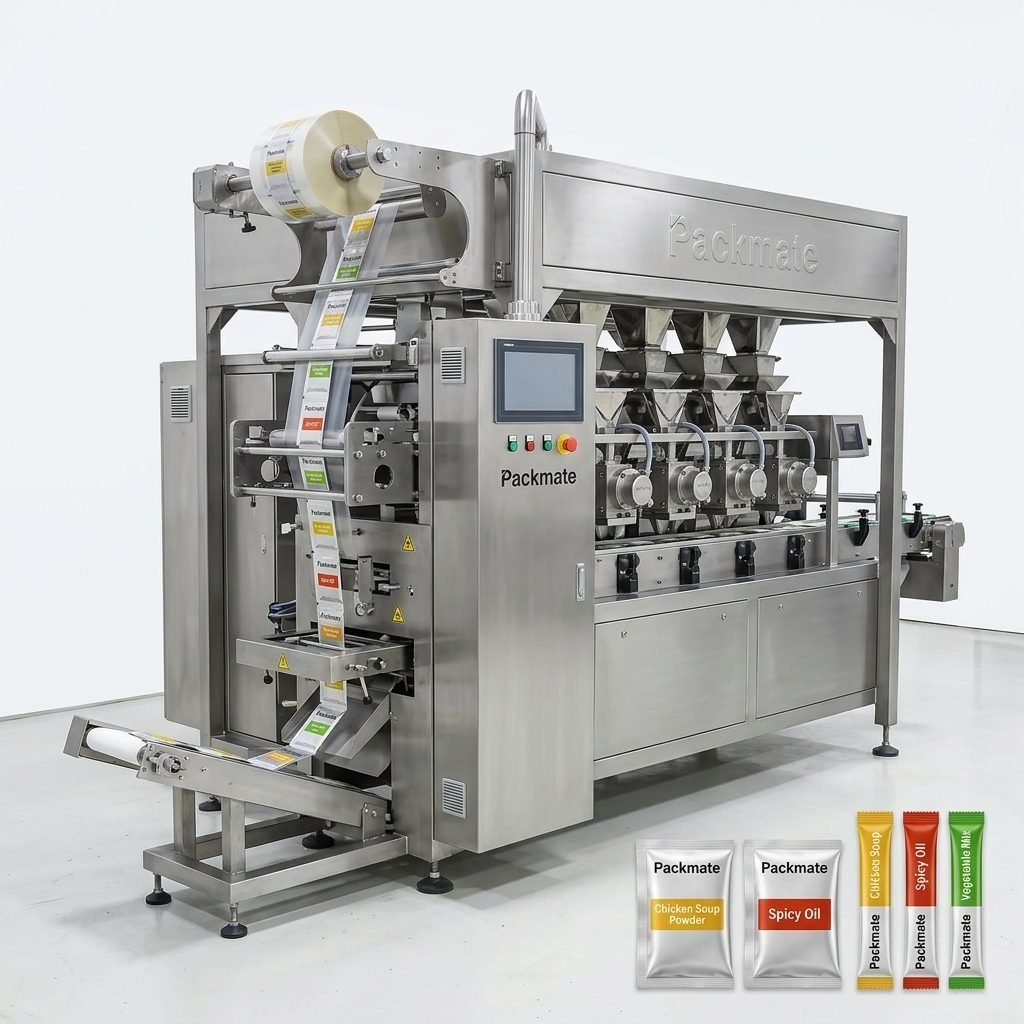
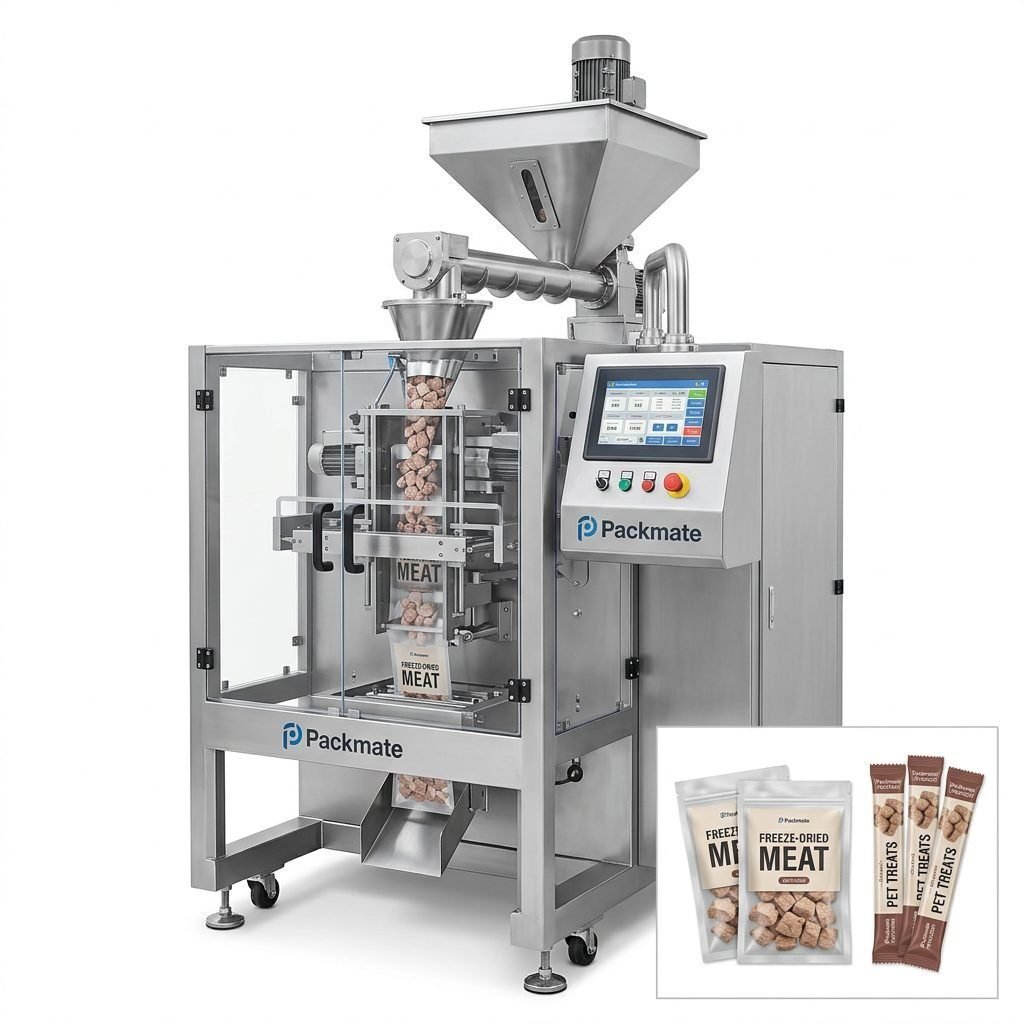
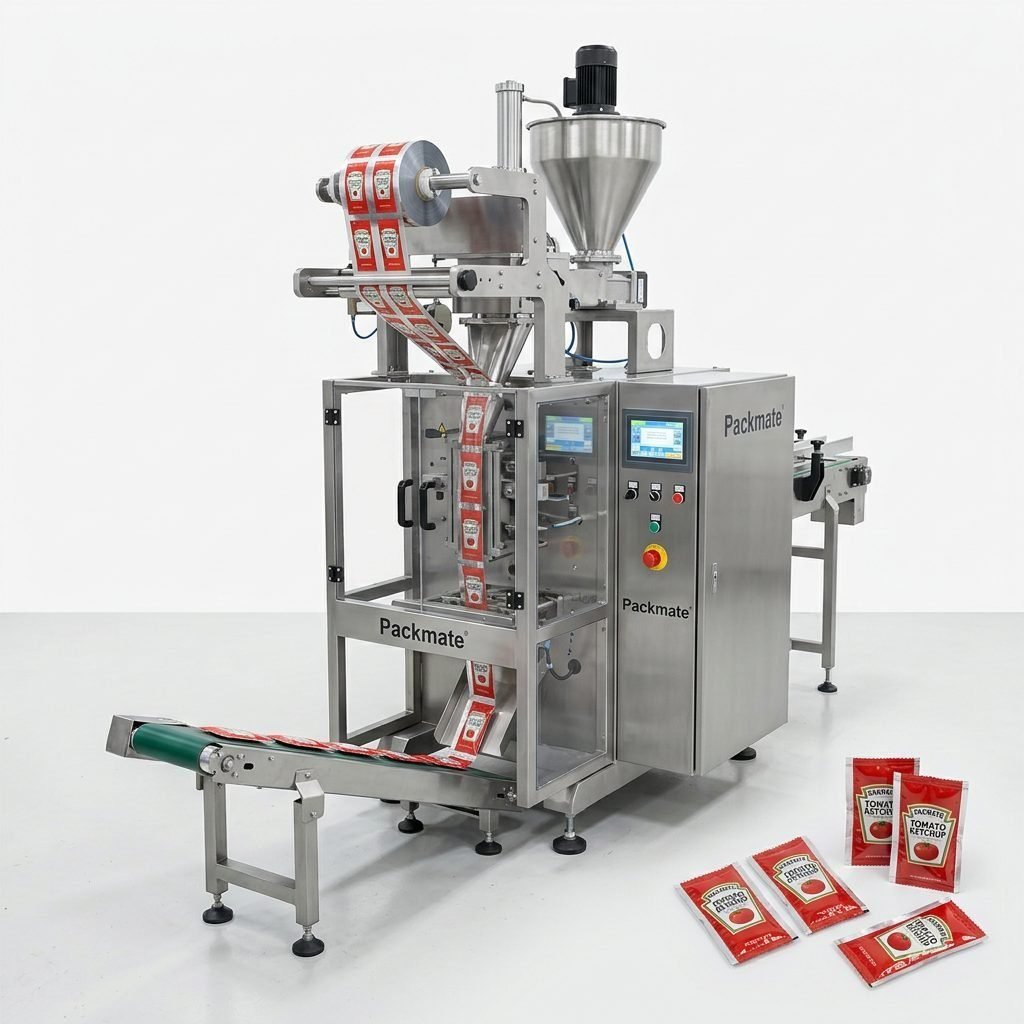
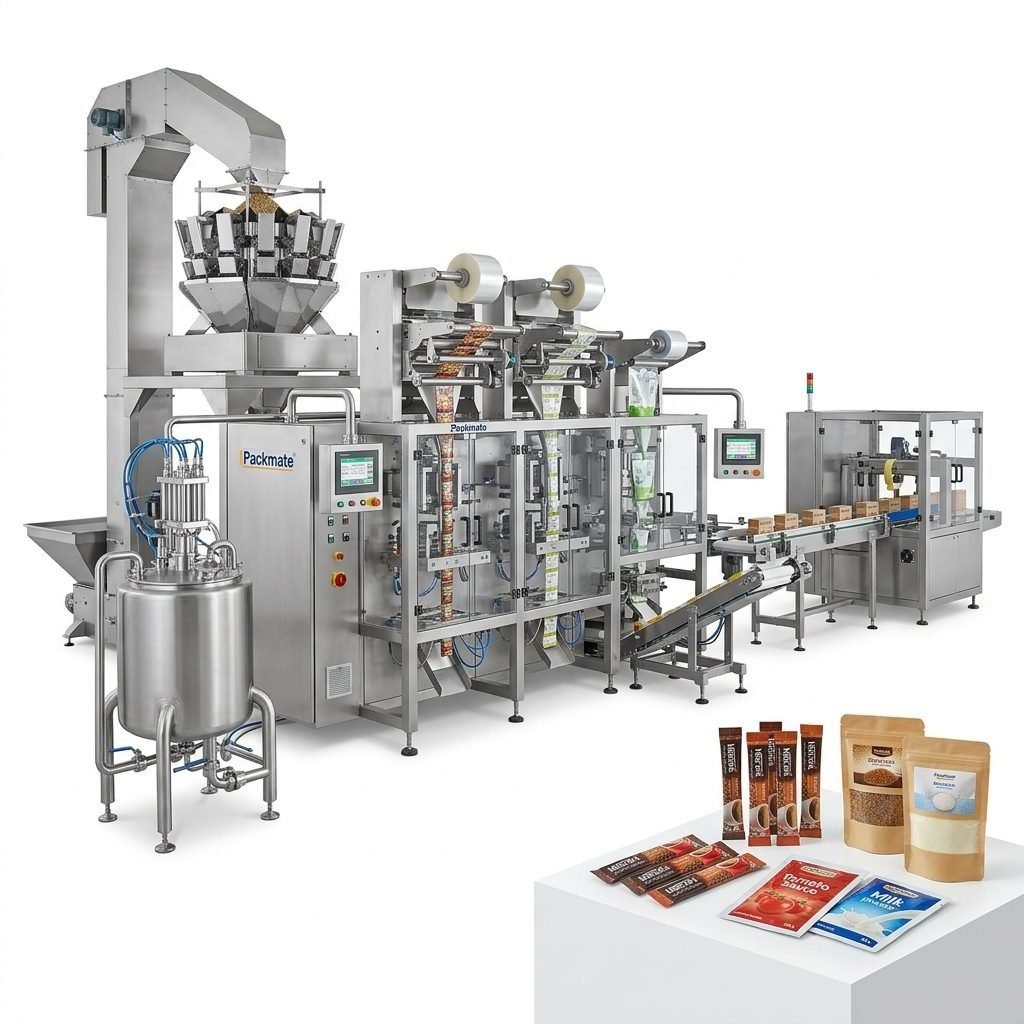
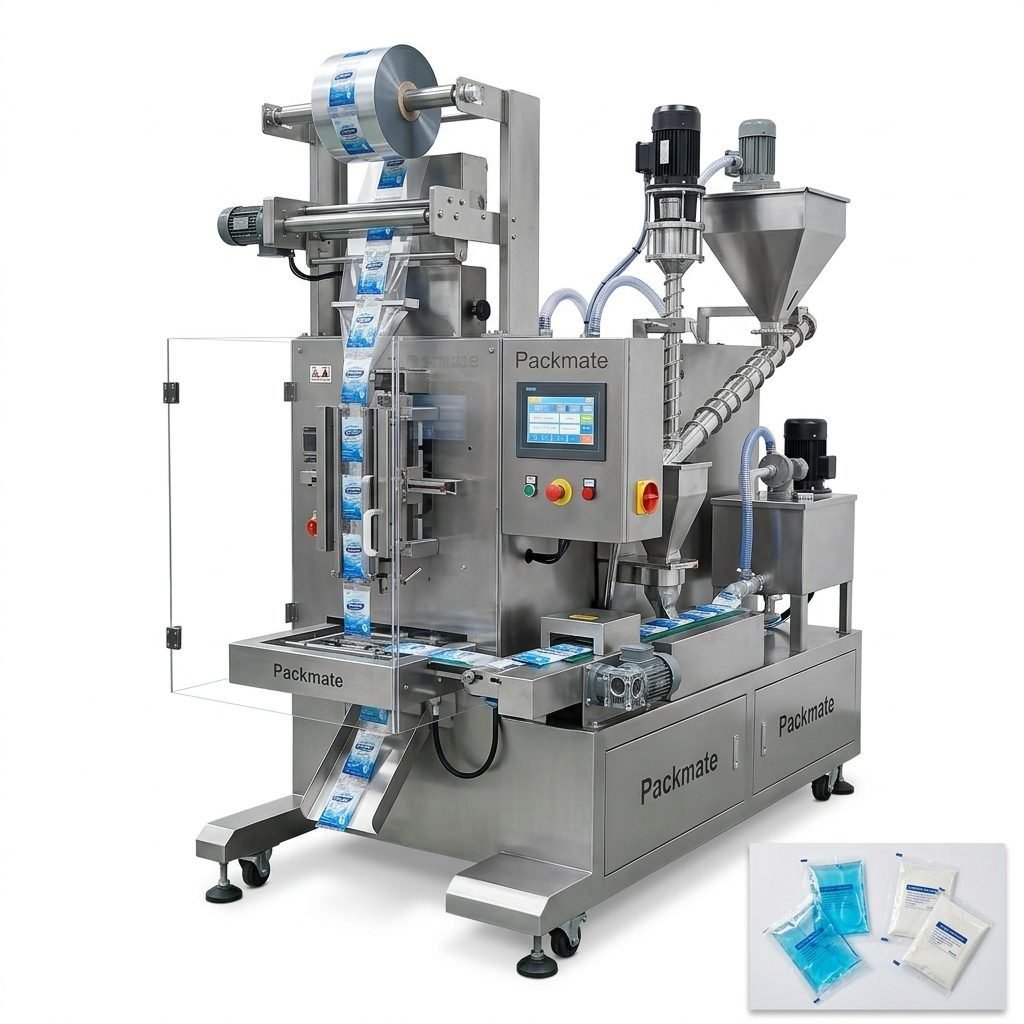
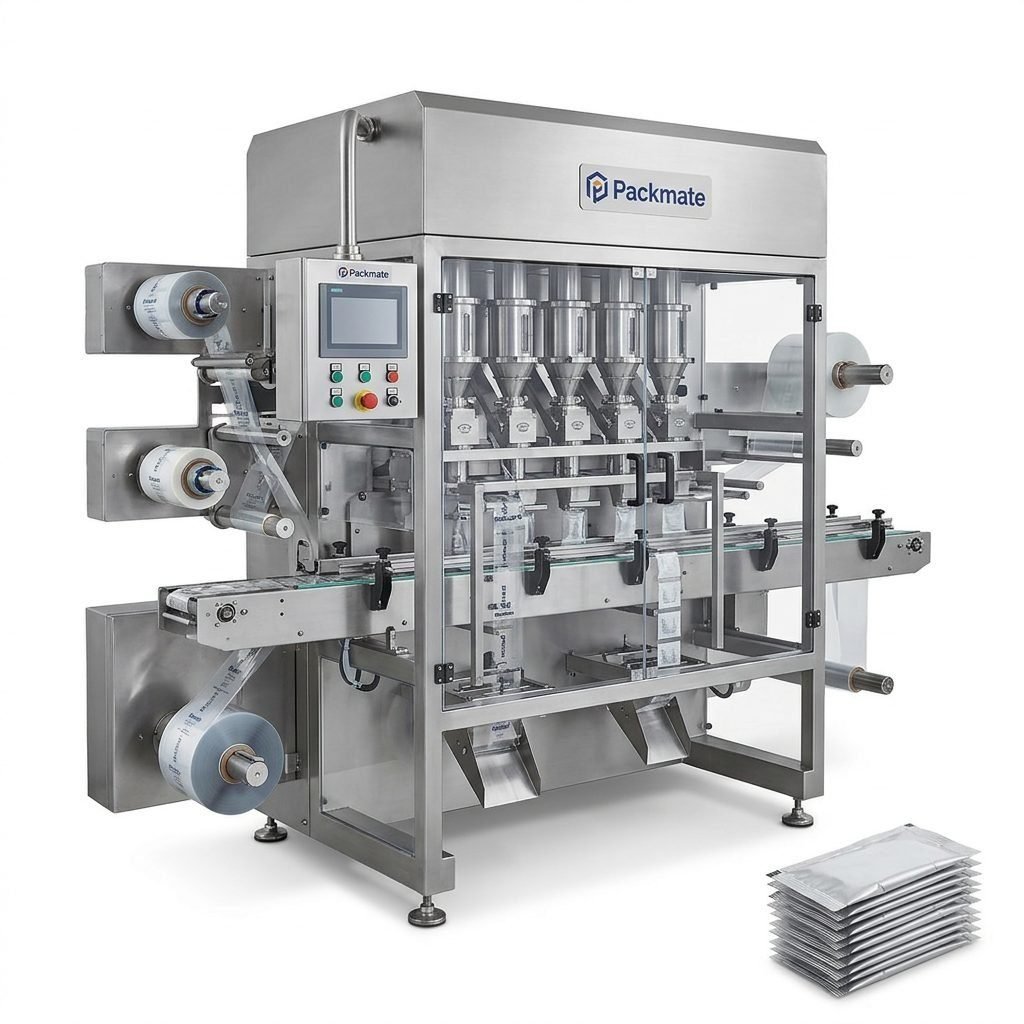
In today’s fast-paced manufacturing environment, having immediate access to accurate technical documentation is not just a convenience—it’s a necessity for operational efficiency and safety. For operators and maintenance technicians working with automatic packaging machinery, the user manual is an indispensable resource. This guide provides a direct pathway to a free downloadable PDF manual for your automatic packaging machine, along with a comprehensive breakdown of its contents and practical tips for optimal use.
Why Your Packaging Machine Manual is Essential
Think of the manual as the DNA of your machine. It contains the complete blueprint for its operation, maintenance, and troubleshooting. Relying on memory or informal notes can lead to costly errors, production downtime, or even safety incidents. The official manual from the manufacturer, such as those provided by Packmate Machinery, ensures you have verified, step-by-step instructions tailored specifically to your equipment model.
Key Information Found in Every Manual:
- Safety Protocols and Warnings: The most critical section, detailing potential hazards and mandatory safety procedures to protect personnel.
- Technical Specifications: Detailed data on power requirements, machine dimensions, weight, speed ranges, and compatible packaging materials.
- Installation & Commissioning Guide: Instructions for initial setup, leveling, and connection to utilities (power, air, etc.).
- Operational Procedures: A complete guide from power-on to shutdown, including control panel explanations and production run settings.
- Programming & Parameter Settings: How to input product parameters, adjust dosing, set seal temperatures, and create or modify production recipes.
- Routine Maintenance Schedules: Checklists for daily, weekly, and monthly maintenance tasks (e.g., lubrication, cleaning, inspection of seals and cutters).
- Troubleshooting Flowcharts: Systematic guides to diagnose and resolve common issues like sealing problems, film jams, or weighing inaccuracies.
- Spare Parts List and Diagrams: Exploded-view diagrams with part numbers for easy identification and ordering of replacement components.
How to Download Your Free Manual PDF
Many reputable manufacturers understand the importance of accessible documentation and offer manuals directly from their websites. For instance, a company with a strong commitment to customer support, like Packmate, often provides resources in their service section or a dedicated download portal. Follow these general steps:
- Identify Your Machine Model: Locate the model number and serial number plate on your equipment. This is crucial for finding the exact manual.
- Visit the Manufacturer’s Official Website: Navigate to the “Support,” “Downloads,” “Resources,” or “Service” section.
- Search or Browse for Your Model: Use the search function or filter by machine type (e.g., sachet & stick pack machines).
- Download the PDF: Click the link for the user manual or technical guide. The file is typically free and does not require registration, though some sites may ask for basic contact details.
- Save and Backup Securely: Save the PDF to a shared network drive, cloud storage, and a local computer. Print a physical copy to keep near the machine for quick reference.
What to Do If You Can’t Find Your Manual Online
If the manual isn’t available for download, your next step should be to contact the manufacturer’s customer service or technical support department directly. Have your machine’s model and serial numbers ready. Reputable companies maintain extensive archives of documentation for all their equipment. As a manufacturer with over 22 years of history, Packmate maintains complete records to support clients throughout the machine’s lifecycle.
Maximizing the Value of Your User Guide
Simply having the PDF is the first step. Integrating it into your daily operations is where the real value is unlocked.
Best Practices for Manual Utilization
1. Create a Digital & Physical Hub: Bookmark the PDF on all relevant shop-floor computers and tablet devices. Laminate key pages (like the troubleshooting chart or emergency stop procedure) and post them visibly at the machine station.
2. Integrate into Training Programs: Use the manual as the core textbook for training new operators and technicians. Conduct regular refresher sessions focusing on safety protocols and complex procedures.
3. Annotate for Your Specific Context: Use digital PDF features to add notes, highlights, or bookmarks for settings specific to your most common products or for clarifications provided by your service technician.
4. Link Maintenance to the Schedule: Assign tasks from the manual’s maintenance schedule directly to your CMMS (Computerized Maintenance Management System) with reminders and checklists.
5. Version Control: Ensure you are using the latest version. Manufacturers may issue revised manuals with updates. Check the website periodically or subscribe to manufacturer updates.
Understanding Technical Schematics and Diagrams
A significant portion of the manual will contain mechanical and electrical diagrams. Don’t be intimidated. Focus on learning the symbols and flow. The pneumatic diagram shows air flow to cylinders and valves. The electrical schematic details the control circuit. Understanding these, even at a basic level, empowers your team to diagnose issues more accurately before calling for service, reducing downtime. Companies that invest in advanced production equipment often provide clearer, more detailed schematics to facilitate user understanding.
Safety: The Non-Negotiable Priority
The safety chapter is not a suggestion; it is a mandatory set of rules developed to prevent injury and equipment damage. It covers:
- Lockout-Tagout (LOTO) Procedures: The exact process to safely isolate energy sources (electrical, pneumatic, thermal) before performing any maintenance.
- Personal Protective Equipment (PPE): Specifies required PPE such as safety glasses, gloves, or hearing protection for various tasks.
- Machine Guarding: Instructions on the proper use and never removal of safety guards and interlocks during operation.
- Emergency Procedures: Locations and operation of emergency stop buttons, and steps to take in case of a malfunction or accident.
Every operator must read, understand, and sign off on these protocols before touching the machine. This commitment to safety reflects the core values of responsible manufacturers focused on quality and reliability.
Frequently Asked Questions (FAQ)
1. Is it legal to download and share the machine manual PDF?
Answer: Yes, if downloaded from the manufacturer’s official website or provided directly by them, the manual is intended for the end-user. You can and should share it with all personnel who operate or maintain the equipment. However, distributing it publicly on third-party sites may violate copyright.
2. My manual is for an older model. Is it still relevant?
Answer: Generally, yes, for core operational and safety principles. However, there may be differences in the control system, spare parts, or specific features. Always try to obtain the exact manual for your serial number. If unavailable, use the older manual cautiously and consult the manufacturer for major discrepancies.
3. The manual is not in my native language. What should I do?
Answer: Many global manufacturers provide manuals in multiple languages. Check the download page for other language options. If not available, use digital translation tools for general understanding, but always rely on a professional for technical and safety sections to avoid dangerous misunderstandings. Contact the supplier for guidance.
4. Can I request a printed manual from the manufacturer?
Answer: Often, yes, but there may be a charge for printing and shipping. The standard practice today is to provide a PDF to ensure everyone has the latest version instantly. It is more cost-effective and environmentally friendly to print your own copies locally as needed from the official PDF.
5. How often are manuals updated, and how do I get updates?
Answer: Manuals are updated when there are significant design changes, new safety information, or regulatory updates. The best way to stay informed is to register your equipment with the manufacturer if possible, or periodically check the “Downloads” section of their website using your model number. Companies committed to innovation regularly update their documentation.