In today’s competitive market, the right packaging can significantly impact a product’s success, especially for goods stored in glass jars. Glass jar packaging machines are specialized equipment designed to automate the process of filling, sealing, capping, and labeling glass containers. This automation is crucial for industries like food, pharmaceuticals, cosmetics, and specialty goods, where hygiene, precision, and presentation are paramount. This guide delves into the types of machines available, their key benefits, and a practical framework for selecting the ideal system for your production needs.
Understanding the Different Types of Glass Jar Packaging Machines
The world of glass jar packaging is served by a range of machines, each handling a specific part of the process. Understanding these types is the first step toward building an efficient line.
Filling Machines
These are the core of any packaging line, responsible for accurately dispensing the product into the jar. The technology used depends heavily on the product’s viscosity and characteristics.
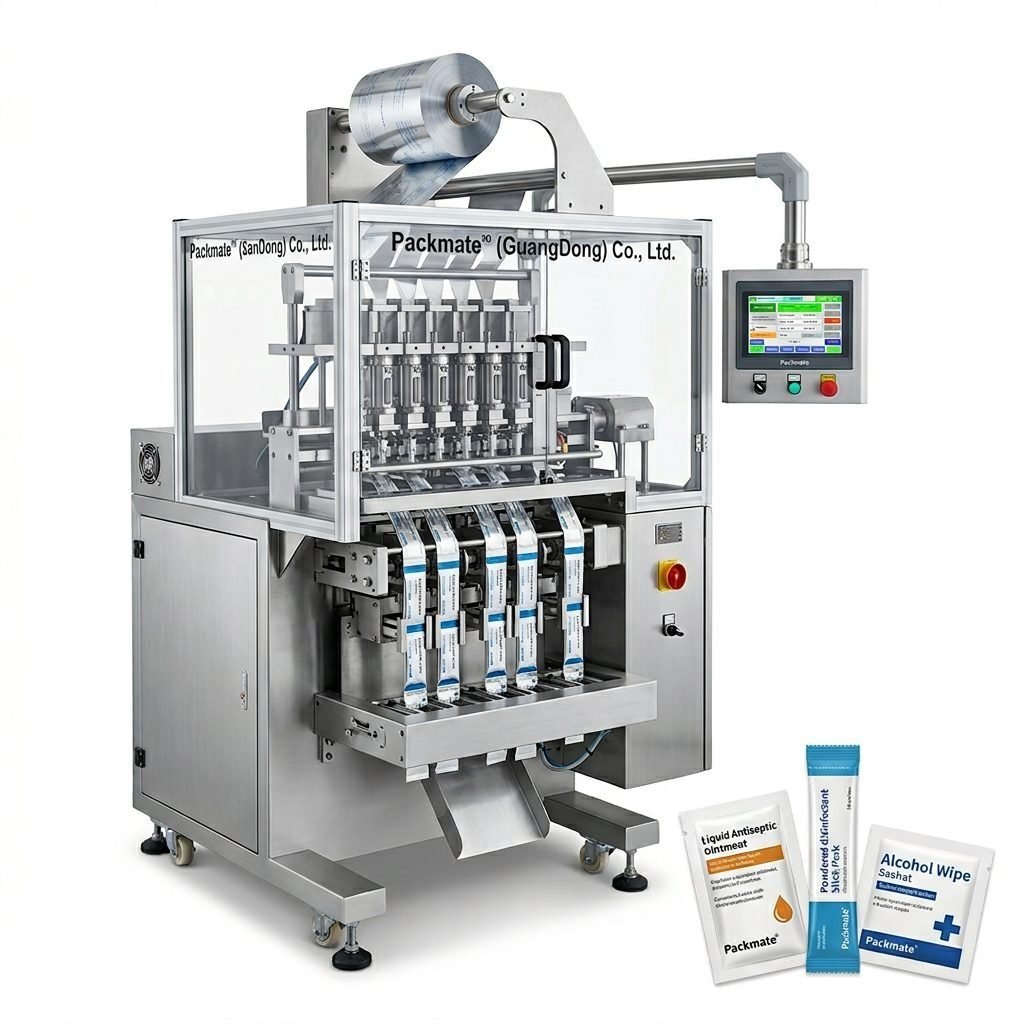
Liquid Fillers: Ideal for oils, sauces, beverages, and cosmetics. They often use piston, gravity, or pressure-based systems for precise volumetric filling.
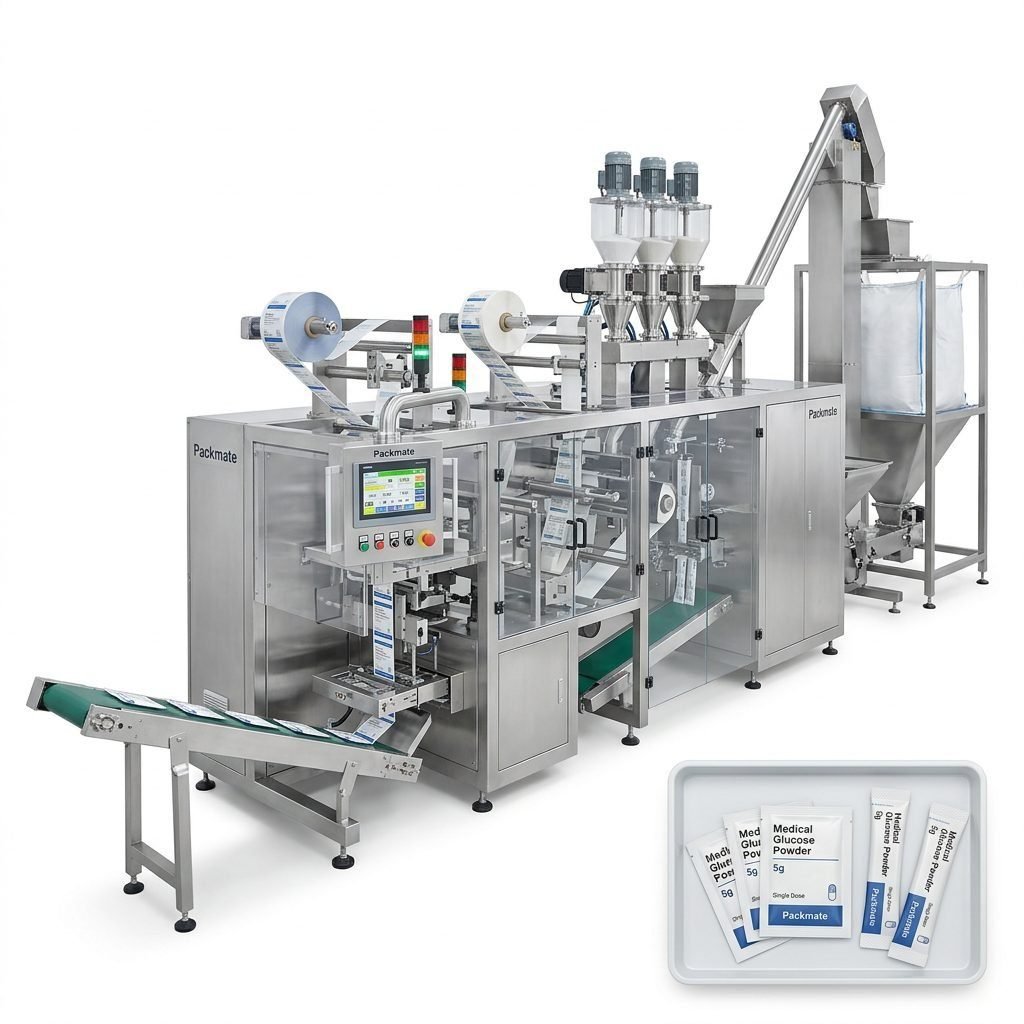
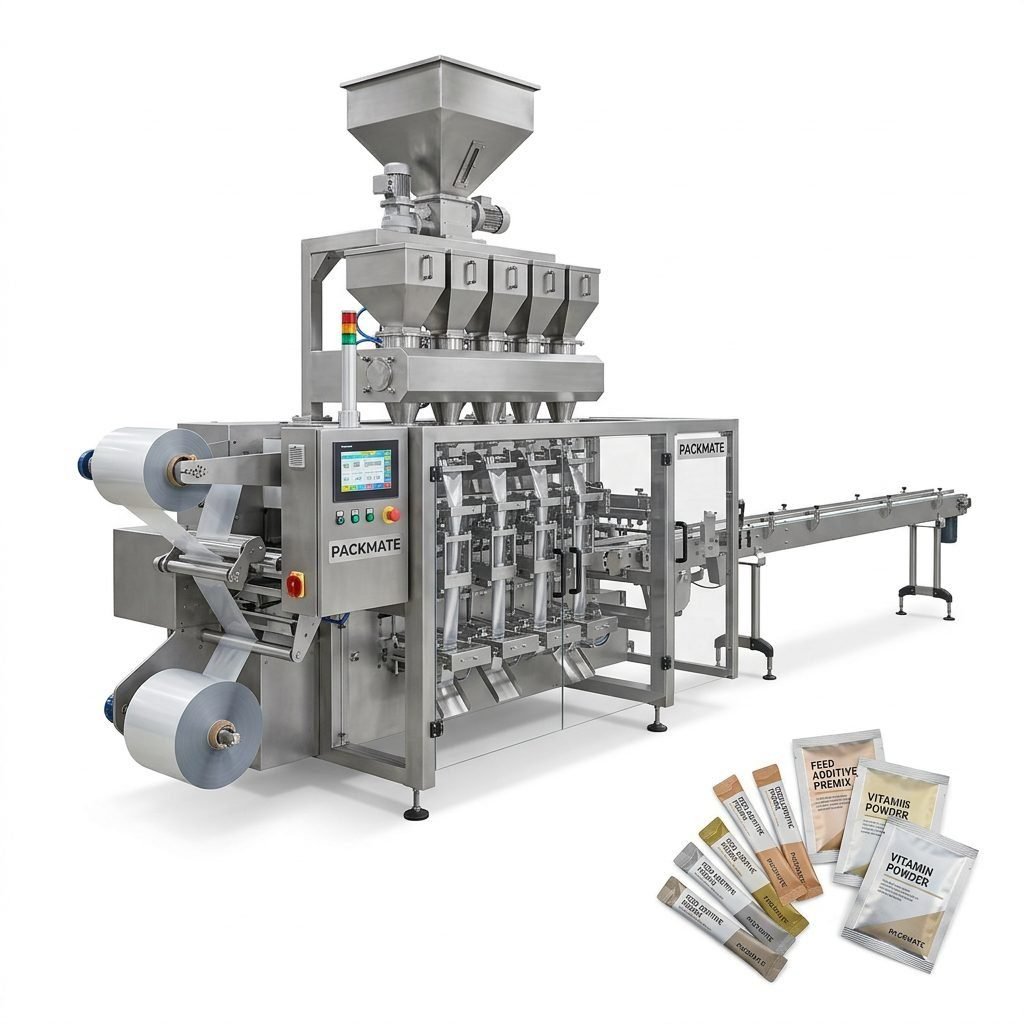
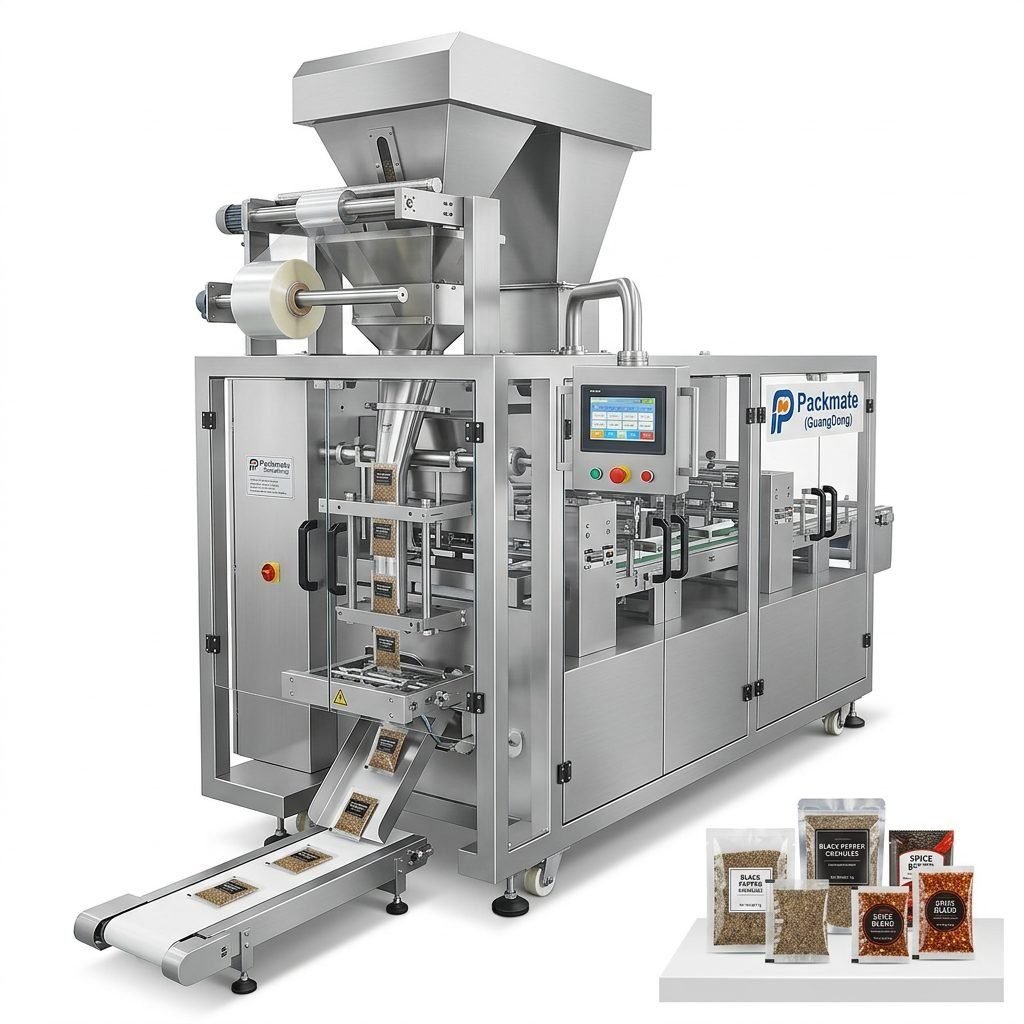
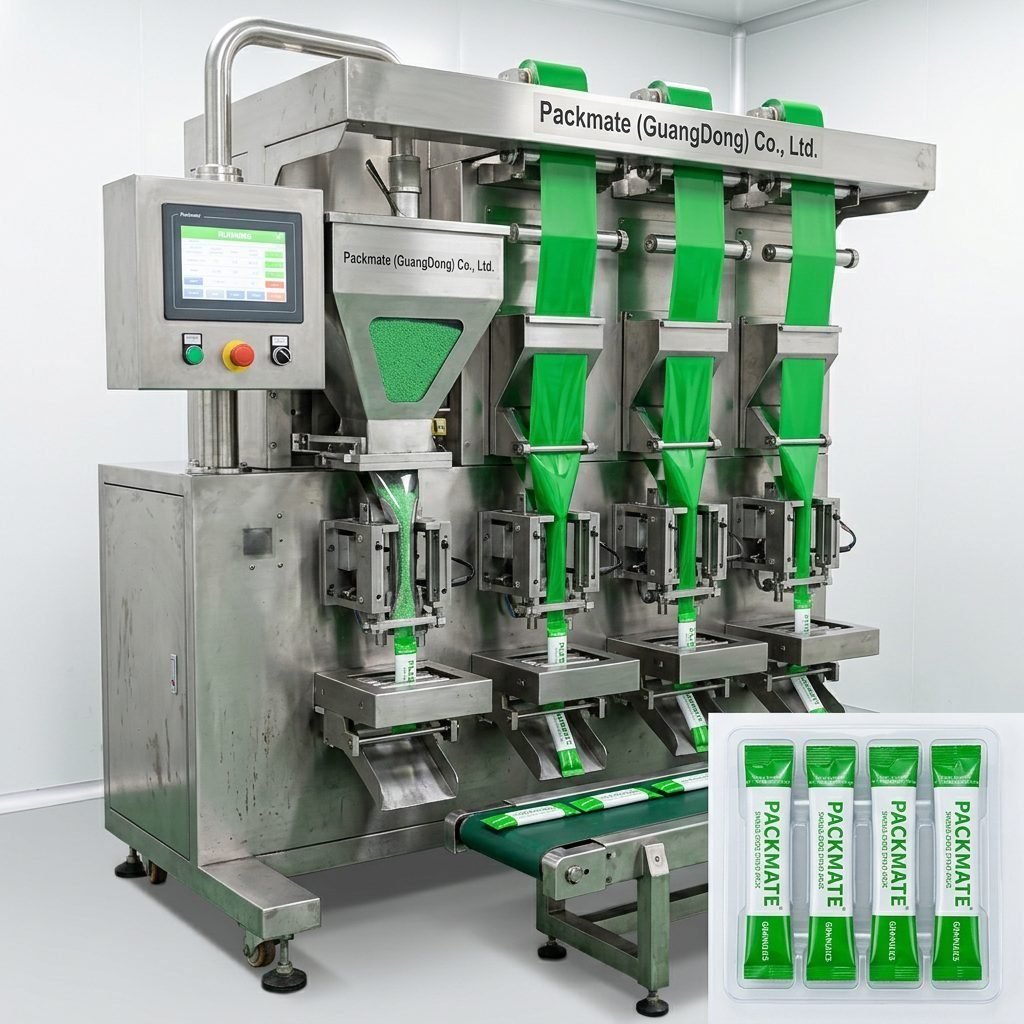
Powder Fillers: Designed for spices, instant drinks, supplements, and pharmaceuticals. Auger fillers are common, using a screw mechanism to measure by volume or weight with high accuracy.
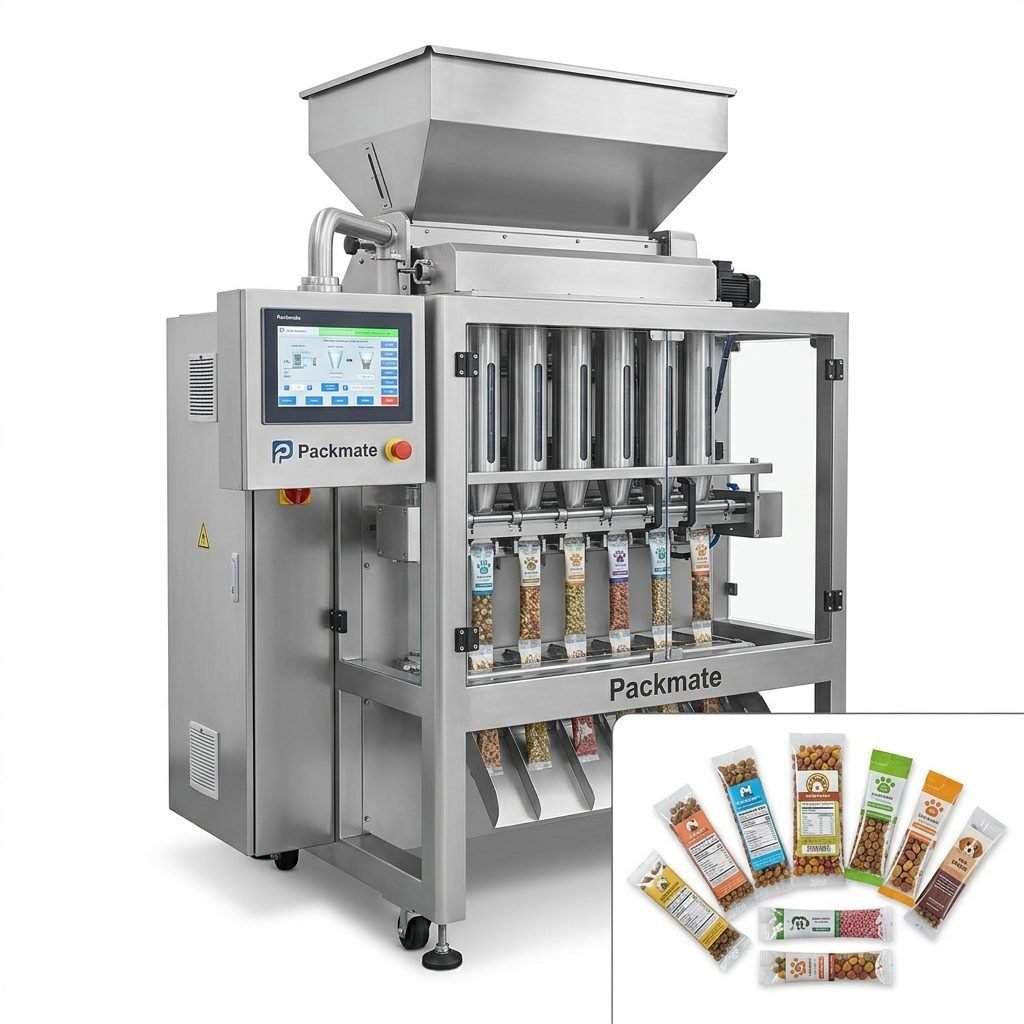
Granule/Paste Fillers: Used for items like jam, honey, nuts, or granular chemicals. Piston fillers and weigh-fill systems are typically employed to handle these semi-solid or solid products.
Capping and Sealing Machines
Once filled, the jar must be securely closed. Capping machines apply and tighten caps—screw caps, press-on lids, or child-resistant closures—with consistent torque. Sealing machines may also apply induction seals or inner liners under the cap for an additional barrier against tampering and contamination, a critical feature for food and pharmaceutical safety.
Labeling Machines
These apply product labels, either before or after filling. Options include front-and-back labelers, wrap-around labelers for full coverage, or specialized machines for applying tamper-evident neck bands. Accurate labeling is not only a regulatory requirement but also a key branding opportunity.
Integrated Packaging Lines
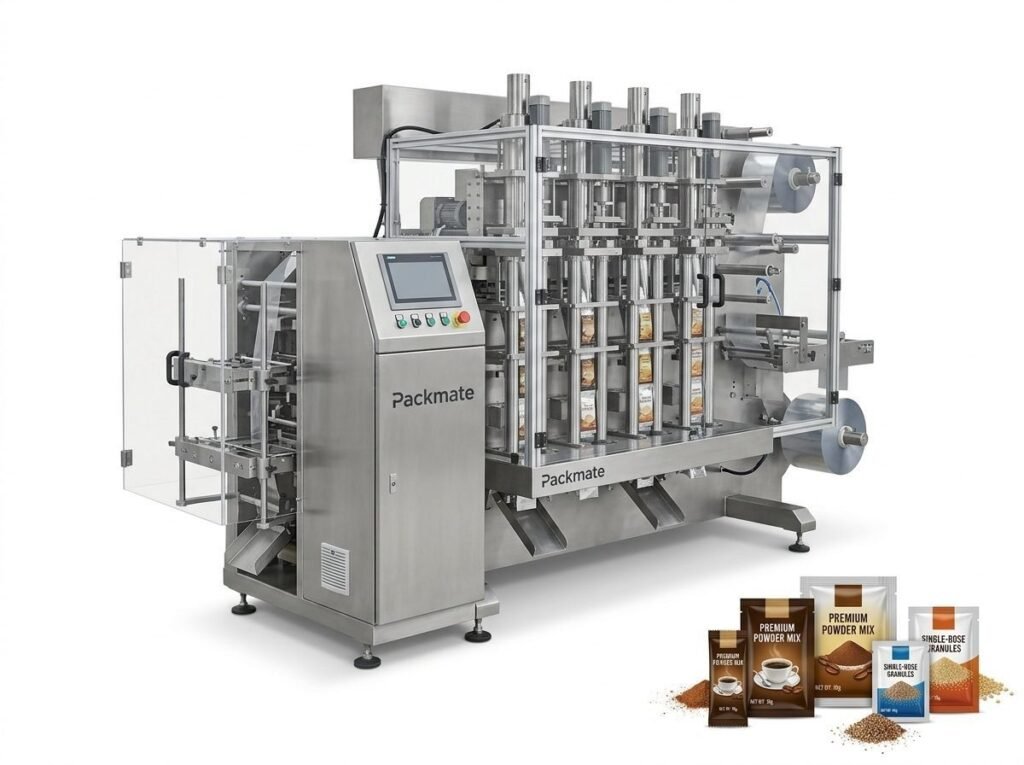
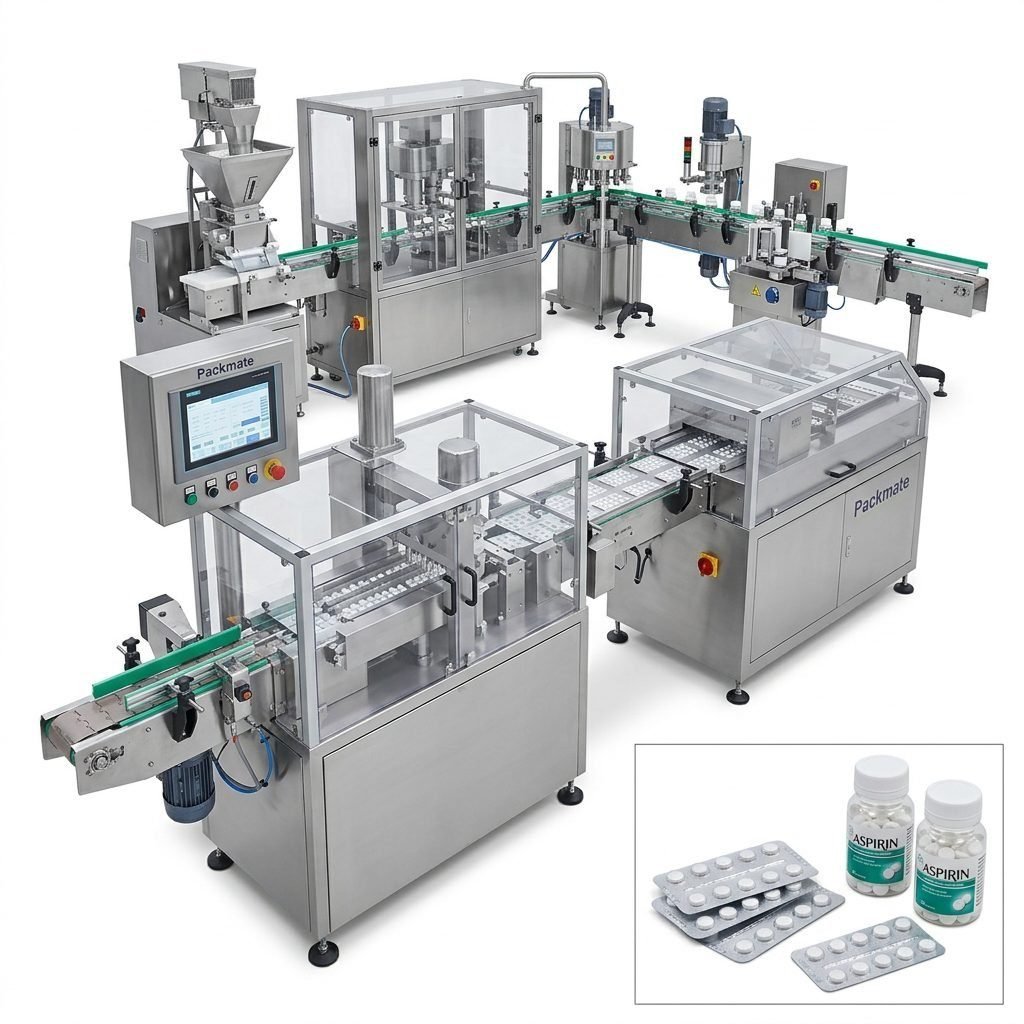
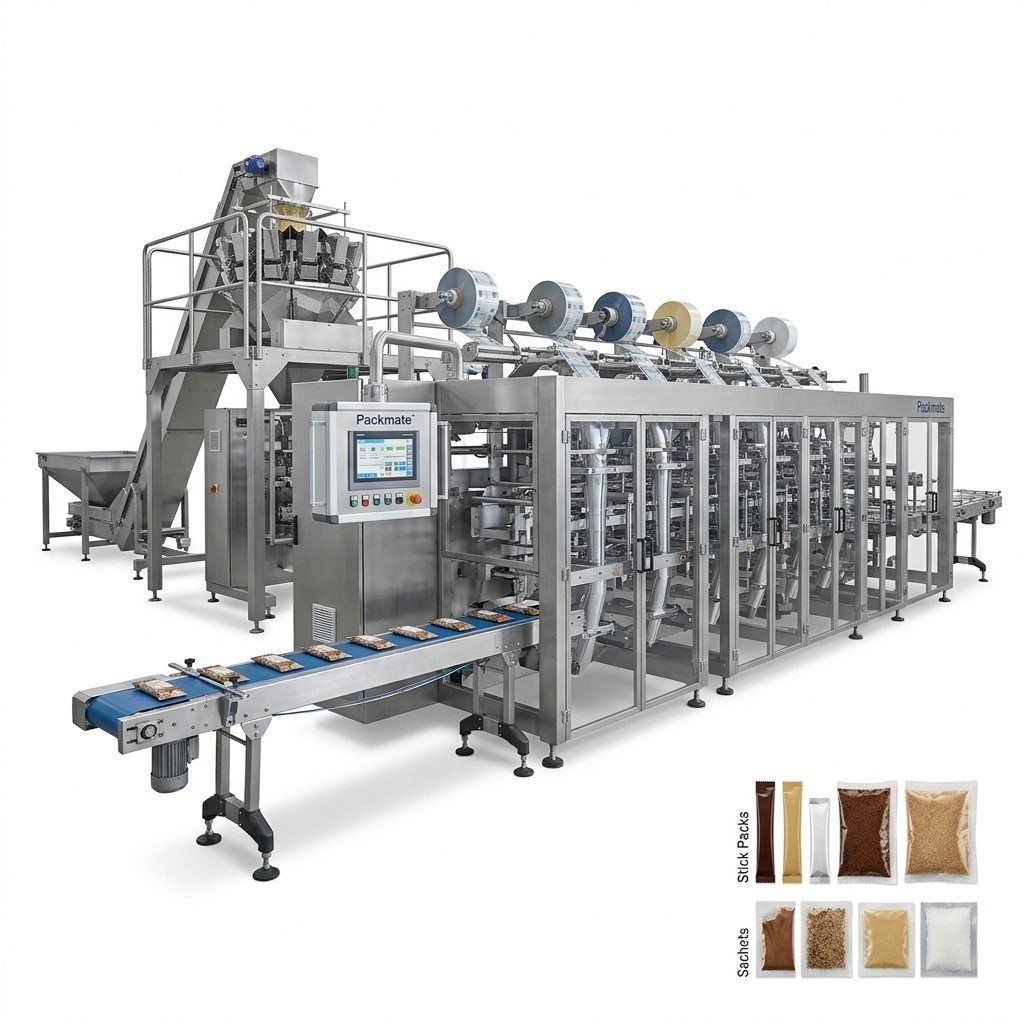
For high-volume production, these individual machines are combined into a fully automated, synchronized line. A typical integrated line might include an unscrambler to orient jars, a cleaner, a filler, a capper, a labeler, and a case packer. Companies like Packmate Machinery specialize in providing such complete filling and packaging lines, offering turnkey solutions that enhance overall efficiency.
Key Benefits of Automating Your Glass Jar Packaging
Investing in automated packaging machinery delivers a substantial return on investment through multiple channels.
1. Unmatched Efficiency and Speed: Automation dramatically increases output compared to manual packing. Machines can fill, cap, and label hundreds or thousands of jars per hour, meeting large-scale demand and shortening time-to-market.
2. Superior Consistency and Accuracy: Human error in fill volume or cap tightness is eliminated. Every jar receives the exact same amount of product and is sealed with precise, consistent torque, ensuring product quality and compliance with weights and measures regulations.
3. Enhanced Hygiene and Safety: Automated systems minimize direct human contact with the product and containers. This is a non-negotiable advantage in food and pharmaceutical packaging, reducing contamination risks and helping meet stringent Good Manufacturing Practice (GMP) standards.
4. Significant Labor and Cost Savings: While the initial investment is notable, automation reduces long-term reliance on large manual labor teams for repetitive tasks. This cuts labor costs, minimizes training overhead, and reallocates human resources to more skilled roles like quality control and machine supervision.
5. Improved Brand Image and Versatility: A perfectly filled, neatly capped, and straightly labeled jar presents a professional image that builds consumer trust. Modern machines are also highly adaptable, allowing for quick changeovers between different jar sizes, cap types, and products, facilitating small-batch or multi-product runs.
A Practical Guide to Selecting the Right Machine
Choosing the correct glass jar packaging machine requires a careful assessment of your specific needs. Follow this structured guide to make an informed decision.
Step 1: Analyze Your Product and Jar Specifications
Start with the fundamentals. What is the physical state of your product (liquid, powder, granules, paste)? What is its viscosity, acidity, or abrasiveness? Simultaneously, define your jar parameters: size (volume and dimensions), opening diameter, and the type of closure (metal twist-off, plastic screw cap, press-on lid). The machine must be compatible with all these factors.
Step 2: Define Your Production Requirements
Calculate your required output speed (jars per minute/hour). Determine if you need a single machine for a bottleneck process or a complete integrated line. Consider your factory’s available space (footprint) and utilities (electrical supply, compressed air). Also, plan for future growth—can the machine be upgraded or integrated into a larger line later?
Step 3: Evaluate Key Machine Features and Technology
Look beyond the basic function. For fillers, prioritize accuracy (e.g., +/- 0.5% variance) and the ease of cleaning and changeover. For cappers, ensure the chuck system can handle your specific cap type and apply consistent torque. For the entire system, assess the control interface—modern touchscreen PLCs offer better usability and diagnostics. Robust construction from materials like stainless steel (especially for food contact parts) is essential for durability and hygiene.
Step 4: Assess Supplier Credibility and Support
The machine is only as good as the company behind it. Research the manufacturer’s experience and reputation. A supplier with a long history, like Packmate Machinery with over two decades in the industry, often indicates reliability. Review their technical support, availability of spare parts, warranty terms, and training offerings. Can they provide a comprehensive after-sales service? Request references or case studies from clients with similar needs.
Step 5: Consider Total Cost of Ownership (TCO)
Do not base your decision on the purchase price alone. Calculate the TCO, which includes energy consumption, maintenance costs, expected lifespan, and potential downtime. A slightly more expensive, high-quality machine from a reputable supplier often proves more cost-effective in the long run due to higher reliability and productivity.
Common Questions (FAQ)
What is the typical accuracy level of an automatic glass jar filler?
High-quality auger fillers for powders can achieve accuracies within ±0.5% to ±1%, while precision liquid piston fillers can often reach ±0.1%. The specific accuracy depends on the product characteristics and machine model.
Can one machine handle different jar sizes and products?
Yes, most modern machines are designed with changeover in mind. Look for models with quick-change parts (like filling nozzles, capping chucks, and label applicators) and programmable settings that allow you to store parameters for different jar/product combinations.
How important is stainless steel construction?
For food, pharmaceutical, and cosmetic applications, it is critical. Stainless steel (especially grades like 304 or 316) is non-corrosive, easy to clean and sanitize, and meets international hygiene standards. It ensures product safety and machine longevity.
What kind of maintenance do these machines require?
Regular preventative maintenance is key. This typically includes daily cleaning, lubrication of moving parts as per the manual, inspection of seals and wear parts, and periodic calibration of weighing or filling systems. A good supplier will provide a detailed maintenance schedule.
Is operator training provided by the manufacturer? A reputable manufacturer should always provide comprehensive training. This includes machine operation, basic troubleshooting, safety procedures, and routine maintenance. Ensure training is included in your purchase agreement to ensure your team can run the equipment efficiently and safely from day one.